Camping Storage
U Gyms Heavy-Duty Reusable Ziplock Bags Review: A Lightweight Camping Workhorse
A large 8 mil reusable ziplock bag that weighs 2.2 oz, seals watertight, and earns its place on backpacking, camping, and fishing trips.
Introduction
Some of the most useful outdoor gear is the least glamorous. A large, heavy-gauge reusable ziplock bag belongs in that category: it weighs almost nothing, costs little, and quietly solves a long list of small problems that come up on nearly every trip.
These bags come from U Gyms and are sold on Amazon in packs of 12. Each one measures 18 in by 13 in and is made from an industrial-strength, food-grade, puncture-resistant plastic film that is 8 mil thick. That thickness is the whole story. It is what separates this bag from the thin kitchen versions that split the moment something sharp goes inside. A single bag weighs 2.2 oz and packs down to almost nothing in a backpack.
At $23.50 for a 12-pack at the time of writing, the value case is easy to follow. One bag can stay in service for years, so a single pack covers a very long stretch of trips.
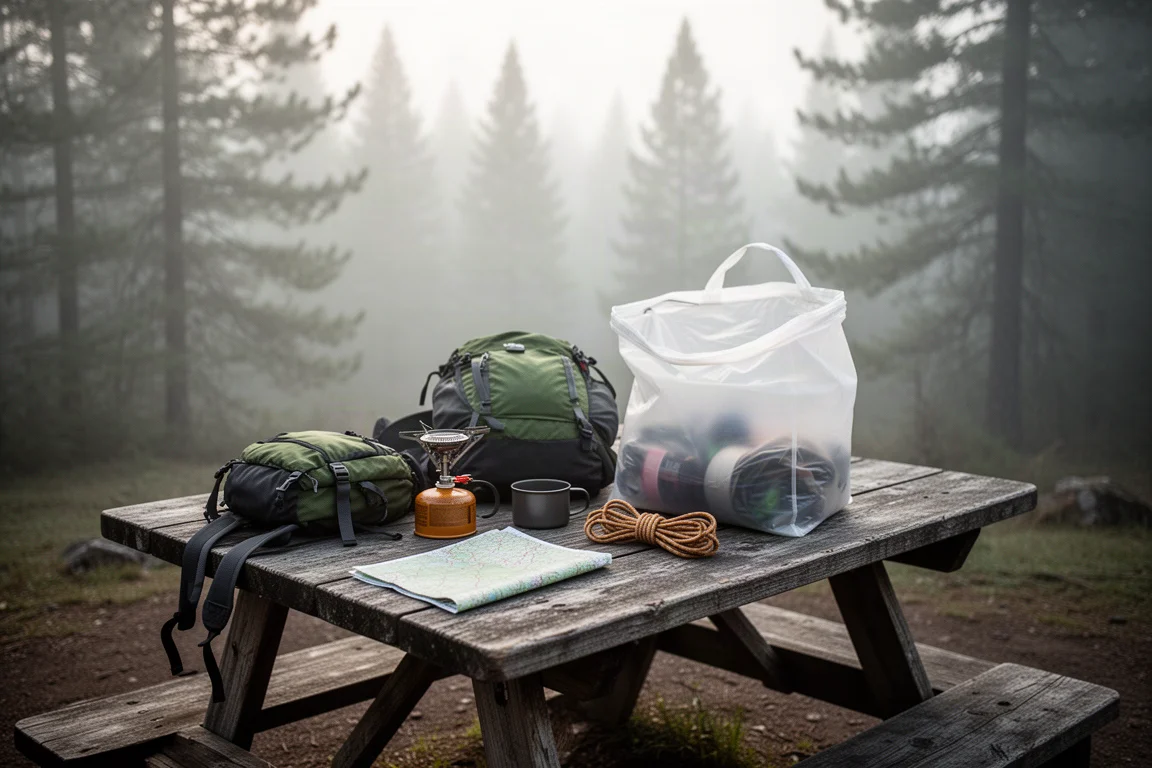
The result behaves less like a disposable bag and more like a permanent, low-cost organizer for gear, food, and waste. The sections below cover who it suits, where it performs best, and the one detail worth watching if you want it to last.
Who This Product Is For
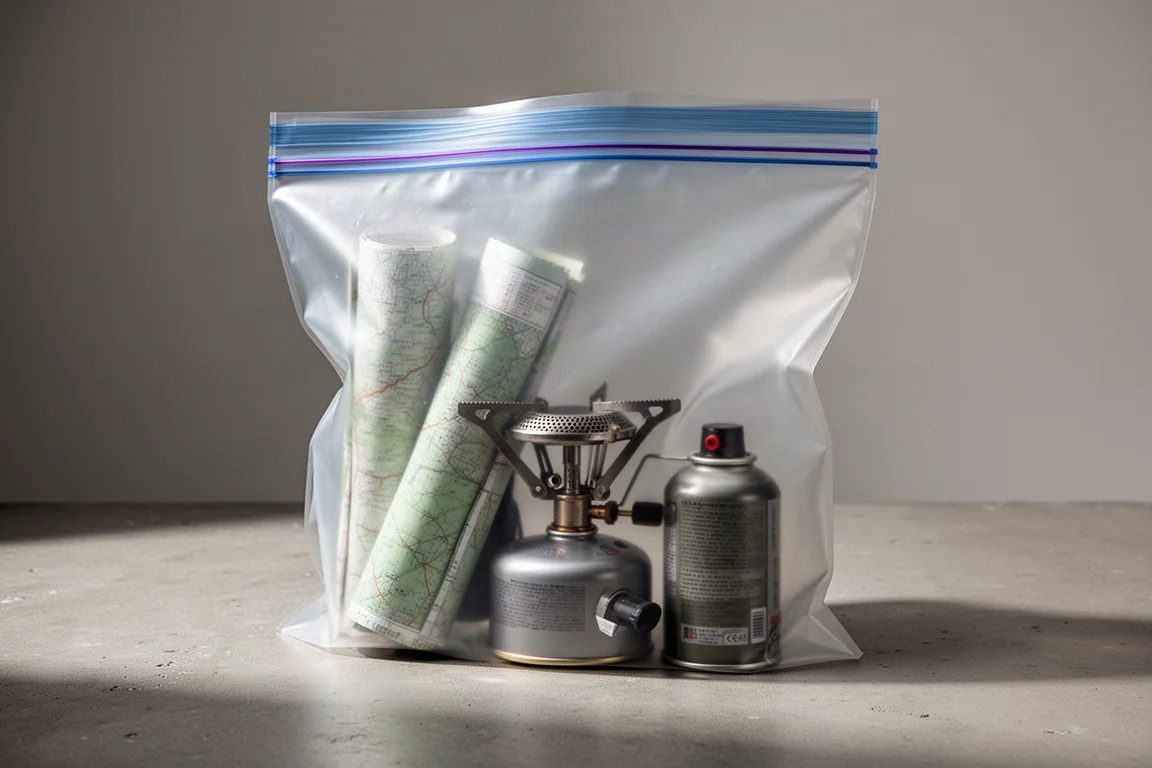
This is gear for people who carry things and want those things to stay dry, clean, and findable. Backpackers use it to group small items and to keep dirty or wet gear away from everything else. Day hikers use it as a simple dry bag for a stove, a spoon, fuel, and a pot, then drop the whole bundle into a pack.
Campers and overlanders get a different benefit. A large bag of this size works as a trash bag and a dirty dish bag at camp, keeping food odors, crumbs, and grease contained until you get home. Anglers can carry bait, lures, or a fresh catch without odors leaking into the rest of the load. Bushcrafters can use it for tinder, matches, and fire-starting materials, and the puncture-resistant film is thick enough to double as a kneeling pad while processing firewood on wet ground.
Anyone who wants a reusable alternative to disposable bags for organizing clothing, toiletries, or first aid supplies will find the same benefits apply.
Main Strengths
The case for these bags rests on a handful of practical qualities rather than any single headline feature. They are thick, they seal, they stay clear enough to see through, and they keep working trip after trip.
Durability and Puncture Resistance
An 8 mil film is substantial for a storage bag, and it changes how the bag can be used. Sharp, heavy, and dirty objects can go inside without the film tearing. The same thickness allows the bag to be pressed into service as a ground mat, which is a use that would destroy a standard kitchen bag immediately.
Longevity follows from that. Bags of this type have stayed in service for two to three years of regular use, and across five years of ownership only three bags out of a purchased set of 12 have been retired. The one documented failure came from a bag left unsealed overnight, which allowed a small animal to chew through it. That was a sealing mistake rather than a materials problem.
Waterproof Sealing and Odor Control
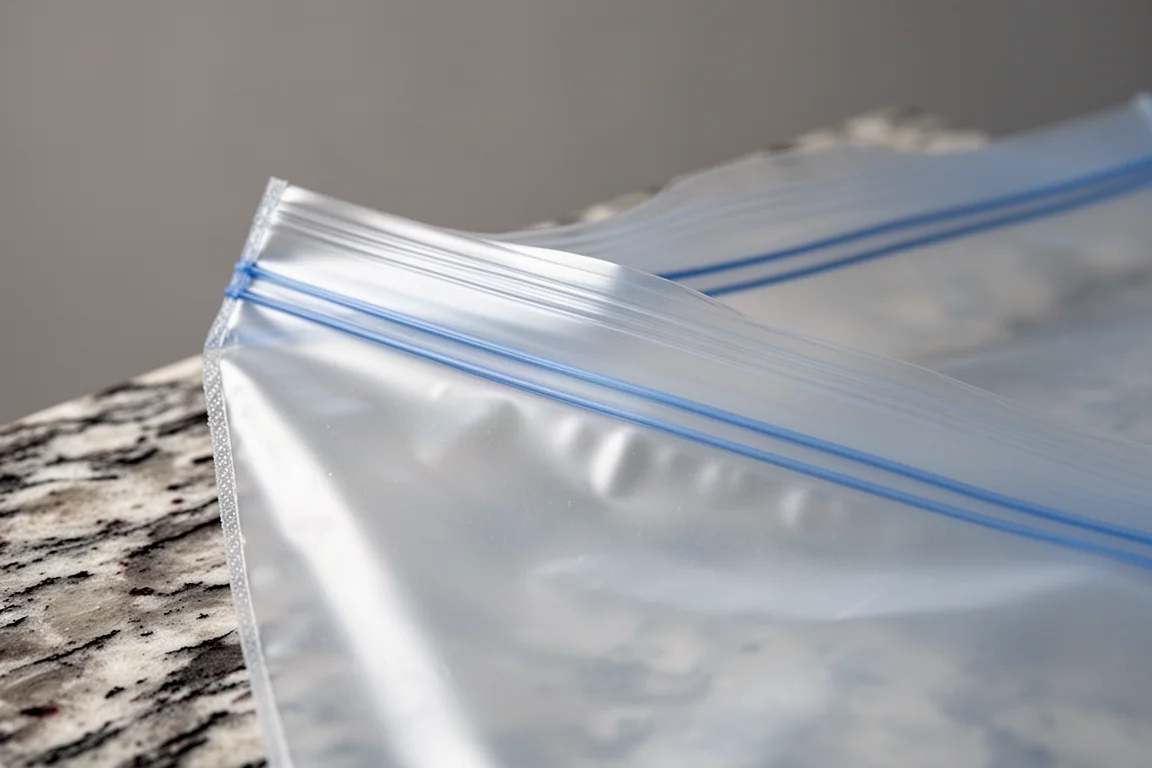
The press seal is the part that makes everything else work. It closes with a tactile and audible confirmation, and it holds. Water does not get in, and water does not get out, which is what allows the bag to stand in for a dry bag on rainy days. There is no roll-top to unroll and no strap to buckle: pull the bag out, break the seal, and you are working.
The same seal keeps odors contained. Coffee grounds, food scraps, and dirty cookware can sit inside without announcing themselves. One important caveat is that odor containment is not the same as animal protection. This is not a bear bag, and it should not be treated as one.
Clarity, Low Weight, and Easy Cleaning
The film stays clear enough that individual items remain identifiable inside the bag, even after years of use. That saves the digging that comes with opaque stuff sacks: you can see the lighter, reach in, and close it again.
Weight is negligible at 2.2 oz per bag, and the bags flatten to almost nothing when empty, so carrying a spare costs nothing in pack space. Cleaning is equally simple thanks to the wide 18 in by 13 in opening. A little water and soap, a rinse, and the bag is ready for the next trip.
Practical Ways to Use These Bags
The flexibility here is the real selling point. The bag keeps dirt out and water out, and it keeps dirt in and water in, which means it can serve as a container, a barrier, or both on the same trip.
Common uses include protecting electronics and paper maps, grouping stoves and fuel canisters, carrying meals, storing clothing, and separating fire starters, toiletries, or first aid supplies. The bag can be filled with water and a little soap to make a makeshift basin for washing up or doing dishes. In the camp kitchen it handles garbage during cooking and dirty pots afterward, then gets washed alongside them at home. On a rainy day hike it works as a dry bag that is faster to open than a roll-top. Add fishing and bushcraft to the list, and it covers bait, lures, a fresh catch, tinder, and matches.
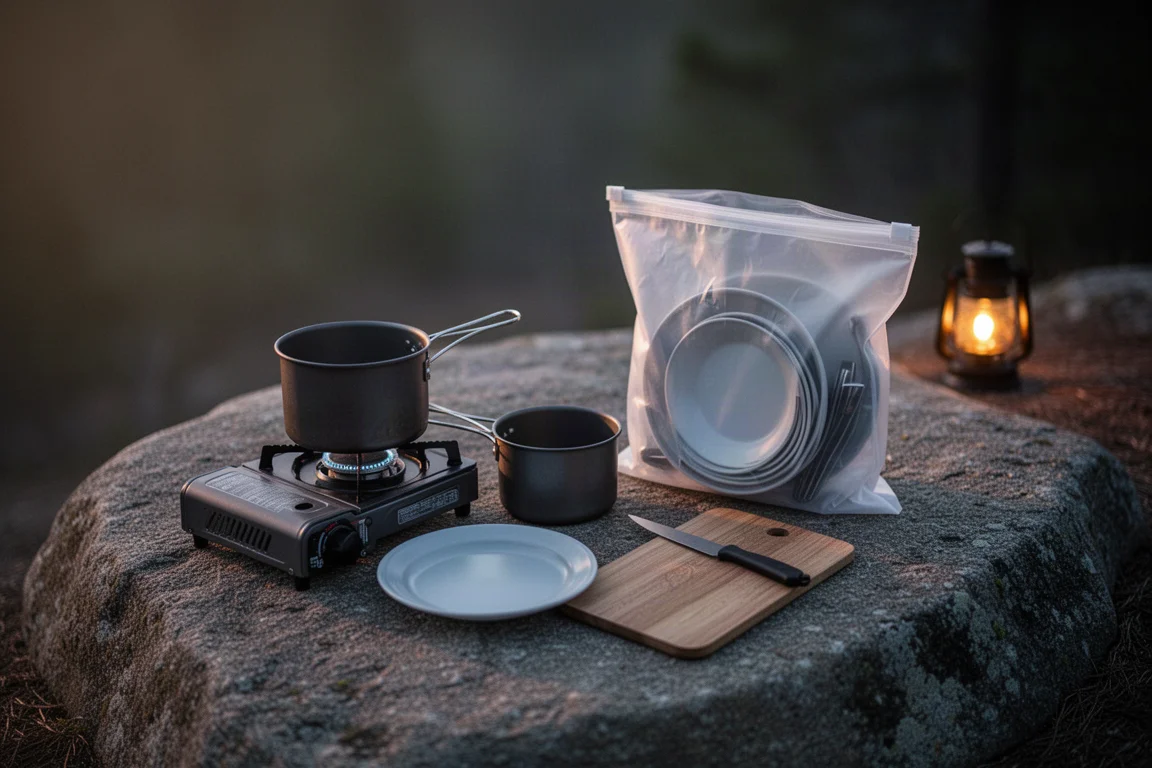
One point worth repeating: the 18 in by 13 in size feels oversized at first, then turns out to be the right compromise. It holds a sensible amount of gear, fits inside a daypack or an overnight pack, and does not push you toward something bigger.
Things to Consider Before Buying
There is essentially one weakness, and it is worth understanding before you buy. The press seal is the most delicate part of the bag. Debris caught along the track can interfere with the closure and, over time, damage it. Keeping the seal area clear is the single habit that determines how long the bag lasts. In practice, bags that see regular use still seal correctly even when the track has not always been perfectly clean.
Two other considerations are practical rather than performance related. The bags are sold only in packs of 12, so there is no way to buy a single unit. And while the film contains odors well, it is not a wildlife-proof container, so food storage in bear country still calls for proper hanging or a certified canister.
Buyers who want other dimensions should know the range extends beyond this size, with options such as 3 in by 3 in and 16 in by 20 in available.
Buying Advice
The math is simple. A 12-pack at $23.50 works out to roughly two dollars per bag, and each bag is built to survive years of trips rather than a single season. If you already carry a mix of small gear, cookware, and trash on outdoor trips, this is one of the cheapest ways to organize all of it.
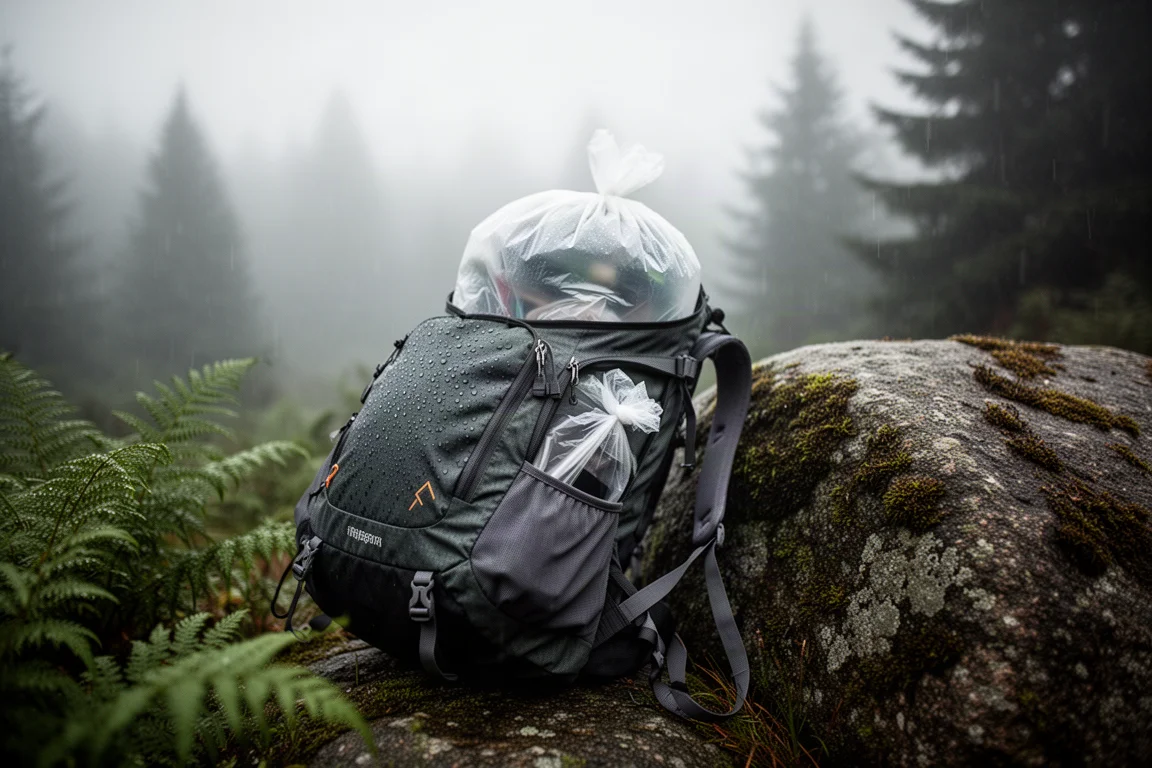
The best approach is to start with the 18 in by 13 in size, use one bag for camp trash and dirty dishes, and keep a second one folded flat in your pack as a dry bag for rainy days. Treat the seal track with reasonable care, and the pack should serve you for a very long time.
Conclusion
Heavy-duty reusable ziplock bags are not exciting gear, and that is exactly why they work. They are light, inexpensive, waterproof, puncture resistant, and flexible enough to replace several single-purpose items in a pack. For backpackers, campers, overlanders, anglers, and bushcrafters who want better organization and real protection for a small outlay, this is an easy recommendation.
Product link
View more details for U Gyms Heavy-Duty Reusable Ziplock Bags
This product is mentioned in the review. Check the specifications, options, and compatibility before buying.
View more details for U Gyms Heavy-Duty Reusable Ziplock BagsFurther reading
Related Reviews
Camping Storage
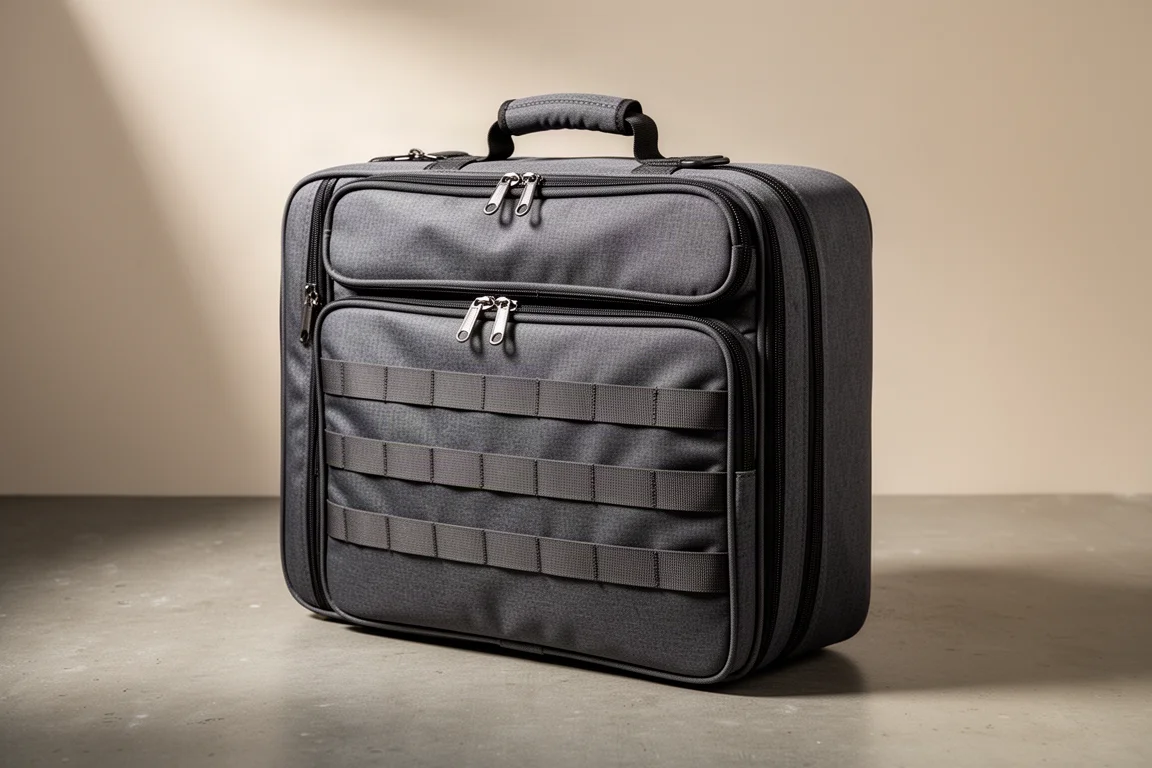
Camping Moon Double Storage Case Review: Two Compartments, One Versatile Gear Bag
A large two-compartment gear case with padded, rigid sides, smooth two-way zippers, and MOLLE webbing, reviewed for camp cooking and vehicle organization.
Camping Storage
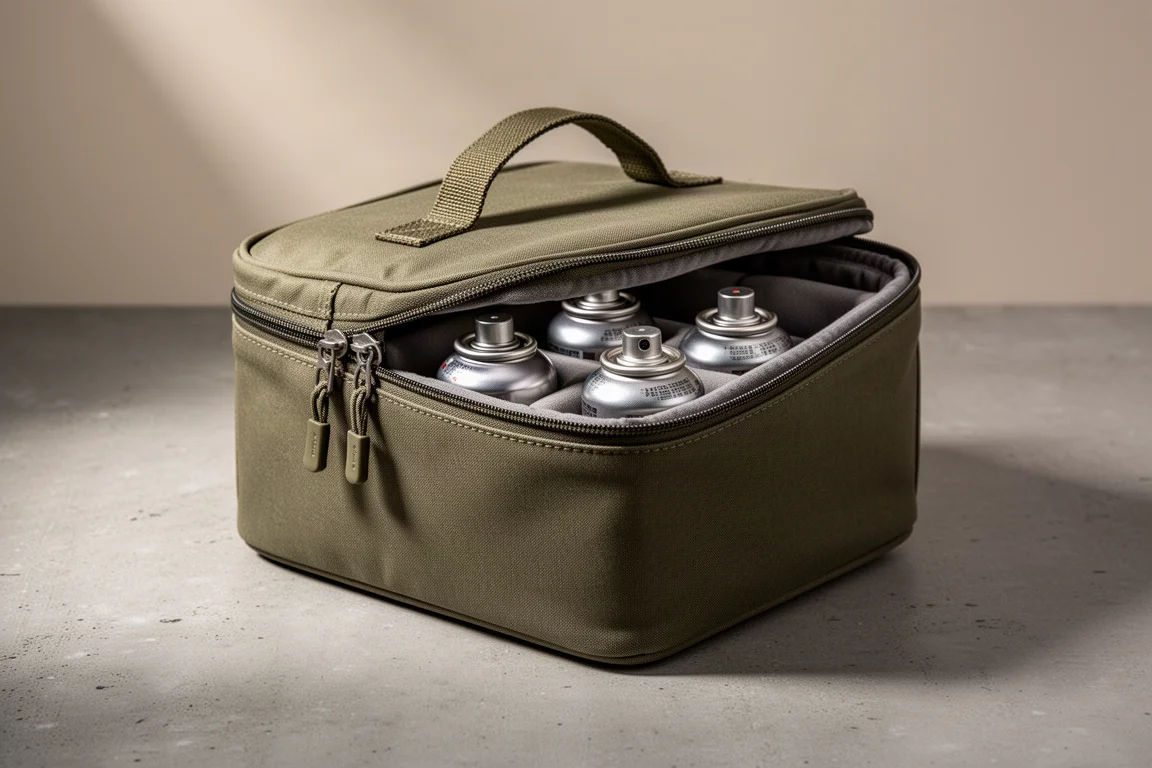
Camping Moon Storage Case Review: A $15 Padded Case for Butane Canisters
A padded, collapsible soft case that carries four butane canisters plus a stove, at a genuinely budget price, with a few listing quirks worth checking first.
Backpacking Gear
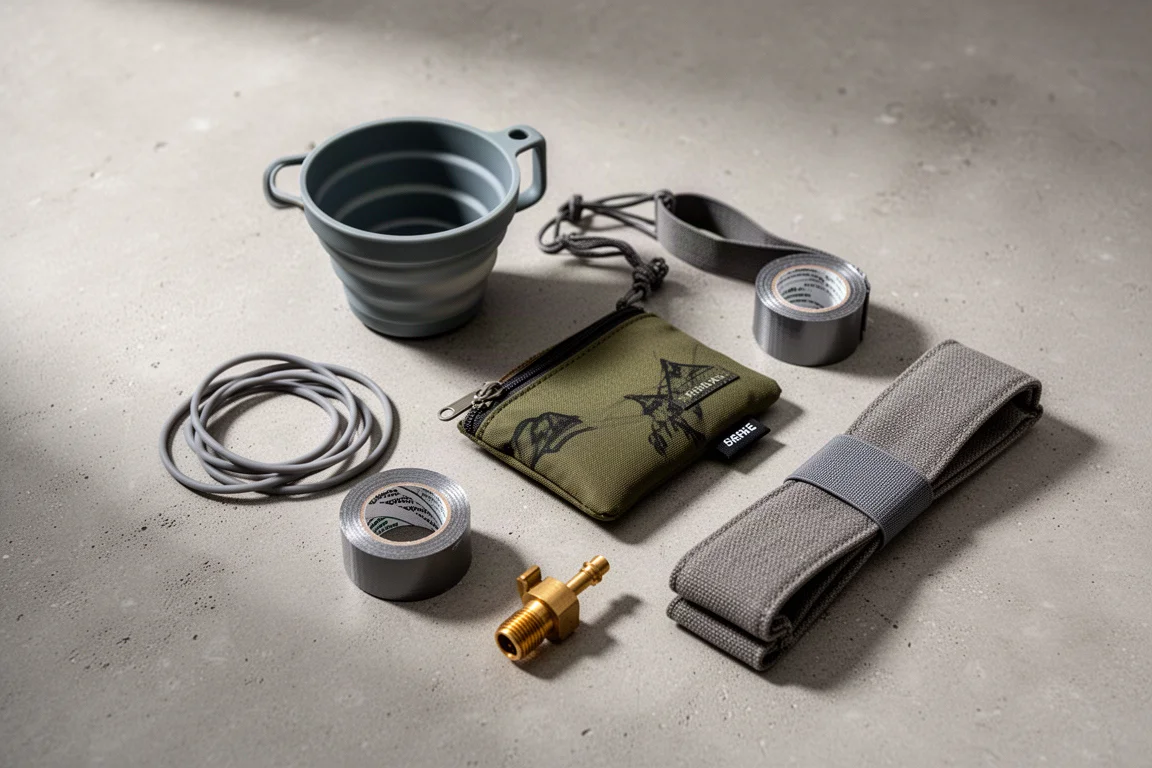
8 Ultralight Backpacking Gear Upgrades Worth Carrying
Eight small, affordable backpacking upgrades that solve real trail annoyances, from a pillow that stays put to a fuel valve that rescues leftover canister gas.