Hiking Gear
Two Hiking Essentials Worth Carrying on Every Hike
A compact water filter and a packable rain layer cover the two most common problems on the trail. Here is how to choose them and what to check before buying.
Introduction
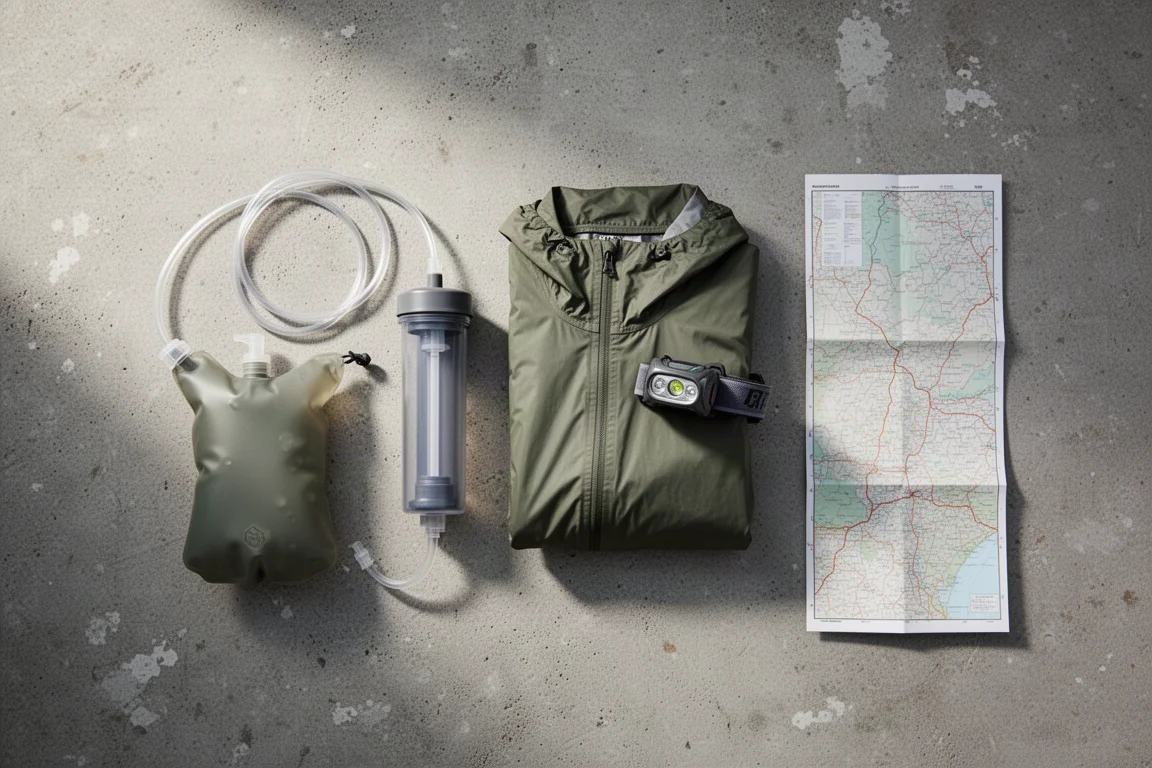
Most hikes go exactly as planned, which is precisely why the exceptions catch people out. A route runs longer than expected, a shower arrives earlier than the forecast suggested, or the temperature drops faster than anyone dressed for a warm morning expected. The gear that keeps a small delay from becoming a real problem is rarely the gear that gets the most attention.
This guide covers two items worth carrying on almost any hike, from a one mile walk to a multi day trip: a compact water filter and a lightweight layer that handles both warmth and rain. Both are small, both are easy to forget about until they are needed, and both solve problems that a full bottle and a phone cannot.
What Makes a Hiking Essential Worth Carrying
The word essential gets used loosely. Plenty of gear is pleasant to have. The items that genuinely deserve space in a pack share a few practical traits.
They take up almost nothing. A filter, a folded layer, or a small light should never compete with food and water for room in a pack. Gear that is bulky gets left at home, and that is exactly when it is missed.
They work without a battery or a signal. A phone is a useful backup for navigation and light, but it can lose charge, crack, or drop out of coverage. A paper map, a dedicated light source, and a simple mechanical filter do not depend on any of that.
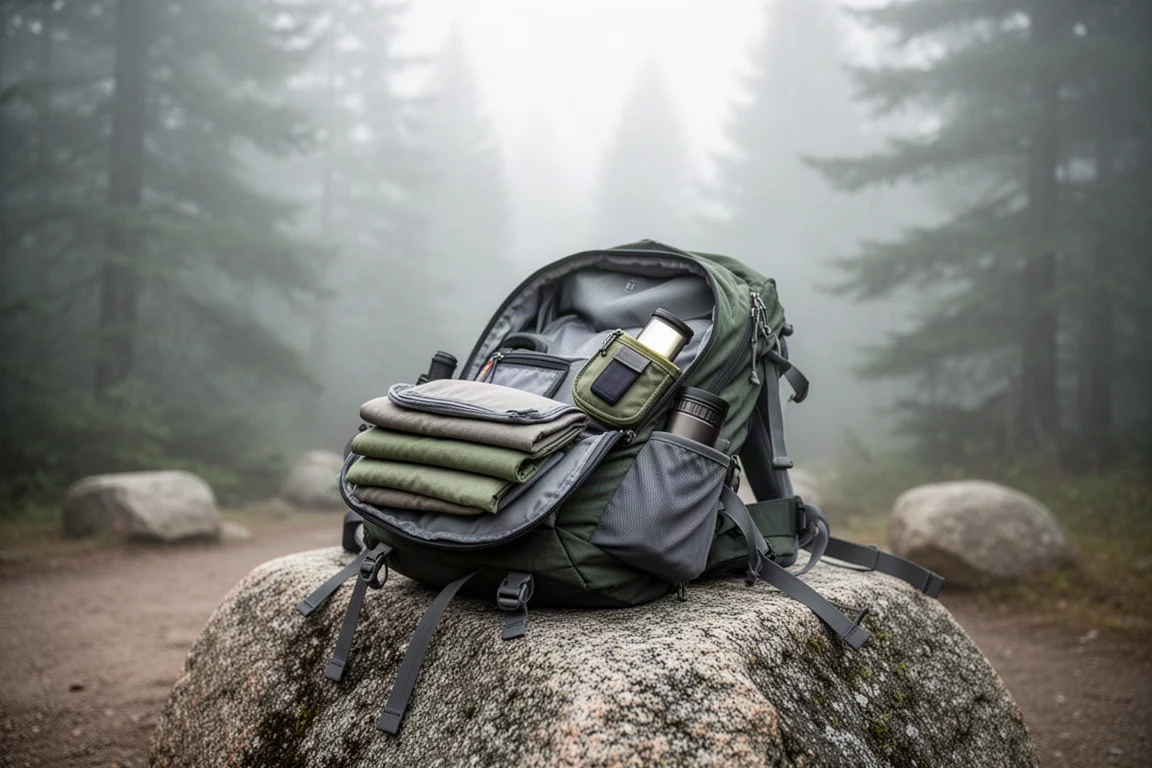
They cover the likely problems rather than the dramatic ones. Running low on water, getting cold when the sun drops, and being caught out after dark are ordinary situations. Ordinary situations are worth packing for, because they happen far more often than the emergencies people picture when they pack.
Best Water Treatment: Sawyer Squeeze
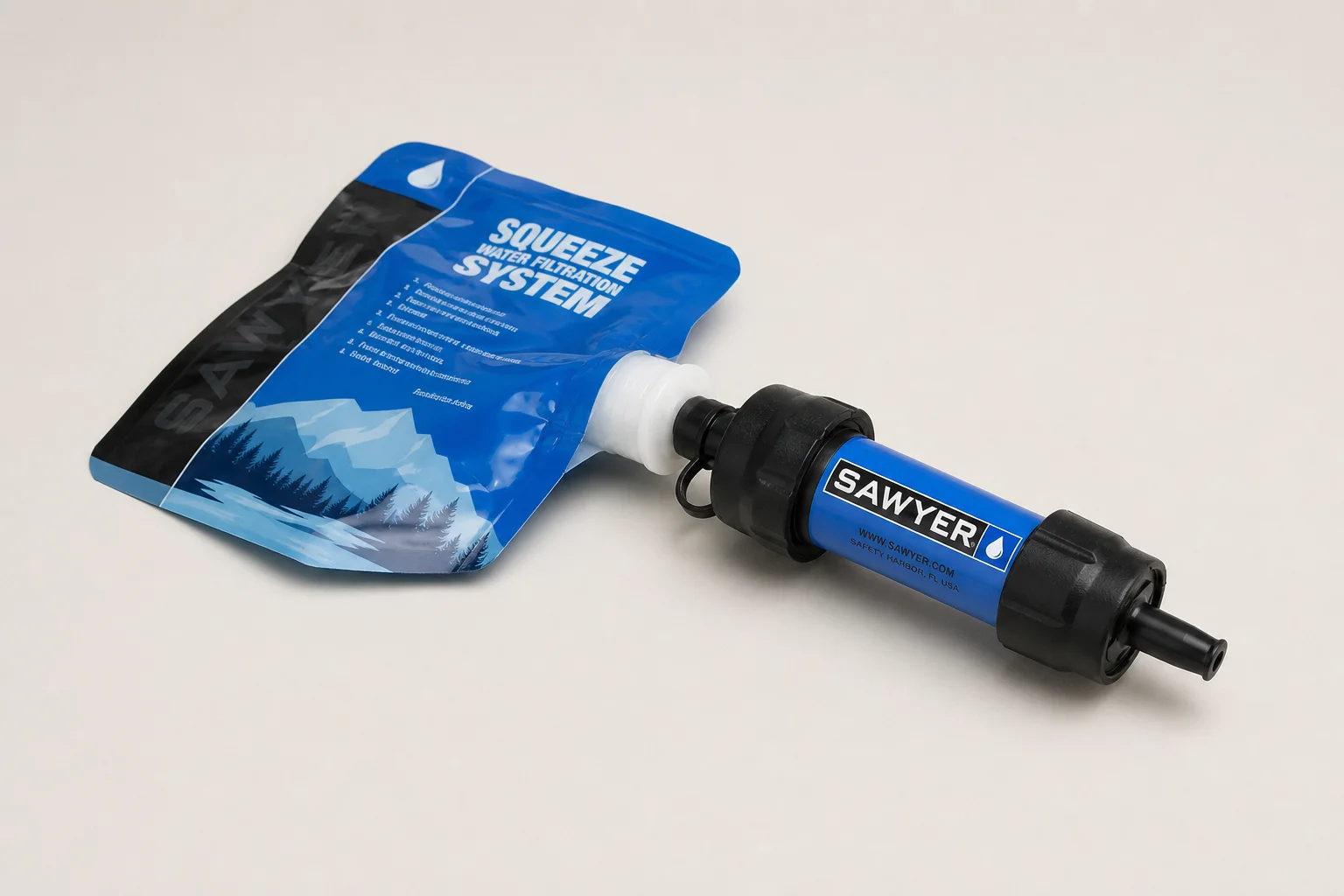
The Sawyer Squeeze is a compact squeeze style filter built to treat water on the trail. Its appeal is straightforward: it is small, light, and easy to keep in a pack without noticing it is there.
On a backpacking trip, carrying a filter is an easy decision. On a day hike, it can feel like overkill when the plan is to carry every litre from the car. The counterargument is space. A filter this size barely registers, and the day it matters is the day the water runs out earlier than expected, the day it is hotter than forecast, or the day the route takes longer than planned.
It also helps beyond your own bottle. Busy trails see plenty of hikers who set out underprepared, and running out of water is a common problem. Carrying a way to treat water means being able to top up for yourself or help someone else who needs it.
Chemical treatment tablets are another route and take up even less space, so the choice comes down to personal preference. What matters is carrying something that turns a questionable water source into drinking water.
Best Insulation Layer: FrogTogs Jacket
A packable layer deserves a permanent place in a pack, whatever the forecast says at the trailhead. On a hot morning it is tempting to leave it behind. Mountains rarely cooperate with that plan, and a passing shower or a drop in temperature after sunset changes how a hike feels.
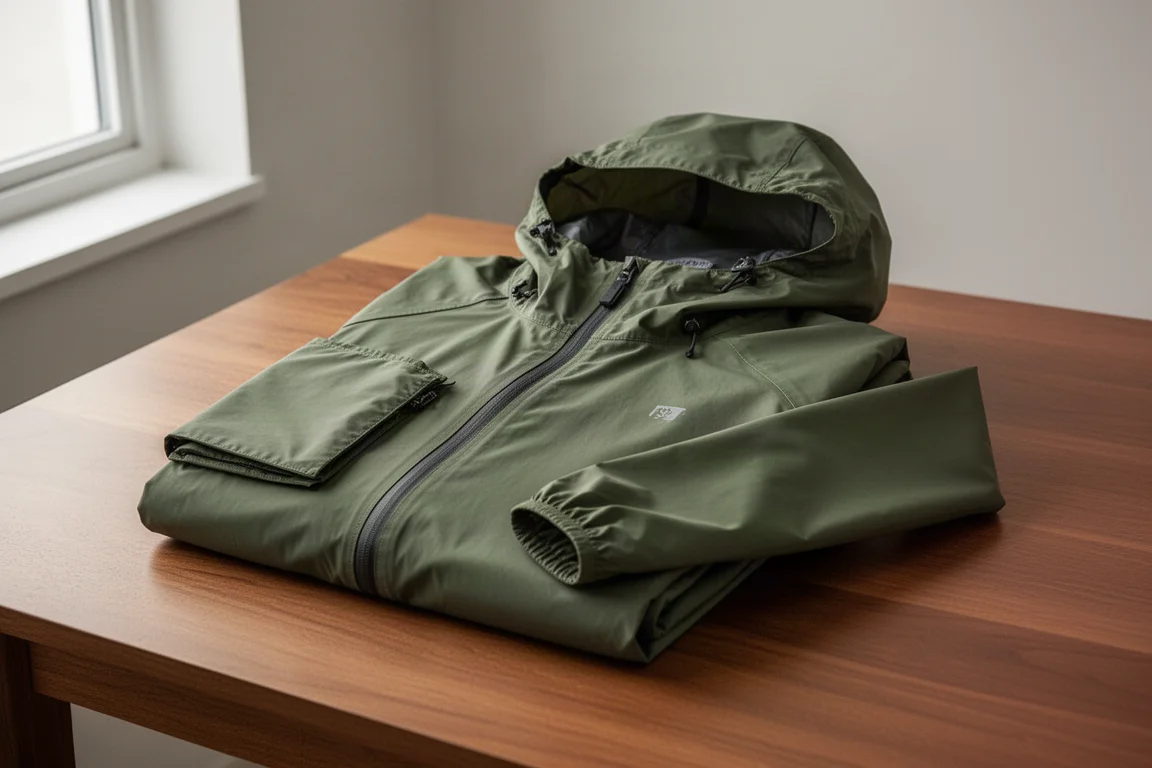
The FrogTogs jacket is a lightweight rain jacket that also works as a single insulation layer. It provides a decent amount of warmth on its own, which makes it a sensible answer when the goal is to carry one layer instead of two. It also keeps doing its job in rain, where an insulated jacket would lose most of its usefulness once it gets wet.
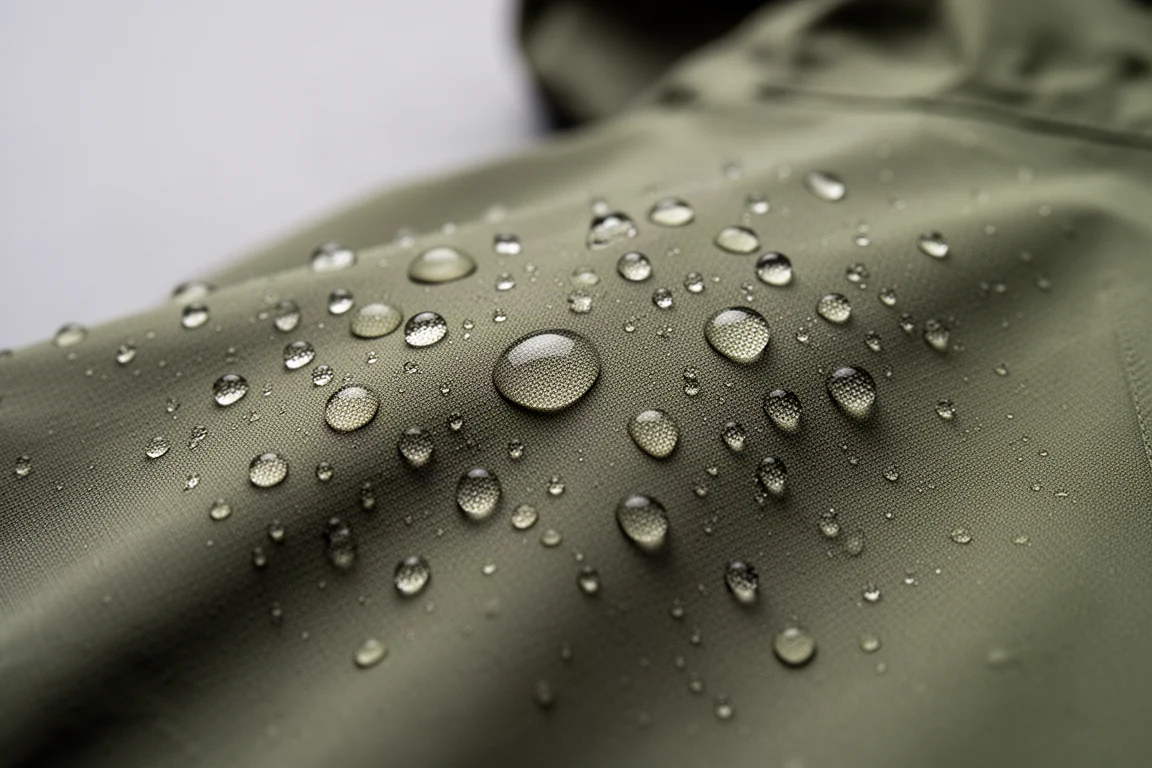
That combination makes it a practical choice for warm weather hikes where conditions might shift. It is positioned as a budget friendly option, which also suits hikers who want a capable layer without spending a great deal.
The trade off is warmth. A rain shell is not a replacement for a dedicated insulated jacket in cold conditions, so hikers heading into genuinely low temperatures should treat it as one part of a layered system rather than the whole answer. For summer and shoulder season trips, a single versatile layer is often enough.
How the Two Work Together on the Trail
Water and warmth account for a large share of the problems that turn a straightforward hike into a difficult one. Carrying a filter and a packable layer together covers both without adding meaningful weight or bulk.
There is also a practical overlap. Both items are small enough to live in a pack permanently, so they stop being decisions. Nothing has to be checked the night before, and nothing has to be remembered on the way out of the door. That reliability is the point.
For hikers building a kit from scratch, these two items are a sensible starting point. A light source, a paper map, and some food round out the basics without adding much weight.
Packing for Short Hikes and Long Days
The kit does not change much between a short walk and a long day out, but the reasoning behind it does. On a short hike, a filter and a layer are insurance. They sit near the bottom of the pack and are rarely touched.
On a longer day, they move closer to the centre of the plan. Water sources become refill points rather than scenery, and the layer comes out at the summit, in the wind, or when the pace slows. On multi day trips, both items become part of the daily routine.
The useful habit is to pack for the hike that could happen rather than the hike that is planned. That means treating a two hour walk and a ten hour day with the same short checklist, and letting the size of the pack carry the difference.
Rounding Out the Rest of the Kit
Two items cover a lot of ground, but a small kit is stronger when it covers a few other basics as well.
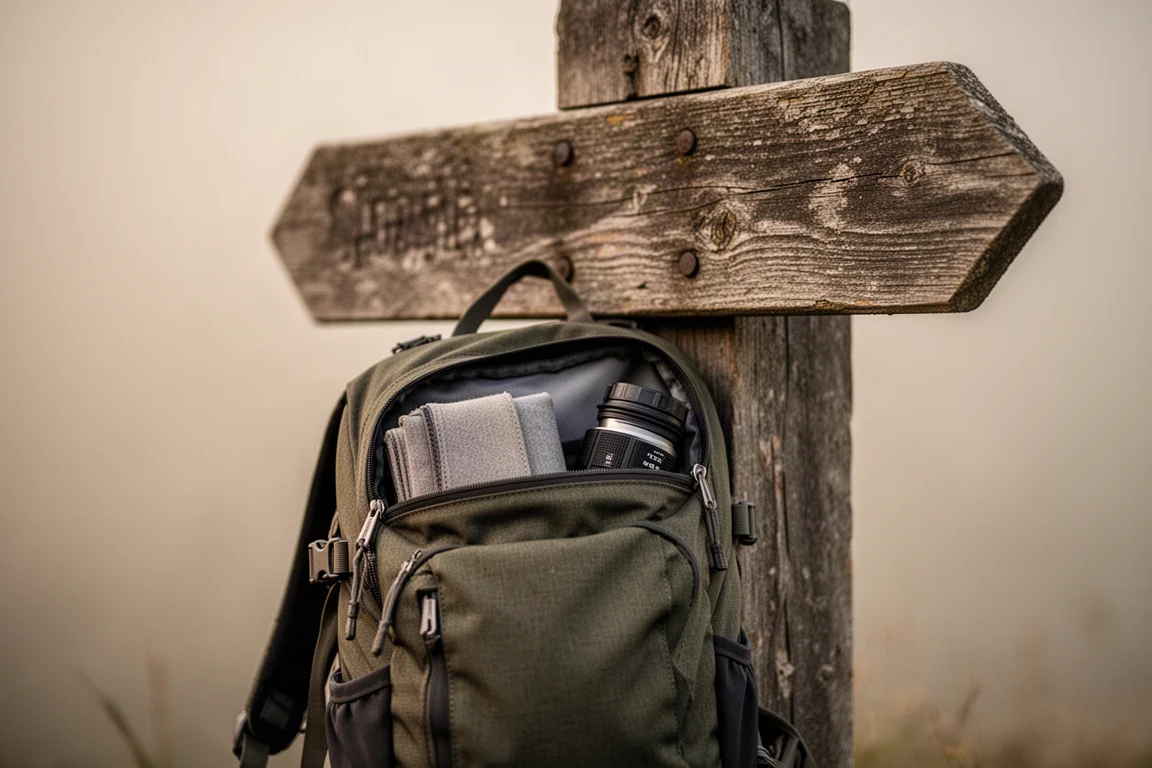
A light source belongs in every pack, even for a hike that starts at sunrise and ends before lunch. A delay of any kind turns daylight into darkness, and a dedicated light is far more effective than a phone screen on technical ground.
A paper map is worth carrying as a backup to a navigation app. Apps are convenient, but they depend on a charged battery, and a paper map can be used to cross check a route or take over entirely if a phone fails.
Food is the simplest item on the list and the easiest to forget. Snacks keep energy steady on longer days, and a small supply prevents the pace from dropping when a hike runs longer than expected.
Overall Buying Advice
Both items make sense for most hikers, but the decision depends on how and where you walk.
Choose the water filter first if your hikes pass reliable water sources or if you want a genuine backup for a day when the bottle runs dry. It is the item that solves a problem nothing else in a pack can solve.
Choose the packable layer first if you hike in changeable weather, start early, or finish late. A single layer that handles warmth and rain covers more situations than a heavier jacket that only works in the cold and the dry.
Buying both together makes sense for anyone building a core kit, since they address the two most common ways a hike goes sideways. Neither takes up enough space to justify leaving it behind.
Conclusion
Hiking gear is judged by what it does on the day everything goes to plan, but it earns its place on the day something changes. A compact water filter and a lightweight layer are small, easy to carry, and useful in the situations hikers actually run into: running low on water, getting cold, and being out longer than planned.
Add a light source, a paper map, and some food, and the pack is ready for a short walk or a long day. The gear does not need to be complicated. It needs to be there.
Further reading
Related Reviews
Hiking Gear
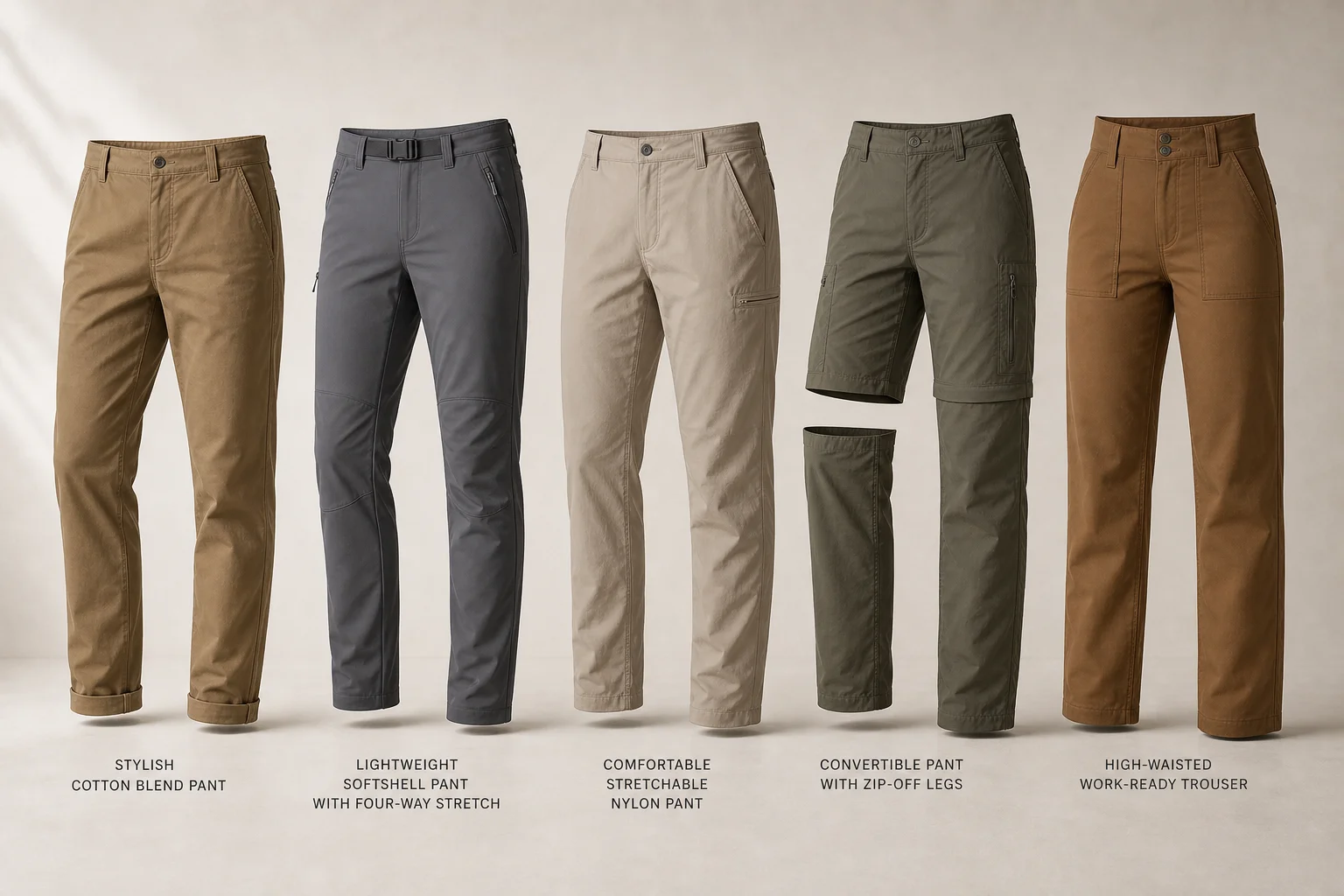
Best Hiking Pants on Amazon: Five Practical Options for Different Needs
A practical review of five hiking pants with clear strengths and trade-offs, from lightweight convertible styles to durable work-ready trousers.
Hiking Gear
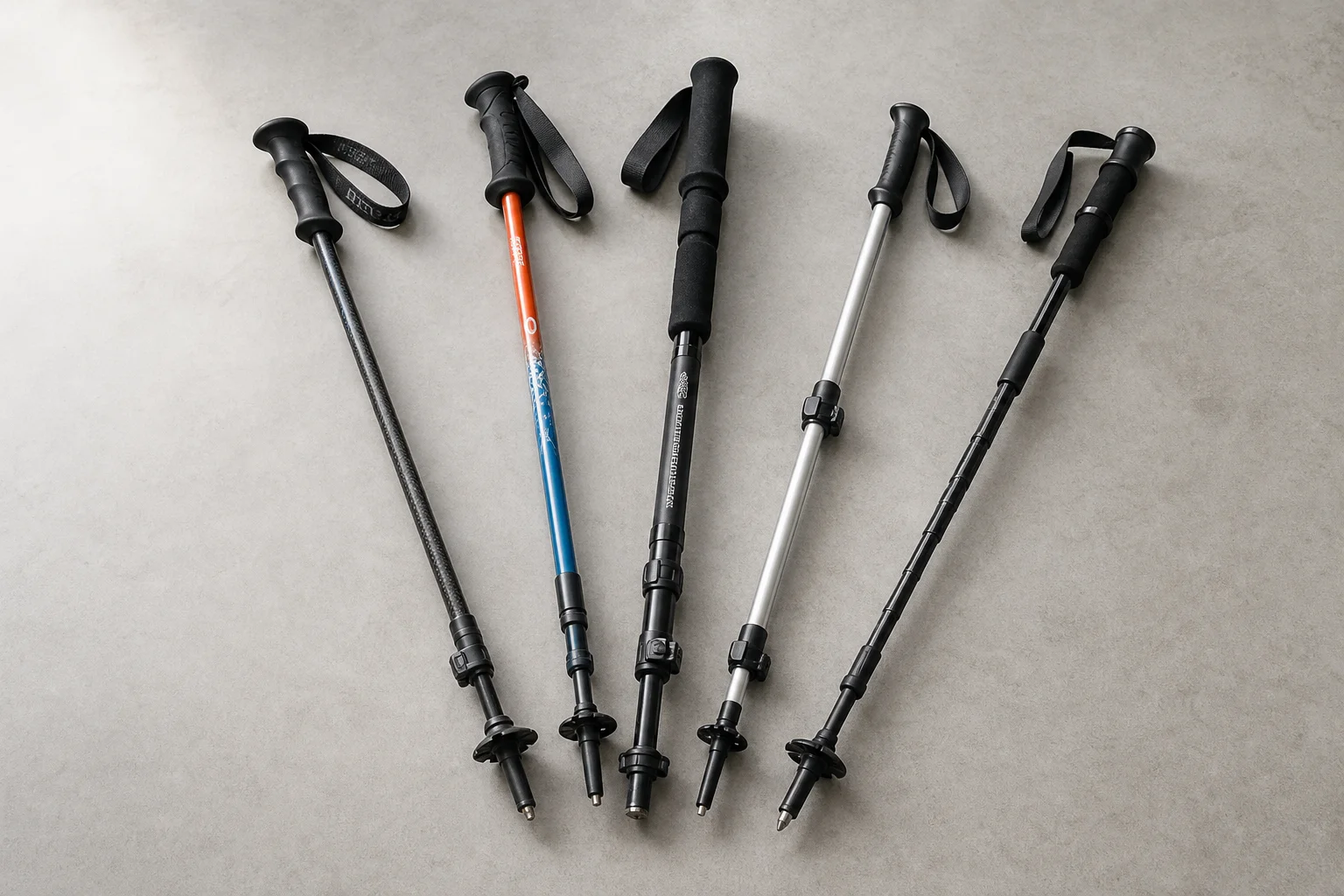
Best Hiking Poles 2026: Five Options for Different Trail Needs
A practical review of five hiking poles, from lightweight carbon designs to versatile all-terrain options, with clear strengths and trade-offs for each.
Hiking Gear
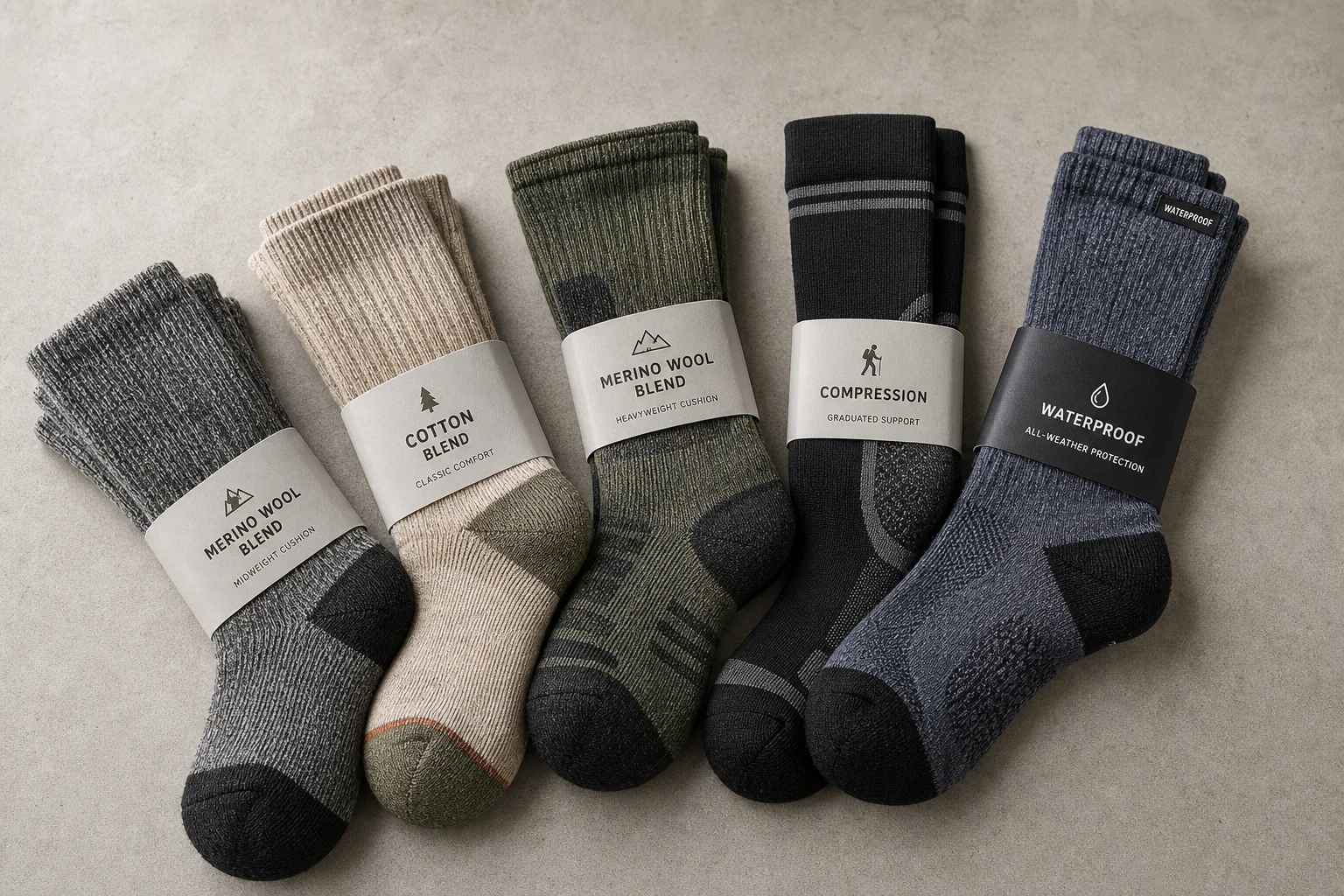
Best Hiking Socks 2026: Five Top Choices for Different Trail Needs
A practical roundup of five hiking socks, from lightweight merino options to heavy-duty compression styles, with clear guidance on which suits your outdoor activity.