Hand Tools
Tungsten Carbide Scrapers: Snap-On CSSD1 vs Lyle Compared
Two tungsten carbide scrapers that take gasket and surface scraping beyond what conventional steel can do, with clear trade-offs on price and build.
Introduction
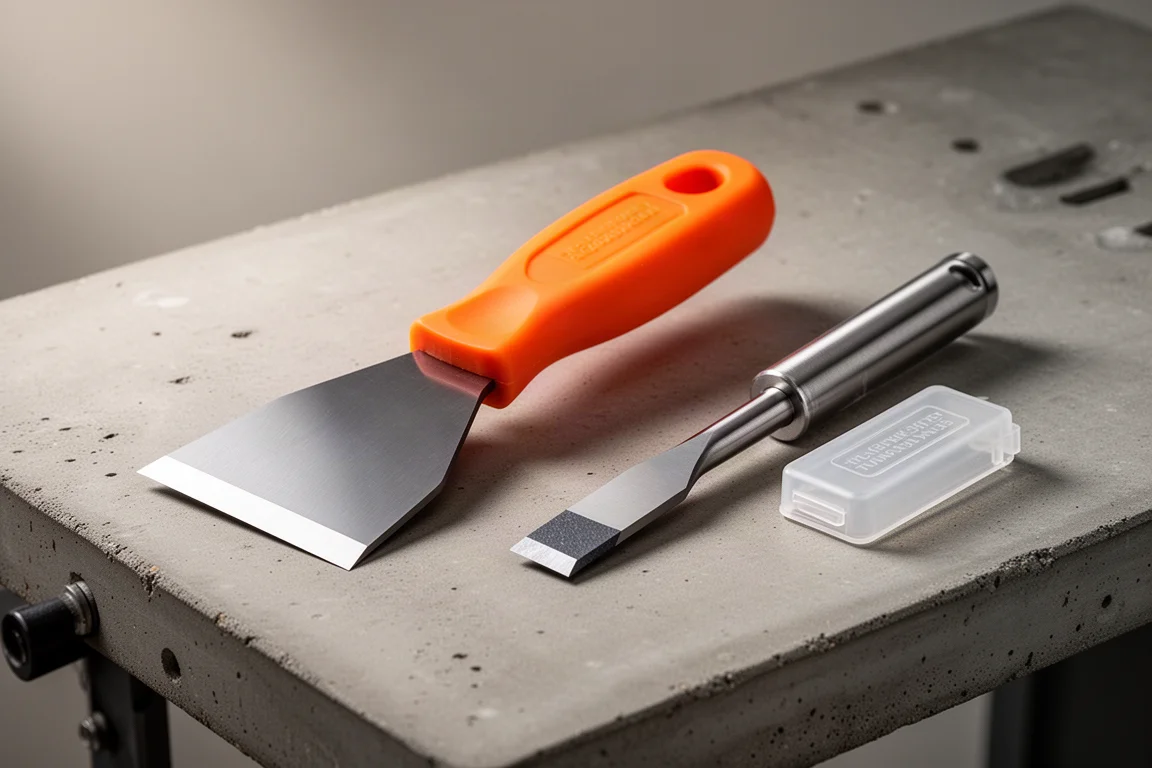
If you spend time removing gaskets, cleaning metal surfaces, or doing careful scraping work, a tungsten carbide scraper is a genuinely different class of tool. Two examples stand out: the Snap-On CSSD1 and the Lyle tungsten carbide scrapers. Both use carbide edges instead of conventional steel, and both promise a flatter, cleaner connection with the workpiece than a traditional edged scraper can deliver. The differences come down to build quality, handle design, and price.
Why Carbide Changes the Game
Tungsten carbide behaves nothing like a regular steel scraper. On the hardness scale, carbide sits at around a nine, which is in ruby territory, while diamond sits at ten. That is an enormous gap compared to ordinary steel, which dulls quickly, is less hard, and does not stay as straight over time.
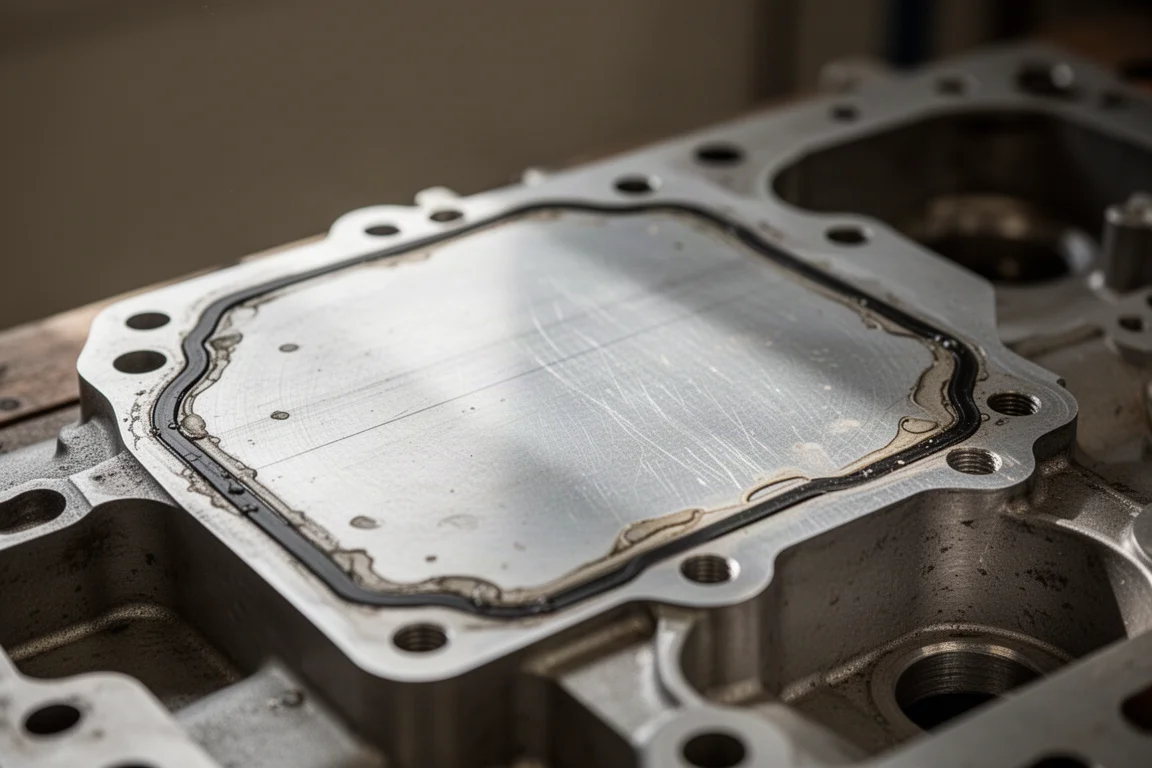
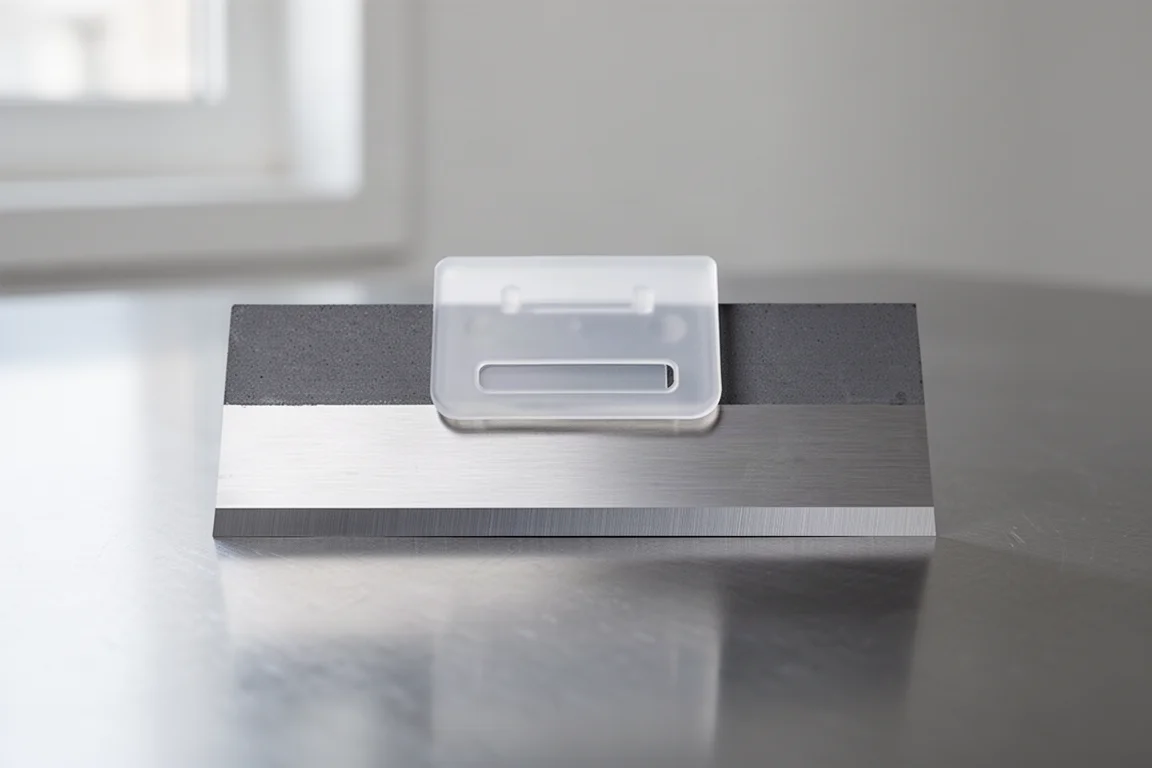
Because the material is so hard, it can be machined to a precise geometry, including a clean 90 degree angle at the edge. That precision makes very gentle, careful scraping possible, even on softer aluminum surfaces, without the same worry you would have with a steel edge. As long as you do not chip the carbide, it keeps performing and gives you a flatter result against the workpiece.
Snap-On CSSD1 Tungsten Carbide Scraper
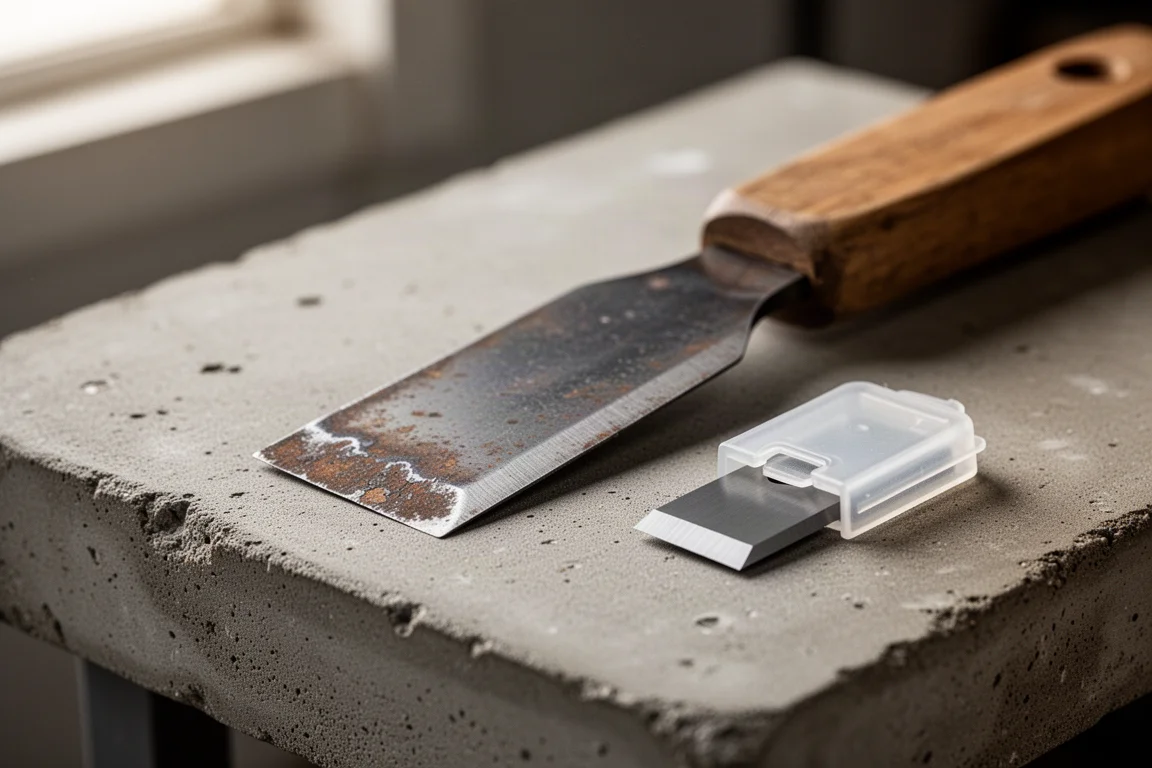
The Snap-On CSSD1 is the overbuilt option of the two. It places the carbide tip on a thick steel shaft inside one of Snap-On’s heavy-duty plastic handles, and that shaft is substantially wider than what many other scrapers use. The brazed joint where the carbide meets the steel looks crude at first glance, with visible heat-treat coloring, but the working end is a large, wide surface that is clearly not easy to make. Achieving that finish requires a harder material, such as diamond paste, just to polish it.
In use, it is the tool that feels a step better. The wide carbide surface is excellent for removing gaskets and for scraping metals with less concern than a conventional steel scraper demands. It can also be used on brake pads, though that calls for a very careful touch. The trade-off is price: the CSSD1 lists at around $69 on the Snap-On site, so it is a commitment, and you can order it online or through a dealer.
Lyle Tungsten Carbide Scraper
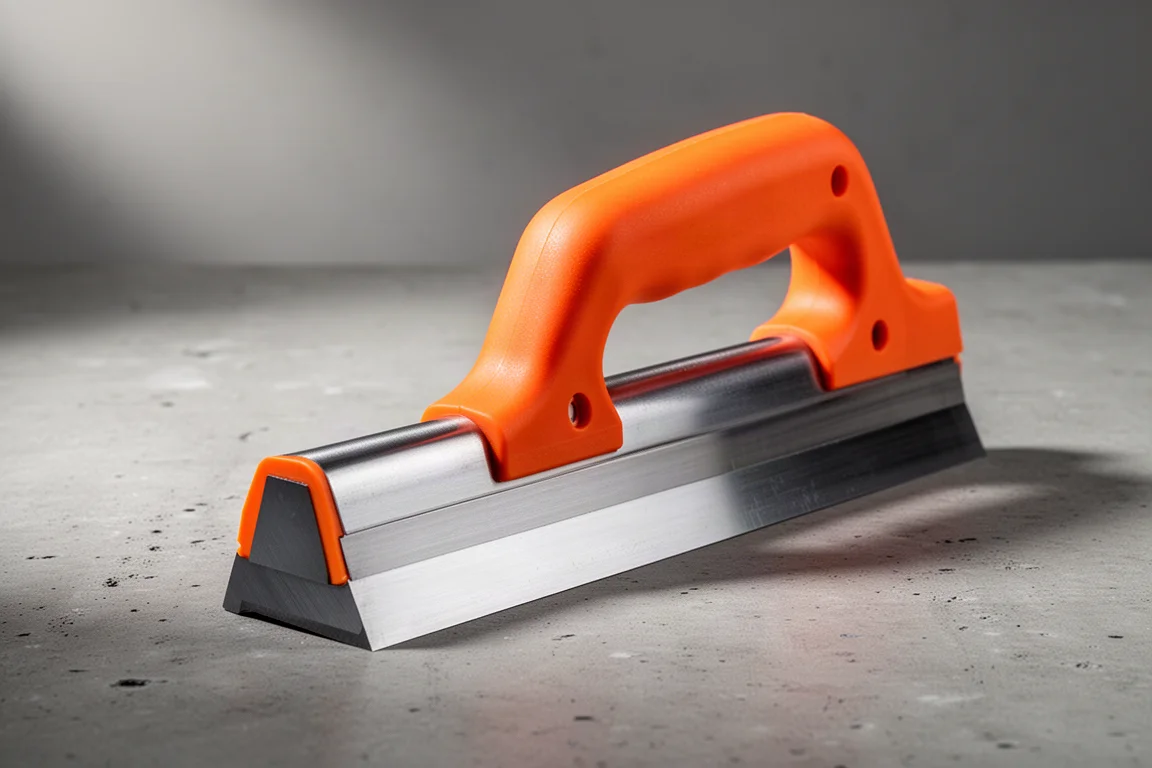
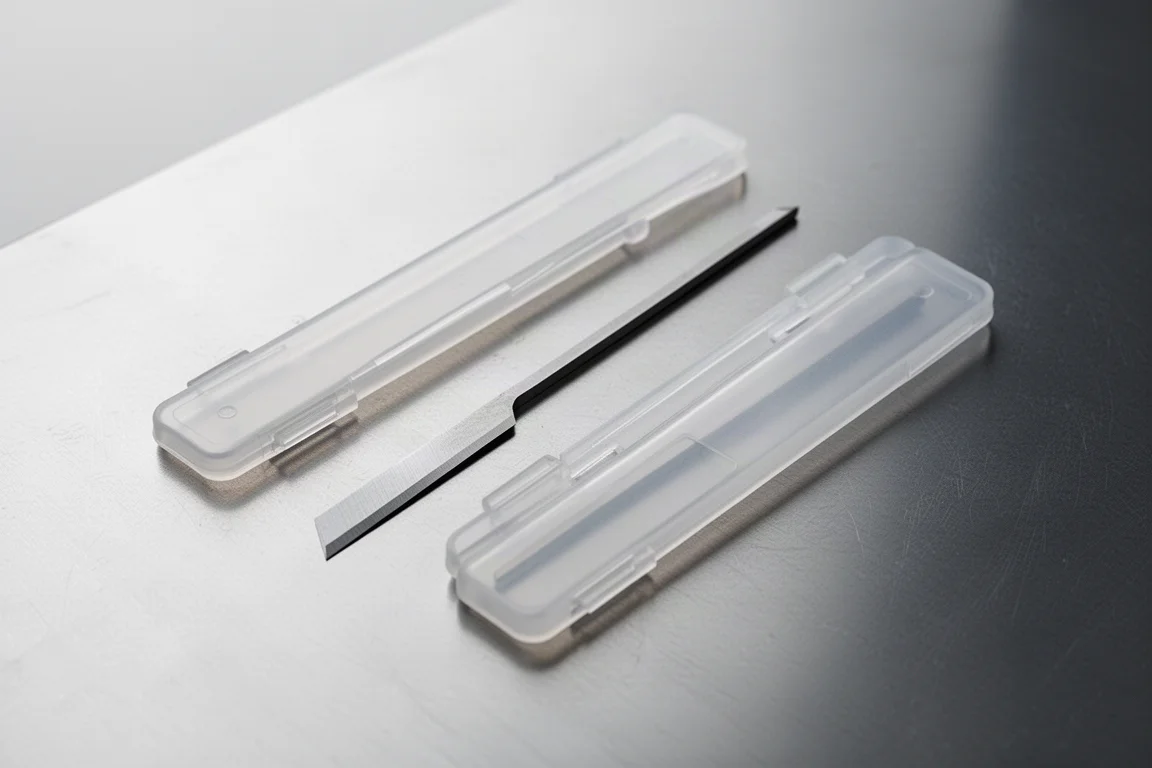
The Lyle scrapers take a leaner approach. These are slim carbide blades rather than a full overbuilt tool, sold as a two-pack for roughly $50. One useful detail is that they come with plastic covers, which exist less to protect the carbide than to protect everything and everyone else from the blades. That says something about how sharp they are.
The Lyle blades cover different working widths, with one measuring around 1 1/4 inches and the other around 5/8 on one side. They are not as refined as the Snap-On in terms of handle and shaft construction, and the individual blades can also be bought on their own or with a smaller handle that simply extends the metal body. For anyone who wants to try carbide scraping without buying into a heavy-duty handled tool, this is the easier entry point.
Buying Advice
Choosing between these comes down to how much scraping you actually do. If carbide scraping will be a regular part of your work, the Snap-On’s wide surface, thick shaft, and substantial handle justify the higher price. If you want to experiment first, or only scrape occasionally, the Lyle two-pack gets you into carbide for less money.
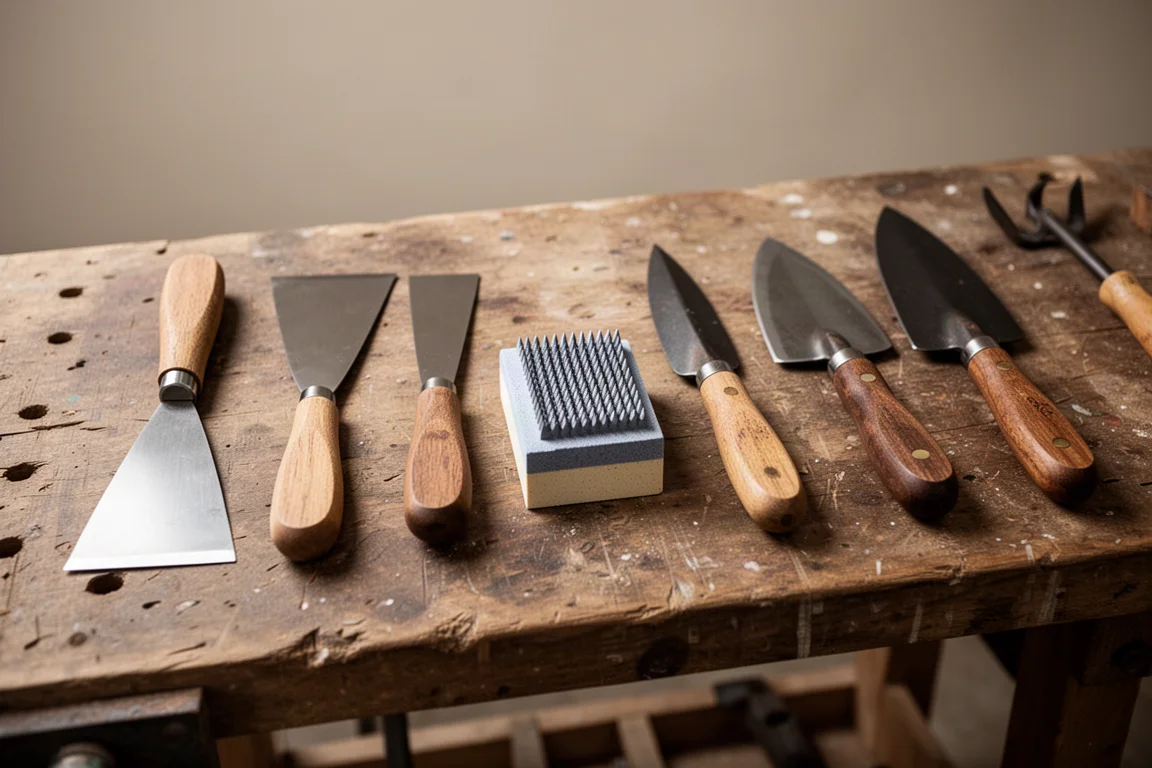
One broader point worth knowing: carbide shows up in other workshop tools too. Carbide-toothed sharpeners, for example, let you touch up a knife edge with a smooth stroke, though they will remove metal quickly, so care is required. The same applies to carbide scrapers: use them right, and the edges give you a solid return.
It also does not hurt that these tools should always ship with covers. They protect the carbide, and they protect you.
Conclusion
Tungsten carbide scrapers really are a step beyond conventional steel, with hardness and edge quality that make metal scraping easier and flatter. The Snap-On CSSD1 is the better-built, more expensive choice with a wide working surface, while the Lyle two-pack offers a practical, more affordable way in. Either way, once you have scraped with carbide, going back to steel is hard.
Further reading
Related Reviews
Hand Tools
Best Diagonal Cutters 2026: 16 Pliers Tested for Cutting Power and Durability
We put 16 diagonal cutters through nail, screw, drill bit, and hex key tests to find the best value picks for your toolbox.
Hand Tools
Best Hex L Key Sets 2026: Nine Sets Tested for Real-World Torque
Nine hex L key sets from budget to premium, tested for torque, fit, and durability. See which sets deliver real performance and which ones to skip.
Hand Tools
Best Locking Pliers 2026: Top Picks Tested for Grip and Durability
We tested 18 brands of 10-inch locking pliers for grip strength, jaw bite, build quality, and ease of release to find the best options for tough jobs.