Retro Handhelds
TrimUI Brick Pro Review: A Bigger Screen, Bigger Battery, and a Few Trade-Offs
The TrimUI Brick Pro keeps the beloved Brick formula with a larger 3.95-inch display, a 5,000 mAh battery, and analog sticks. But are those upgrades worth the higher price?
Introduction
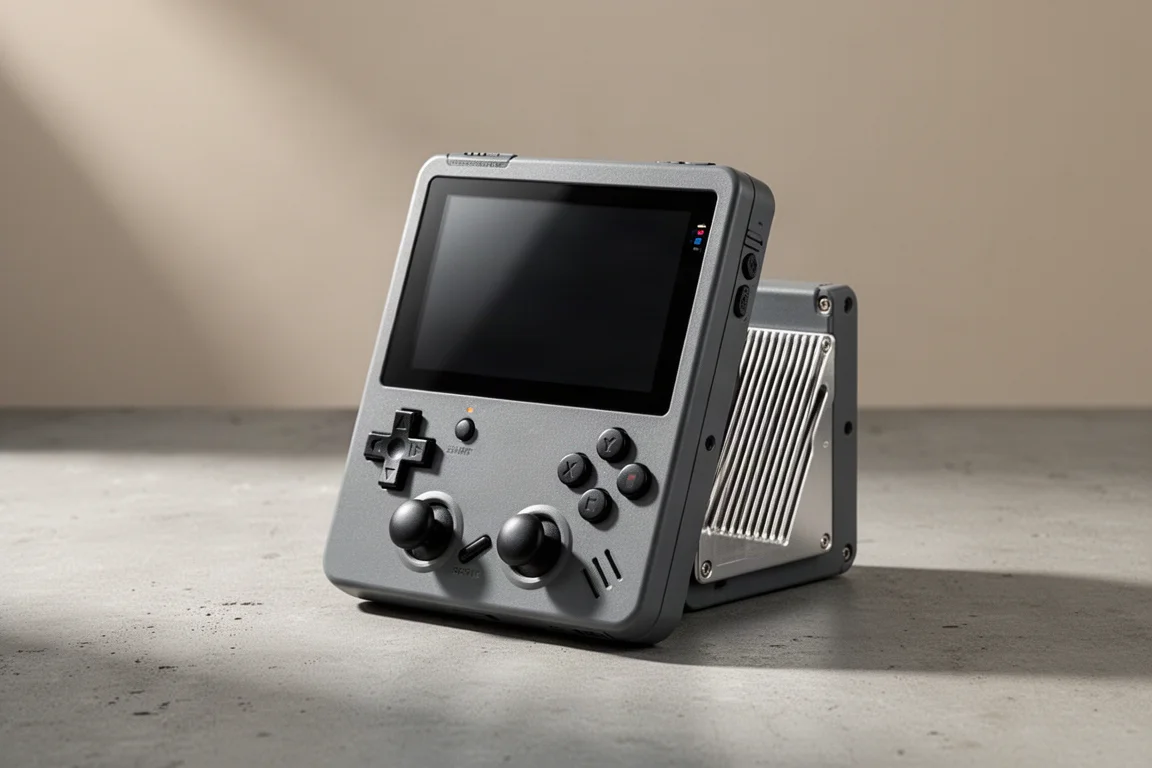
The TrimUI Brick has been a favorite among retro handheld enthusiasts for its pocketable size and beautifully pixel-dense screen. Now, the TrimUI Brick Pro builds on that foundation with a larger display, a bigger battery, and the addition of analog sticks. At first glance, these seem like natural upgrades. But with a higher price tag and a few compromises, the question becomes whether the Pro model justifies its position alongside the original.
This review takes a close look at what the TrimUI Brick Pro offers, where it excels, and where it falls short.
Design and Build Quality
The TrimUI Brick Pro feels solid from the moment you pick it up. The plastic shell is sturdy with no hollow feel, and the metal plate on the back doubles as a heat sink. The device measures in at 236 grams, noticeably heavier than the original Brick at around 162 grams, but the added weight contributes to a reassuring build quality.
The larger footprint makes the Pro more comfortable to hold than the original Brick. Vertical handhelds often present ergonomic challenges, but the increased size gives your fingers more room to rest. It sits in a comfortable middle ground, suitable for longer sessions at home while still being compact enough for travel.
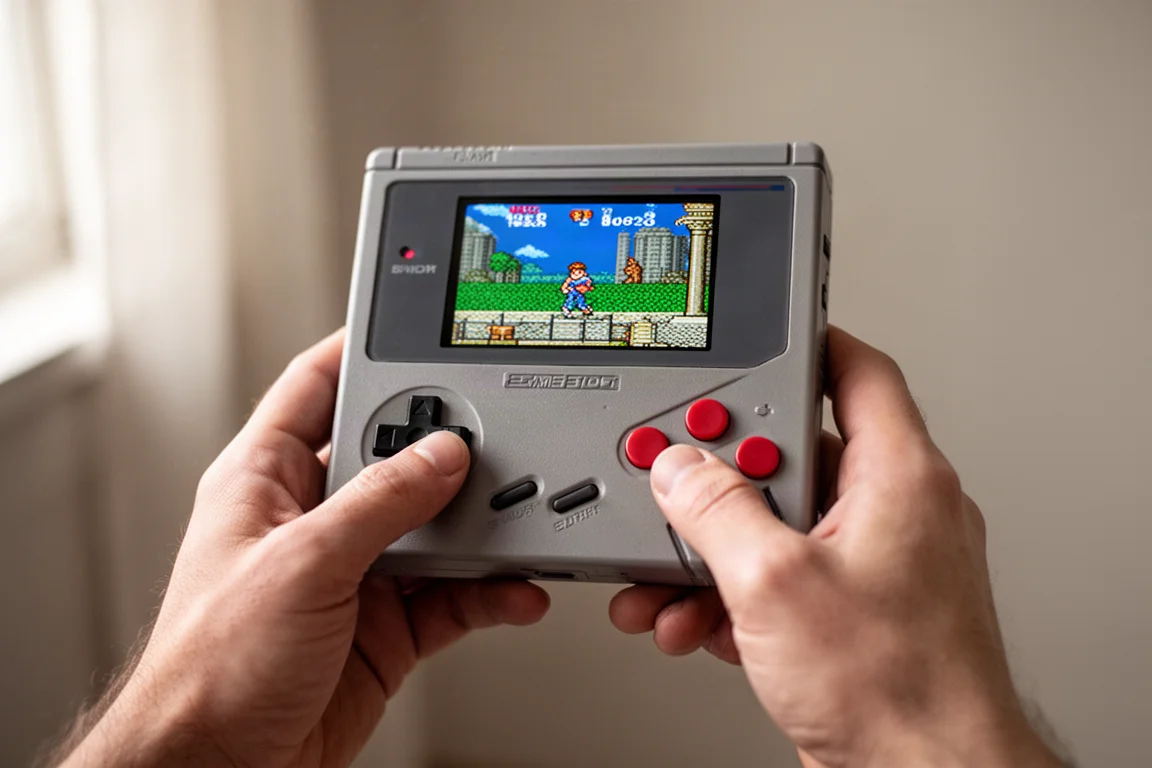
The included shoulder buttons can be swapped between three different designs: flat, rounded, and angular. This customization is a nice touch, and the buttons themselves are clicky, precise, and quiet. The face buttons use a dome switch design that feels light and responsive, while the D-pad, though small, has a soft rubber feel that prevents fatigue during extended play.
Display Quality
The 3.95-inch screen is one of the standout features of the TrimUI Brick Pro. It uses a 4:3 aspect ratio with a 1024x768 resolution, the same resolution as the original Brick but spread across a larger panel. The pixel density of 324 PPI keeps text and sprites looking crisp, and the screen gets bright enough for most indoor environments.
Color saturation and contrast are both strong, and the settings menu allows you to adjust contrast, saturation, and color temperature to suit your preferences. Most users will find the default settings pleasing, but the flexibility is welcome.
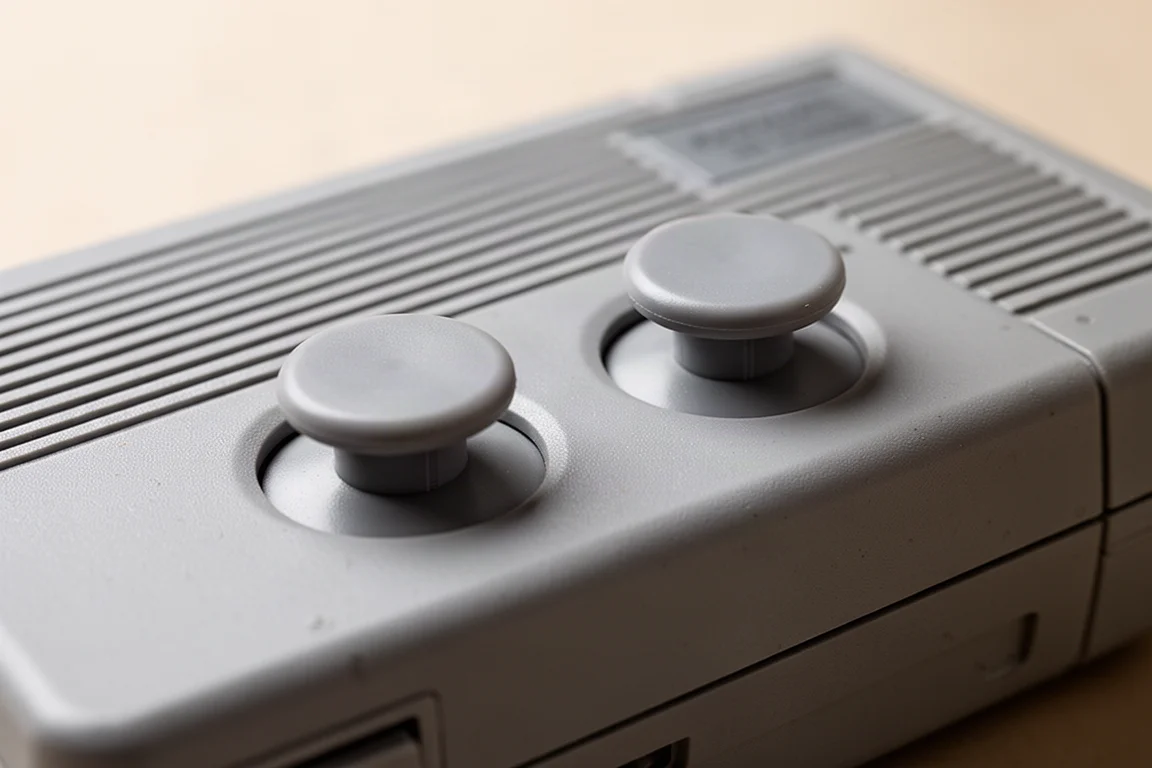
One area where the Pro falls slightly behind the original Brick is peak brightness. The original model is noticeably brighter, making it better suited for outdoor use. The Pro is still perfectly visible in direct sunlight, but it does not reach the same levels. For most indoor play, this is a non-issue.
The 1024x768 resolution scales well with retro systems. Game Boy and Game Gear titles display at roughly 5.3x scale, while Game Boy Advance games run at about 4.3x. Home console systems like NES, Super Nintendo, and PlayStation fill the screen nicely. Only Nintendo DS achieves a perfect integer scale, but the high pixel density keeps other systems looking sharp even with fractional scaling.
Controls and Analog Sticks
The D-pad and face buttons carry over the same excellent feel from the original Brick. The clicky, quiet buttons are accurate and responsive, and the D-pad handles both precise platforming and fighting game inputs well. Accidental diagonals are not a concern, and intentional diagonal inputs are easy to execute.
The analog sticks are the major addition here, and they are a mixed bag. They use hall sensor technology, which means they are magnetic and not prone to stick drift. Input accuracy is generally good, with no cardinal snapping issues. However, the sticks have a limited range of motion because they sit deeply inset into the shell. They move from zero to full deflection very quickly, which makes fine control difficult.
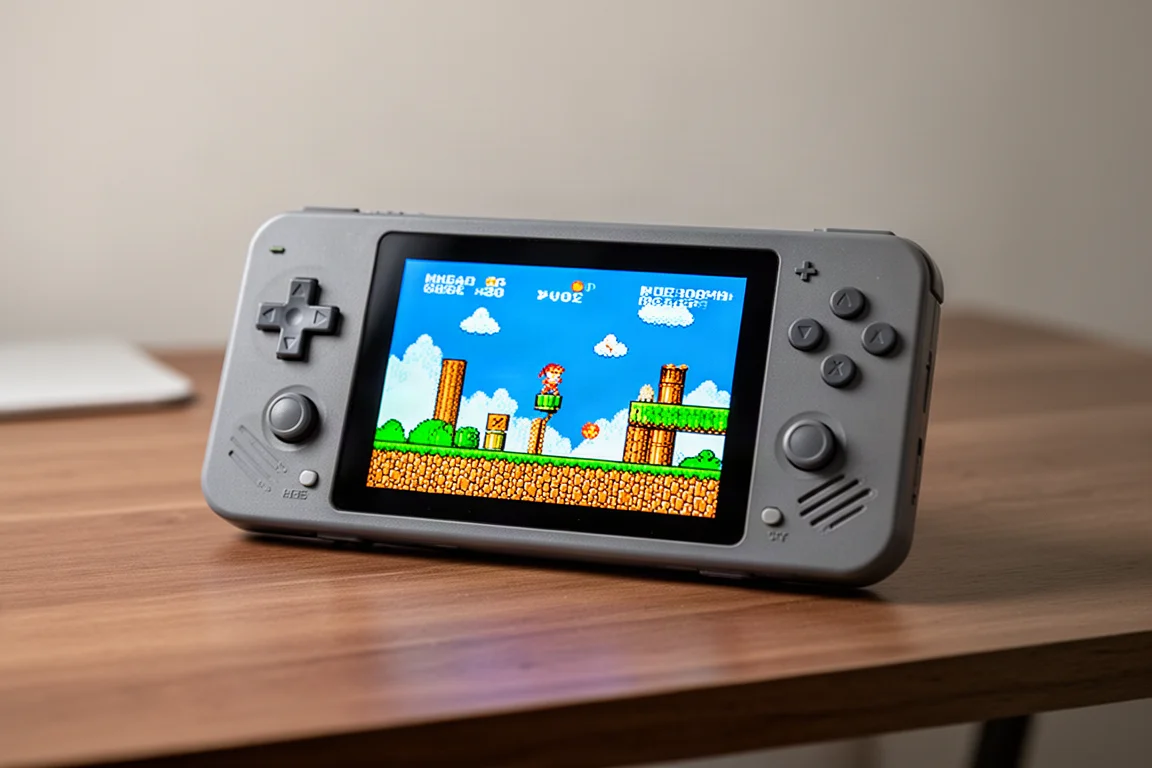
For arcade games, this is not a problem. The binary nature of the input actually suits arcade titles well. But for games that require nuanced analog input, such as Super Mario 64, precise movement becomes a challenge. Walking slowly or making subtle adjustments is difficult, and this can detract from the experience on analog-heavy systems like Nintendo 64 and Dreamcast.
The sticks also get in the way slightly when playing D-pad-centric games. You will touch them during play, though they do not interfere with actual input. It is a minor annoyance but worth noting if you primarily play games that use the D-pad.
Performance and Battery Life
The TrimUI Brick Pro uses the same Allwinner A133P chipset as the original Brick, so performance expectations are identical. Low-end systems like Game Boy, Game Boy Color, NES, and Super Nintendo run flawlessly. The larger screen makes these games much more enjoyable to play compared to the 3.2-inch display on the original.
Higher-end systems like Nintendo 64, Dreamcast, and PSP are playable but not perfect. Some games run well, while others suffer from slowdowns and audio crackling. This chipset is not powerful enough to handle the full catalogs of these systems, so it is best to treat them as a bonus rather than a primary use case.
The battery is a significant upgrade. The 5,000 mAh cell provides between 6 and 10 hours of gameplay depending on the system being emulated. Demanding systems drain it faster, while retro titles can push past 10 hours. Charging is also flexible, working with USB-A to USB-C cables, straight USB-C cables, and various charger types. The device does not support fast charging, averaging around 6.5 watts, but it charges reliably even when powered off.
Software and Custom Firmware
The stock operating system is functional but has some issues. It is installed on the internal 8 GB storage, so the device boots even without an SD card, though you will need a card for games. The preloaded card option from retailers includes games and collections, but the system uses AI-upscaled images with noticeable misspellings. Labels like “Fanicon” instead of “Famicom” and “Gome and Walch” instead of “Game and Watch” can be confusing, especially for newcomers.
The real strength of this device lies in its custom firmware support. Since the Pro shares the same chipset as the original Brick, existing firmware options have already been ported over. Next UI, a fork of MinUI, is particularly impressive. It offers a minimalist interface with box art scraping, a game switcher for quick resume, and extensive customization options.
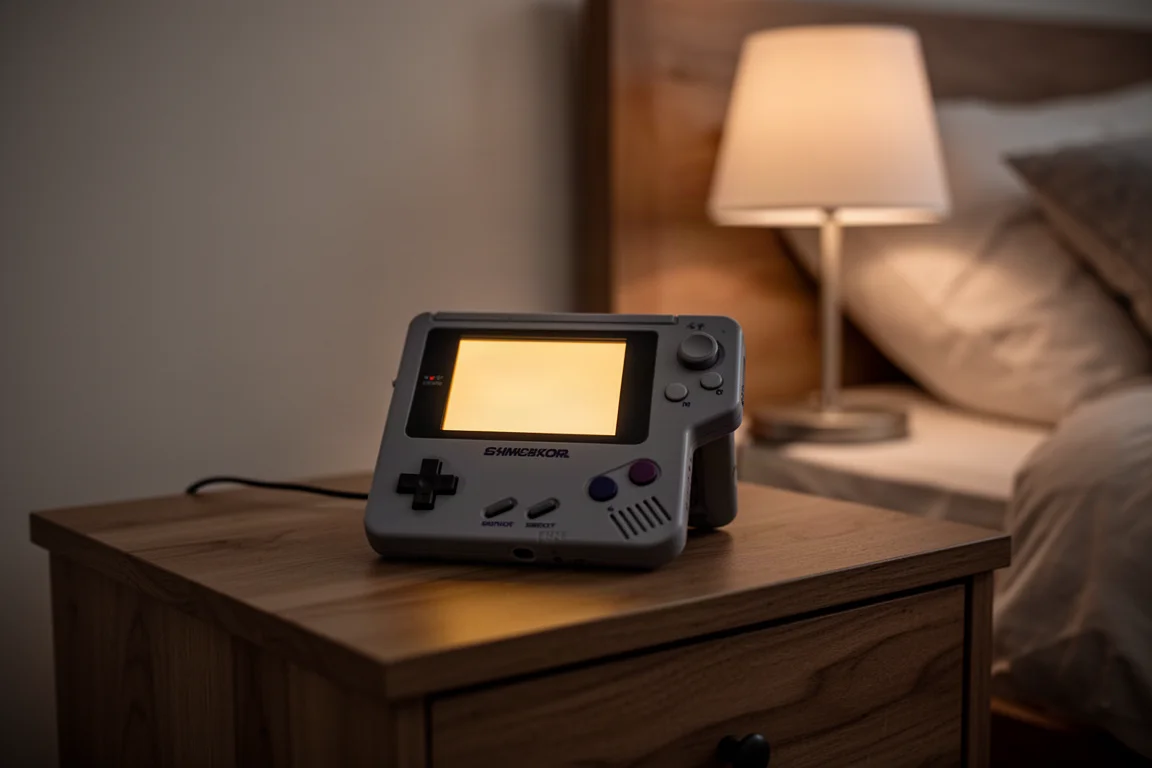
One standout feature in Next UI is the FN switch configuration. You can program the toggle switch to activate a nighttime mode that dims the screen, disables all LEDs, and shifts the color temperature warmer. This makes late-night gaming much easier on the eyes. The pack store also allows you to add apps like Portmaster, Moonlight streaming, and even a Plex music player, expanding the device beyond simple emulation.
Buying Advice
The TrimUI Brick Pro is a well-built handheld with a great screen, solid audio, and strong custom firmware support. The larger display and bigger battery are genuine improvements over the original Brick. However, the analog sticks are underwhelming, and the $100 price tag is steep compared to the original Brick, which can often be found for around $60.
If you already own a TrimUI Brick and are happy with its portability, the Pro may not be worth the upgrade. The screen and battery are the main reasons to consider it, but the sticks do not add enough value to justify the price difference. If you are new to the lineup and want a larger screen with better ergonomics for home use, the Pro is a solid choice. If portability is your priority, the original Brick remains the better value.
Conclusion
The TrimUI Brick Pro is a good handheld that builds on the strengths of its predecessor. The larger screen, improved audio, and excellent custom firmware options make it a compelling option for retro gaming. But the analog sticks fall short of expectations, and the price increase is hard to justify when the original Brick offers a similar experience for significantly less.
For those who want a bigger screen and longer battery life, the Pro delivers. For everyone else, the original Brick still holds its own as a more portable and affordable alternative.
Product link
View more details for TrimUI Brick Pro
This product is mentioned in the review. Check the specifications, options, and compatibility before buying.
View more details for TrimUI Brick ProFurther reading
Related Reviews

Retro Handhelds
Anbernic RG SP Review: A Faithful Clamshell Tribute to the GBA SP
The Anbernic RG SP brings back the classic clamshell form factor with a modern 3.4-inch IPS display and dependable retro performance.

Retro Handhelds
Anbernic RG477M Review: A Year Later, Still One of the Best Retro Handhelds
After a year of use, the Anbernic RG477M remains a standout 4:3 retro handheld thanks to its screen, controls, and third-party software. We break down what still holds up and what to consider.

Retro Handhelds
Anbernic RGSP Review: A Focused Game Boy Advance Handheld for 2026
The Anbernic RGSP refines the clamshell formula with a centered screen, no analog sticks, and a design that closely mirrors the original Game Boy Advance SP.