Gravel Bikes
Triban Gravel 520 Review: A Practical Gravel Bike for Loaded Adventures
A loaded two-week gravel test of the Triban Gravel 520, covering frame fit, gearing, cable-actuated hydraulic brakes, wheel size, and what to weigh up before buying.
Introduction
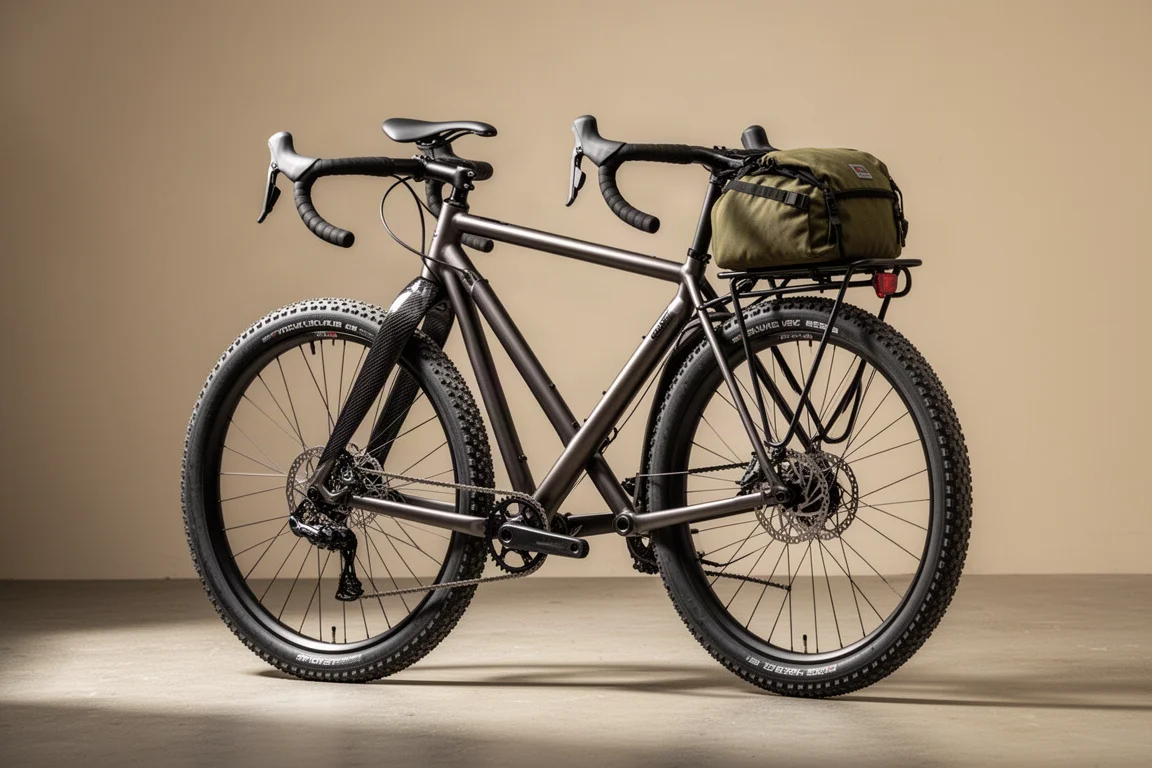
The Triban Gravel 520 sits in the value end of the gravel market, currently retailing at around £1,099, and it was put through a genuinely demanding trip: a fully loaded ride along the length of the West Malaysian Peninsula. Two weeks of heat, steep climbs and long days on mixed surfaces is a harder life than most gravel bikes ever see, and it exposes both the smart decisions and the compromises built into a bike at this price.
This is a practical look at how the bike performed when loaded, what stood out, and who should consider it.
The short version: the frame is relaxed and comfortable, the gearing and brakes punch above their price point, and the 650b wheel setup is the main thing to think through before committing.
Who the Triban Gravel 520 Is For
The relaxed frame makes this an easy bike to recommend to riders who are newer to cycling, or who want a stable and predictable platform for long days rather than a sharp race machine. The geometry is not aggressive, and that pays off when you are carrying weight and spending hours in the saddle.
It is also a sensible choice for bikepacking and light touring. The frame accepts racks and bags, there are bottle mounts in the main triangle and on the fork legs, and the drivetrain has the range to cope with loaded climbing. Riders who already own aggressive racing bikes may find the front end sits higher than they are used to, and that is worth checking before buying.
Frame, Sizing, and Fit
The size tested was a small, with a 52 cm top tube measured in real life. That distinction matters: the geometry chart on the manufacturer’s website uses a non-standard method for measuring top tube length, so the published figure does not match the physical measurement. At around 5 ft 10, the small was the right fit here, but the safest approach is to check the numbers on a real bike or with a fitter rather than trusting the chart alone.
The frame is deliberately relaxed, which suits newer riders and long-distance comfort. It arrived with a 70 mm stem, which is very short. Swapping to a stem with negative rise would lower the front end, move some weight off the saddle and into the hands, and distribute load more evenly for riders coming from race geometry. That is a personal preference rather than a flaw, but it is a cheap and worthwhile change if the front end feels high.
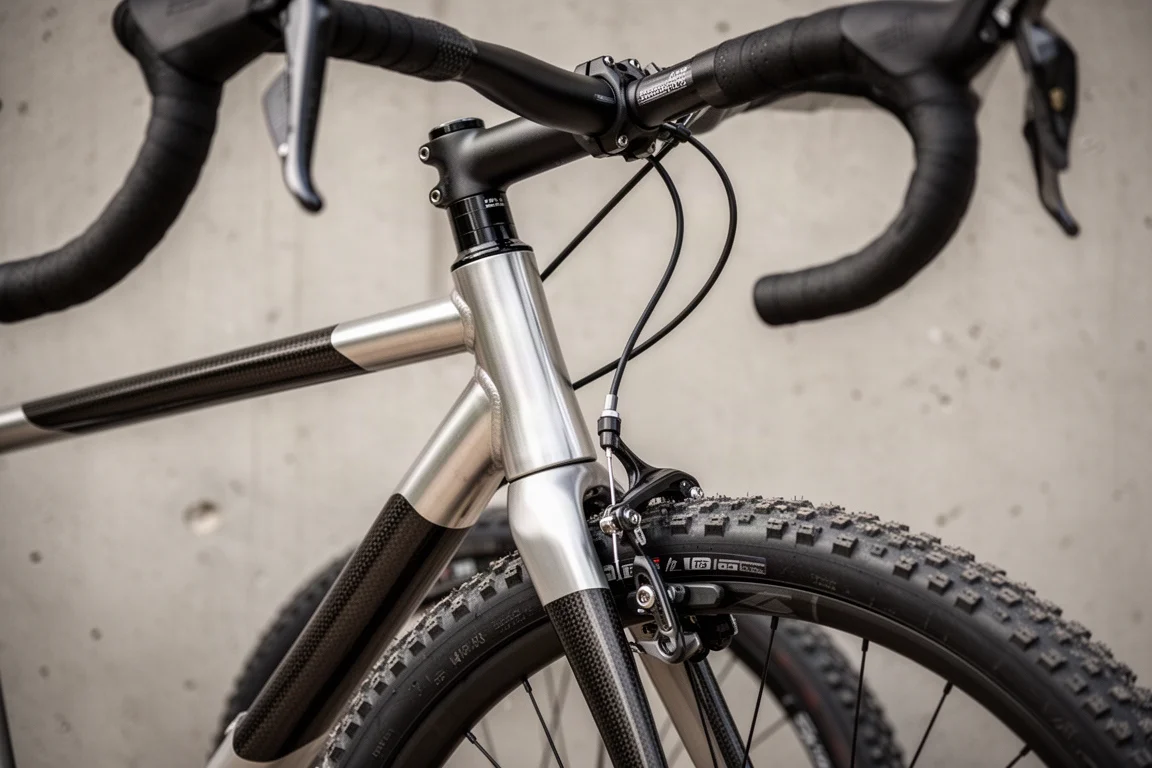
One thing worth noting is the carbon-bladed fork, which helps keep weight down, though the steerer inside it is aluminium. The bike also uses disc brakes throughout.
How the Smaller Sizes Are Specced
Smaller frame sizes come with narrower handlebars, a shorter stem and shorter cranks. That is a genuinely thoughtful detail and it is not common at this price point, where smaller frames are often built with the same components as larger ones. It makes the bike easier to live with for shorter riders out of the box.
Drivetrain and Gearing
The drivetrain is SRAM Apex 1, the mechanical 11-speed version, paired with an 11-42 cassette and a 40-tooth chainring up front. Even carrying significantly more weight than a normal ride, the gear range held up well. Only one section of the trip required walking, and that was a steep, brutally hot climb that also defeated riders on double chainrings.
Top-end gearing is adequate rather than fast. Unless you are racing and need to pedal at 50 km/h, the trade-off is a good one on a trip like this: an extra easy gear is far more useful than another tall one. Shifting felt smooth.
The levers are the weakest part of the drivetrain. They work, but they are not as comfortable as higher-end SRAM levers and they are notably small, which will suit riders with small hands and less so those with large hands. Compared with the 105 levers on the road-focused Triban RC 520, the ergonomics here are less appealing, though that is very much a personal preference.
Brakes: Cable-Actuated Hydraulic Calipers
This is the standout part of the build. The groupset is fully mechanical, with cable-actuated brakes, but the calipers contain a hydraulic reservoir. They mount flat like any other caliper and a cable threads through them, yet braking power is far better than a fully cable-operated system.
They are easy to adjust, and carrying a spare cable on a long trip makes a roadside replacement a simple job. The performance gap over a fully cabled disc setup is significant, and braking confidence matters even more on a gravel bike than on a road bike.
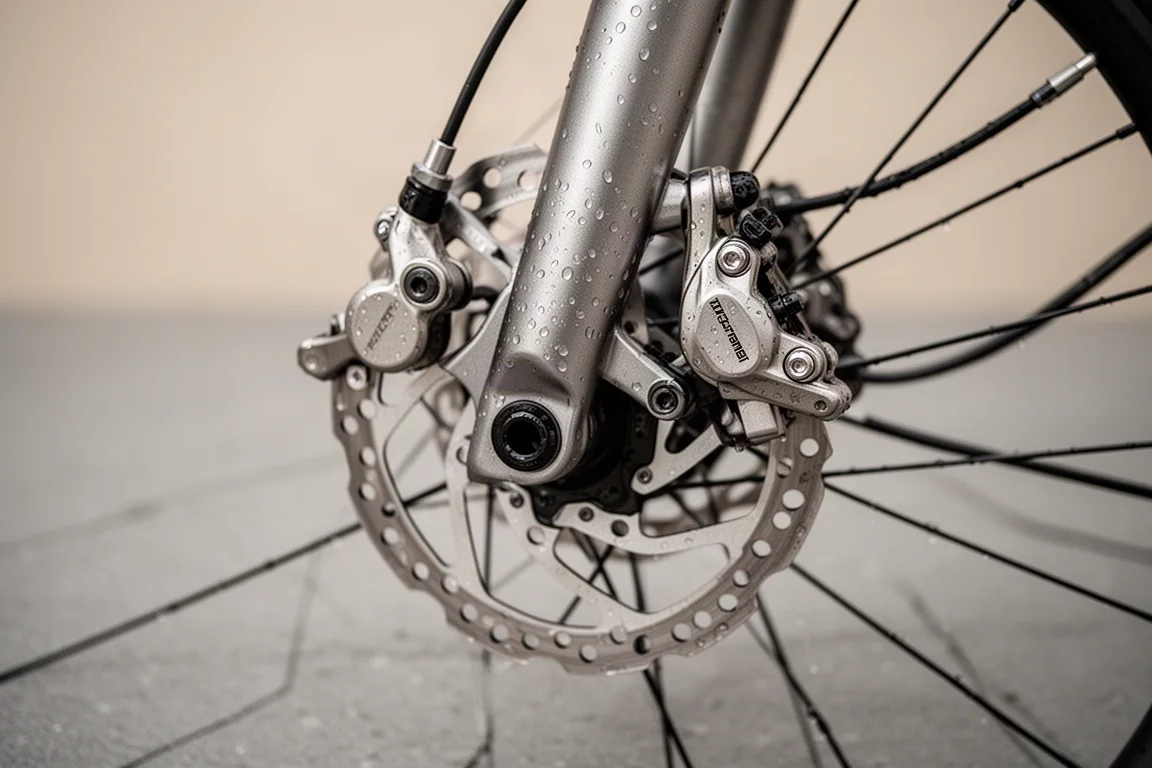
This choice also helps keep the price down, because it allows the use of more affordable mechanical levers. The same approach appears on the road version of this bike. The calipers can be bought separately, so if you already run cable discs and are unhappy with them, this is a worthwhile upgrade to consider.
Wheels and Tires
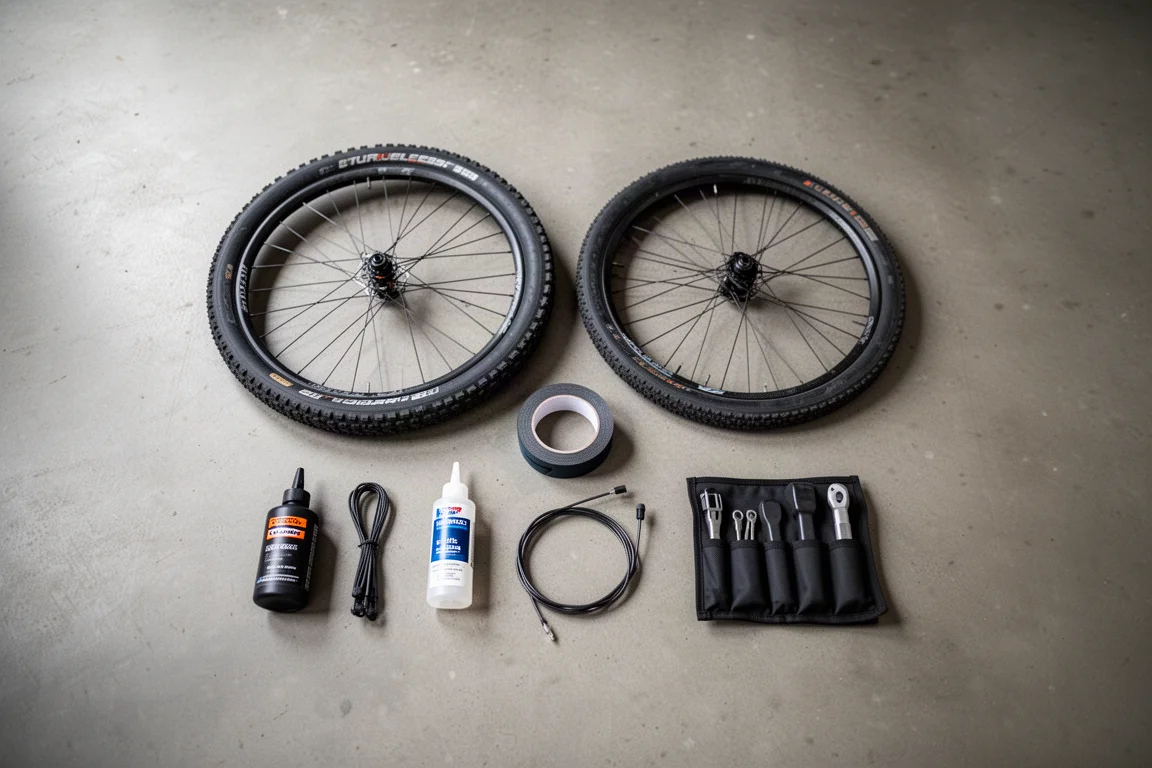
The bike runs 650b, or 27.5 inch, wheels rather than the 700c size found on most road and gravel bikes. The smaller diameter allows higher-volume tires to fit without rubbing the fork or frame. The rims are tubeless ready, and an extra layer of tubeless tape was needed to get a reliable seal when the wheels arrived, which may be down to how tire and rim standards vary between manufacturers.
After two weeks of loaded riding, the rear wheel was very slightly out of true. The wheels are a reasonable match to the price, but in hindsight 700c would have been the better choice for a group trip: it makes spare tubes, tires and parts easier to share, and 700c components are easier to find almost anywhere in the world. Riders who do not need the extra tire clearance may want to weigh that up.
Tires were high-volume gravel tires, which is the right call even on trips that look mostly paved, because you never know what surface you will end up on. High volume also keeps the bottom bracket from sitting too low with the smaller wheels, which is what would happen with skinny road tires on 650b rims. Punctures sealed themselves over the trip, with a few patches of dried sealant visible on the tread.
Comfort and Contact Points
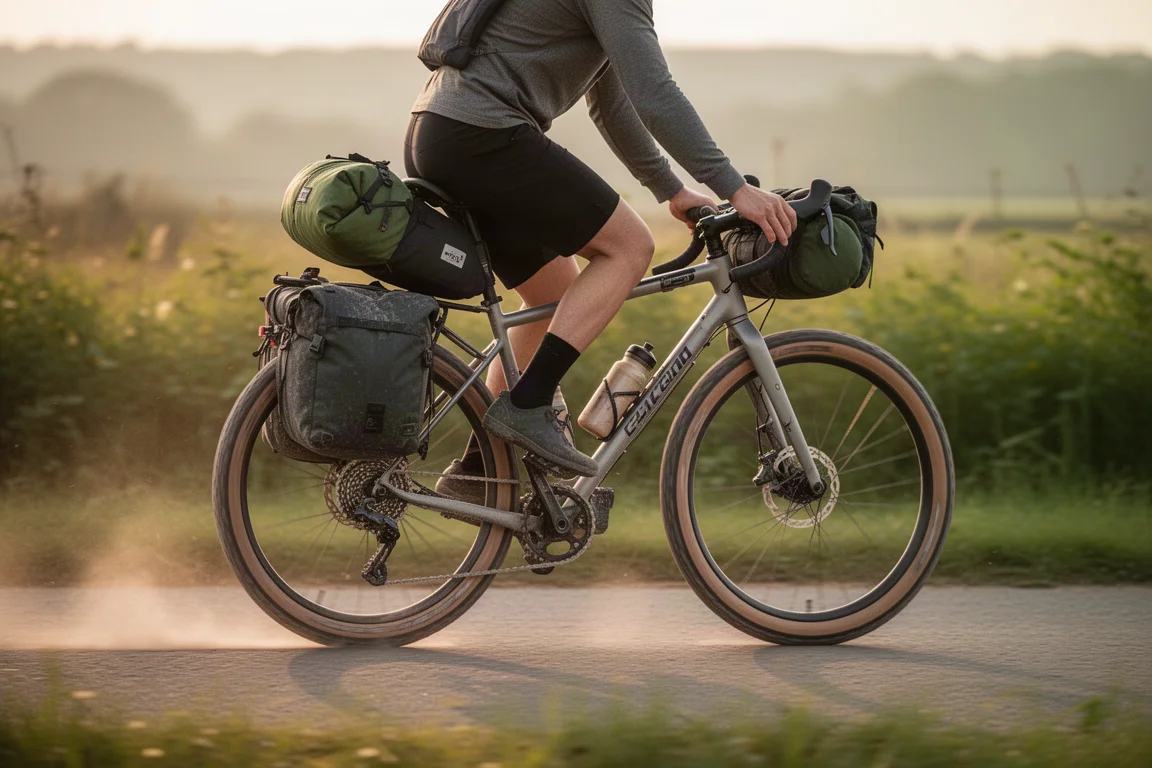
Four bottles were carried, two in the main triangle and two on the fork legs, which turned out to be the right setup for the heat. A frame bag and hydration pack would have been the alternative on a cooler trip, but not in those temperatures.
Bags were mounted on a rear rack using a quick-release skewer system rather than bolting directly to the frame mounts. That was a deliberate choice: the quick-release fitting works with through axles and standard quick releases, takes seconds to remove, and makes a real difference when bikes cannot be taken into hotel rooms. The bike weighed about 10.5 kg before loading and roughly 25 kg fully loaded.
Contact points deserve attention. The bike ships with a Triban saddle, and the saddle used on this trip was a personal swap rather than the stock item. It did not work out, which is a reminder to test any new saddle, bar tape or shoe setup on shorter rides before committing to a long tour rather than debuting it on day one.
Things to Consider Before Buying
- The front end is high and relaxed. Riders used to race geometry may want a different stem.
- The 70 mm stem is short, and changing it alters the fit considerably.
- The 650b wheels limit how easily you can share spares with riders on 700c, and parts are less universally available.
- The tubeless setup may need extra rim tape to seal properly.
- The brake levers are small. Large hands may prefer a different shape.
- The bike is not light. Loaded, the weight difference between this and a much more expensive bike becomes less noticeable, but it is still there.
- Check the geometry chart carefully, since the published top tube measurement does not match the physical measurement.
Buying Advice
At £1,099, the Triban Gravel 520 covers the essentials well: tubeless-ready wheels, a wide gear range, very strong brakes for the money, and a replaceable derailleur hanger. It is not light, it is not a race bike, and there is no app-based gear configuration, but those are not the priorities for a loaded trip.
If you want a first gravel bike, a stable platform for bikepacking, or a dependable bike for long mixed-surface rides, this is a strong value proposition. If you are chasing race pace or already ride aggressive geometry, budget for a stem change and think carefully about whether the 650b wheels suit how you ride and where you source parts.
Conclusion
The Triban Gravel 520 makes the right compromises for its price. The relaxed frame, generous gearing and cable-actuated hydraulic brakes are the highlights, while the wheel size, short stem and lever ergonomics are the details to weigh up. For riders who want a capable, comfortable gravel bike for loaded adventures rather than a fast one, it delivers far more than the price suggests.
Product link
View more details for Triban Gravel 520
This product is mentioned in the review. Check the specifications, options, and compatibility before buying.
View more details for Triban Gravel 520Further reading
Related Reviews
Gravel Bikes
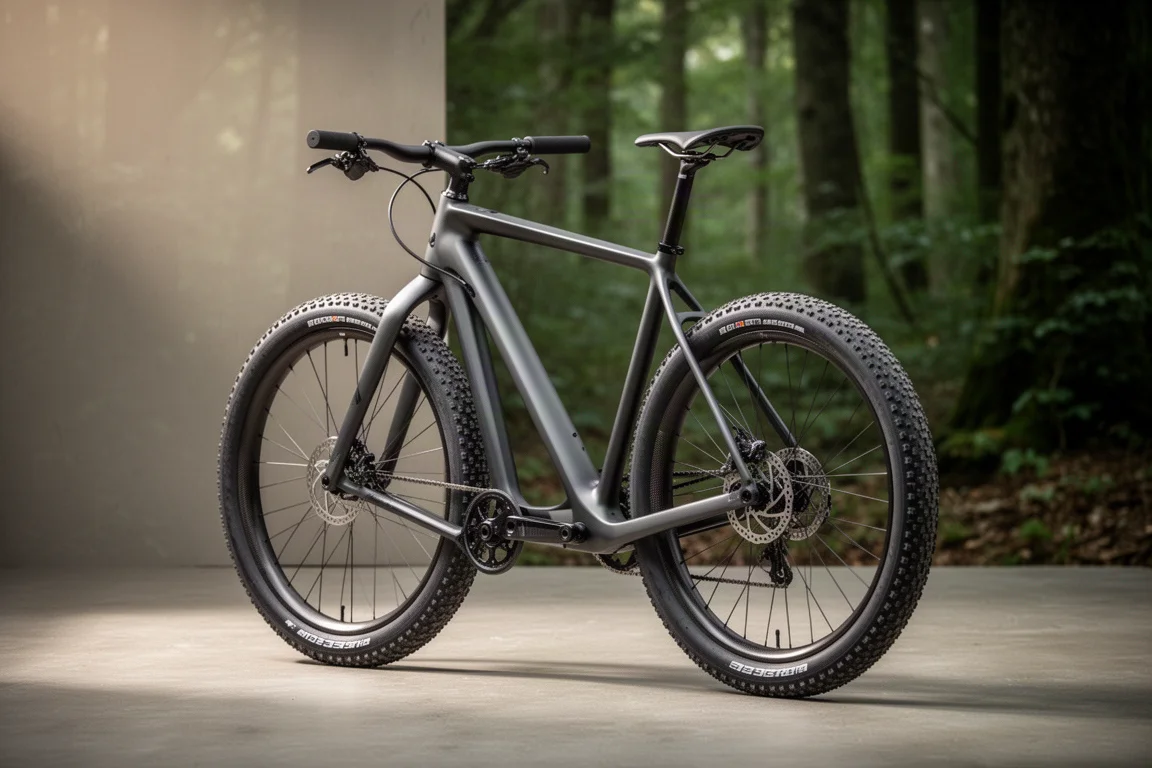
3T Exploro Ultra Review: A Fast Gravel Bike Built for Big Tyres
A close look at the 3T Exploro Ultra, an aero carbon gravel bike designed around wide tyres, with road-like handling, a 980 g frame and genuine rough-terrain capability.
Gravel Bikes
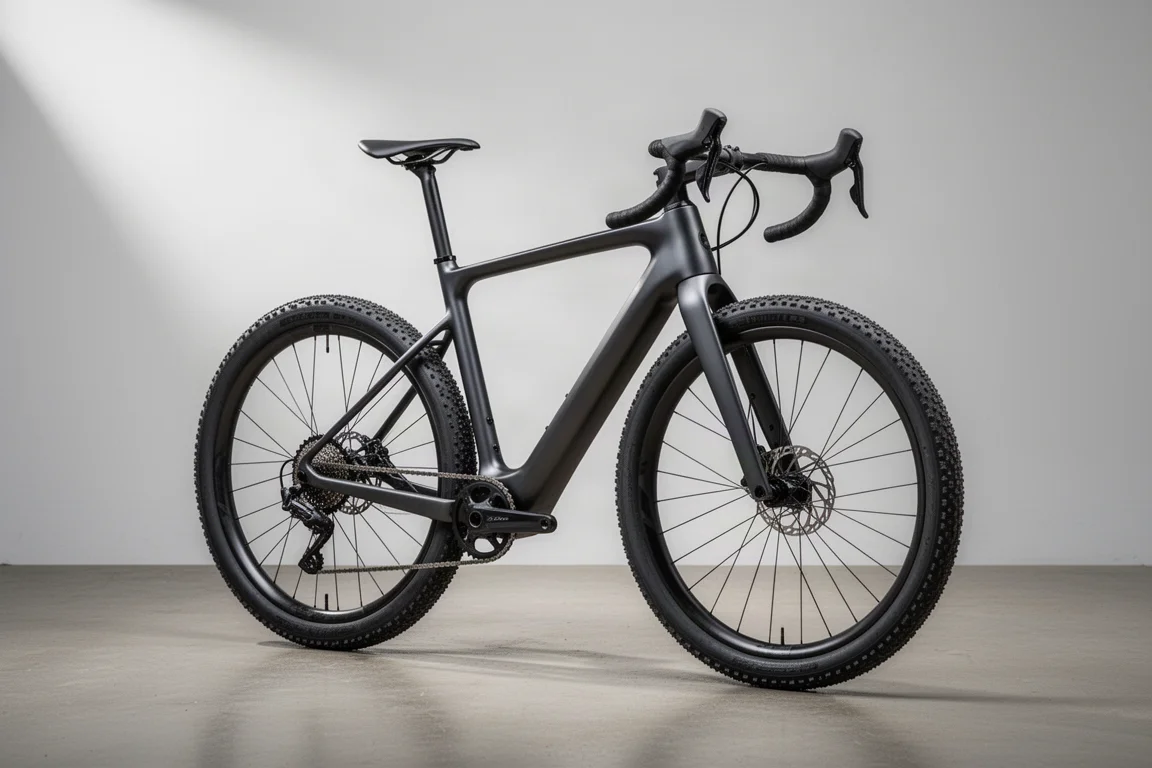
3T Extrema Italia Review: Aero Gravel Speed With Room for 57 mm Tires
The 3T Extrema Italia pairs an aero frame with huge tire clearance, Italian-made carbon and a more comfortable ride than the RaceMax. Here is what to know before buying.
Gravel Bikes
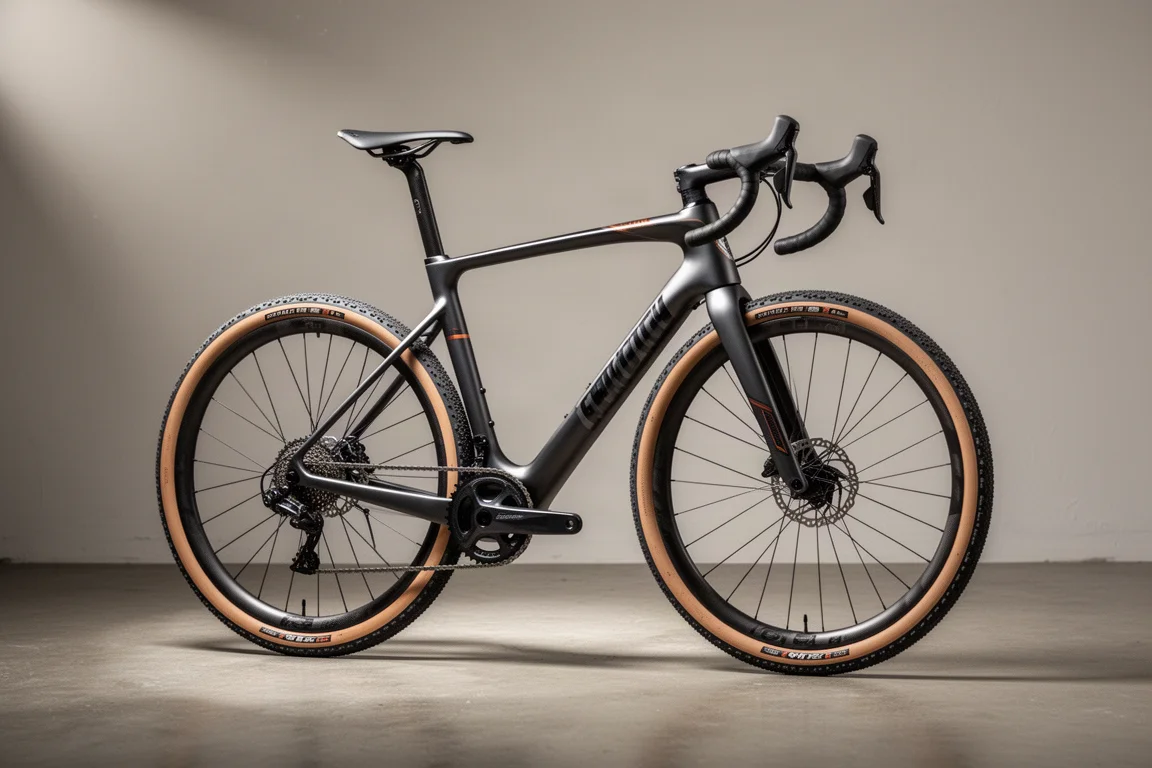
3T Race Max 2 Italia Review: An Aero Gravel Race Bike Made in Italy
A closer look at the second-generation 3T Race Max 2 Italia, covering its aero updates, ride character, tire clearance, internal storage and who it suits.