Gravel Bikes
Trek Checkpoint vs Trek Checkmate: Adventure Gravel Bike or Gravel Race Bike?
The Trek Checkpoint and the Trek Checkmate sit at opposite ends of the gravel spectrum. Here is how geometry, mounts, gearing and tire clearance differ, and how to work out which one suits your riding.
Introduction
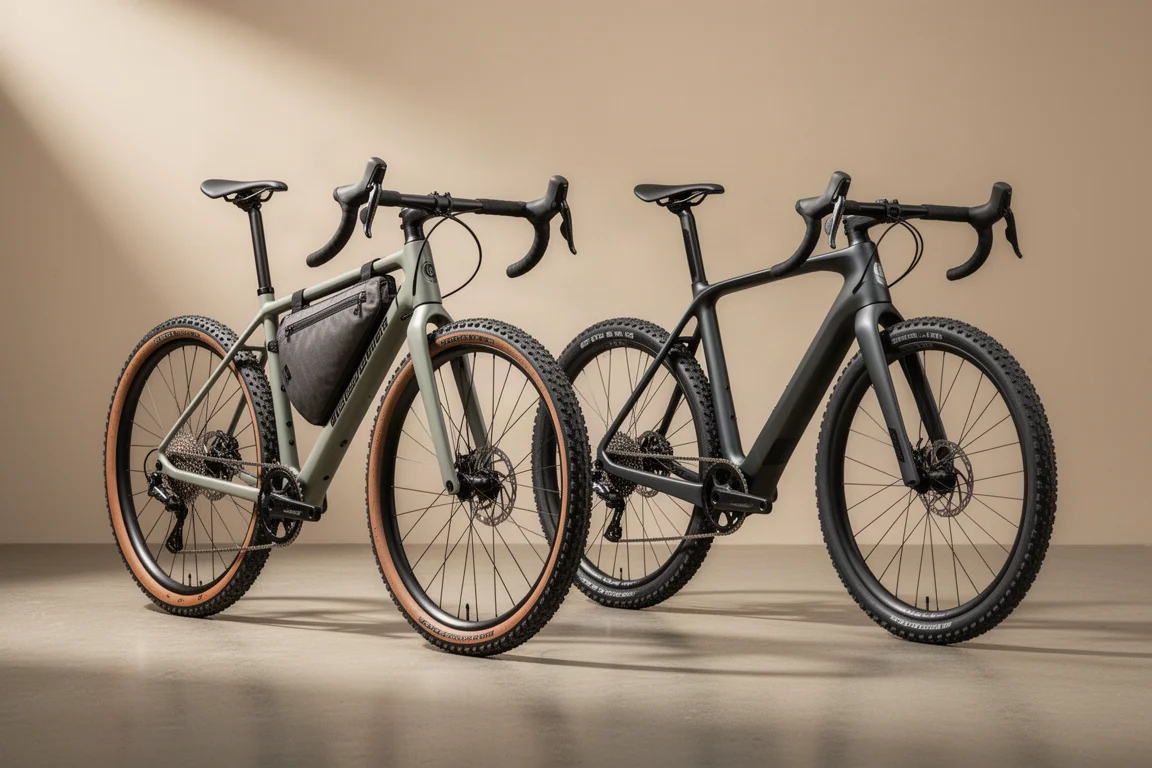
Gravel bikes come in two broad flavours, and the differences between them are not cosmetic. One is built to carry you and your gear comfortably across long, rough days. The other is built to be fast, and it assumes you are travelling light. Trek covers both ends of that spectrum with the Checkpoint and the Checkmate.
At a glance the two look like the same bike with different paint. Look closer and geometry, frame mounts, tire clearance and gearing pull them apart in ways you will feel on every ride. Here is what actually separates them, and a simple method for deciding which one belongs in your garage.
What Separates an Adventure Gravel Bike From a Gravel Race Bike
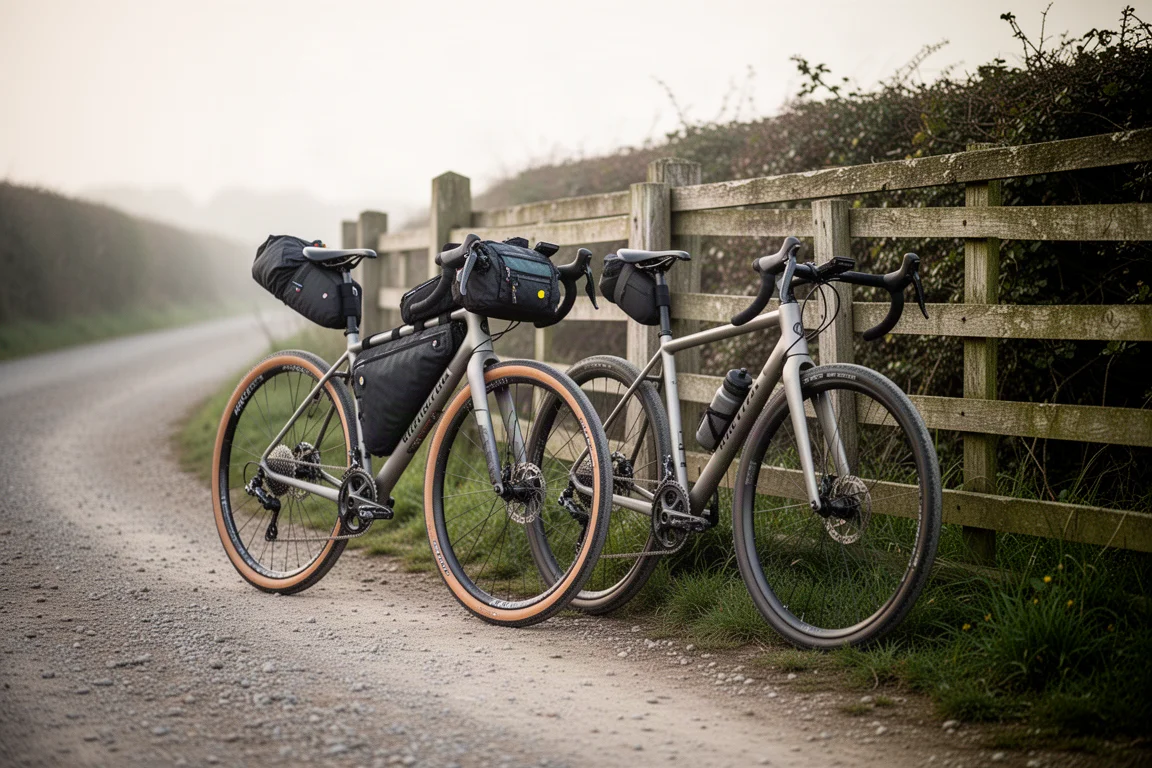
An adventure gravel bike starts with comfort and control. Tube shapes are chosen for compliance, the front end sits taller, and the overall geometry is more relaxed. That upright position is easier to hold for hours, and it puts you in a stronger place to handle loose descents and technical tracks. Adventure frames are also built more robustly from the wheels up, which is the main reason they weigh more.
A gravel race bike inverts those priorities. The tubes are deeper and more angular, shaped to reduce drag, the front end is lower, the bar is narrower and the stem is longer. That combination tucks the rider out of the wind and sharpens the handling at speed. Aero tube shaping does make a difference, but keep it in perspective: optimising your body position on the bike has a far bigger effect than any frame profile.
Neither approach is better in the abstract. A relaxed bike is slower on smooth, fast roads, and a race bike gives up comfort and carrying capacity. The question is which set of trade-offs matches the riding you actually do.
Trek Checkpoint: The Adventure Gravel Bike
The Checkpoint sits firmly on the adventure side. Mounts on the top tube, the down tube, the underside of the bottom bracket and the fork legs, plus mudguard mounts, give it genuine bikepacking capacity. Trek also builds extra compliance into the rear end through a decoupler system, which takes the edge off long days without pretending to be a mountain bike shock.
There is internal routing for a dropper post, a feature that matters on rowdy terrain because it lets you drop your weight, move the saddle out of the way and get further back on the bike. Tire clearance goes up to 50mm, which opens the door to rougher, looser surfaces.
The cost of all that capability is weight and a more upright ride that gives away speed on smooth, fast roads. If your rides are long, loaded or unpaved enough to be uncertain, that is usually a trade worth making.
Trek Checkmate: The Gravel Race Bike
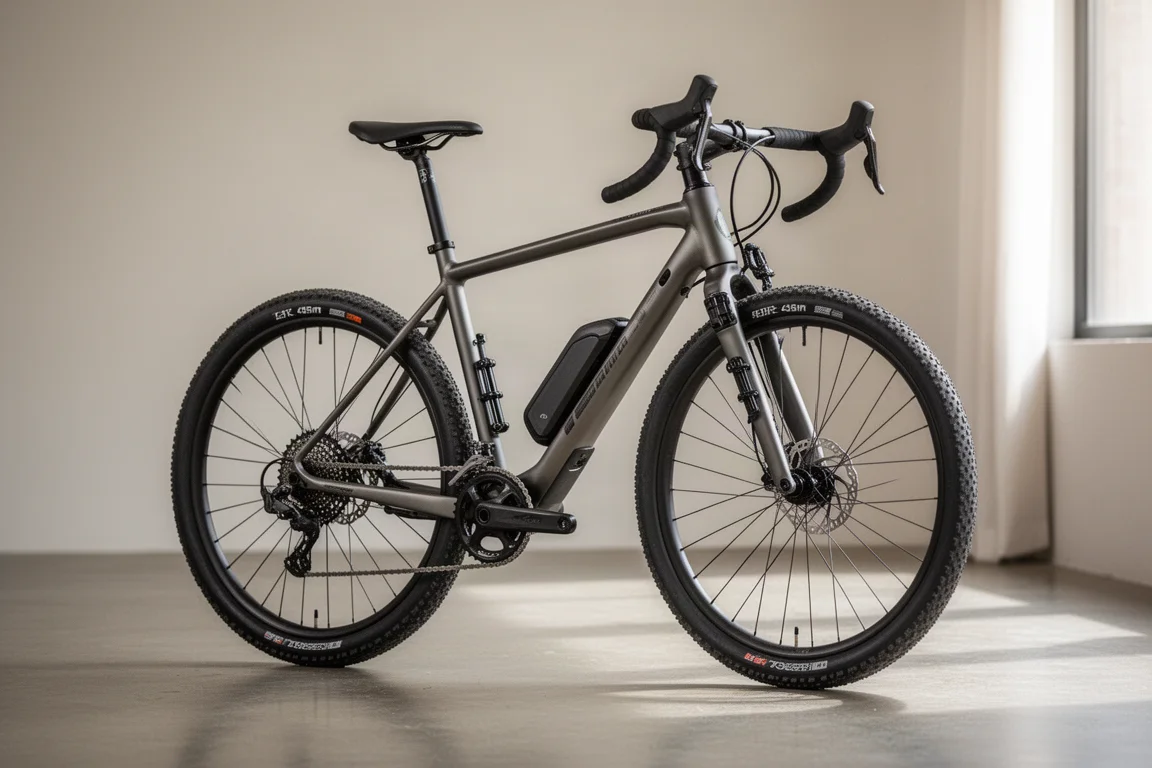
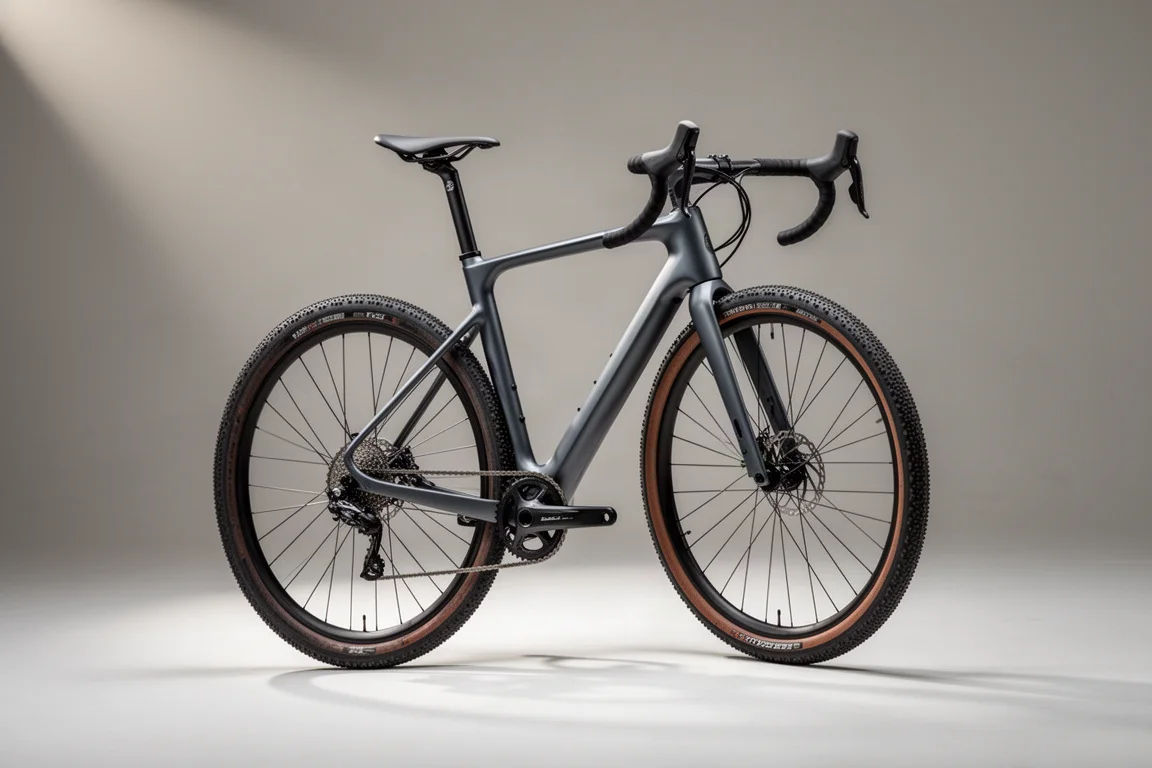
The Checkmate is the speed-focused machine. Its frame uses deeper, more angular tube profiles than you would find on an adventure bike, with the clear intention of reducing drag. The front end is lower, the bar is narrower and the stem is longer, all of which pushes the rider into a more efficient position at speed.
It is lighter than the adventure option and carries far fewer mounts, because gravel racing means carrying far less. Tire clearance sits in the region of 40 to 45mm, which is where race-oriented gravel rubber has settled. Gearing is harder, with tighter cassettes that deliver more even cadence steps, and 2x drivetrains are still common at this end of the category.
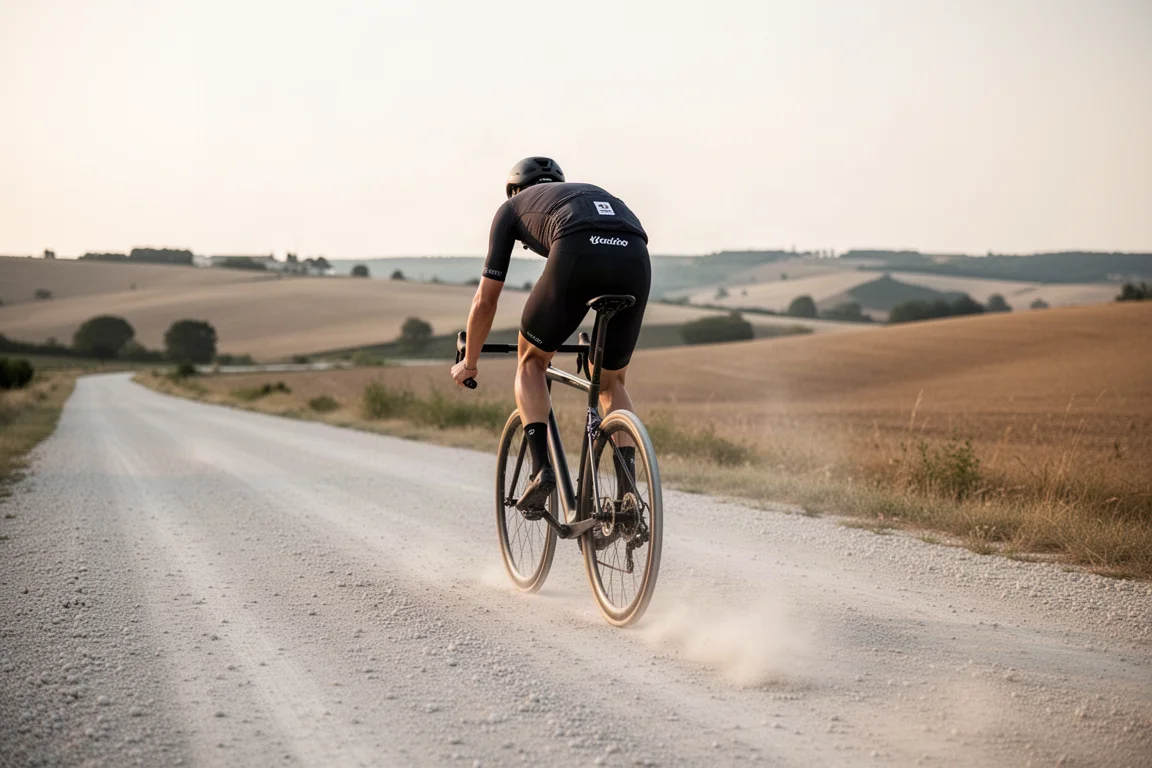
This is the bike for riders whose idea of a good ride involves hills, pace and a light load. It rewards fitness and commitment, and it is less forgiving when the terrain turns rough or the ride turns into an unplanned adventure.
Where the Two Bikes Overlap
The two categories have more in common than the marketing suggests. Single-chainring drivetrains dominate gravel on both sides, and wide-range cassettes that were once reserved for adventure bikes are now appearing on race bikes too. Two-by setups are now largely a race bike feature, and mountain bike components such as SRAM’s AXS Eagle range turn up more often on adventure builds.
Integrated front ends are another shared trend, with cables routed under the bar and stem. It looks clean, but position changes become difficult, adjustability suffers, and if something goes wrong on a long ride far from home, spare parts can be hard to find. Some brands route this better than others.
Suspension is creeping into gravel as well. Both race and adventure bikes increasingly accept a short-travel gravel fork, and riders have been known to repurpose mountain bike forks onto drop-bar builds. Travel is limited compared with a mountain bike, but it is a trend worth watching if your local surfaces are rough.
Gearing and Tire Clearance in Practice
Tire width is the single biggest factor in the terrain a gravel bike suits. The Checkpoint’s clearance for 50mm tires means it can be ridden on genuinely chunky, steep surfaces before it runs out of ability. The Checkmate’s narrower clearance keeps it in the 40 to 45mm window, which is quick on smoother gravel and gravel roads but less settled when the surface gets loose.
Gearing follows the same logic. The widest cassettes suit adventure riding, where a broad spread of gears is what gets you up steep climbs at the end of a long day. A race bike does not need that range, so it can run a tighter cassette and deliver more even jumps between gears. Adventure builds also tend to borrow more heavily from mountain bike component ranges, while 2x is now almost exclusively a race bike choice.
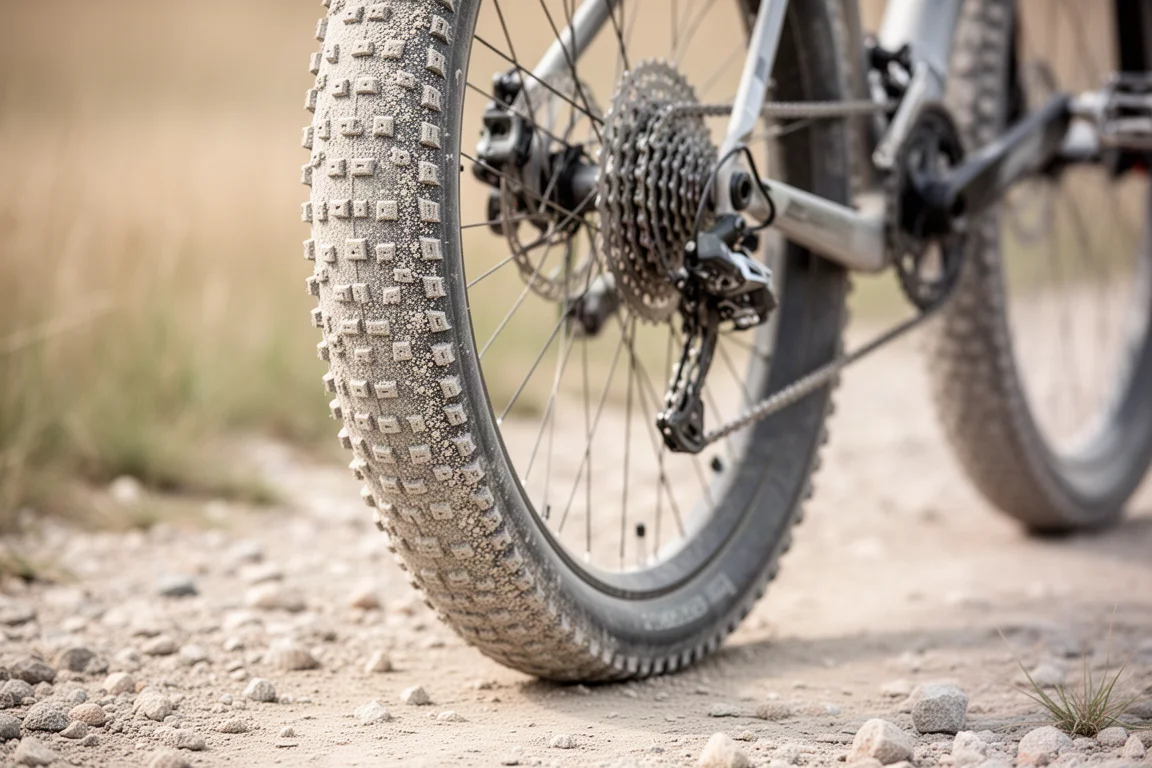
The practical takeaway is simple: pick the tire clearance that matches your worst local surface, then pick gearing that matches the steepest climb you actually ride.
How to Choose Between Them
If you are stuck between the two, try scoring them instead of guessing. Write down the features that matter on a gravel bike, such as speed, weight, tire clearance, comfort, carrying capacity and dropper post routing. Order that list by how much you personally care, then give each feature a rating from one to five.
Once your priorities are on paper, award each feature to the bike that handles it better. Add categories if you think of more that matter to you. The exercise is deliberately simple, but it forces you to be honest about whether you are a racer who occasionally bikepacks or a bikepacker who occasionally rides fast. Most riders find the answer is not the bike they assumed at the start.
What to Check Before You Buy
Fit and adjustment come first. If a bike has a fully integrated front end, check whether you can change stem length or bar width, because that affects both your position and your ability to repair the bike on the road. A clean-looking cockpit is not much use if you cannot dial in your reach.
Next, be realistic about mounts. Count how often you actually carry luggage. A frame full of mounting points is only valuable if you use them, and it adds weight you will notice on every climb if you never do.
Weight deserves a similar honesty check. It matters most to fast racers and to riders who simply enjoy a light bike, but for most people comfort, tire clearance and a position they can hold for hours will shape the ride far more than a few hundred grams.
Also confirm suspension compatibility if you think you might want a gravel fork later, and check dropper post routing if you ride technical terrain. Finally, match tire clearance to your local conditions rather than to the spec sheet. Buying more clearance than you need costs you speed, and buying too little costs you confidence.
Conclusion
The Trek Checkpoint and the Trek Checkmate are two answers to the same question. The Checkpoint prioritises comfort, carrying capacity, wide tire clearance and control on rough ground, and accepts extra weight and a slower position in return. The Checkmate prioritises aerodynamics, low weight and a fast, efficient riding position, and gives up mounts, tire width and some comfort to get there.
Choose the Checkpoint if your rides are long, loaded or unpredictable. Choose the Checkmate if speed is the point and you travel light. Both are capable gravel bikes, and the right one is simply the one that matches the riding you will genuinely do.
Further reading
Related Reviews
Gravel Bikes
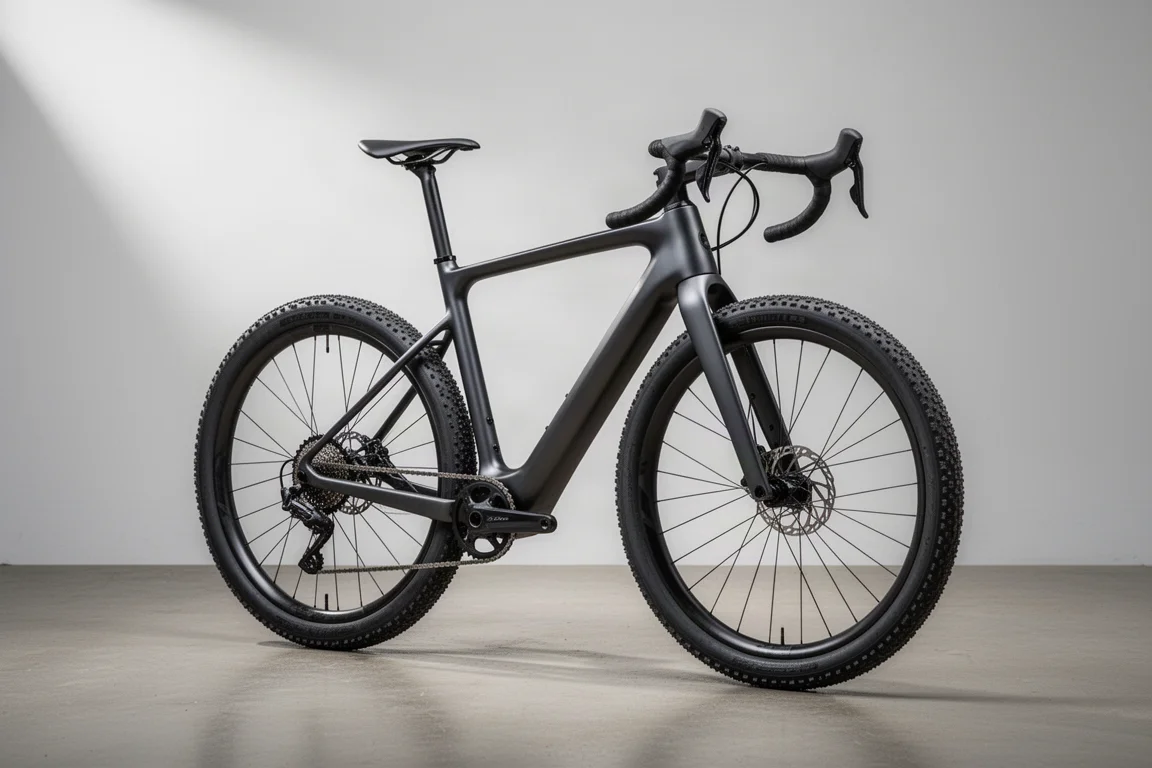
3T Exploro Ultra Review: A Fast Gravel Bike Built for Big Tyres
A close look at the 3T Exploro Ultra, an aero carbon gravel bike designed around wide tyres, with road-like handling, a 980 g frame and genuine rough-terrain capability.
Gravel Bikes
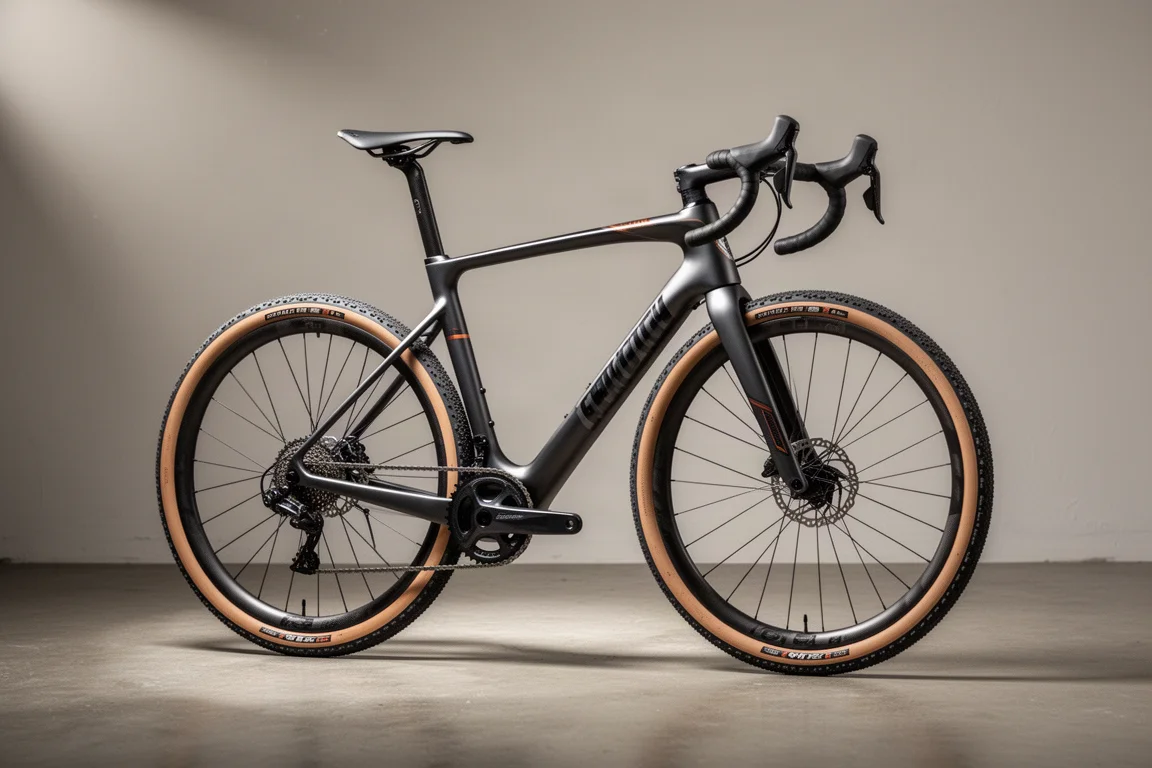
3T Extrema Italia Review: Aero Gravel Speed With Room for 57 mm Tires
The 3T Extrema Italia pairs an aero frame with huge tire clearance, Italian-made carbon and a more comfortable ride than the RaceMax. Here is what to know before buying.
Gravel Bikes
3T Race Max 2 Italia Review: An Aero Gravel Race Bike Made in Italy
A closer look at the second-generation 3T Race Max 2 Italia, covering its aero updates, ride character, tire clearance, internal storage and who it suits.