Gravel Bikes
Gravel Adventure Bike vs Gravel Race Bike: Trek Checkpoint and Trek Checkmate Compared
Trek's Checkpoint and Checkmate sit at opposite ends of gravel riding. Here is how geometry, mounts, tyre clearance and gearing decide which one suits your riding.
Introduction
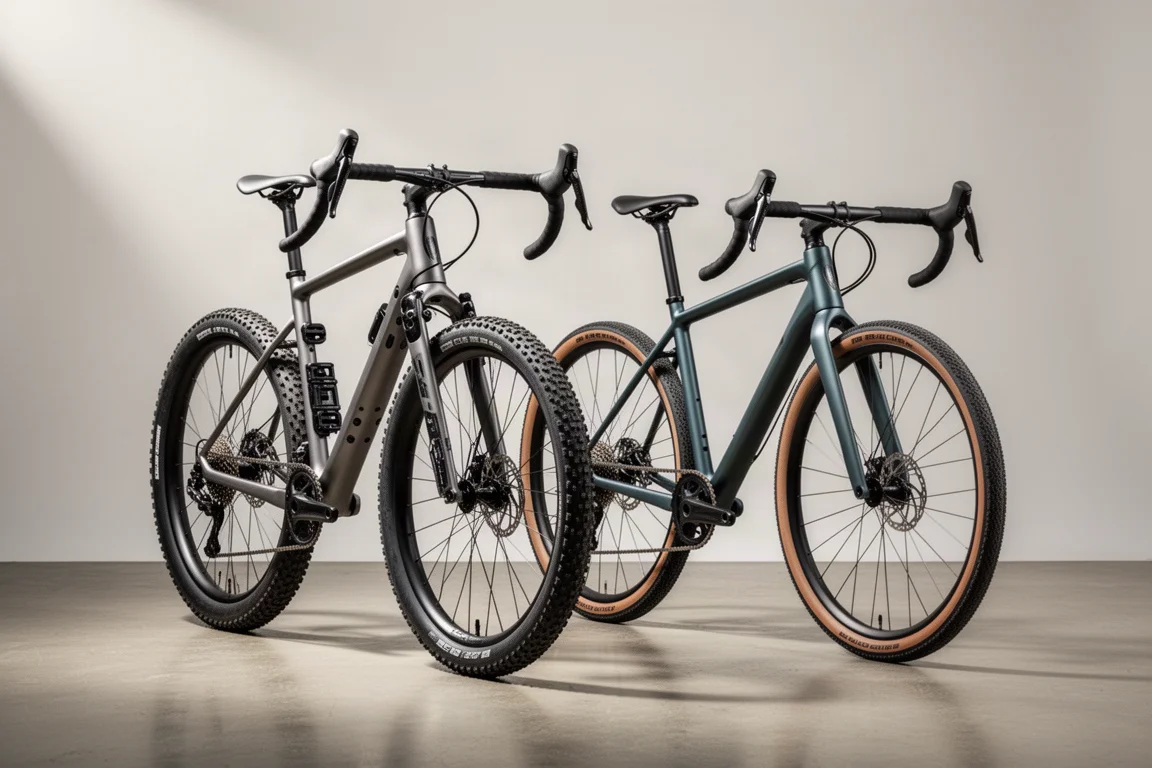
Gravel bikes come in two broad flavours, and the gap between them is wider than their similar silhouettes suggest. One is built to carry you and your gear across rough, remote terrain. The other is built to get you to the finish as quickly as possible. Trek splits its gravel range along exactly that line, with the Checkpoint aimed at adventure riding and the Checkmate aimed at racing.
Both are drop-bar bikes with wide tyres, so the differences are easy to miss at a glance. They show up in geometry, frame mounts, tyre clearance, gearing and weight, and those details decide what each bike is genuinely good at.
Adventure vs Race: The Core Differences
An adventure-oriented gravel frame is designed around compliance and comfort. The front end sits taller, the riding position is more upright and the overall feel is more relaxed, which makes it a pleasant place to be on a long day. That upright position is slower into the wind, but it also gives you noticeably more control when the surface turns technical.
A gravel race frame inverts that approach. The front end is lower and the handlebar narrower to tuck the rider out of the wind, and a slightly longer stem sharpens the handling at speed. Tube profiles are deeper and more angular, shaped to cut drag. Aero tube shapes are a smaller factor in overall speed than rider position, but they are a clear part of a race bike’s design intent.
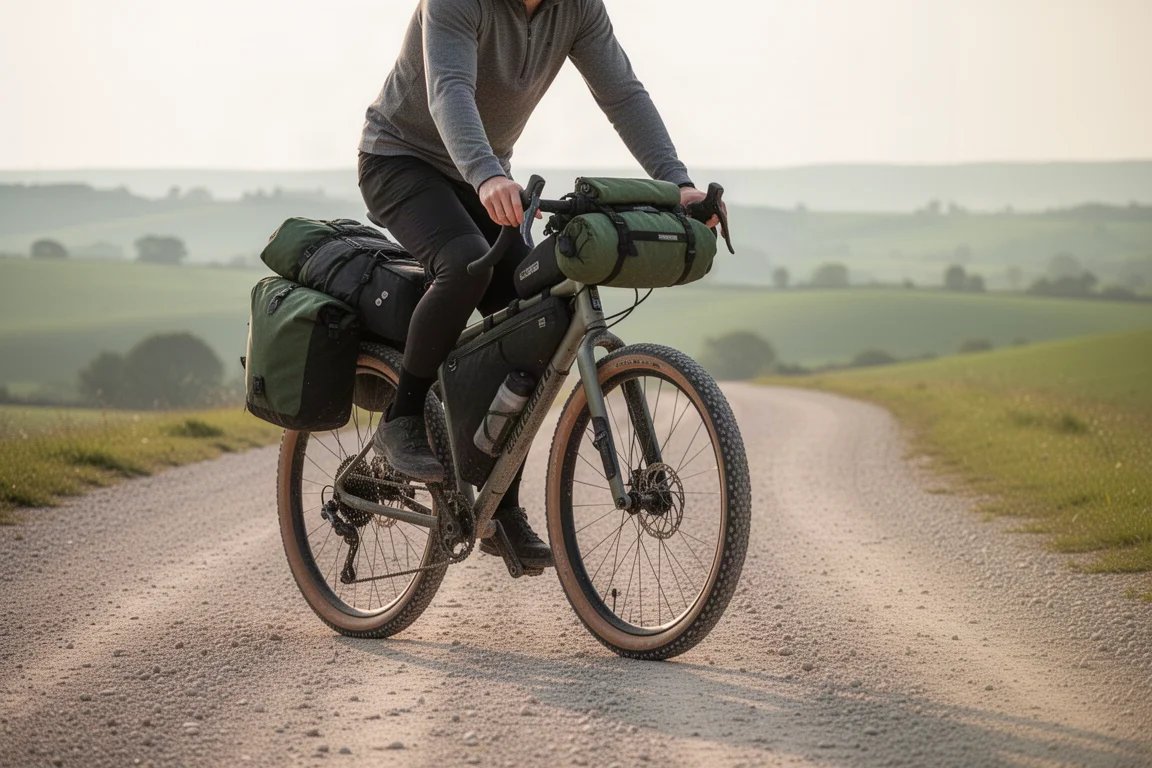
Weight follows the same logic. Adventure frames use more robust components from the wheels up to the saddle so they can survive rougher trails, and that durability adds grams. Race bikes are generally lighter, which matters most on hilly routes and for riders chasing performance.
Trek Checkpoint: The Adventure Build
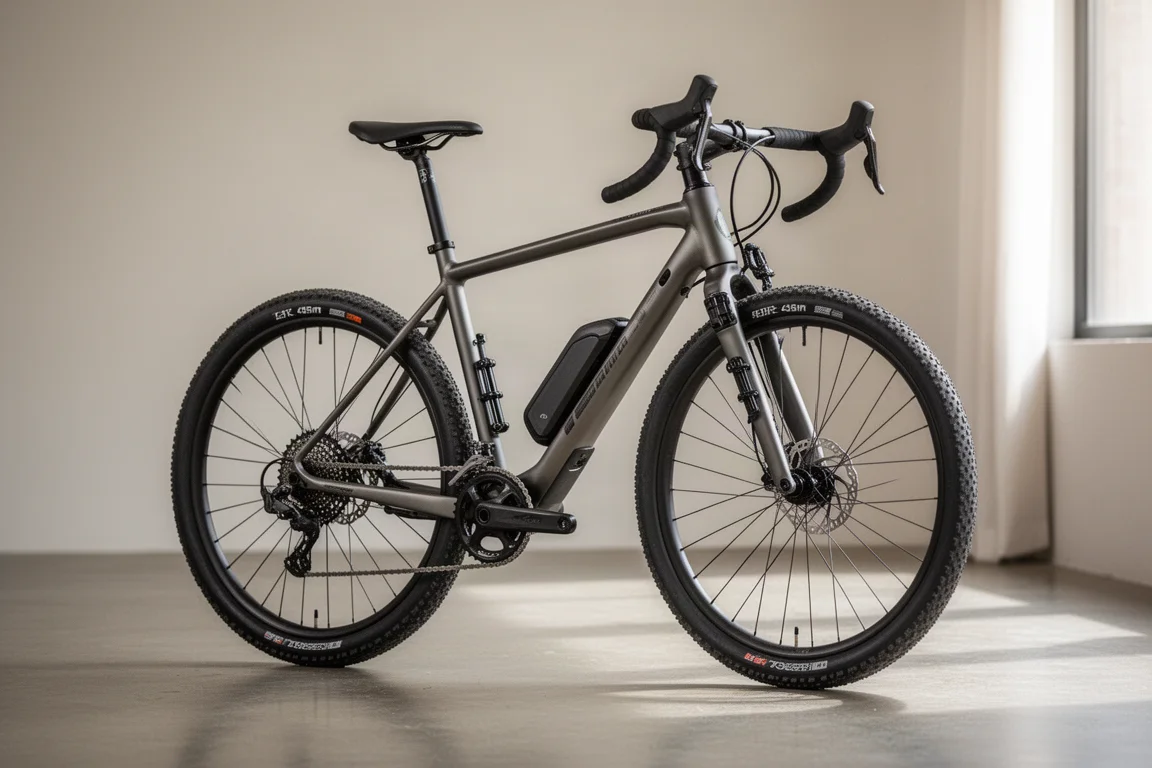
The Checkpoint is the adventure side of the range. Its frame carries mounts on the top tube, the down tube, the underside of the bottom bracket and the fork legs, plus mudguard mounts, which makes packing for a multi-day trip a realistic proposition rather than a compromise. There is also internal routing for a dropper post, a genuinely useful feature when the terrain gets rowdy and you want the saddle out of the way.
Comfort is built in as well. A decoupler at the rear end adds a measure of compliance, nowhere near what a mountain bike rear shock provides, but a welcome amount over a long day. Tyre clearance runs up to 50 mm, which opens the bike up to rougher gravel and steeper terrain before the surface becomes a real problem.
Trek Checkmate: The Race Build
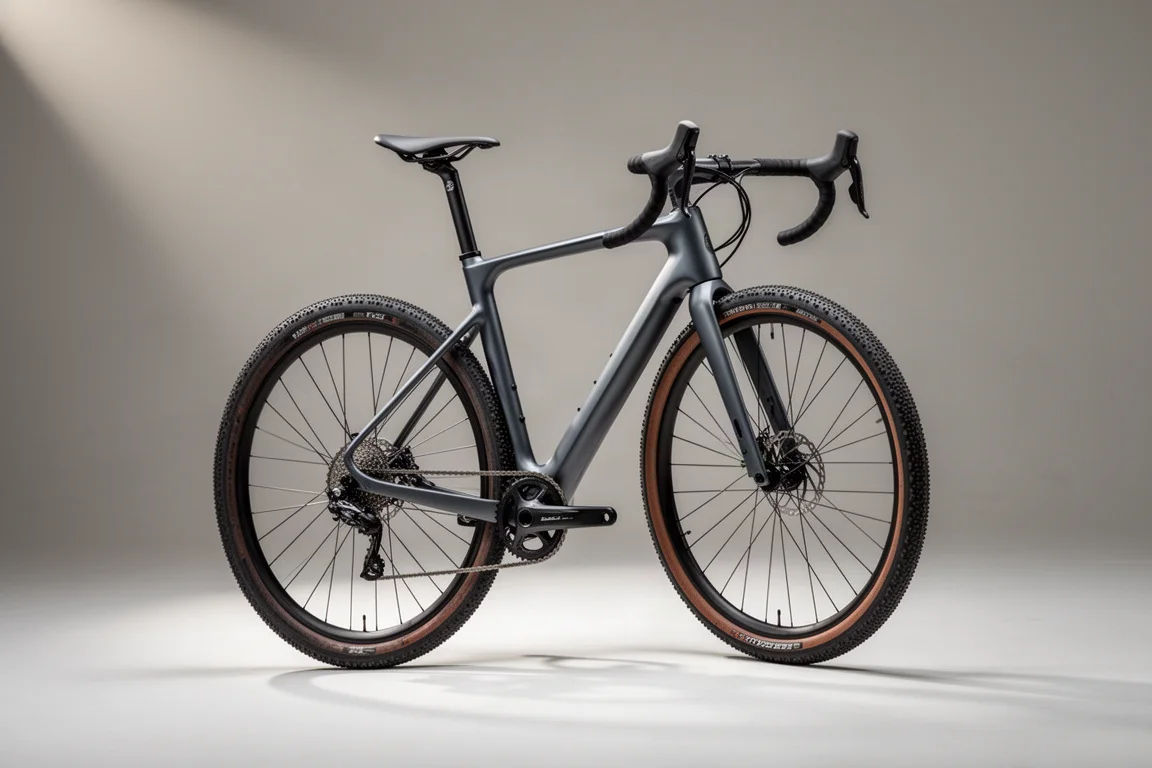
The Checkmate sits at the opposite end. Its deeper, more angular tube shapes are designed to reduce drag, and the front end is lower with a narrower bar and a longer stem to hold a faster, more efficient position. Mounts are deliberately sparse, because a gravel race generally means carrying far less.
Tyre clearance is narrower, sitting around the 40 to 45 mm range that current race setups favour. That is still plenty for fast gravel roads, but it draws the line earlier than an adventure frame when the route turns loose and steep. The bike is also built lighter than an adventure platform, which shows up most on climbs.
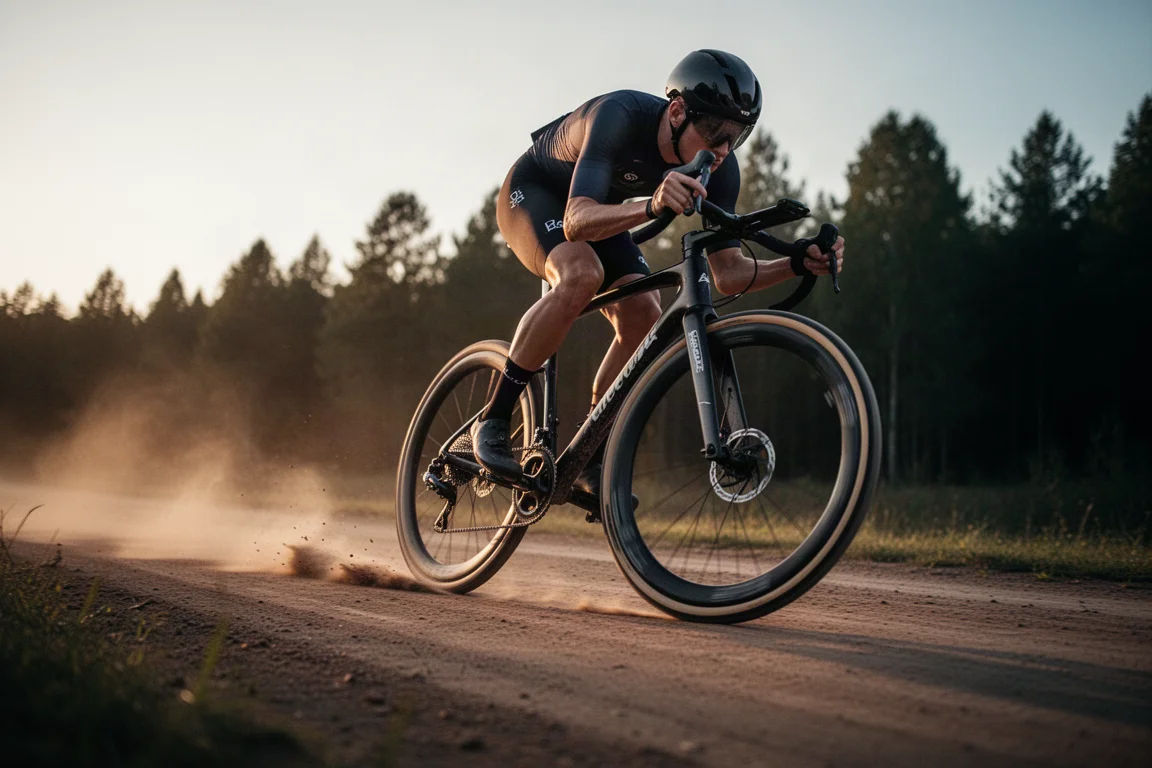
Gearing on a race bike tends toward a tighter cassette for more even cadence jumps, and 2x drivetrains are now seen almost exclusively in this category. That combination suits riders who spend their time at higher speeds on smoother surfaces.
Shared Ground: Gearing, Integration, and Suspension
The two categories overlap more than the labels suggest. Most gravel bikes now run 1x gearing, and wide-range cassettes that were once reserved for adventure riding are increasingly common on race bikes. Adventure builds still lean toward mountain bike components and broad gear spreads, while race bikes can run tighter cassettes for smoother cadence.
Integrated front ends are another shared trend, and one worth thinking about. Cable routing under the bar and stem looks clean, but position changes become difficult, adjustability suffers, and finding spare parts mid-ride is unlikely. Some brands execute it better than others.
Suspension is creeping into both categories as well. A dedicated gravel fork offers limited travel compared with a mountain bike fork, and riders in both camps have been known to repurpose mountain bike forks for drop-bar bikes. It is a trend worth watching whether or not it appeals to you.
Tire Clearance and Terrain
Tyre clearance is the clearest divider between the two bikes. The Checkpoint accepts tyres up to 50 mm, while the Checkmate is limited to 45 mm and is typically set up somewhere between 40 and 45 mm. That difference shapes the terrain each bike is comfortable on.
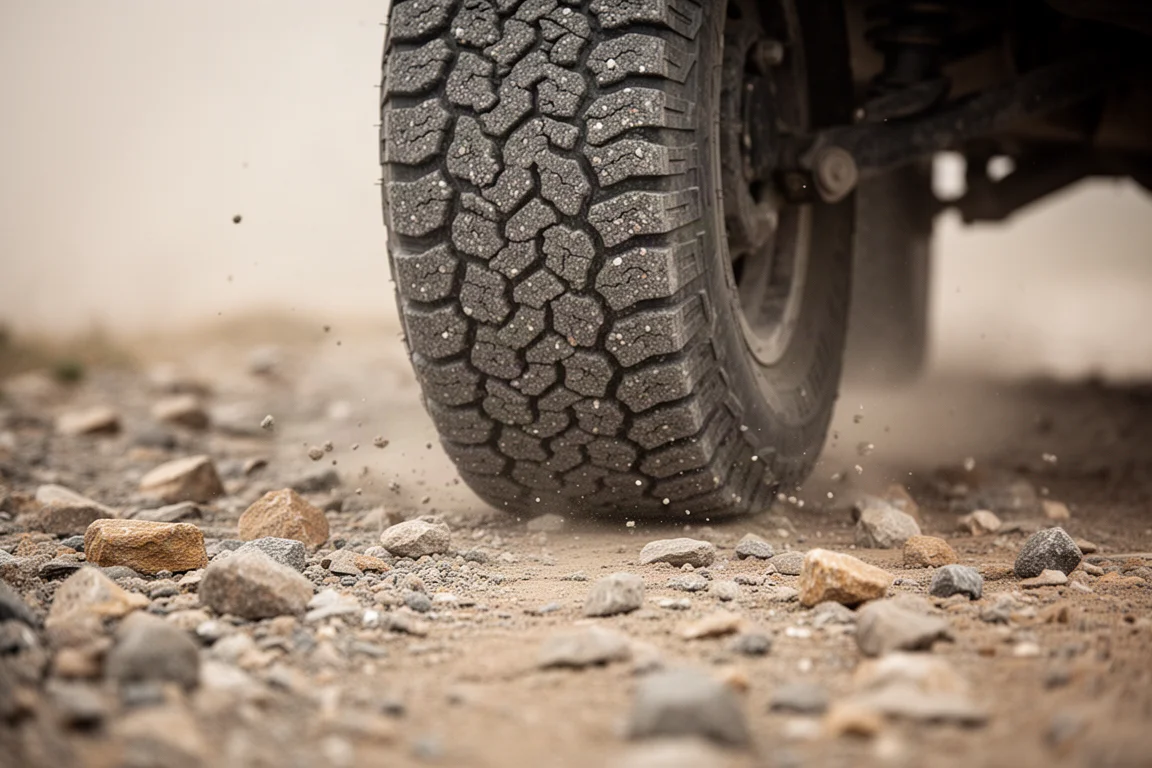
Wider tyres open a bike up to rougher gravel and steeper, looser climbs. On an adventure frame you have to seek out genuinely steep ground before the tyres become the limiting factor. A race frame with narrower rubber is quicker on fast, smooth gravel but gives up ground sooner once the surface deteriorates.
A Simple Scoring Method
Choosing between the two comes down to priorities, and a short scoring exercise makes that clearer than any spec sheet. List the categories that matter for gravel riding, such as speed, weight, tyre clearance, comfort, frame mounts, carrying capacity and dropper post compatibility, then order them by importance to you.
Next, rate each category from one to five based on how much you care about it, and score each bike on how well it performs there. The bike with the higher total is the one that matches your riding, even if the other looks better on paper. Add categories of your own if something specific matters to you.
Buying Advice: What to Weigh Before You Spend
With a few thousand dollars typically at stake, it is worth being honest about the riding you actually do. If speed is the primary objective and you race or join fast group efforts, the lower position, aero tube shapes and lighter build of a race bike are the features that matter, and narrower tyre clearance is an acceptable trade.
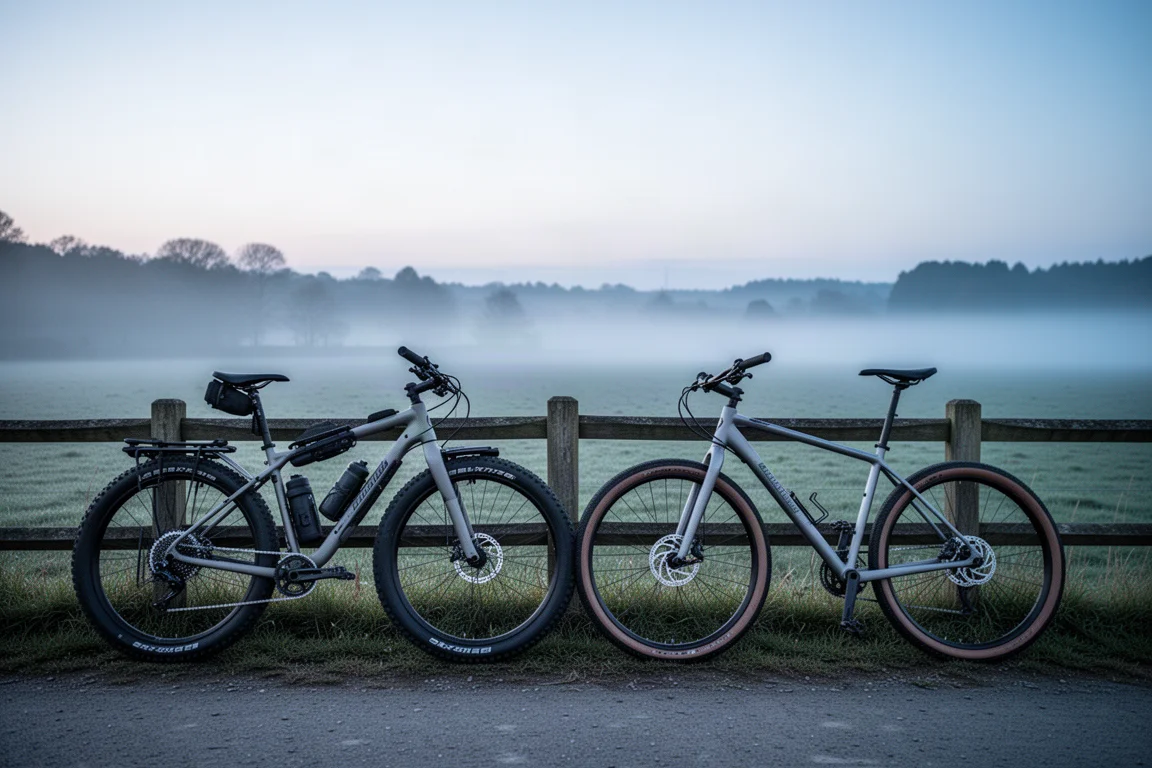
If your rides are longer, more exploratory, or involve carrying gear, the adventure layout makes more sense. Mounts, dropper post routing, a rear decoupler and 50 mm tyre clearance all serve that kind of riding directly. The upright position costs some speed, but it buys comfort and control that pay off over distance.
The categories do blur, so the scoring exercise is more reliable than a label. Let your own priorities decide, and keep in mind that the two bikes are closer in capability than their marketing suggests.
Conclusion
Gravel riding does not fit neatly into one category, and Trek’s range reflects that. The Checkpoint is the more versatile platform, with the mounts, comfort features and tyre clearance that suit loaded, exploratory riding. The Checkmate trims weight, lowers the front end and shapes its tubes for speed, which is exactly what a race-oriented rider wants.
Neither bike is the wrong answer. The right one is simply the one whose priorities match yours.
Further reading
Related Reviews
Gravel Bikes
3T Exploro Ultra Review: A Fast Gravel Bike Built for Big Tyres
A close look at the 3T Exploro Ultra, an aero carbon gravel bike designed around wide tyres, with road-like handling, a 980 g frame and genuine rough-terrain capability.
Gravel Bikes
3T Extrema Italia Review: Aero Gravel Speed With Room for 57 mm Tires
The 3T Extrema Italia pairs an aero frame with huge tire clearance, Italian-made carbon and a more comfortable ride than the RaceMax. Here is what to know before buying.
Gravel Bikes
3T Race Max 2 Italia Review: An Aero Gravel Race Bike Made in Italy
A closer look at the second-generation 3T Race Max 2 Italia, covering its aero updates, ride character, tire clearance, internal storage and who it suits.