Gravel Bikes
Trek Checkpoint ALR5 Review: A Value Gravel Bike Built for Everything
The Trek Checkpoint ALR5 pairs modern frame standards with a balanced ride, making it a strong one-bike option for commuting and weekend gravel.
Introduction
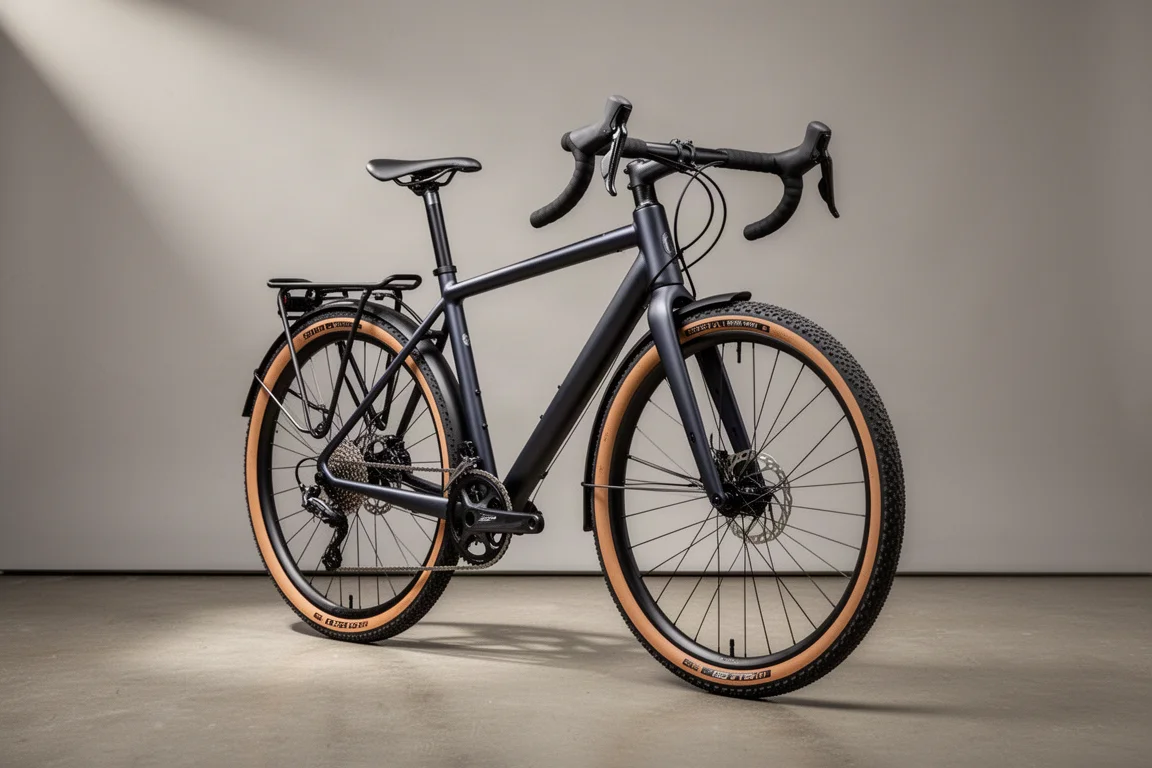
The Trek Checkpoint ALR5 is the aluminium sibling of the adventurous Checkpoint range, and it arrives with a straightforward pitch: give riders as much current technology as possible without pushing the price past the point of practicality. It skips the carbon model’s suspension-style compliance features and down tube storage, and in return it delivers a genuinely modern frame, a broad spread of mounts, and geometry that works just as well on a weekday commute as it does on a weekend gravel loop.
Its all-round ability is the reason it stands out. This is a bike designed to be ridden often and in a lot of different ways, and that flexibility is exactly what makes it such a smart entry point for anyone curious about gravel. Competition in this price bracket is serious, with capable alternatives built around very different priorities, so the interesting question is whether the Checkpoint ALR5’s balanced approach is the right one for most riders.
Who the Checkpoint ALR5 Is For
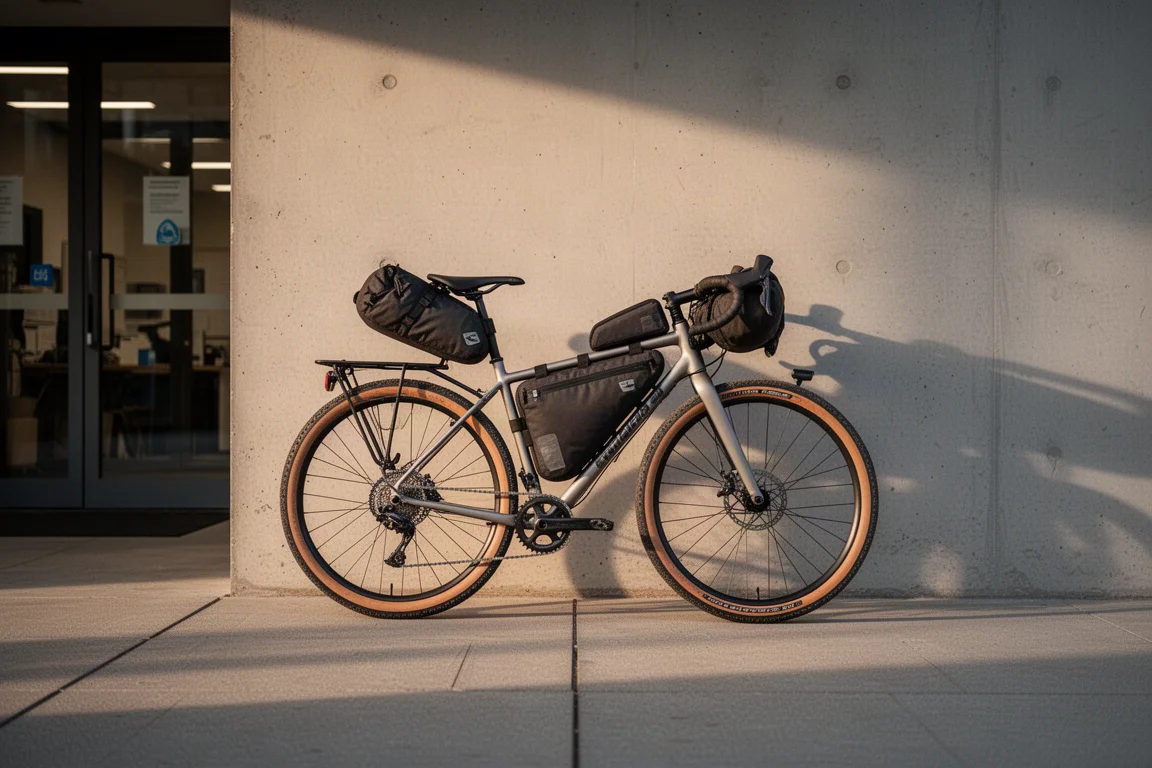
This bike is aimed squarely at riders who want a single machine rather than a stable. If you plan to commute every day of the week and then take the same bike out to ride gravel and trails at the weekend, the Checkpoint ALR5 was clearly built with you in mind. Rack mounts, fender eyelets, and a generous set of frame mounts make it easy to turn the bike into a year-round commuter or a bikepacking companion without any aftermarket improvisation.
It also suits riders who value up-to-date standards over a marginally lower weight. A threaded bottom bracket, a universal derailleur hanger, internal cable routing, and 50 mm of tyre clearance mean the frame should stay current for many years. If you are new to gravel and would rather buy into a platform that will not feel dated quickly, this is part of the appeal.
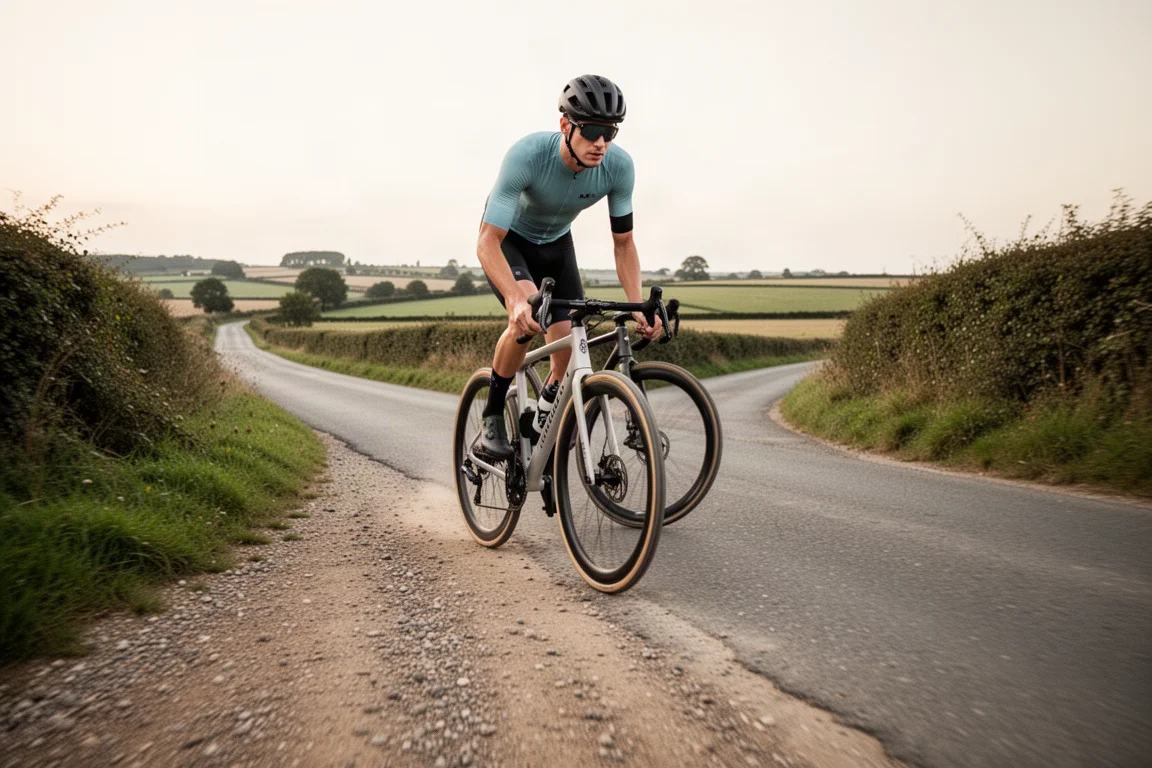
That said, it is not aimed at riders chasing the most aggressive technical descending. Bikes with slacker, more mountain-bike-influenced geometry will outclass it when the terrain gets steep and loose. The Checkpoint ALR5 is a confident all-rounder rather than a specialist, and buyers should be honest about which of those two things they actually need.
Frame, Geometry, and Everyday Practicality
The frame is built from 300 Series Alpha Aluminium, Trek’s highest grade of alloy, and it is multi-butted to remove weight wherever possible. That makes it one of the lightest aluminium gravel frames you can buy, and it shows in the numbers: in a size medium, the frame and full carbon fork together weigh 2.6 kg. That is a strong starting point for building a light and cost-effective bike.
The tube shapes are slender and the welds are smooth, and the finish looks genuinely premium. Practicality is equally well handled, with a T47 threaded bottom bracket, a UDH rear dropout, extensive integrated mounts for bag storage, and internal cable routing. There is 50 mm of tyre clearance, and the full carbon fork adds triple anything mounts and proper fender eyelets, while the rear pairs the same eyelets with a rack mount.
The revised geometry is the other significant change, and it makes the bike far more rugged-ready than the previous generation. A head angle of 72.3 degrees places it in endurance bike territory, while the 72.5 degree seat angle brings a gravel influence into the mix. On a 58 cm frame the wheelbase is relatively short for the size, and with generous reach and a mid-height sporty stack, the result feels closer to a sporty endurance bike than a slack gravel racer. In short, it is built to feel stable in all conditions.
There is also an integrated 3S chain keeper, which is a detail worth appreciating. If a chain drops in rough conditions, the keeper stops it falling onto the bottom bracket shell and damaging the paint. It is a small feature that adds real security when the terrain turns messy.
Drivetrain and Build Kit
The headline component on the ALR5 is the SRAM Apex Explore one-by drivetrain. It is a mechanical groupset that has proven itself as affordable, reliable, and visually tidy. The setup here pairs a 40-tooth chainring with an 11-44 cassette, which produces a wide spread of gears: the bottom gear is lower than 1:1 for steep climbs, and the 40-tooth chainring means you will not be left behind on the road unless you are riding with a genuinely fast group.
Finishing kit comes almost entirely from Bontrager, and it is solid throughout. The highlight is the cockpit: an Elite gravel bar with a great shape, plenty of width, and a clean match to the stem, with everything routed internally. It looks purposeful and works well.
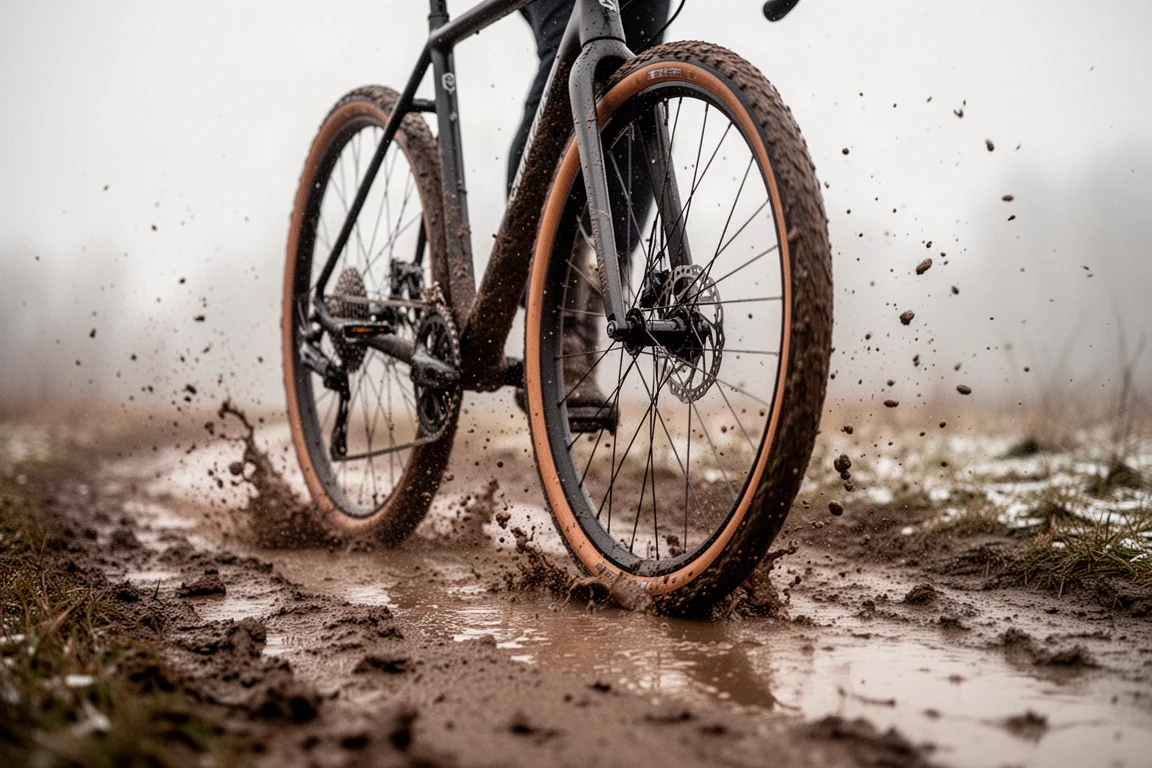
The tyres are the one part of the build that divides opinion. They are remarkably quick on tarmac and very good in dry conditions, and they include puncture protection. Across hundreds of miles of testing they have not produced a single puncture. In deep winter mud, however, they are simply out of their depth.
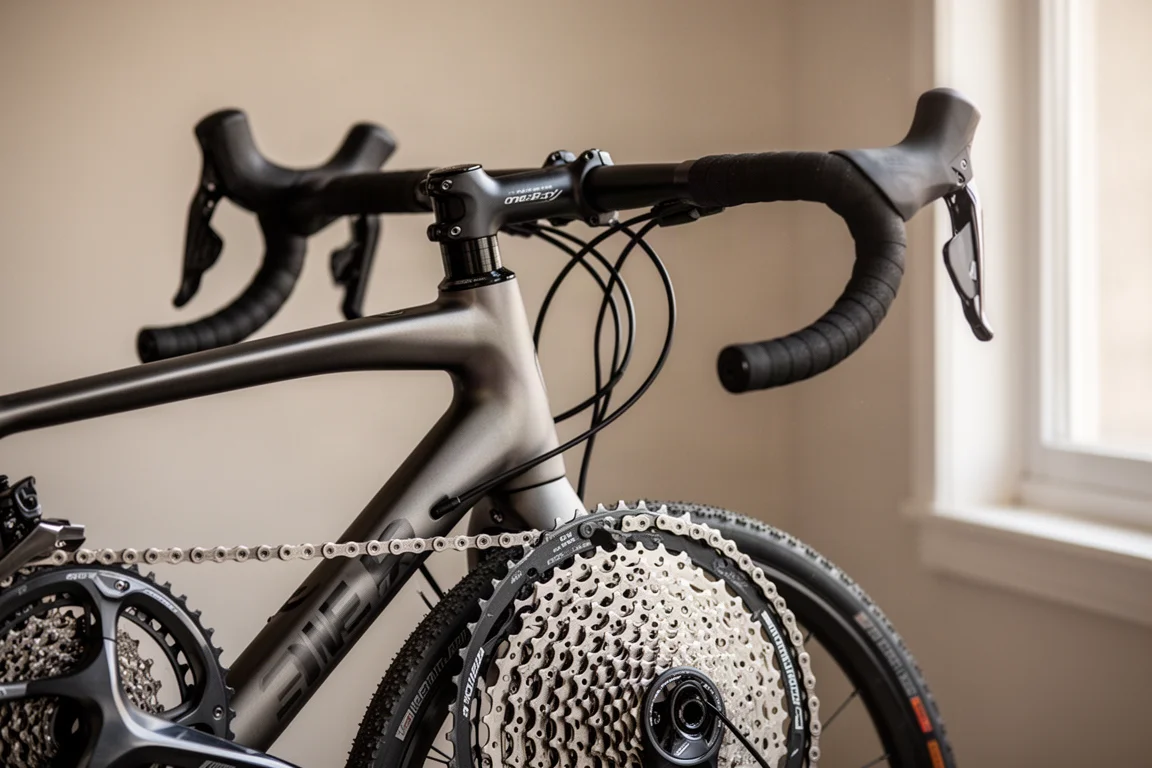
Those tyres sit on a set of Bontrager Paradigm 23 alloy wheels. They look simple, but they are tubeless compatible, reasonably wide, and they shape the tyres well, even if they are not as wide as the most modern gravel rims. You could comfortably run up to a 45 mm tyre if you wanted to make more use of the frame’s clearance, and the wheelset comes in at around 1,800 g for the pair, which is respectable at this price. Braking comes from hydraulic discs with 160 mm rotors front and rear, and matching rotors give good feel, though the front can get a little noisy when it gets hot and, like most disc brakes, they can squeak in the wet.
How the Checkpoint ALR5 Rides
At around 10.5 kg, the Checkpoint ALR5 is not featherweight in absolute terms, but in this busy section of the market it is one of the lightest options you will find. Only the considerably more expensive Specialized Crux DSW gets below the 10 kg mark, and that bike costs roughly £800 more in a comparable build. The Crux is also essentially a cyclocross bike at heart, so the comparison is not quite like for like.
The bike shines on smoother gravel, on tarmac, and especially on climbs. The light frame is only part of that story, because the evolved geometry deserves just as much credit. It rides like a genuinely good sporty endurance bike while remaining stable enough to take a decent dose of off-road riding, including singletrack and more technical trails than you might expect.
Where it gives ground is the extreme end of technical terrain. More aggressive, slacker machines will outclass it on steep, loose descents, but the trade-off is that the Checkpoint ALR5 will leave them behind on the climb back to the top. Handling at the limit asks for a little more care and more deliberate line choice, and honestly that makes the bike more engaging rather than less. Fit a set of chunky tyres to exploit the full 50 mm of clearance and its off-road capability would improve considerably.
Things to Consider Before Buying
The stock tyres are the first thing most buyers will want to think about. They are fast and dependable in dry conditions, but they are not a winter tread, so anyone planning to ride through mud should budget for a second set of tyres with more bite.
The wheels are tubeless compatible and well judged for an all-rounder, but they are not as wide as the latest gravel rims. Riders who want to push tyre volume to the maximum may eventually look at an upgrade, though that is a normal path on any bike at this price. Brake noise is worth knowing about too: the front rotor can get noisy when hot, and wet conditions bring the usual occasional squeaks.
Weight is the other consideration. At around 10.5 kg the bike is light for the money, but it is not light compared with a high-end gravel racer. And if your priority is steep, technical descending, there are slacker bikes in this class that will feel more composed.
None of these points are unusual for a gravel bike at this price, and most of them come down to personal priorities rather than genuine shortcomings.
Value and Long-Term Setup
Value is where the Checkpoint ALR5 makes its strongest case. The entry point into the Checkpoint Carbon range is nearly twice the price, and this aluminium version still arrives with the technology that matters. The frame and fork standards, the mounts, the tyre clearance, and the threaded bottom bracket all mean this is a bike you can keep upgrading rather than replace.
One detail that deserves credit is the tubeless setup. Plenty of bikes at this price are advertised as tubeless ready but still arrive with inner tubes fitted. This one turns up ready to ride exactly as it should, which is a small thing that says a lot about how seriously the bike has been prepared.
The competitive picture is worth understanding before buying. The Specialized Crux DSW is lighter but more expensive and leans towards cyclocross. The Marin Gestalt X10 and the Whyte Vero take a slacker, more mountain-bike-inspired approach that pays off on steep technical descents. The Checkpoint ALR5 sits in the middle, and that middle ground is precisely what makes it such a useful everyday bike.
Buying Advice
At around £1,700, the Checkpoint ALR5 is very hard to beat if your plan is to commute every day of the week and then ride trails and gravel at the weekend. It covers both jobs with a frame worth keeping, a reliable one-by drivetrain with a genuinely wide gear range, and a cockpit that feels right from the first ride.
If you buy one, plan for the winter. A set of mud-friendly tyres will transform it once the trails get soft, and everything else on the bike is ready as delivered. Riders who mostly chase steep, technical descents should look at slacker alternatives, and riders who need the lowest possible weight should expect to spend considerably more elsewhere.
For everyone else, this is a bike that gets out of the way and lets you ride. The standards are current, the mounts are there when you need them, and the geometry works on road and off it.
That combination is what makes it such a sensible purchase rather than simply a cheap one.
Conclusion
For riders wanting one bike that handles a daily commute and weekend gravel with equal competence, the Trek Checkpoint ALR5 is an easy recommendation. The frame is light and well finished, the practical details are all present, and the ride quality is balanced in a way that suits far more people than a specialist machine would.
There are a couple of changes most owners will want to make for winter riding, but that is true of nearly every gravel bike at any price. What sets the Checkpoint ALR5 apart is how much genuinely current technology and all-round ability it delivers for the money.
Product link
View more details for Trek Checkpoint ALR5
This product is mentioned in the review. Check the specifications, options, and compatibility before buying.
View more details for Trek Checkpoint ALR5Further reading
Related Reviews
Gravel Bikes
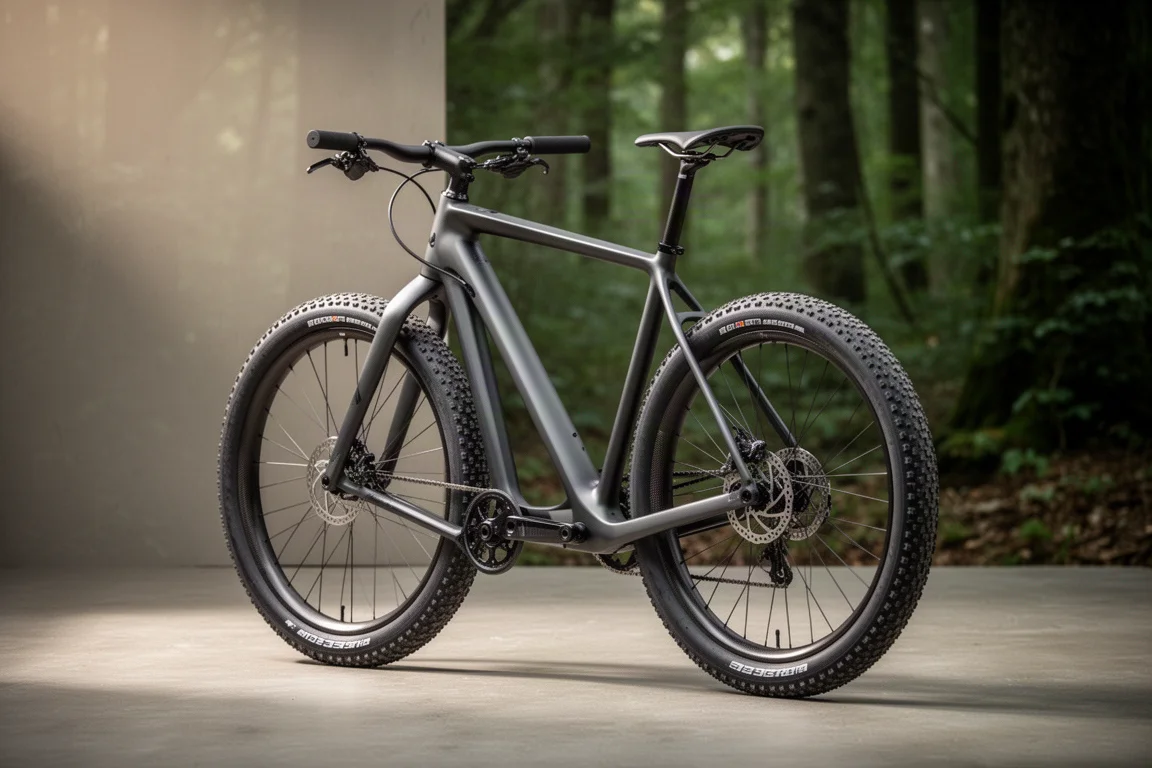
3T Exploro Ultra Review: A Fast Gravel Bike Built for Big Tyres
A close look at the 3T Exploro Ultra, an aero carbon gravel bike designed around wide tyres, with road-like handling, a 980 g frame and genuine rough-terrain capability.
Gravel Bikes
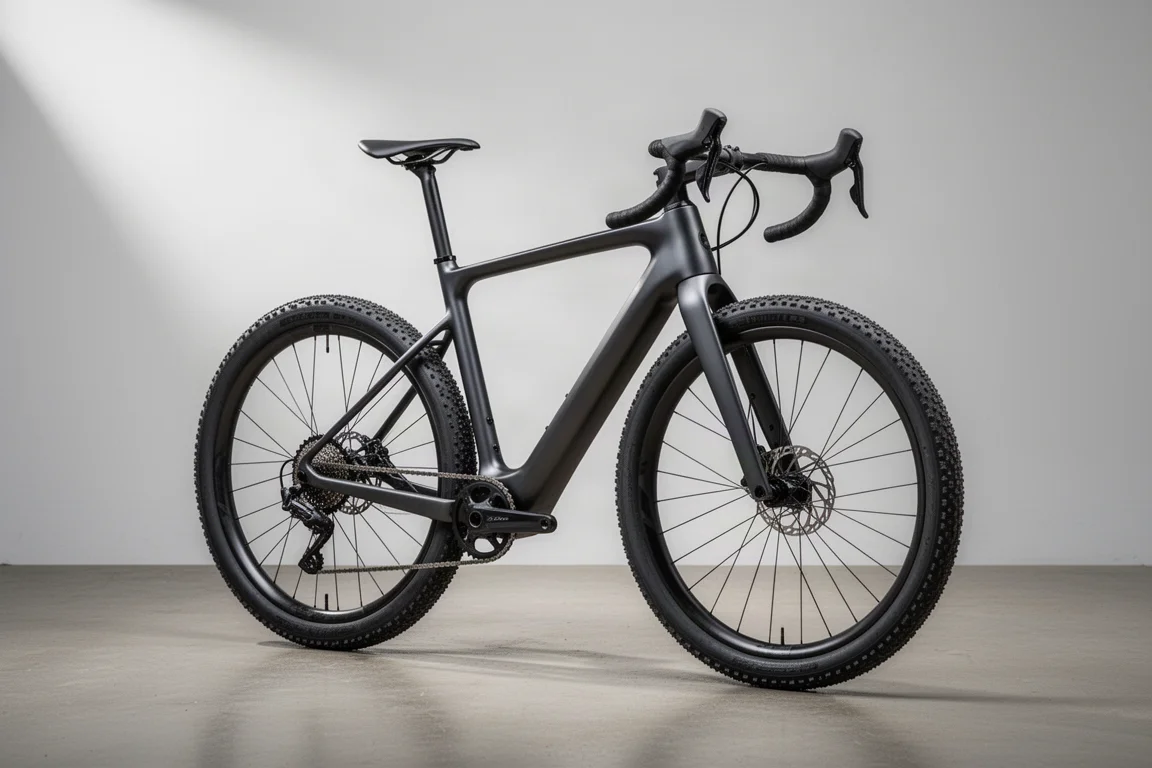
3T Extrema Italia Review: Aero Gravel Speed With Room for 57 mm Tires
The 3T Extrema Italia pairs an aero frame with huge tire clearance, Italian-made carbon and a more comfortable ride than the RaceMax. Here is what to know before buying.
Gravel Bikes
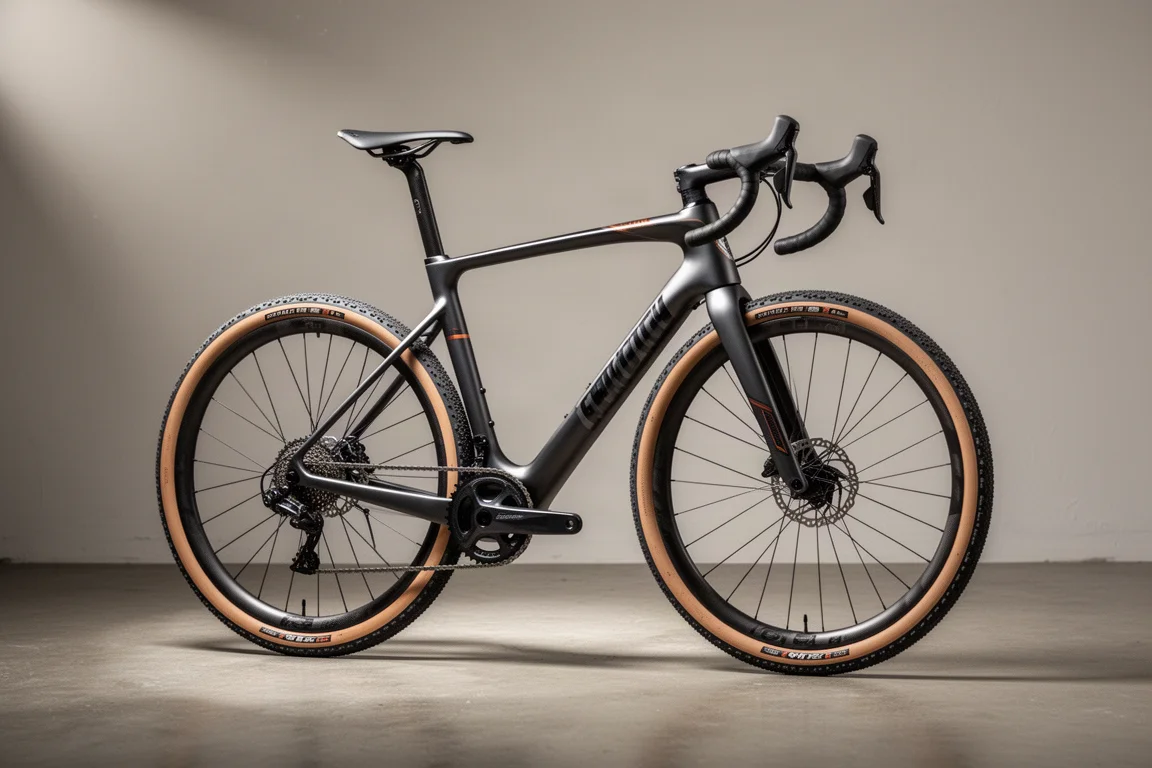
3T Race Max 2 Italia Review: An Aero Gravel Race Bike Made in Italy
A closer look at the second-generation 3T Race Max 2 Italia, covering its aero updates, ride character, tire clearance, internal storage and who it suits.