Camera Gear
Travel Videographer Camera Gear: A 10-Item Kit for Client Work
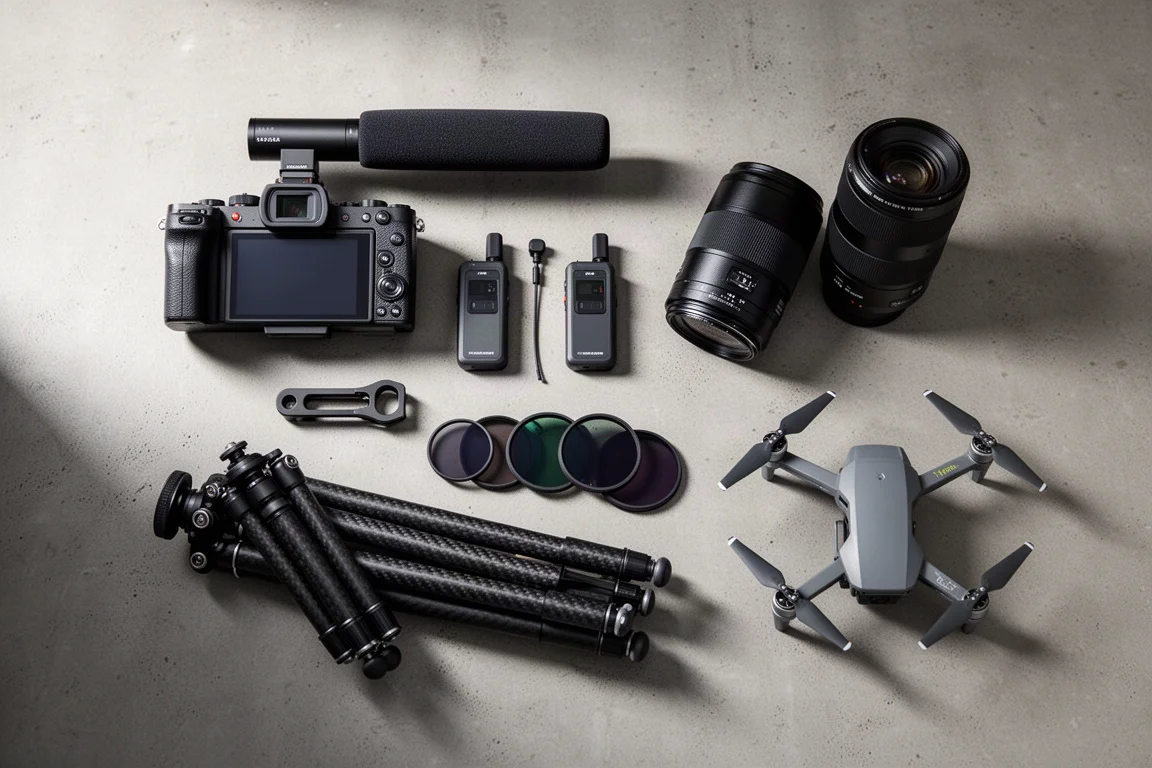
A working travel videography kit, covering a hybrid full-frame camera, two audio solutions, two lenses, filters, a carbon tripod, a camera clip, and a compact drone.
Introduction
Packing for a travel assignment means every piece of gear has to justify the space it takes up. The kit below is a working travel videography setup built around a single hybrid camera body, two audio solutions, two lenses, a small set of filters, a lightweight tripod, a camera clip, and a compact drone.
The logic behind it is straightforward. Client work rarely asks for video alone, so the camera has to handle stills and motion without a second body. Audio has to be good enough that nothing gets switched off in the first ten seconds. And everything has to fit into a bag that can be carried through an airport, up a hill, and onto a shoot the same day.
Each item below is included for a specific reason, and each comes with a trade-off worth knowing before you buy.
What This Kit Needs to Do
Three priorities shaped this kit. Weight comes first, because a travel videographer carries everything personally, and a heavier bag reduces how much can be shot in a day. Second is speed of switching: a camera that moves quickly between stills and video means fewer missed moments when a client asks for photographs alongside footage. Third is exposure and stability control, which is where filters, lens stabilisation, and a tripod do their quiet work.
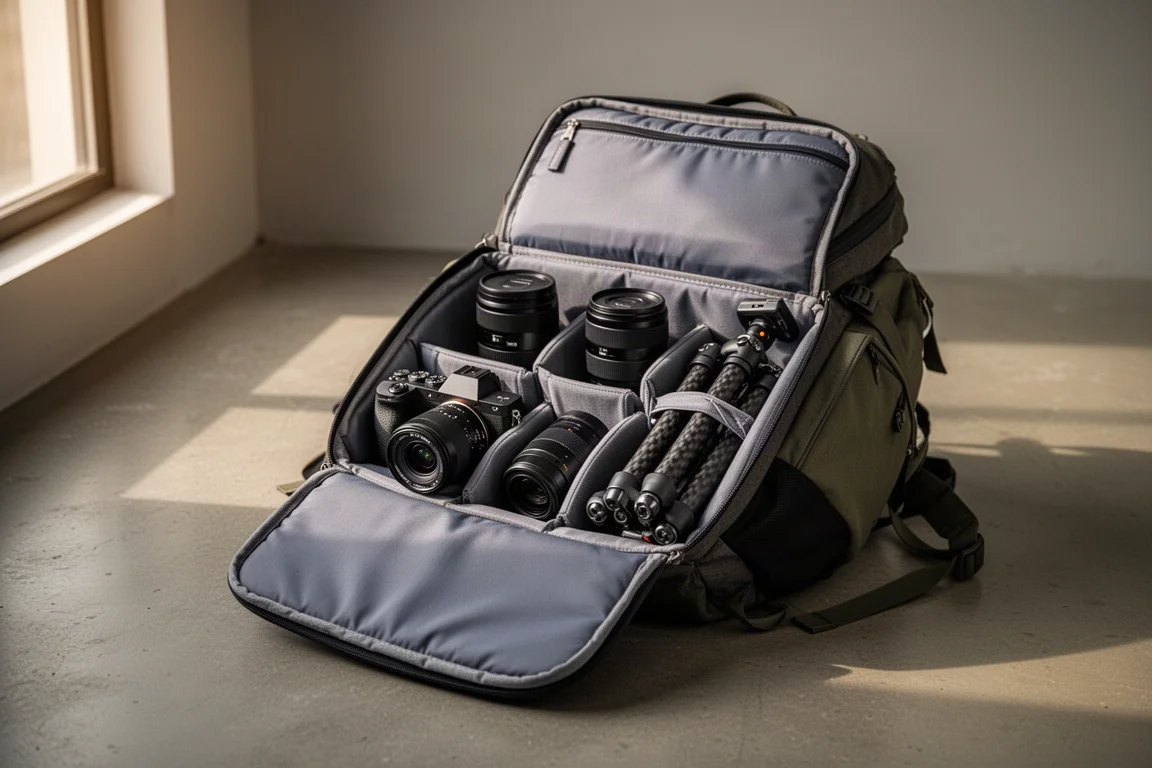
Audio sits above all of it. A slightly soft shot can be forgiven; poor sound is the fastest way to lose a viewer. That is why this kit carries two separate audio tools rather than one compromise.
Filters matter just as much, for a different reason. A polariser tames flat midday light, and neutral density filters let a lens or a drone stay at a usable shutter speed and aperture in bright conditions instead of being stopped down or sped up. A tripod covers interviews and solo shooting, and a drone covers the wide establishing shots clients increasingly expect.
Sony A7 IV: One Camera for Video and Stills
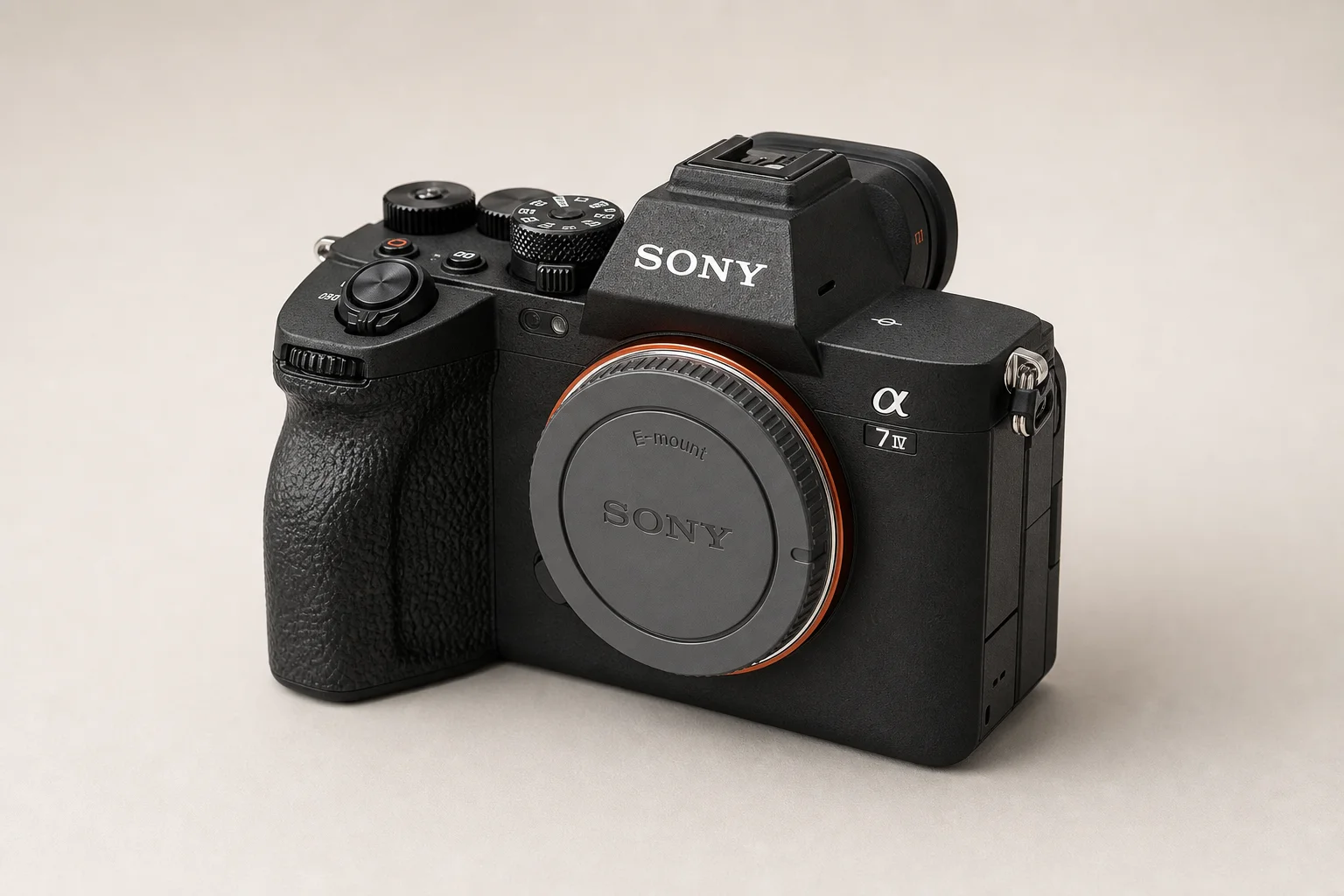
The Sony A7 IV anchors this kit, and versatility is the reason. It is a mirrorless body, which keeps the bag light, and its articulating screen swivels far enough to frame awkward angles that a fixed screen turns into guesswork.
The feature that matters most day to day is the switch on the top plate that moves the camera between video and photography. Clients usually want both, and a body built primarily for video can leave stills looking short of professional expectations. This camera captures 33 megapixel photographs and records 4K at up to 60 frames per second for slow motion.
There are trade-offs. 4K 60 carries a noticeable crop, and there is no 4K 120 option, so anyone who relies on very high frame rates should weigh that carefully. In exchange, the camera offers S-Log, high dynamic range, two native ISO settings, strong low light performance, and in-body stabilisation that helps when carrying a gimbal is not practical.
Rode VideoMic Pro+: On-Camera Shotgun Audio
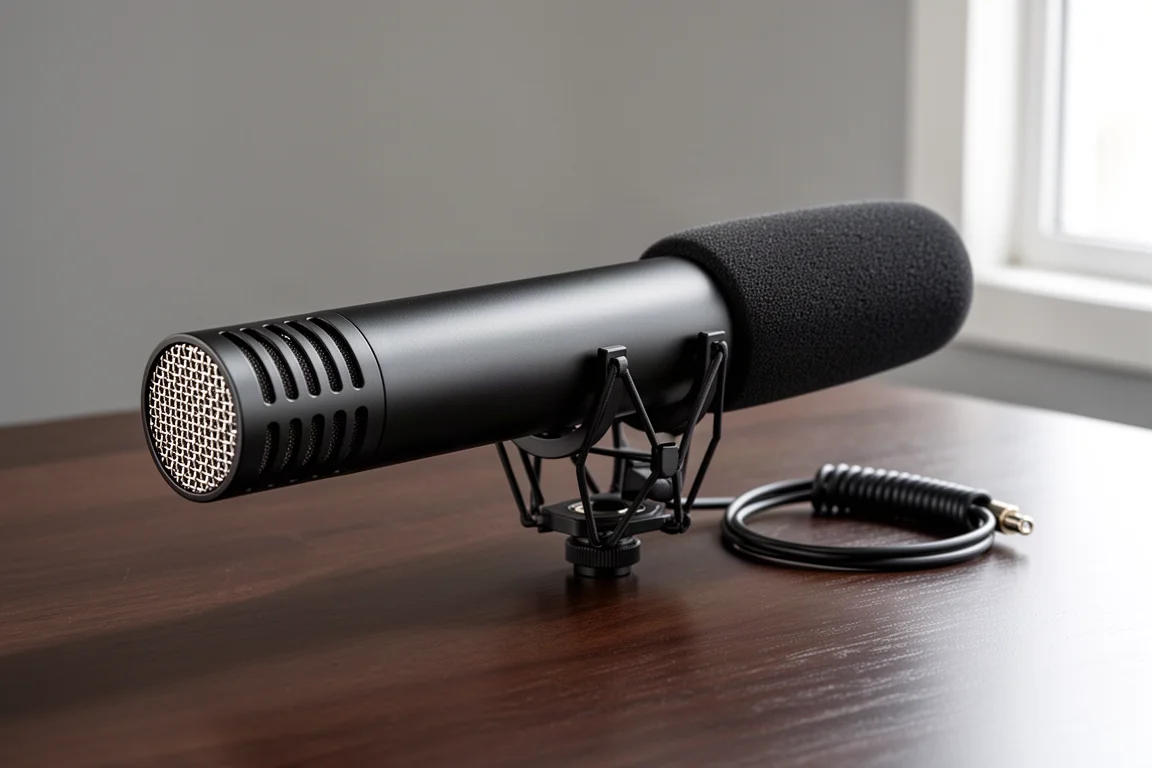
For a microphone mounted on top of the camera, this kit uses the Rode VideoMic Pro+. It is physically larger than most on-camera options, which is a real consideration on a compact rig, but the audio quality is the reason it stays.
It handles ambient sound well, picking up the texture of a location rather than only a voice, and it can carry a solo piece to camera at short notice. Anyone who has had to rescue a project in the edit will recognise why that flexibility is worth the extra bulk.
Rode Wireless GO II: Reliable Interview Audio
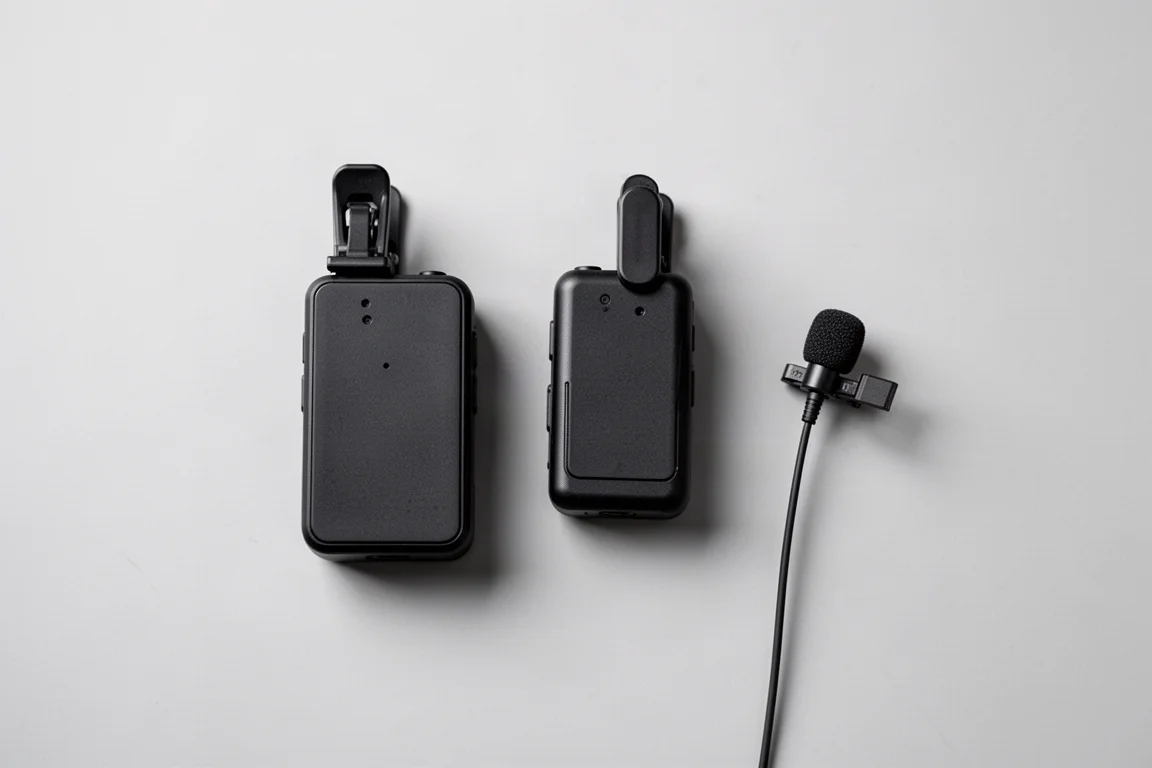
When a client shoot includes interviews, the Rode Wireless GO II kit takes over. The transmitters are compact and the system is dependable, which counts for a lot when there is no second take.
One practical detail makes a visible difference: pair each transmitter with a lavalier microphone rather than clipping the transmitter itself to a collar. A small lavalier running up inside a shirt and clipped neatly at the front keeps the frame clean and looks considerably more professional on camera.
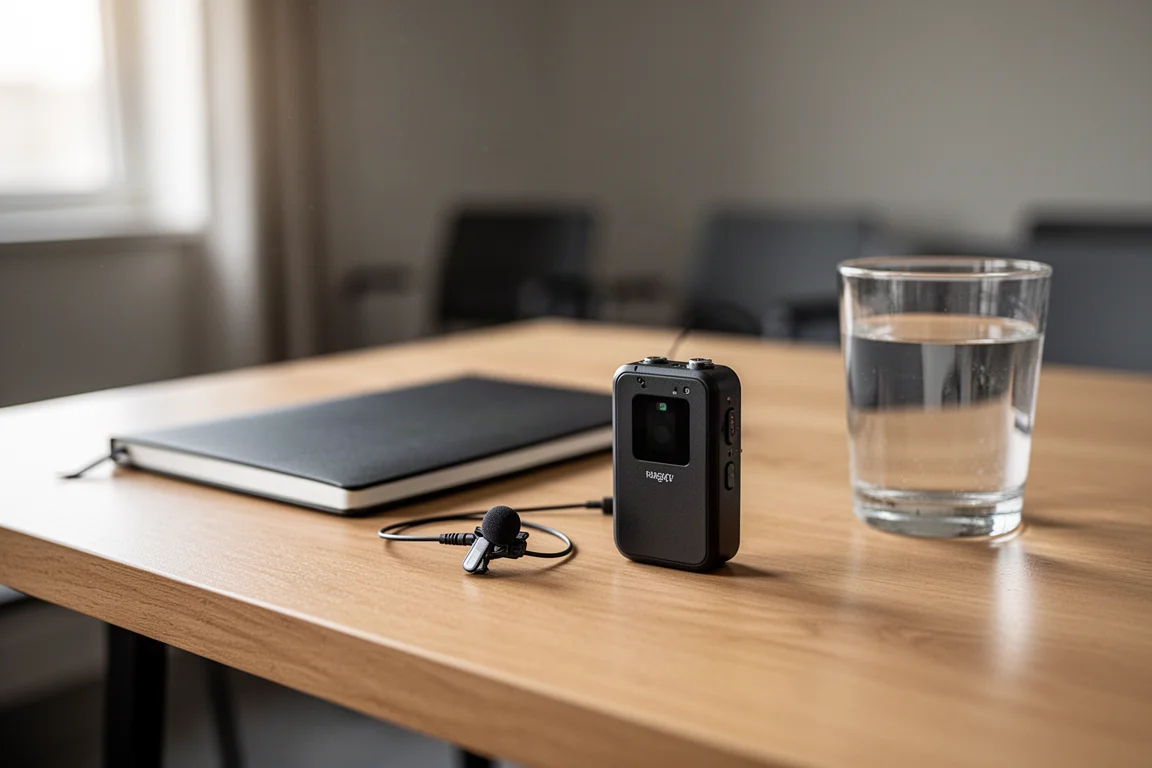
The two systems cover different jobs. The shotgun handles ambience and single-person pieces to camera, while the wireless kit handles seated interviews where the microphone has to disappear from the frame entirely. Together they remove most of the reasons a shoot day gets held up by audio problems.
Sony 24-105mm f/4 G: The Workhorse Zoom
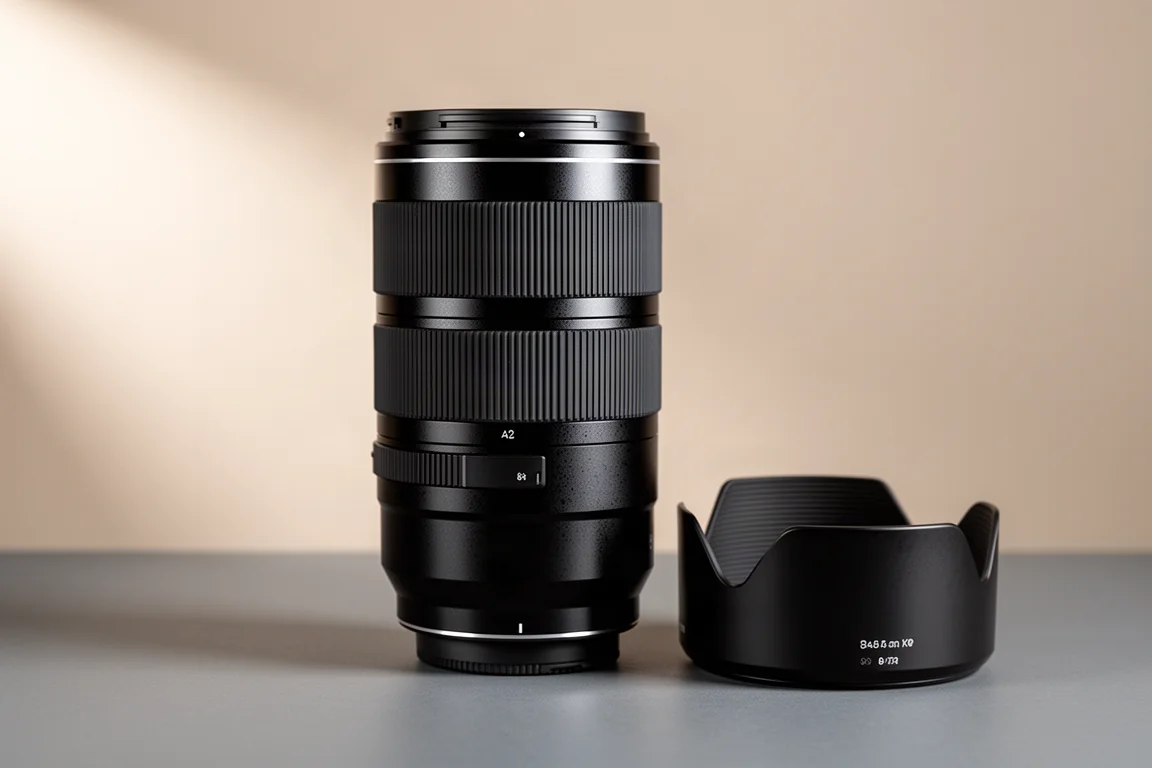
Travel kits rarely have room for many lenses, so the two here cover as much ground as possible. The Sony 24-105mm f/4 G is the all-purpose zoom: wide enough for establishing shots, long enough to reach in, and tight enough for detail.
Its stabilisation adds a useful margin when shooting handheld, which is common on travel days when setting up support is not practical. Paired with a polariser, it handles the flat, harsh light of a high midday sun far better than the bare lens would.
Sony 35mm f/1.4 G Master: The Low-Light Prime
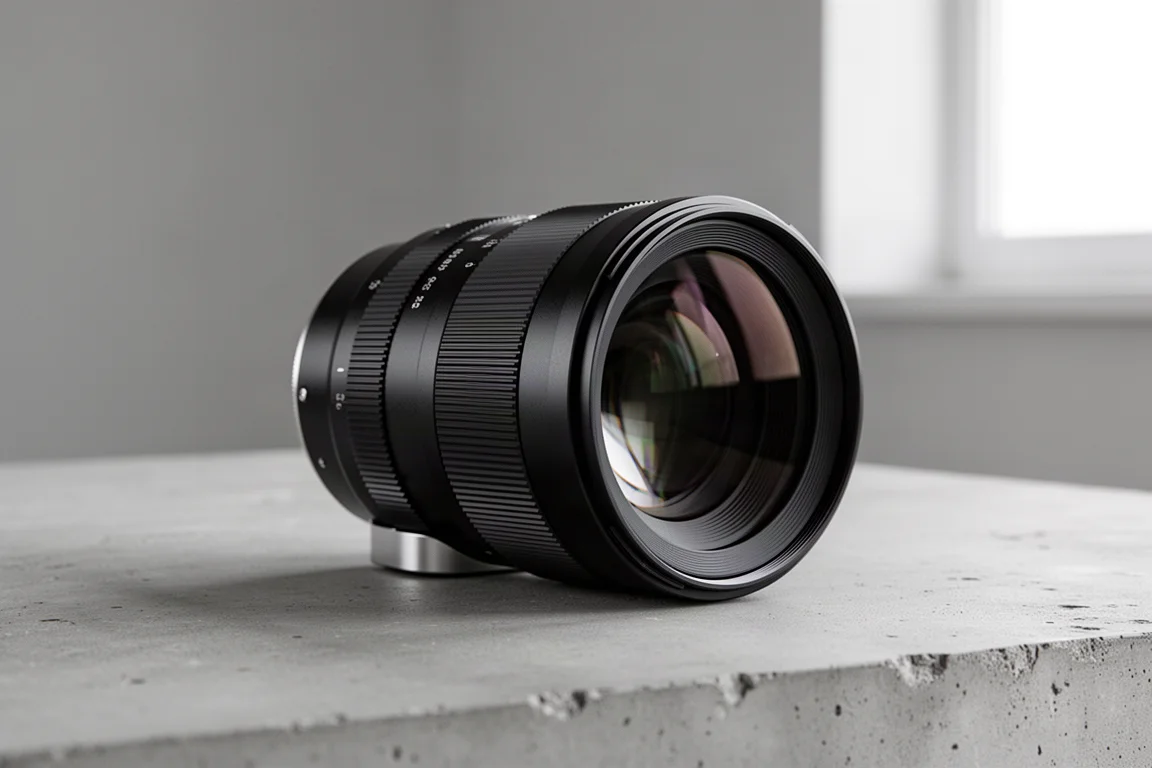
The second lens is a Sony 35mm f/1.4 G Master, chosen for low light, shallow depth of field, and interview framing. The wide maximum aperture keeps the background soft and separates a subject cleanly, which is exactly what a sit-down interview needs.
It is also small and light enough to pack without a second thought, which is not something that can be said for every fast prime. Anyone deciding between a 35mm and a 50mm for this role is really choosing a field of view. Both work, and a 35mm simply suits a slightly wider, more environmental frame.
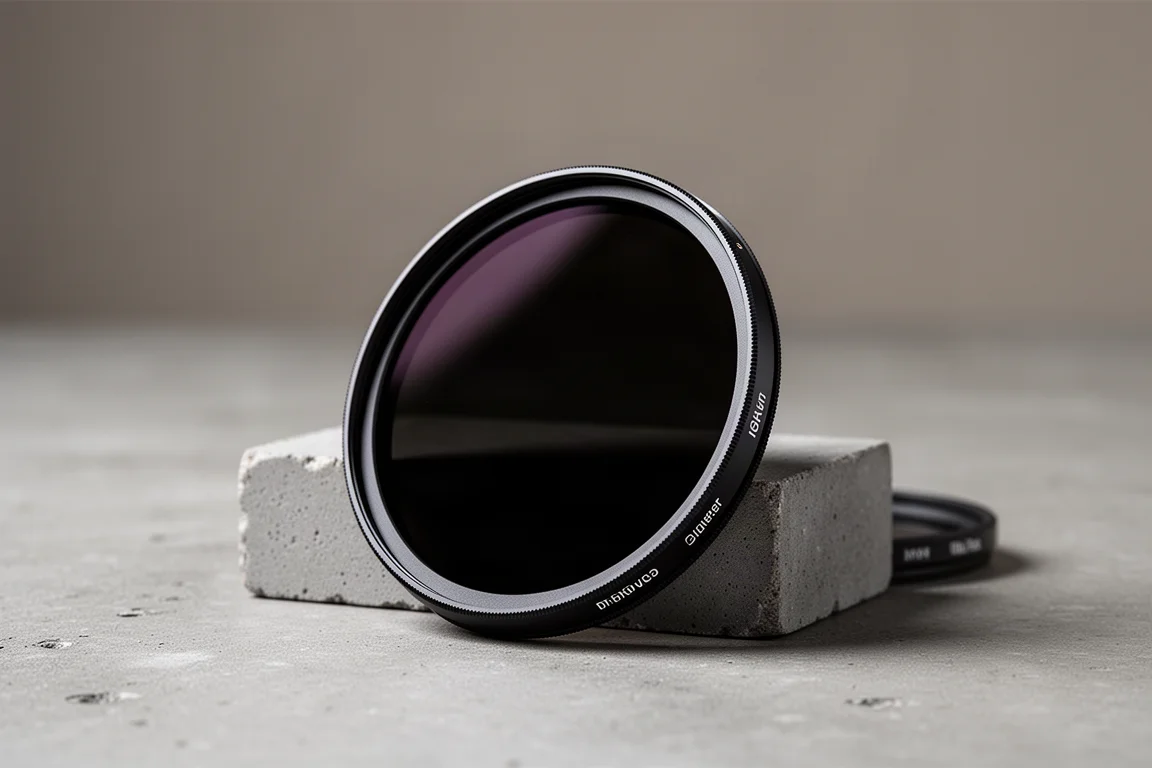
Polar Pro Peter McKinnon Signature Edition ND Filter
Good lenses get more useful with filters, and this kit uses Polar Pro glass. On the 35mm, the choice is the Polar Pro Peter McKinnon Signature Edition ND filter, used when there is too much light to hold the aperture wide open and keep that soft background.
The version covering roughly six to nine stops of light reduction is the most useful for outdoor work in the middle of the day, where the sun is strong and a fast prime would otherwise be forced to stop down. Choosing the right density range up front saves adding a second filter later.
Polar Pro Vivid Collection ND Filters for the Drone
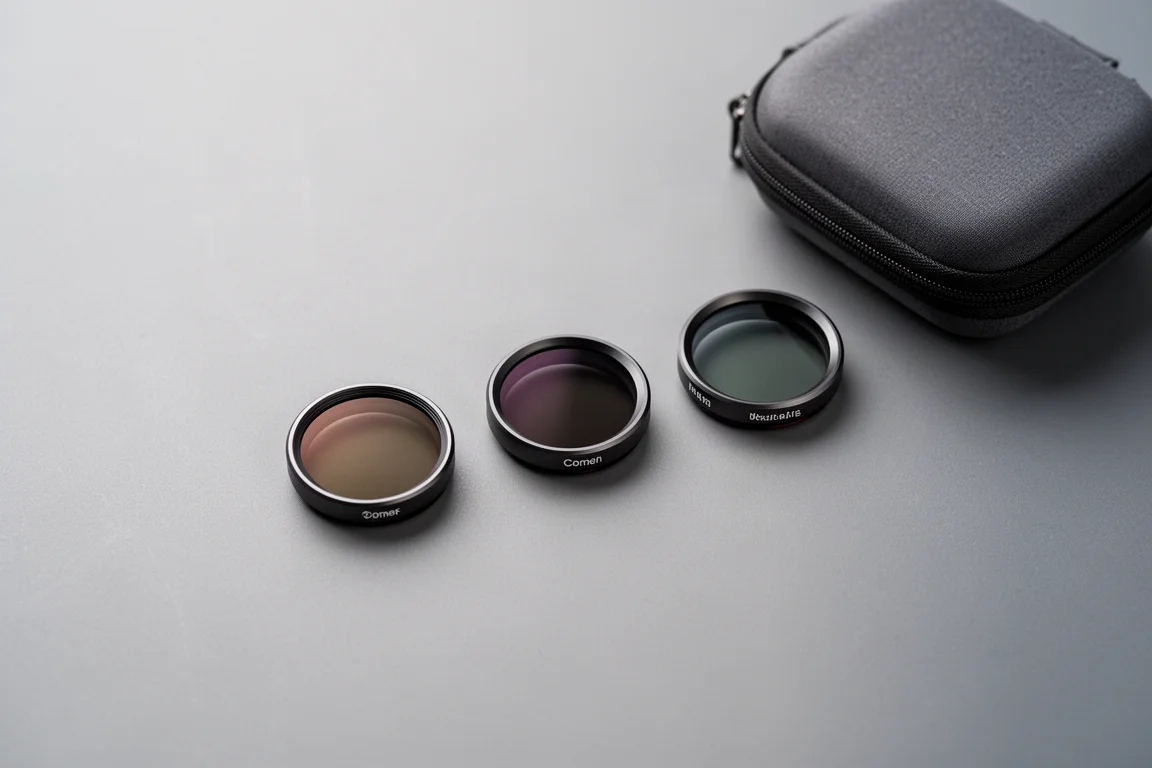
The drone uses a separate set: the Polar Pro Vivid Collection ND filters, sized for the DJI Mini 4 Pro. Their job is to hold exposure down in bright conditions and keep colours balanced without heavy correction in the edit.
Neutral density filtration is not really optional on this drone. Its lens has a fixed f/1.7 aperture, so the only ways to control exposure in sunlight are shutter speed and filtration, and cranking the shutter speed up produces footage that looks noticeably less cinematic.
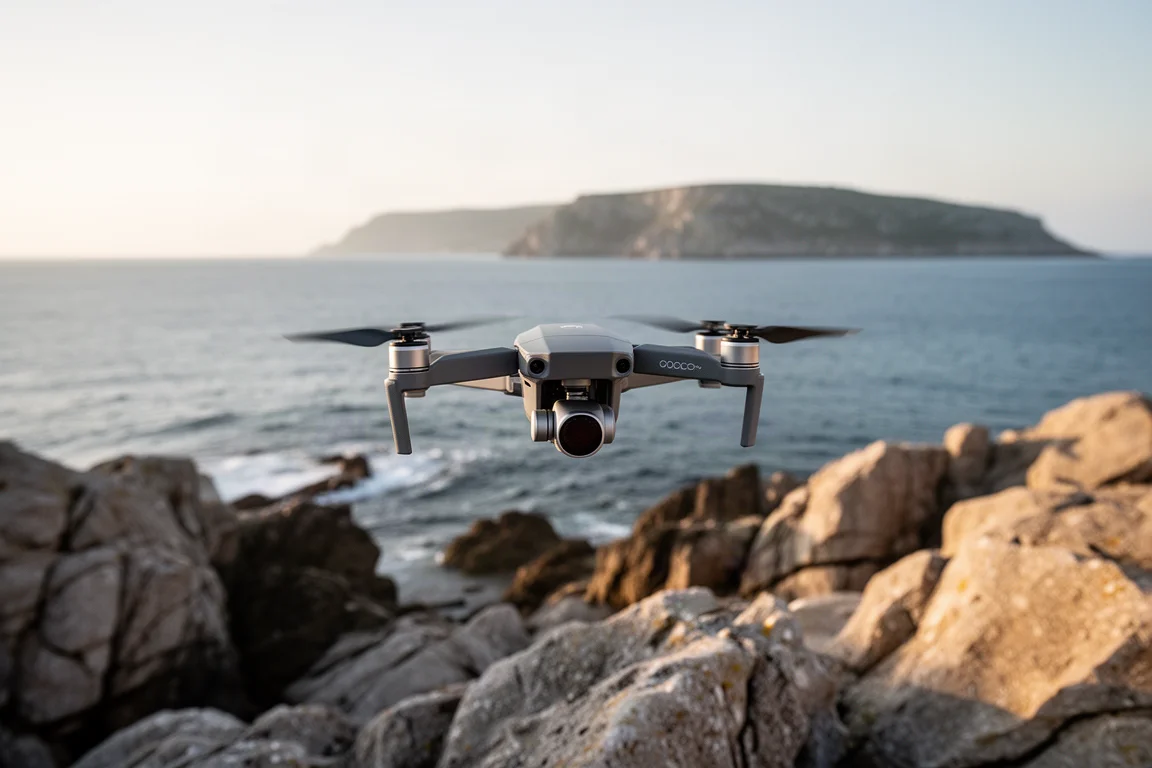
Working within those limits, a graded set of ND filters gives the drone a usable exposure range across changing light, which is what makes aerial footage cut together with everything shot on the ground.
Peak Design Carbon Fiber Travel Tripod
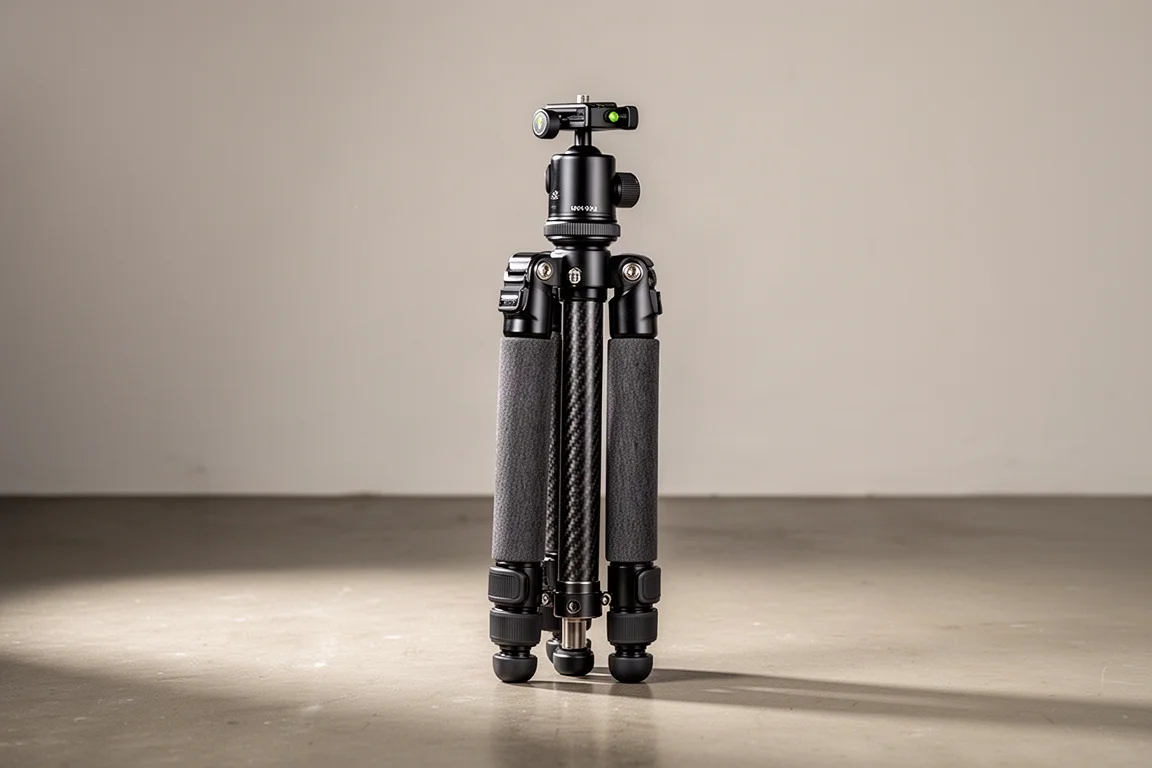
Tripods are unavoidable for interviews and solo shooting, and they are usually the heaviest thing in the bag. The Peak Design Carbon Fiber Travel Tripod is the compromise: a carbon version chosen over the aluminium option purely to keep weight down.
It folds small but extends to around six feet, which is the detail that sets it apart from most travel tripods. Many reach only to knee height, which is fine for low angles and useless for eye-level interviews. Getting the camera up to eye level without crouching is worth a great deal on a long shoot day.
Peak Design Camera Clip
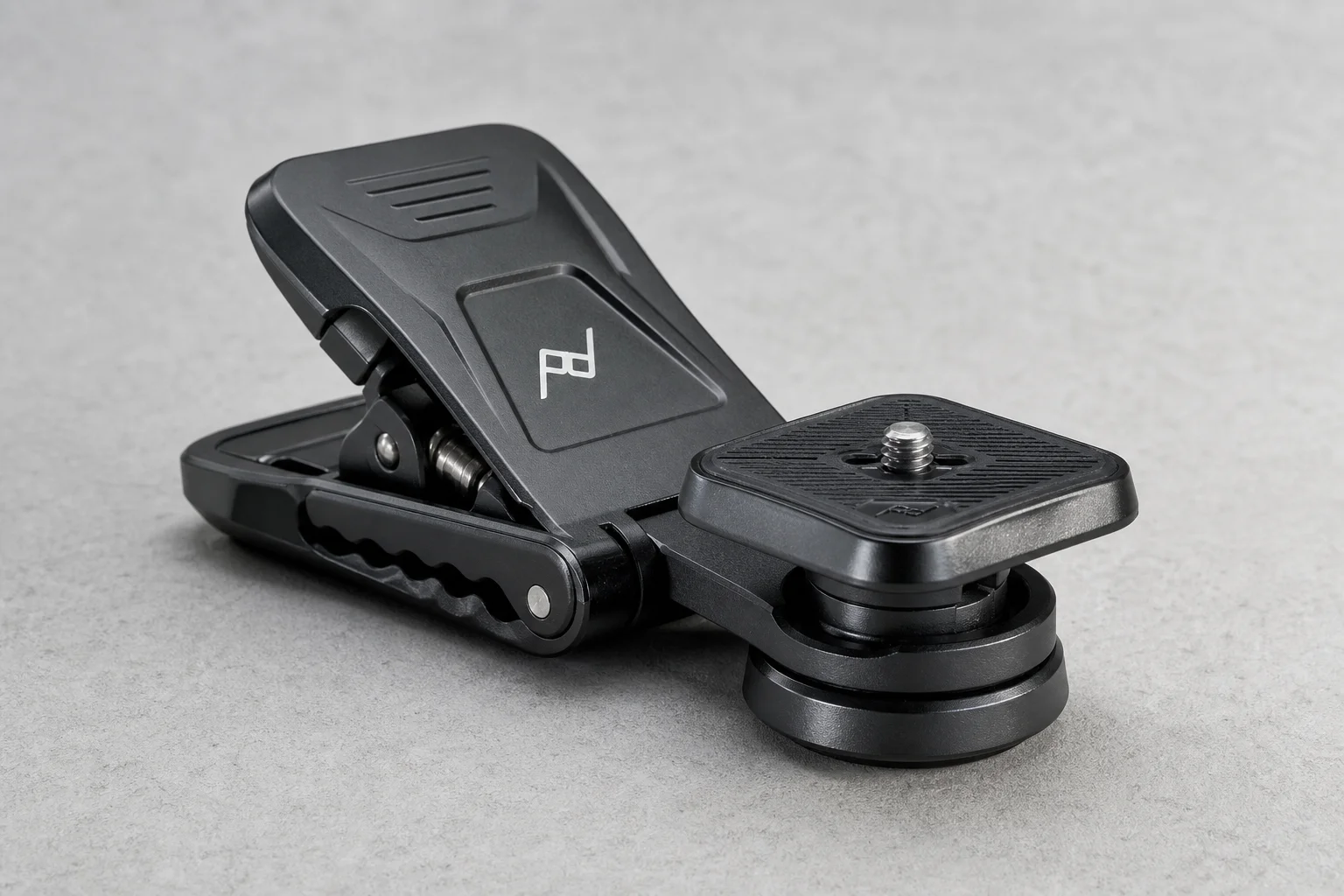
The Peak Design Camera Clip is the small piece of gear that changes how a shoot day flows. Instead of holding a camera or setting it down, it clips directly onto a bag strap, so the camera can move from tripod to shoulder in seconds.
It takes a little trust to hang an expensive body from a strap for the first time, but the clip stands up to real movement, including skiing and riding with the camera jostling along. For backpacking or walking between locations, it keeps the camera accessible rather than buried in a bag. The same system includes an optional strap for anyone who prefers one, though the clip is the piece doing the work.
DJI Mini 4 Pro: Compact Aerial Coverage
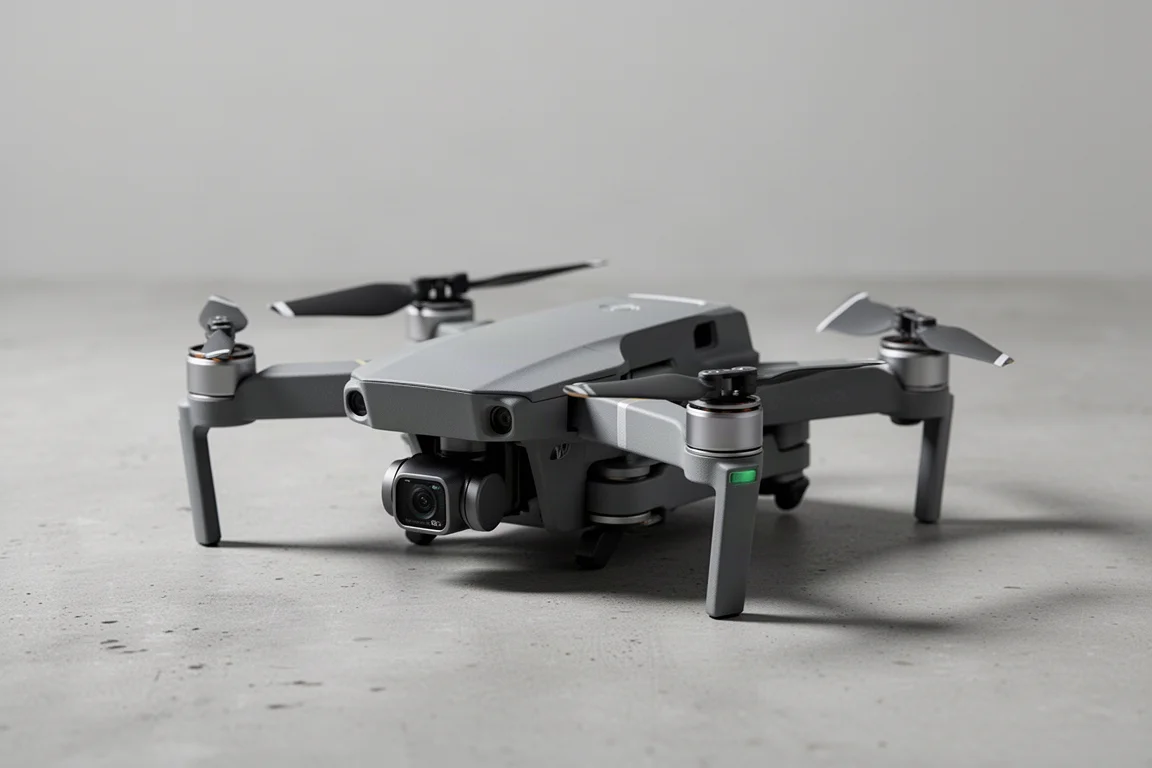
A drone is now a standard request from many clients, and this kit carries the DJI Mini 4 Pro. It is chosen for size rather than for topping any specification list: it is small and compact, which is exactly what a travel bag needs, while still producing quality aerial footage.
The fixed f/1.7 aperture is the main constraint. It limits how much exposure can be adjusted in camera, which is why the ND filter set above is treated as part of the drone rather than an optional extra.
How to Prioritize This Kit
Nobody needs to buy all of this at once. The camera body and one audio solution come first, because a project with good sound and adequate images will always outperform the reverse. A shotgun microphone covers ambience and solo pieces, while a wireless kit covers interviews.
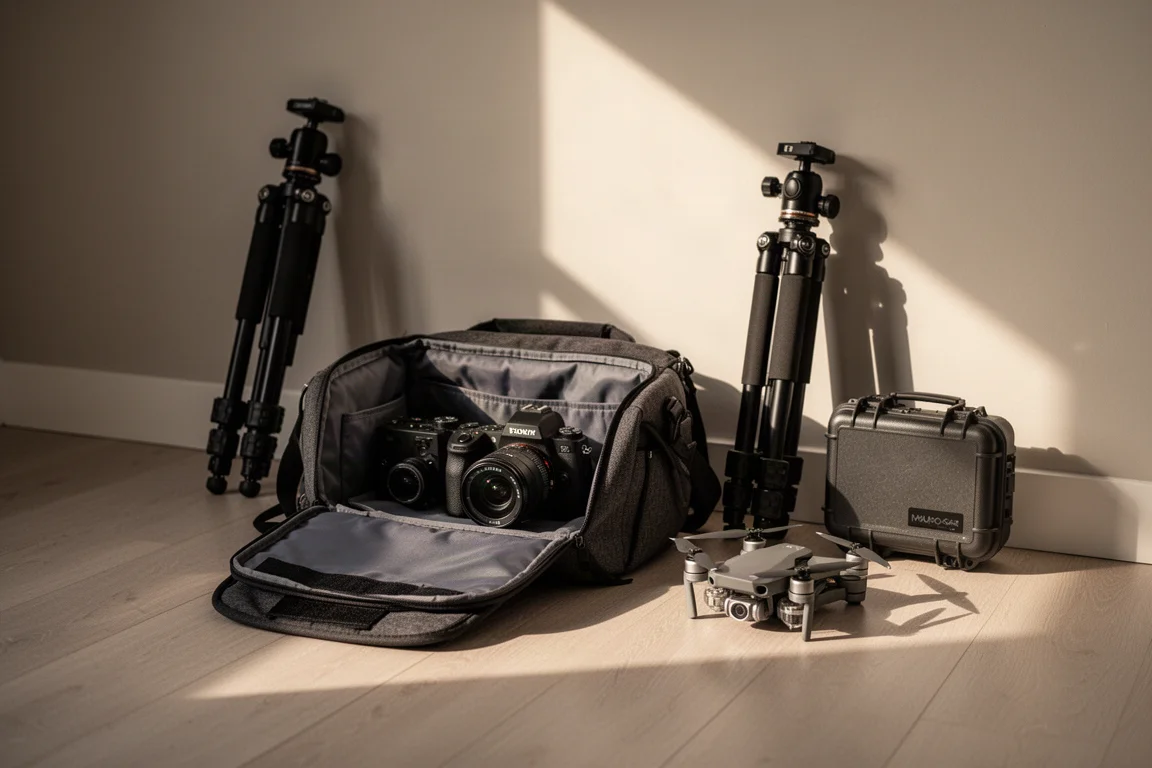
After that, the order depends on the work. A versatile zoom covers the widest range of jobs for the least space, a fast prime adds low light capability and cleaner interview backgrounds, and filters are inexpensive relative to the problems they solve. A tripod is close to essential for interviews and solo shooting, and the clip is a small addition that changes daily handling more than its size suggests. A drone comes last, and only if clients are asking for aerial coverage.
Conclusion
Every item in this kit answers a specific problem: a hybrid body that handles stills and video, two audio tools for two very different jobs, lenses that cover both range and low light, filters that keep exposure under control on the ground and in the air, a tripod that reaches eye level without weighing down the bag, and a clip that keeps the camera within reach.
Buy in the order the work demands, and check the trade-offs honestly. The crop on 4K 60, the fixed aperture on the drone, and the size of the shotgun microphone are all real considerations, and all of them are workable once you know they exist.
Further reading
Related Reviews
Camera Gear
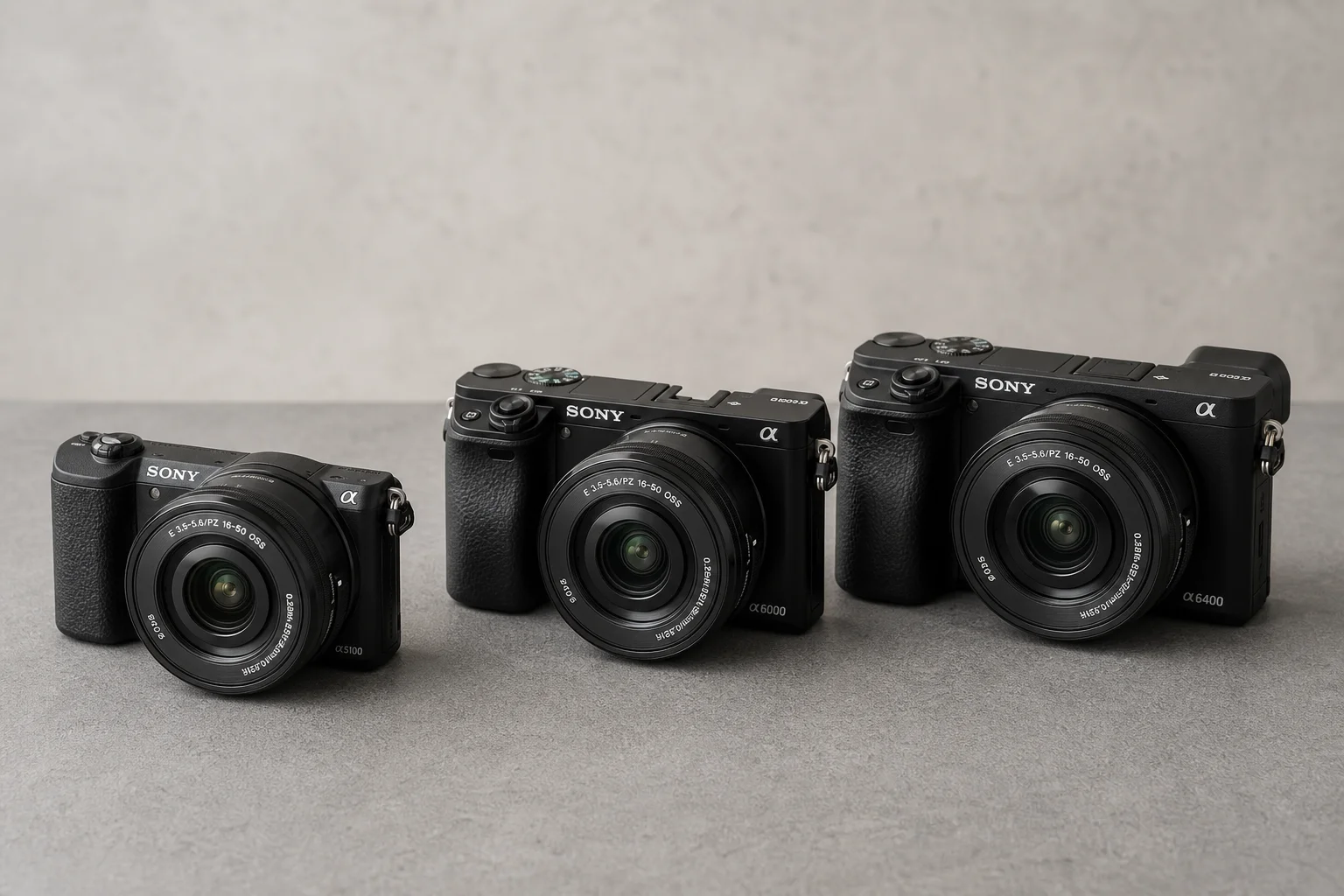
Best Beginner Camera Setups 2026: Three Practical Sony Builds from Budget to Mid-Range
Three complete camera setups for photography beginners, from secondhand budget options to mid-range builds with better autofocus and video capability.
Camera Gear
Best Budget Camera 2026: Why the Sony A6400 Stands Out for Beginners
The Sony A6400 delivers genuine value for entry-level photographers. Here's what makes it worth the investment over cheaper alternatives, and which lenses to pair it with.
Camera Gear
Best Mirrorless Cameras for Travel: Five Top Picks for 2025
Five lightweight, powerful mirrorless cameras designed for travel photography and video, from compact vlogging rigs to full-frame performance.