Hand Tools
Training Wheel Tools: Cheap Precision Screwdrivers vs the Expensive Sets
A budget 25-piece precision screwdriver set that performs far better than its price suggests, compared against Snap-On and PB Swiss precision drivers.
Introduction
There is a category of tools worth thinking about as “training wheel” tools: inexpensive versions you can hand to a beginner, or use yourself when you might get sloppy, without worrying about ruining something expensive. Precision screwdrivers are a perfect example. A premium driver has finely machined tips that are very easy to bung up with the wrong size, too much force, or careless use. That is exactly where a cheap set earns its place.
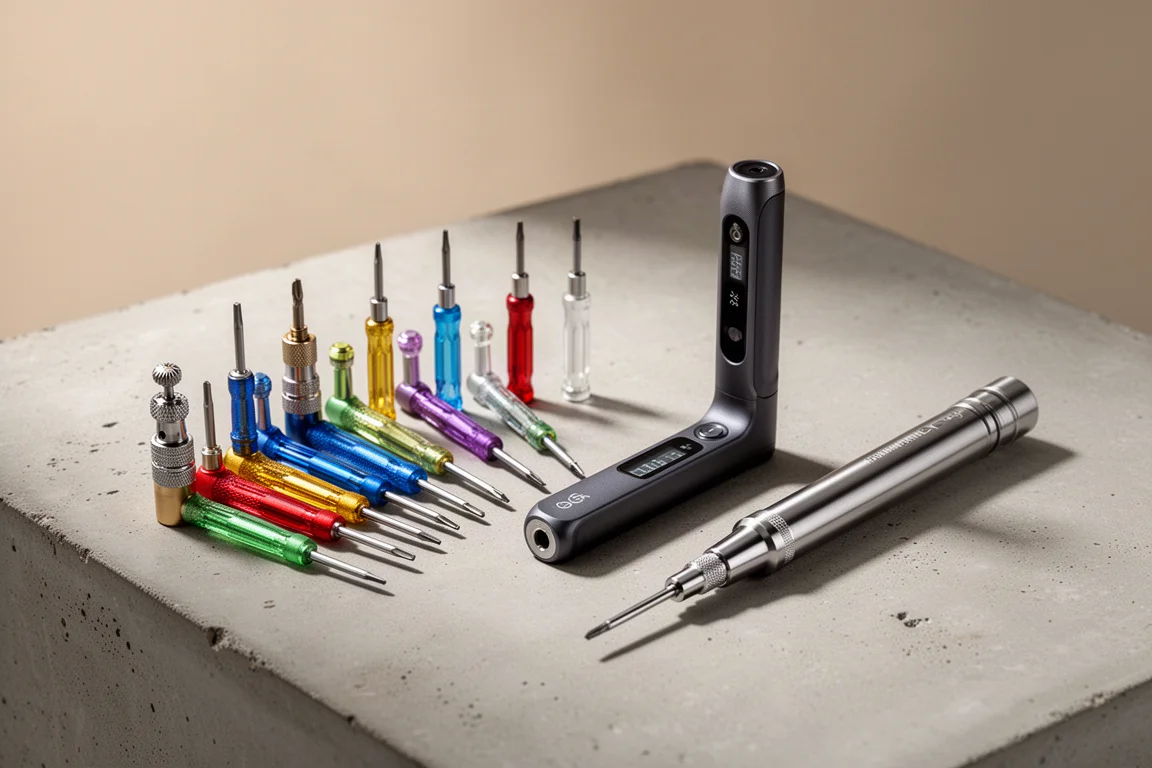
This roundup looks at three options at very different price points: a surprisingly capable 25-piece budget precision screwdriver set, the Snap-On precision electronic screwdriver, and the PB Swiss precision screwdriver.
The Budget 25-Piece Precision Screwdriver Set
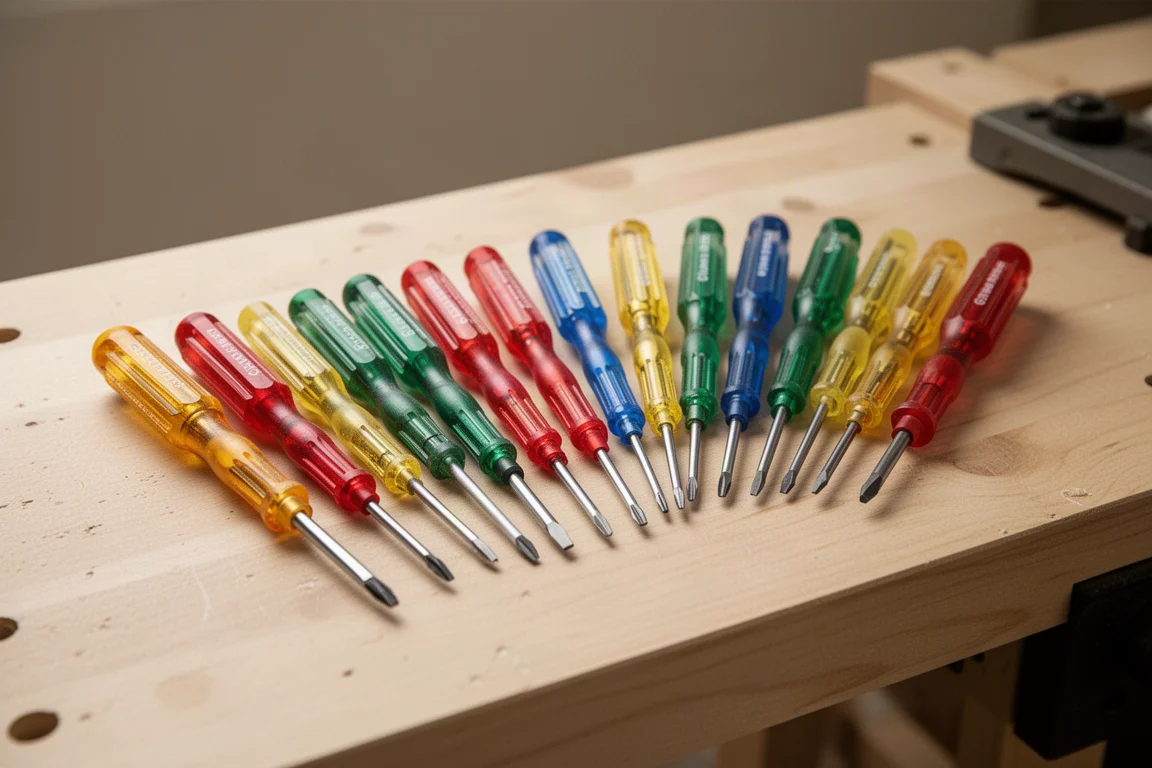
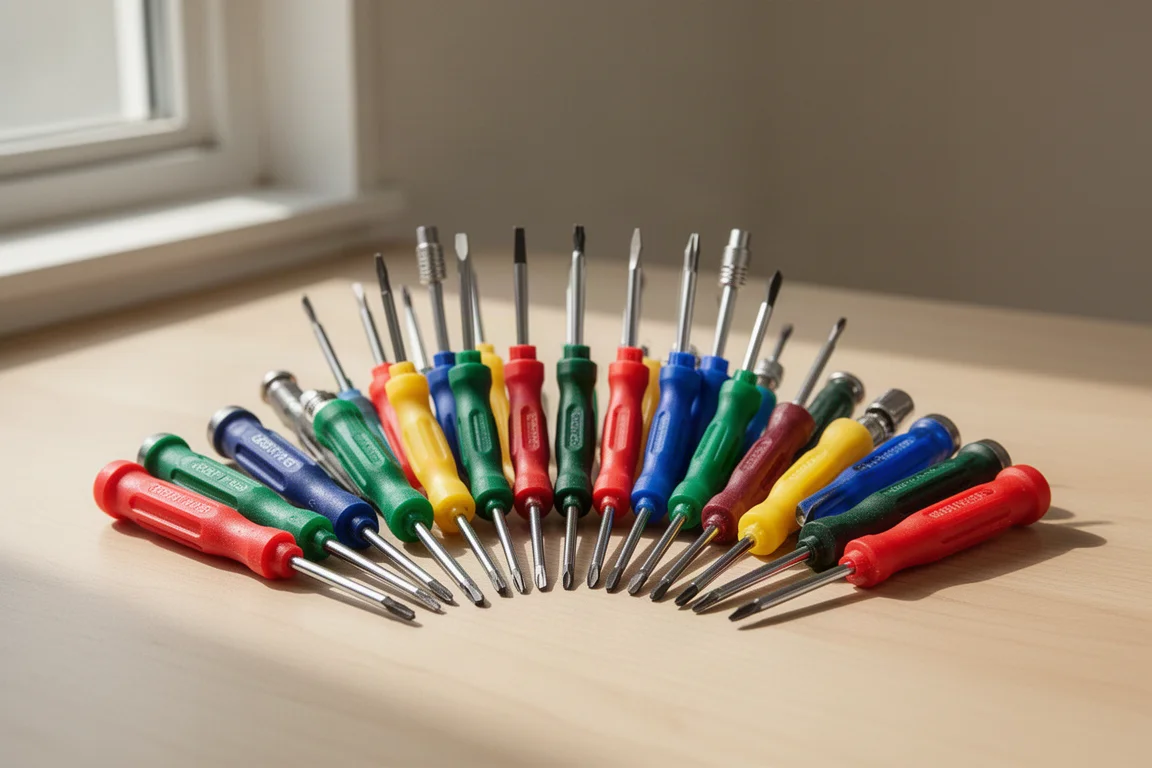
This set includes 25 precision screwdrivers and typically sells for well under ten dollars, sometimes as low as five or six bucks. It is cheap in the true sense, not just inexpensive, and it is sold under a variety of different brand names, so the specific label matters less than the format. The handles come in different colors, though the color coding does not appear to follow a consistent system. Some colors cover both Torx and slotted bits, so you will need to check the tips rather than trust the colors.
Each driver has a spinning top cap, so it works like a proper precision driver: you hold the shaft between your fingers and spin the cap for fast, low-torque rotation. The steel is marginal, but precision drivers are not meant to take huge amounts of force anyway, and that limitation is part of what makes this a good learning tool. It teaches you to be careful: to stick to the right bit type, match the size properly, and feel how much downward pressure versus rotational torque you can apply before the tip slips out of the fastener.
Testing on Real Devices
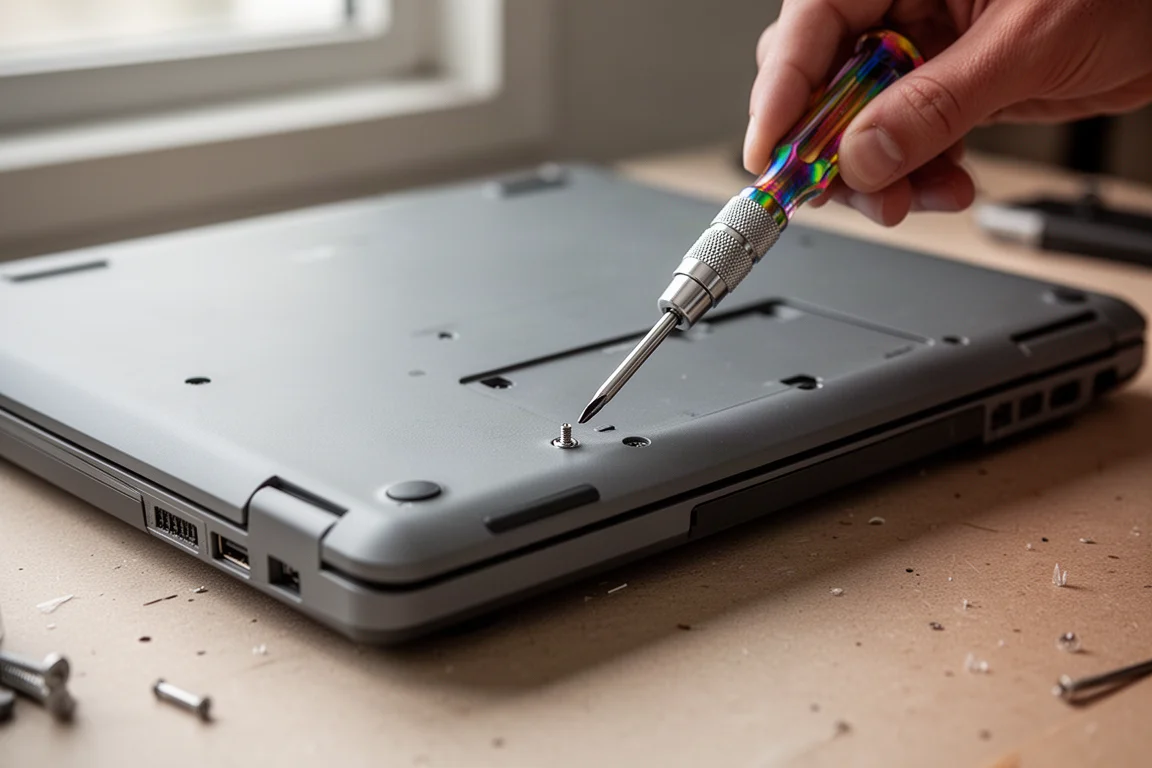
The set was tried across a handful of different platforms, including the small Phillips screws in an older Samsung Chromebook, and it performed well. The tip fit the fastener cleanly, and the screw came out without damage. Reassembly gave a good feel for how the driver behaves under load, and the fasteners showed no sign of stripping.
The honest comparison is that it is not quite as good as a premium driver. A Snap-On driver fits a little tighter in the fastener, but the difference is roughly ten to fifteen percent. You can tell them apart if you try, but for most occasional work the gap is small enough that it rarely matters.
How Much Wear Can It Take
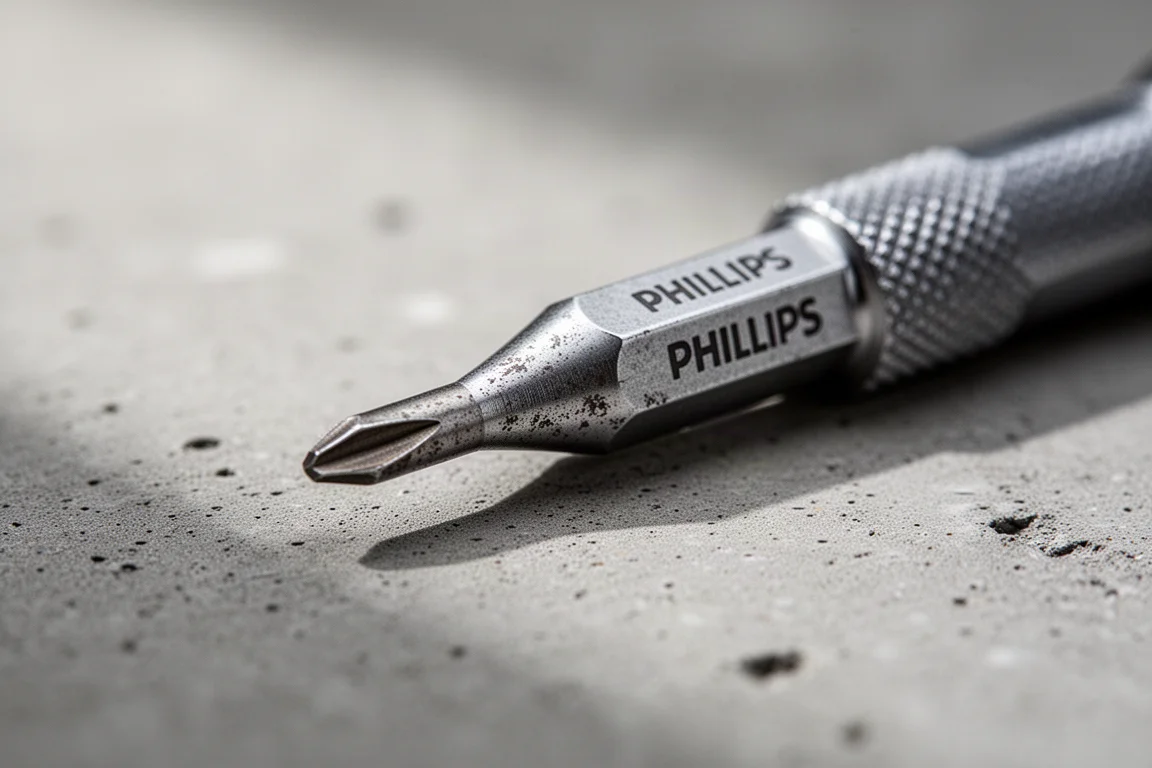
Deliberate abuse testing, spinning the driver under load and forcing it back and forth a little too hard, left only very slight visible wear on the tip. There was not much damage to see, and the driver should keep working through a handful of computers before showing real degradation. If a tip does get damaged or a driver goes missing, replacing the whole set costs about the same as a lunch. You could buy three of these sets for the price of one Snap-On precision driver.
The Snap-On Precision Electronic Screwdriver
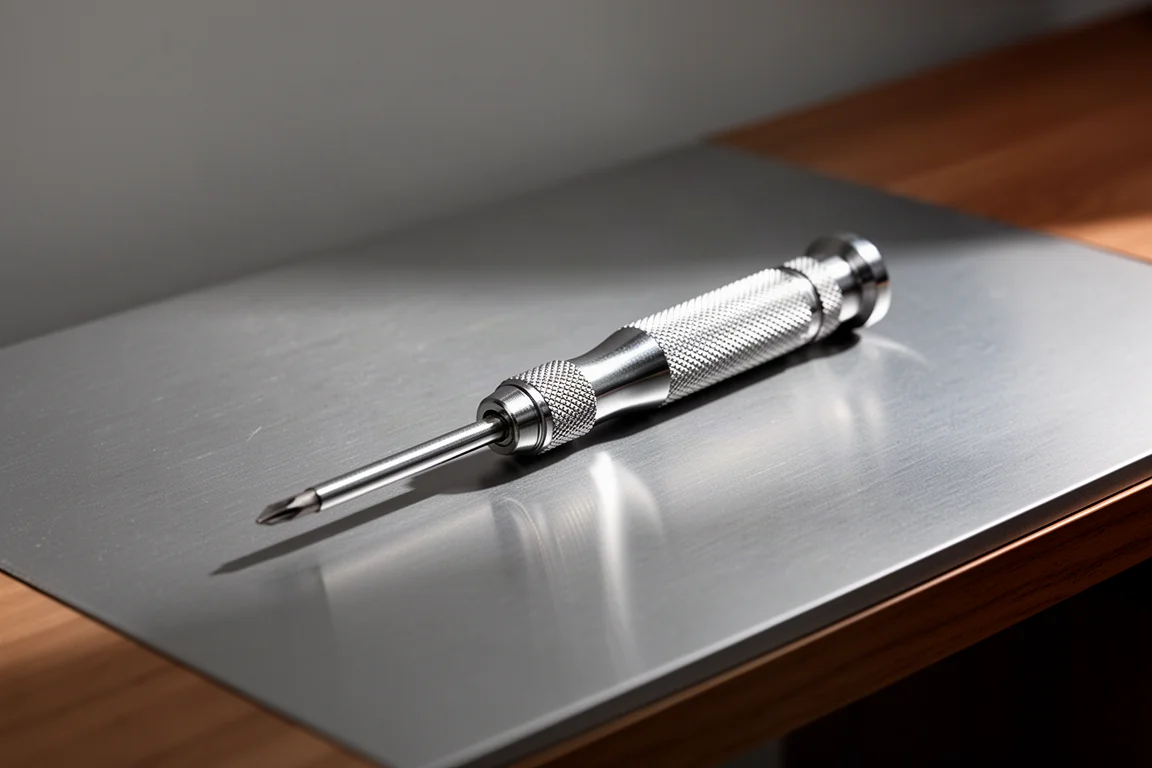
The Snap-On precision electronic screwdriver costs around seventeen dollars a piece. It is a step up in fit and finish, and the tighter tip engagement is noticeable in use. That said, it still is not the kind of tool you hand to a first-timer who is just learning to disassemble things. A wrong-size pick or too much force can damage a precision tip just as easily on this as on anything pricier, and seventeen dollars a unit adds up if someone in the household is careless.
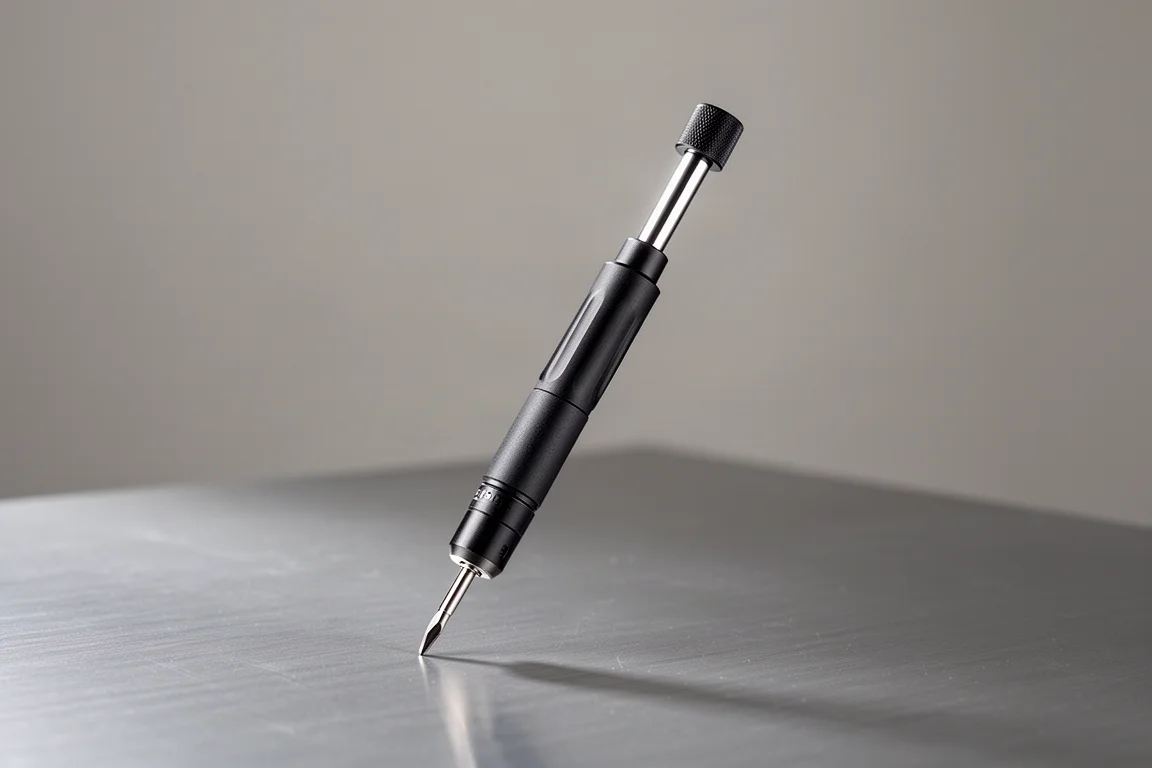
The PB Swiss Precision Screwdriver
The PB Swiss precision screwdriver currently runs about thirty-five dollars, and a full hundred-dollar set of screwdrivers in this class is genuinely at risk if someone uses the wrong tool or leans on it too hard. These drivers have finely machined tips that strip out and break when misused. They are excellent tools for someone who already handles precision work carefully, but they are the opposite of a training wheel tool: you want them in the hands of someone who will not bung them up.
When You Should Still Step Up
The iFixit-style driver sets are also not terribly expensive, and the bits can be replaced individually, which softens the cost of an occasional mistake. But the core logic still holds: if you rarely use precision drivers, if someone else in the household might grab the wrong one, or if you know you can occasionally get sloppy, a cheap set takes the anxiety out of the work. Save the premium drivers for when your technique is consistent and the tips will be treated with respect.
Conclusion
The 25-piece budget set is the clear standout for anyone learning electronics teardown work or simply wanting a disposable-quality set that is genuinely close enough for most jobs. The Snap-On driver is a modest step up in tip fit for around seventeen dollars. The PB Swiss remains the tool you buy once your handling habits justify it. Pick the budget set to learn and experiment, and graduate upward when the work demands it.
Further reading
Related Reviews
Hand Tools
Best Diagonal Cutters 2026: 16 Pliers Tested for Cutting Power and Durability
We put 16 diagonal cutters through nail, screw, drill bit, and hex key tests to find the best value picks for your toolbox.
Hand Tools
Best Hex L Key Sets 2026: Nine Sets Tested for Real-World Torque
Nine hex L key sets from budget to premium, tested for torque, fit, and durability. See which sets deliver real performance and which ones to skip.
Hand Tools
Best Locking Pliers 2026: Top Picks Tested for Grip and Durability
We tested 18 brands of 10-inch locking pliers for grip strength, jaw bite, build quality, and ease of release to find the best options for tough jobs.