Hiking Footwear
Trail Running Shoes for Hiking: Altra Lone Peak 7 and Altra Olympus 5
Why zero drop trail running shoes can work for long distance walking, and how the Altra Lone Peak 7 and Altra Olympus 5 differ in cushioning, fit, and feel.
Introduction
For years, the default choice for hill walking was a stiff leather boot with a raised heel and built in ankle support. That setup works, but it comes with trade-offs: extra weight, a cramped toe box, and a heel that sits higher than the ball of the foot. Over long distances those small details add up, particularly on descents where the toes slide forward and the knees and hips absorb the impact.
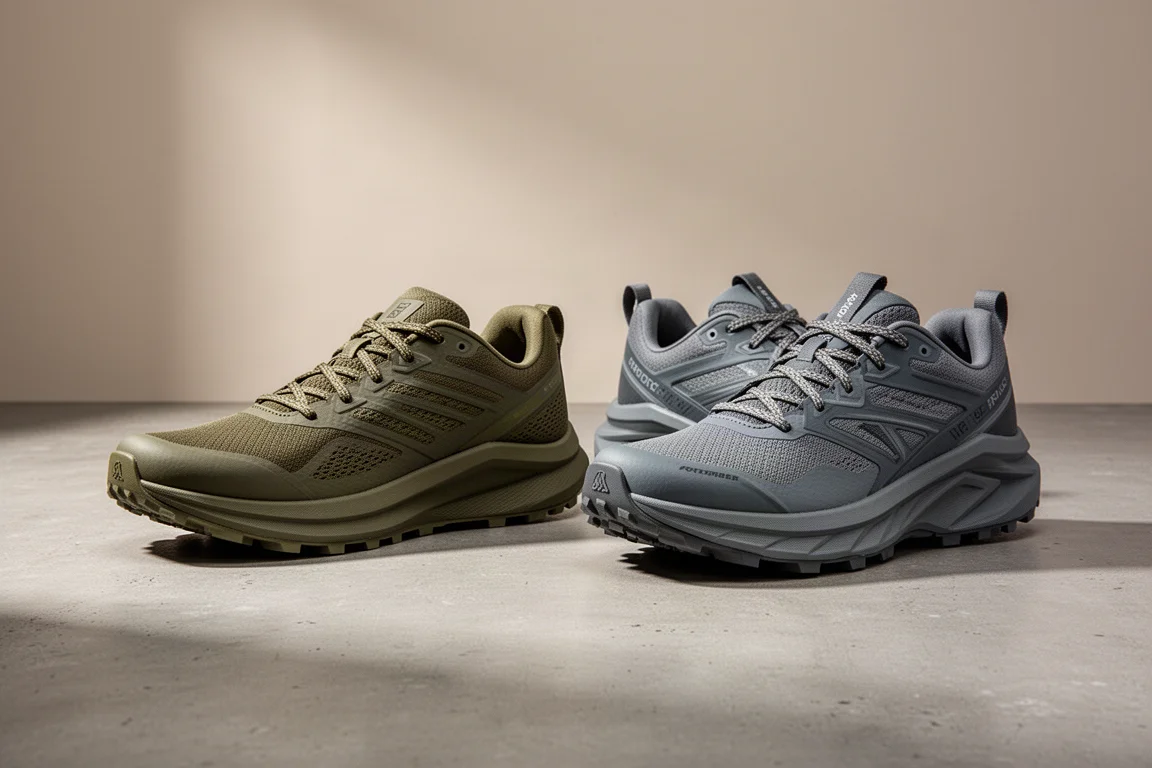
This article looks at an alternative approach: zero drop trail running shoes, specifically the Altra Lone Peak 7 and the Altra Olympus 5. Both were worn across a long distance route of more than 80 miles, and both changed how the walking felt.
What Makes a Zero Drop Trail Shoe Different
Two design features define this category. The first is zero drop, meaning the heel and the ball of the foot sit at the same height. Conventional trainers often lift the heel by several millimetres, which sounds minor but changes how the body’s mechanics work over a long day. The second is a wide toe box, which lets the toes spread naturally instead of being pressed together.
At the far end of the spectrum sit minimal barefoot shoes: a very thin layer of rubber, extremely flexible, and highly sensitive to every stone underfoot. They build foot strength over time, but they offer almost no protection. Shoes like the Lone Peak 7 sit in a more practical middle ground, combining roughly 25mm of cushioning with zero drop geometry and a wide toe box.
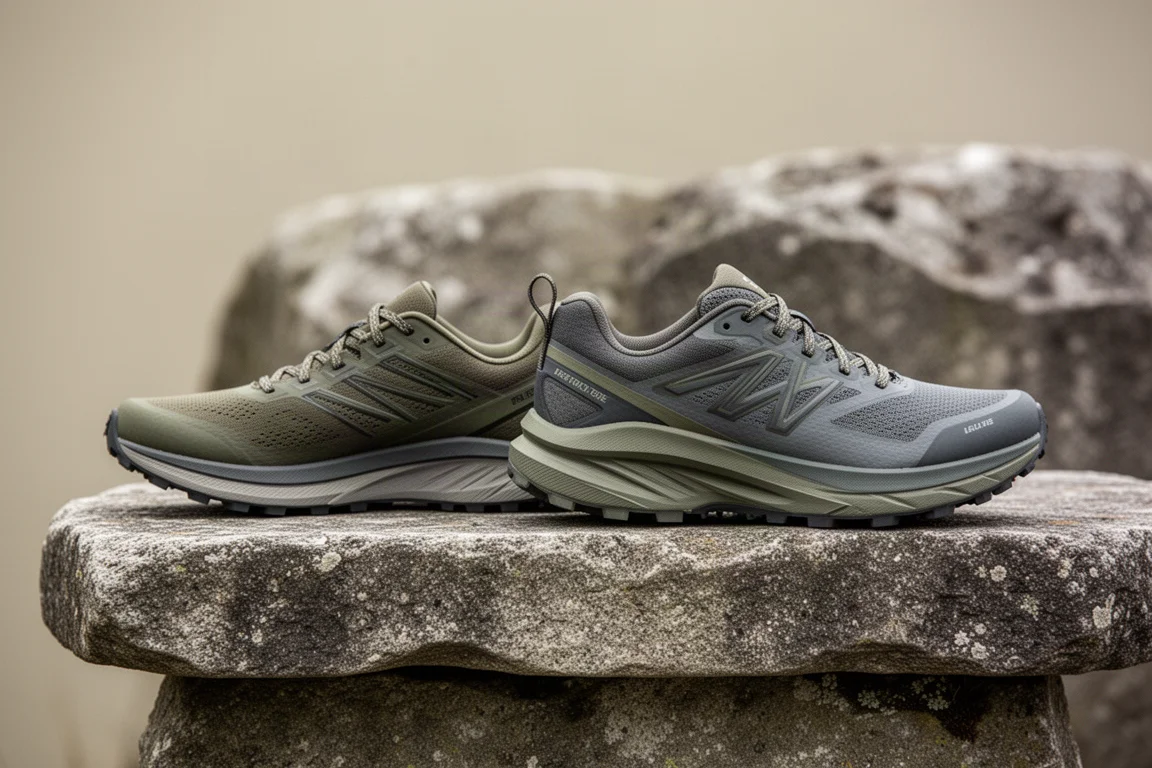
The thinking behind the design is straightforward: a foot that can sit flat and spread out aligns the rest of the body more effectively, which tends to take pressure off the knees and hips.
Altra Lone Peak 7: Lightweight, Wide, and Quick Drying
The Lone Peak 7 is an established choice among long distance thru-hikers. In practice it feels closer to a slipper than to a hiking shoe: light, flexible, and unobtrusive on the foot. Across a route of roughly 81 to 82 miles it produced no blisters and no bruised toes, which is unusual for a first long outing in a new style of footwear.
A common concern when moving away from boots is the loss of ankle support. Here, no ankle was rolled once across the entire route. The low stack height means you feel the ground more clearly and instinctively adjust your footing, which is a different sensation but a reassuring one.
Cushioning is adequate for day hikes and shorter distances. On extended days, cobbled and rocky sections can leave the soles of the feet feeling tender after 10 to 15 miles. The upper is not waterproof, but it dries quickly, and pairing it with waterproof socks covers boggy and persistently wet conditions.
Altra Olympus 5: More Cushion for Longer Days
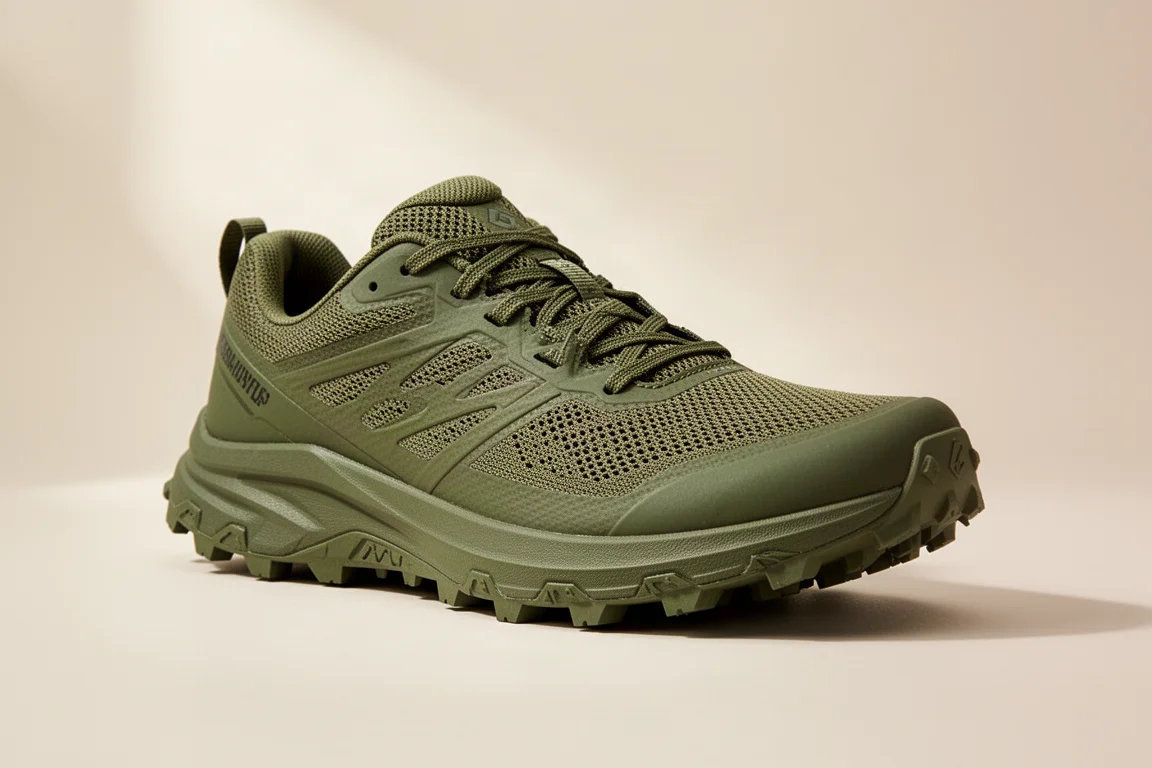
The Olympus 5 shares the same zero drop geometry and wide toe box, but adds a substantially thicker midsole at around 33mm. That extra cushioning makes it the natural pick for longer outings where underfoot comfort matters more than ground feel.
The upper feels more reinforced, and the shoe is slightly stiffer out of the box than the Lone Peak 7. That firmness is a trade-off rather than a flaw: more structure and more foam typically need a little time to soften and mould to the foot.
What the Transition Actually Feels Like
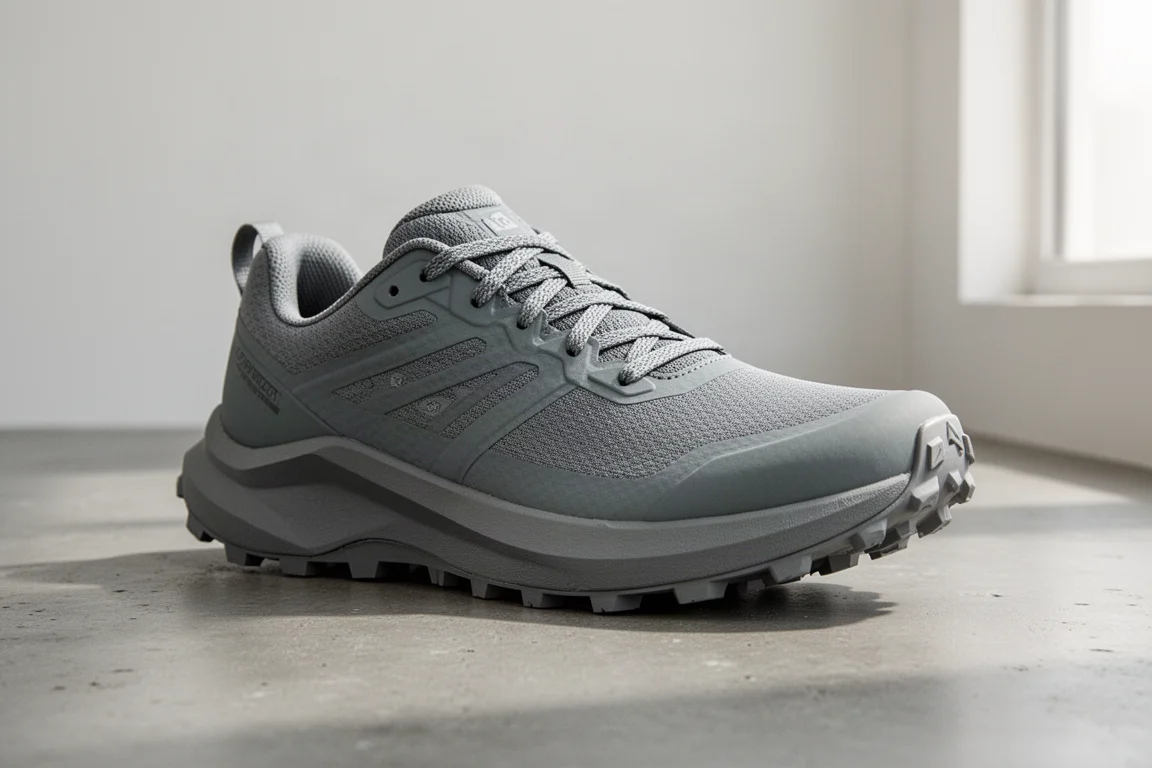
Switching to zero drop is not instant. Feet, ankles, calves and the achilles area all have to strengthen, and the body has to unlearn years of walking in a raised heel. Building mileage gradually matters more than any other single factor.
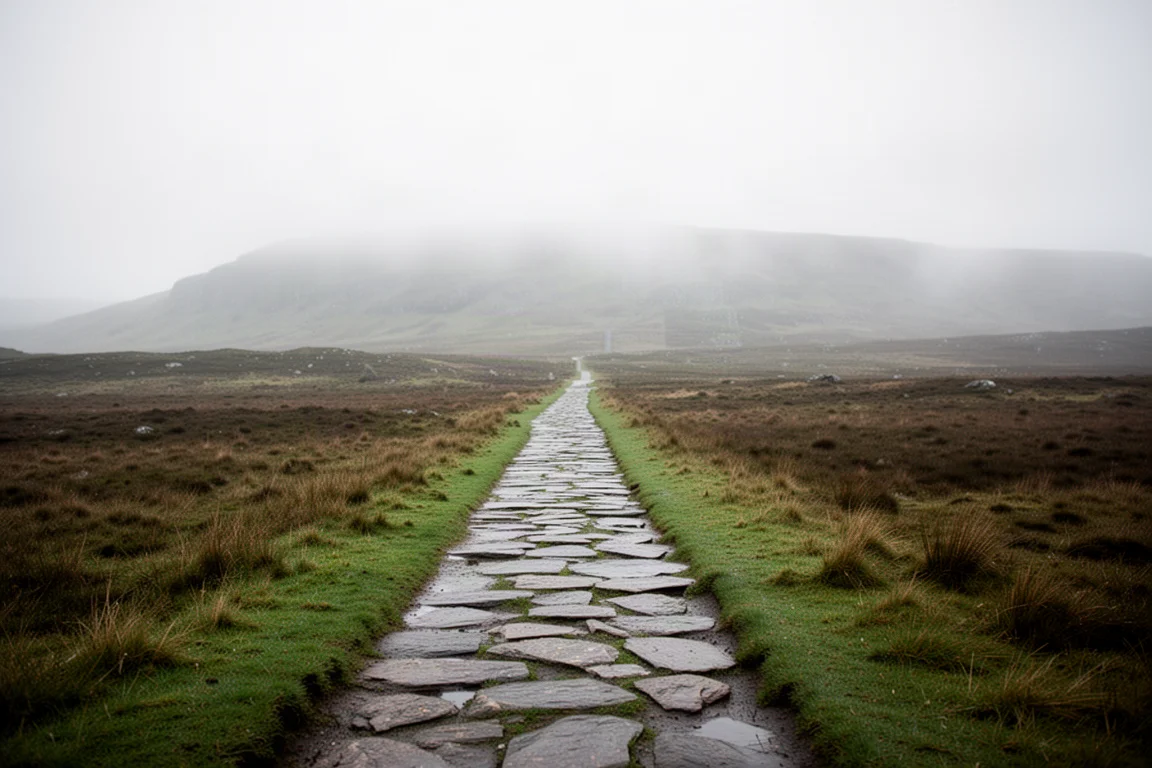
Rushing the transition is the most common mistake. On a long route covered without enough preparation, the result was achy ankles and calves rather than foot or knee problems. The discomfort was temporary and eased as the supporting muscles adapted.
Real World Durability and Everyday Wear
After roughly 150 to 200 miles of walking plus daily wear, the total distance covered sits somewhere near 500 miles. The tread is beginning to show wear at that point. For walking, commuting, and everyday errands, that longevity has been entirely acceptable. How the outsole would hold up to dedicated trail running or sustained hard use is less certain.
One practical detail worth copying: a protruding heel bone had previously worn holes through the lining of other shoes. Adding a sticky heel liner solved the problem, and the Lone Peak 7 has shown no wear in that area since.
Grip, Water Resistance, and Wet Weather
Neither shoe is waterproof, and that is worth accepting rather than fighting. Quick drying uppers plus a pair of waterproof socks handle wet ground better than a waterproof membrane that eventually soaks through anyway.
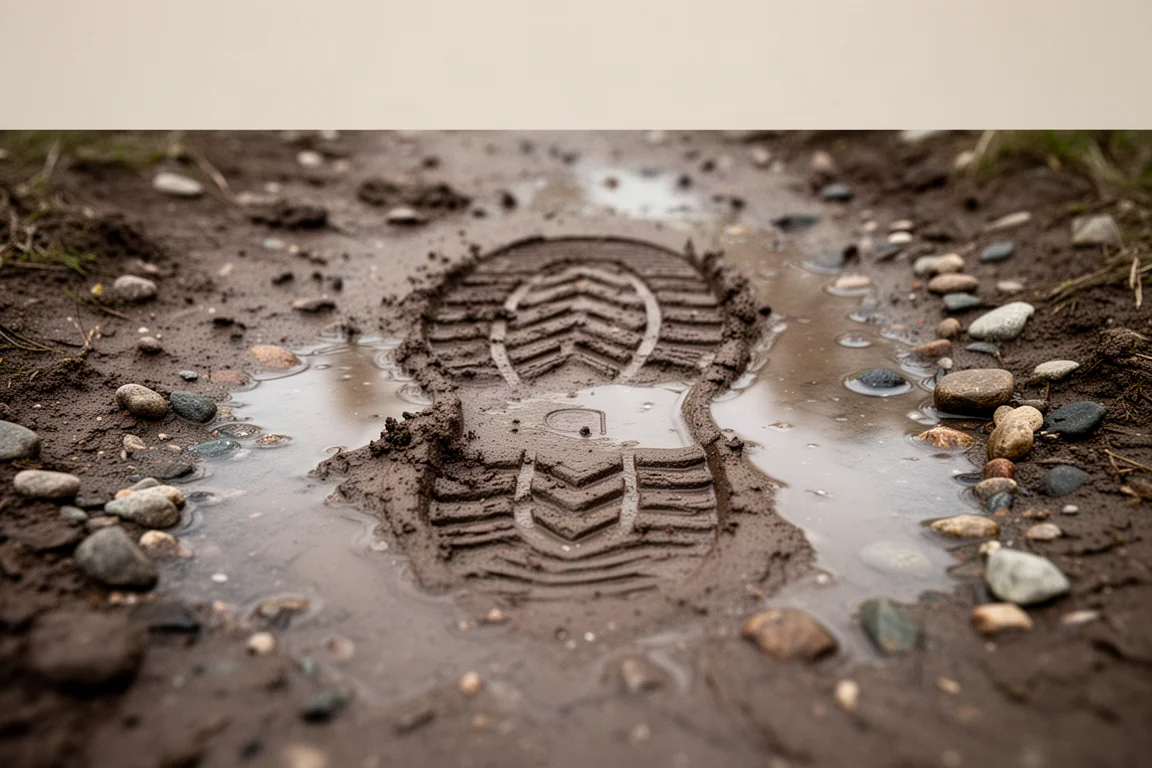
Traction on wet stone and mud has been a strong point, helped by the low, connected feel underfoot. The trade-off is sensitivity: on long days over cobbles and uneven rock, the bones in the feet can ache, which is exactly where the extra cushioning of the Olympus 5 becomes relevant.
Things to Consider Before Buying
- Transition time. Expect several weeks of gradually increasing distance before zero drop shoes feel completely natural.
- No waterproofing. Quick drying uppers work well alongside waterproof socks, but they will not keep water out on their own.
- Cushioning versus ground feel. Thinner shoes feel more connected to the terrain; thicker shoes protect the feet over long distances.
- Individual results vary. No shoe suits every foot, and the benefits depend on how carefully the change is managed.
Buying Advice
For everyday wear, shorter hikes, and anyone who wants the lightest and most flexible feel, the Lone Peak 7 is the straightforward choice. It works on tarmac and trail alike, and it doubles comfortably as a daily shoe.
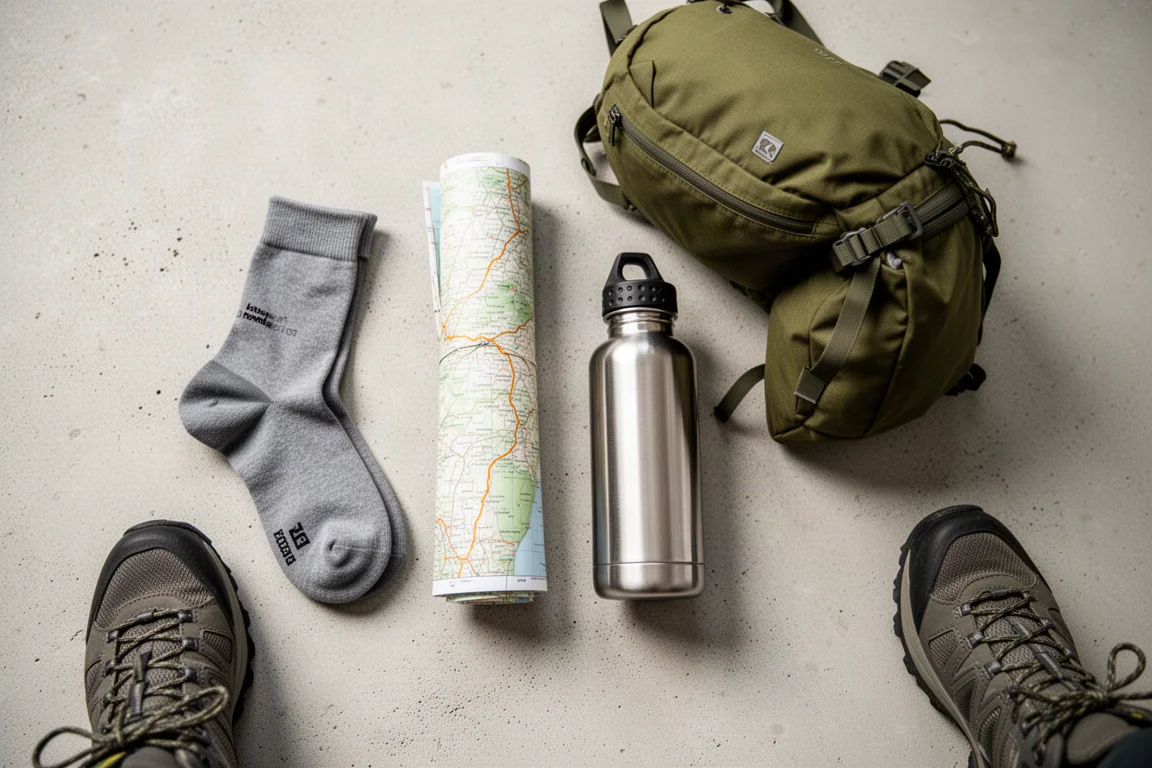
For longer days, rougher ground, and anyone who wants more protection underfoot, the Olympus 5 is the better match. Its thicker midsole and more reinforced upper trade a little ground feel for comfort over distance.
Whichever route you take, plan the transition rather than jumping straight in. Start with shorter walks, add distance gradually, and give the feet and lower legs time to adapt.
Conclusion
Moving from a stiff hiking boot to a zero drop trail running shoe is a meaningful change, and it paid off here: no knee pain, no hip pain, no blisters, and no rolled ankles across more than 80 miles. The Lone Peak 7 suits lighter, more versatile use, while the Olympus 5 adds cushioning for longer days. Both are worth considering if you want your walking to feel easier rather than more effortful.
Further reading
Related Reviews
Hiking Footwear
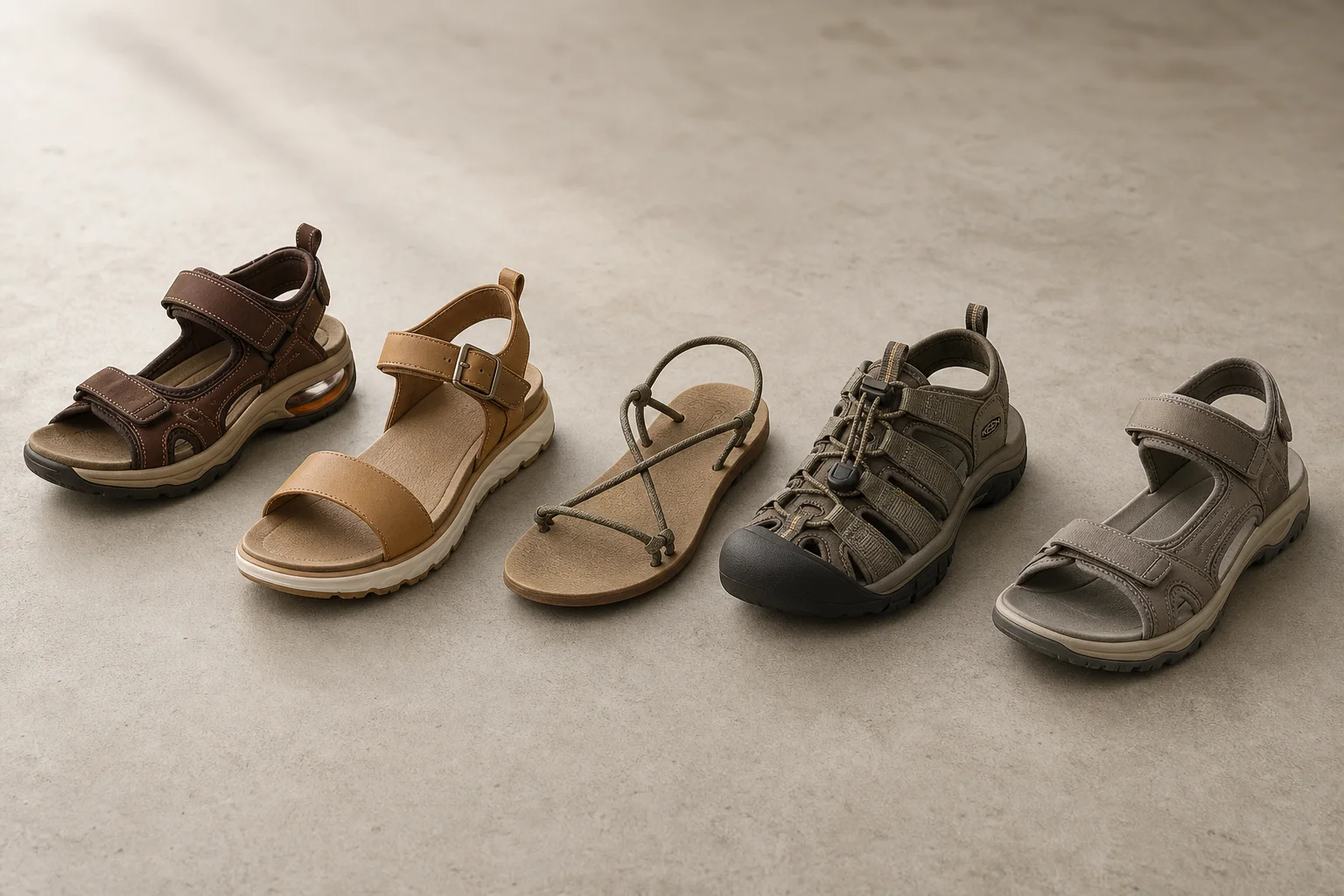
Best Hiking Sandals 2026: Five Options for Different Trail Needs
Five hiking sandals tested for comfort, protection, and versatility. Find the right pair for your hiking style, from minimalist designs to heavy-duty closed-toe options.
Hiking Footwear
Best Hiking Shoes 2026: Five Options for Different Terrain and Support Needs
A practical guide to five hiking shoes covering max cushioning, zero-drop design, all-around versatility, waterproof protection, and balanced comfort for long-distance trails.
Hiking Footwear
Best Hiking Shoes for Men: Five Tested Options Ranked
A detailed ranking of five hiking shoes tested for comfort, traction, and durability across varied terrain and conditions.