Hiking Gear
Trail Gear Upgrades 2026: Five Practical Picks for Wet, Rocky Days
Five trail gear picks for mixed terrain and wet weather, from a lightweight boot with a stiff sole to waterproof trousers you can pull on over your boots.
Introduction
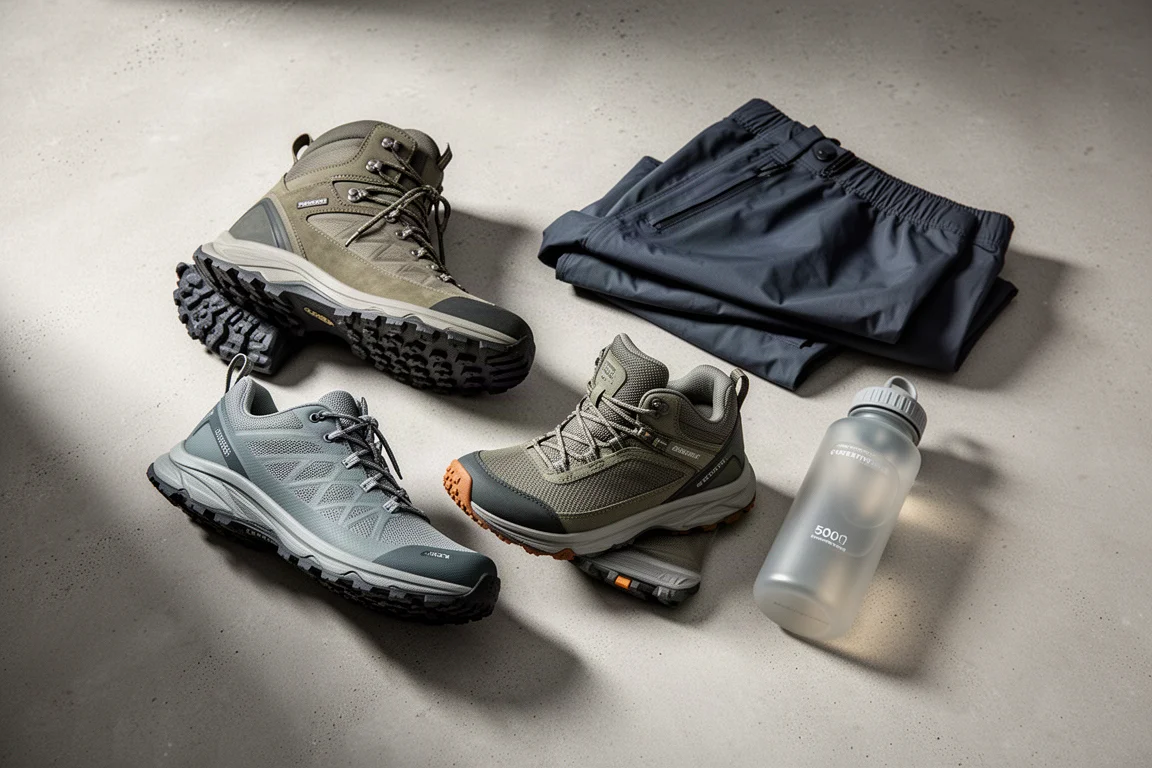
Replacing trail gear is rarely about chasing the newest thing. More often it comes from admitting that a piece you have relied on for years no longer suits the way you use it, or no longer fits at all. The five items below follow that logic: a lightweight boot with a genuinely stiff sole, an approach shoe that sits between two categories, a trail runner from a line that changes noticeably with every generation, waterproof trousers you can pull on mid-route, and a compact bottle for the days when 500 ml is enough.
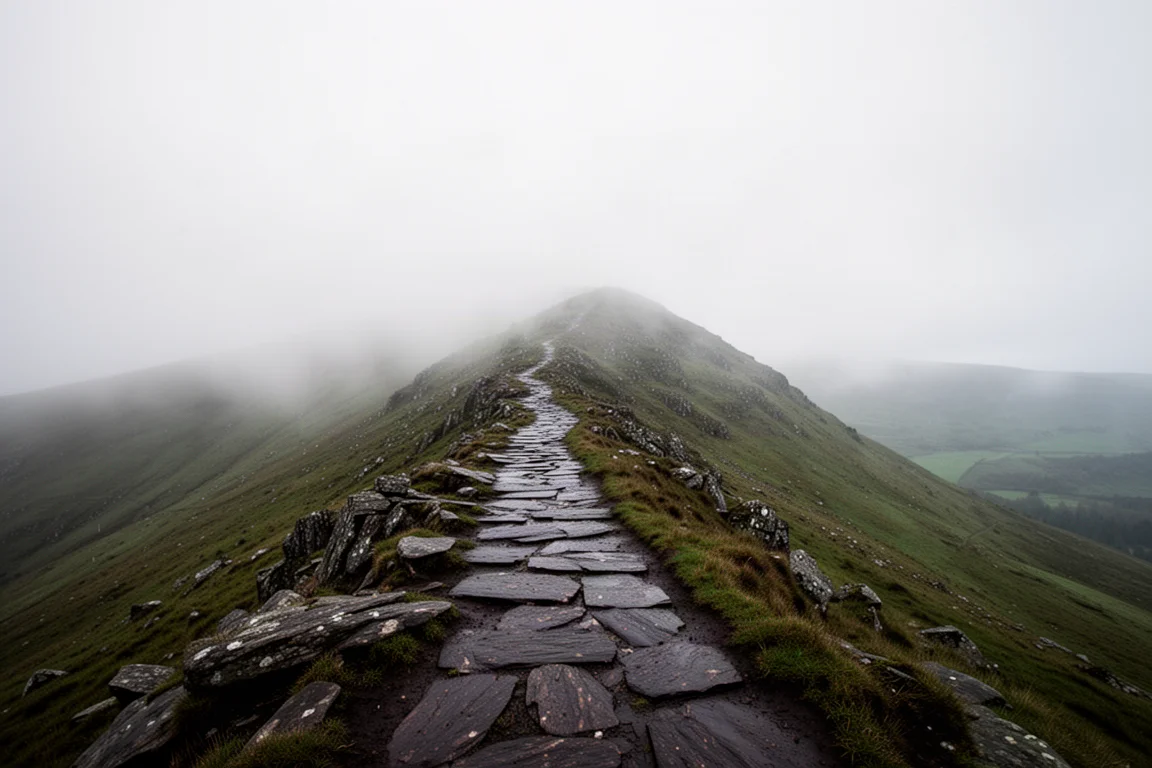
What connects these picks is a preference for gear that is light enough to carry all day, tough enough for rocky ground, and simple enough that you stop thinking about it once it is on. None of them are exotic. They are working pieces that make wet, rocky days on the hill more comfortable, and each one solves a specific problem rather than adding features for their own sake.
How These Picks Were Chosen
Four things mattered more than anything else when narrowing this list down.
The first is fit for purpose. A trail shoe and a mountain boot are not interchangeable, and the most useful piece of gear is the one that matches the ground you actually walk on. The second is the sole. Footwear stiffness is a real variable: some walkers want a rigid platform underfoot for long days on rock, while others are happier in something softer and more flexible.
The third is how a piece behaves in the rain. A waterproof membrane is not automatically the right answer. Brand-own fabrics can be lighter on the wallet and easier to accept damaging on rough ground, which matters if you plan to slide, scramble and climb over fences in them.
The fourth is durability and value. Gear that lasts years is worth paying for, but so is gear modest enough that you will use it without hesitation. The picks below balance those two ideas rather than optimising for one.
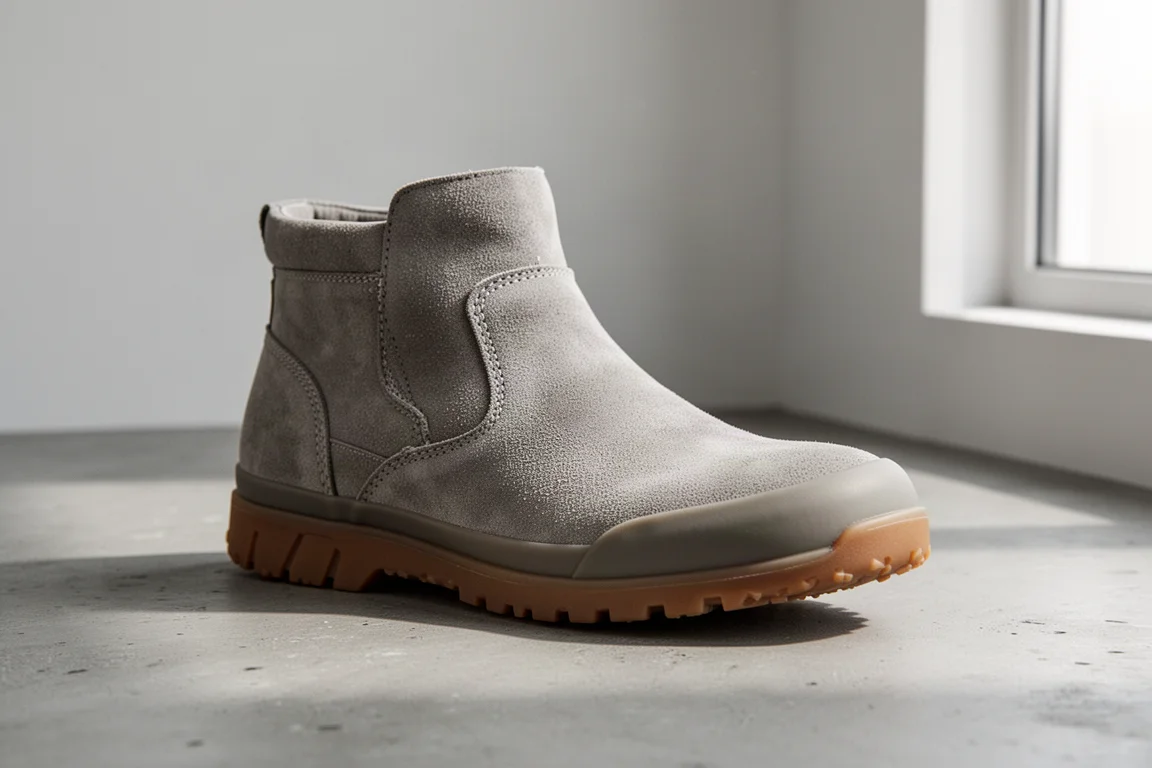
Lightweight Boot Pick: Scarpa Rush Trek Gore-Tex Mid
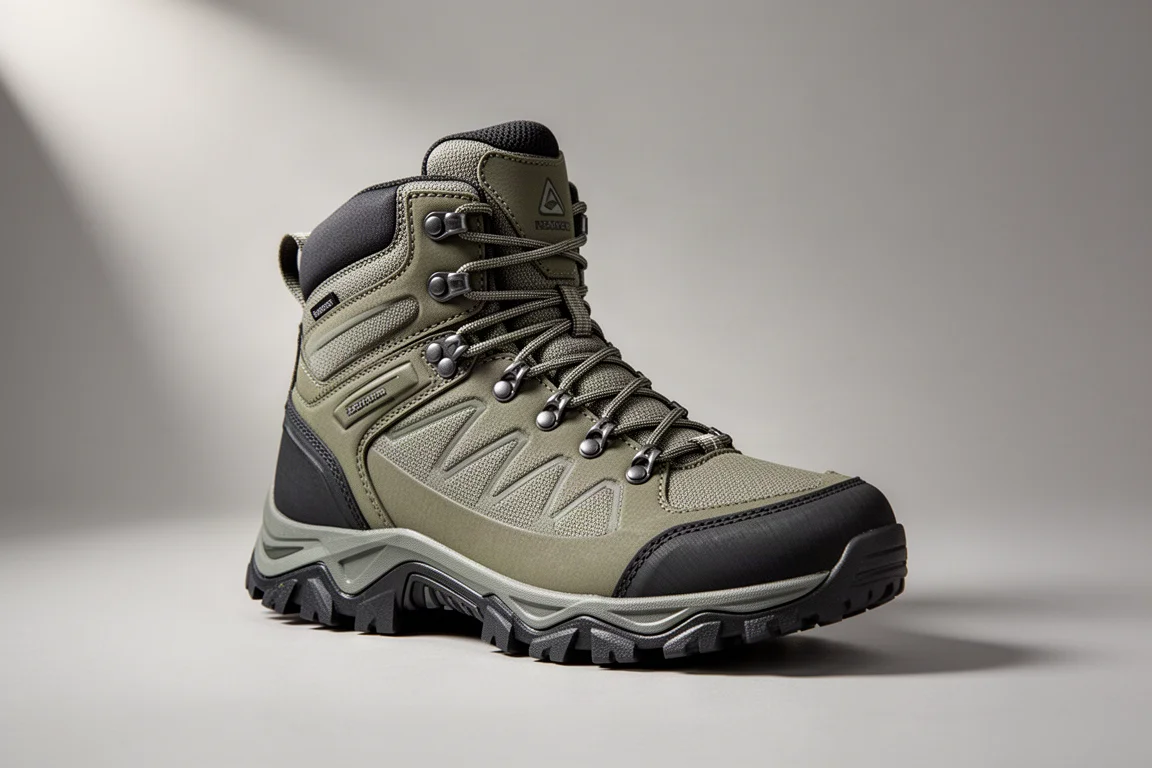
This boot was designed to fill a specific gap: a genuinely lightweight boot with a more heavy-duty sole, rather than an extended shoe or a heavy leather mountain boot. The rubber outsole has an aggressive lug pattern that has proven grippy on early outings across wet and rocky ground.
What stands out most is the combination of low weight and a stiff sole. The boot is rigid underfoot, which is exactly what you want on rough terrain and exactly what takes adjustment if your feet have grown used to soft, well-worn footwear. A gradual break-in makes sense: one longer day of around 20 km followed by shorter 10 to 14 km days, each with several hours on foot, is a sensible way to let your feet adapt before committing to a multi-day route.
Approach Shoe Alternative: La Sportiva TX4 Mid
The TX4 is an approach shoe, and the mid version adds a slightly higher collar so it reads more like a boot while keeping the rock-friendly character of an approach shoe. If what you want is something that moves well over rock and simply looks a little more boot-like, this is the shape to look at.
It is worth being clear about what it is. This is closer to an extended shoe than a purpose-built lightweight boot, and that distinction matters if you are looking for a stiff platform underfoot. Availability can also mean ordering a pair in rather than picking one off the shelf, so it is worth asking before you plan a trip around it.
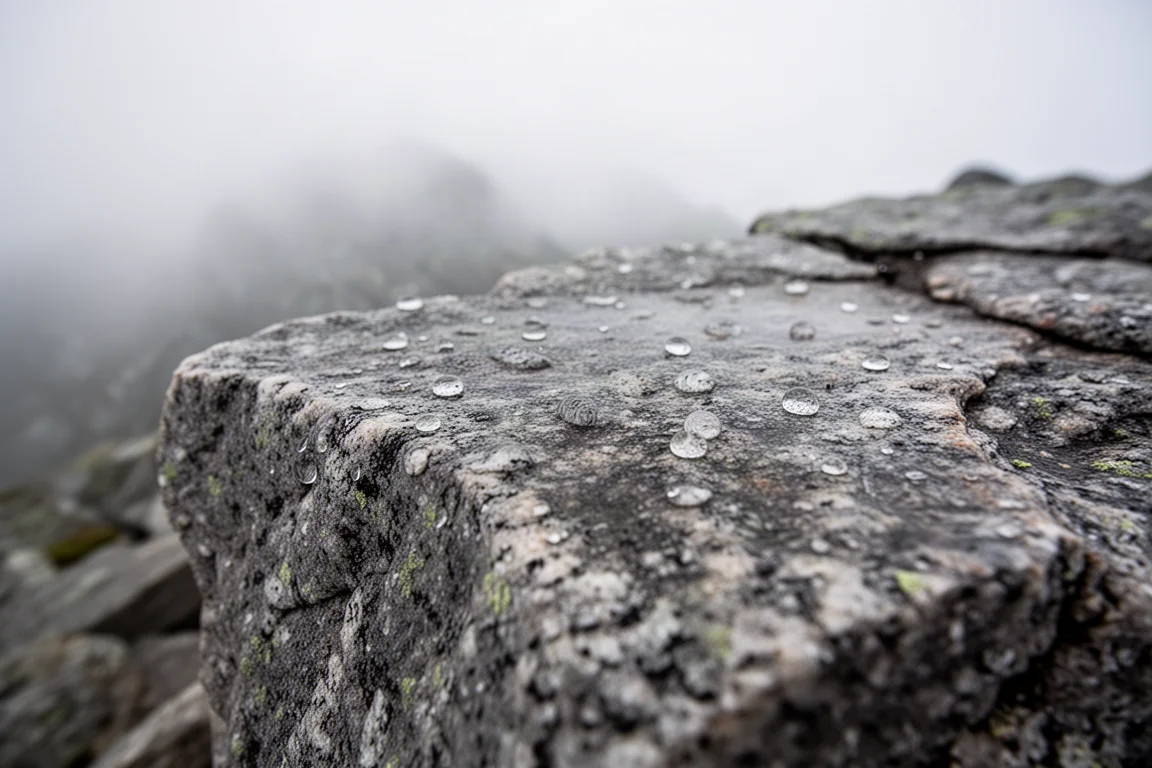
For hikers who spend most of their time on rock and only occasionally need more support, the approach shoe format is a reasonable compromise. For anyone who wants a boot’s rigidity with a boot’s collar, the lightweight boot above is the more direct answer.
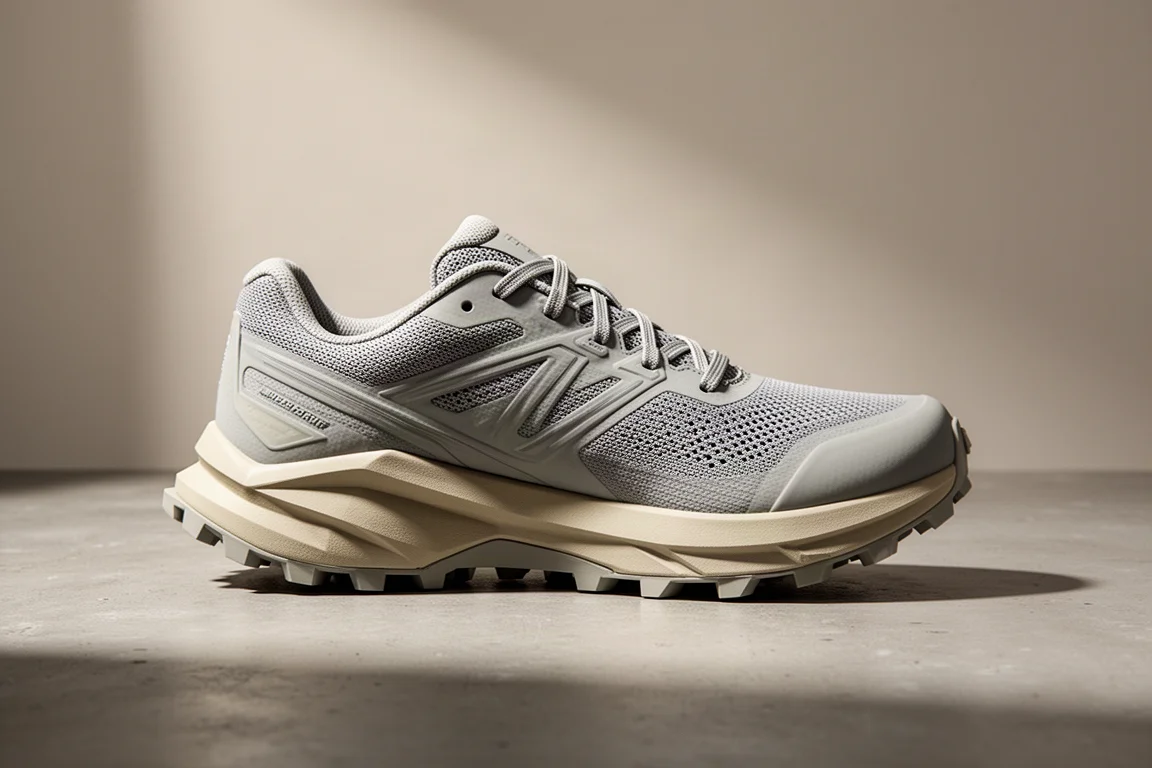
Trail Runner Pick: Hoka Speedgoat 7
The Speedgoat 7 is the standard, non-waterproof version, which means damp toes in sustained wet conditions. That is a trade-off most trail runners accept in exchange for a lighter, more breathable shoe, and it is worth deciding early whether you are comfortable with it.
One thing to keep in mind is how much this line changes between generations. Across the last five years the Speedgoat has been revised substantially with each new model, more than most brands do with a best-selling shoe. The 7 should not be treated as a like-for-like replacement for an older pair in the way you might expect from a more conservative update.
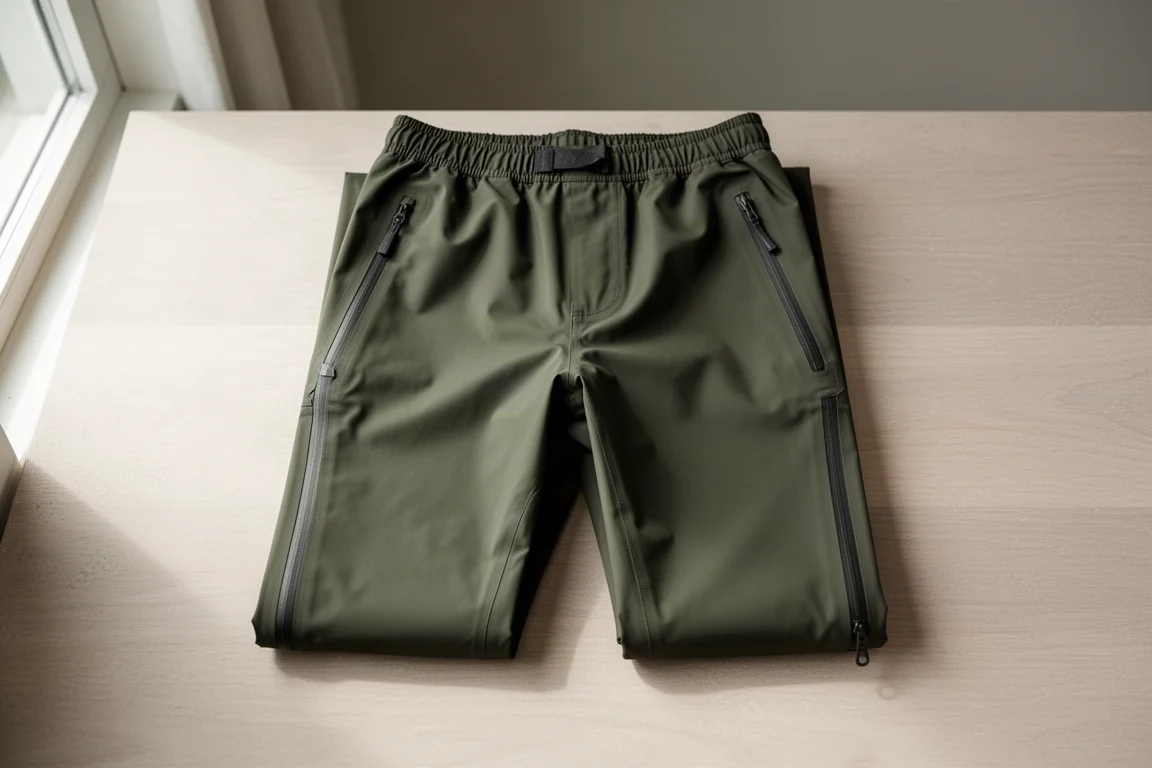
Waterproof Trouser Pick: Rab Downpour Pants
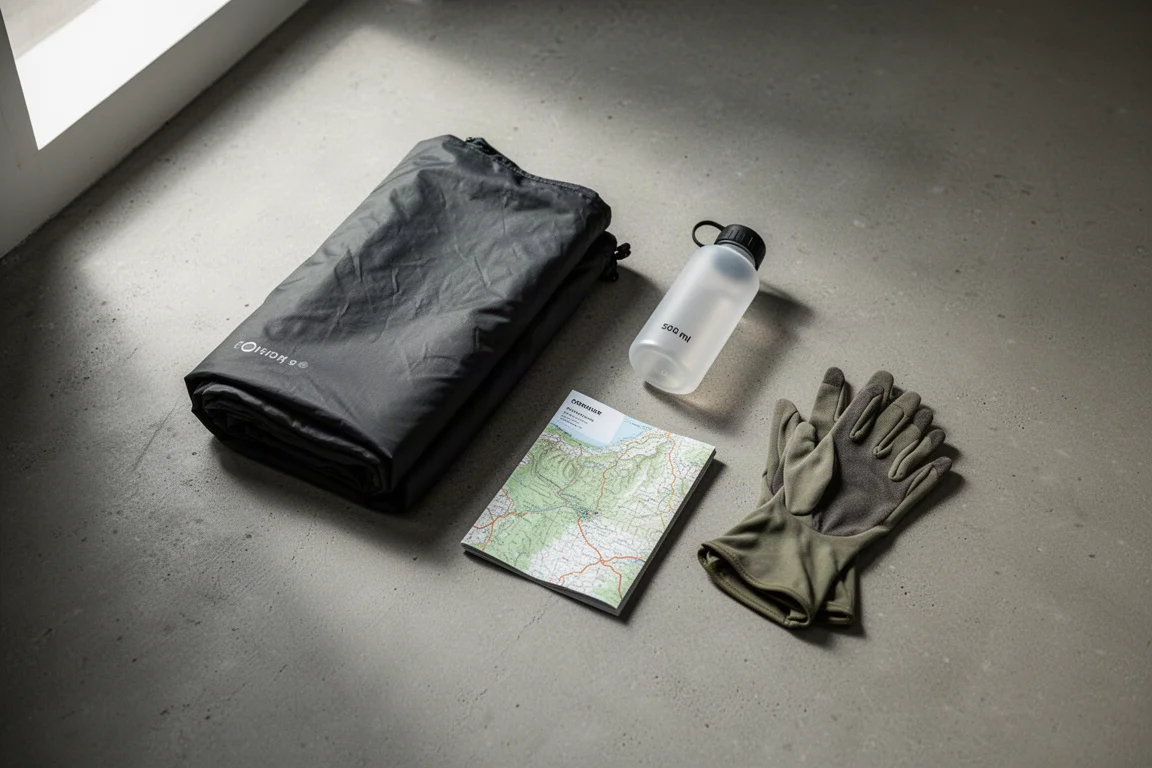
These overtrousers use the brand’s own waterproof fabric rather than a Gore-Tex membrane, and that choice keeps the price down: the recommended retail price sits in the region of 80 to 90 euro. For gear that is likely to be dragged over rock, sat on and scraped along fences, that is a sensible place to save money.
The detail that matters most is the zip length. The zips run up to the crotch of the trousers, which means you can pull them on over boots while you are already out on the hill instead of fighting with them on a mountainside or committing to wearing them from the start of the day. They have been worn a couple of times already and worked as intended, going on over boots without any fuss.
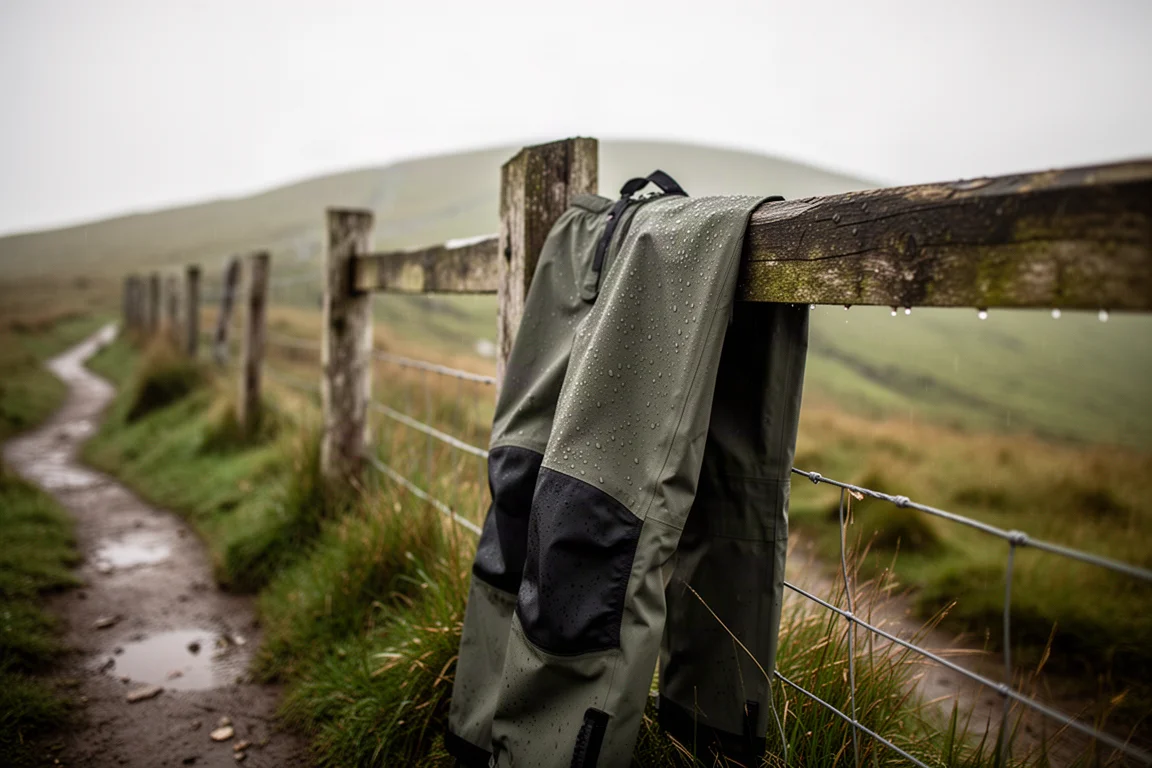
Choosing an own-brand waterproof over a premium membrane is also a deliberate wear-and-tear decision. If the fabric is likely to be damaged before the waterproofing gives out, paying for the most expensive membrane is hard to justify. A pair at this price is easier to use hard and replace when the time comes.
Small Bottle Pick: Nalgene Mini
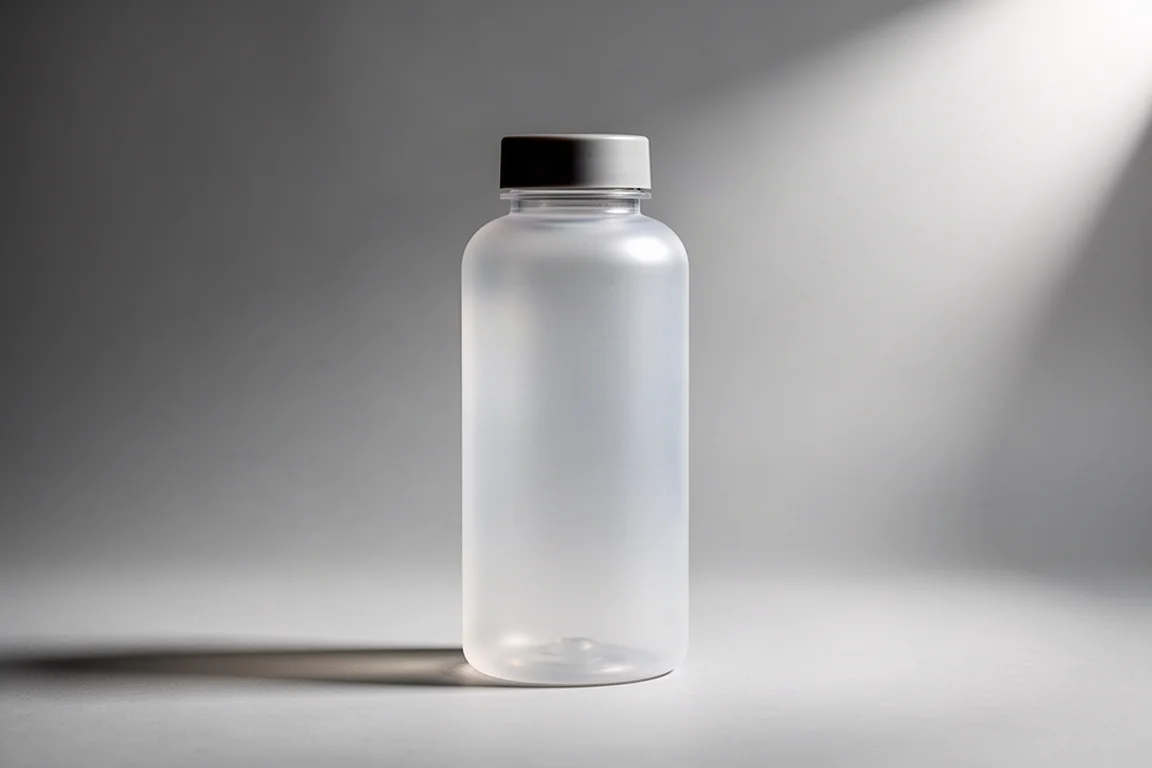
The mini is the 500 ml size, which is the right capacity for shorter days when a full-size bottle is more than you need. Nalgene bottles are a well-known durable option, and bottles from close to a decade of regular use are still in service, which says most of what needs saying about longevity.
Colours rotate and stock changes, so if you have a specific shade in mind it may take a little patience to find it. Otherwise there is very little to think about here: it is a solid bottle in a compact size that fits easily in a side pocket or a small pack.
Buying Advice
Start with the piece that is currently making your days harder, rather than the piece that looks most exciting.
On footwear, decide whether you want stiffness. If your feet are used to soft, worn-in shoes, a rigid sole will feel strange for the first few outings, so budget a break-in period with a longer day followed by shorter ones. If you want a boot’s support and collar, look at a purpose-built lightweight boot. If rock is the main surface and you prefer a lower profile, an approach shoe in a mid cut covers that ground well.
On waterproofing, think about how the garment will actually be used. Full-length zips and premium membranes cost more, while a brand-own fabric at a modest price is easier to live with when scrambling and fence-climbing are part of the route. On capacity, be honest about your typical day: a 500 ml bottle is plenty for short outings and not enough for long ones.
Conclusion
None of these five items are complicated, and that is the point. A lightweight boot with a stiff sole, an approach shoe for rocky ground, a trail runner from an evolving line, waterproof trousers you can pull on over your boots, and a compact bottle cover the practical end of a wet-weather kit. Match each one to the terrain you actually walk and the conditions you actually meet, and the upgrade will earn its place rather than sit in a cupboard.
Further reading
Related Reviews
Hiking Gear
Best Hiking Pants on Amazon: Five Practical Options for Different Needs
A practical review of five hiking pants with clear strengths and trade-offs, from lightweight convertible styles to durable work-ready trousers.
Hiking Gear
Best Hiking Poles 2026: Five Options for Different Trail Needs
A practical review of five hiking poles, from lightweight carbon designs to versatile all-terrain options, with clear strengths and trade-offs for each.
Hiking Gear
Best Hiking Socks 2026: Five Top Choices for Different Trail Needs
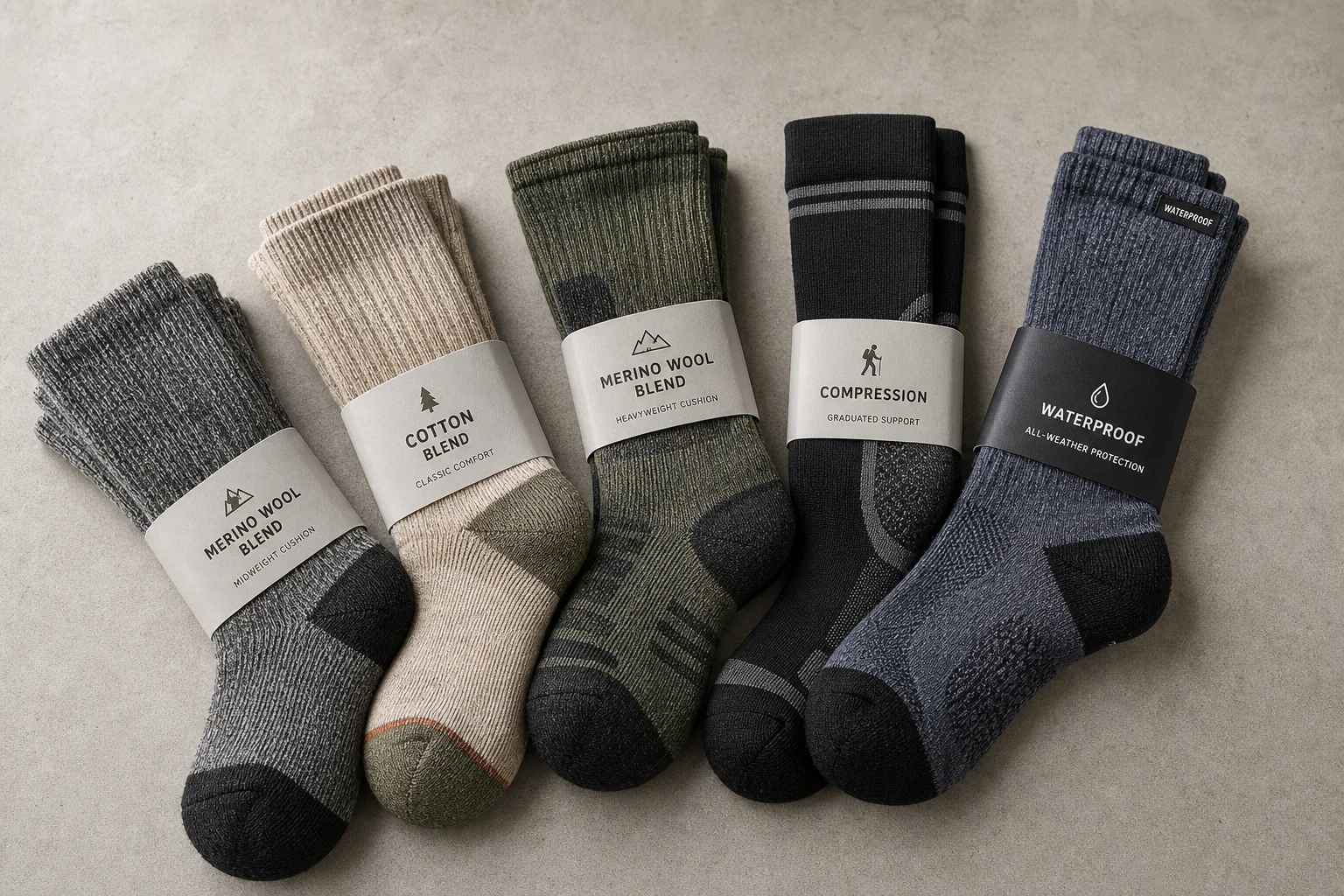
A practical roundup of five hiking socks, from lightweight merino options to heavy-duty compression styles, with clear guidance on which suits your outdoor activity.