Hiking Gear
Tour du Mont Blanc Gear List: 15 Lightweight Picks That Performed on Trail
An eight-day Tour du Mont Blanc trek put this lightweight kit through sustained climbs, steep descents and cold nights. Here is what performed, and who each piece suits.
Introduction
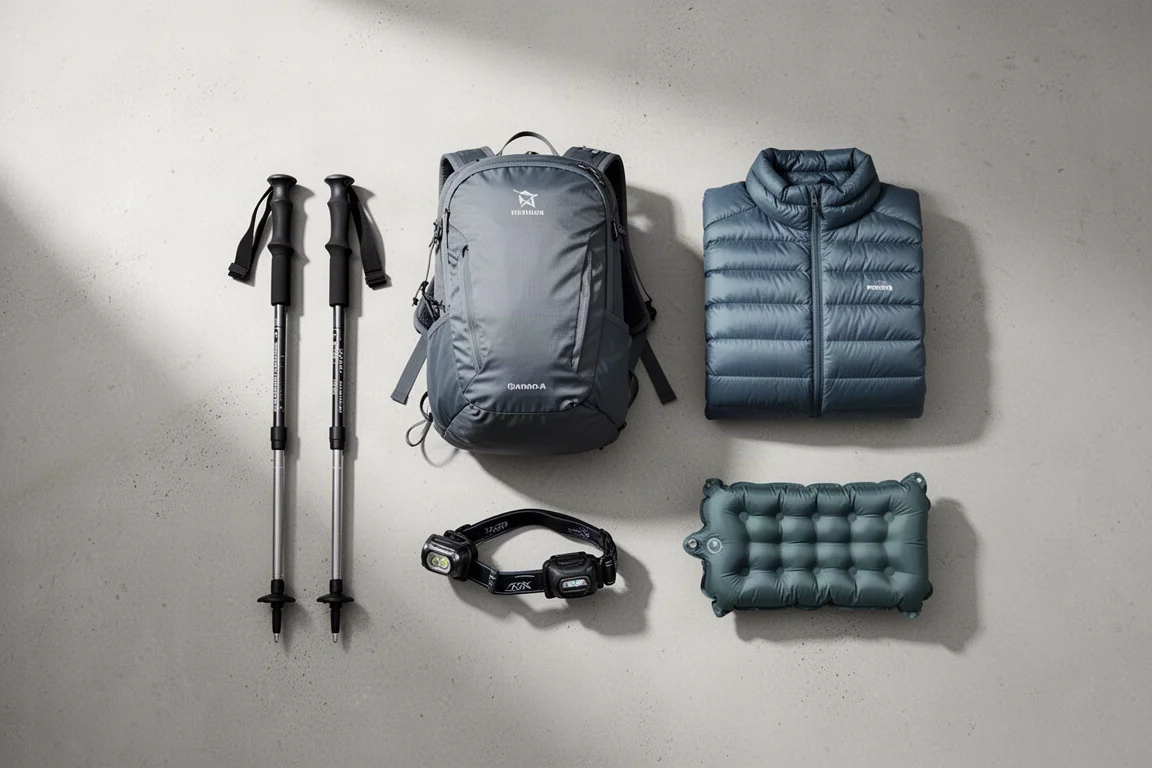
An eight-day Tour du Mont Blanc trek has a rhythm of its own: sustained climbs, steep descents, and long days that ask a lot of both the body and the gear. The kit we carried was built around three priorities, being light, affordable and comfortable over consecutive big days.
Some of it had already earned its place over years of use. Other pieces, including the backpack and the tent, were completely new to us and turned out to be the biggest surprises of the trip.
This guide walks through each item, what it did on trail, and who it suits.
What Made This Trail Different
Backpacking in the Canadian Rockies usually means long approaches on softer ground. The Tour du Mont Blanc is different. The elevation arrives in steep, sustained blocks, and the descents are just as demanding as the climbs. That shaped the kit more than anything else. Poles had to take load off knees and hips on the way down. Footwear had to stay comfortable through a 30-kilometre day with close to 2,000 metres of elevation gain. Layers had to handle hot alpine sun, cold mornings and windy passes, sometimes all within the same day.
We also packed for bad weather even though we barely saw any. Across the whole trip there was roughly 20 minutes of rain.
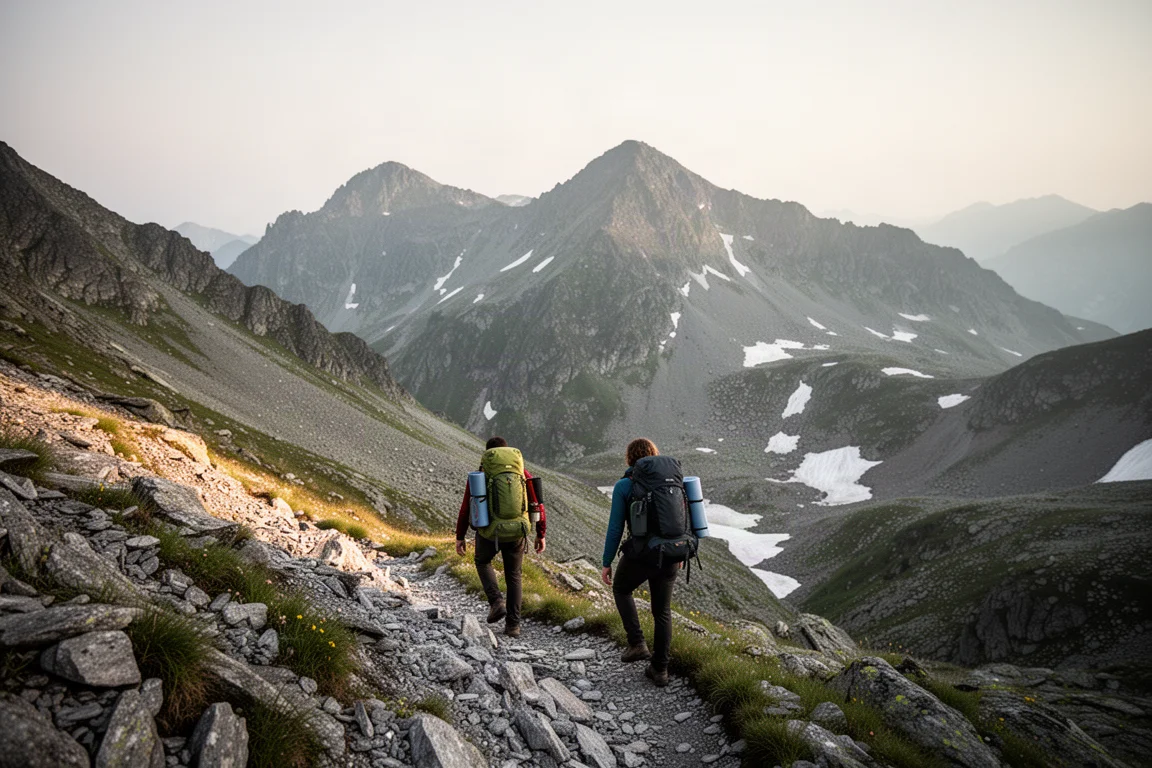
Sun exposure was the other constant. Long stretches above the tree line mean the sun is on you all day when the weather is good, so thin long sleeves, long trousers, a hood and eye protection matter as much as insulation does at night.
Trekking Poles: Decathlon MT 500
With that much vertical gain and loss, trekking poles stopped being optional. The MT 500 poles use aluminium shafts that stay durable and light, and they were comfortable to use across full days. On the climbs they added drive and rhythm. On the descents they helped slow the pace deliberately and took a noticeable amount of load off knees and hips.
Navigation: Garmin Fenix Watch
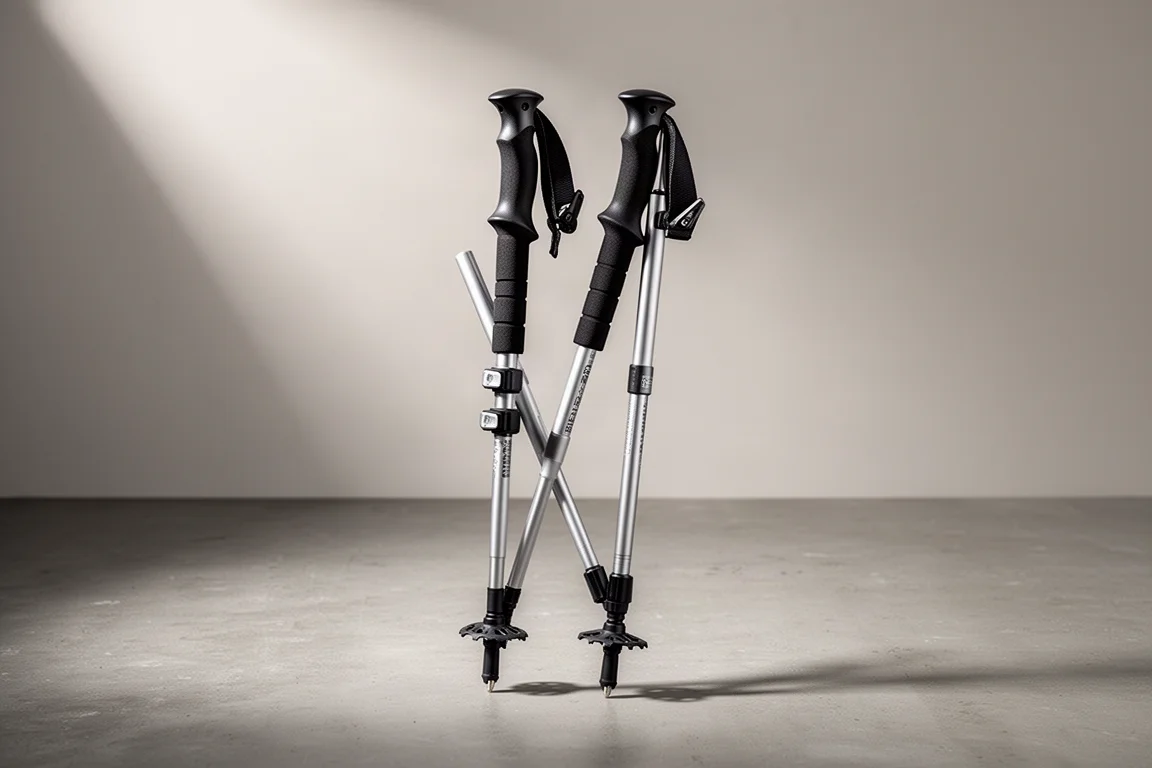
The route itself is well marked, but plenty of other trails cross and branch off it, and that is where a watch with maps earns its place. Loading a map for each day onto a Garmin Fenix made it easy to follow the intended line and confirm the right turn at junctions, which kept us off the wrong branch more than once.
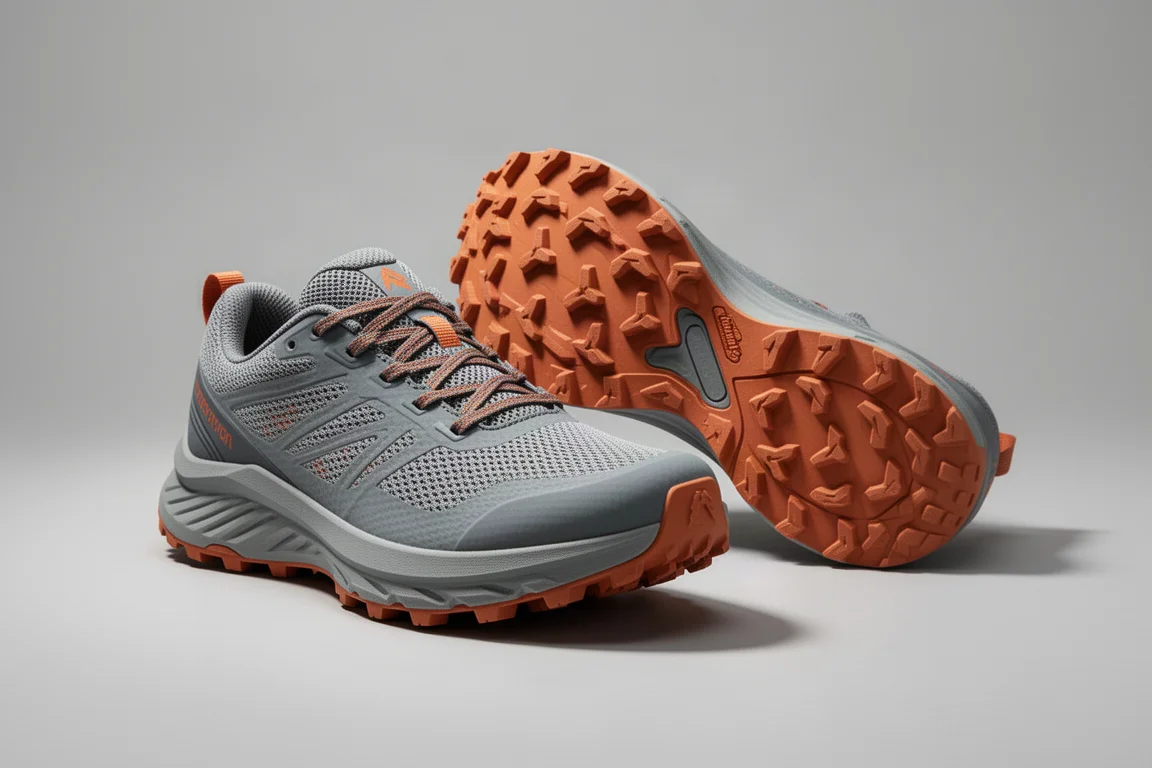
Footwear: Hoka Speedgoat
Cushion and a wider toe box were the two things that mattered most in footwear. The Hoka Speedgoat shoes have both, and after years and hundreds of miles in them they were the obvious choice for this route. On the longest day, roughly 30 kilometres with close to 2,000 metres of elevation gain, that cushioning is what made the finish feel achievable rather than punishing.
The Pack: Decathlon MT 900 Ultra Light
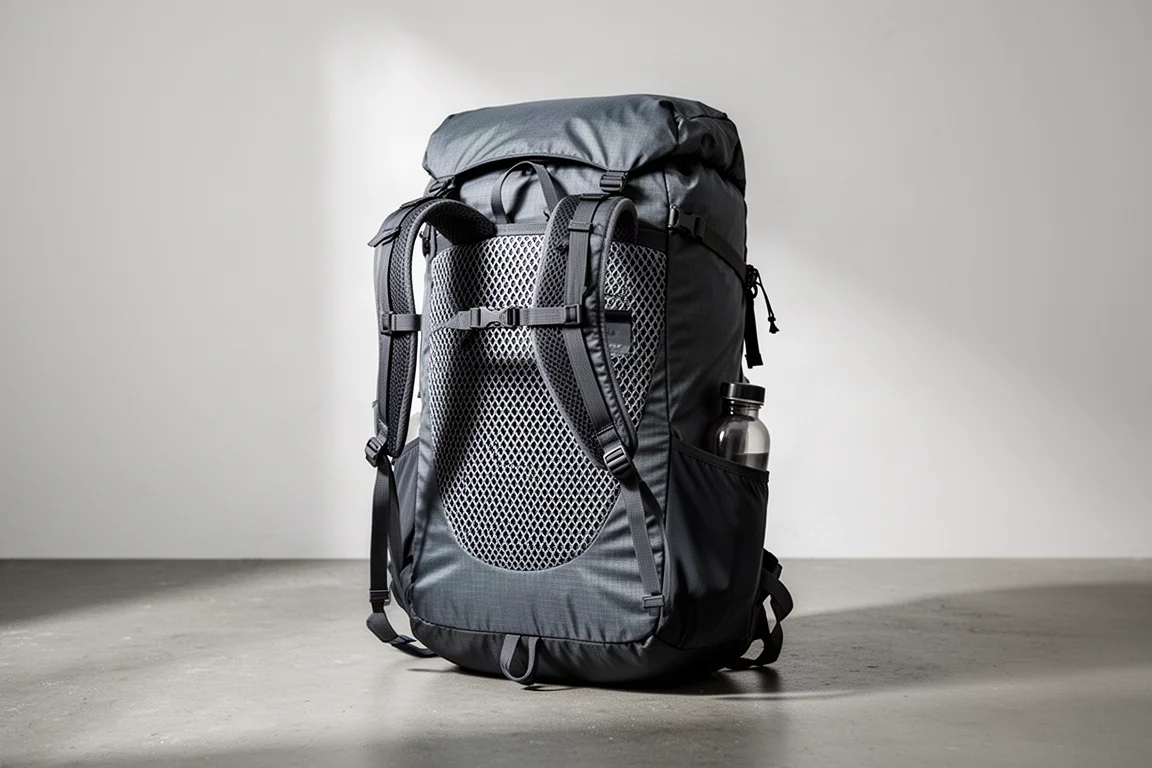
The packs were the biggest unknown. The MT 900 Ultra Light is new for Decathlon, and the brand had not really built a lightweight pack before, so there was some scepticism going in. At just over one kilogram it sits in the lightweight category, and it turned out to be one of the most impressive pieces of the trip.
Two details stand out. The water bottle pockets use a side-opening design, the same side-access approach found on established trekking packs such as Osprey and Gregory, so bottles can be pulled out and stowed from the side rather than over the shoulder. In areas where bears are a concern, that access is just as useful for bear spray.
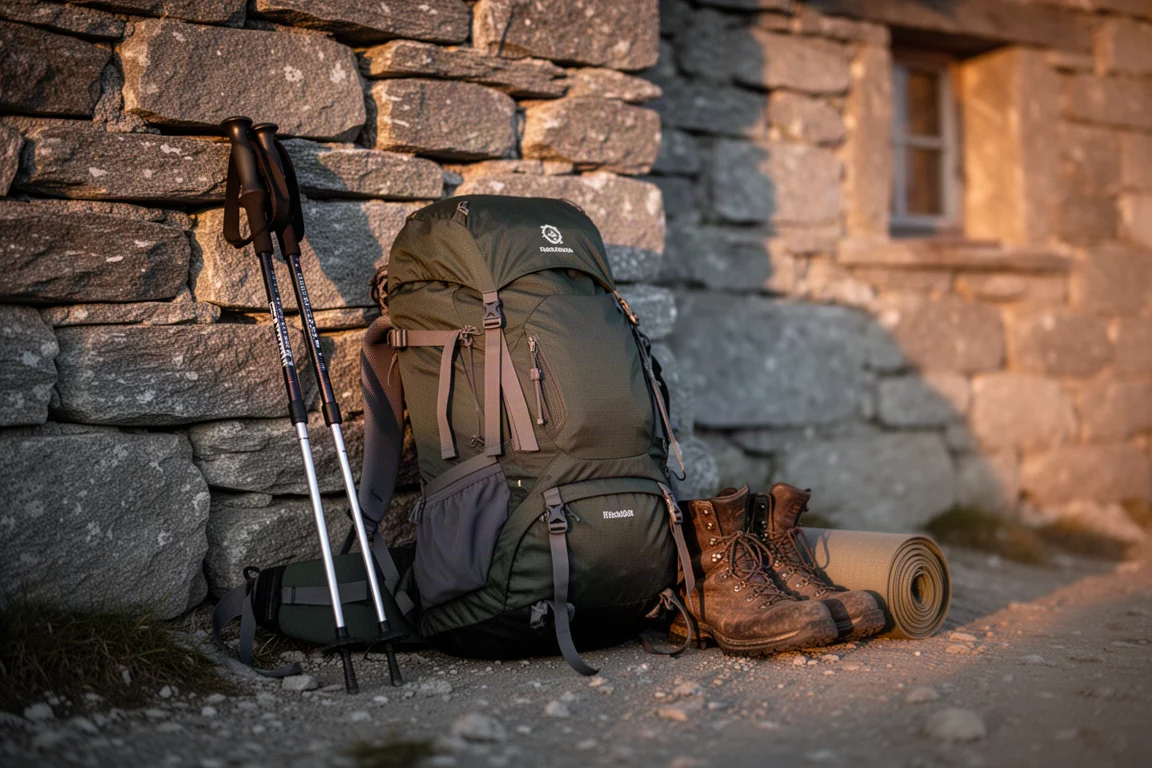
The back panel is a tensioned trampoline design that holds the pack away from the body and improves ventilation compared with a flat foam pad against the back. Weight transfer is handled well too. The frame carries load to the hips, and packs of roughly 30 to 35 pounds stayed manageable even on steep terrain.
Weather Protection: Decathlon FH-500 Ultralight Rain Jacket
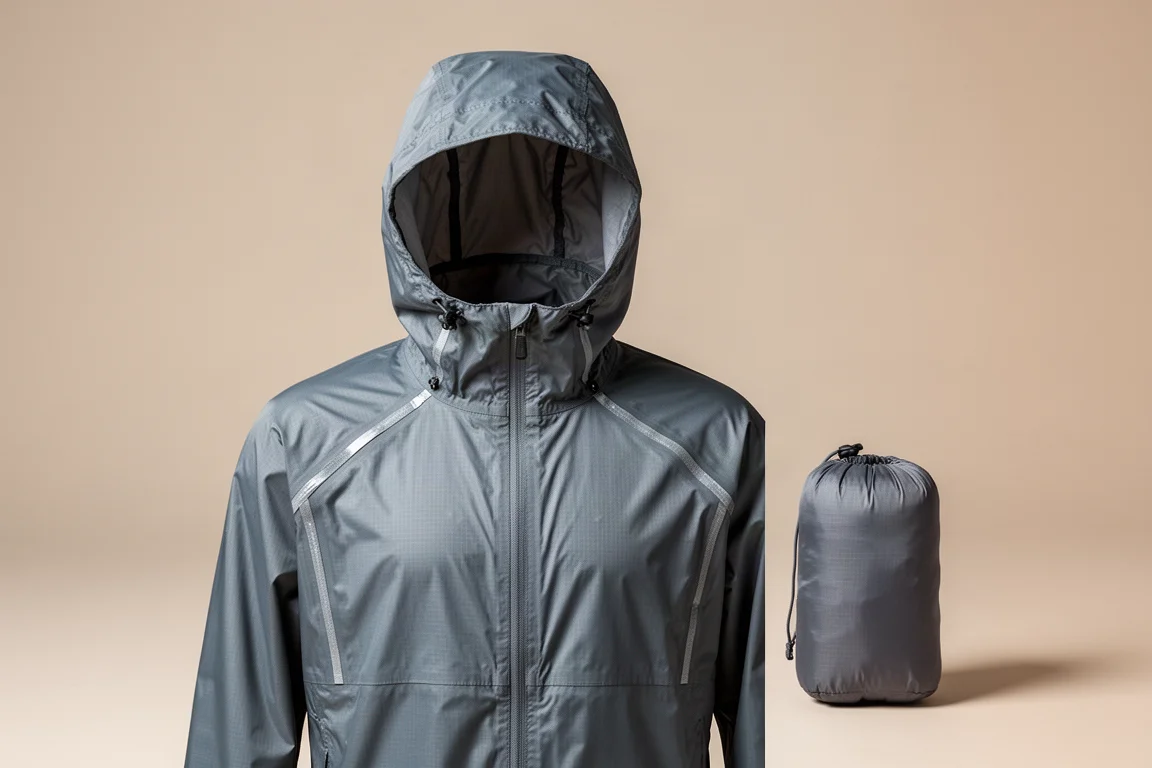
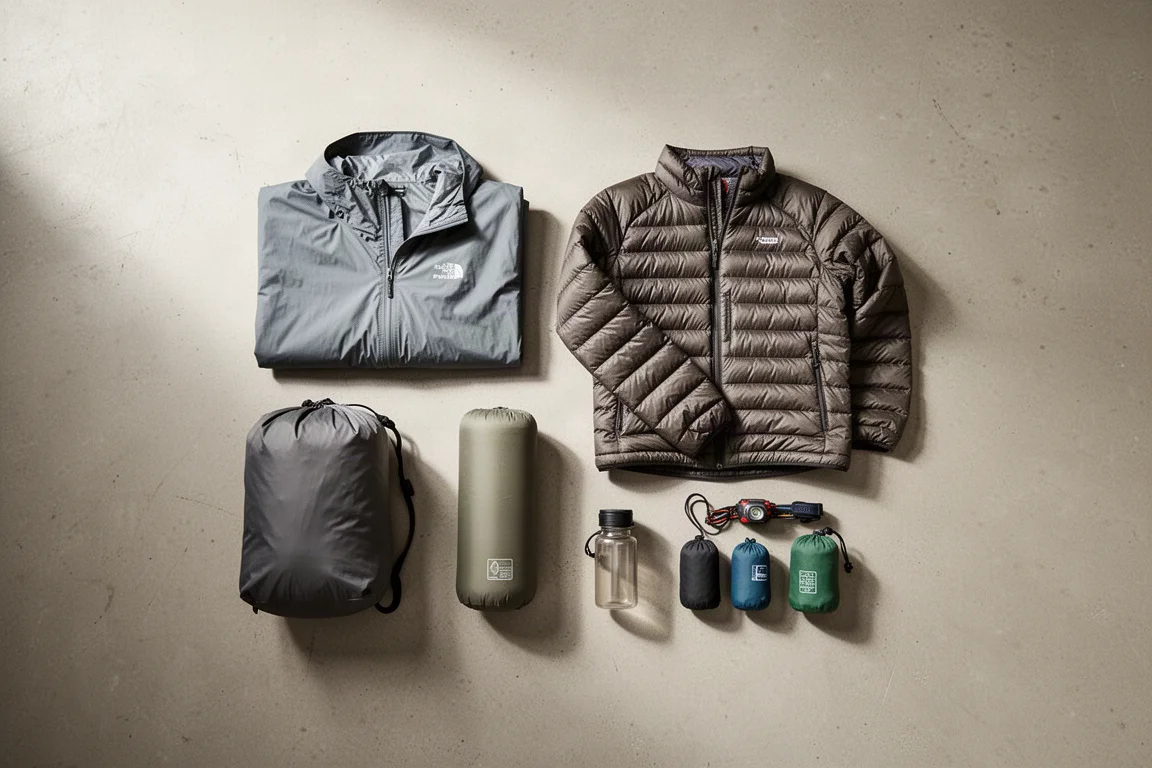
Rain jackets were packed for the worst of the weather. The FH-500 Ultralight rain jacket is waterproof, uses taped seams and packs down very small. It only came out once, for about 20 minutes of rain, and it kept us dry through that. It is already earmarked for regular backpacking use.
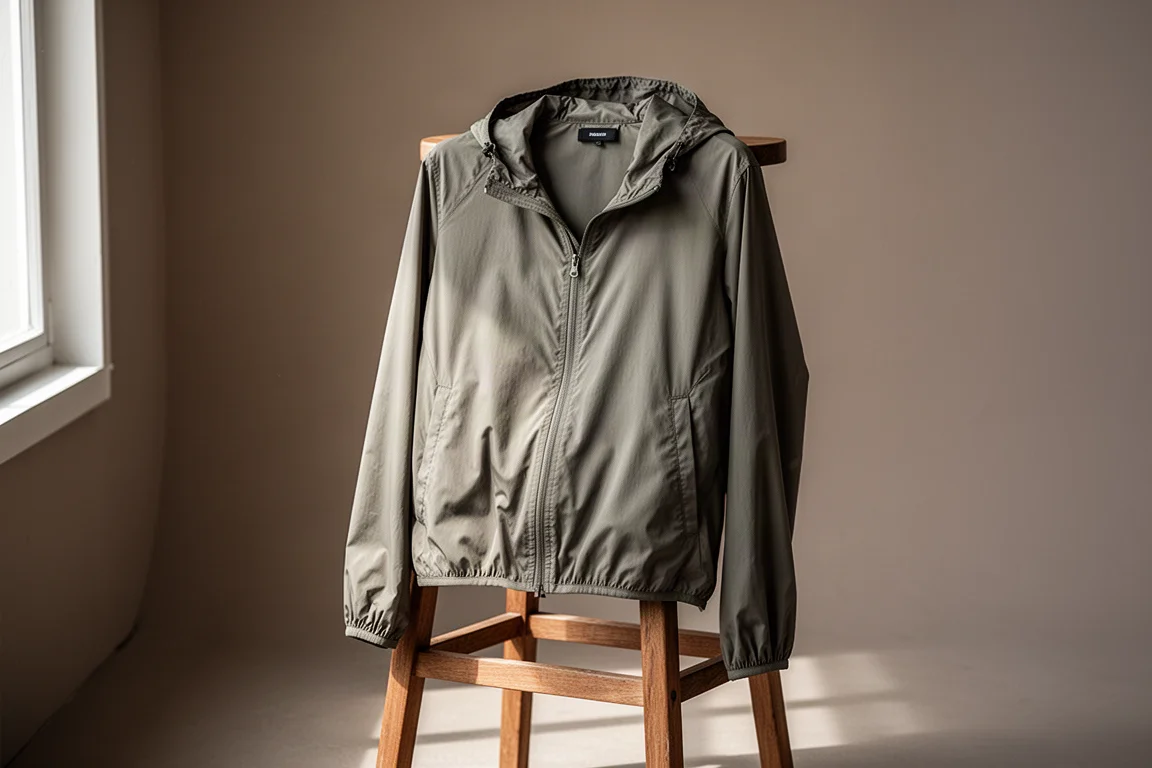
Wind Protection: Decathlon FH-500 Wind Jacket
Wind was the more common problem. On alpine sections, over passes and on cold mornings, the FH-500 wind jacket was the layer that made the difference. It is thin and light, easy to pull on without stopping for long, and it ended up as one of the favourite pieces of the trip.
Lighting: Decathlon HL100 Headlamp
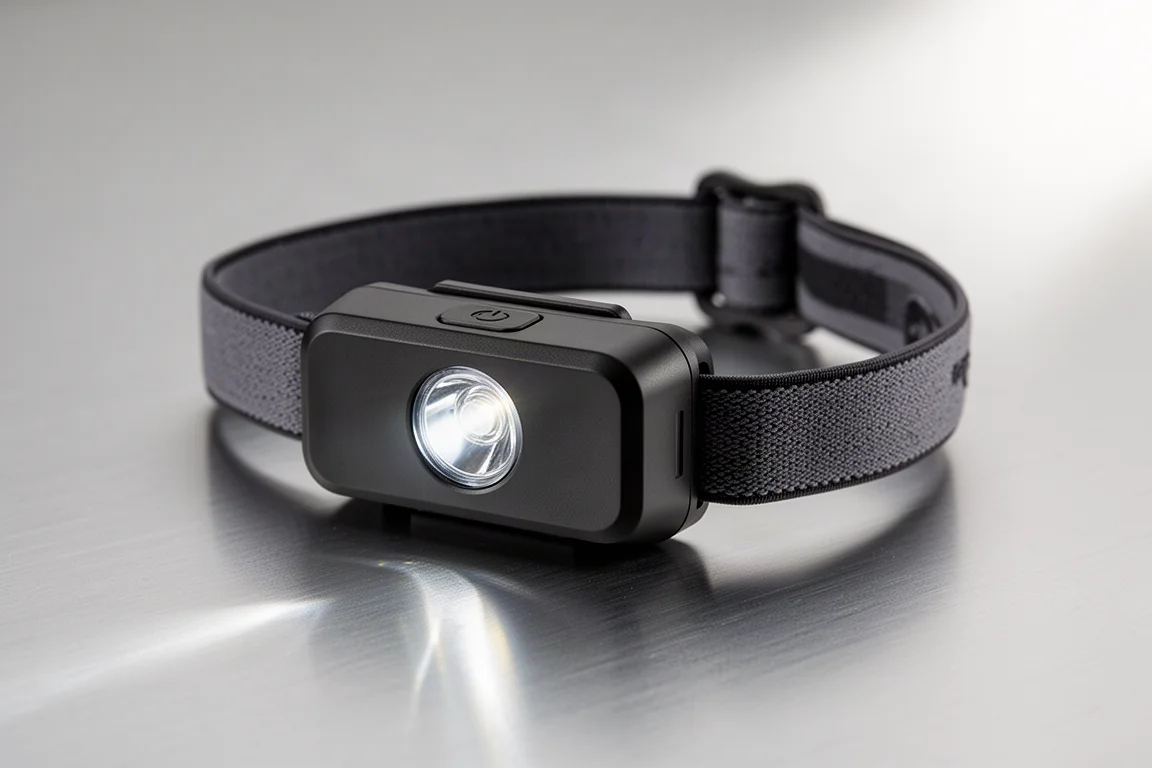
Camp lighting does not need to be complicated. The HL100 is a USB-rechargeable headlamp that is waterproof and very inexpensive. It is not especially lightweight, but it does the job reliably and is easy to top up from a battery bank.
Warmth Layers: Decathlon Trek 100 Down Jacket
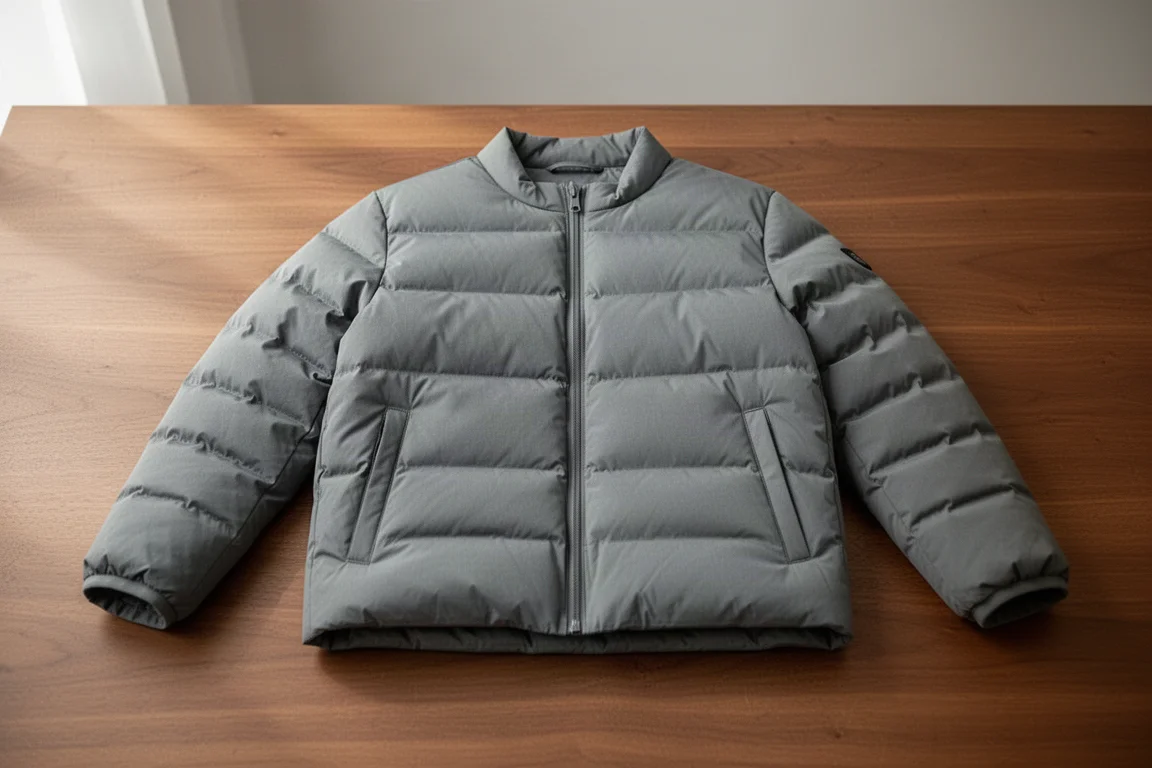
The Trek 100 down jacket has been a favourite for years, and it came along again. It is affordable, light and genuinely warm for its weight, which is exactly what an evening layer needs to be.
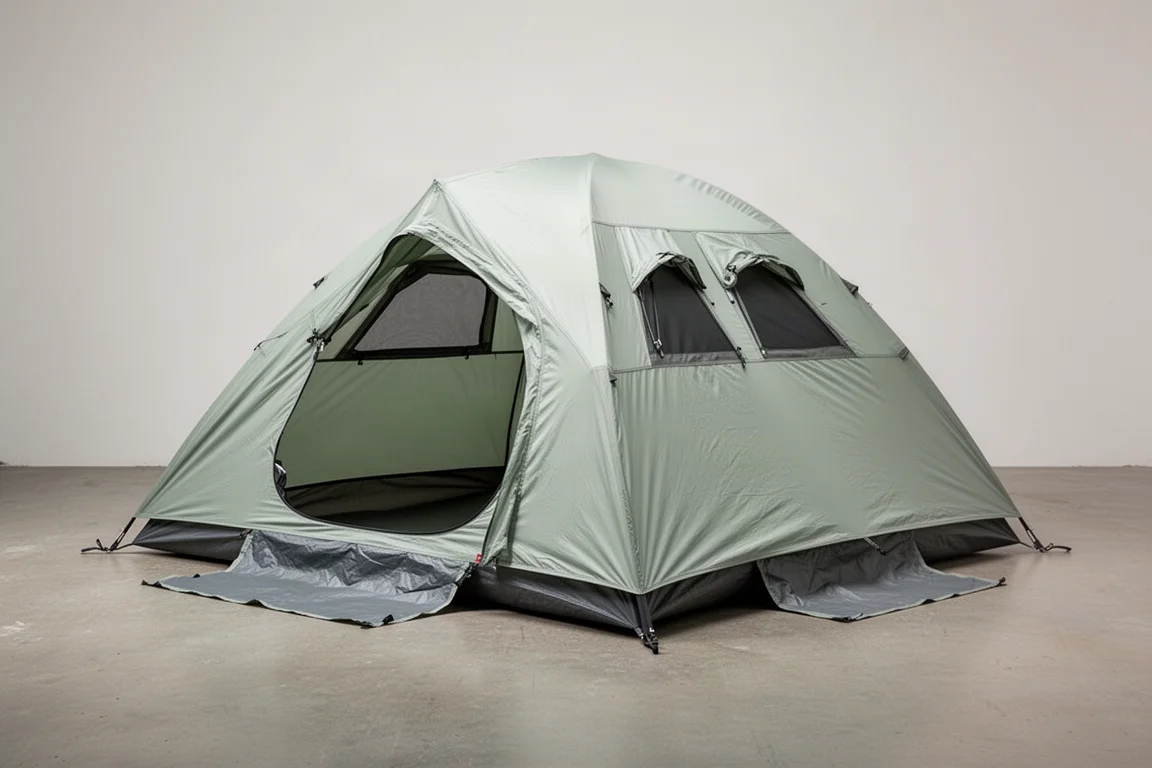
Shelter: Decathlon Forclaz Trek 900 Tent
The Trek 900 tent was another unknown, and it handled the trip better than expected. It is a two-person, tapered design, and it fit a 20-inch regular pad and a 25-inch wide pad with room left for gear. Two people on wide pads will touch elbows, so a three-person version is the better call if you want more space.
Two features stood out. The vestibule has a small floor, so packs and other gear can sit there without soaking up water from wet ground. There are also two large vents at the head end with props to hold them open, and there was no condensation inside the tent even on damp mornings.
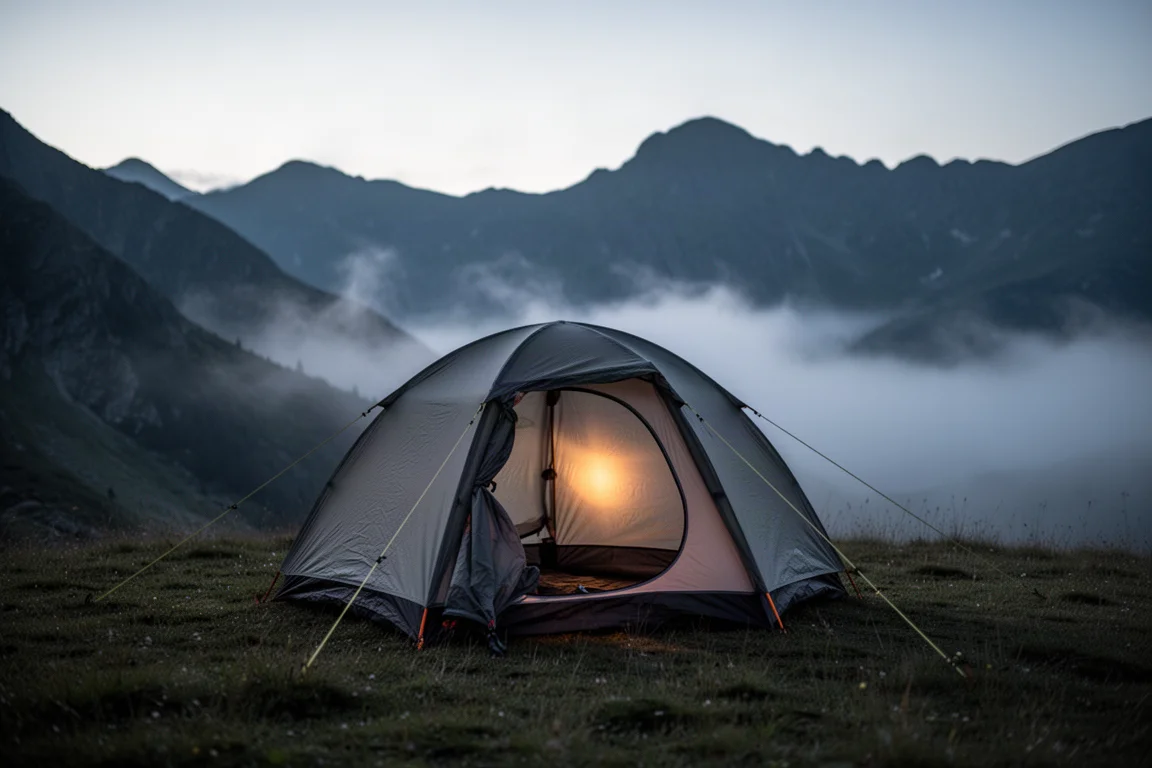
For a lightweight shelter, that combination of living space, protected storage and ventilation is the practical part of the design. A weight saving matters much less if you wake up wet.
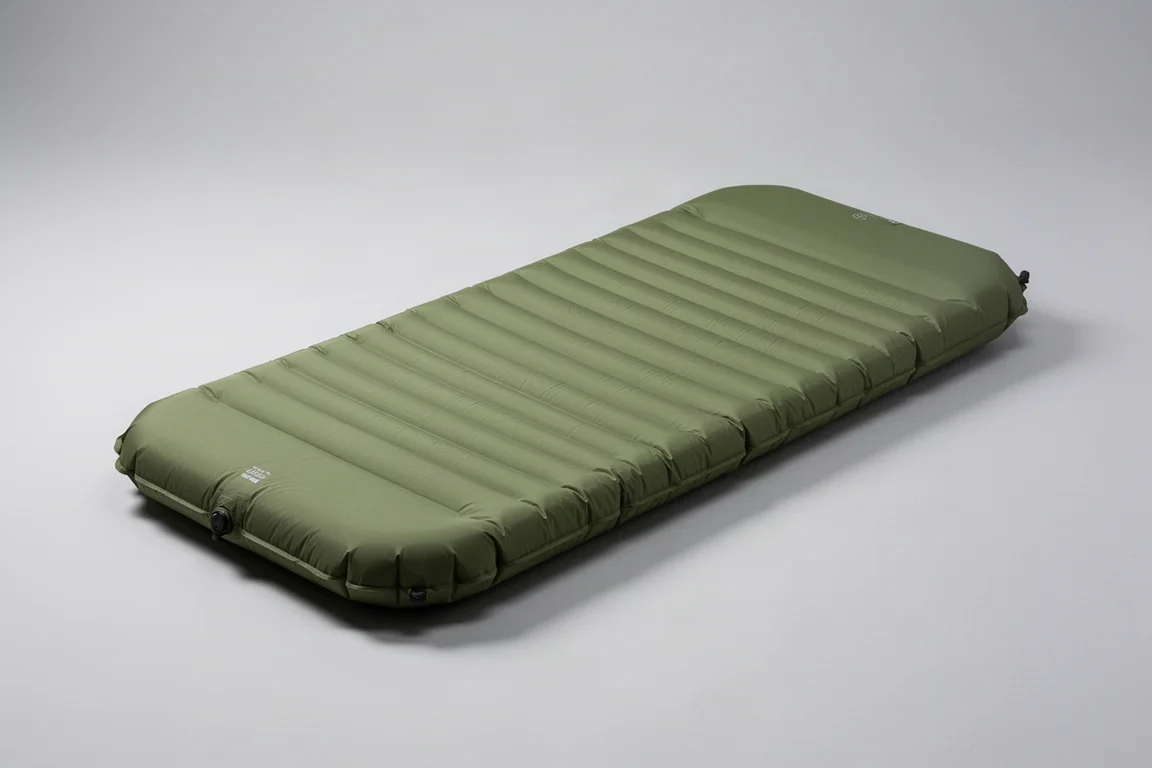
Sleep System: Exped Ultra 3R Sleeping Pad
The Exped Ultra 3R was new to market on this trip and performed well. It stayed warm, felt comfortable through the night, and fitted neatly inside a tapered tent.
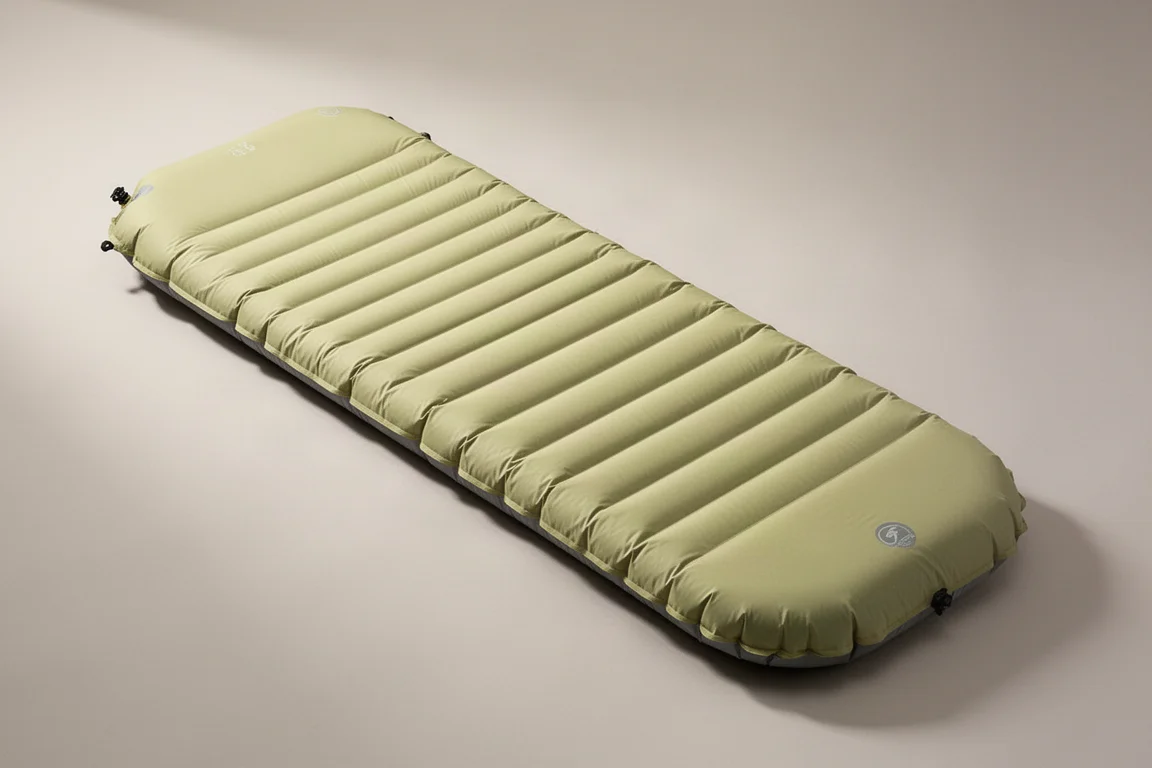
Sleep System: Therm-a-Rest NeoAir Sleeping Pad
The Therm-a-Rest NeoAir pad was chosen for its low weight, and it turned out to be genuinely comfortable as well as warm. On the coldest nights, close to freezing, that warmth was noticeable.
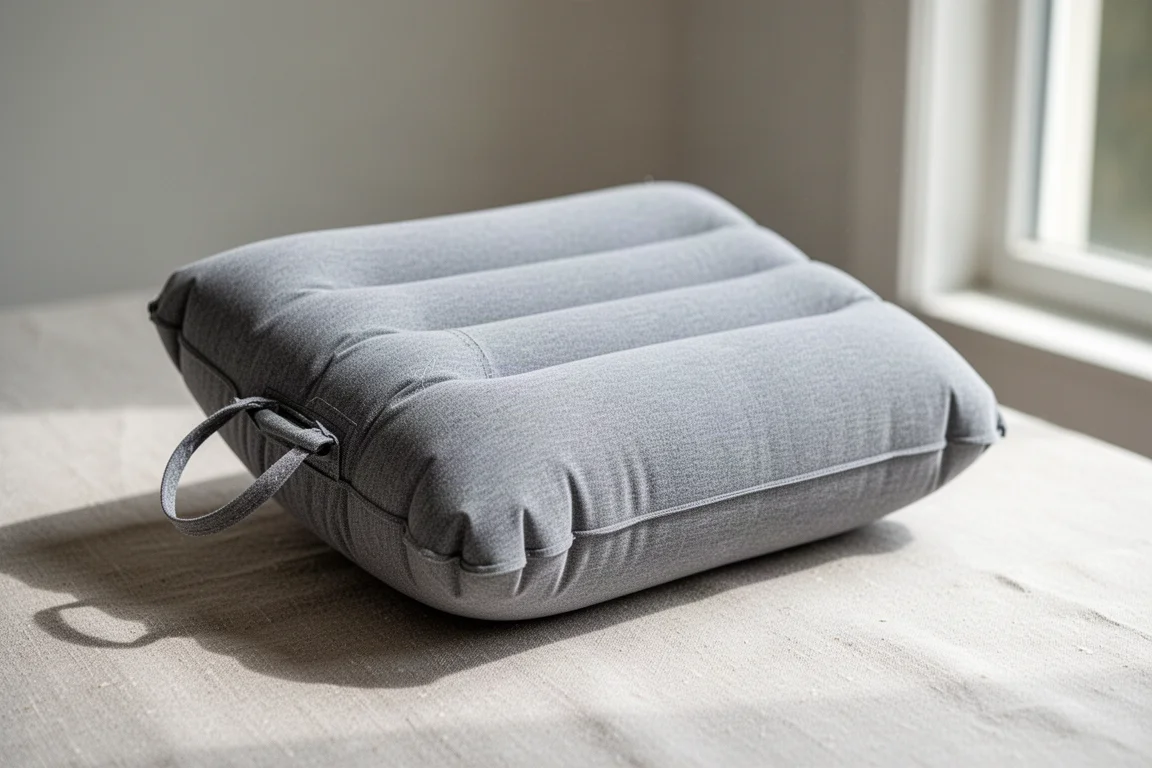
Camp Pillow: Trekkology 2.0
A pillow is a small thing that changes how well you sleep. The Trekkology 2.0 is comfortable and has a strap that locks it onto the sleeping pad so it stays in place through the night.
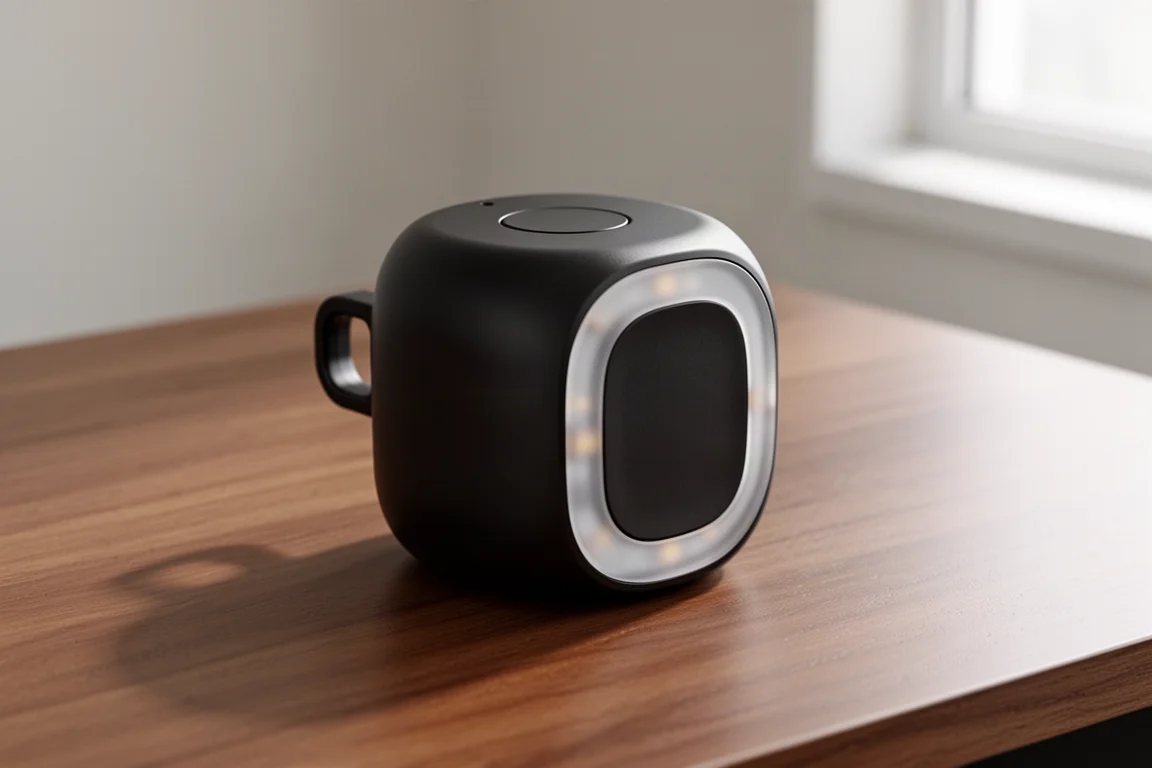
Inflating Pads at Camp: Flextail Tiny Pump X
Inflating two pads by mouth at the end of a long day gets old quickly. The Flextail Tiny Pump X handled that job, filling the pads at camp so the evening routine stayed short.
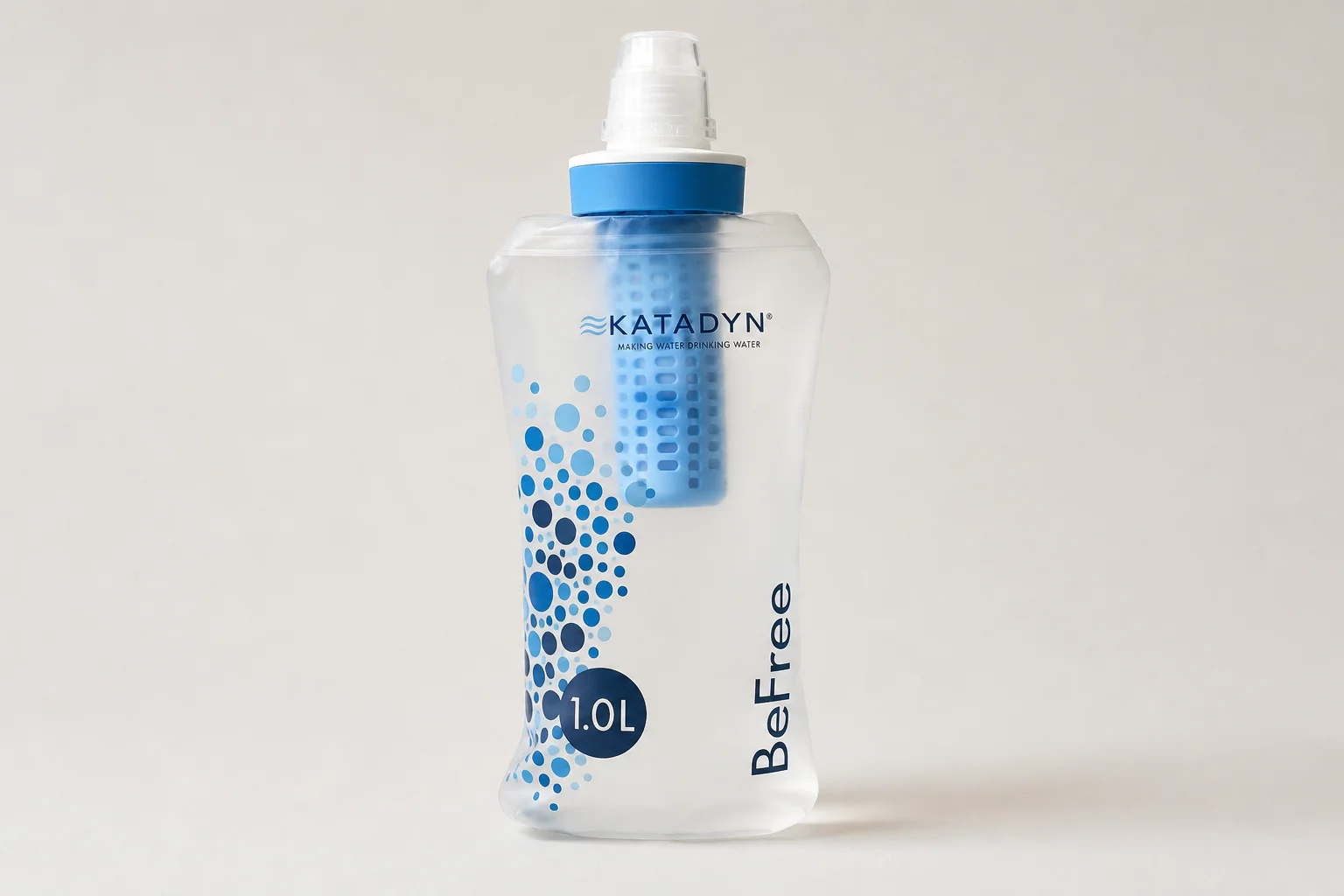
Water Treatment: BeFree Water Filter
Water on this route is unusually easy. There are taps and spigots along the way, and the mountain refuges supply clean water, so the BeFree filter was only needed a couple of times. It is still worth carrying as a backup for the sections where sources are less certain.
Sleeping Bag: Decathlon Forclaz Trek 900 Down Sleeping Bag
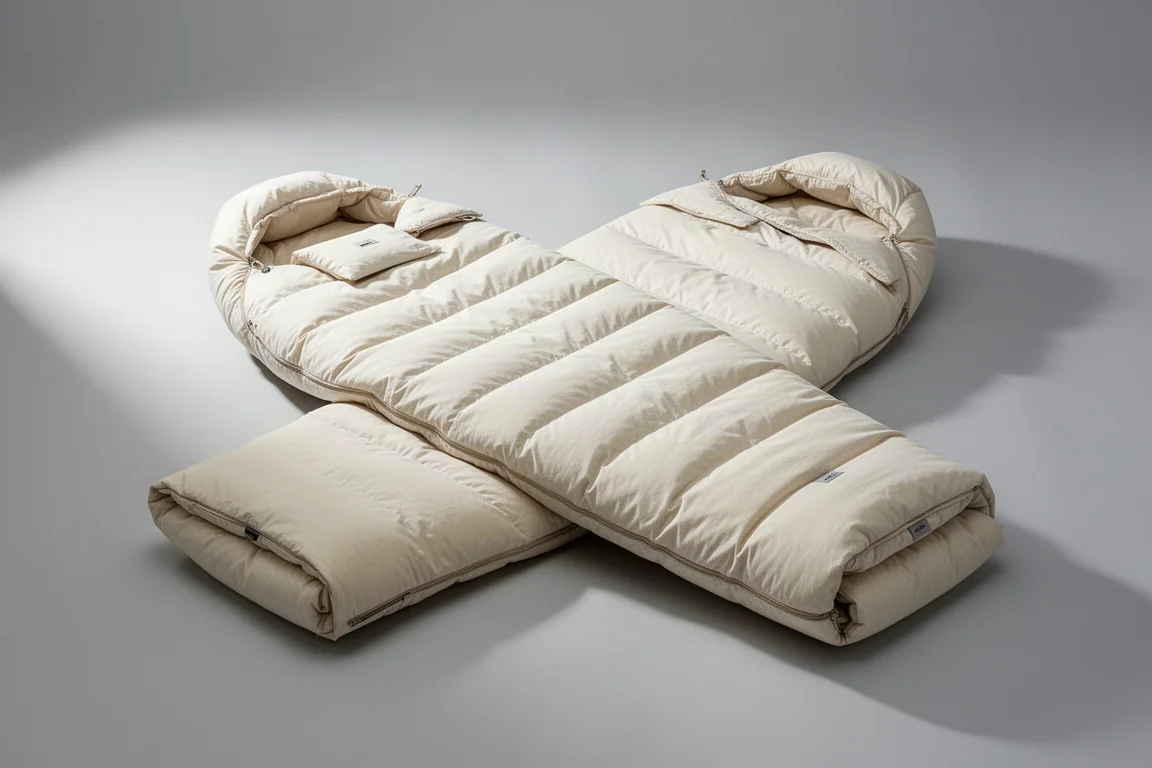
Both sleeping bags were the Trek 900 down bags, one in XL and one in Large. The XL weighs just over a kilogram, which keeps it in lightweight territory, and both sizes felt roomy. A size down would likely still be comfortable.
The zero-degree comfort rating held up. Temperatures dropped close to freezing and we stayed warm, which suggests the rating is realistic rather than optimistic. The bags are also part of Decathlon’s undyed line, which uses less dye during manufacturing.
Buying Advice
Start with the terrain, not the gear list. Steep, sustained climbing and descending makes poles and cushioned footwear far more valuable than a few grams saved elsewhere. If you are carrying 30 to 35 pounds, a frame that transfers weight to the hips matters more than an ultralight fabric.
Sizing decisions deserve as much attention as specifications. A two-person tent is genuinely a two-person tent when both pads are wide, and the three-person version buys elbow room. Roomy sleeping bag sizing is comfortable but heavier than it needs to be.
The Trek 900 range comes out of Decathlon’s mountain design base at the foot of Mont Blanc in Chamonix, where the hiking and backpacking teams design and test their own gear. That testing culture shows in details like the vestibule floor and the head-end vents, and in the undyed fabric used across the sleeping bags.
Conclusion
The kit worked because nothing had to be babied. Poles took the sting out of the descents, the pack carried 30 to 35 pounds without complaint, the tent stayed dry inside, and the sleeping system stayed warm close to freezing. Several of these pieces were complete unknowns before the trip, and they ended up being the ones most worth recommending.
Further reading
Related Reviews
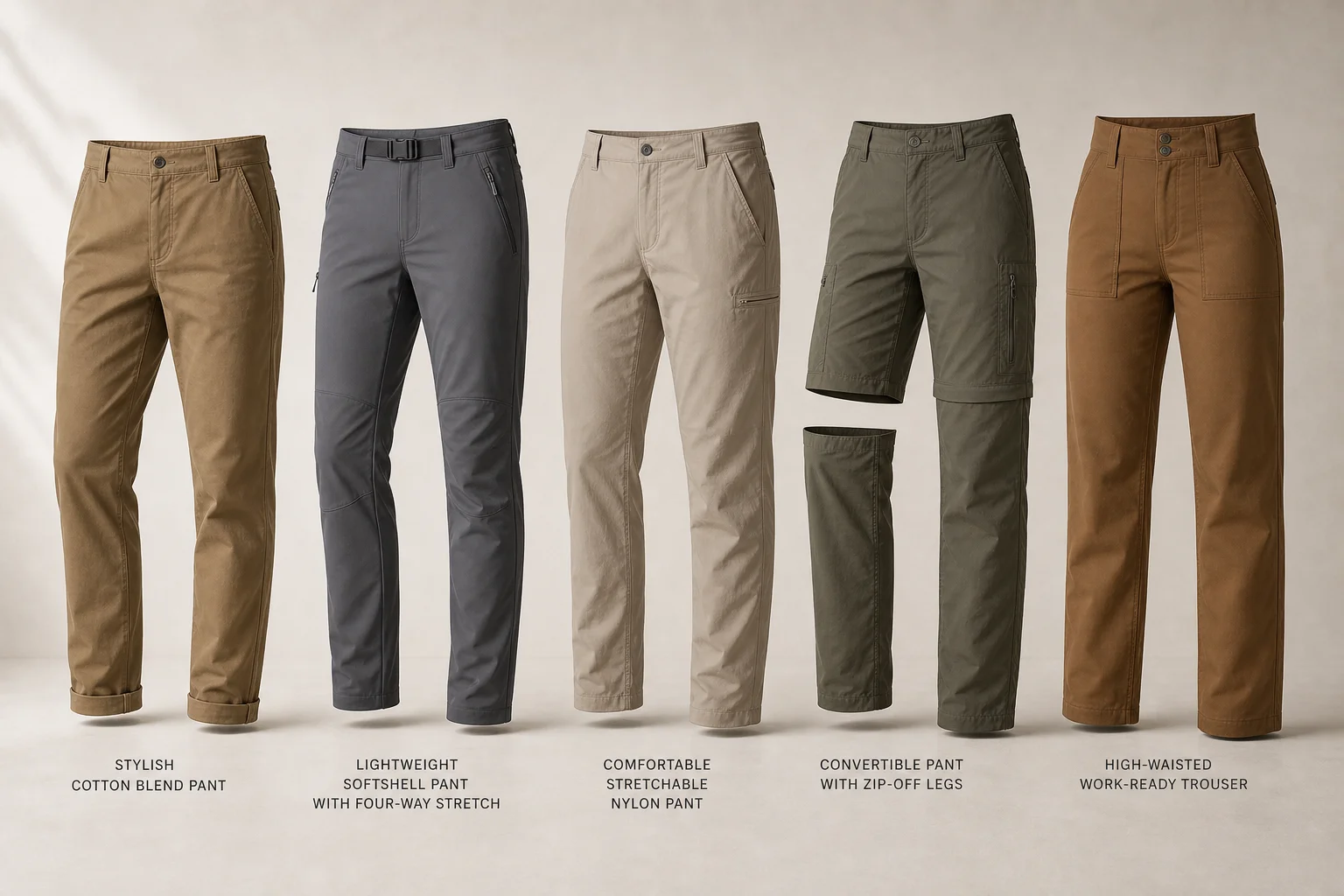
Hiking Gear
Best Hiking Pants on Amazon: Five Practical Options for Different Needs
A practical review of five hiking pants with clear strengths and trade-offs, from lightweight convertible styles to durable work-ready trousers.
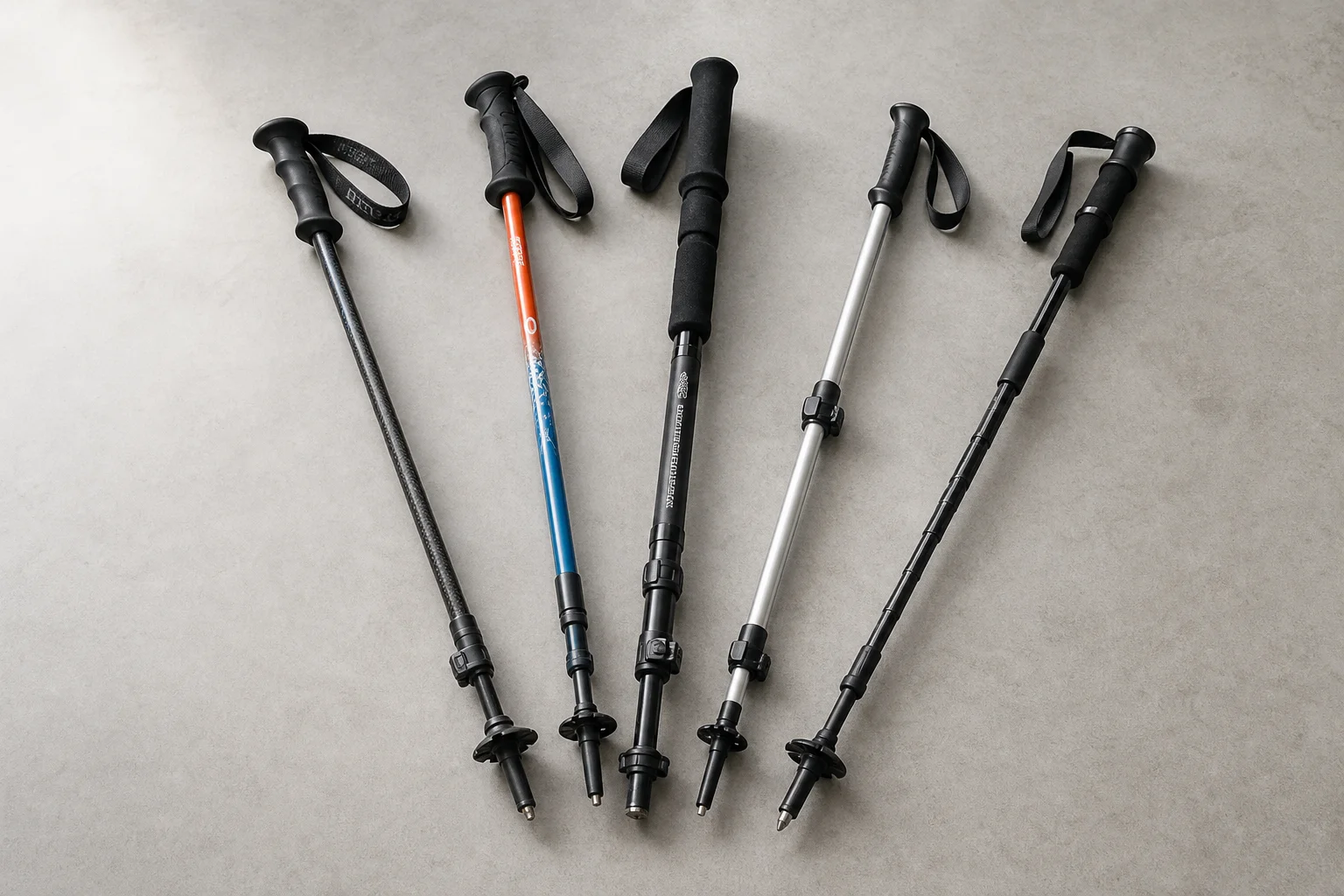
Hiking Gear
Best Hiking Poles 2026: Five Options for Different Trail Needs
A practical review of five hiking poles, from lightweight carbon designs to versatile all-terrain options, with clear strengths and trade-offs for each.
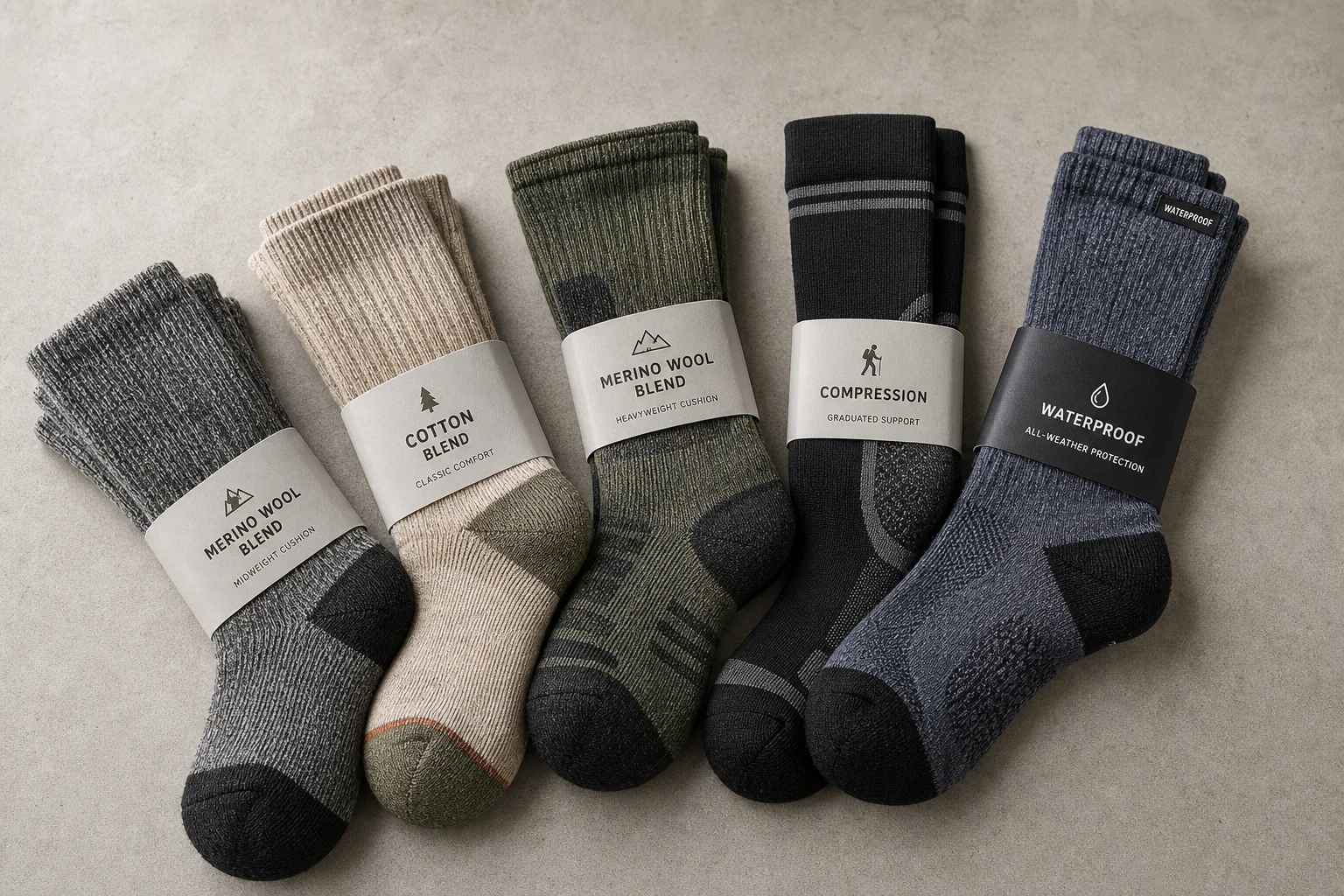
Hiking Gear
Best Hiking Socks 2026: Five Top Choices for Different Trail Needs
A practical roundup of five hiking socks, from lightweight merino options to heavy-duty compression styles, with clear guidance on which suits your outdoor activity.