Cycling Tech
Tour de France Tech Trends Worth Copying: Aero Wheels, Wide Tires and Pro Bike Choices
A practical look at the aero trends from this year's Tour de France, including deep-section wheels, wide tires, aero all-rounder bikes and the groupsets behind them.
Introduction
It is easy to see why so many riders copy professional setups. If a wheel, a tire width or a groupset helps the fastest riders in the sport, it seems reasonable to assume it will help everyone else too. This year’s Tour de France made the direction of travel unusually clear. Aerodynamics now come first, weight comes second, and a growing number of the upgrades on show are simple enough to apply to an ordinary road bike.
How This Year’s Racing Changed the Upgrade Conversation
The most striking detail is how little the leading riders worried about weight. The minimum weight limit for racing is 6.8 kg, and several race bikes finished well above it. The winning bike came in at 7.27 kg, while the two lightest leading machines were 6.7 kg and 6.8 kg. One sprinter rode a 7.6 kg aero bike through the entire race, including the mountain stages, rather than switching to a lighter frame for the climbs.
A gap of a few hundred grams clearly was not treated as decisive. Climbing speeds are now high enough that aerodynamic efficiency matters more than a small weight penalty, which is why deeper rims and aero frames keep appearing on summit finishes as well as on flat stages.
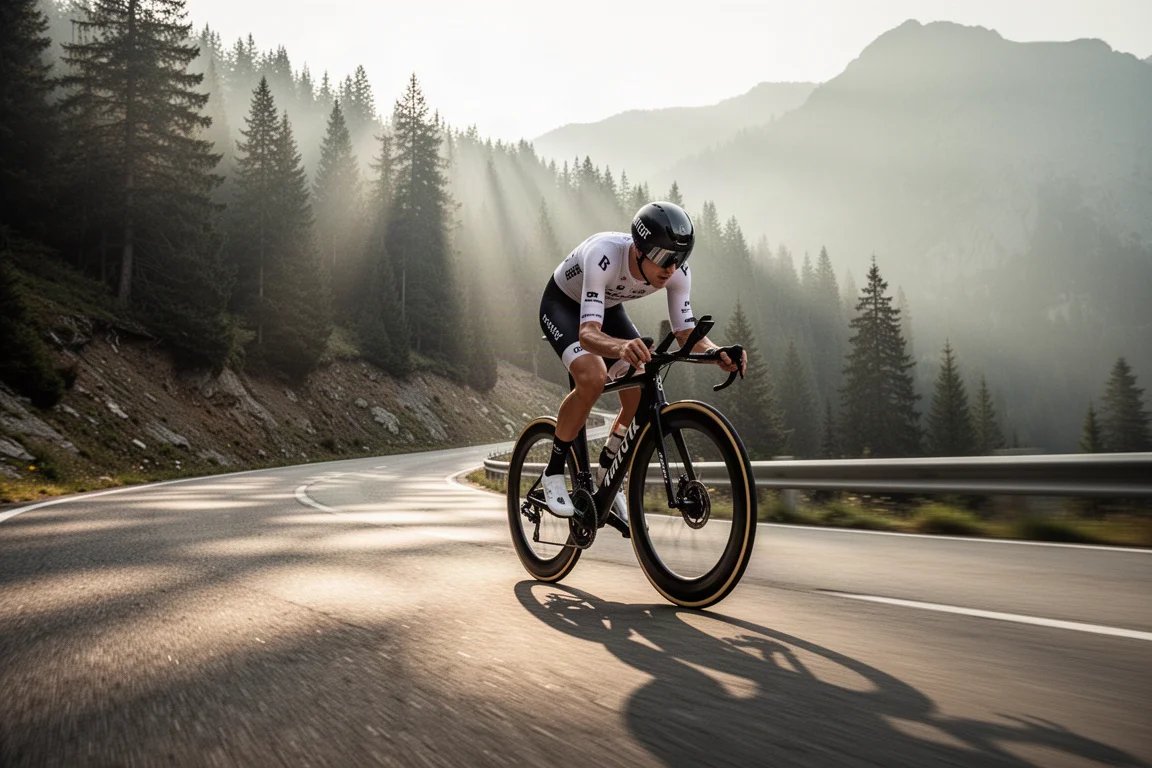
The practical conclusion for anyone shopping for upgrades is straightforward. Do not spend heavily chasing the last few grams on a saddle or a small component. Put that money into the parts that reduce drag, starting with an aero handlebar, because the rider and the front of the bike create far more resistance than a lightweight part ever saves.
Deep-Dish Aero Wheels: The Biggest Single Upgrade
The clearest single change this year was wheel choice. The overall winner used the same deep-section wheelset from start to finish, including every mountain stage. The traditional approach was to swap deep rims for shallower, lighter wheels once the road turned uphill, and at least one leading rival still does exactly that. Staying deep for the whole race signals that aerodynamic gains now outweigh a couple of hundred grams of extra rotating weight.
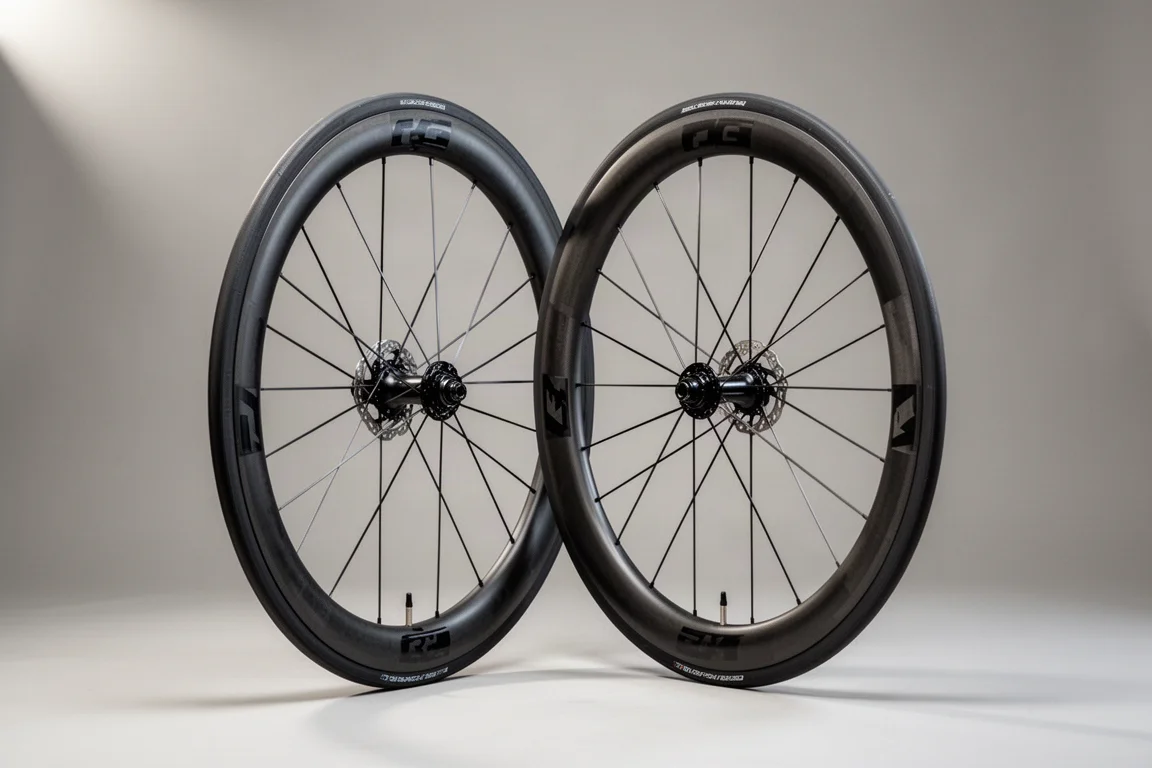
Enve SES 4.5
The Enve SES 4.5 is the deep-dish wheelset that stayed on the winning bike for the entire Tour de France. It captures the modern argument in one product: a deeper section that keeps working on climbs because the speeds are high enough for aerodynamics to dominate. Riders who want to go faster on rolling and mountainous terrain, rather than only on flat roads, are the natural audience.
Race Bikes: Aero All-Rounders Take Over
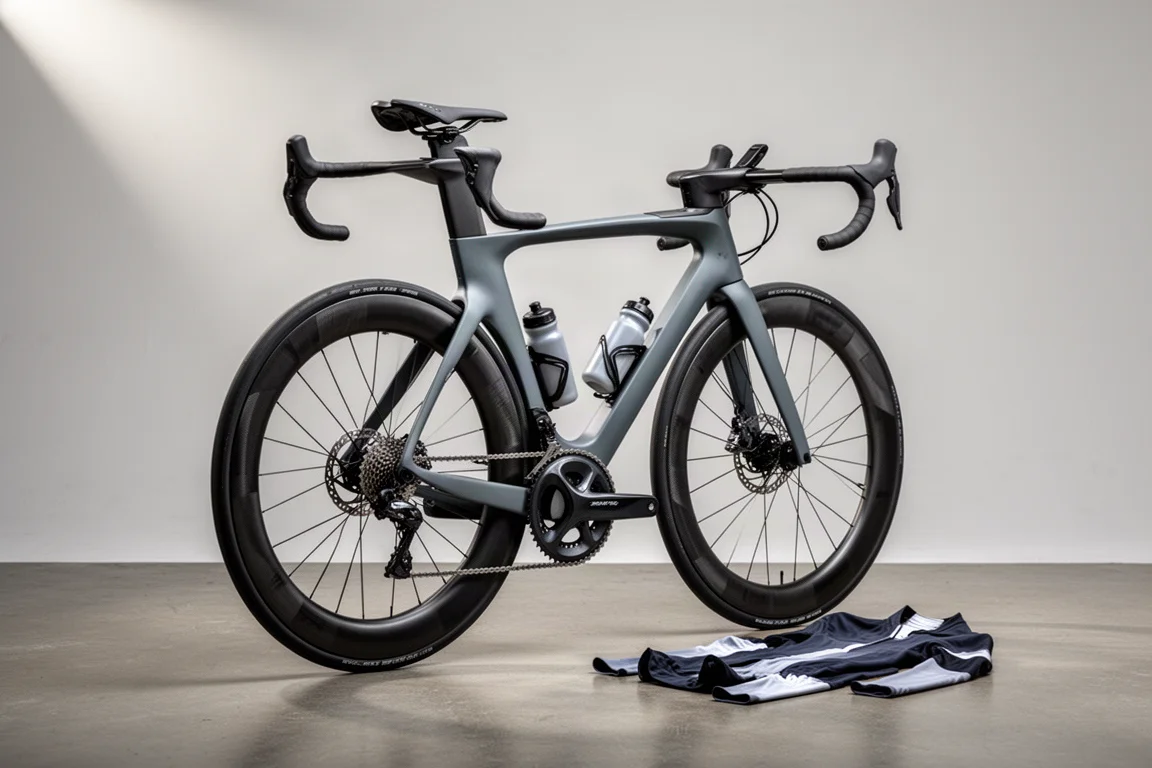
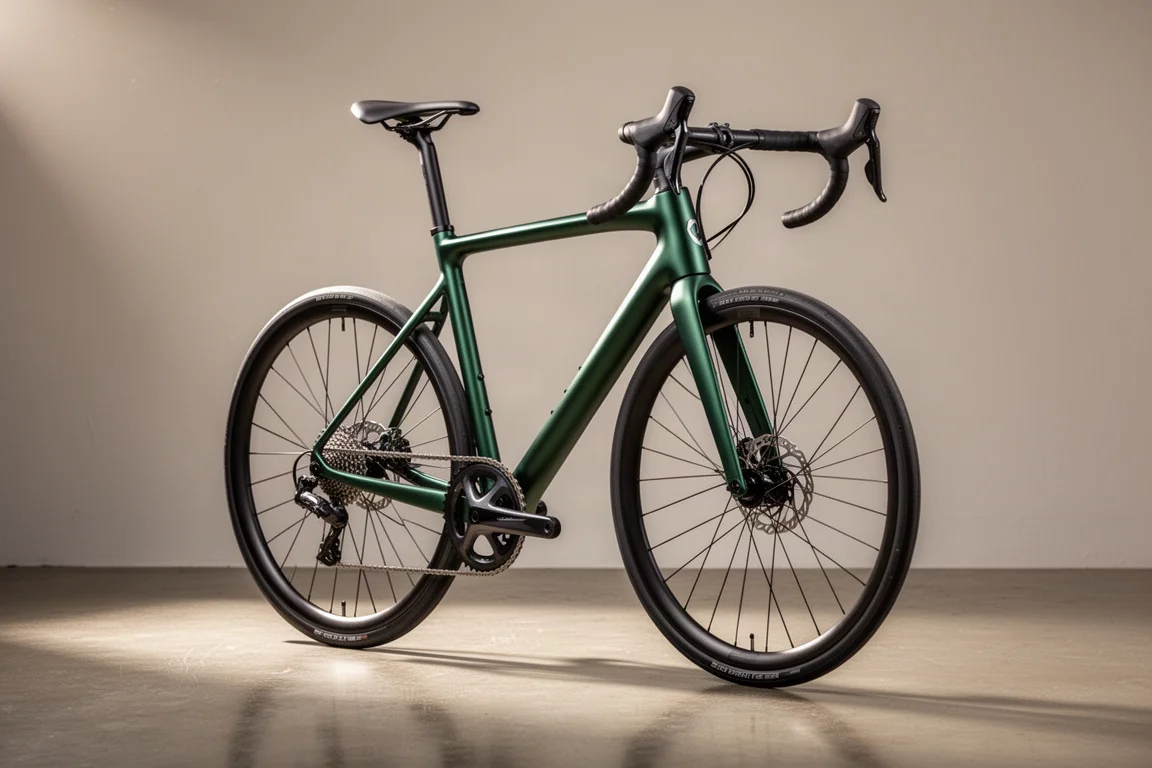
The days of keeping two bikes for different terrain look numbered. Nearly every rider used a single model for the whole race. Only one leading contender regularly swapped between an aero frame for flatter days and a lightweight frame for hillier days. Aero bikes have also closed the weight gap, with pure aero models now reaching weights that used to belong to lightweight climbing bikes, and several builds sitting comfortably below 7 kg.
Colnago V3RS
The Colnago V3RS is the bike that won the race at 7.27 kg. It is a useful reminder that a race-winning setup does not need to sit near the weight limit. Riders who value stability and aerodynamic performance across mixed terrain, rather than the lowest possible number on a scale, are the ones this approach suits.
Wilier Filante SLR
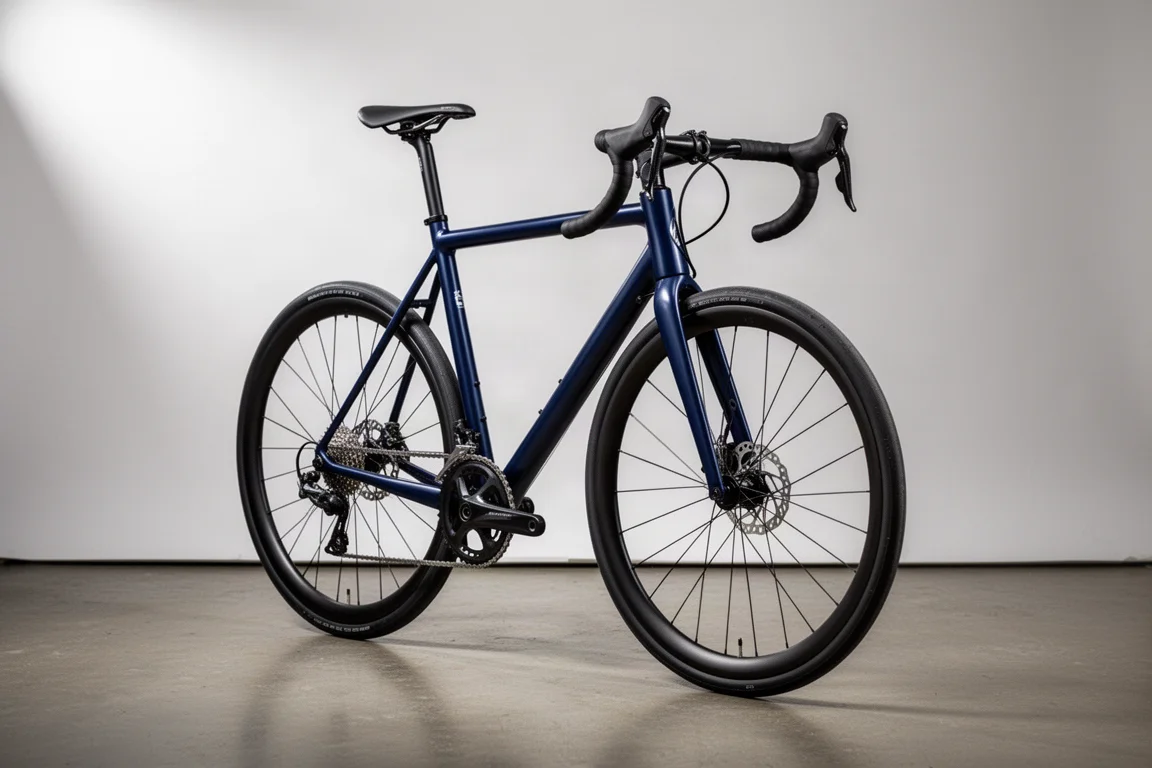
The Wilier Filante SLR is the aero bike a sprinter rode for the entire race at 7.6 kg, even on the hardest mountain days. A newer and lighter version of the same model exists, yet the aero frame stayed in use, which shows how comfortable teams have become with a single aero platform for every stage type.
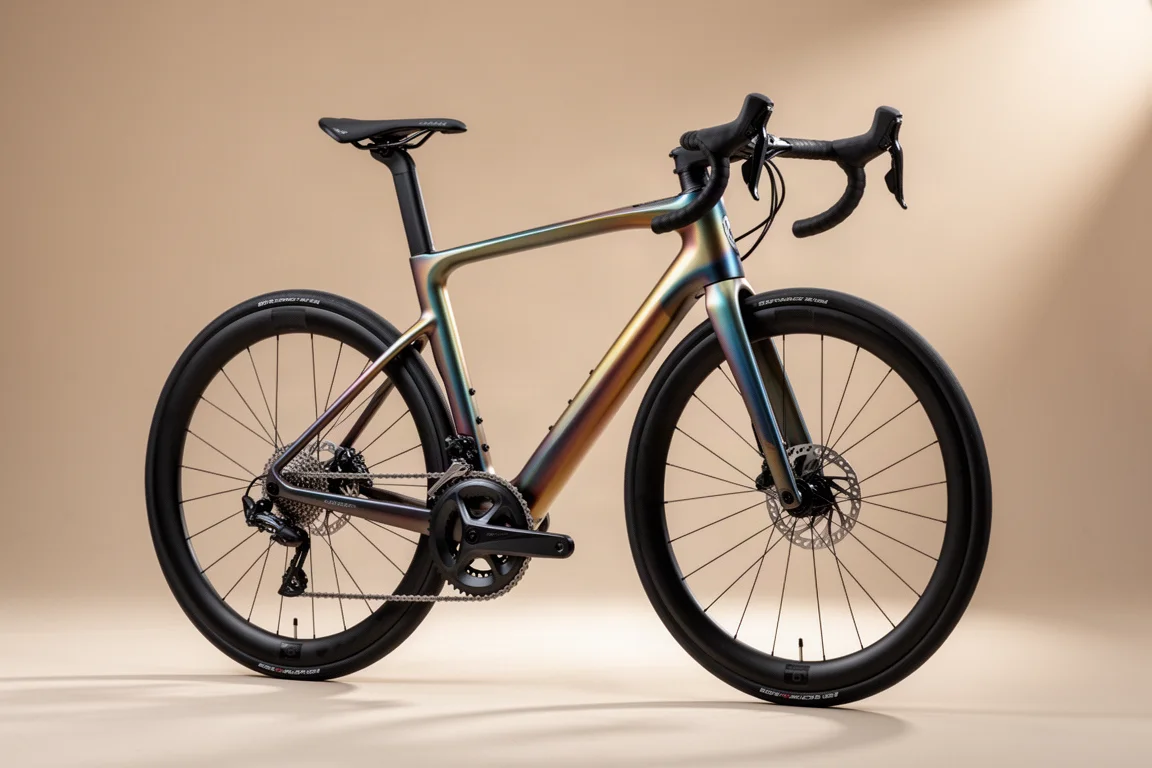
Cervélo S5
The Cervélo S5 is the aero option used on flatter stages by one of the very few top contenders who still switched bikes during the race. Choosing an aero frame for fast days and a lighter one for climbing days remains a valid strategy, just a less common one than it used to be.
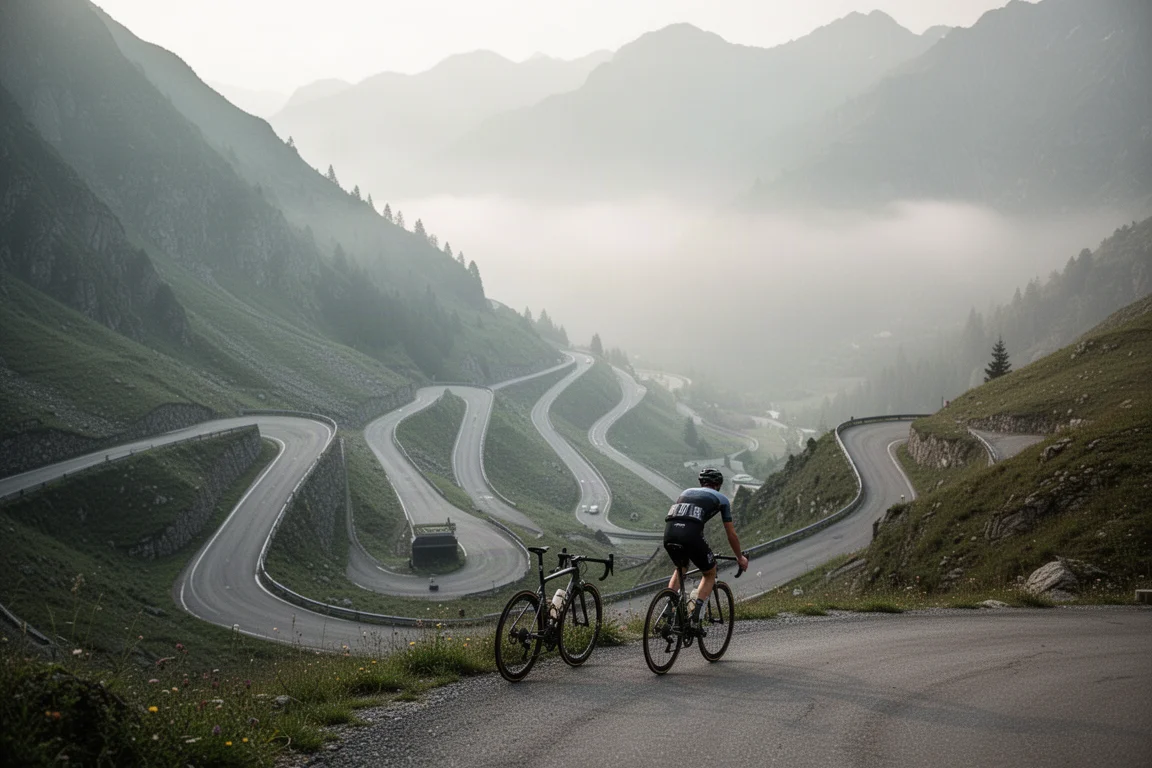
For most riders, this frame represents the pure aero end of the spectrum: prioritise drag reduction and accept a modest weight penalty.
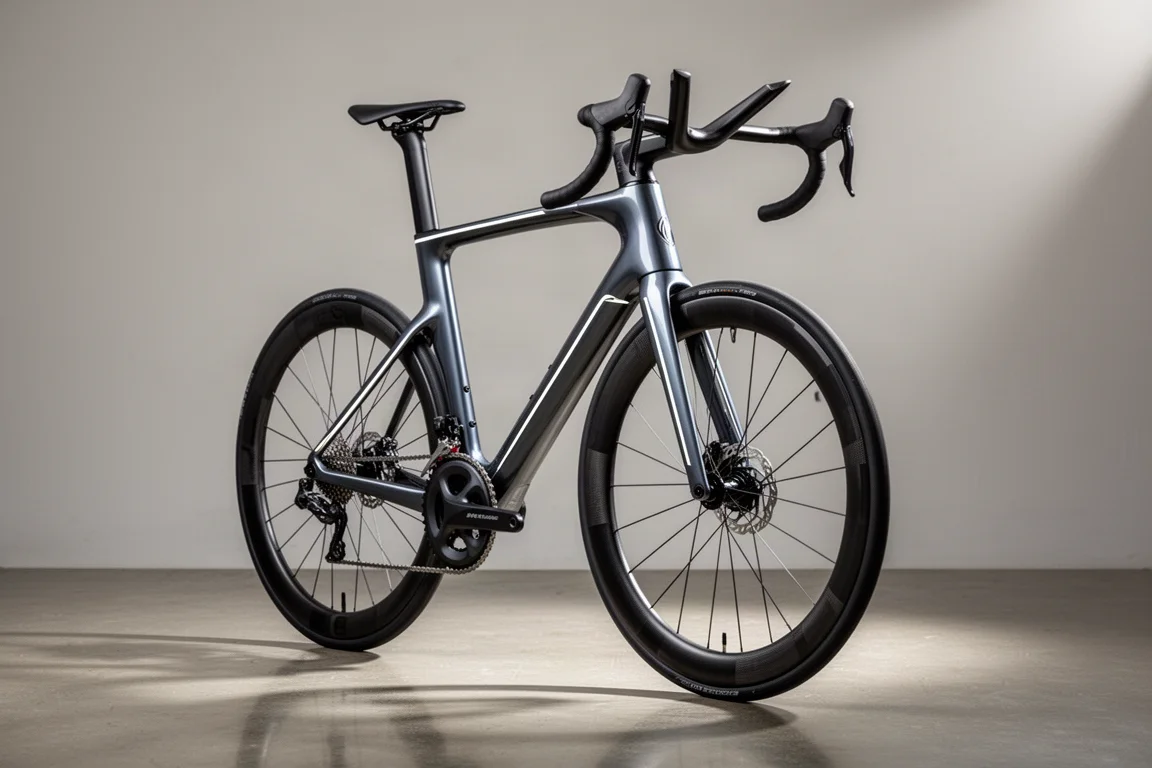
Cervélo R5
The Cervélo R5 is the lightweight counterpart, brought out for hillier stages by the same rider. It is the clearest remaining example of the classic two-bike approach at the sharp end of the race.
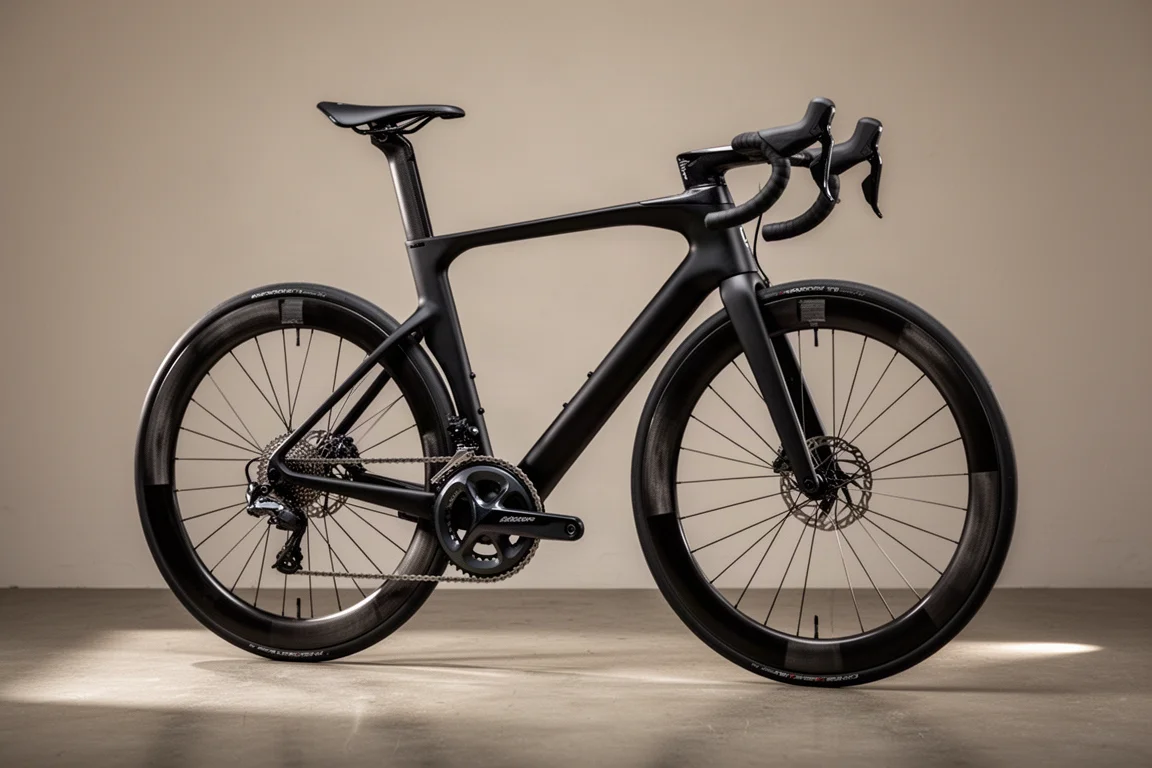
Canyon Aeroad
The Canyon Aeroad is the pure aero race bike ridden for the whole race by one of the sport’s most explosive riders. It underlines the point that a single aero machine can cover flat, rolling and climbing stages without a swap.
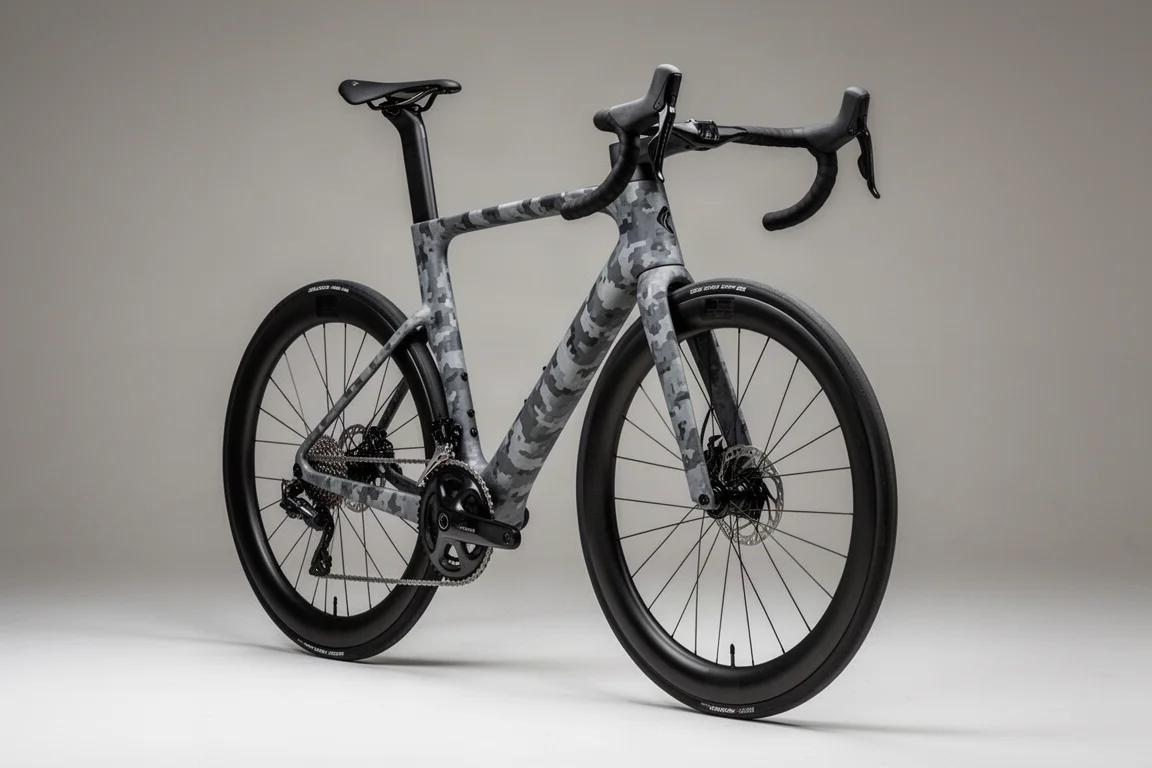
Specialized Tarmac SL8
The Specialized Tarmac SL8 is an aero lightweight all-rounder, the category that has quietly replaced both dedicated climbing bikes and pure aero bikes for many riders. It sits in the middle: aero shaping with a weight that stays competitive.
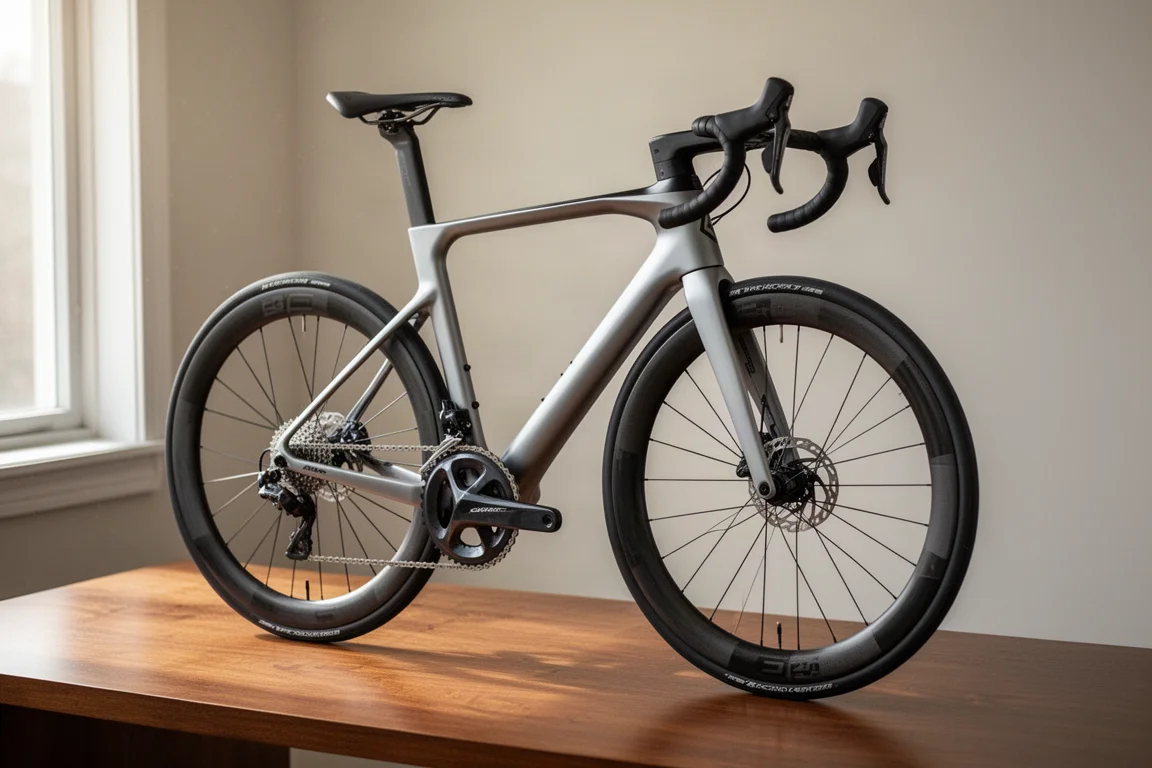
Giant Propel
The Giant Propel shows how far aero frames have come. A model once considered purely aerodynamic now reaches weights that used to be the preserve of lightweight bikes, with builds sitting easily below 7 kg.
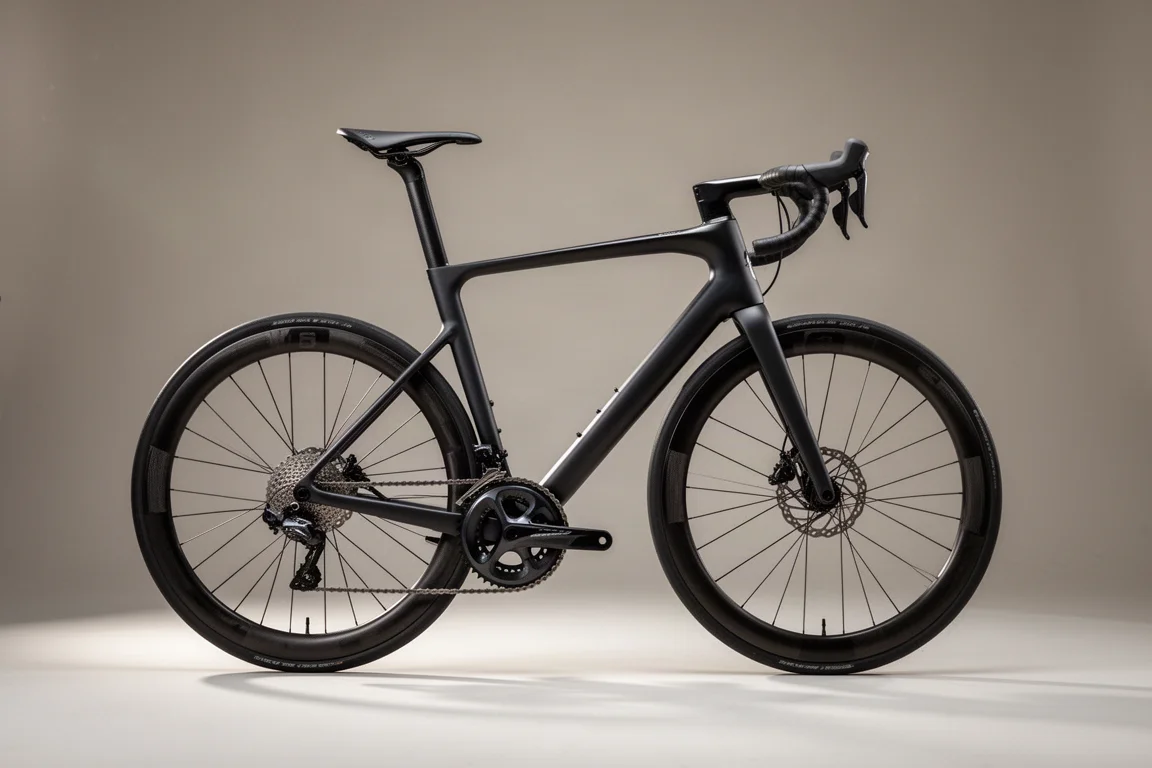
Trek Madone SLR
The Trek Madone SLR is a new lightweight aero all-rounder, and the team racing it has adopted aero bottles across the line-up. The brand claims those bottles save a few watts compared with a round bottle, which makes them one of the least expensive aero upgrades in this list.
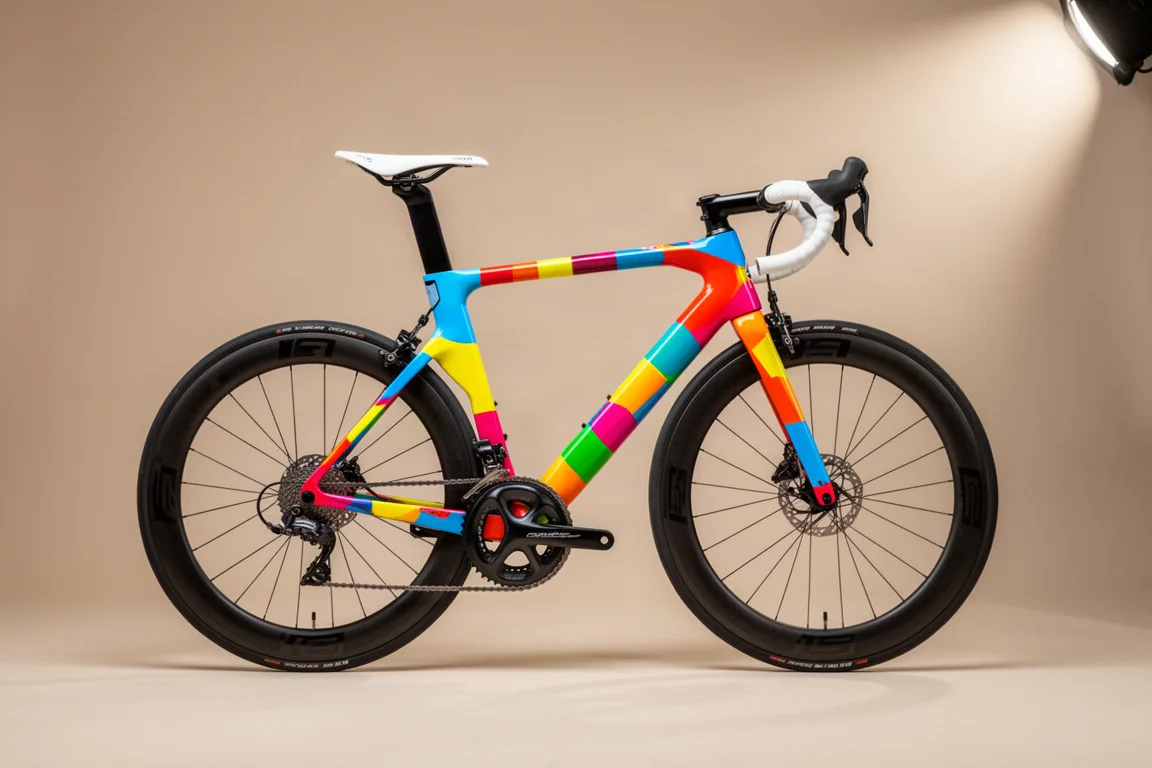
Cannondale SuperSix Evo
The Cannondale SuperSix Evo introduced new aero bottles and cages when it launched, bringing time trial style hydration to road racing. It is a good example of how aero thinking has spread from frames and wheels into small, affordable accessories.
Drivetrains and Gearing: 2x Holds While Ratios Grow
Single-chainring drivetrains have been discussed for road bikes for years, and most of the peloton still runs 2x. One leading rider did use a 1x drivetrain for several stages, including big mountain days, made possible by a 12-speed groupset and a wide-range cassette with a 10-36 spread. The component brand states that the choice belongs to riders and teams rather than being pushed by the manufacturer, and its newest flagship groupset is built around 2x. So 1x is worth watching, not copying yet.
Gearing has grown at both ends. Chainrings of 54, 55 and even 56 teeth are now common on flat stages, and cassettes have expanded too, from the long-standing 11-30 to 11-34.
SRAM Red
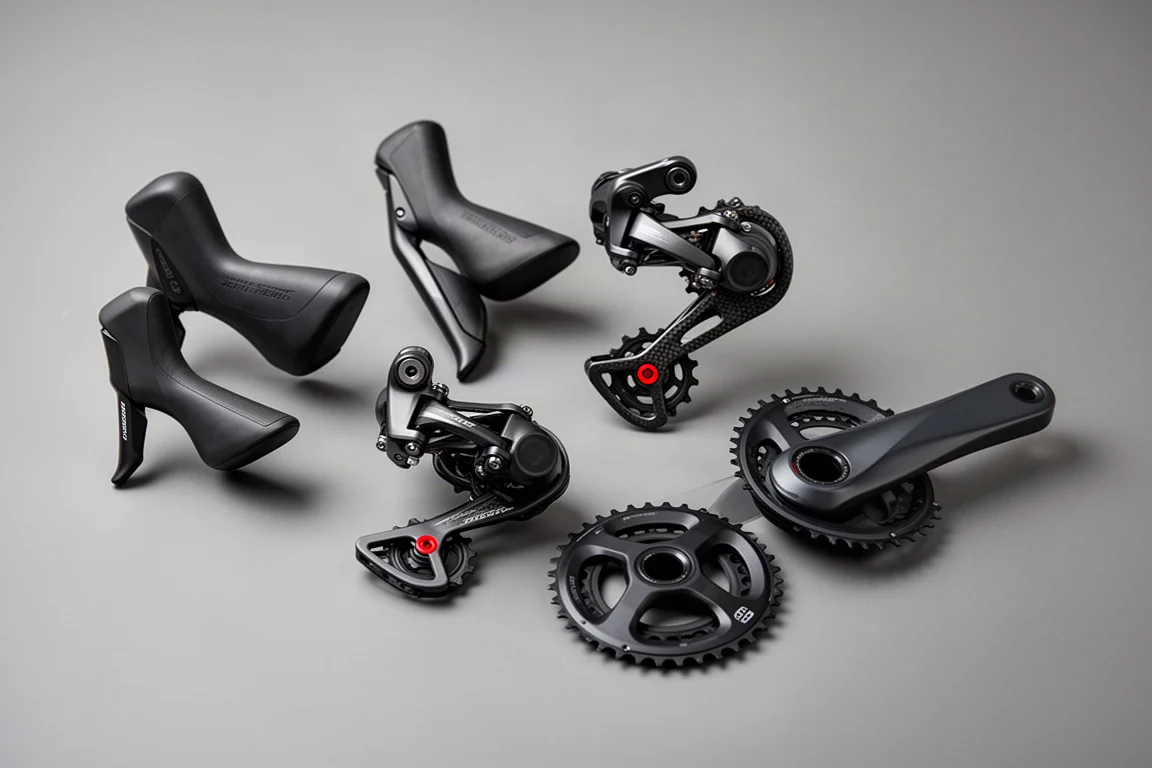
The SRAM Red is the brand’s newest flagship road groupset, and it is built around a 2x setup. The same brand’s wide-range cassettes, including a common 10-36 option, are what make single-chainring setups viable on hard mountain stages. Riders who want a modern electronic 2x groupset with a broad gear range are the natural audience.
Shimano Dura-Ace Di2
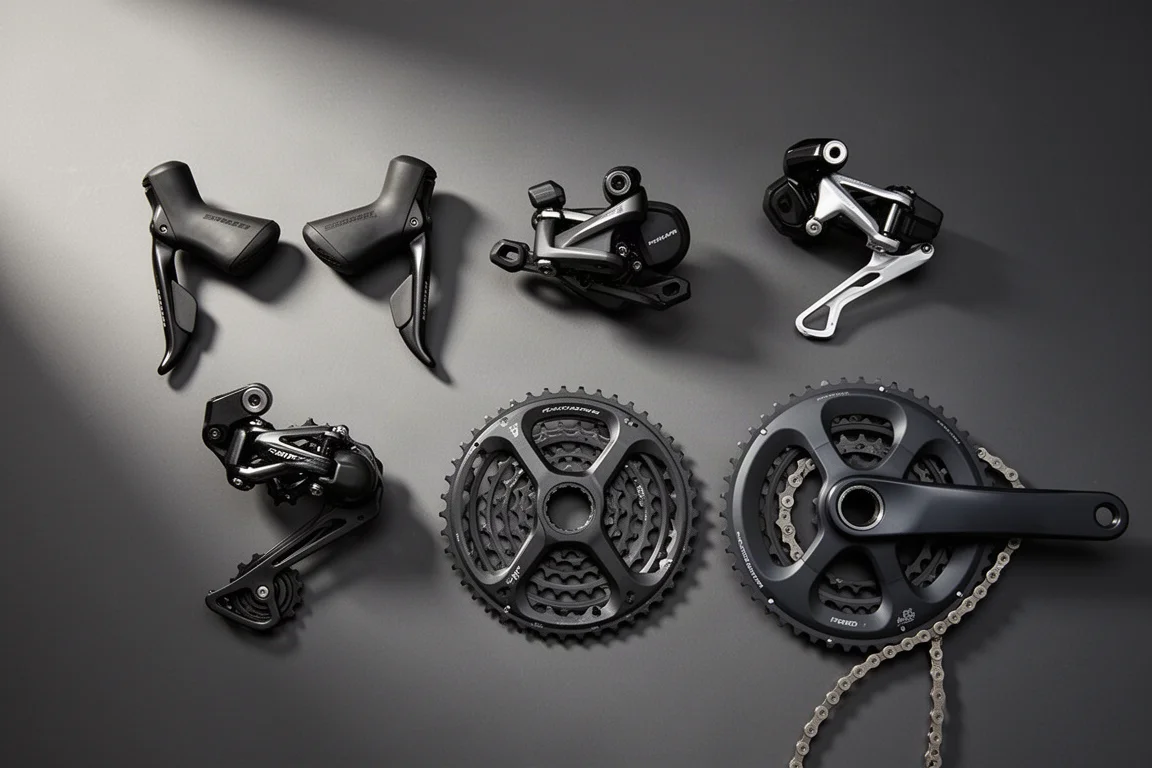
The Shimano Dura-Ace Di2 range now includes an 11-34 cassette as its largest option, a ratio that would have looked like a sportive choice only a few years ago. With 11-30 long established as standard, the trend is clearly toward wider range rather than taller gearing alone.
Wide Tires and Tubeless
Tire width has moved decisively. Almost every rider now races on 28 mm rubber, a long way from the 23 mm tires of the past. Wider tires roll faster and improve grip, which helps explain the high speeds on show. Tubeless has been widely adopted alongside them and reduces the risk of punctures, and flats were notably rare even on the demanding gravel stage.
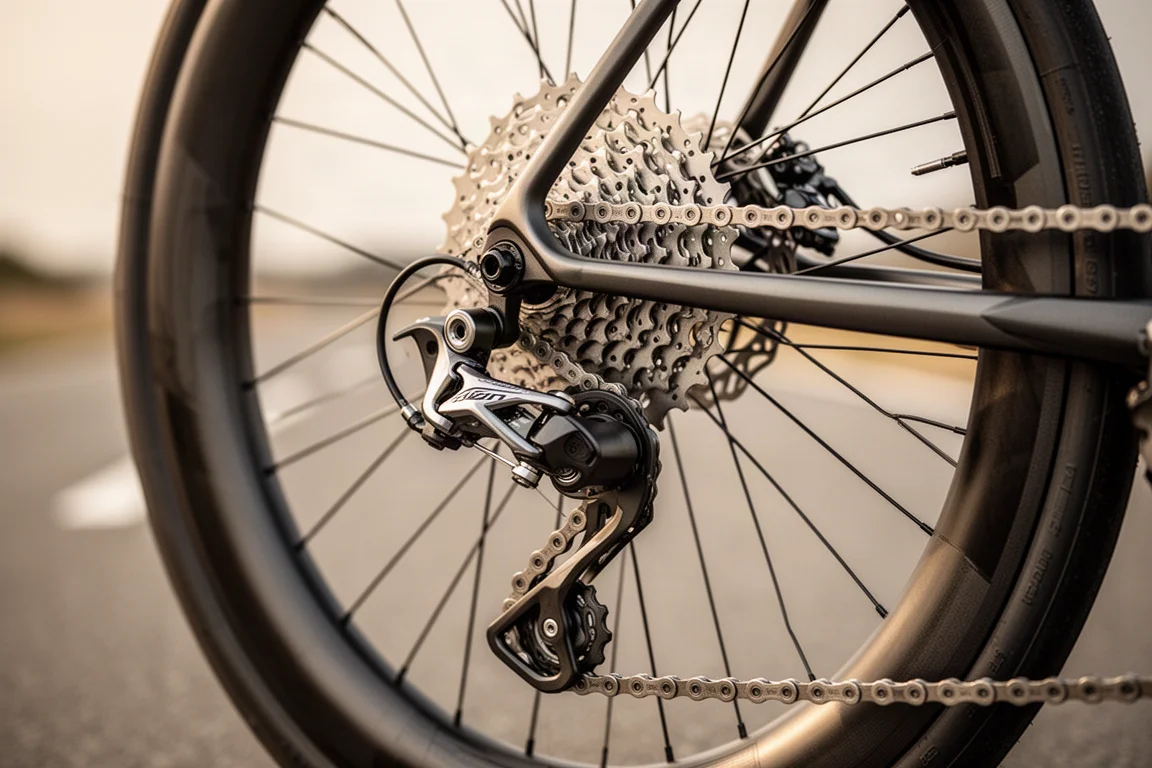
Hookless rims remain a talking point, but the race was won on hookless wheels, which is a strong practical endorsement. If a frame and wheelset accept wider tires, moving up in width is one of the cheapest ways to find speed.
Kit and Contact Points: Skin Suits, Aero Socks, Shoe Covers and Bottles
Clothing matters because the body accounts for roughly 80 percent of the drag on a bike. Skin suits have become practical for long stages, with pockets for food and gels, comfortable construction, and fabrics shaped to manage airflow around the shoulders and arms. They do make mid-ride toilet stops more awkward.
Aero socks are used by nearly all professionals, with trip lines and textured fabric designed to save watts. They can also be extraordinarily expensive, with one rider’s pair reportedly costing around £1,000.
Aero shoe covers are another time trial item moving into road racing. The dials on modern shoes are not especially aerodynamic, and covering them smooths the profile. Wind tunnel work supports the idea that exposed dials cost drag.
Aero bottles, once reserved for time trial bikes, now appear on road stages, and brands claim they save a few watts over a round bottle. That makes them one of the least expensive aero gains available.
Which Upgrades Are Worth Copying
If the goal is more speed for the money, start with aerodynamics. A deeper wheelset and an aero handlebar change how the bike moves through the air, and wider tires are a low-cost improvement wherever the frame allows them.
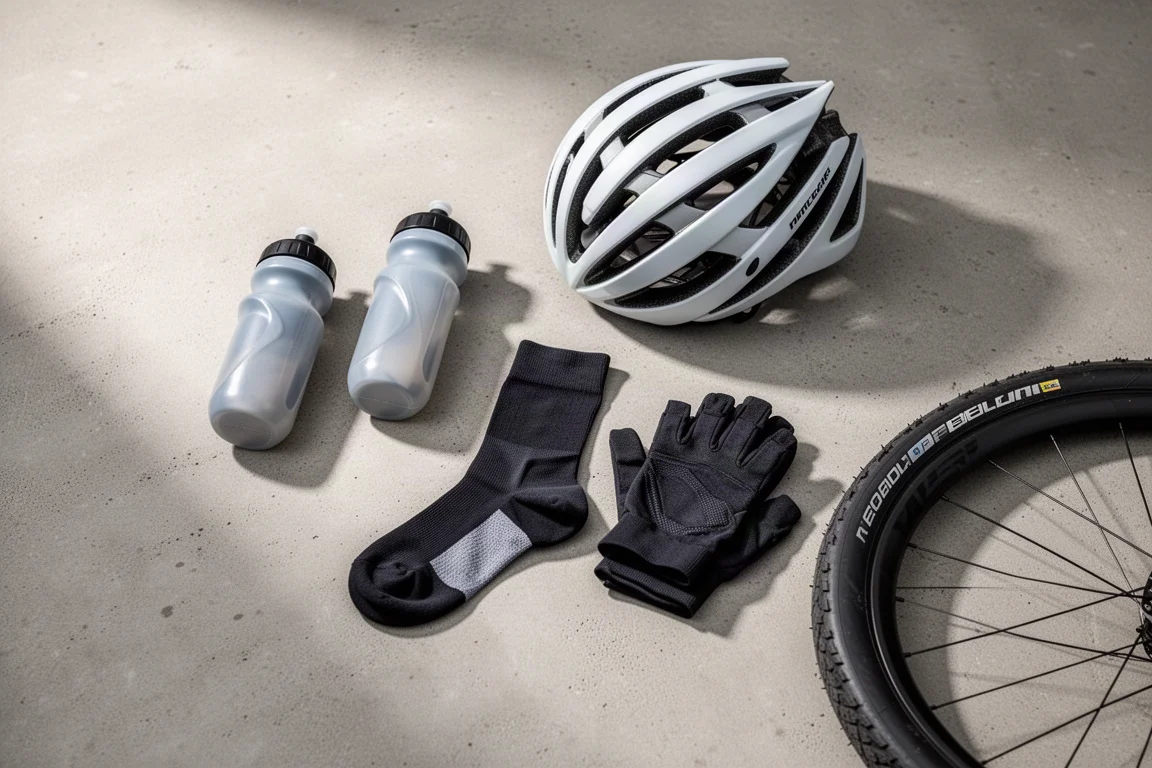
Aero bottles are cheap watts and easy to try. Clothing is the next step: a well-made skin suit or a set of aero socks can help, though the very expensive options are hard to justify outside racing.
Weight should come last. The evidence from this year’s racing is that a few hundred grams rarely decides anything, so a costly ultra-light saddle or similar part is a poor place to spend.
Conclusion
The pattern is consistent. Aero comes first, wide tires are now standard, and one versatile aero bike covers terrain that once required two. Deep-section wheels, an aero handlebar and a set of aero bottles are realistic upgrades for most riders, and they line up with what the fastest riders actually chose. Weight can wait.
Further reading
Related Reviews
Cycling Tech
Best Cycling Tech: Nine Standout Products Worth Considering
Nine pieces of cycling kit that earned their place through long-term use, from a keenly priced World Tour race bike to a multi-tool that has survived two years of hard riding.
Cycling Tech
Best Pro Peloton Bikes and Components 2023: 8 Standout Upgrades
A roundup of the most technically interesting pro peloton bikes and components for 2023, from the Cannondale SuperSix EVO to Shimano Dura-Ace and Continental GP5000 S TR tires.
Cycling Tech
Bike Tech Roundup: Five Standout Upgrades Worth a Closer Look
A four-season tubeless tire, a featherweight climbing wheelset, a hangar-free drivetrain and two pairs of gravel shoes, assessed on the details that matter.