Tool Storage
ToughBuilt vs Milwaukee PACKOUT: Which Modular Tool Storage System Fits Your Workflow?
A side-by-side look at two modular storage systems, covering locking, size, drawers, customization, and everyday job-site practicality.
Introduction
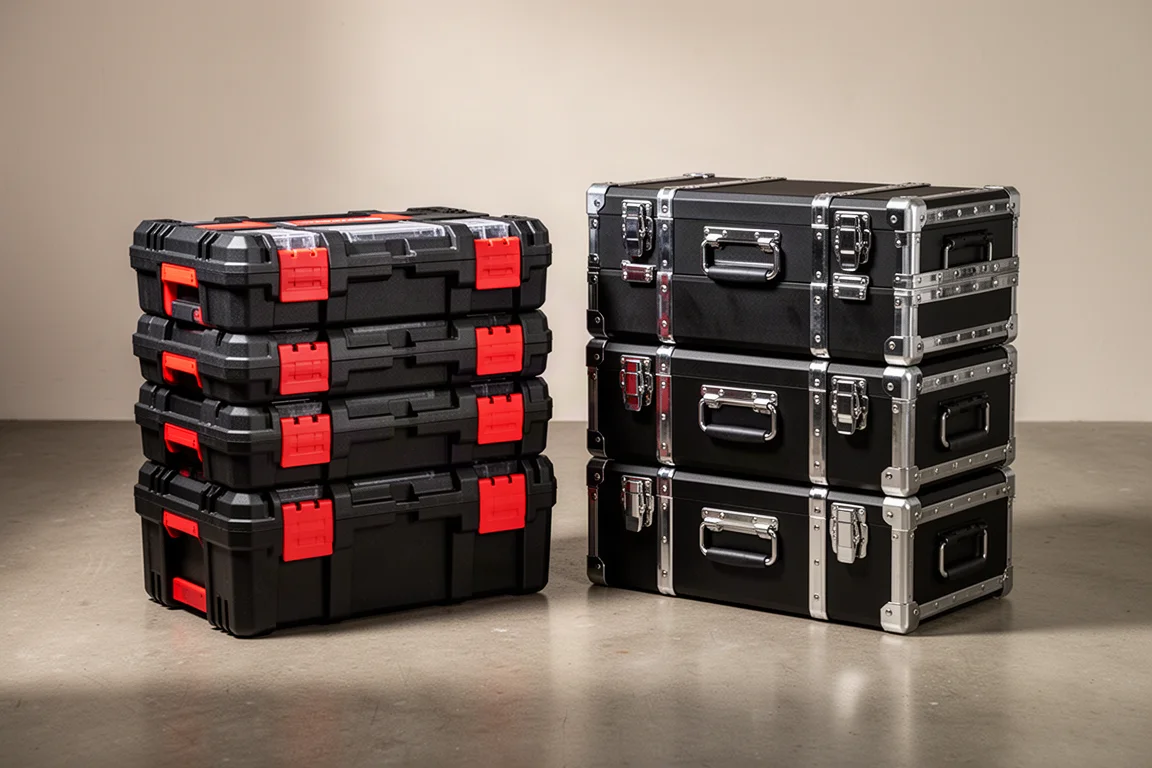
Modular tool storage has quietly become one of the most satisfying upgrades a serious DIYer or contractor can make. Two systems dominate most conversations right now: ToughBuilt’s storage system and Milwaukee PACKOUT. Both are rugged, stackable, and built around the idea that your tools should go where you go without turning into a jumbled pile. But they are not interchangeable, and the differences matter more than most people expect.
Why Organization Matters More Than Brand
One of the biggest arguments for committing to a modular system is not the box itself but what it does to your workflow. Instead of digging through a bin for twenty minutes and eventually buying a duplicate screwdriver, everything has a drawer, a label, and a place. That is the real promise here: a method, not just a box.
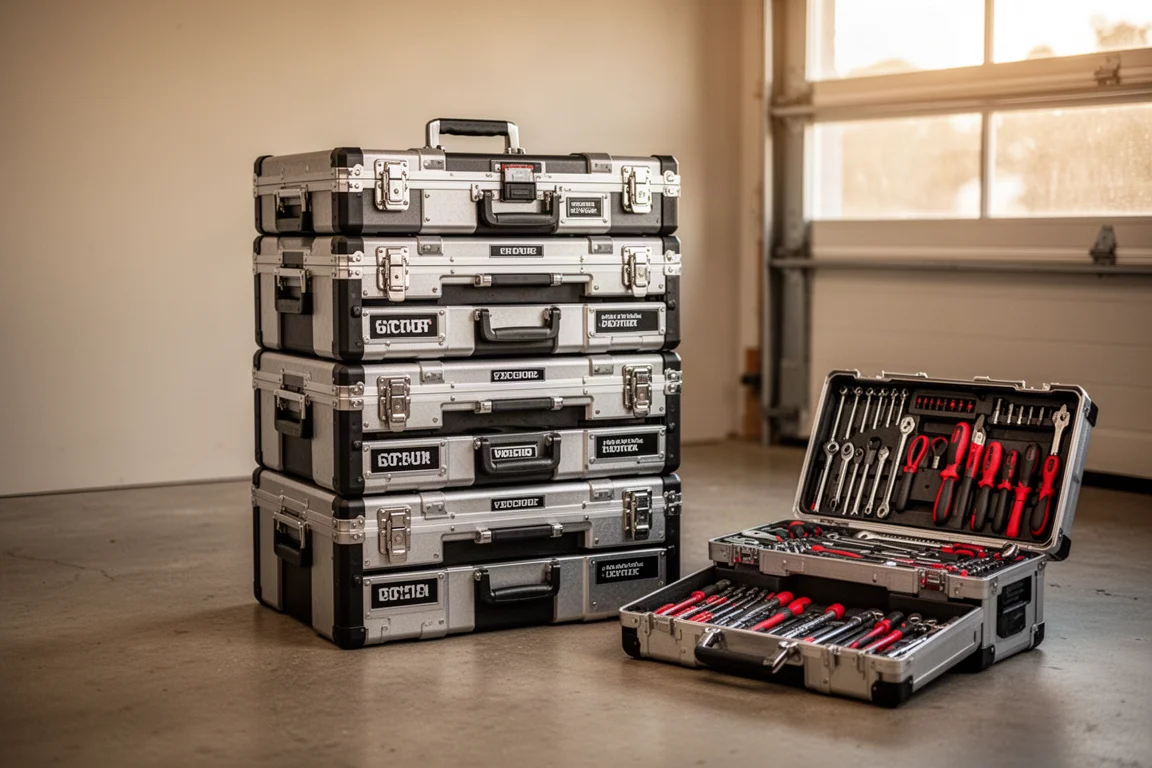
That said, brand loyalty runs deep. Milwaukee effectively redefined this category and took it to the next level, pairing with Keter to create a system that clicks together in one motion. ToughBuilt, meanwhile, is the newer challenger with ideas that genuinely feel fresh. Understanding both helps you pick the system that matches how you actually work.
ToughBuilt Storage System
The ToughBuilt system wins on several practical fronts. First, the boxes are bigger. Not dramatically so, but enough to hold that little bit of extra gear that never quite fits. Second, and more impressively, the locking mechanism is excellent: a single large latch drops into place and self-guides itself. No rocking back and forth, no fiddling. When boxes are heavy and you are in an awkward position at the back of a truck, that simplicity really pays off.
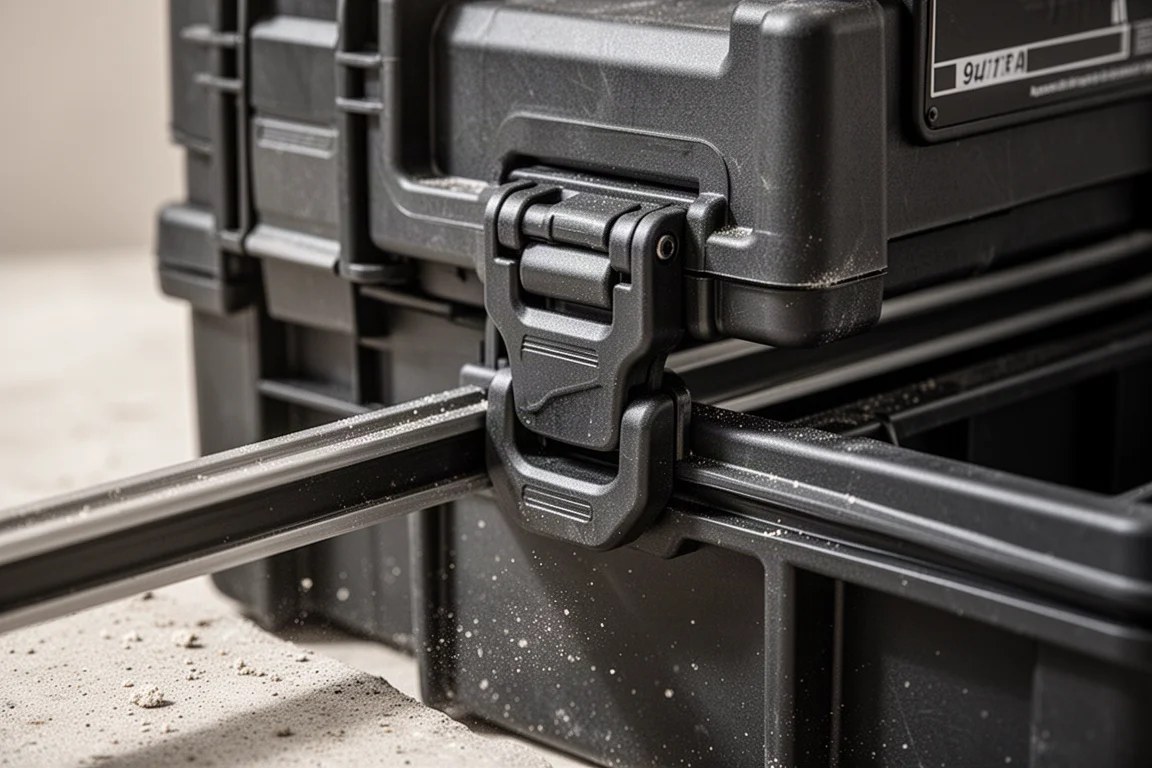
ToughBuilt boxes also lock in either direction, which is handy when running them on a cart, and there is far more space on the front for labels. The metal corners include slat-style attachment points that accept accessories like a paper towel holder, a level holder, and bag mounts, which makes the system unusually customizable. The line also includes crates and smooth-closing drawers with a big side lock that simply comes down. Add IP65 weather resistance and a solid, locked-in feel that flexes far less when loaded into a truck bed, and there is a lot to like.
Milwaukee PACKOUT
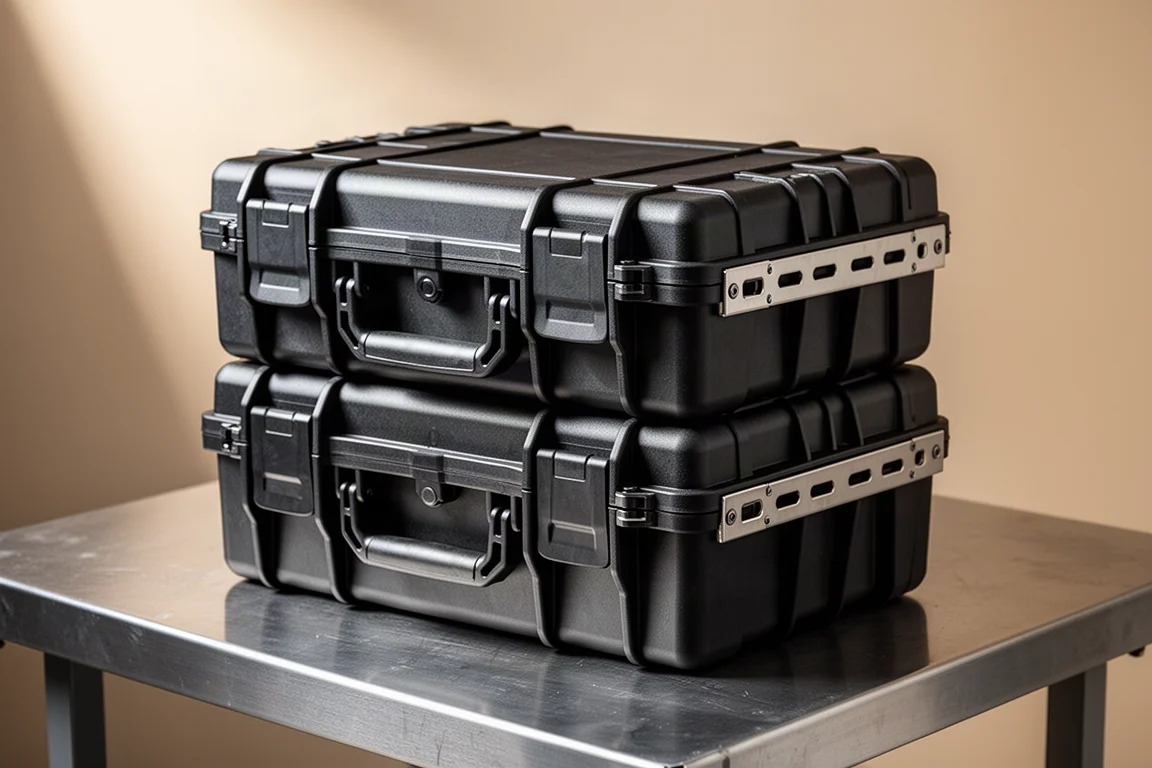
Milwaukee invented the modern modular storage space and still sets the pace. The system clicks together with one motion, the side and front handle options make carrying flexible, and the accessory ecosystem is simply enormous: vacuums, lights, and all sorts of unique pieces that click right into the stack. If customization breadth is the goal, nothing else comes close.
The trade-offs are real, though. PACKOUT boxes are bulkier and heavier to haul into a job site when fully loaded, the locking action requires more rocking into place, and the drawer locks pull up rather than dropping down. Some of the accessories add handles on the sides and front that not everyone loves. Still, the sheer variety of box styles and add-ons means you can build almost any configuration you can imagine.

Strengths and Trade-offs Compared
Neither system is simply better; it depends on what you need it for. ToughBuilt offers bigger boxes, a better one-latch lock, more label space, and clever corner attachment points, and it can often be found a bit less expensive, though you have to hunt for it at Lowe’s, Amazon, or the company’s own site. Milwaukee is everywhere, frequently on sale, and backed by the largest accessory ecosystem in the category, including a vacuum and lights that ToughBuilt cannot yet match.
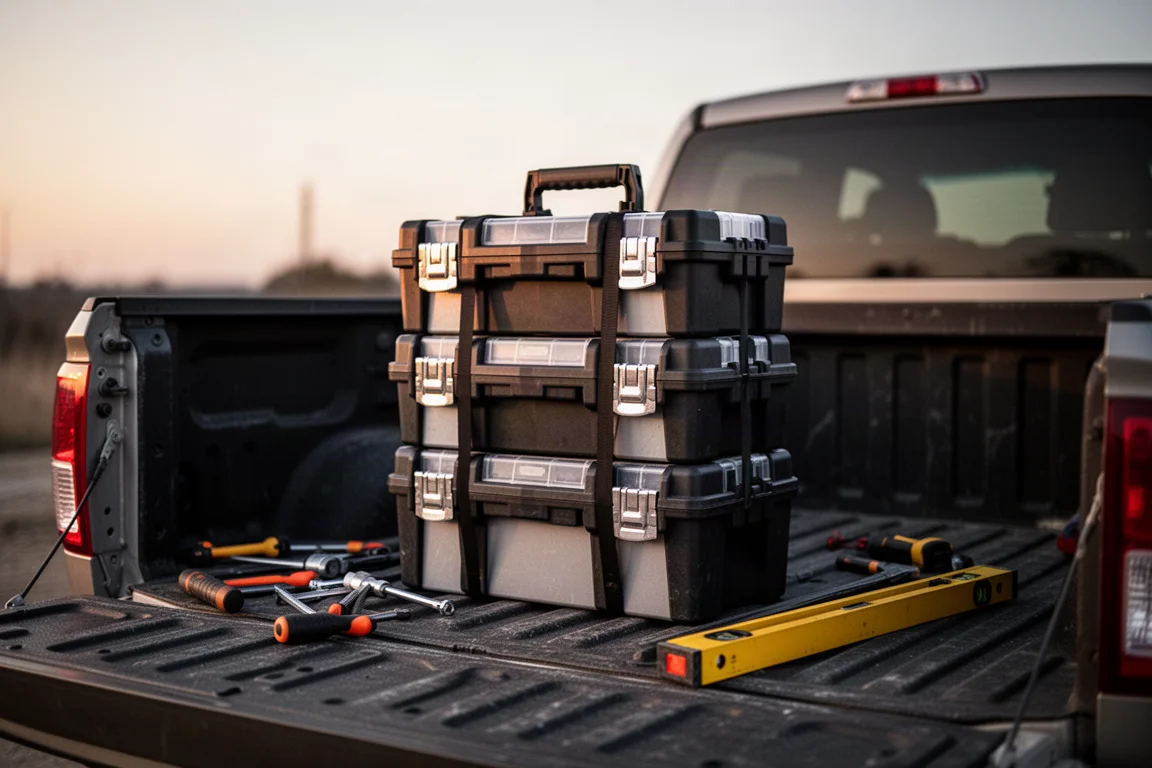
There is also a flexibility-versus-solidity question. The PACKOUT stack has a bit more flex to it, which is not necessarily a flaw, while the ToughBuilt stack feels more solidly locked in, especially when secured in a truck bed. If you value fewer trips with more gear, ToughBuilt’s bulk stops mattering.
Which System Should You Buy?
If you want the broadest ecosystem, the most box styles, and accessories like lights and vacuums, Milwaukee PACKOUT remains the safe and satisfying choice. If you value bigger boxes, a faster one-latch lock, smoother drawers, and unique customization points, ToughBuilt is genuinely compelling and could dominate as its lineup expands. Many people end up loving both for different reasons.
Conclusion
Both systems have real strengths and weaknesses. Milwaukee PACKOUT brings maturity, variety, and an unmatched accessory range. ToughBuilt brings bigger boxes, smarter locking, and fresh ideas backed by an American company. Pick based on how you work, not on which logo is louder.
Further reading
Related Reviews

Tool Storage
Hilti ProKit Modular Storage System Review: A Sturdy, Stackable Tool Storage Solution
The Hilti ProKit modular storage system offers durable cases, a heavy-duty trolley, and a simple nesting latch design for professionals who need reliable tool organization.
Tool Storage
Atlas 46 Tool Rolls: Yorktown Mini and the Leather Classic Compared
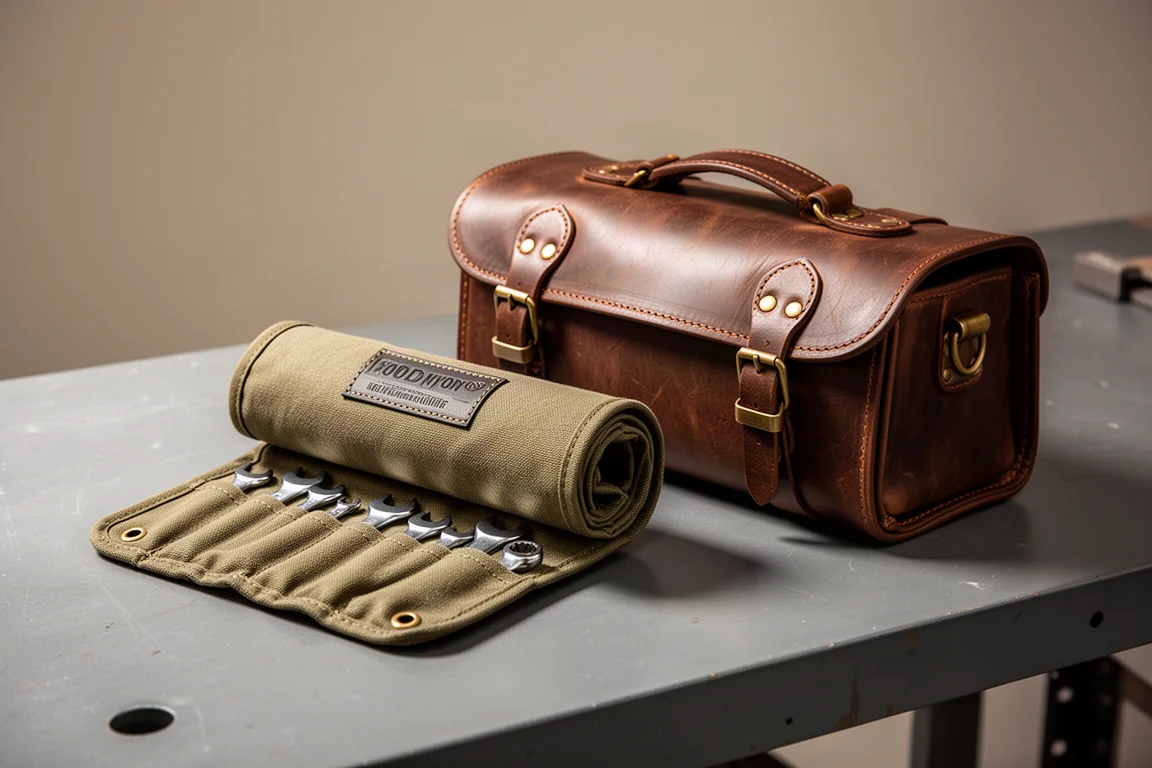
Two tool rolls from Atlas 46 for different mindsets: a compact mini roll built for vehicle-based kits, and a heavy leather version for those who appreciate old-world craftsmanship.
Tool Storage
Atlas 46 vs Bucket Boss Tool Roll: Two Ways to Roll Your Tools
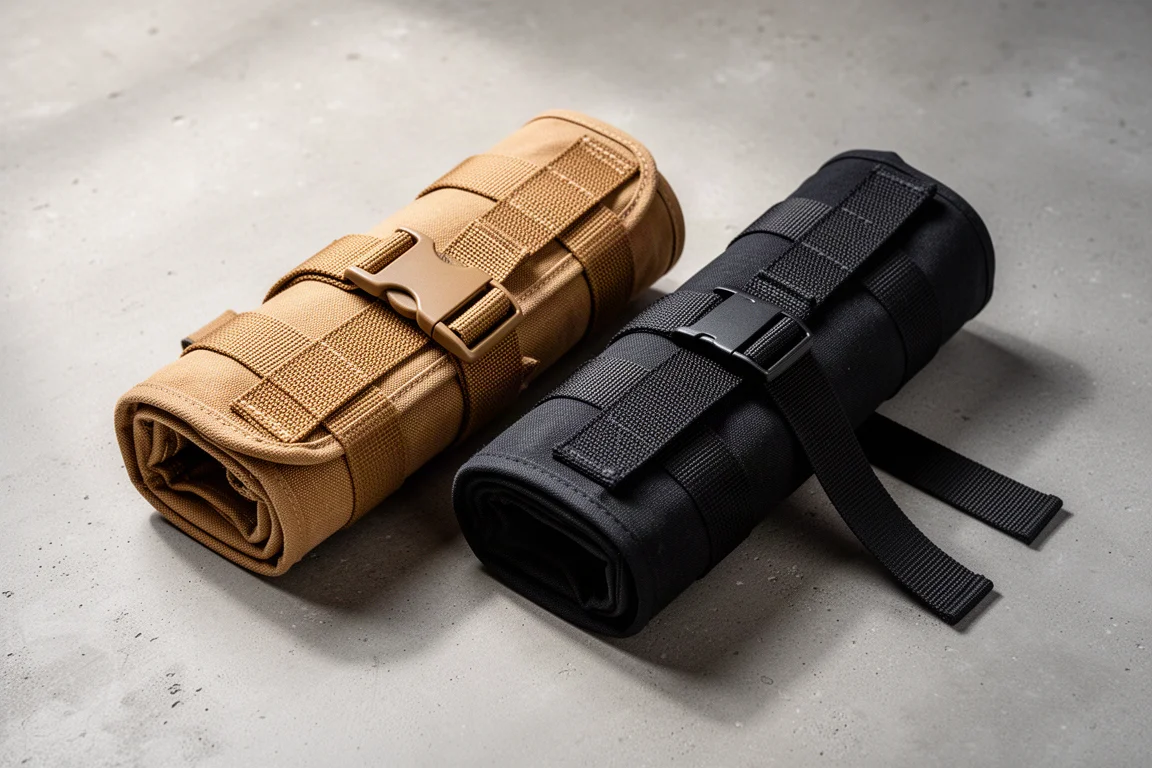
A first-impressions comparison of a premium American-made tool roll and a budget-friendly alternative, covering fabric quality, stitching, zipper layout, and storage design.