Kitchen Knives
Top 7 Japanese Kitchen Knives to Add to Your Collection
Seven standout Japanese knives spanning gyuto, santoku, nakiri, yanagiba, and sujihiki shapes, from beginner-friendly carbon steel to hand-folded damascus.
Introduction
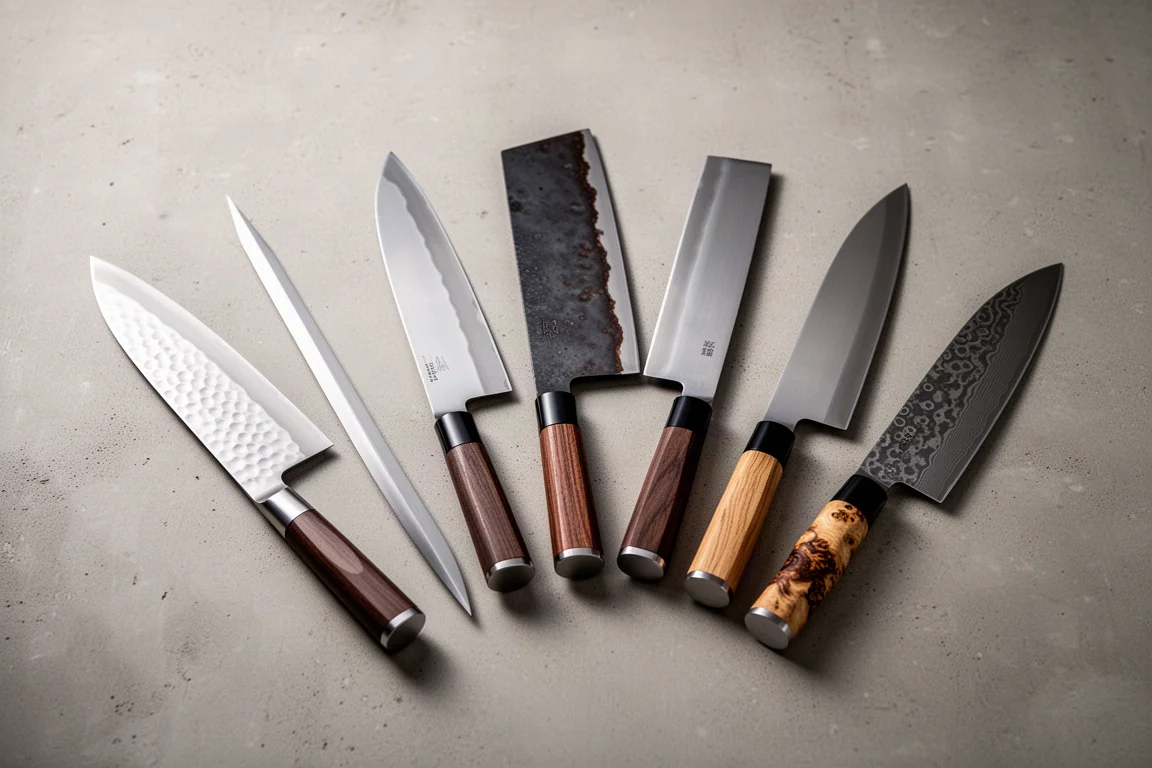
Whether you are a home cook, a working professional, or a knife collector, Japanese kitchen knives offer a level of craft and performance that is hard to match. This roundup covers seven knives that span the shapes, steels, and finishes worth knowing about: a hammered stainless gyuto, a single-bevel sushi slicer, an approachable carbon santoku, a striking damascus nakiri, a carving sujihiki, a collaborative gyuto, and a hand-forged showpiece.
We selected a wide range of makers, shapes, and materials so there is something here for different budgets and kitchens. Prices below are in Canadian dollars as listed.
Best All-Rounder Stainless: Yu Kurosaki Senko Gyuto 210mm
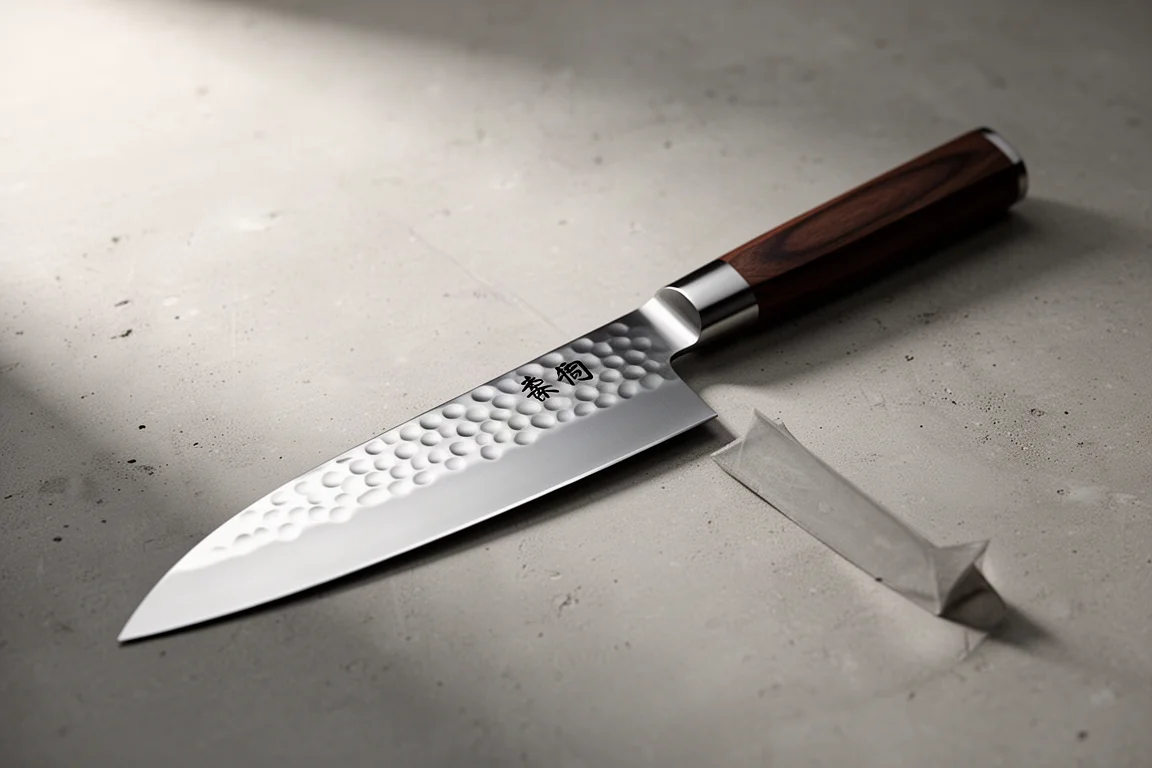
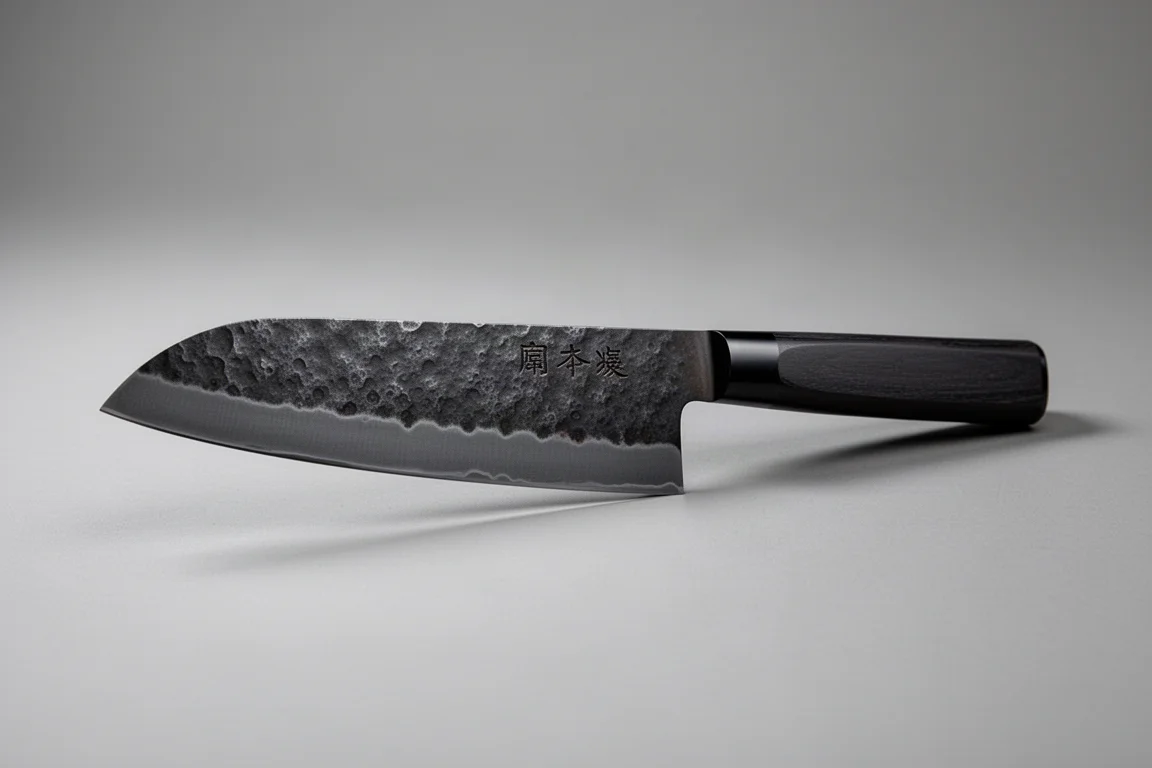
If you are looking for one knife to have in your kitchen, this shape is it. The Senko features a distinctive hammered pattern, with “Senko” meaning flash of lightning, and a blade forged from SG2 powder stainless steel. SG2 keeps an edge for a long time, cuts well, and being stainless means you do not have to worry about rust.
Yu Kurosaki is a young, up-and-coming blacksmith known for creative finishes, and this hammered pattern is a signature of his work. Priced at $372 CAD.
Best for Sushi: Sakai Kikumori Tomoshibi Yanagiba 270mm
If you have ever thought about making sushi or sashimi at home, this is the knife for it. The yanagiba is a single-bevel slicer specialized for clean sushi and sashimi cuts, with a bevel on one side and a flat on the other, the traditional way of making Japanese kitchen knives.
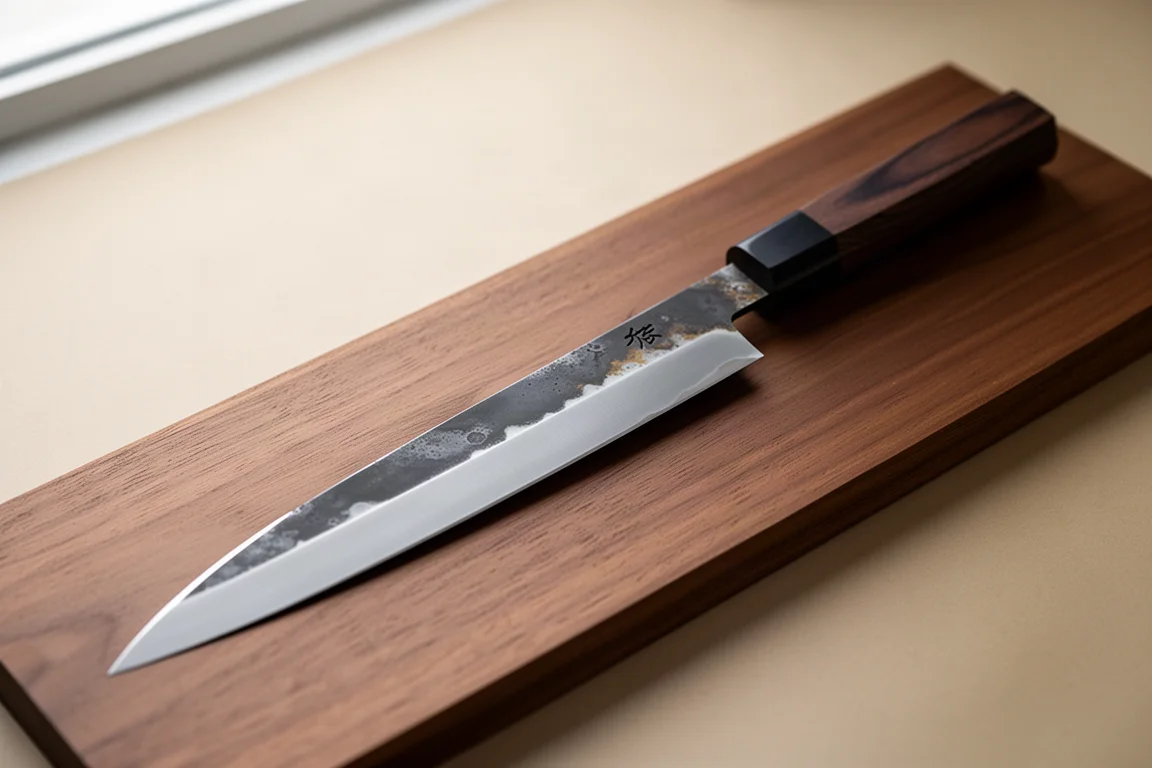
This particular knife has a story: it is a collaboration forged by a former retail employee who moved back to Japan, apprenticed under several blacksmiths, and now makes knives in Kochi. It is finished in white carbon steel, which is easy to sharpen and takes a great edge, but needs to be kept dry to prevent rust. Priced at $302.
Best Starter Carbon Steel: Fujimoto Kurochi Forged Santoku 165mm
Launched in 2021, this santoku is made from white carbon No. 2 steel with a nice thin edge that holds sharpness well and is easier to sharpen than many harder blades. As an all-carbon knife, it needs to be kept dry, since carbon steel can rust if left wet.
At $156 CAD, it is one of the more affordable kitchen knives in this lineup, making it a fantastic entry point into carbon steel. The 165mm santoku shape also suits anyone not yet comfortable with longer 8- or 9-inch chef knives, yet it still handles most kitchen tasks.
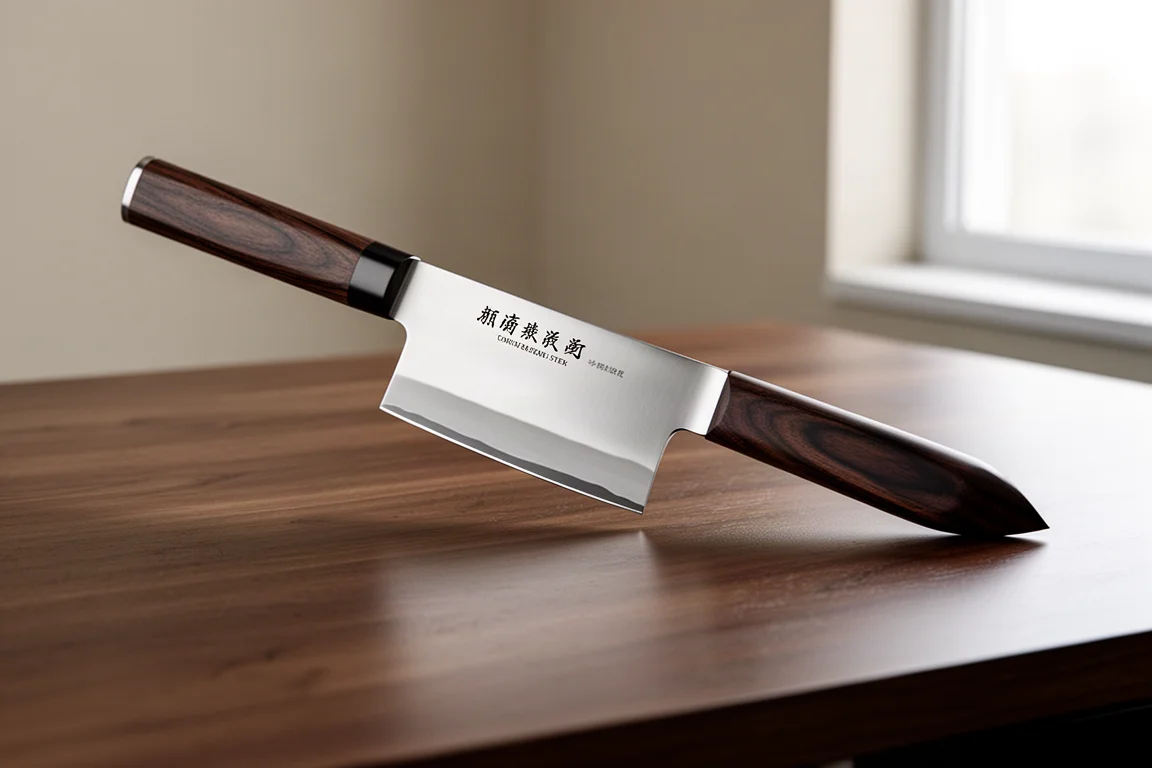
Best Vegetable Knife: Ryusen Fukakuryu Nakiri 155mm
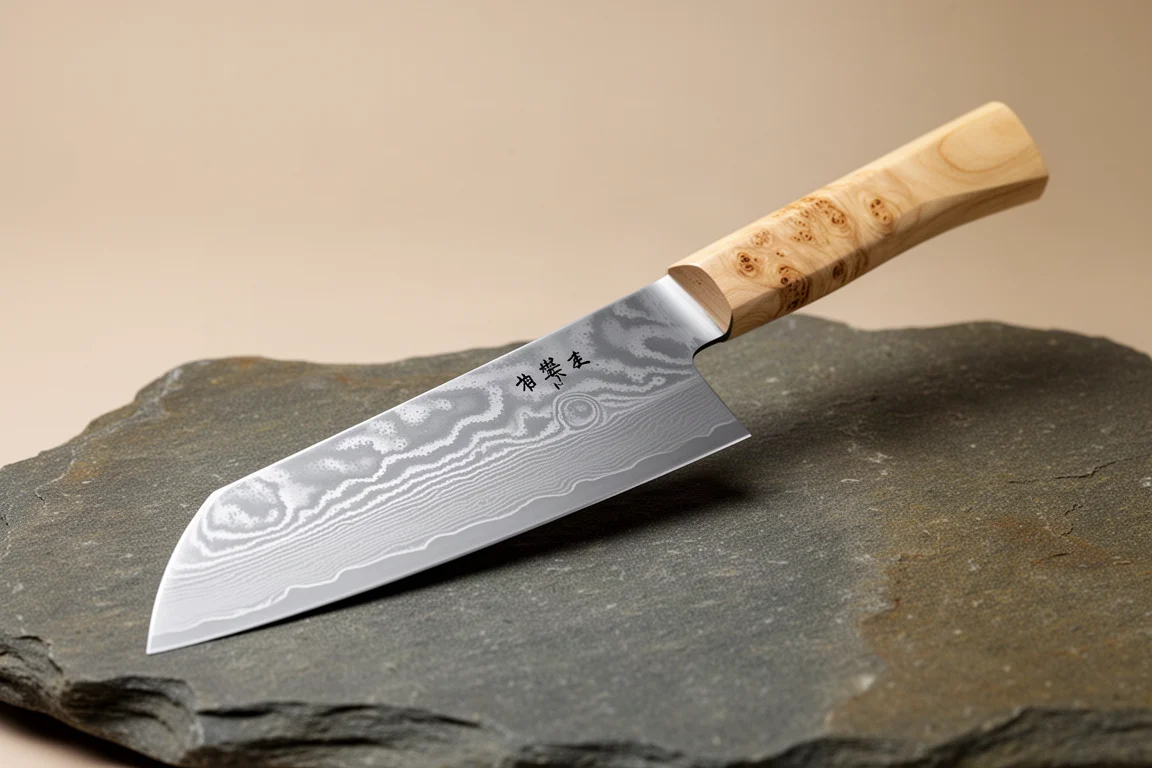
The nakiri is the traditional Japanese vegetable knife shape. Its flat edge contacts the cutting board entirely, so after a cut the food is already separated, no extra work needed. It also works as a capable multi-purpose knife for many kitchen tasks.
This version stands out with an unusual, beautiful tip shape and a damascus blade in ATS 314 steel, a steel usually reserved for hair-cutting scissors, which translates to a long-lived edge. The tapered ergonomic handle is made from Canadian maple burl. Priced at $430 CAD.
Best Carving Knife: Seki Kanetsugu Zuiun Sujihiki 210mm
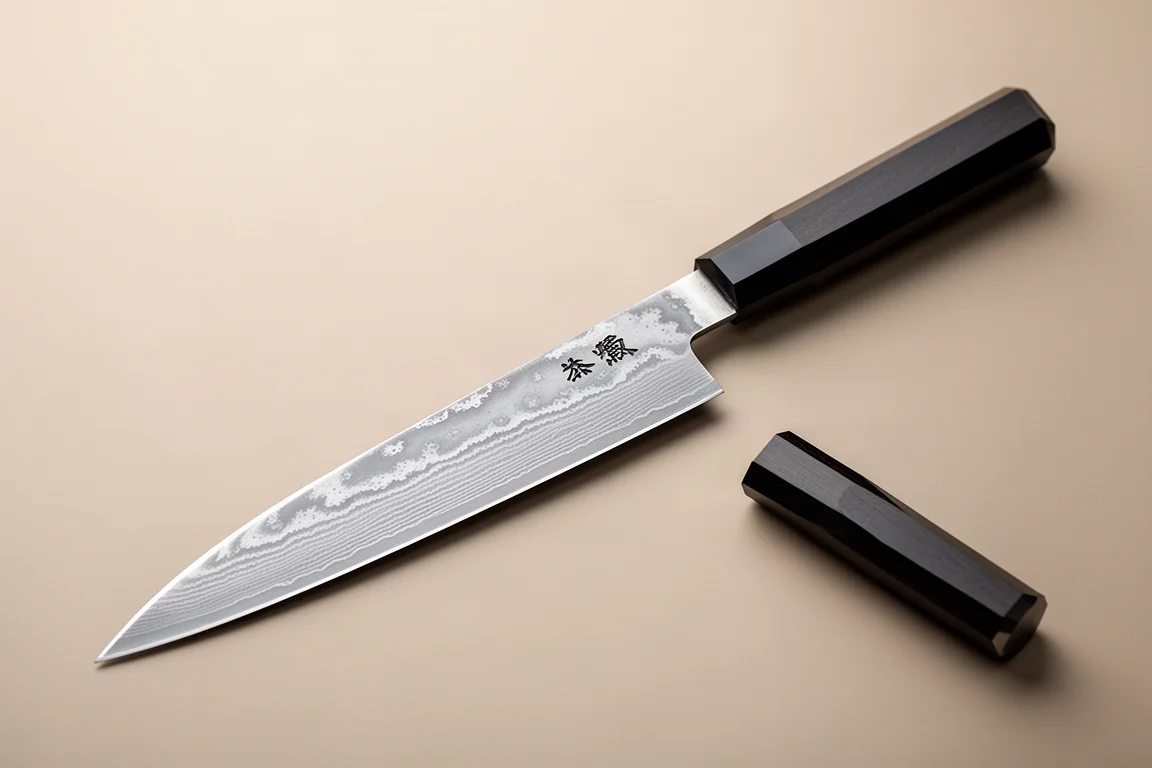
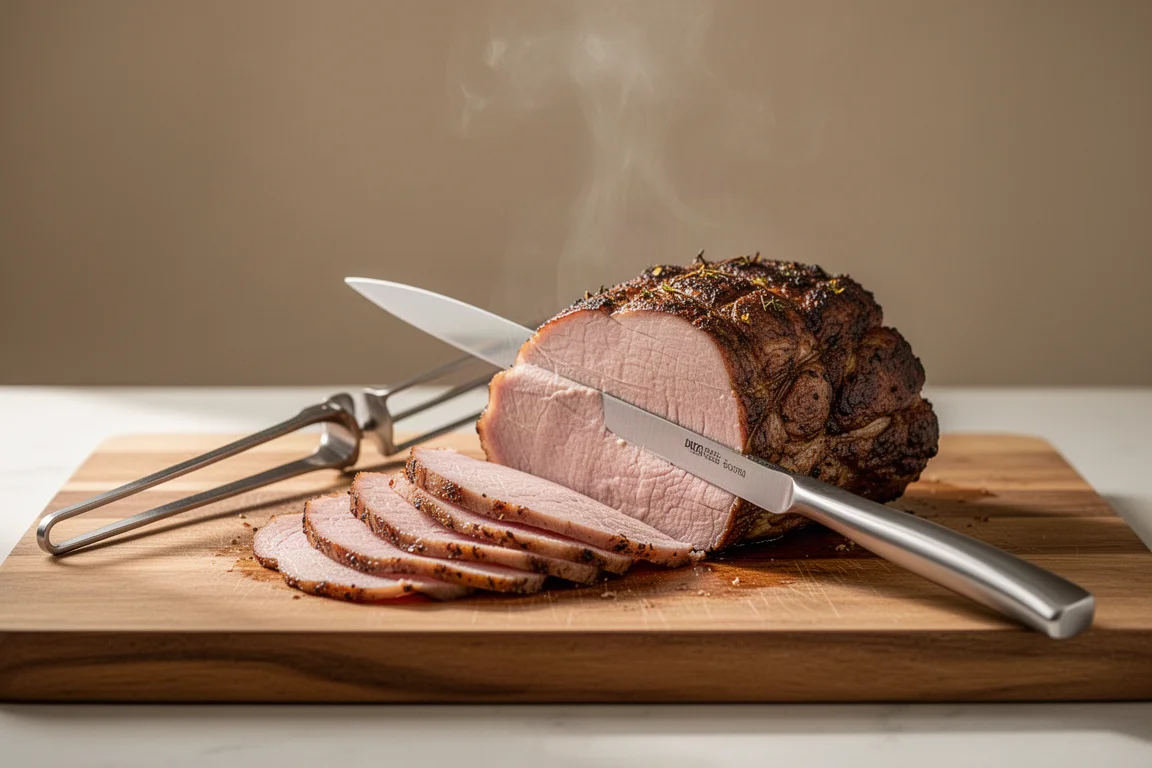
The sujihiki is designed to carve roasts, hams, and turkeys. A long, skinny blade slices cleanly in one pass instead of sawing, which keeps the juices inside the meat where they belong. This one has a beautiful taper and a striking damascus finish, plus a distinctive seven-sided heptagonal handle that is genuinely comfortable to hold.
Like the Senko gyuto, it is forged from SG2 high-speed powder steel, stainless, with long edge retention. It will be the center of attention at a holiday feast. Priced at $398 CAD.
Best Performance Gyuto: Sakai Kikumori Yoshikazu Tanaka Gyuto 240mm
This is a collaboration between Sakai Kikumori and their partners in Sakai. Three blades were forged by Yoshikazu Tanaka and sharpened by three different sharpeners; the grind, look, and sharpness from sharpener Ajiroka stood out, particularly the beautiful taper from spine to edge.
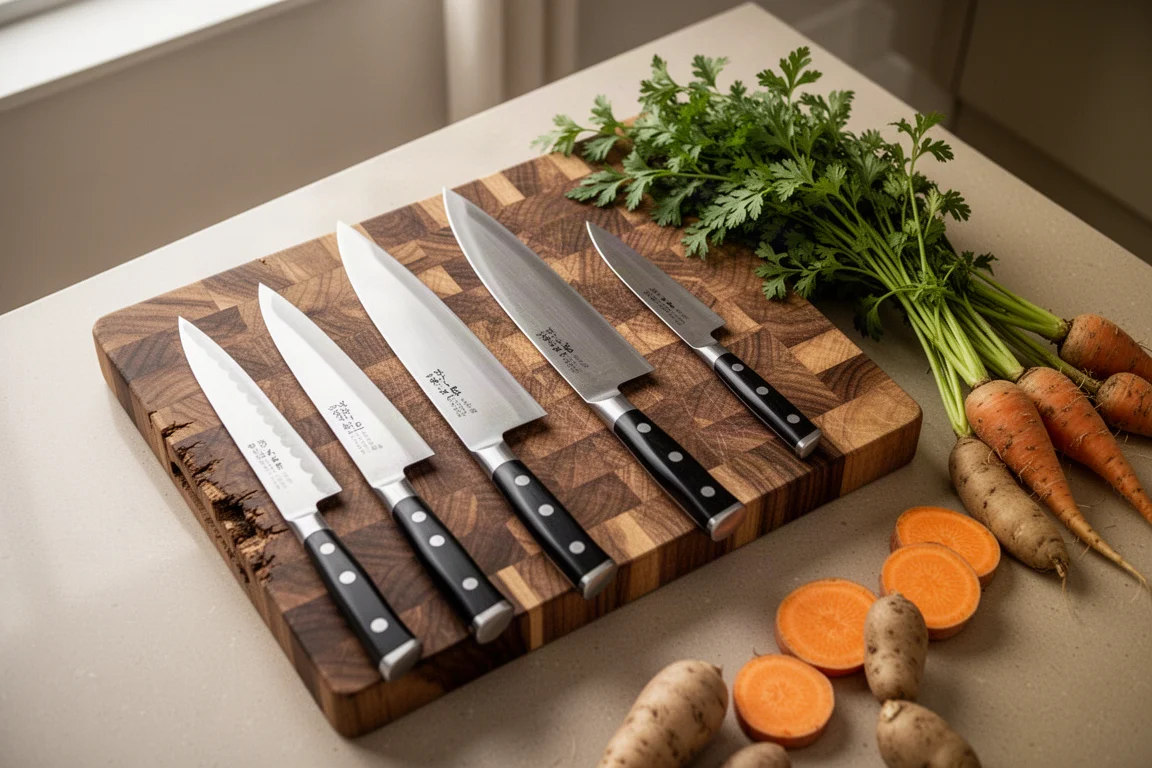
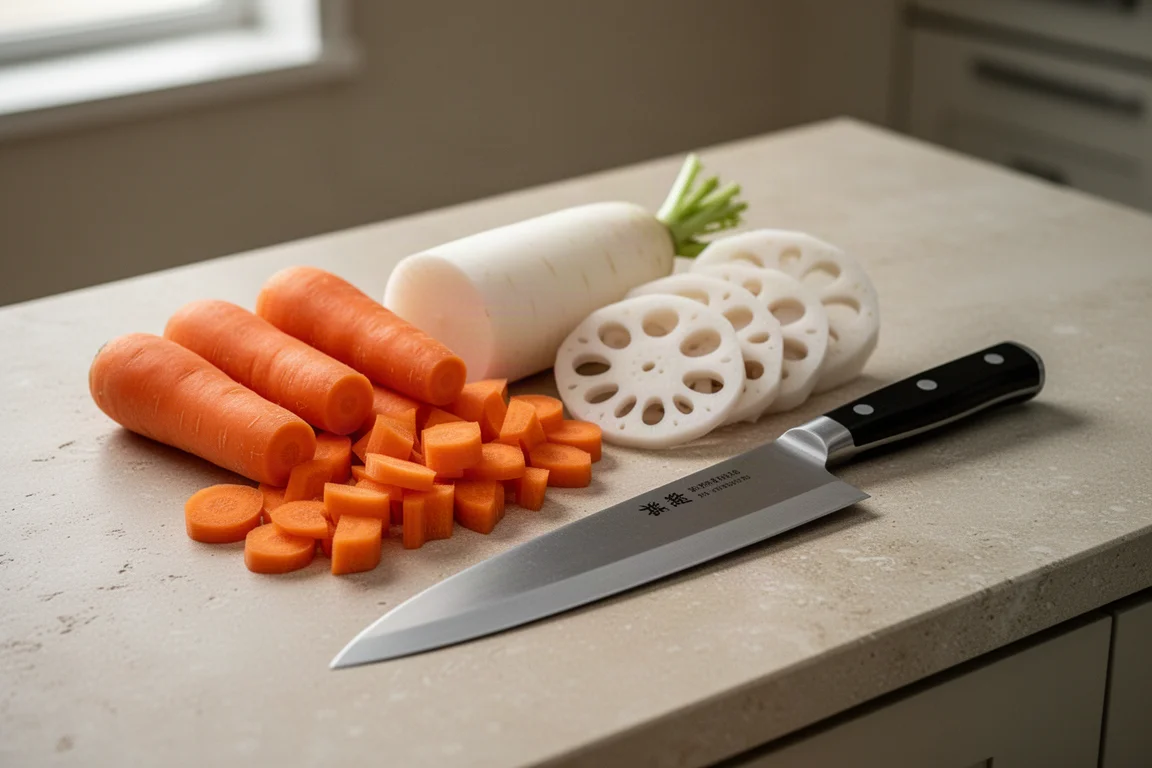
That taper translates into a smooth glide through dense root vegetables: carrots, potatoes, yams, turnips, lotus roots, and daikon radish. The blade is white carbon No. 2 with carbon steel cladding, a favorite of many blacksmiths: it takes a great edge, holds it long, and is relatively easy to sharpen, though like all carbon steel it must be kept dry. A 240mm gyuto is a versatile length for most kitchens. Priced at $498 CAD.
Best Collector’s Piece: Mazaki Aogami Damascus Gyuto 240mm
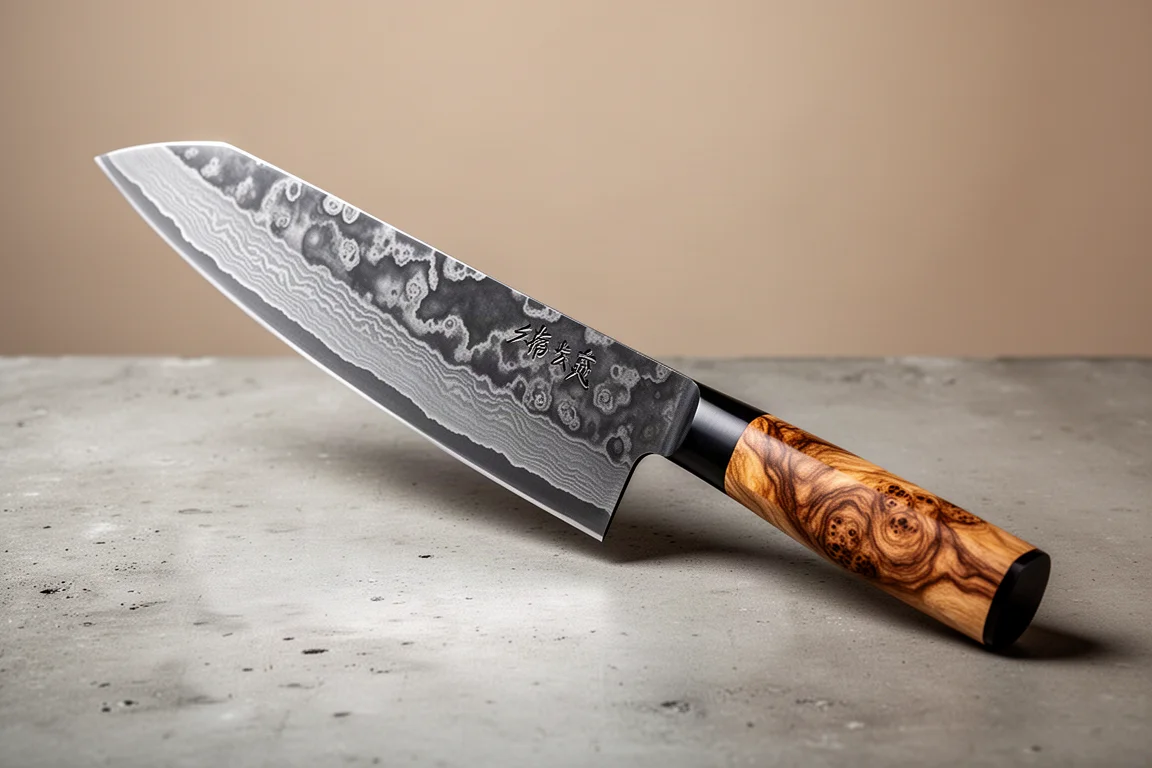
This stunning damascus blade is hand forged and hand folded by Naoki Mazaki in Sanjo. Most blacksmiths who make layered damascus buy pre-laminated steel, but Mazaki makes his damascus from scratch, folding different steels over and over to build the pattern himself.
The core steel is Blue No. 1 (Aogami) carbon steel, with very high carbon content, which makes it hard and gives it very long edge retention. The handle is made from quince burl stabilized with resin so it will not shrink. At $2,600 CAD, this leans toward a collector’s item, but the hand-folded damascus earns its place.
Buying Advice
If you can only pick one from this list, the Ryusen Fukakuryu nakiri is a strong personal favorite: it uses a steel rarely seen outside hair-cutting scissors, and the tip shape and overall look are exceptional. For first-time carbon steel buyers, the Fujimoto santoku is the easiest entry. If you want one do-everything knife, a 240mm gyuto in either the Tanaka or Mazaki version covers prep and carving alike. Carbon steel owners should budget a habit of drying their blades after every use.
Conclusion
These seven knives cover a genuinely wide range of needs, from an affordable stainless-friendly santoku to a hand-folded damascus collector’s piece. Match the shape to the work you do most in the kitchen, respect the care requirements of carbon steel, and any of these would be a welcome addition to a cutting board.
Further reading
Related Reviews

Kitchen Knives
Best Chef's Knives 2026: 27 Popular Options Tested and Ranked
A comprehensive review of 27 chef's knives ranging from $18 to $380, with honest assessments of handle comfort, blade balance, and real-world performance.

Kitchen Knives
Best Chef's Knives Under $75: Two Tested Recommendations
Two practical 8-inch chef's knives that balance sharpness, comfort, and durability without premium pricing.

Kitchen Knives
Best Chef's Knives 2026: 27 Options Tested and Ranked
A comprehensive review of 27 chef's knives ranging from $18 to $380, with honest assessments of handle design, balance, blade profile, and real-world performance.