Hand Tools
Tools Worth Upgrading: From a Splitting Maul to Knipex Pliers
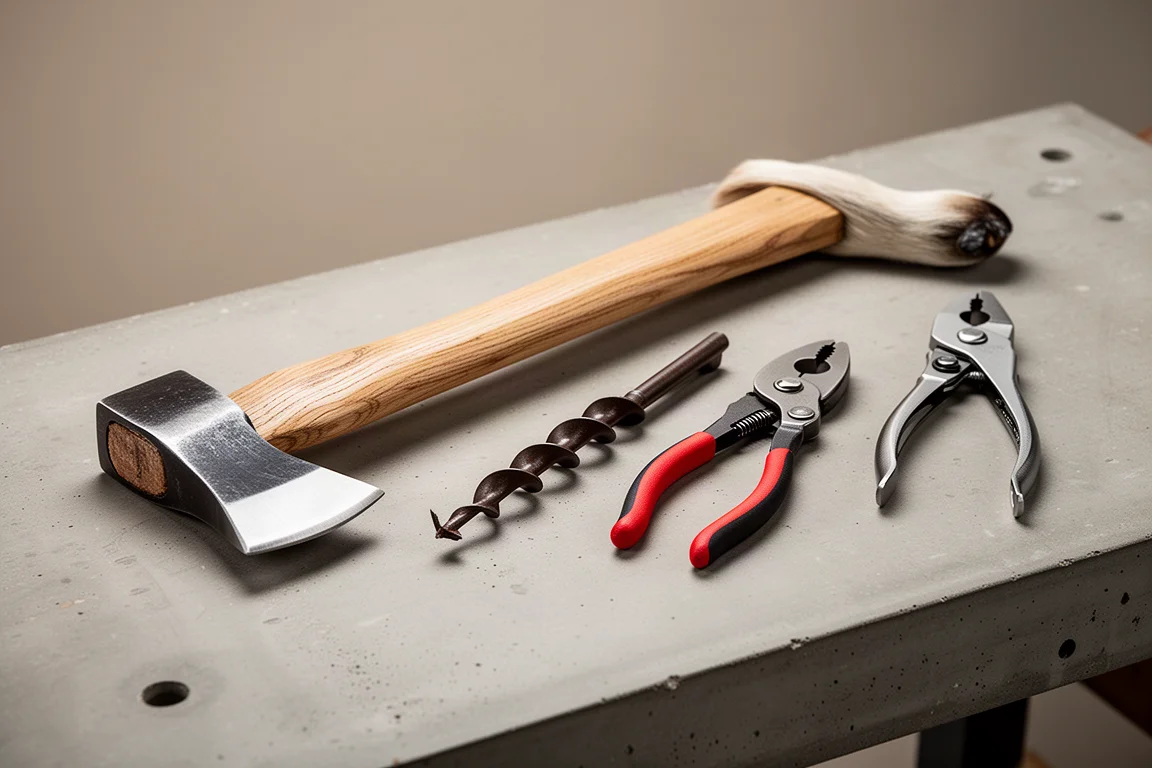
Four hand tools that show why upgrading beats tolerating a clunky tool: a sharp splitting maul, an Irwin auger bit, classic Craftsman slip joint pliers, and Knipex.
Introduction
Life is too short to work with poor tools, even though a poor tool is better than no tool at all. Some tools earn their place in the toolbox for decades; others linger only until a better alternative shows up. The difference is often entirely subjective, but when a tool consistently fights you instead of helping, that is the signal to upgrade. Here are four hand tools that illustrate both sides of that lesson, from a hated maul to pliers that have permanently replaced an old standby.
The Splitting Maul: Buckin’ Special
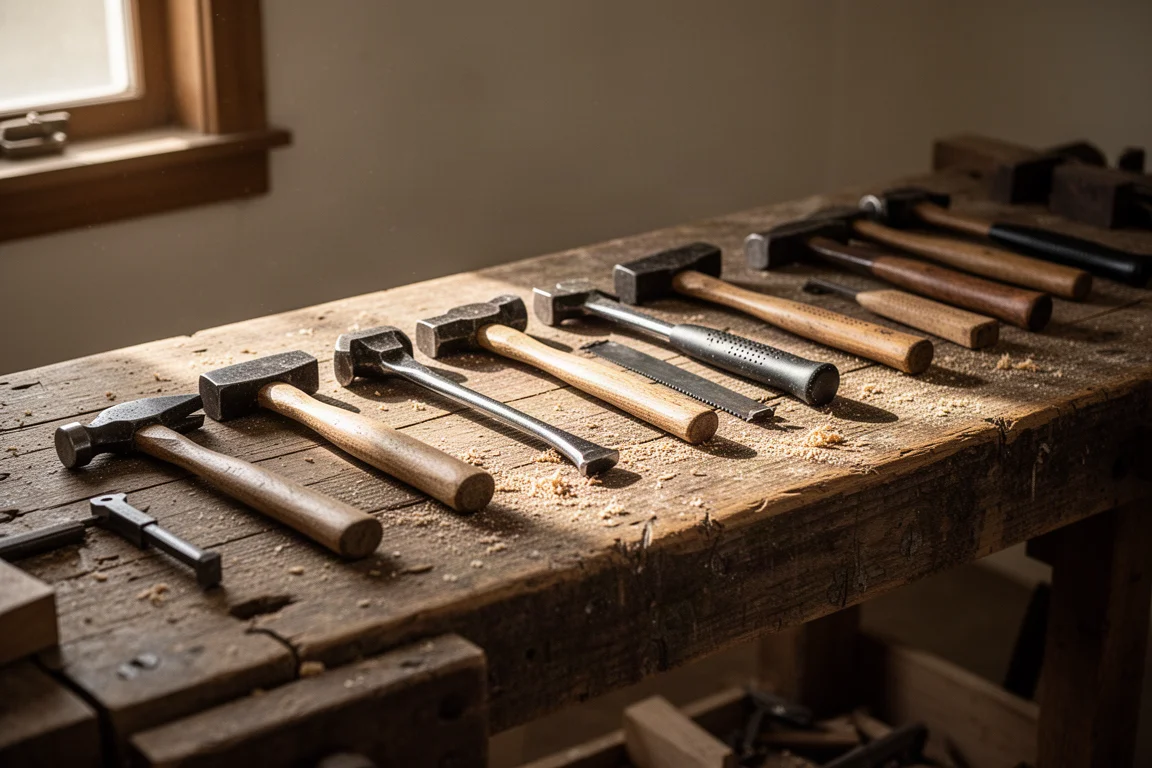
The monster maul is a tool worth hating on the record. The balance is wrong, the handle is too short, and the center of mass sits so far above the pivot point that every strike wants to spin over instead of driving straight through the wood. It is understandable why a bigger, heavier head seems like the answer for someone breaking handles on lesser mauls, but the oversized design punishes the user rather than the log.
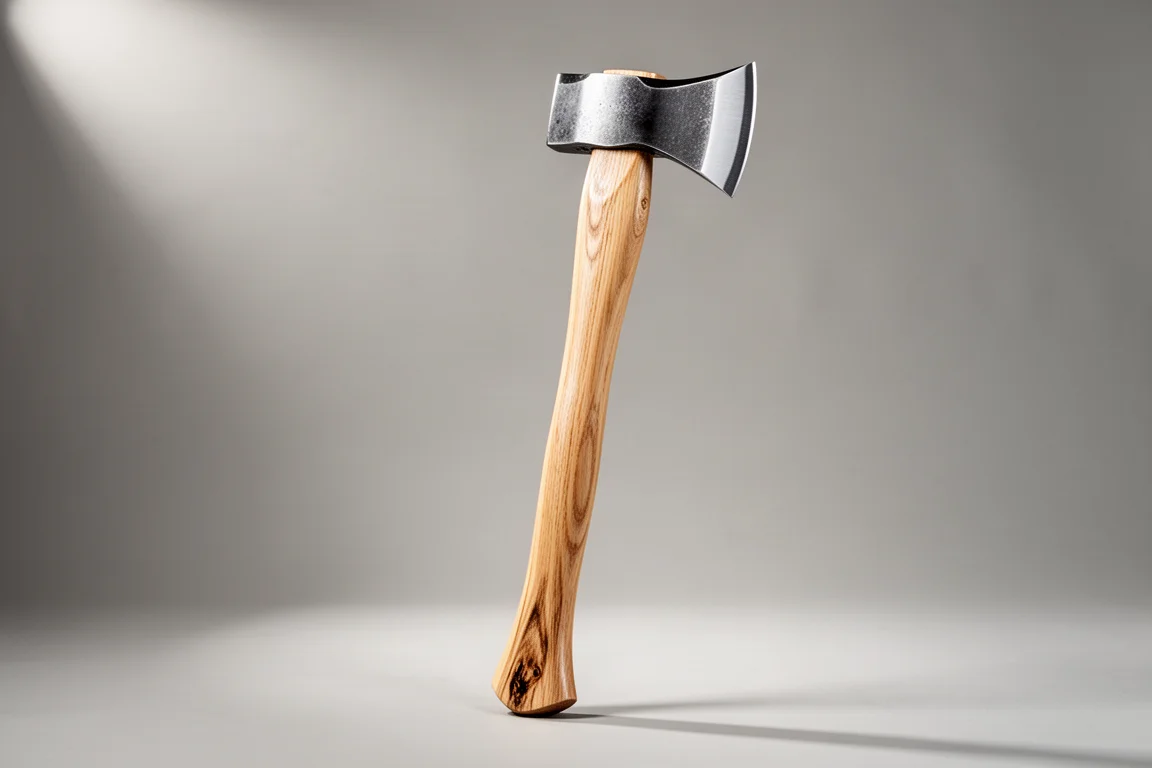
The classy alternative is the Buckin’ Special: a six-pound splitting maul head on an axe-eye configuration, complete with a big fawn’s foot knob at the bottom of the handle. Unlike the mauls many of us grew up with, this one is sharp, and that sharpness changes how the tool works. The main caveat is length: a few extra inches of handle would make an already great tool even better, but it remains a genuinely satisfying splitter.
The Irwin Auger Bit: A Classic Worth Keeping
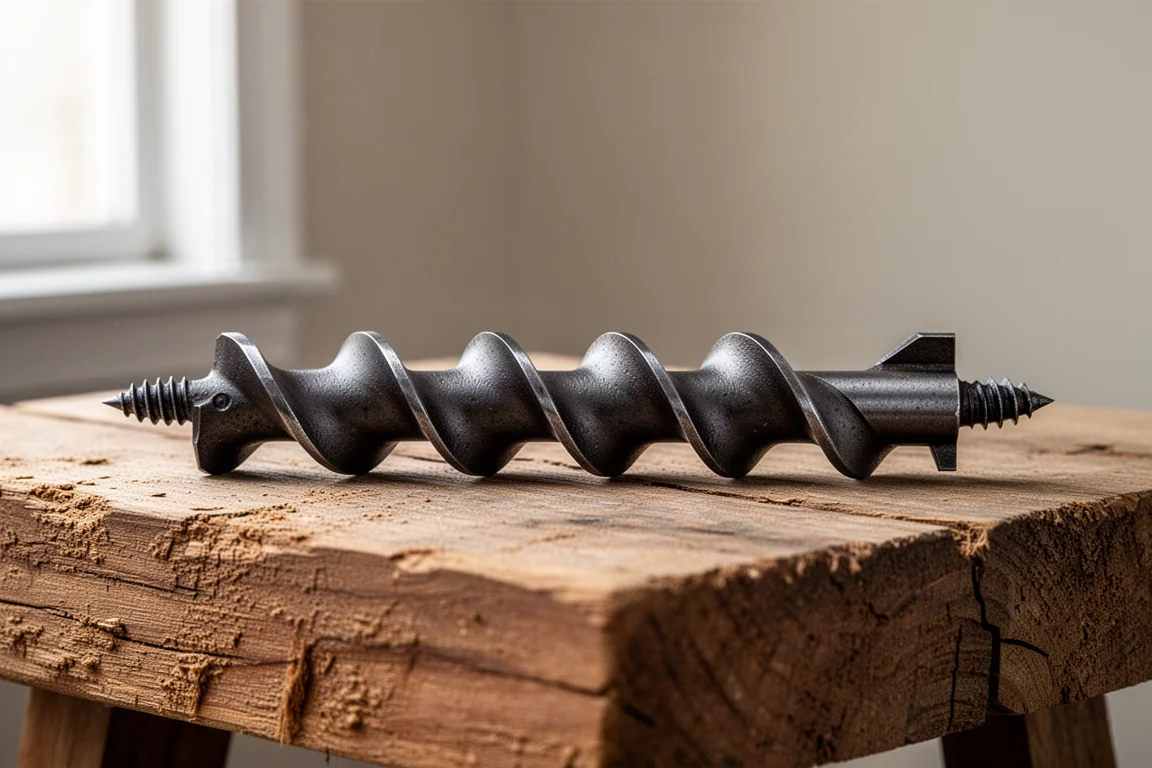
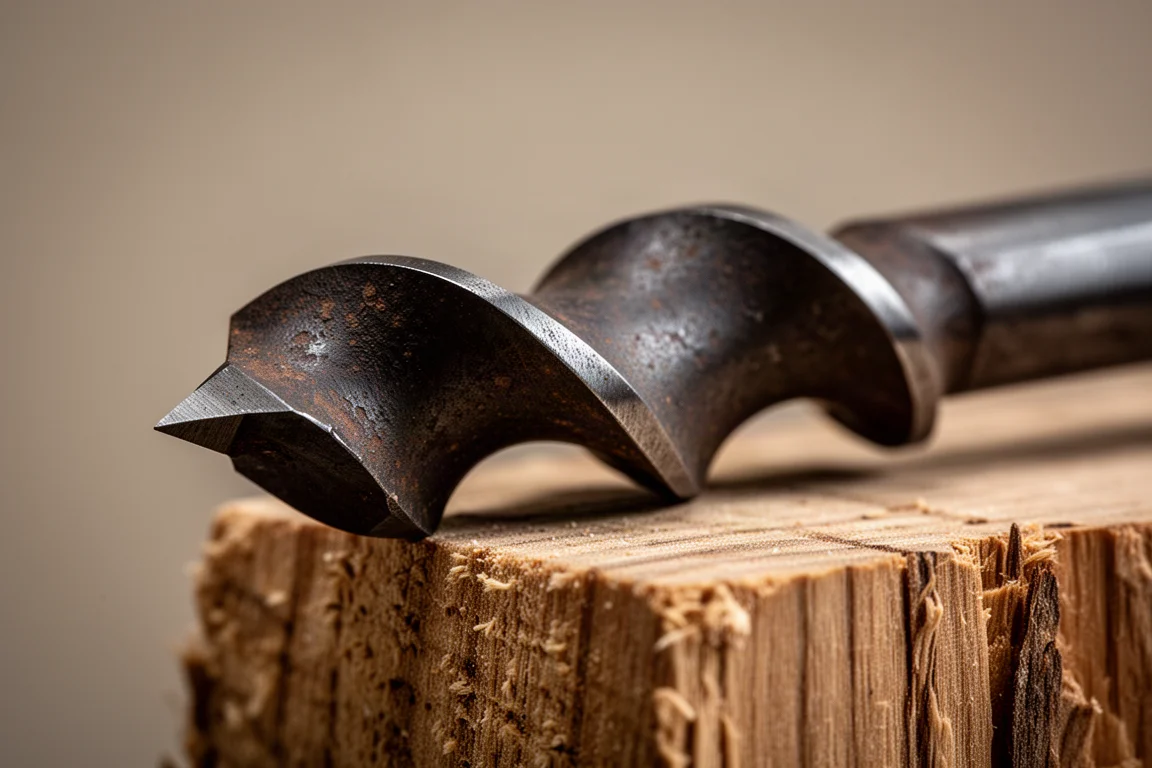
Not every tool on the regret list is hated. Some are simply languishing. The classic Irwin auger bit, made by the Irwin Auger Bit Company of Wilmington, Ohio, is a reliable workhorse with genuine heritage. The problem is not the tool itself but the shift in daily habits once something more convenient takes over the everyday work.
That is the fate this bit faces: it still performs, but it sits in the tool bag while other tools get used daily. The best move for a classic like this is not the trash can but the next generation. Passing it along to someone just starting out, building their first modest kit, gives a good tool the second life it deserves.
The Craftsman Slip Joint Pliers: Good, but Not the Best
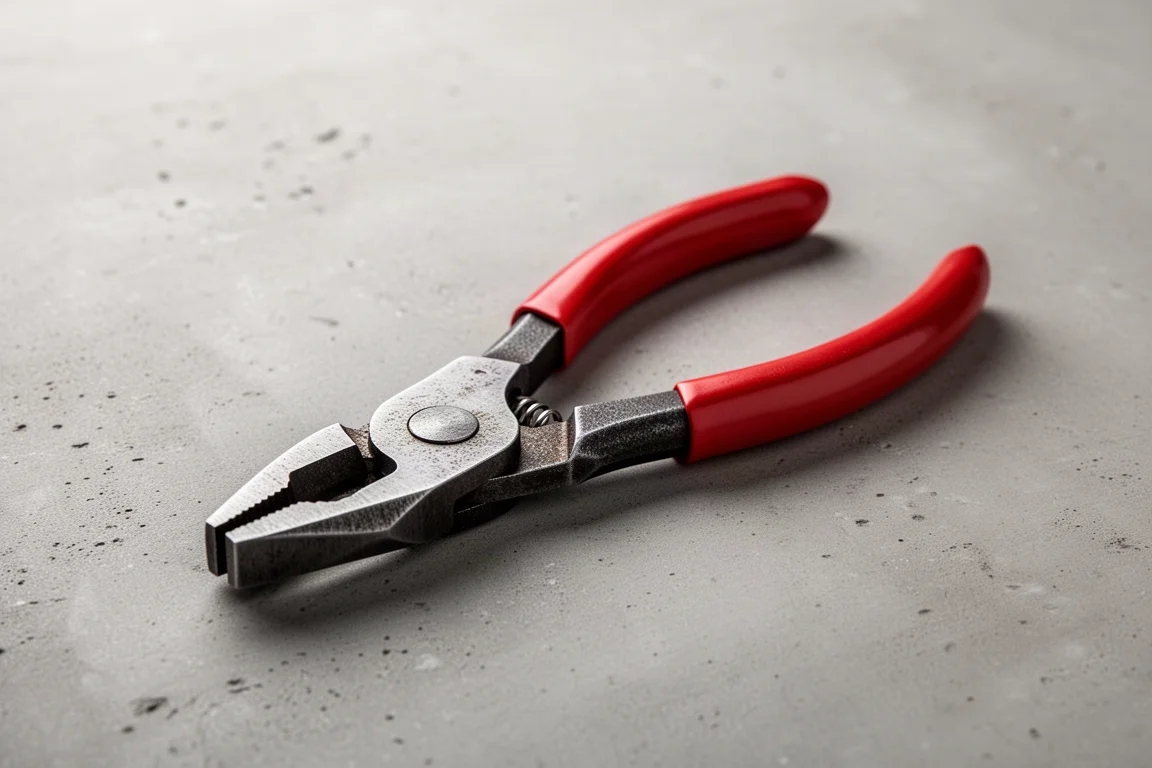
Craftsman slip joint pliers, the kind that lived in a father’s toolbox for years, are perfectly presentable tools. They will do the work. For a long time, most people would have considered them the standard, and there is nothing broken about them as a design.
The honest criticism is subtle. Even good slip joint pliers can lock up awkwardly at certain jaw openings, and getting a clean parallel grip takes a bit of fiddling. They are a little clunky in the hand, and at certain scales they are simply not as precise as you want them to be. They remain a fine tool, which is exactly what makes the comparison that follows so instructive.
Knipex Pliers: The Upgrade That Ruins the Old Way
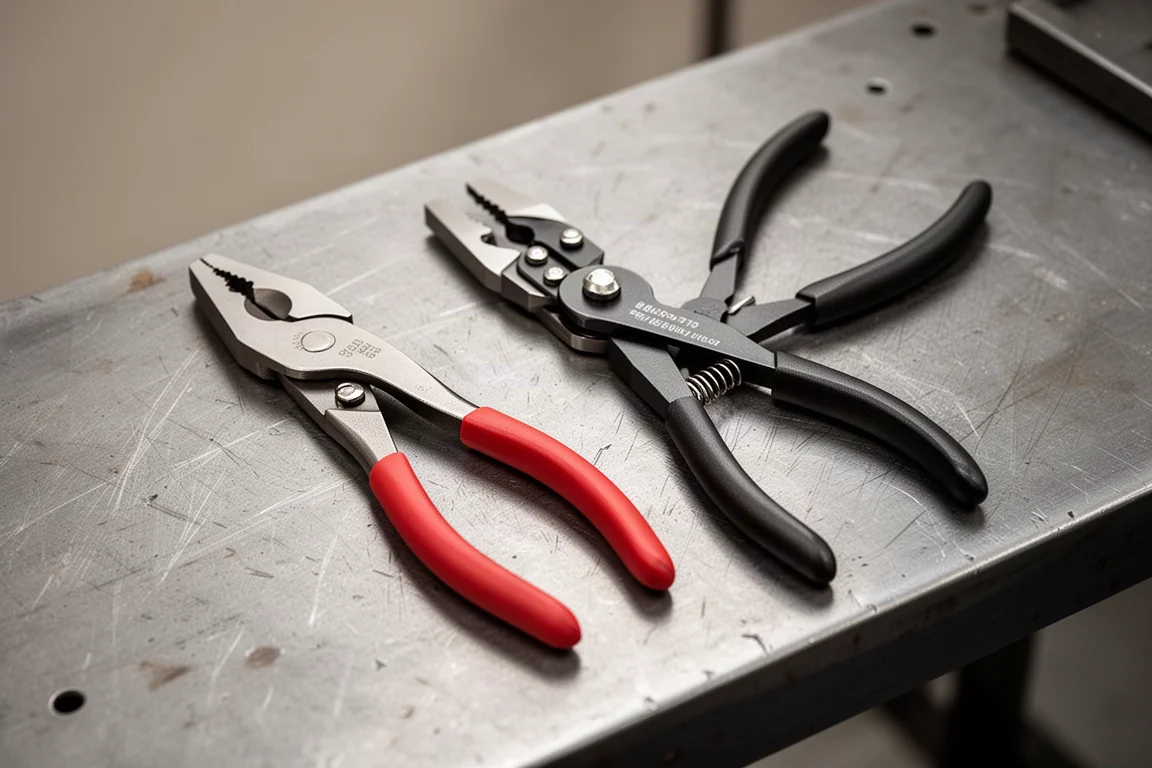
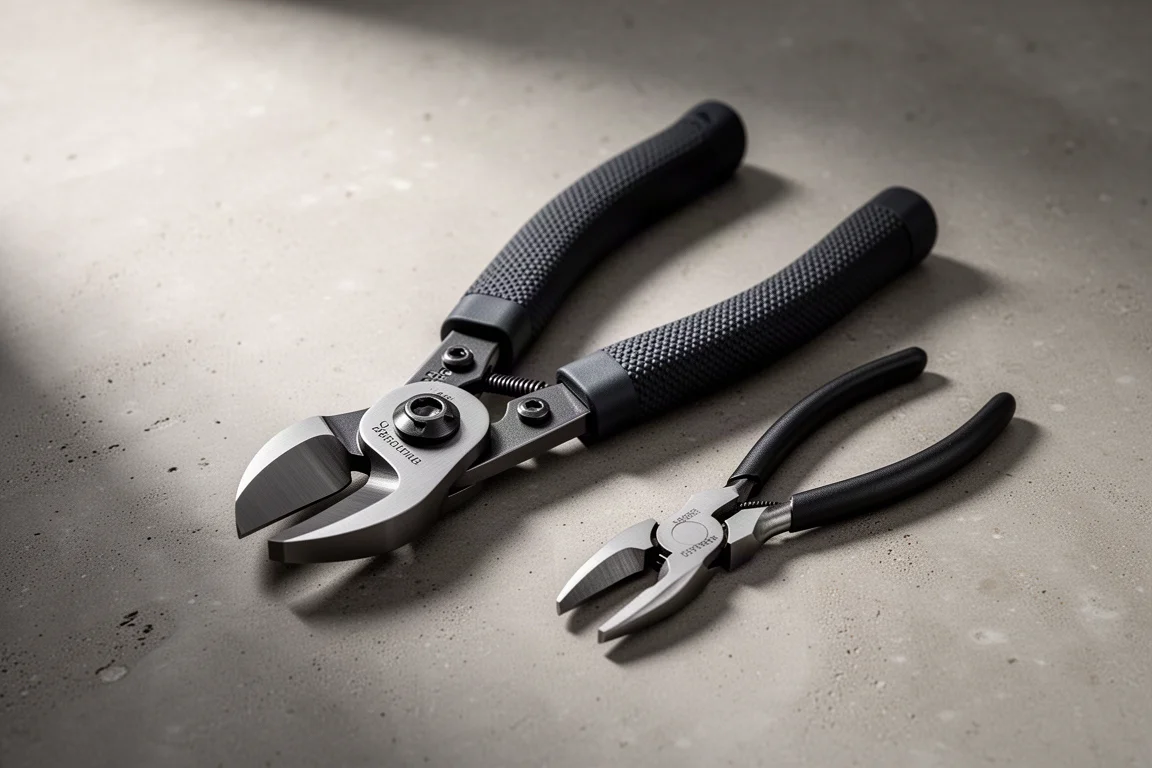
Once you have used Knipex, picking up regular slip joint pliers again takes actual effort. The jaws adjust smoothly and slip easily into exactly the gap you need, without the lock-up points that make traditional pliers feel clumsy.
The construction makes the difference clear. The bottom jaw penetrates through the joint rather than merely meeting the other side, a much stronger connection that takes most of the wobble out of the tool. The jaw configuration offers many ways to get a hold of something, whether it is a hex nut or the end of a pipe fitting. The weight sits back in the handle in a way that is hard to articulate but easy to feel. If the price gives you pause, these make a gift worth telling your family about for a birthday or a stocking. They are also worth building out into a full set.
Buying Advice
The pattern across these four tools is consistent: upgrade where a better design genuinely exists, and pass a good classic along when your habits have simply moved on. Any tool in the hands of someone who intends to do a good job will produce good work, so the blame rarely rests with the tool. But when you do buy, buy the best you can afford, take care of it, and let the upgrade pay you back in satisfaction every time you pick it up. Saving a little from each paycheck toward one genuinely excellent tool beats a drawer full of tolerated ones.
Conclusion
A sharp, well-balanced splitting maul, a classic auger bit with decades of work left in it, honest Craftsman slip joint pliers, and Knipex pliers that changed daily habits tell one story: tools are not all equal, and knowing which ones deserve an upgrade makes the work better and more satisfying.
Further reading
Related Reviews
Hand Tools
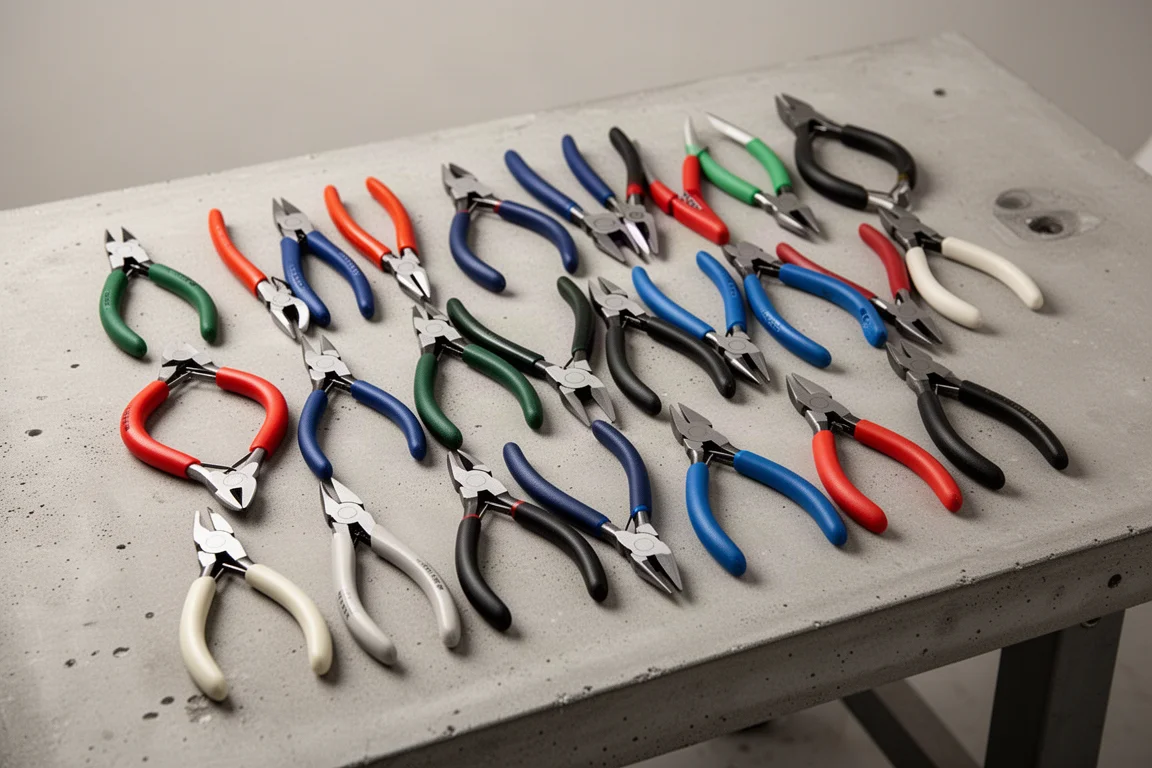
Best Diagonal Cutters 2026: 16 Pliers Tested for Cutting Power and Durability
We put 16 diagonal cutters through nail, screw, drill bit, and hex key tests to find the best value picks for your toolbox.
Hand Tools
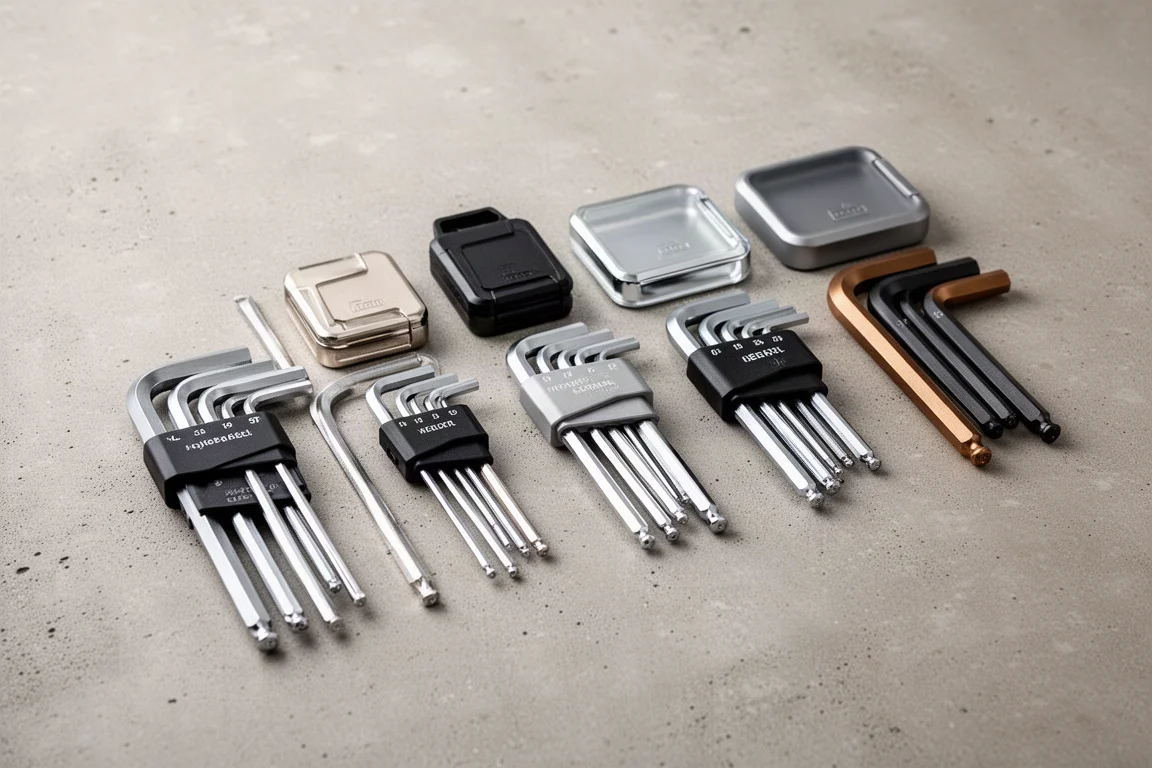
Best Hex L Key Sets 2026: Nine Sets Tested for Real-World Torque
Nine hex L key sets from budget to premium, tested for torque, fit, and durability. See which sets deliver real performance and which ones to skip.
Hand Tools
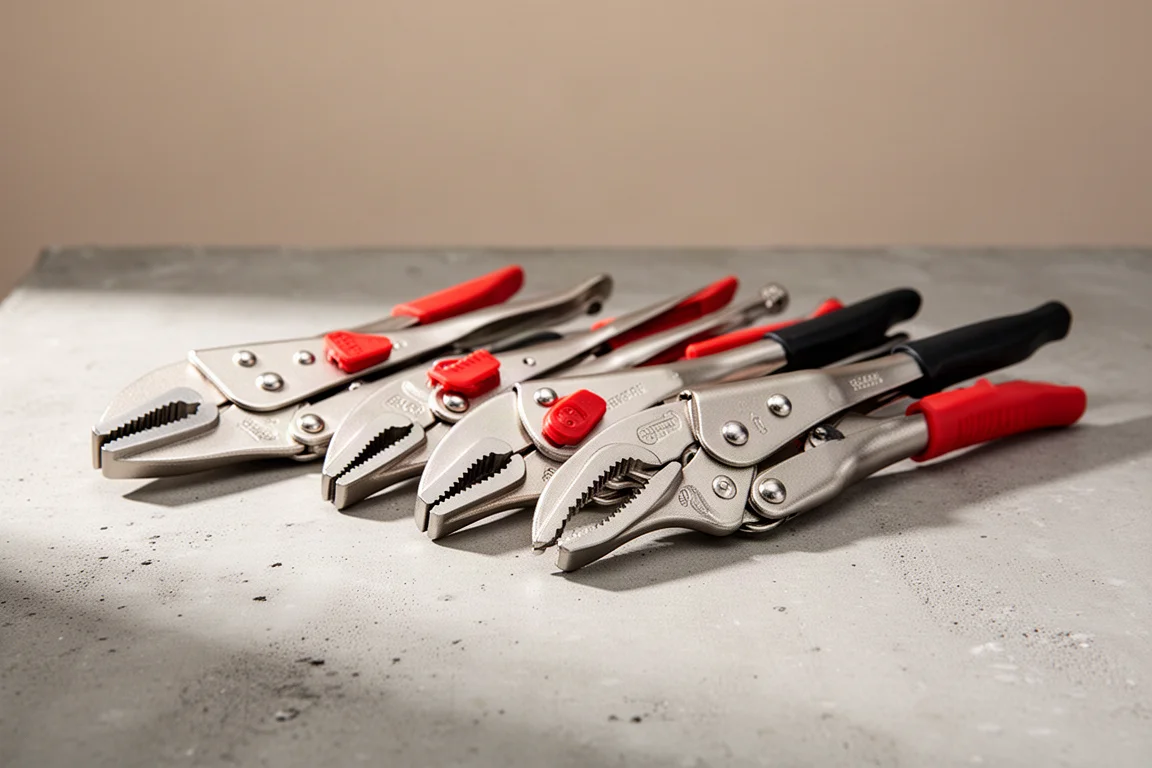
Best Locking Pliers 2026: Top Picks Tested for Grip and Durability
We tested 18 brands of 10-inch locking pliers for grip strength, jaw bite, build quality, and ease of release to find the best options for tough jobs.