Coffee Equipment
Toddy Cold Brew System Review: A Practical Guide to Better Cold Brew at Home
The Toddy Cold Brew System is a simple immersion brewer, but achieving better extraction and flavor requires understanding its limitations and optimizing your technique.
Introduction
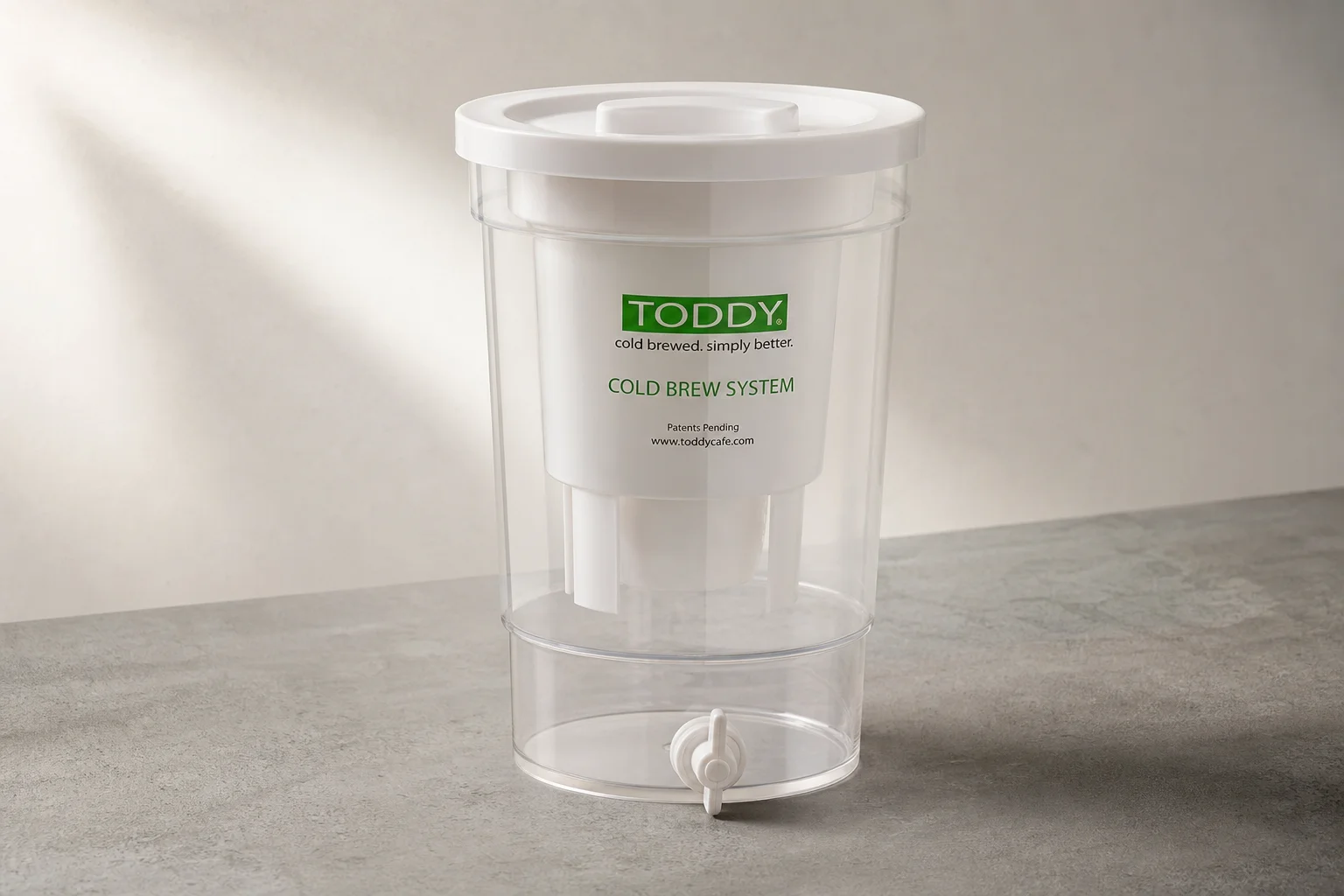
The Toddy Cold Brew System is one of the most recognizable immersion brewers on the market. Its simple design—a bucket with a filtration chamber and bottom valve—has made it popular for home cold brew preparation. However, the system has inherent limitations that affect extraction efficiency and flavor quality. Understanding these constraints and how to work within them can help you get better results from the Toddy and similar immersion brewers.
Understanding Cold Brew Extraction
Cold brew differs fundamentally from hot brewing. Water at room temperature or cold extracts coffee compounds much more slowly than hot water, which creates both advantages and challenges. The primary problem with traditional cold brew methods like the Toddy is that separating cold water from ground coffee is significantly more difficult than separating hot water from grounds.
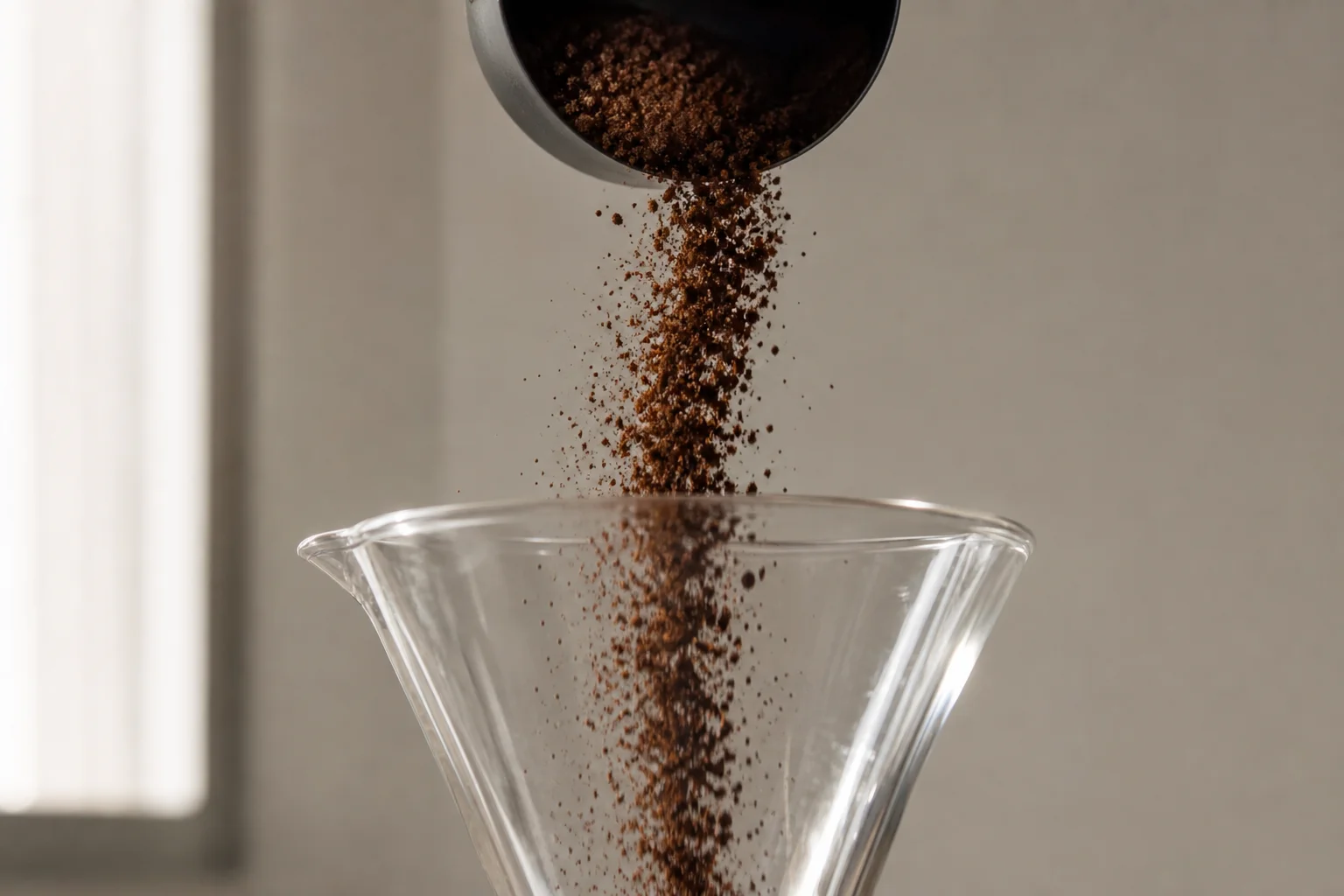
The Toddy addresses this through a two-stage filtration approach: a thin paper filter and a cloth filter. However, both are relatively permeable, which means the system requires a coarser grind to achieve reasonable filtration speed. This coarser grind results in weaker extraction, forcing users to increase the coffee-to-water ratio to maintain strength. A typical Toddy brew uses at least a 1:10 coffee-to-water ratio, which is wasteful because not all the flavor compounds are being extracted from the grounds. You end up paying for coffee and throwing away good flavor.
Grind Size and Extraction
The conventional wisdom for the Toddy recommends grinding coarser to speed up filtration. However, this approach sacrifices extraction quality. A finer grind would extract more flavor compounds, but the Toddy’s filtration system struggles with finer particles, making the process slow and messy.
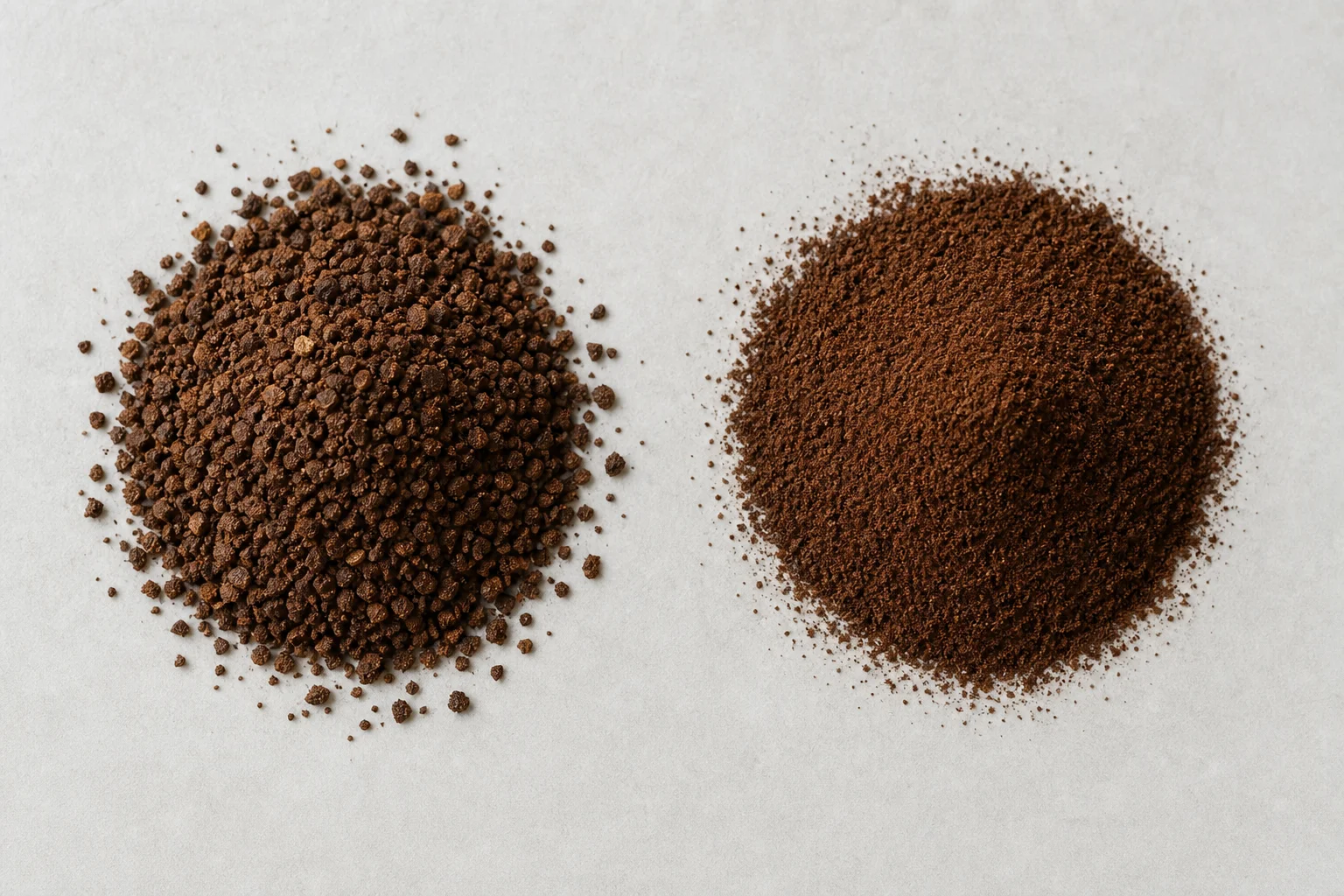
The key insight is that grind size matters far more than most cold brew recipes acknowledge. Moving toward a medium-fine grind—closer to what you might use for a moka pot or fine Aeropress—can dramatically improve extraction without requiring excessive coffee quantities. This approach works best when paired with a method that handles the separation phase more effectively than traditional Toddy filtration alone.
The Separation Phase
One of the most effective ways to improve cold brew results is to accelerate and improve the natural separation that occurs when coffee and water steep together. Rather than relying solely on mechanical filtration, allowing particles to settle naturally over time produces cleaner separation with less waste.
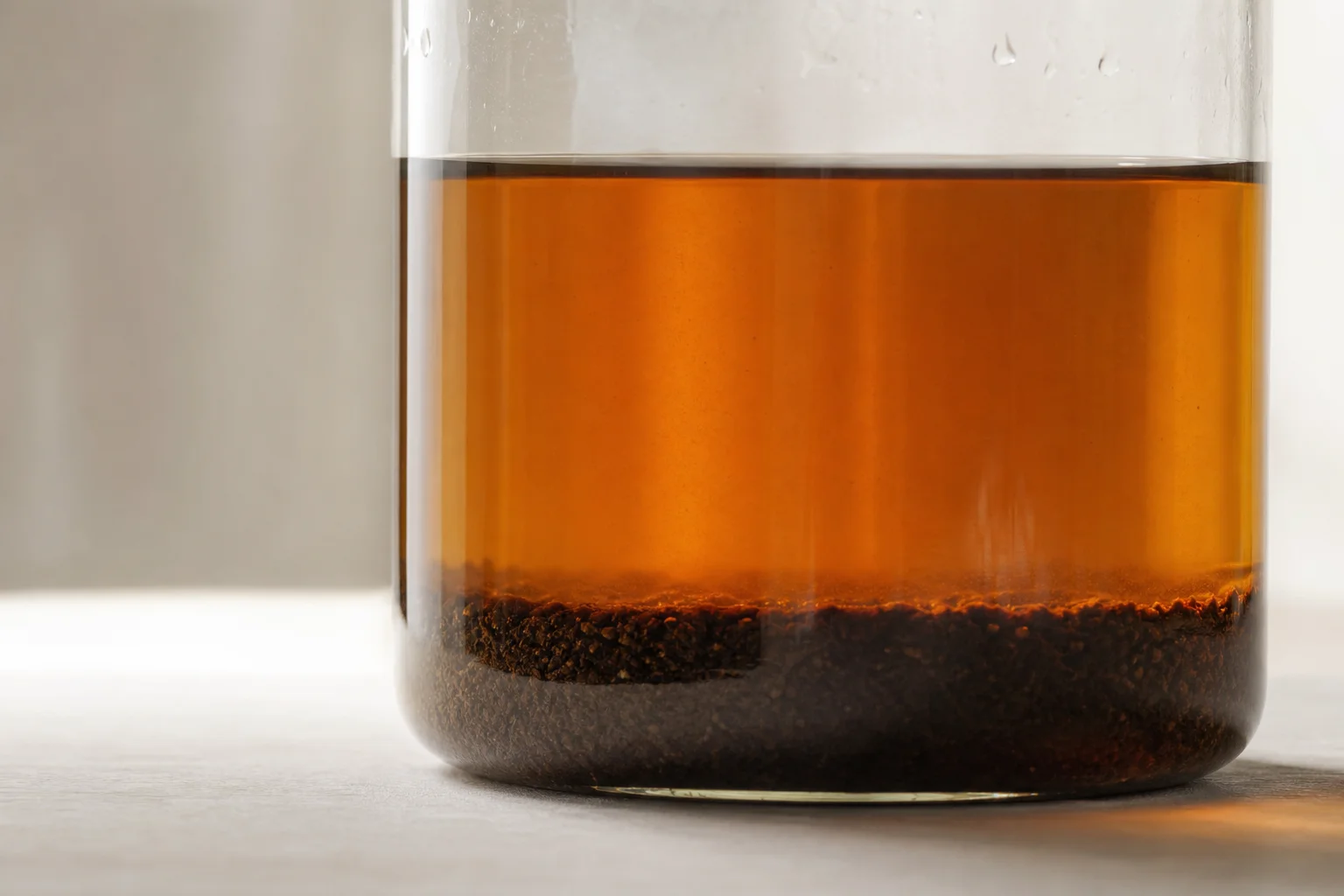
This separation process takes approximately 12 hours, during which fine particles gradually settle to the bottom of the vessel. The Toddy can work within this timeframe if you’re patient and gentle during the pouring phase. When you pour off the brewed liquid, do so slowly and carefully to avoid disturbing the settled sediment at the bottom. You’ll notice a clear demarcation between the clean liquid above and the sediment below, making it possible to pour off most of the brew without straining.
Coffee Selection and Flavor
Not all coffees perform equally well as cold brew. Light roasted, washed coffees tend to lose their defining characteristics when brewed cold. The acidity and fruit notes that make them interesting when brewed hot become muted, and the body feels thin. If you enjoy light roasts, hot brewing followed by chilling over ice preserves those qualities better than cold brewing.
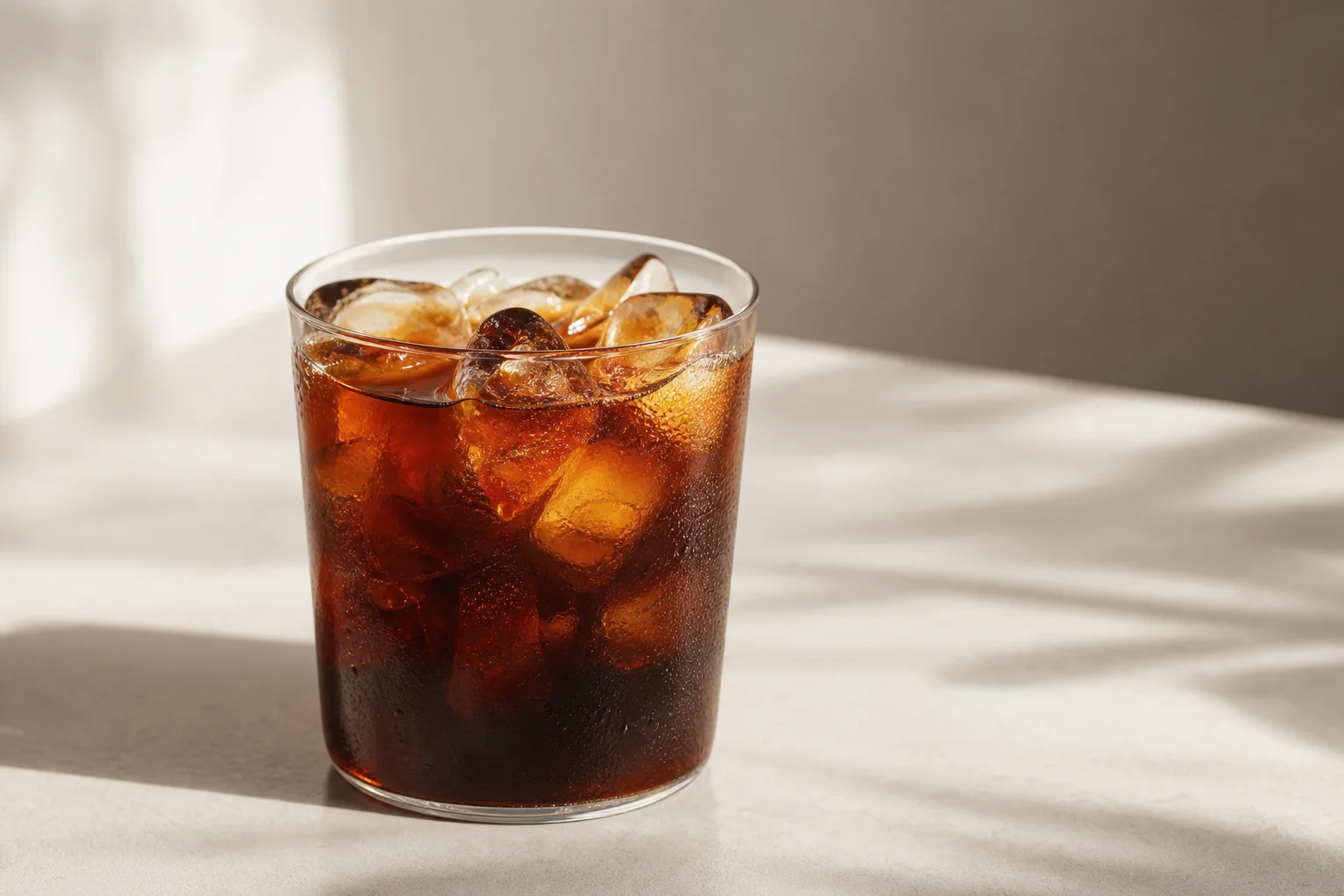
Medium roasts and darker roasts show more interesting transformations in cold brew. Medium roasts develop pronounced sweetness and caramel notes, while dark roasts lose much of their harsh bitterness—a genuine advantage if you like dark coffee but find hot-brewed dark roasts too aggressive. Natural processed coffees also perform well, developing juicy, candy-like sweetness that differs pleasantly from their hot-brewed character. Heavily processed or fermented coffees, despite their cost and complexity, tend to lose their distinctive aromatic qualities in cold water, making them poor candidates for this brewing method.
Buying Advice
The Toddy Cold Brew System remains a viable option if you understand its trade-offs. It’s affordable, durable, and straightforward to use. However, expect to use more coffee than ideal to achieve good strength with its standard coarse-grind approach. If you’re willing to experiment with finer grinds and longer steeping times, you can improve results significantly. The system works best for daily or near-daily brewing rather than making large concentrates to store for a week, as cold brew develops off-flavors as it ages.
For best results with the Toddy, use a medium roast or darker roast coffee, grind finer than typically recommended, use a coffee-to-water ratio around 70-75 grams per liter, allow 12 hours for steeping and settling, and pour gently to avoid disturbing the sediment. This approach yields cleaner flavor and better value than the conventional Toddy method.
Conclusion
The Toddy Cold Brew System is a straightforward brewer that works best when you optimize your technique rather than follow standard recommendations. By adjusting grind size, steeping time, and coffee selection, you can achieve cold brew that tastes fresher and more flavorful than typical immersion methods produce. It’s not a perfect system, but it’s accessible and effective for home brewers willing to experiment.
Product link
View more details for Toddy Cold Brew System
This product is mentioned in the review. Check the specifications, options, and compatibility before buying.
View more details for Toddy Cold Brew SystemFurther reading
Related Reviews
Coffee Equipment
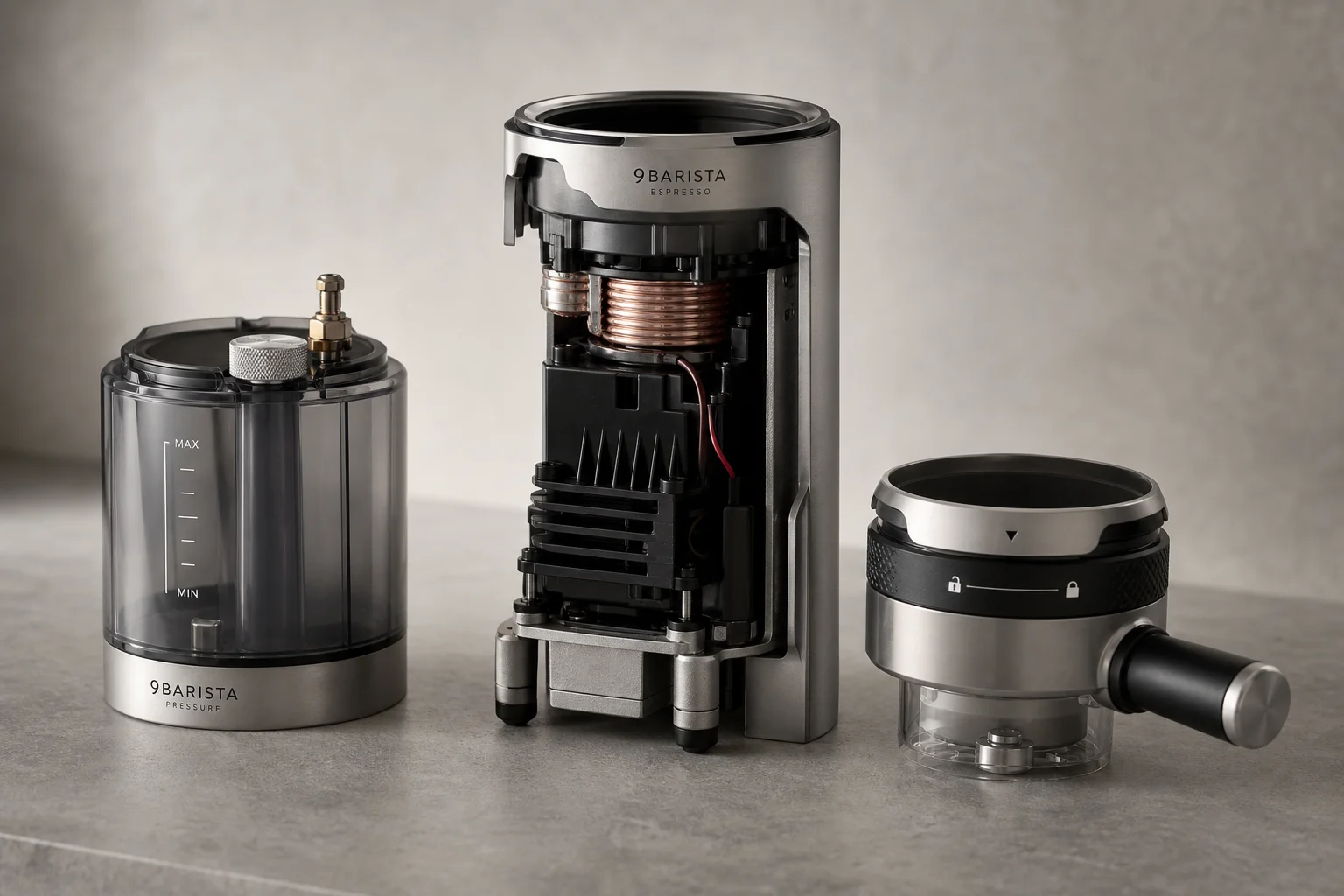
9Barista Espresso Machine Review: Stovetop Espresso for Single-Cup Enthusiasts
A cleverly engineered stovetop espresso maker that generates nine bars of pressure without electricity. Excellent coffee quality, but requires patience and suits solo drinkers only.
Coffee Equipment
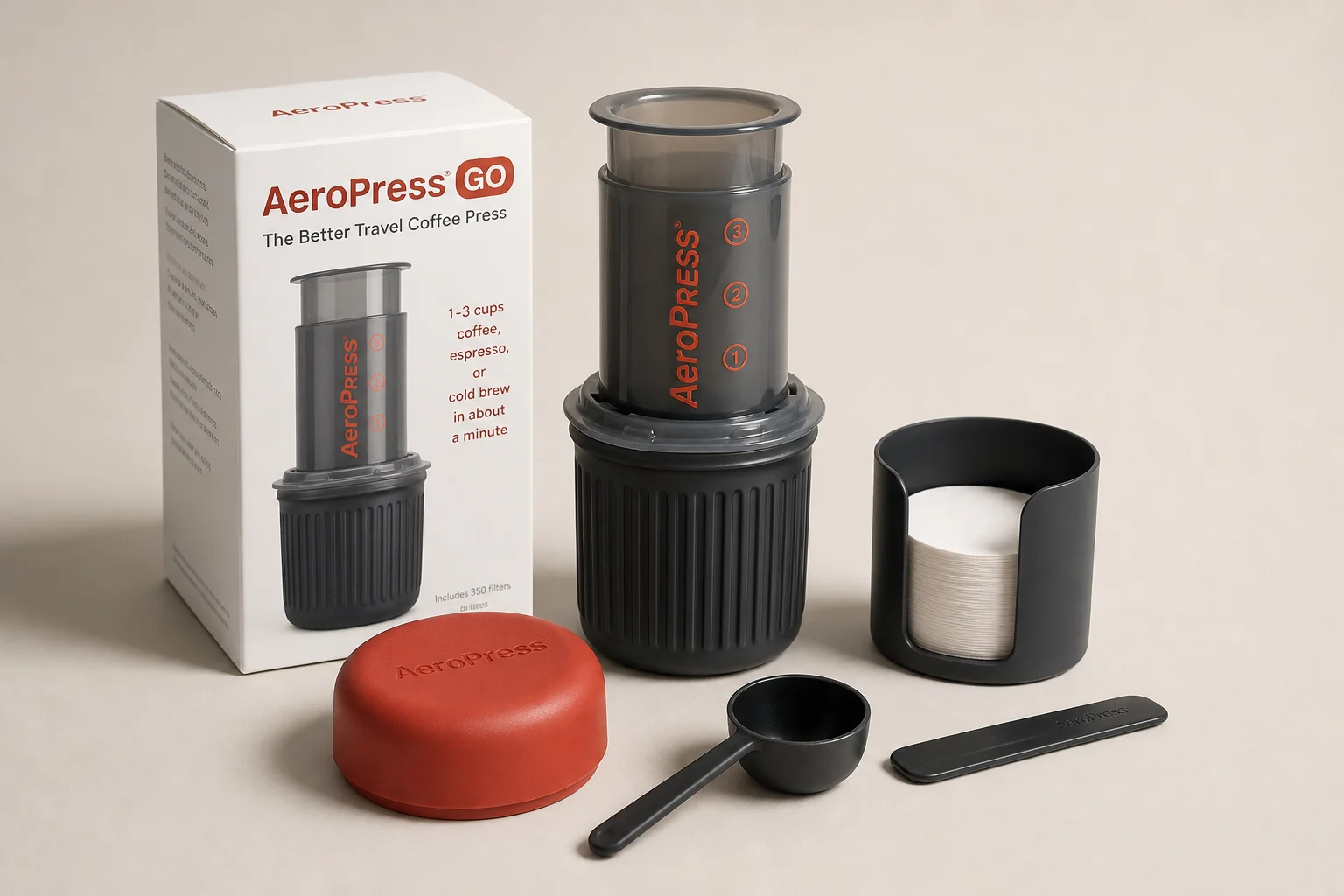
Aeropress Go Review: A Compact Travel Brewer That Solves One Specific Problem
The Aeropress Go shrinks the original design and adds an integrated cup, but it may not address the travel challenges most coffee enthusiasts actually face.
Coffee Equipment
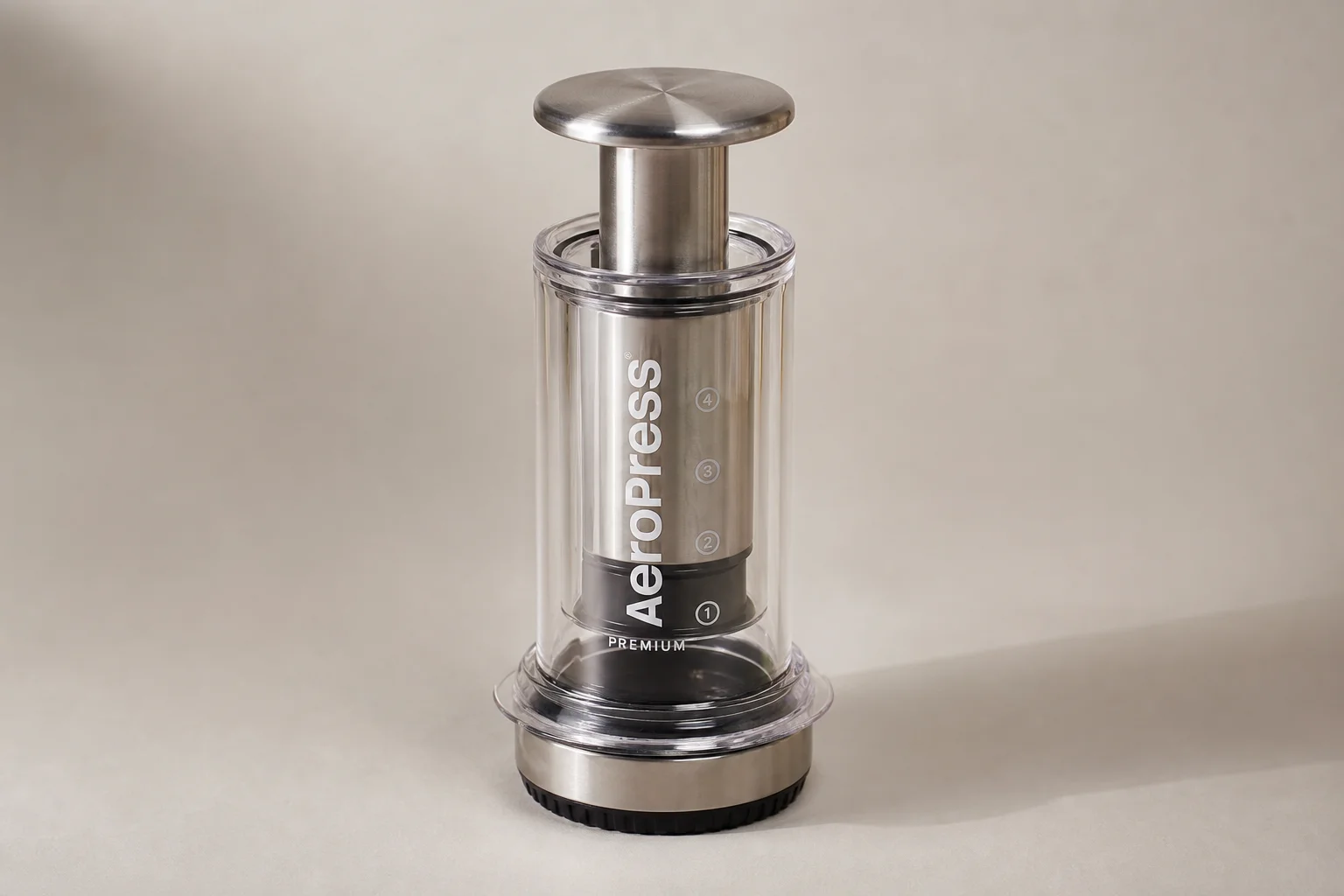
AeroPress Premium Review: Premium Materials, Practical Trade-offs
The AeroPress Premium brings glass and metal construction to a beloved brewer, but trades portability and durability for a more refined feel. Here's what changes in the cup and what matters before you buy.