Gaming Peripherals
TMR Sensors vs Hall Effect: The Next Generation of Gaming Keyboards
TMR sensors represent a meaningful evolution in gaming keyboard technology, offering better accuracy, lower power consumption, and hybrid switch compatibility. Here's what you need to know before upgrading.
Introduction
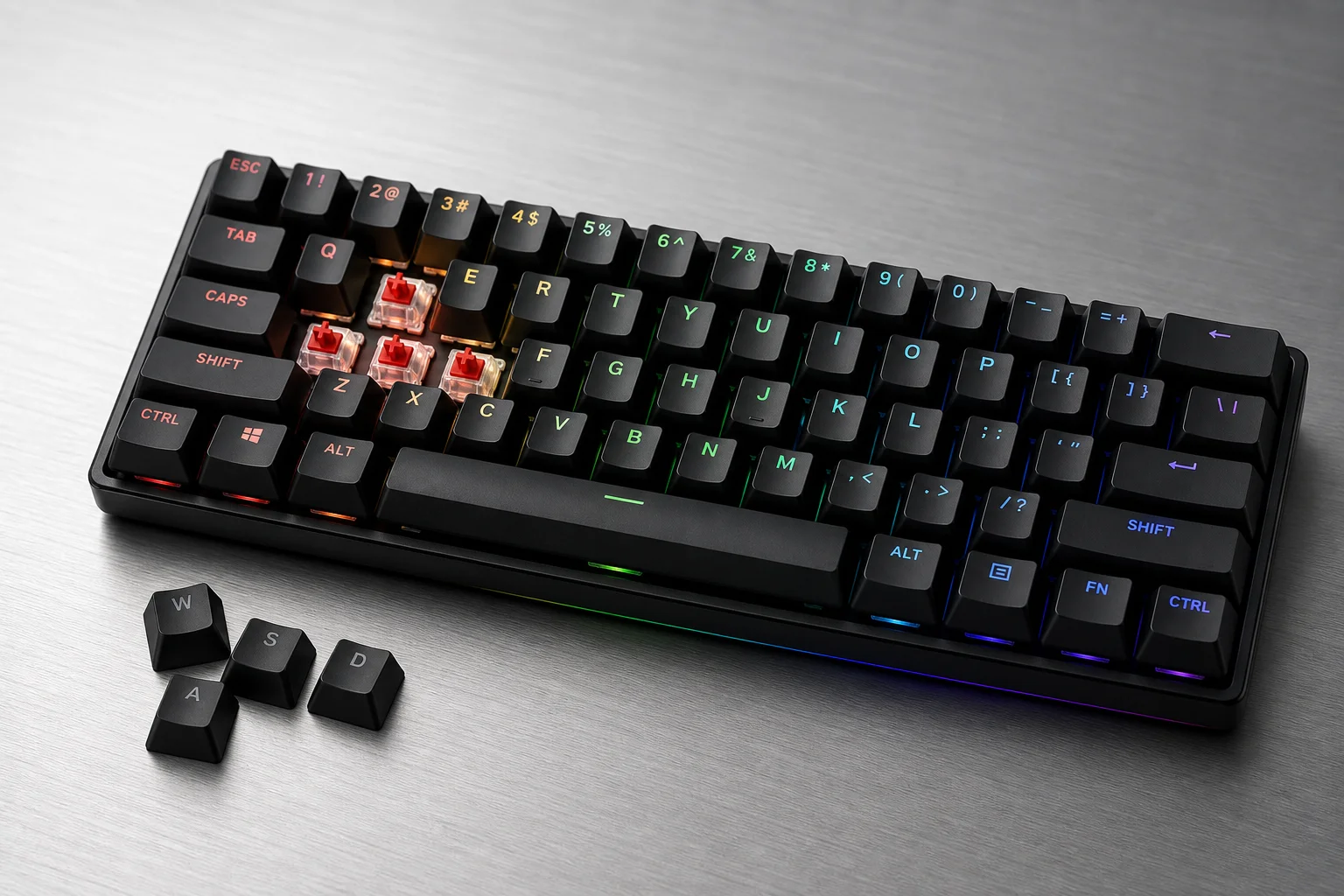
Hall Effect sensors revolutionized gaming keyboards when they arrived in 2017, but a new technology is already challenging their dominance. TMR sensors, short for tunneling magneto-resistant sensors, offer measurably better accuracy, lower power consumption, and design flexibility that Hall Effect keyboards simply cannot match. The question is not whether TMR will replace Hall Effect, but how quickly the transition will happen.
How TMR Sensors Work
Hall Effect sensors detect changes in magnetic fields by measuring voltage shifts in electrons deflected by a conductor. This approach works well along a single linear axis, but struggles when the magnet moves off that axis. If the magnetic field approaches from the side rather than directly above, Hall Effect sensors lose sensitivity entirely.
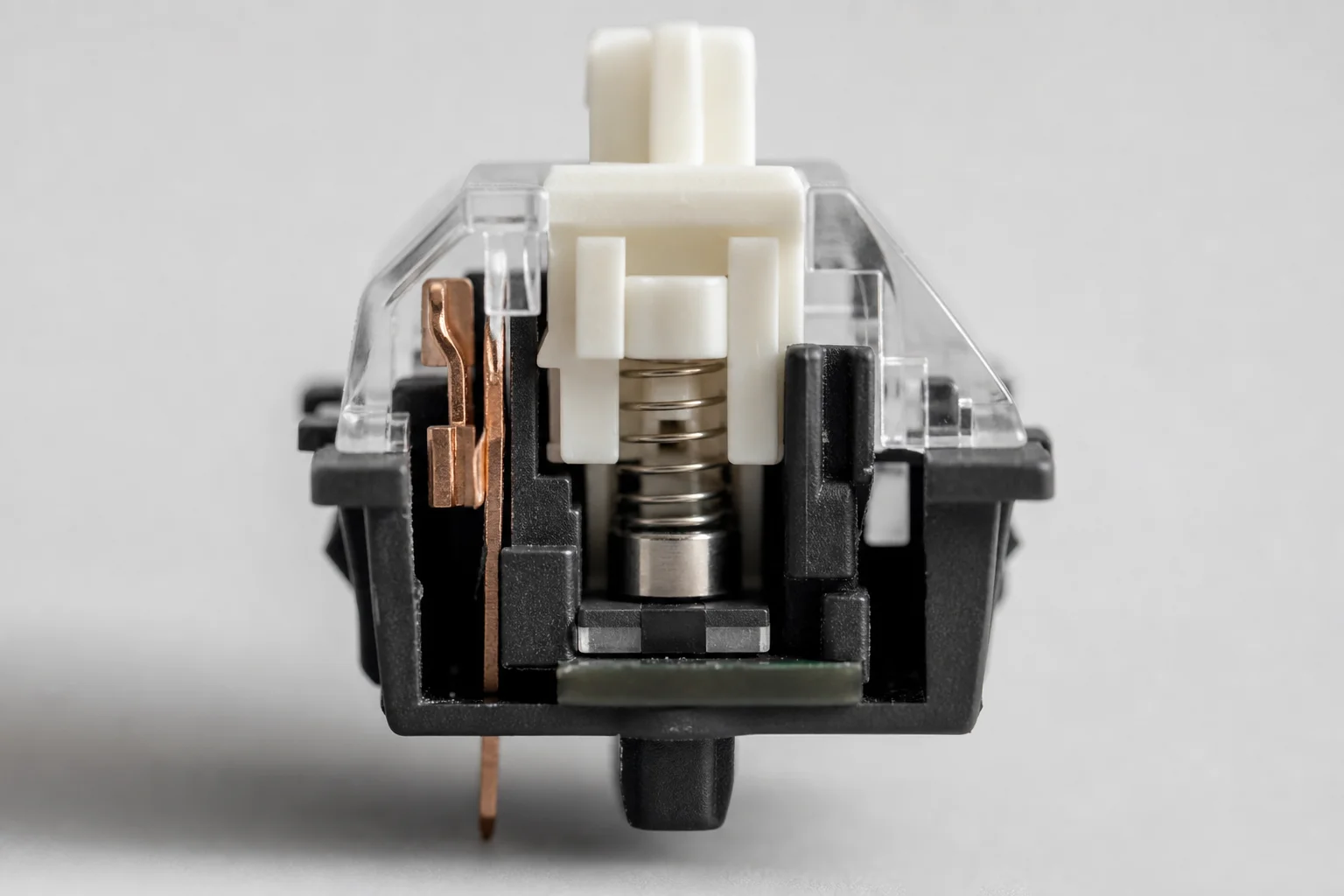
TMR sensors operate on a fundamentally different principle. They detect resistance changes caused by quantum tunneling, making them sensitive enough to register magnetic fields that are practically invisible to Hall Effect sensors. This quantum-level sensitivity translates to two major practical advantages: higher accuracy and the ability to place the sensor slightly off-axis from the switch stem.
Hybrid Switch Compatibility
The off-axis sensor placement enabled by TMR technology solves a long-standing design constraint. Hall Effect keyboards require the sensor to sit in the center of the switch, which means they cannot use traditional hot-swap sockets. TMR keyboards can position the sensor to the side, leaving room for a standard mechanical switch socket.
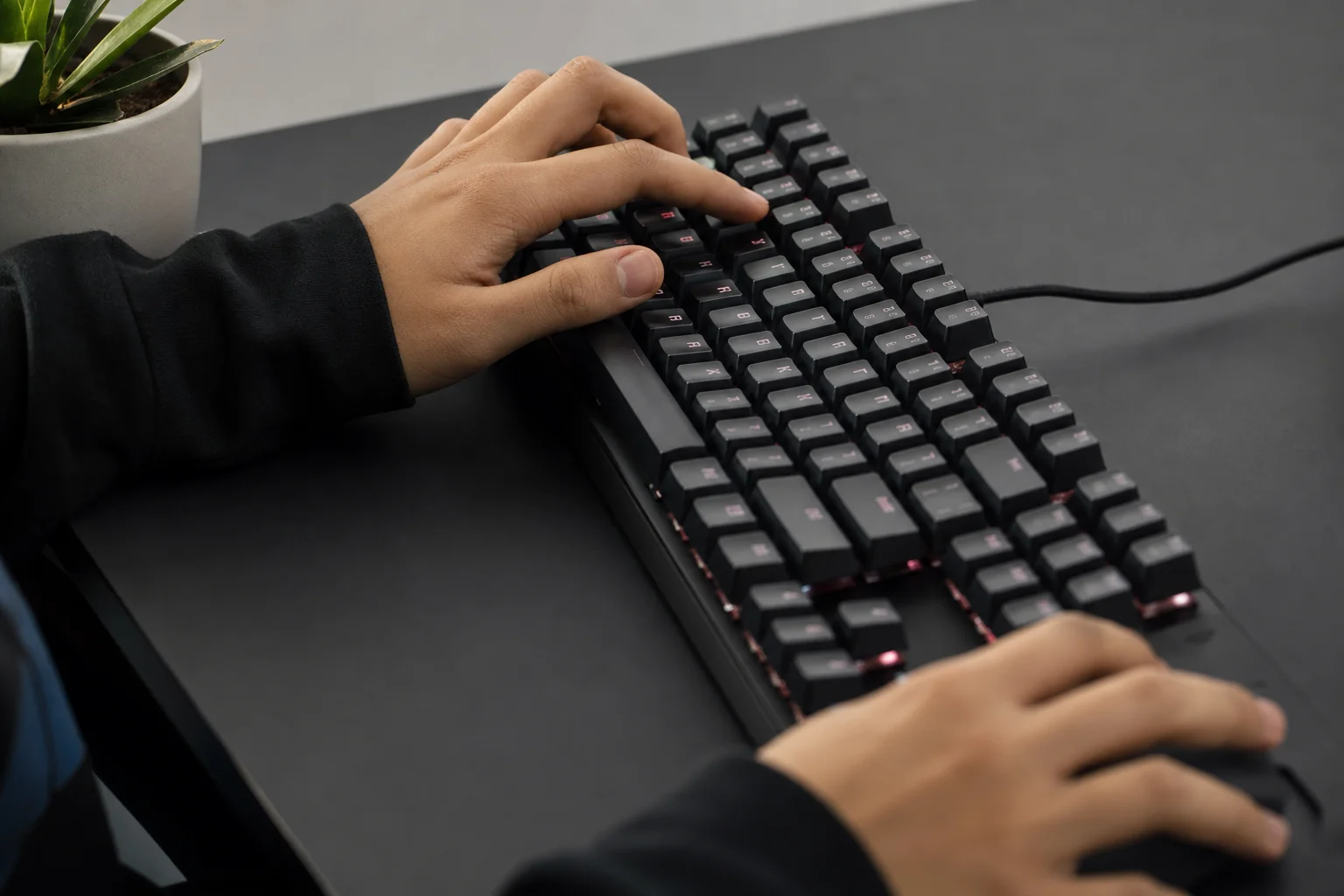
This creates a hybrid keyboard that accepts both magnetic switches and traditional mechanical switches simultaneously. For gamers who only need analog input on specific keys like WASD or arrow keys, this flexibility is genuinely useful. You can equip those performance-critical keys with magnetic switches while using conventional mechanical switches elsewhere for their superior tactile feedback and sound profile.
Wireless Capability and Power Efficiency
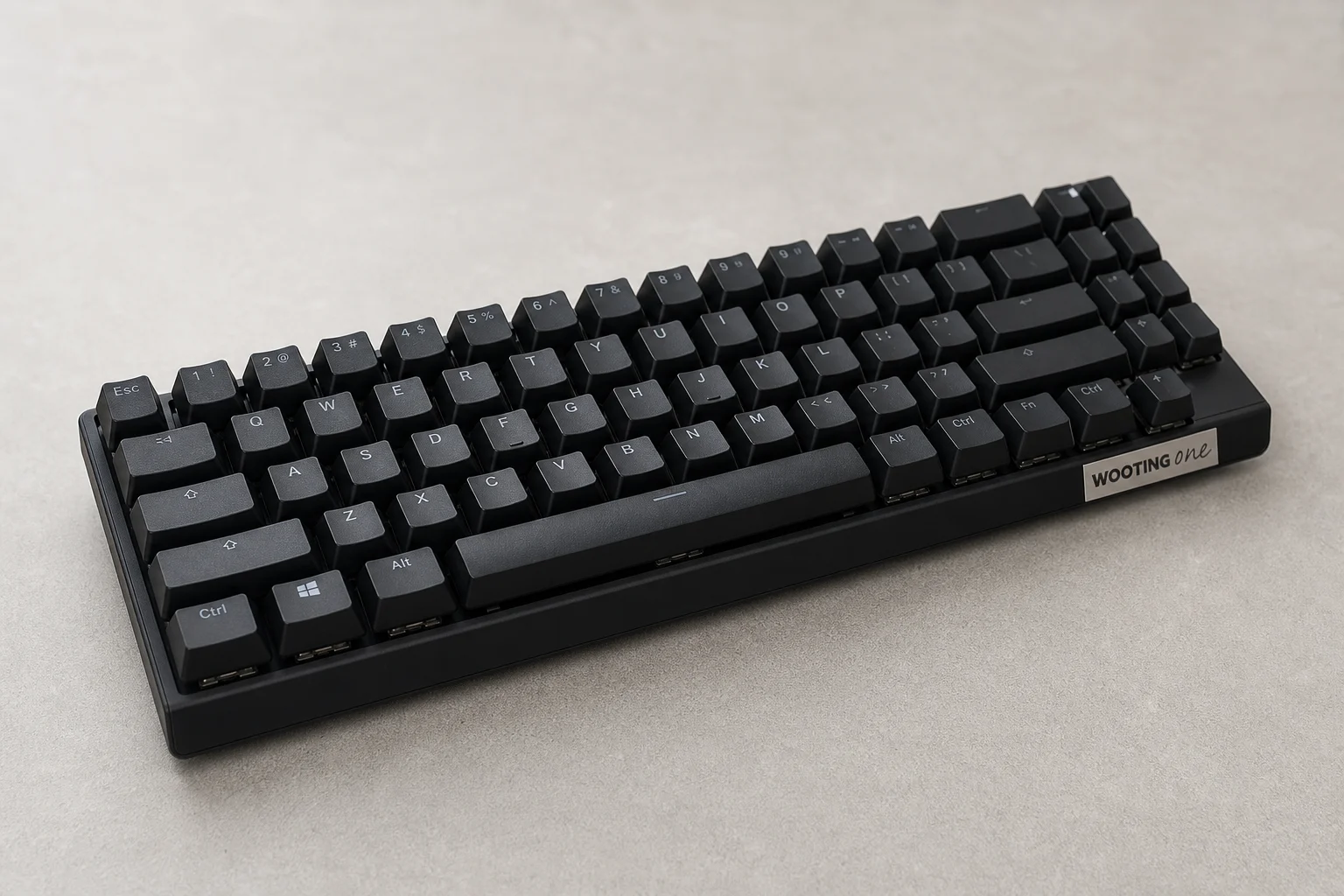
Hall Effect keyboards have struggled with wireless implementation because the technology draws substantial power. The Wooting One and similar Hall Effect keyboards remain wired, and even dedicated wireless Hall Effect options like the Fun 60 HE require oversized batteries to maintain reasonable battery life.
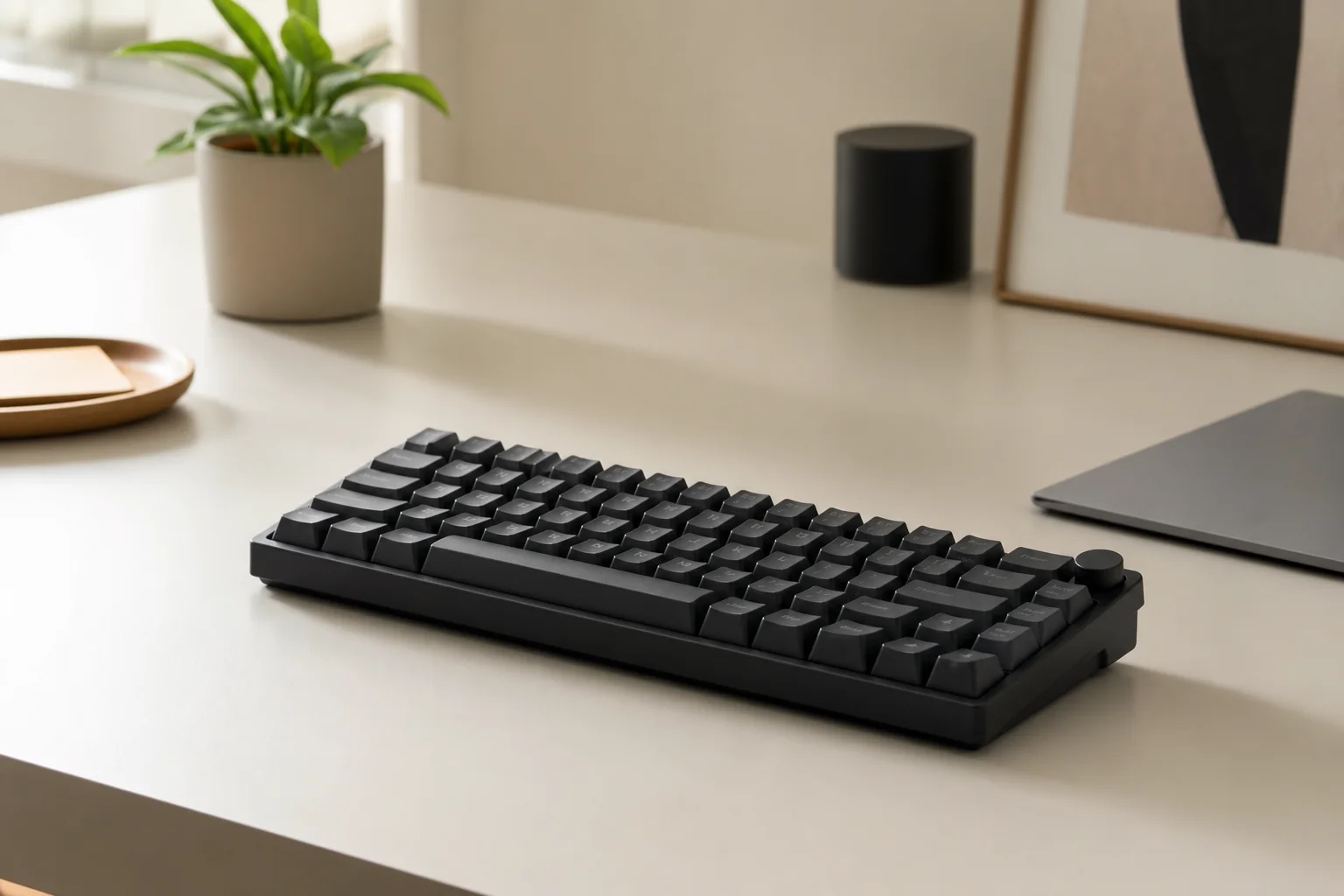
TMR sensors consume significantly less power than Hall Effect sensors, to the point where the difference is negligible compared to other keyboard components. This efficiency gap makes wireless TMR keyboards practical without requiring a battery the size of a brick. For users who value a clean desk setup without cable clutter, this represents a genuine quality-of-life improvement.
Real-World Performance and Practical Considerations
The Fun 60 TMR costs approximately $63.49, which is competitive with mid-range Hall Effect keyboards. Despite the more complex manufacturing process for TMR sensors, the price premium remains modest. This suggests that as TMR adoption accelerates, costs will not become a barrier to entry.
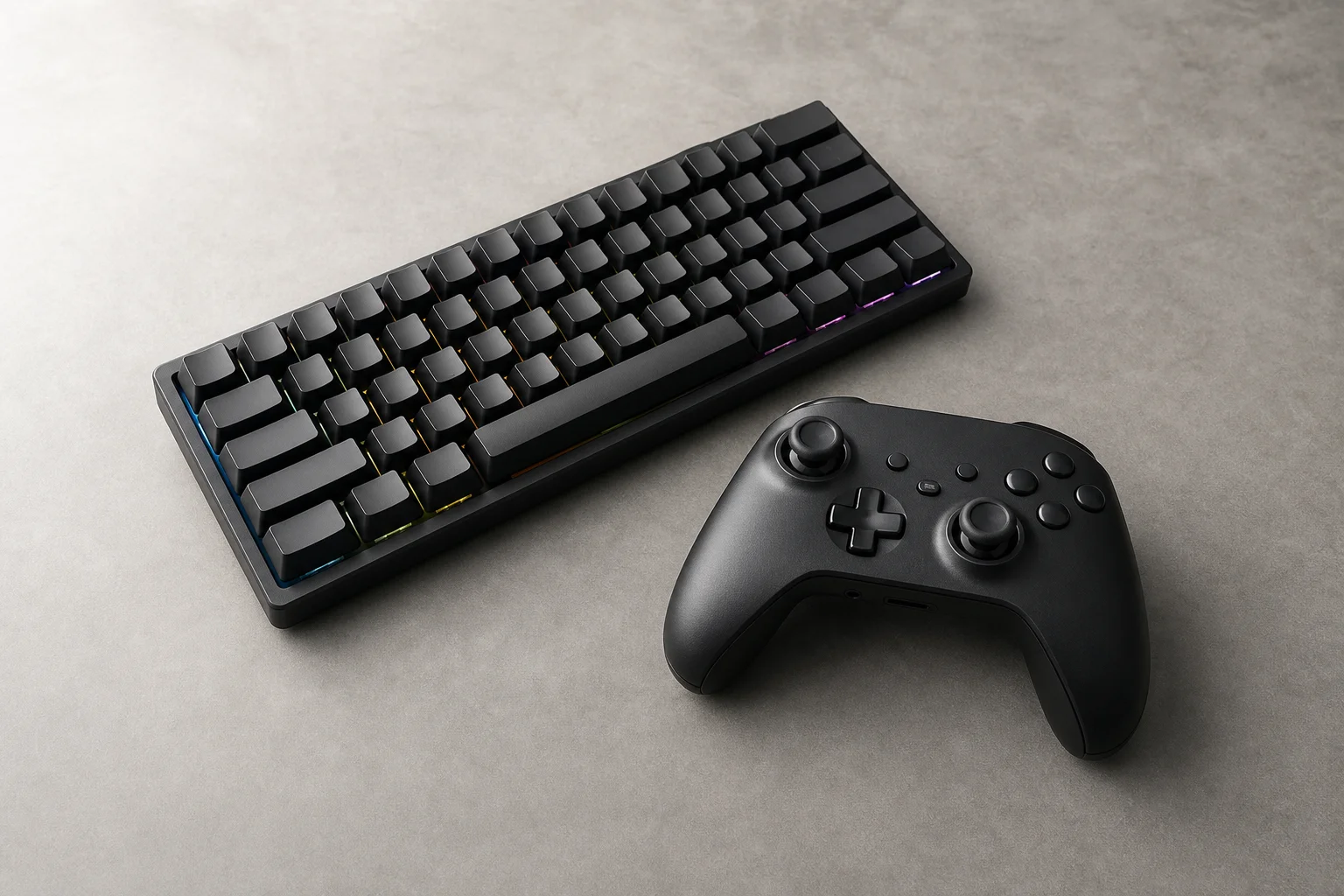
In practical use, the difference between a TMR keyboard and a Hall Effect keyboard like the Wooting 60HE is subtle. Both deliver responsive, low-latency input suitable for competitive gaming. If you already own a Hall Effect keyboard, upgrading to TMR will not dramatically improve your gaming performance or skill level. The real value emerges when you need wireless capability, hybrid switch flexibility, or are building a new keyboard from scratch.
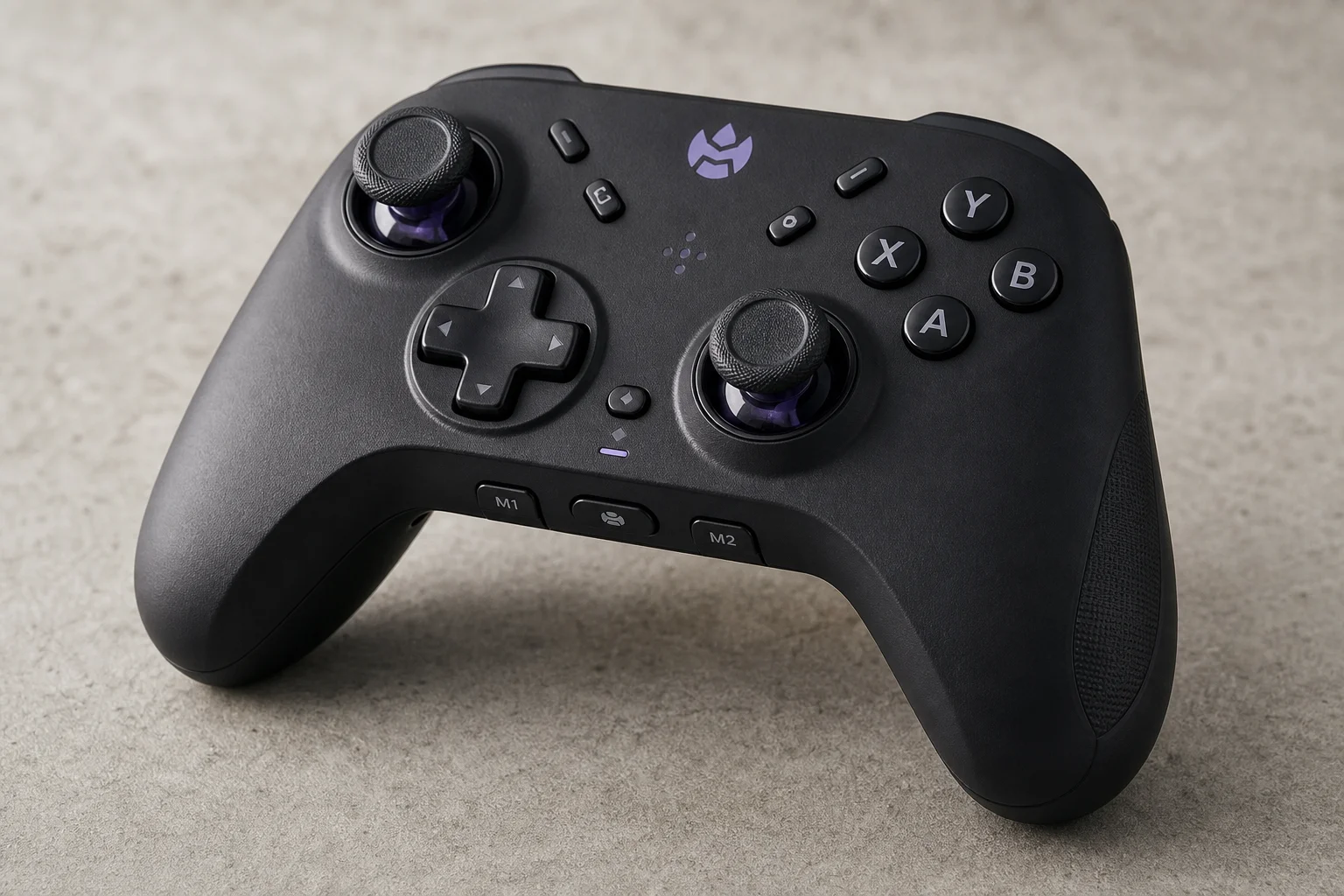
TMR technology is not entirely new. The 8bitdo controller has used TMR sensors in its joysticks for years, delivering accurate analog input and eliminating stick drift through contactless design. Both Hall Effect and TMR sensors are contactless with theoretically infinite lifespans, but TMR’s superior sensitivity and lower power draw make it the more elegant solution.
Conclusion
TMR sensors represent a meaningful evolution rather than a revolutionary leap. They solve real problems that Hall Effect keyboards left unsolved, particularly wireless implementation and design flexibility. Within the next year, most new analog keyboards will likely transition to TMR sensors, making Hall Effect technology the previous generation. If you are shopping for a new gaming keyboard today, TMR options deserve serious consideration, especially if wireless capability or hybrid switch support matters to your setup.
Further reading
Related Reviews
Gaming Peripherals
Budget Gaming Keyboard-Mouse Combos Under 1600: Which Ones Are Worth Buying
A practical review of eight affordable keyboard-mouse combos, identifying which deliver genuine value and which to skip when building a budget gaming setup.

Gaming Peripherals
Corsair Gaming Peripherals Roundup: Hall Effect Keyboards, Carbon Fiber Mice, and More
A practical look at Corsair's latest gaming peripherals, including Hall effect keyboards, carbon fiber and magnesium mice, and a control-focused mouse pad.

Gaming Peripherals
Corsair MAKR 75 and Scimitar Elite Wireless SE: Two New Releases Worth a Closer Look
Corsair's latest keyboard and mouse bring modular design, web-based configuration, and a new approach to side-button controls.