Golf Equipment
Titleist GTS2 Driver Review: A Premium Performer With a Premium Price
We put the $700 Titleist GTS2 driver through distance, forgiveness, workability, and value testing to see if it justifies its price tag.
Introduction
The Titleist GTS2 is the latest driver in the company’s long-running GTS series, and it arrives with a suggested retail price of $699.99. That makes it the most expensive driver Titleist has released to date, and it raises an immediate question: does the performance justify the price?
We took the GTS2 out for a full round of testing, covering distance, forgiveness, workability, aesthetics, and value. The club was tested with its stock shaft, which is an important detail given how much the shaft can influence performance. Here is what we found.
First Impressions and Design
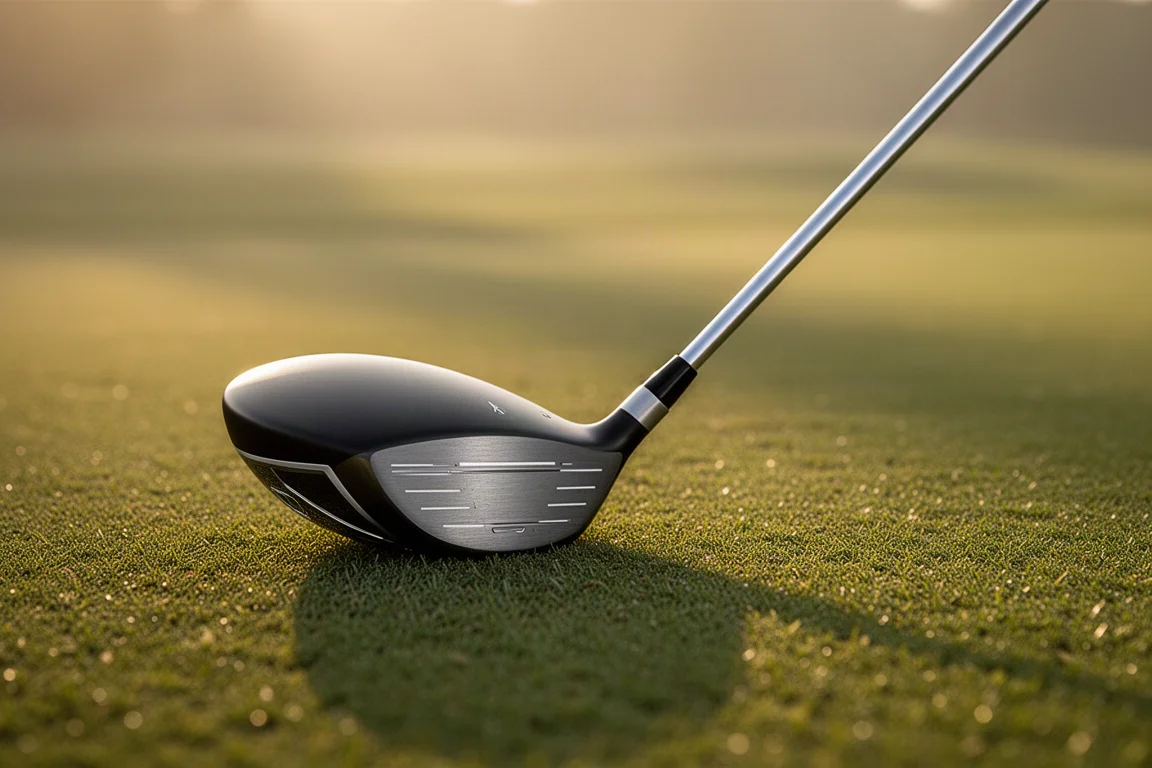
The GTS2 looks the part from the moment you take it out of the bag. Titleist has a reputation for clean, understated looks at address, and this driver continues that tradition. The crown is sleek and free of visual clutter, giving you a confident, focused view down at the ball. It is exactly what you would expect from a brand that has been refining this design for more than two decades.
The aesthetic appeal extends beyond the crown. The overall shape of the club head is modern and aerodynamic, and the finish is premium throughout. It is a driver that looks expensive, which is fitting given the price tag.
Distance Testing
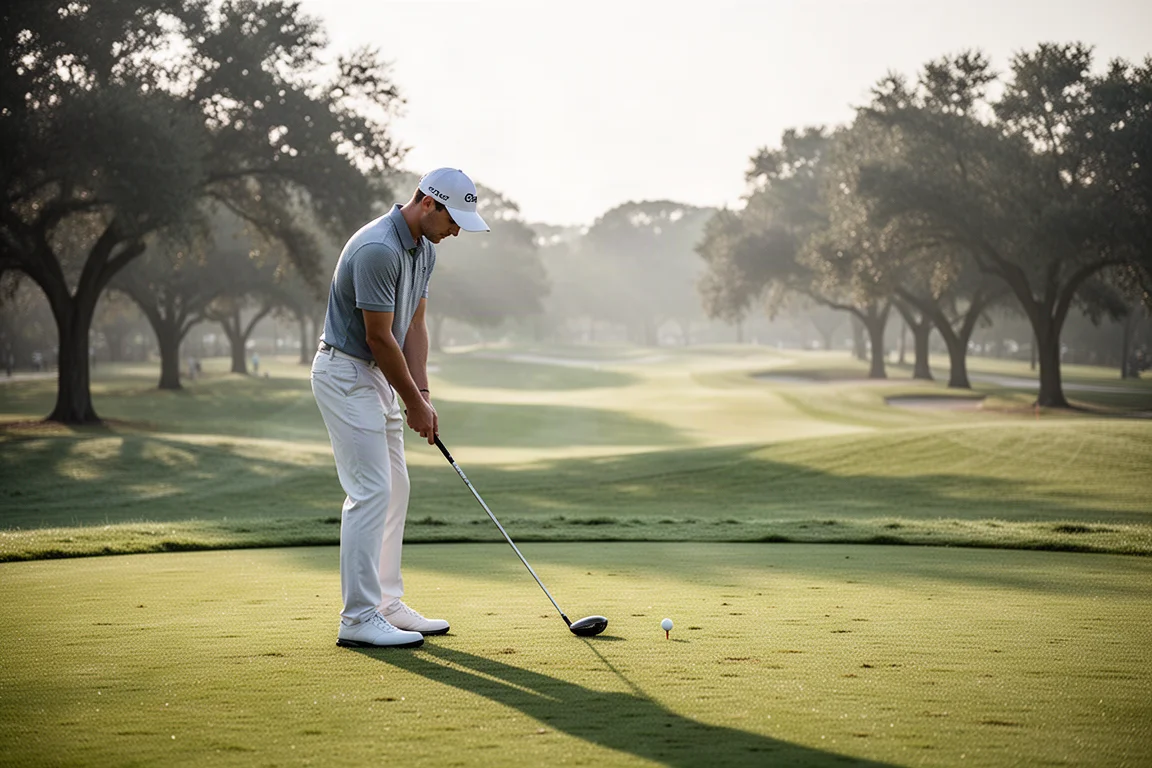
The first test was all about raw distance. With a club head speed of 105 mph, the GTS2 produced ball speeds of 150 to 151 mph and a smash factor of 143 to 144. Carry distances ranged from 253 to 268 yards, with spin numbers sitting right in the ideal window at around 2,040 to 2,424 rpm.
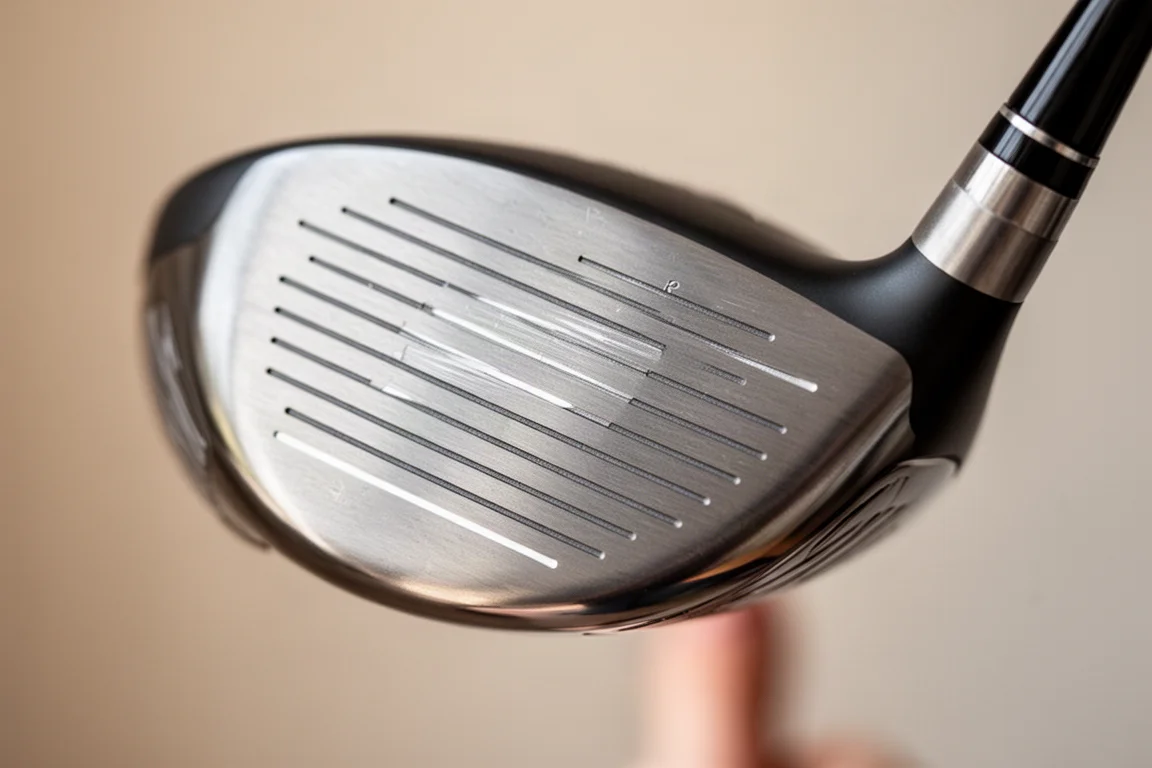
One of the most impressive aspects of the distance testing was the consistency. Even on shots struck slightly toward the heel, the carry distances stayed within a few yards of each other. Titleist has stiffened the outer edges of the face beyond the sweet spot to promote more consistent ball speeds, and that technology appears to be working as intended.
The ball flight was described as glorious, with a high peak height that still managed to hold its line. The club felt fast off the face, sounded solid at impact, and produced a trajectory that is easy to trust.
Forgiveness Testing
The forgiveness test involved deliberately striking the ball off-center to see how the GTS2 handles less-than-perfect contact. We tested toe hits, heel hits, low face strikes, and high face strikes.
The results were encouraging. A toe strike produced a shot that flew relatively straight, finishing in the right rough but nowhere near as wayward as it could have been. A heel strike produced a slightly lower trajectory but still found the left side of the fairway. A low face strike produced a nice little draw with respectable peak height, and even a high face strike that was nearly skied turned over and stayed in play.
The verdict on forgiveness is that the GTS2 is very good, though not the absolute best on the market. There are drivers with slightly tighter dispersion on off-center hits, but the GTS2 offers plenty of forgiveness for the vast majority of golfers. The balance between power and forgiveness is genuinely impressive.
Workability and Trajectory Control
For better players who like to shape their shots, the GTS2 delivers. Titleist drivers have always been known for their workability, and this model continues that tradition.

We successfully worked the ball left to right, hitting a controlled cut that started at a target tree and curved back toward the fairway. We also hit right to left shots, including a low, running draw that would be ideal for links golf or playing under the wind. The trajectory control was excellent, allowing for both high, soft-landing shots and low, piercing drives with plenty of roll.
This is a driver that responds to what you ask of it. If you are a player who likes to move the ball, the GTS2 gives you the tools to do so with confidence.
Max Distance Testing
The final on-course test was the max distance challenge. With swing speed pushed up to 107 mph, the GTS2 produced ball speeds of 154 to 157 mph and smash factors of 144 to 147. Estimated carry distances ranged from 256 to 263 yards, with one drive carrying an estimated 263 yards and rolling out to a total of 292 yards.
The best drive of the day finished at 284 yards, dead center of the fairway. That came with a 107 mph club head speed and no wind assistance, making it a genuine number. The longest drive of the day was 277 yards, also in the fairway.

One note on the stock shaft: at 55 grams, it felt a little soft for higher swing speeds. The previous TSR line featured a counter-balanced shaft that was well received, and the new stock option feels like a step down in comparison. For players with swing speeds above 105 mph, a 60 or 65 gram shaft would likely be a better fit. Upgrading the shaft will add to the cost, potentially pushing the total toward $950 or $1,000.
Overall Scores and Value
When it came time to rank the GTS2, the scores were strong across the board. Distance earned a full five out of five, with the club producing excellent numbers even on off-center strikes. Forgiveness earned four and a half out of five, performing very well on mis-hits with only one truly poor result. Workability earned a perfect five out of five, as expected from a Titleist driver. Aesthetics also earned a perfect five, with the looks, feel, and sound all receiving high praise.
The value category was the toughest to score. At $699.99, the GTS2 carries significant sticker shock. Resale value is likely to be strong, which helps the long-term value proposition, but the initial investment is substantial. Combined with the stock shaft being a weaker option for higher swing speeds, the value score came in at three and a half out of five.
Buying Advice
The Titleist GTS2 is a genuinely excellent driver. It is fast, forgiving, workable, and beautiful to look at. The face technology delivers consistent distances even on off-center hits, and the balance between power and forgiveness is among the best we have seen.
The question is whether it is worth $700. For golfers who want the latest technology and are willing to pay a premium for it, the GTS2 will not disappoint. However, the previous TSR3 series remains a very strong option, and the GT series may be available at a discount now that the GTS2 has arrived. For many golfers, those alternatives will offer comparable performance at a more accessible price.
If you have a higher swing speed, factor in the cost of a shaft upgrade when budgeting for this driver. The stock shaft is serviceable, but a stiffer, heavier option will help you get the most out of the club.
Conclusion
The Titleist GTS2 is a premium driver in every sense of the word. It performs at an elite level across distance, forgiveness, and workability, and it looks and sounds fantastic. The main barrier is the price, which is the highest Titleist has ever charged for a driver.
For golfers who want the best and are comfortable with the investment, the GTS2 is an easy recommendation. For everyone else, the previous generation offers a compelling alternative at a lower cost. Either way, the GTS2 proves that Titleist remains at the top of its game when it comes to driver design and performance.
Product link
View more details for Titleist GTS2
This product is mentioned in the review. Check the specifications, options, and compatibility before buying.
View more details for Titleist GTS2Further reading
Related Reviews

Golf Equipment
Astral Golf Putter Review: A Customizable Putting System Worth Your Attention
Astral Golf's adjustable hosel system and interchangeable faces let you build a putter that matches your stroke. Here's how it performs on the course.

Golf Equipment
Ben Hogan BHM03 Putter Review: A Striking Design That Performs
The Ben Hogan BHM03 combines multi-material construction, a refined look, and a reasonable price. Here is how it performed during a real round.

Golf Equipment
Best Drivers of 2026: Ten Models Ranked and Reviewed
A data-driven ranking of the ten best drivers of 2026, covering distance, forgiveness, workability, aesthetics, and value.