Camping Cookware
Titanium vs Budget Backpacking Cook Kits: Is the Upgrade Worth It?
A three-piece titanium cook kit costs far more than a budget setup. Here is where the extra money goes, and when it actually pays off on the trail.
Introduction
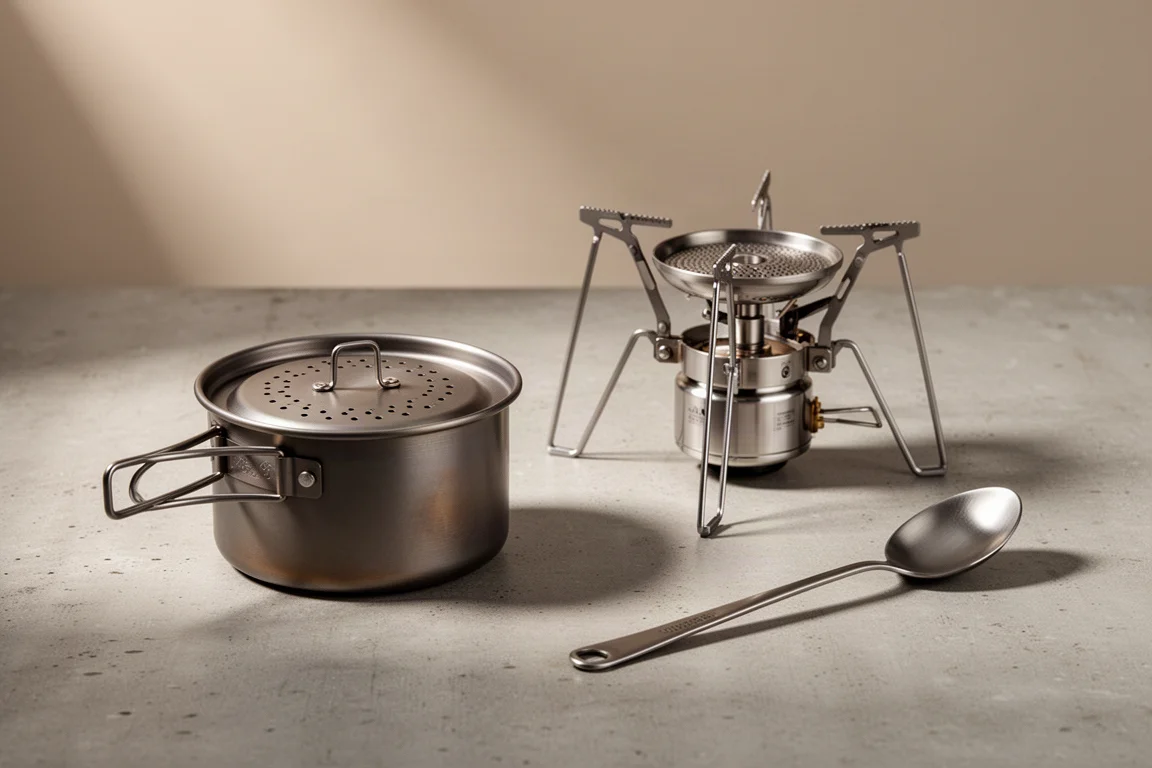
Two cook kits, two very different price points. A budget setup that bundles a pot, a canister stove, and a folding spoon costs around $20. A comparable three-piece kit built around the MSR PocketRocket Deluxe, the Evernew Ultralight Titanium Pasta Pot in medium, and the Toaks Titanium Long Handled Spoon lands closer to $150.
That is roughly seven times the price, so it is fair to ask what the money actually buys. Materials, weight, and a handful of design details account for most of the gap, and only some of those details will matter to you depending on how you cook outdoors.
What Separates a Lightweight Cook Kit From a Budget One
Materials come first. The budget kit uses stainless steel for the spoon and most of the stove, paired with an aluminum pot. The premium kit swaps in titanium for the pot and the spoon, and keeps stainless steel for the stove but in a noticeably higher grade of material.
Weight follows directly from those choices. The budget spoon weighs 25 g, the stove 90 g, and the pot 230 g. The premium equivalents come in at 16 g, 83 g, and 116 g. Added together, the three-piece premium kit is about 38 percent lighter, and most of that saving comes from the pot rather than the stove or the spoon.
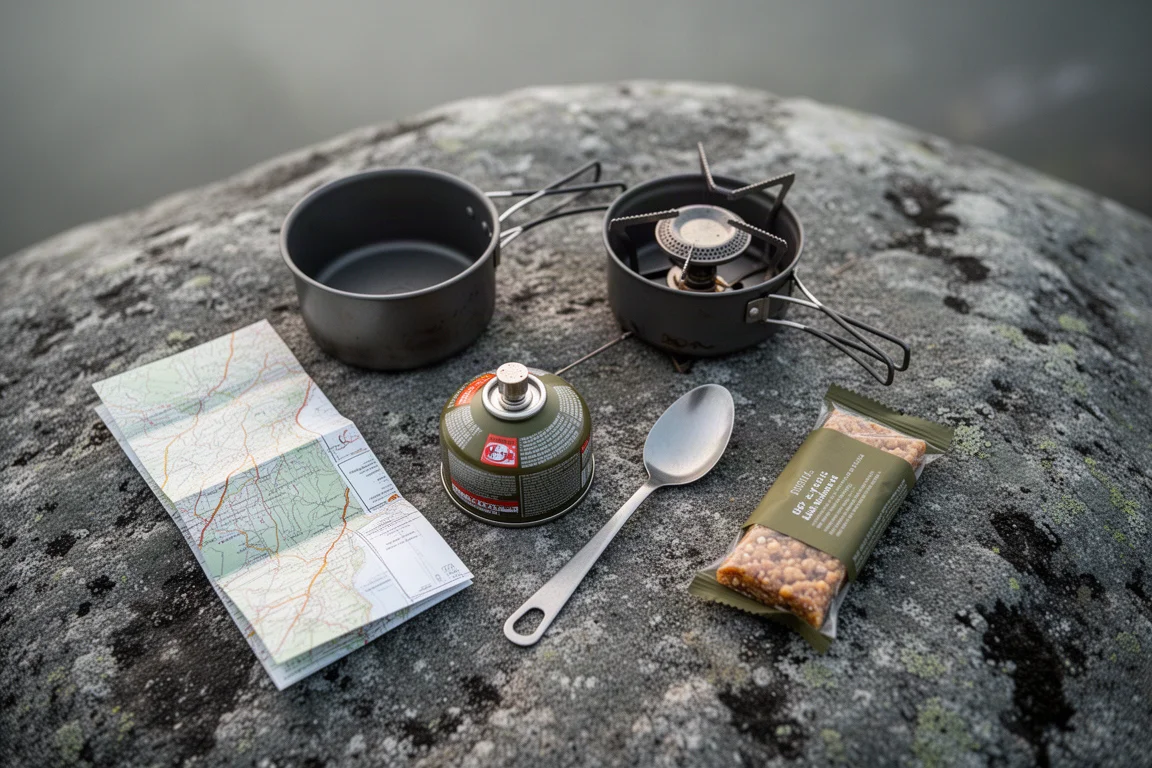
A pattern holds across backpacking cookware. Titanium parts tend to be lighter and more expensive, while aluminum and stainless steel parts cost less and weigh more. Understanding that pattern explains most of the price gap before any performance question is even raised.
MSR PocketRocket Deluxe: The Stove
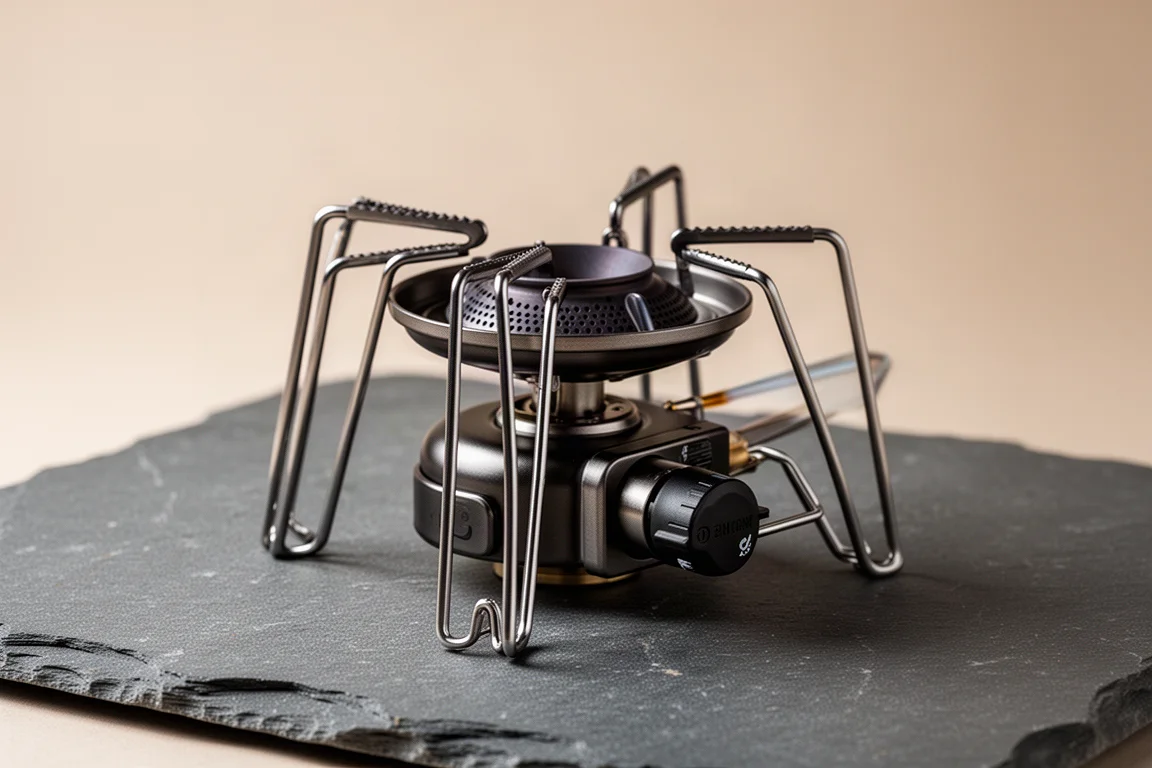
The PocketRocket Deluxe has three pot supports, and they are long and broad, which gives a pot a large, stable platform to rest on. The budget stove has four arms, but they are short and slightly flimsy, so the higher count does not translate into more stability. With a large pot full of water, the wider supports on the MSR stove make a genuine difference.
Both stoves have push-button piezo igniters. On the PocketRocket Deluxe the igniter sparks reliably at the burner, so you can open the fuel valve and light the stove without reaching for a lighter. The budget stove’s igniter is far less dependable, and carrying a backup lighter remains sensible practice with either stove.
The burner itself is wider on the MSR stove, which spreads the flame over a broader area and makes scorching food less likely. The MSR stove also has a raised lip around the burner that shields the flame from wind. The budget stove has a similar-looking lip, but it does not extend past the burner, so it blocks very little wind.
The final major difference is the regulator. It controls the gas moving from the canister through the stove and out of the burner, holding the stove at a consistent low pressure. That matters most in cold conditions and at altitude, where canister pressure shifts constantly.
Evernew Ultralight Titanium Pasta Pot: The Pot
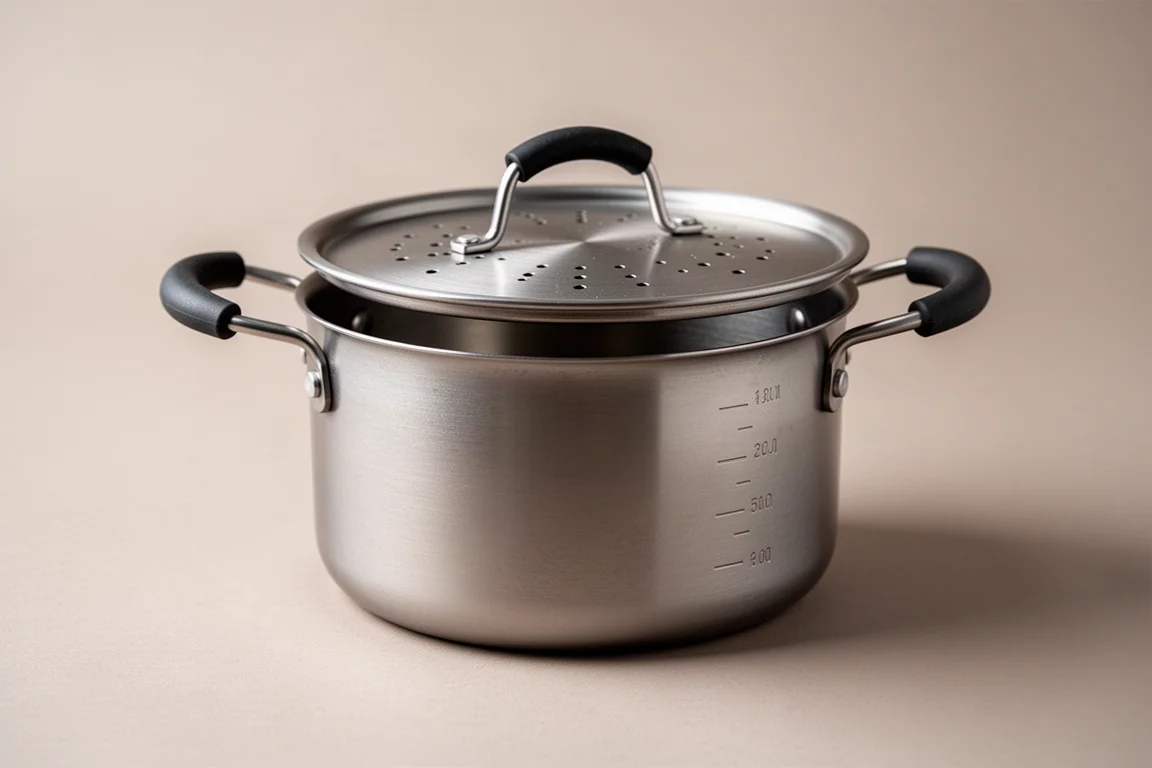
The Evernew pot is titanium and weighs 116 g, less than half the 230 g of the aluminum budget pot. Its lid is the standout detail: it has a built-in strainer for draining pasta, and it snaps into place, so the pot can be packed upside down in a bag without the lid working loose. The budget pot’s lid simply rests on top.
Both pots have rubberized handles that keep heat away from your hands, and both have volume markings on the inside. Those markings are genuinely useful when you need an exact amount of water for a freeze-dried meal, and they are not something you always find on cheaper pots.
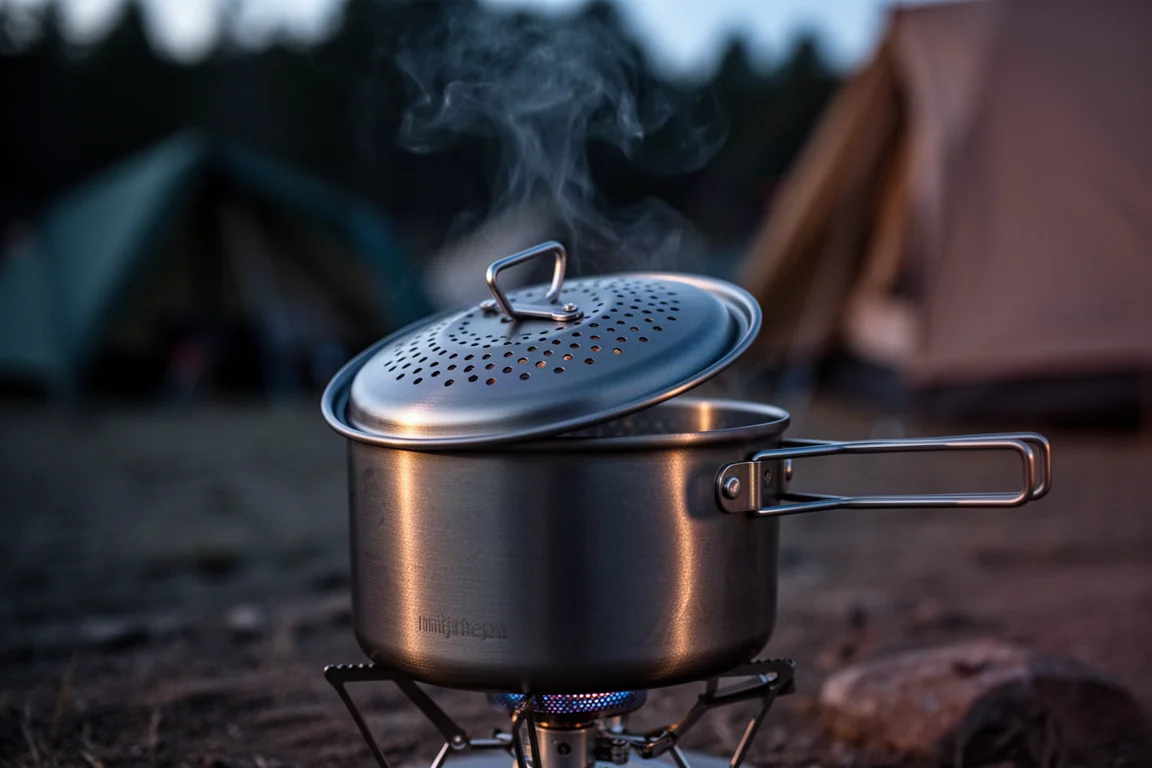
The trade-off with titanium is heat transfer. Titanium moves heat quickly, which makes it excellent for boiling water but easy to burn food in if you are actually cooking in the pot. Aluminum holds heat more steadily and simmers more predictably, so if you plan to cook meals rather than just boil water, an aluminum pot is the more forgiving choice. If you only ever boil water, the titanium pot is the better tool.
Toaks Titanium Long Handled Spoon: The Spoon
The Toaks spoon is titanium and weighs 16 g, compared with 25 g for the stainless steel folding spoon in the budget kit. That weight difference is small enough that it will not noticeably change how your pack carries.
What actually matters is the handle length. The long handle lets you reach the bottom of a resealable food bag without tipping it or digging with your fingers. The budget spoon folds, which helps it fit inside the pot, but its short handle makes eating from a bag noticeably more awkward.

Boil Speed, Fuel Use, and Cold Weather Performance
In a timed test boiling 500 ml of water in the same pot, the MSR stove was clearly faster than the budget stove, and it used less fuel to get there. Efficiency matters on multi-day trips, because it stretches how many meals you get from a single canister.
Wind changes the picture further. With a fan generating roughly 15 km/h of airflow, the MSR stove pulled even further ahead thanks to its wind lip, and its boil time barely moved. The budget stove’s boil time increased considerably under the same conditions.
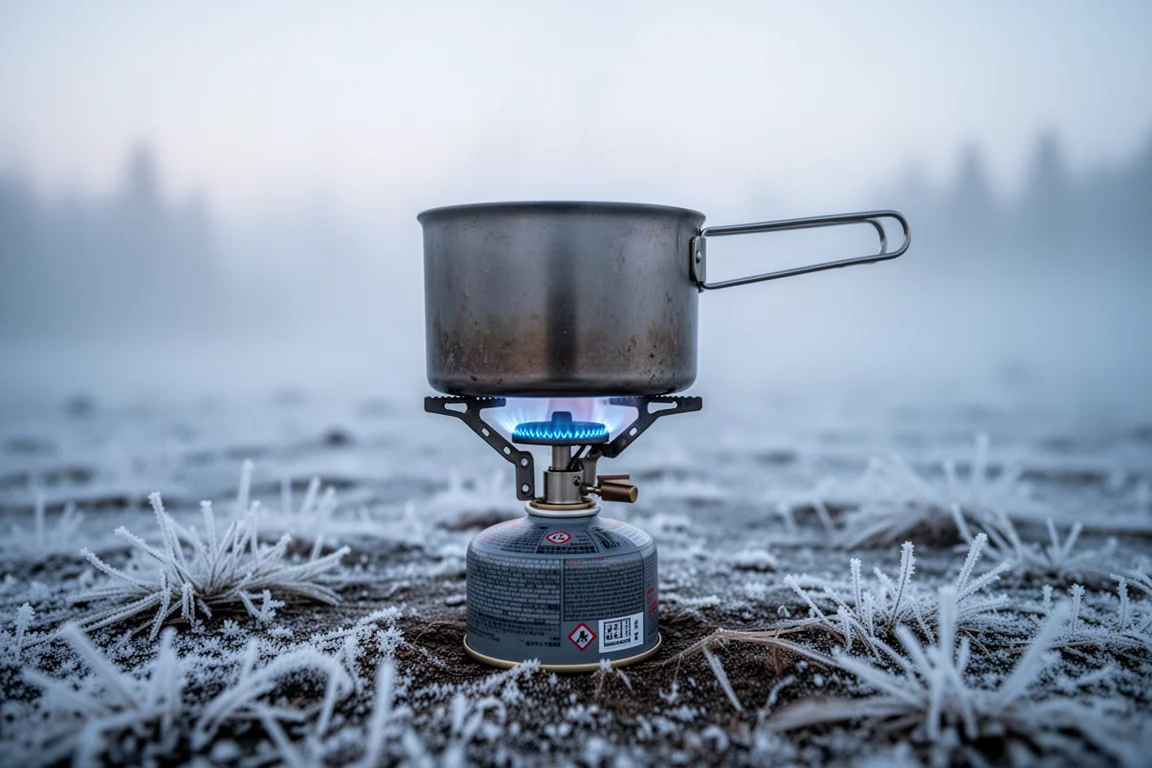
Cold weather behaviour comes down to the fuel. A good canister blend is mostly isobutane, which boils at -12 °C. Once temperatures drop below that, the fuel turns to liquid and struggles to leave the stove as gas. Altitude and how much fuel remains in the canister affect this as well, and in mountain use a canister stove is typically workable down to about -6 °C, or 20 °F, and sometimes only to freezing at higher altitude with a nearly empty canister. The regulator on the MSR stove keeps output consistent right down to that limit, while an unregulated stove starts losing performance well before the fuel itself gives out.
Build Quality: Where the Extra Money Actually Goes
Both pots feel solid and neither has caused any trouble in use. The stoves tell a different story. The MSR stove feels polished and sturdy, with components that fit together cleanly and move the way you expect them to. The budget stove works, and it has survived plenty of use, but it has more rattly, loosely fitted parts and feels like it would give out sooner. If you are hard on your gear, the sturdier stove is the one more likely to last several seasons.
Overall Buying Advice
For backpackers who count grams and want predictable performance in wind and cold, the titanium and regulated combination earns its price. The pot delivers the largest weight saving of the three pieces, the regulated stove copes better with pressure changes, and the long-handled spoon is simply more pleasant to eat with.
For campers who mostly boil water on short trips, or who cook full meals in the pot, a budget kit with an aluminum pot makes more sense. Aluminum simmers more forgivingly, the upfront cost is far lower, and the performance gap only becomes obvious in wind, in cold, and over long boil times.
Conclusion
The premium kit is not automatically the better purchase. It is roughly 38 percent lighter, faster and more fuel efficient to boil with, and better behaved in wind and cold, and those advantages are real. But most of the weight saving sits in the pot, and the stove only separates itself in conditions you may rarely meet. Match the kit to how you actually cook, and either option can be the right one.
Further reading
Related Reviews
Camping Cookware
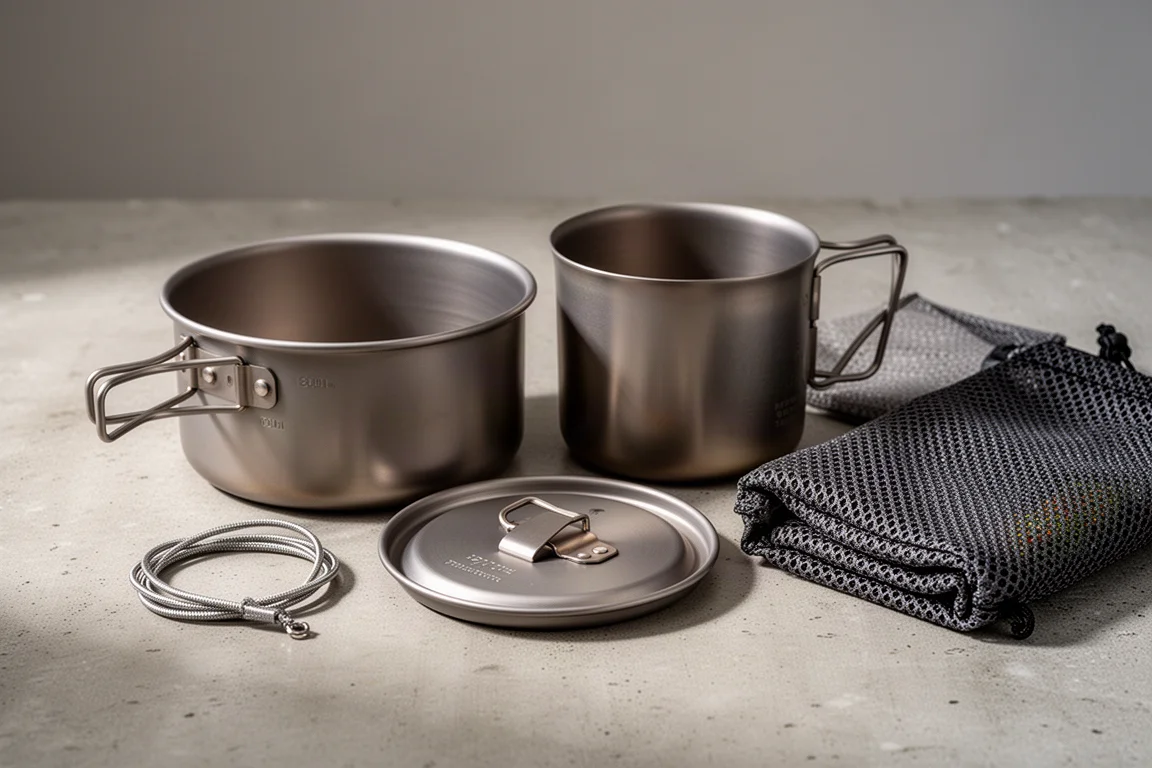
Boundless Voyage Titanium Mess Kit Review: An Ultralight Pot and Cup Set for the Trail
A titanium 600 ml pot and 300 ml cup set that weighs 8.2 ounces complete, with a fire hanging cable, a roomy stuff sack, and one small modification worth making.
Camping Cookware
Decathlon Quechua 24-Piece Camp Cook Set Review: A Four-Person Kit for Car Campers
A close look at the Decathlon Quechua non-stick stainless steel four-person 24-piece camp cook set, covering what is inside, how it cooks, and the small quirks to know before buying.
Camping Cookware
Fire Maple Feast 4 Cook Set Review: Strong Build, One Sticky Problem
A practical look at the Fire Maple Feast 4 Cook Set: excellent build quality and locking handles, generous pot capacity, and the sticking issue that will decide whether it suits your trips.