Hand Tools
Titan 18202 Gearless Micro Ratchets: A Unique Twist on the Micro Ratchet
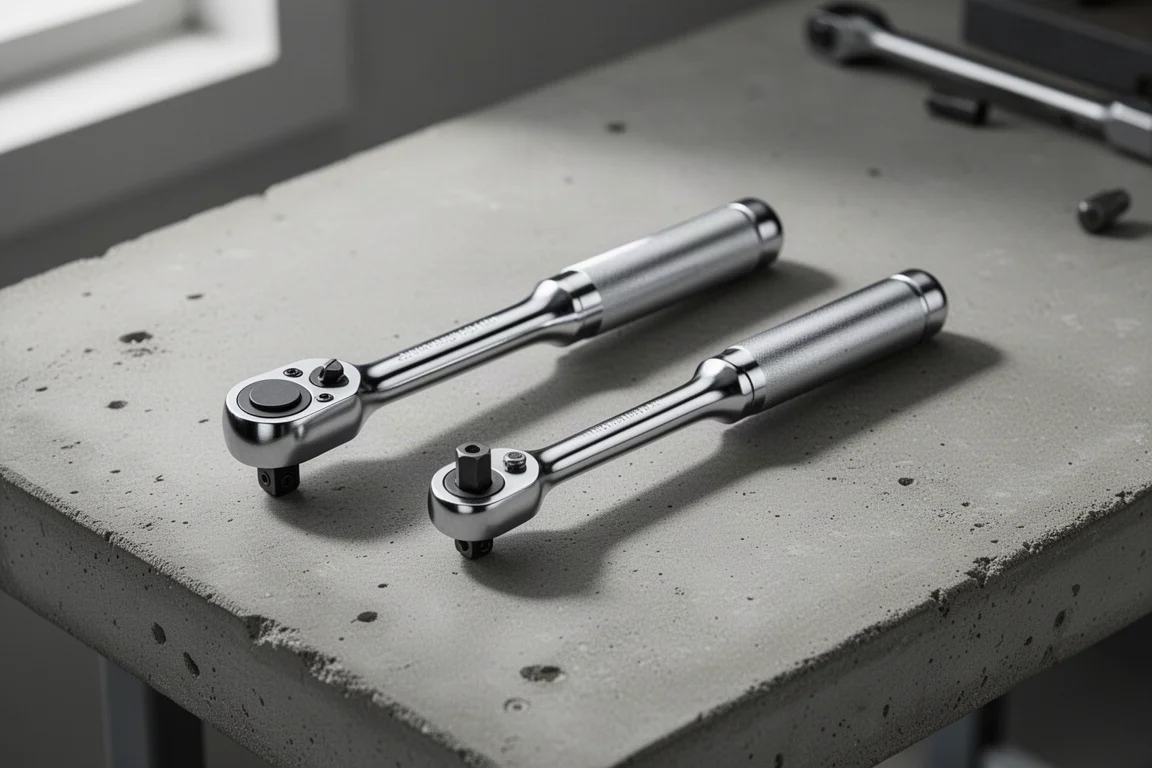
A two-piece set of gearless micro ratchets in 1/4 and 3/8 drive that swap the usual switch for a flip-over design. Here is how they work and where they fit in a tool kit.
Introduction
Micro ratchets exist for one reason: getting a fastener moving where a full-size ratchet simply will not fit. The Titan 18202 takes that idea a step further by dropping the usual direction-switch mechanism entirely. Instead of flipping a lever, you flip the tool over. That design choice shapes almost everything about how these ratchets feel and behave in use, so it is worth understanding before you decide whether they belong in your kit.
This set covers two sizes, 1/4-inch and 3/8-inch drive, in a compact two-pack format aimed at tight-space work rather than general-purpose breaking loose of stubborn bolts.
What Makes Them Gearless
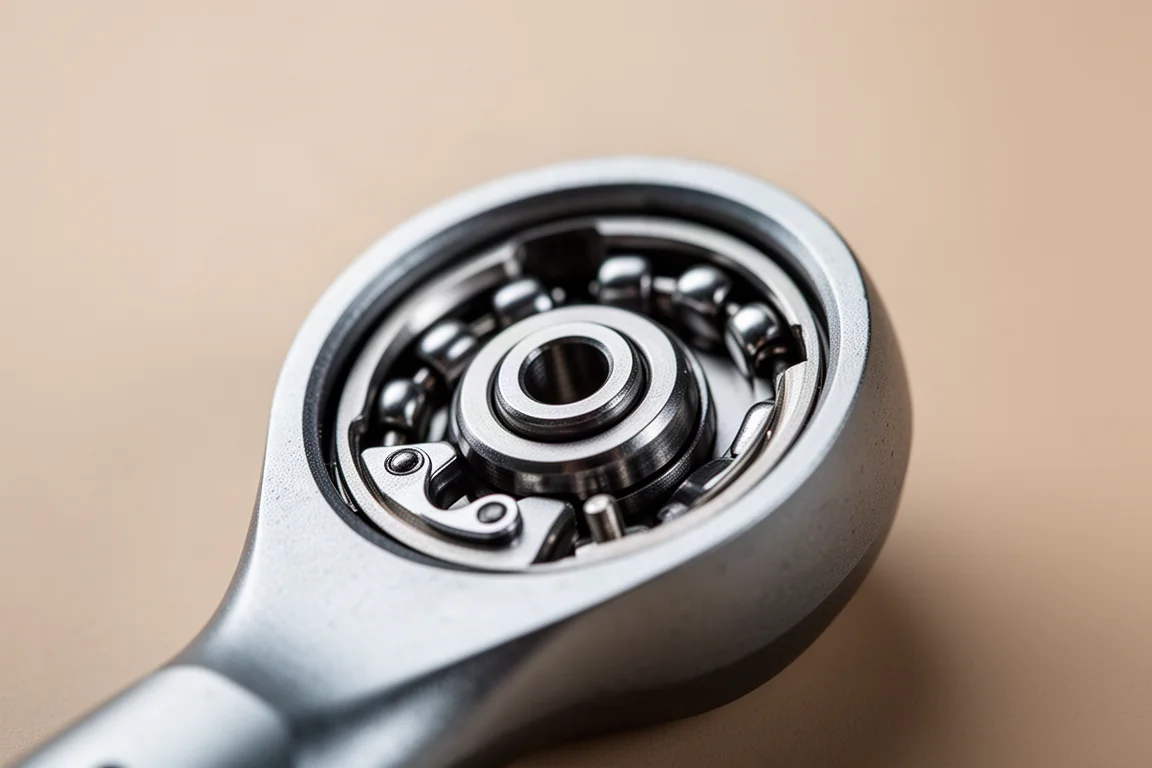
Rather than a conventional geared ratchet, the Titan 18202 uses a spread clutch design. There is no pawl-and-gear system and no switch to move. The mechanism is described as a clutch rather than a ratchet in the strict sense, and that distinction shows up in how the tool behaves.
The most immediately noticeable difference is how smooth and quiet the action is. Spun by hand, the small heads coast a surprisingly long way under their own momentum, close to three-quarters of a turn, which speaks to how little internal resistance the mechanism has. A conventional geared ratchet of similar size stops almost immediately by comparison.
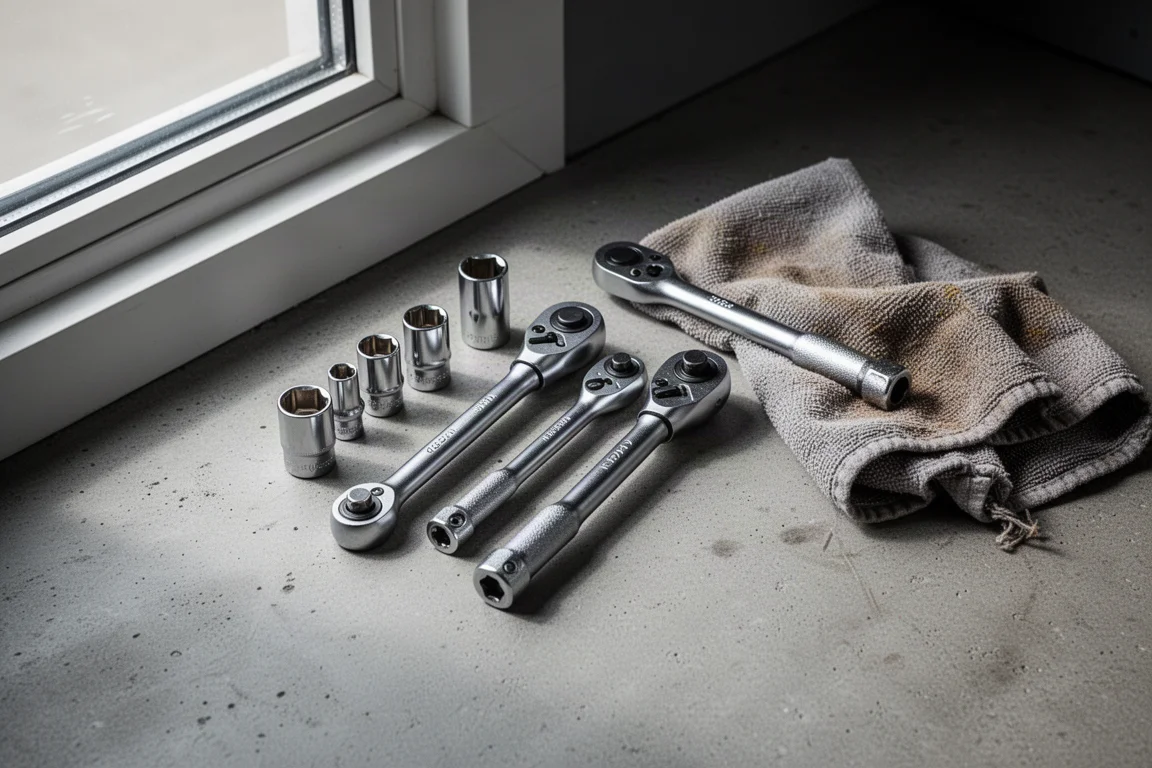
Because there is no switch mechanism doubling up the internals, the design arguably has less inside it to wear or break. Reversible geared ratchets have to run in either direction, and when they get dirty or are loaded heavily they can start to lose direction, ratchet both ways, or lock up altogether. The gearless approach avoids that failure mode entirely.
The Flip-Over Trade-Off
The defining compromise of this design is direction changing. With a conventional ratchet, you reverse a fastener with a flick of a switch. With the Titan 18202, marked L on one side and R on the other, you have to flip the tool over completely. The markings indicate which direction the tool is currently turning, not which side to put the socket on.
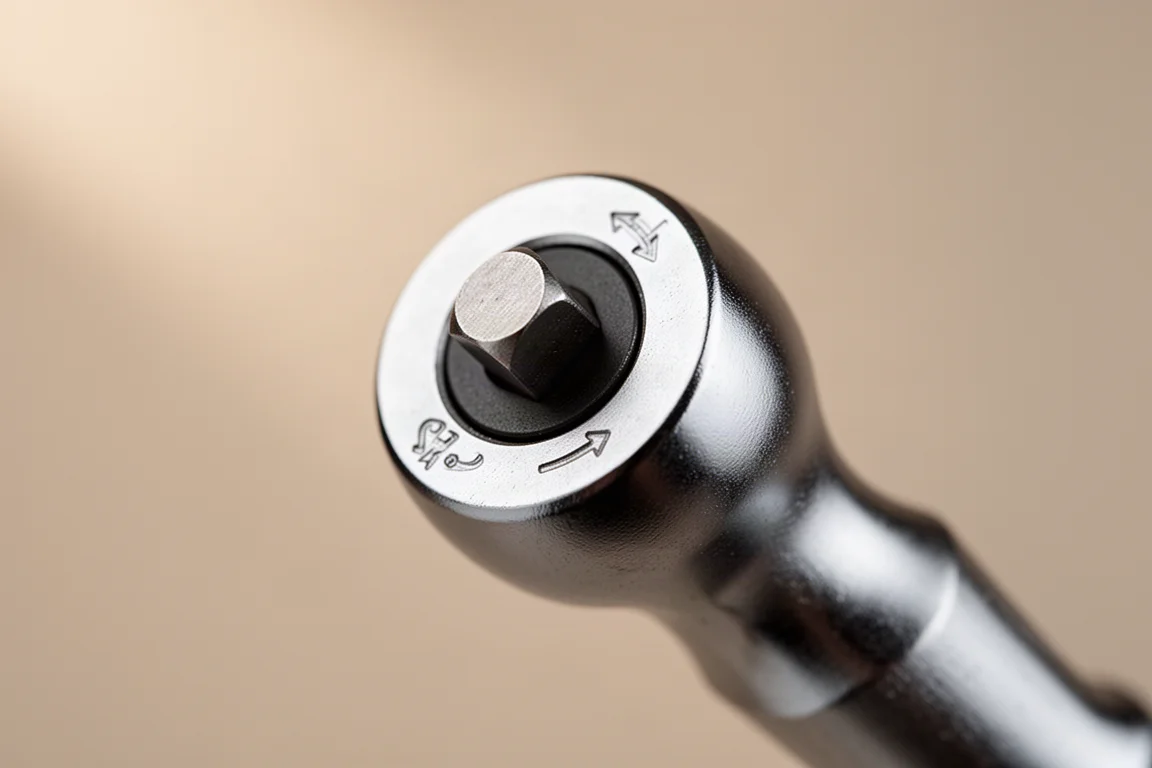
That matters when you are backing a fastener out in a cramped space. If you tighten something and then need to reverse it, you cannot simply switch direction in place. You have to pop the socket off the fastener, flip the ratchet, and re-seat it just to turn a little the other way. In a genuinely tight spot, that can turn a two-second adjustment into a small project.
Where They Shine: Tight, Confined Spaces
The gearless micro ratchet is at its best where there is almost no room to swing anything. In really confined spaces you get only a few degrees of movement, and a low-friction, near-silent mechanism that turns with minimal sweep is a genuine advantage.
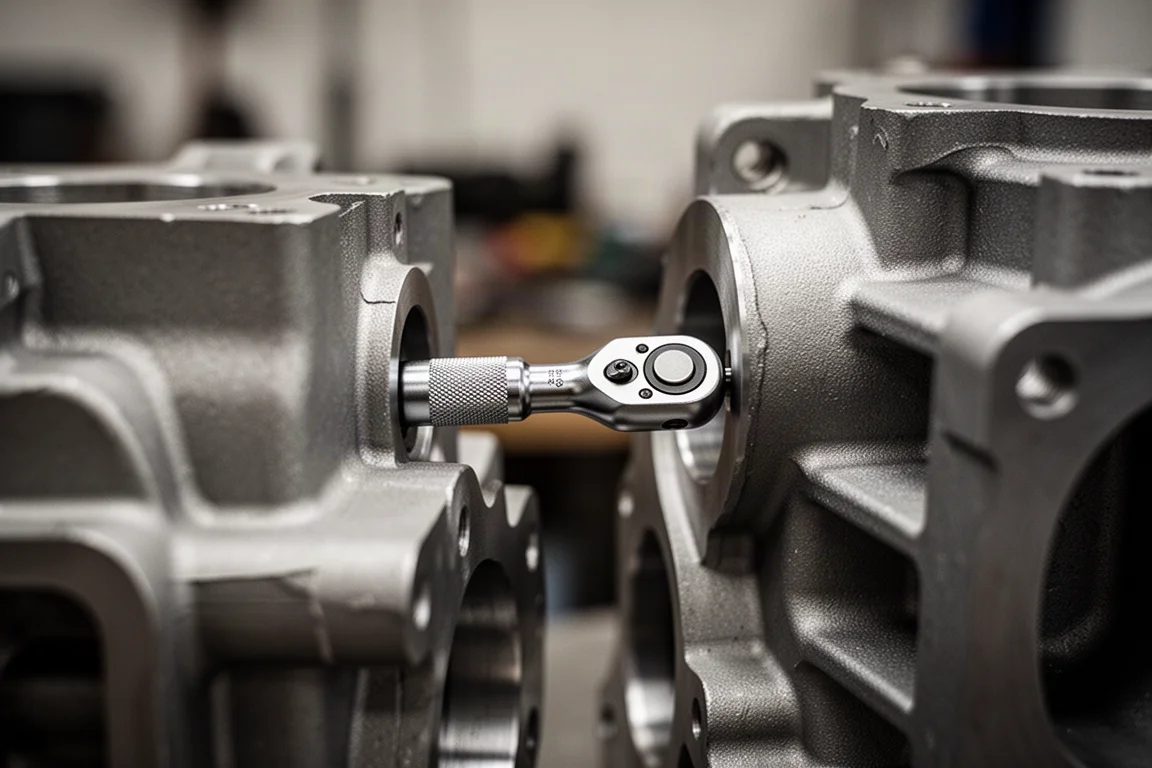
The flip side of tight spaces is leverage. In a spot too cramped for a normal ratchet, you also cannot generate much force, since there is no room for a long lever arm or a cheater pipe. These are specialty tools for precision work in narrow gaps, not for breaking loose rusted fasteners.
Things to Consider Before Buying
There are a few practical points worth weighing up before picking up this set.
The head design is larger than a comparable standard geared ratchet, which can offset some of the space-saving benefit in very tight clearances. The near-silent operation also cuts both ways: without the familiar click, it can be hard to hear whether you are moving forward or backward. That has not proved a major complaint for the Titan, but it is something users of gearless designs generally notice.
Fit and finish is not the strongest suit either. There is a little play in the mechanism, and the 3/8-inch unit arrived noticeably stiff out of the box before loosening up with use. The internal clutch relies on small, sensitive bearings, and the head offers fairly open access for dirt, grime, and fluids, so contamination is a plausible long-term weakness. There is also a subtle risk with any very low-friction mechanism: on a loose, low-friction fastener, the socket can spin back and forth rather than engage, which occasionally means holding the socket in place by hand.
Buying Advice
If your work regularly involves reaching fasteners in spaces where nothing bigger will fit, a gearless micro ratchet is a genuinely useful specialty tool, and the Titan 18202 offers both 1/4 and 3/8 drive in one budget-friendly set. Treat it as a complement to a conventional ratchet, not a replacement.
If you find yourself reversing direction constantly in tight spots, a conventional micro ratchet with a switch will suit you better, despite the extra complexity inside the head. And whichever design you choose, keep the mechanism clean; the fine internals in any compact ratchet do not appreciate contamination.
Conclusion
The Titan 18202 gearless micro ratchets are an interesting, affordable take on a niche tool idea that seems to be gaining popularity as materials catch up with the design. Smooth, near-silent action and a simple clutch mechanism make them pleasant to use, while the flip-over direction change and larger head limit their flexibility. For confined-space work on a budget, they are a fun and practical addition to the tool drawer.
Product link
View more details for Titan 18202 Gearless Micro Ratchets
This product is mentioned in the review. Check the specifications, options, and compatibility before buying.
View more details for Titan 18202 Gearless Micro RatchetsFurther reading
Related Reviews
Hand Tools
Best Diagonal Cutters 2026: 16 Pliers Tested for Cutting Power and Durability
We put 16 diagonal cutters through nail, screw, drill bit, and hex key tests to find the best value picks for your toolbox.
Hand Tools
Best Hex L Key Sets 2026: Nine Sets Tested for Real-World Torque
Nine hex L key sets from budget to premium, tested for torque, fit, and durability. See which sets deliver real performance and which ones to skip.
Hand Tools
Best Locking Pliers 2026: Top Picks Tested for Grip and Durability
We tested 18 brands of 10-inch locking pliers for grip strength, jaw bite, build quality, and ease of release to find the best options for tough jobs.