Rifle Reviews
Tikka T3x vs Winchester Model 70: A 71-Year Accuracy Showdown
A 2021 Tikka T3x takes on a 1950 Winchester Model 70 to see whether seven decades of manufacturing progress really improve accuracy.
Introduction
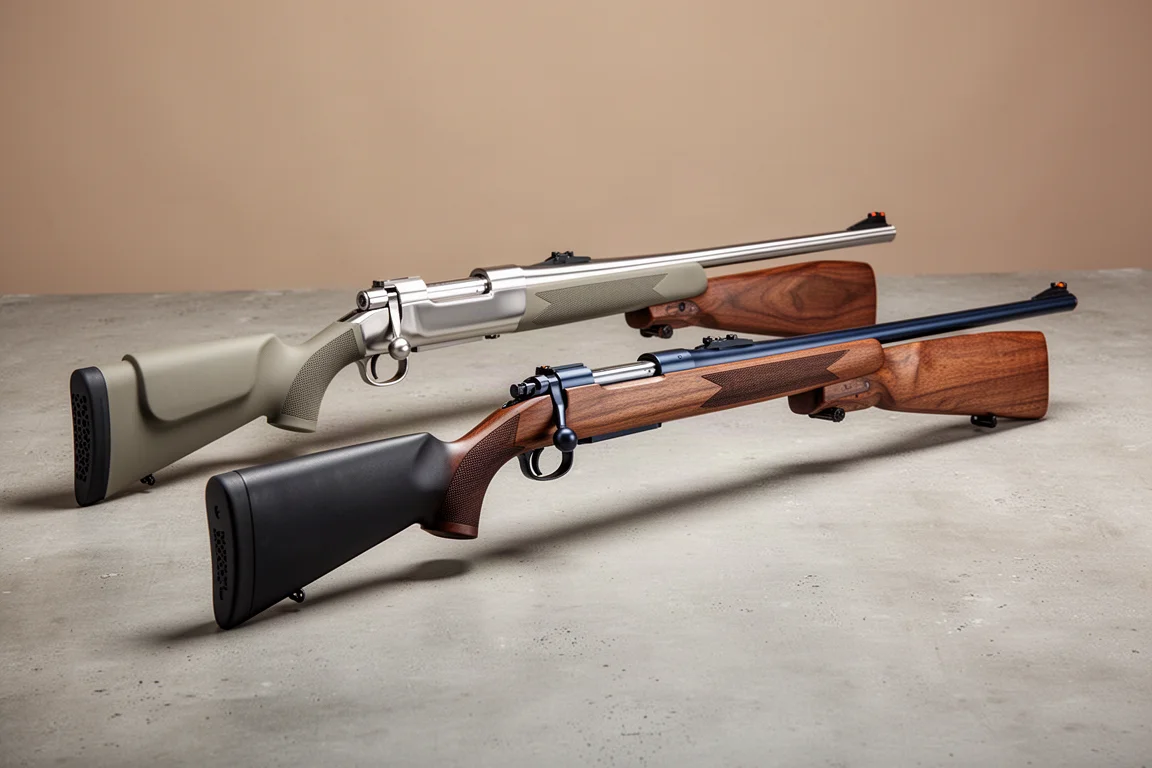
The debate between old and new hunting rifles never gets old. A 2021 Tikka T3x and a 1950 Winchester Model 70 were put head to head on the range to answer a simple question: after 71 years of manufacturing progress, do modern rifles really shoot better than the classics?
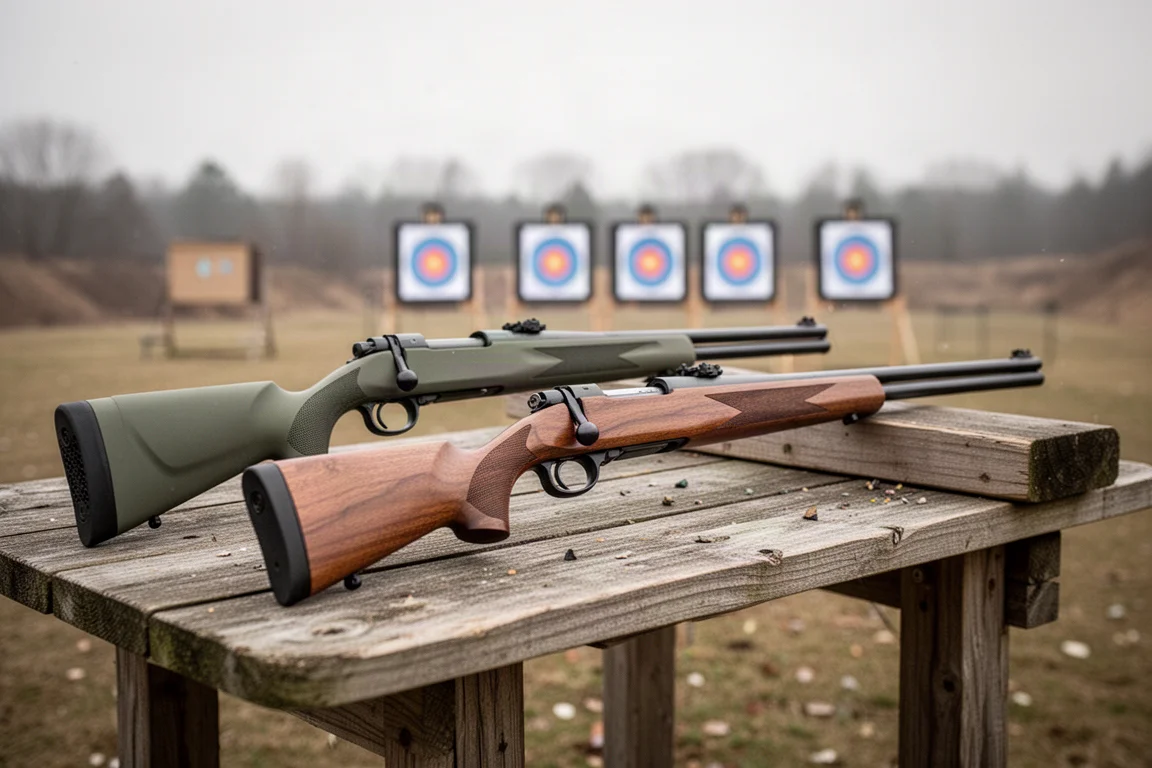
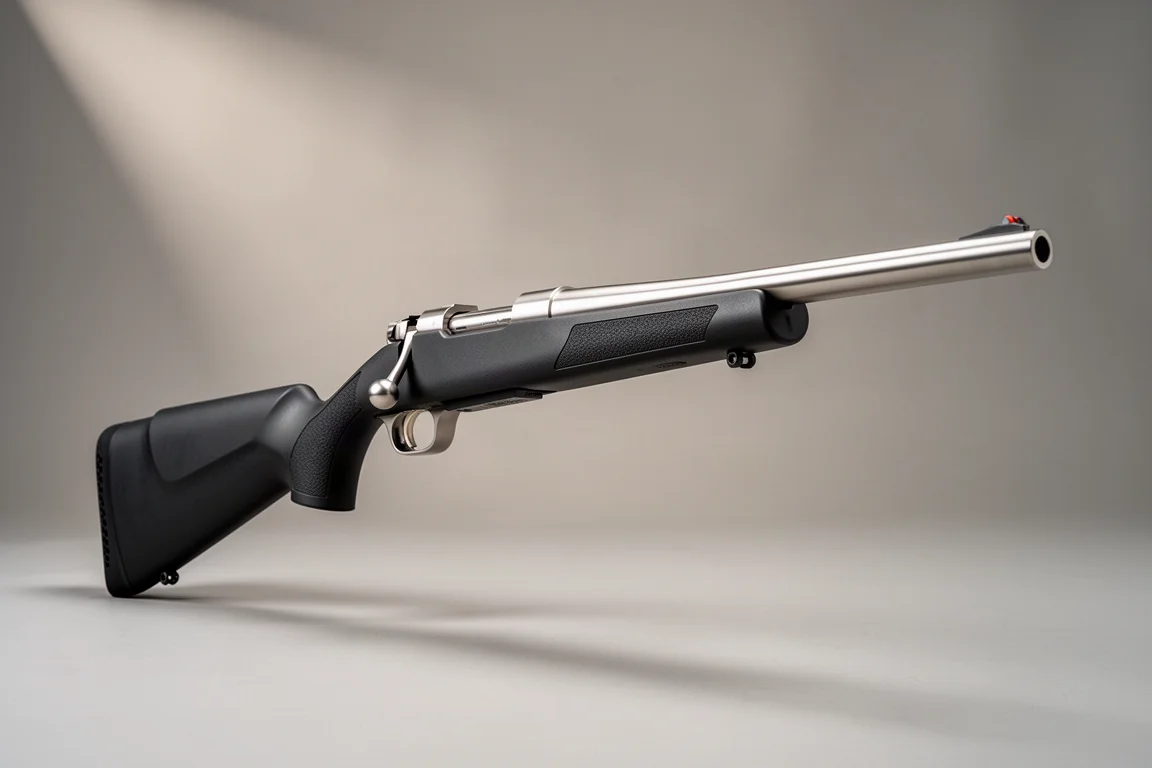
The Winchester Model 70 has long been called the rifleman’s rifle, considered by many to be the finest American-made general purpose hunting rifle of its era. The Tikka T3x represents the modern approach, with stainless steel construction, a synthetic stock, and a fully floated barrel. Both rifles were tested with real shooting to see which one delivers the tighter groups.
The Contenders
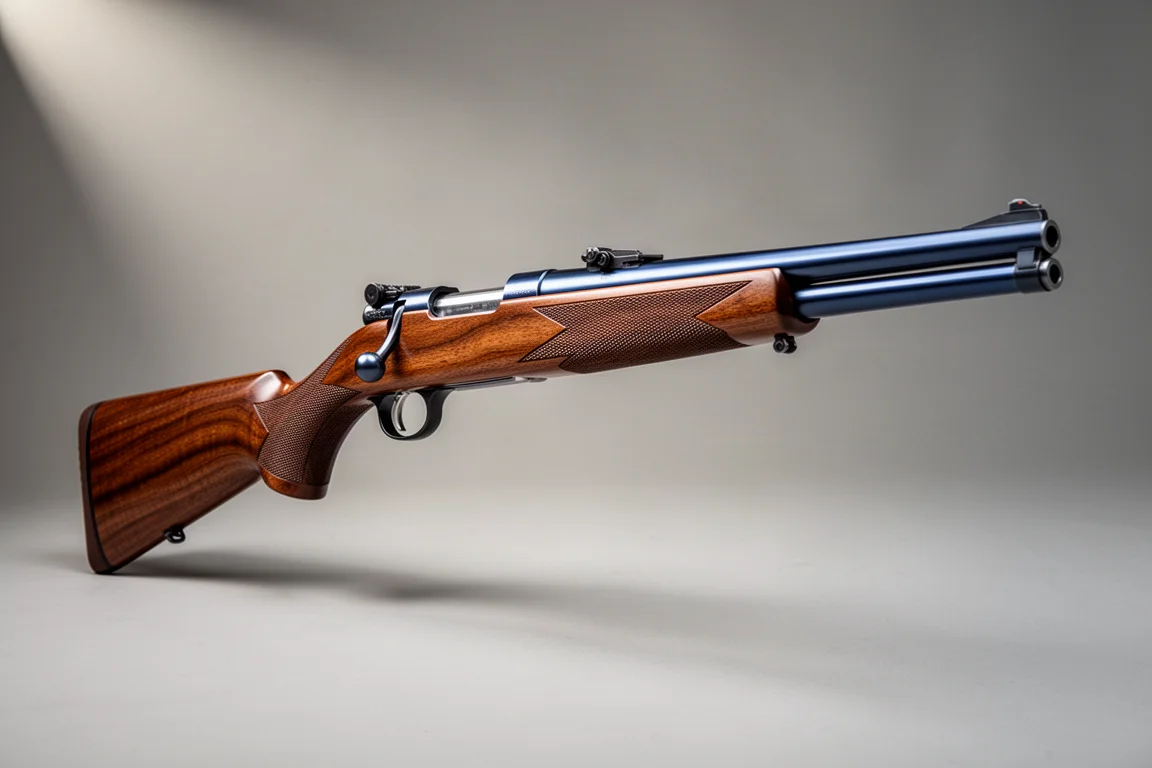
The Winchester Model 70 in this test was manufactured in 1950. It features a traditional wooden stock and a blued steel finish, representing the standard of American hunting rifle design from the mid-20th century. The rifle was originally owned and hunted with by one of the shooters in this comparison, and it carries a heavy vintage scope that brings the total weight to around nine pounds.
The Tikka T3x is a 2021 model chambered in 300 Winchester Magnum. It features a stainless steel barrel and action, a synthetic stock, and a fully floated barrel. The floating barrel design means the barrel does not touch the stock along its length, which helps prevent stock pressure from affecting accuracy. The synthetic stock and stainless finish also make the rifle more resistant to weather and humidity compared to traditional wood and blued steel.
The Tikka weighs just over eight pounds with a scope, while the Winchester comes in closer to nine pounds with its heavier vintage optic. Both rifles fall within the traditional weight range that soldiers and hunters have carried for generations, typically between nine and ten pounds.
Modern Manufacturing Advantages
The Tikka T3x benefits from several modern manufacturing advantages. The fully floated barrel is a significant design improvement, as it prevents the stock from applying uneven pressure to the barrel as conditions change. Humidity and temperature shifts that could affect a traditional wood-stocked rifle have less impact on a synthetic stock with a floated barrel.
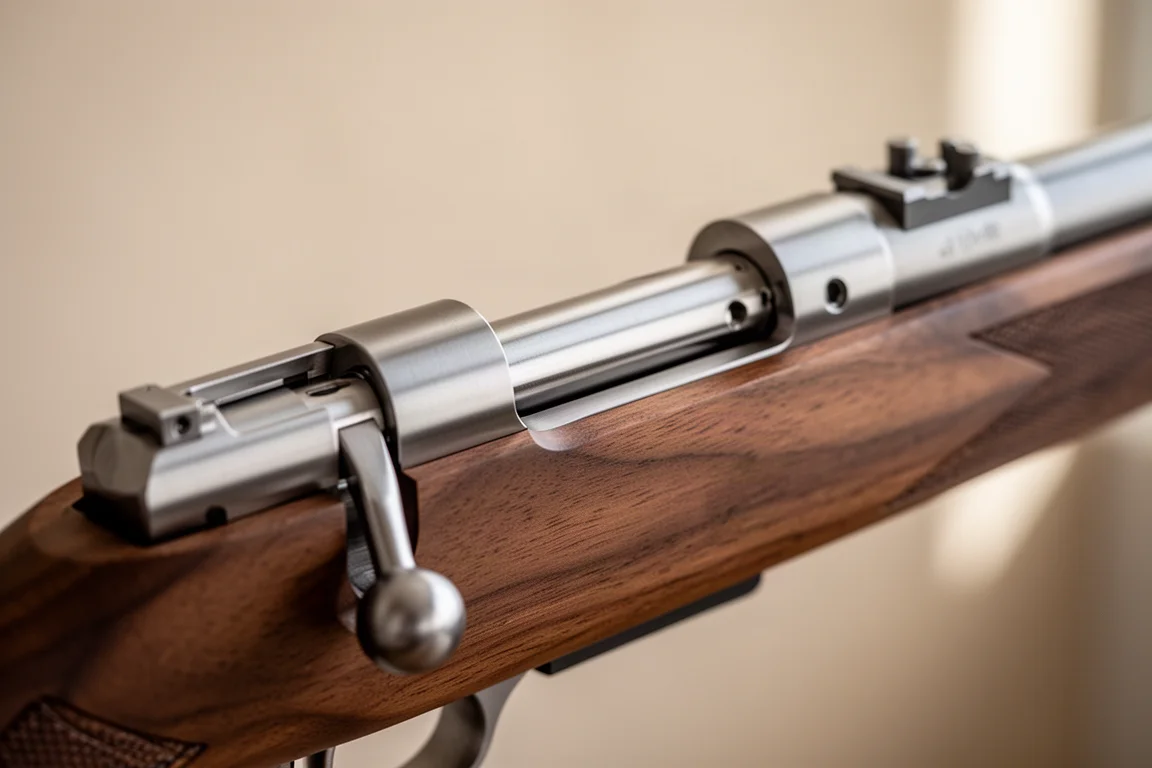
Stainless steel construction offers clear weather resistance benefits. It does not rust as easily as blued steel, making it a practical choice for hunters who spend time in wet or humid conditions. However, as the shooters in this comparison noted, stainless steel does not inherently make a rifle shoot better.
Modern tolerances in the action and machining world are another advantage. Computer-controlled manufacturing allows for tighter, more consistent tolerances than what was possible in 1950. The question is whether these improvements translate into measurably better accuracy on the range.
The 1950 Winchester Model 70
The Winchester Model 70 from 1950 represents a different philosophy of rifle making. It was built in an era when Winchester and Remington dominated the American hunting rifle market, competing as the two top manufacturers of the time. The Model 70 earned its reputation as the rifleman’s rifle through decades of field use and target shooting.

This particular rifle was shooting handloads during the comparison, which gave it a consistency advantage. The handloads had a shot-to-shot velocity spread of around six feet per second, which is excellent consistency. The shooter behind the Winchester was also an experienced hand, having spent decades hunting with rifles in the mountains.
The vintage rifle proved that old-school engineering still holds up. It produced a group of roughly three-quarters of an inch, with some shots approaching half an inch. That level of accuracy from a 71-year-old rifle is a testament to the quality of mid-century American manufacturing.
Range Results and Ammunition Sensitivity
The initial results were surprising. The Tikka T3x, shooting factory ammunition, produced a two-inch group with consistent elevation but poor windage. The Winchester Model 70, shooting handloads, delivered a group of about three-quarters of an inch, clearly outperforming the modern rifle on the first attempt.
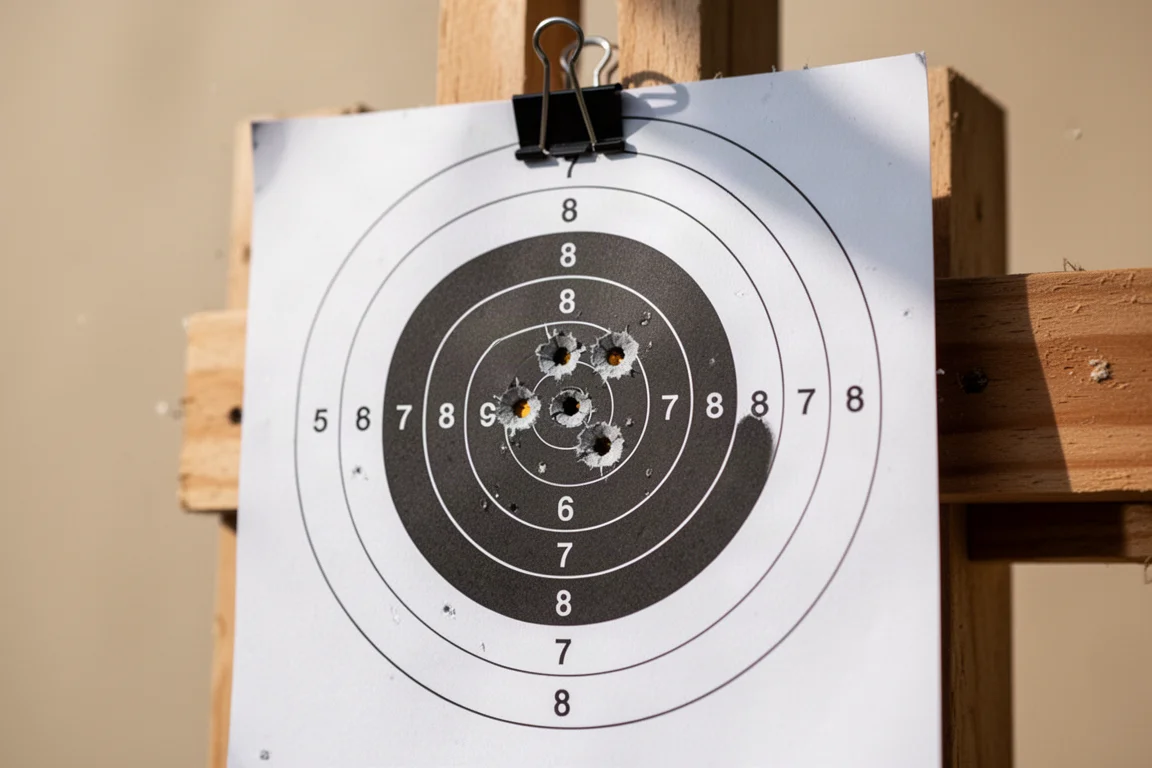
The Tikka was given another chance with different ammunition. The first alternative load produced a group of about an inch and a half to an inch and three-quarters. A second load did not improve things. It was only when the shooter tried a third load, a Berger 185 grain bullet, that the Tikka finally grouped well, producing a tight three-shot group of about three-quarters of an inch.
The lesson here is that modern rifles can be sensitive to ammunition selection. The Tikka clearly had the accuracy potential, but it took time to find the load it liked. The first round fired after a clean barrel also tended to fly outside the group, a common issue with fouled or freshly cleaned barrels.
Cartridge Considerations
Both rifles in this comparison were shooting 20th century cartridges. The Winchester was shooting a 30-06 with 150 grain bullets at velocities between 2,830 and 2,840 feet per second. The Tikka was chambered in 300 Winchester Magnum, a cartridge introduced in 1963 as Winchester’s answer to the Remington 7mm Magnum.
The 300 Winchester Magnum offers a clear velocity advantage when shooting lighter bullets. A 150 grain bullet from a 300 Win Mag can reach velocities around 3,300 to 3,400 feet per second. However, the shooter in this test was using heavier 185 grain bullets at around 2,800 feet per second, which brought the velocity closer to the 30-06.
Modern laser rangefinders and trajectory calculations have reduced the practical advantage of magnum cartridges for many hunters. When you know your exact distance and your bullet’s trajectory, the extra velocity of a magnum becomes less critical. The heavier bullet with a higher ballistic coefficient also offers its own advantages in wind and retained energy.
Buying Advice
For hunters considering a modern rifle like the Tikka T3x, the stainless steel construction and synthetic stock offer real practical benefits. These rifles resist weather, require less maintenance, and typically weigh less than traditional wood-stocked rifles. The Tikka also represents strong value, with a reputation for accuracy that is well documented among owners.
For those interested in a classic like the Winchester Model 70, the 1950s era rifles still shoot impressively well. If you can find one in good condition, it can deliver accuracy that rivals modern rifles. The trade-off is weight, weather sensitivity, and the need for careful maintenance of the wood stock and blued finish.
The comparison suggests that the basic hunting rifle design was essentially perfected in the 20th century. Modern rifles offer durability, weather resistance, and consistent manufacturing, but they do not necessarily shoot better than a well-made rifle from 70 years ago. The choice comes down to whether you value modern convenience or classic craftsmanship.
Conclusion
The 71-year accuracy showdown produced a clear result: the 1950 Winchester Model 70 outshot the 2021 Tikka T3x in the initial comparison, and the Tikka only matched the vintage rifle after finding the right ammunition. Both rifles proved capable of three-quarter inch groups, showing that modern manufacturing has not dramatically improved on the accuracy of well-made rifles from the mid-20th century.
The real differences between these rifles are practical rather than accuracy-based. The Tikka offers weather resistance, a floated barrel, and modern tolerances. The Winchester offers classic craftsmanship and proven field performance. Either rifle can serve a hunter well, and the best choice depends on personal preference and intended use.
Further reading
Related Reviews

Rifle Reviews
7mm Backcountry Review: A Practical Look at the Horizon Firearms Rifle
A hands-on look at the 7mm Backcountry cartridge in a 16-inch Horizon Firearms rifle, covering accuracy, velocity, and real-world hunting performance.

Rifle Reviews
Bergara Platinum Premier Stalker Review: A Classic Hunting Rifle With Modern Accuracy
A traditional hunting rifle with a stainless steel action, laminated stock, and sub-MOA accuracy potential in 308 Winchester.

Rifle Reviews
Browning SA-22 vs Cooper Model 57M Jackson: Which 22 Rifle Shoots Better?
Two very different 22 rifles face off: a classic semi-automatic with a century of history and a modern bolt-action built for pinpoint accuracy.