Hand Tools
Tight Reach 72-Tooth Low-Profile Ratchets: Compact Access for Tight Engine Bays
A close look at the Tight Reach 1/4-inch and 3/8-inch 72-tooth low-profile ratchets, plus how they compare against Snap-On and Craftsman low-profile alternatives.
Introduction
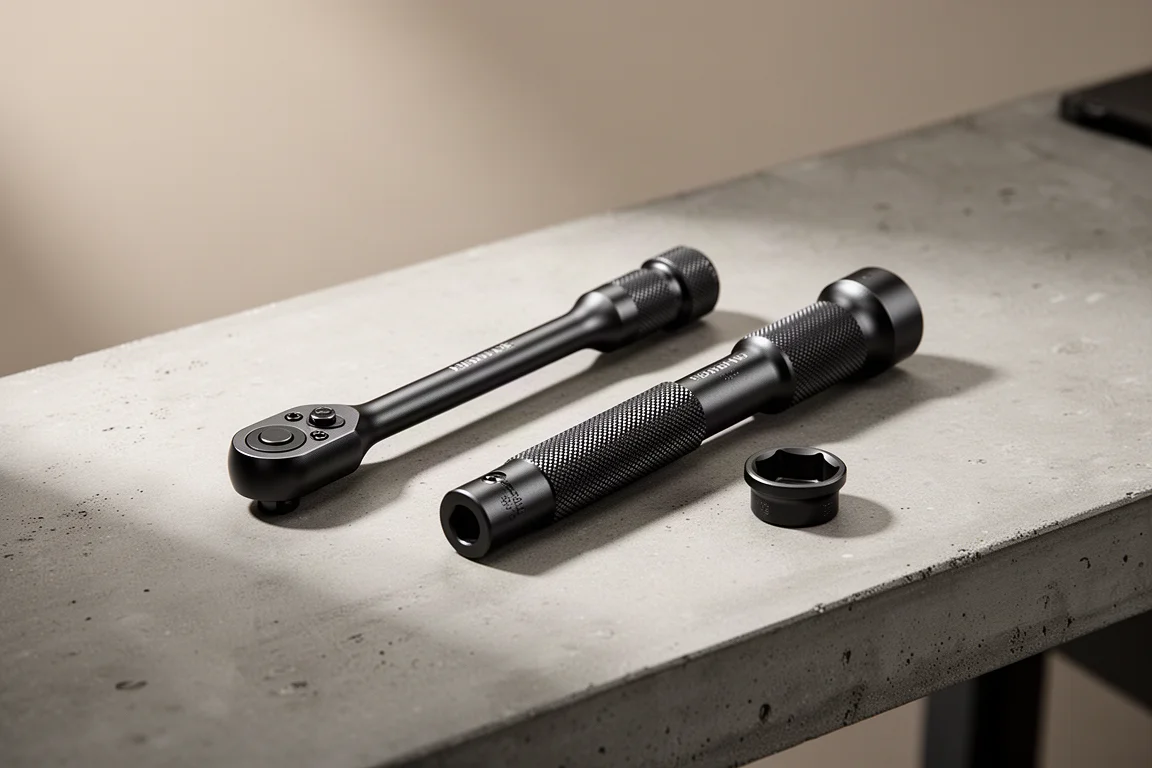
Reaching a fastener inside a packed engine bay has become one of the most frustrating parts of modern repair work. Tight Reach, a company already known for its extension clamps and chain-drive extension wrenches, has extended its low-profile system with a pair of purpose-built ratchets: a 1/4-inch drive and a 3/8-inch drive, both with 72-tooth mechanisms. The idea is simple. Instead of adapting full-size ratchets to low-profile sockets, you get a hand tool designed specifically for the job.
Why Low-Profile Access Matters
Engineers keep squeezing more hardware into smaller spaces, and shallow low-profile sockets have become critical for getting into those gaps. The catch is that most standard ratchets are simply too tall to let those sockets do their job. That is where a dedicated low-profile ratchet changes the equation, because the entire drive head drops low enough to follow the socket into the recess.

There is also a practical detail worth knowing: a reversible mechanism matters more than it sounds. If a fastener backs out and jams the socket against surrounding material, being able to flip the ratchet’s direction and free the tool can save you from a very bad afternoon. Some users of rigid low-profile setups have shared stories of having to cut tools free, so reversibility is a genuine safety feature here.
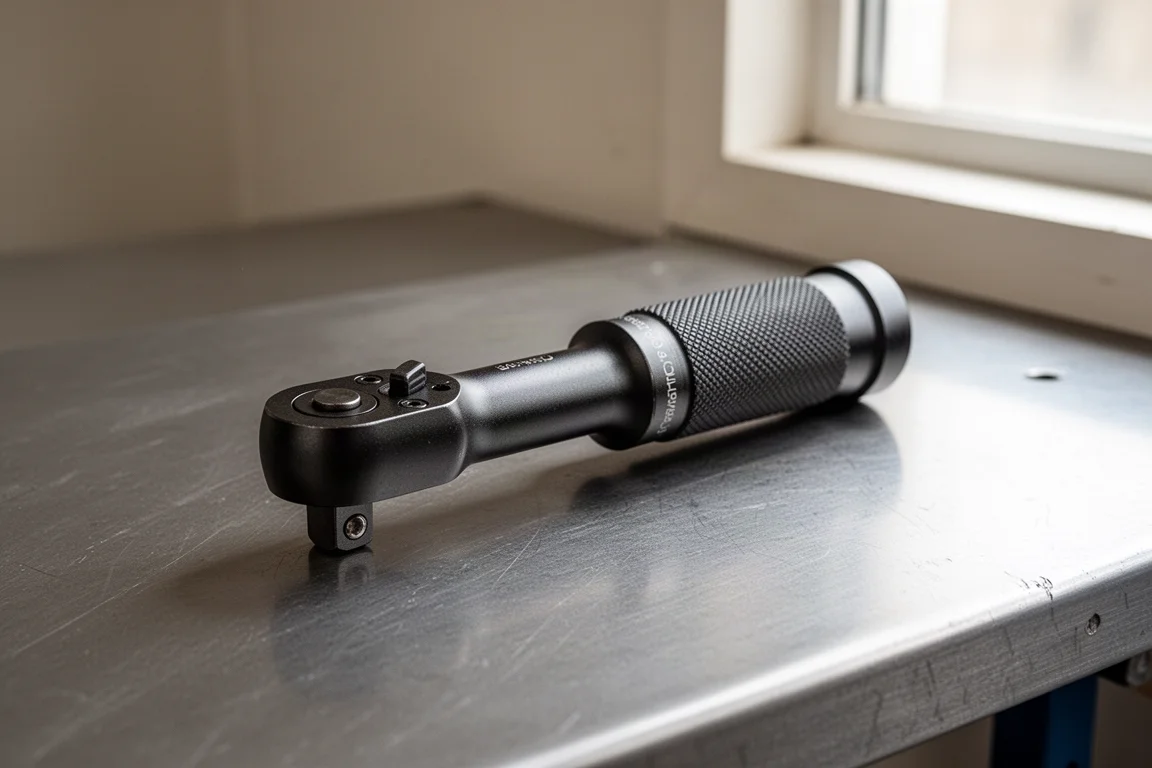
Tight Reach 72-Tooth Low-Profile Ratchet (1/4-Inch Drive)
The 1/4-inch drive version runs a 72-tooth mechanism, which works out to roughly a 5-degree swing arc. That fine arc is exactly what you want when the space to move your hand is measured in millimetres. The mechanism is reversible with a clean, crisp switching action, and the head sits low enough to pair naturally with Tight Reach’s own low-profile sockets.
The body is admittedly a bit girthy, but that thickness exists so you can actually get a grip on the mechanism while the head stays low. In practice there is little wasted space. It feels like a tool built around one purpose: turning shallow sockets where nothing else fits.
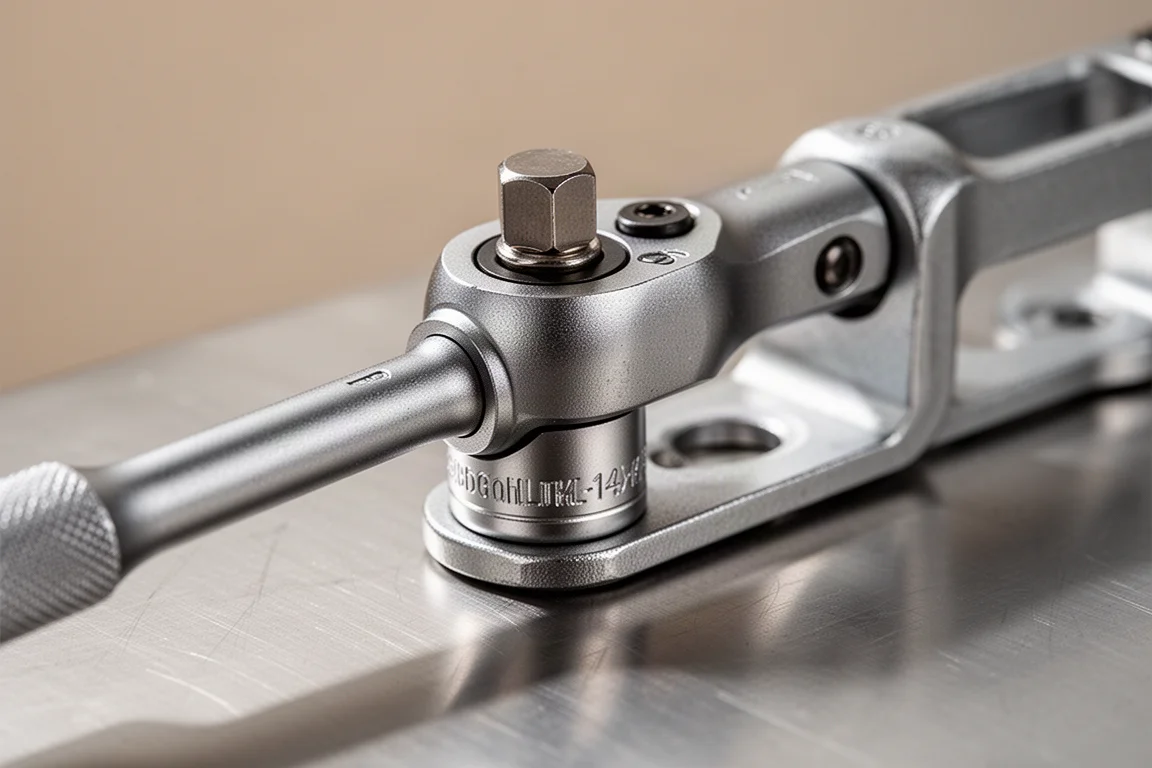
If you already own the Tight Reach socket system, this ratchet is the natural companion piece, letting you drive those sockets with a proper hand tool instead of improvising.
Tight Reach 72-Tooth Low-Profile Ratchet (3/8-Inch Drive)
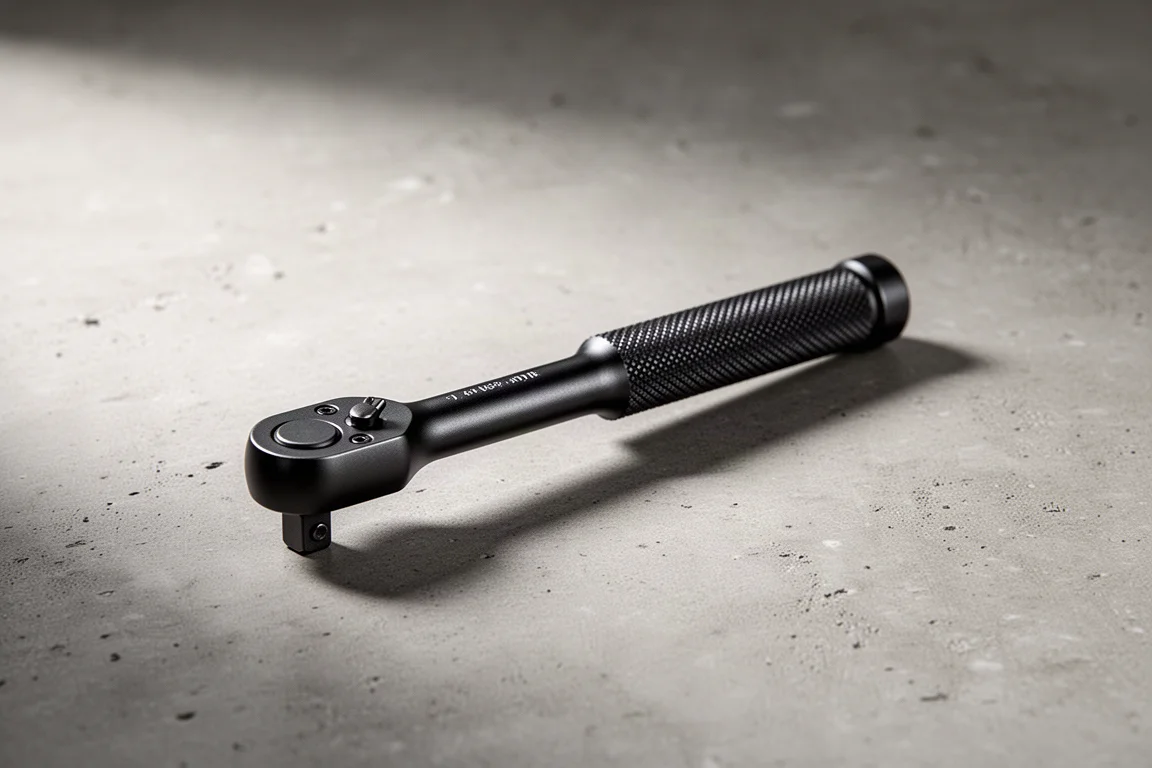
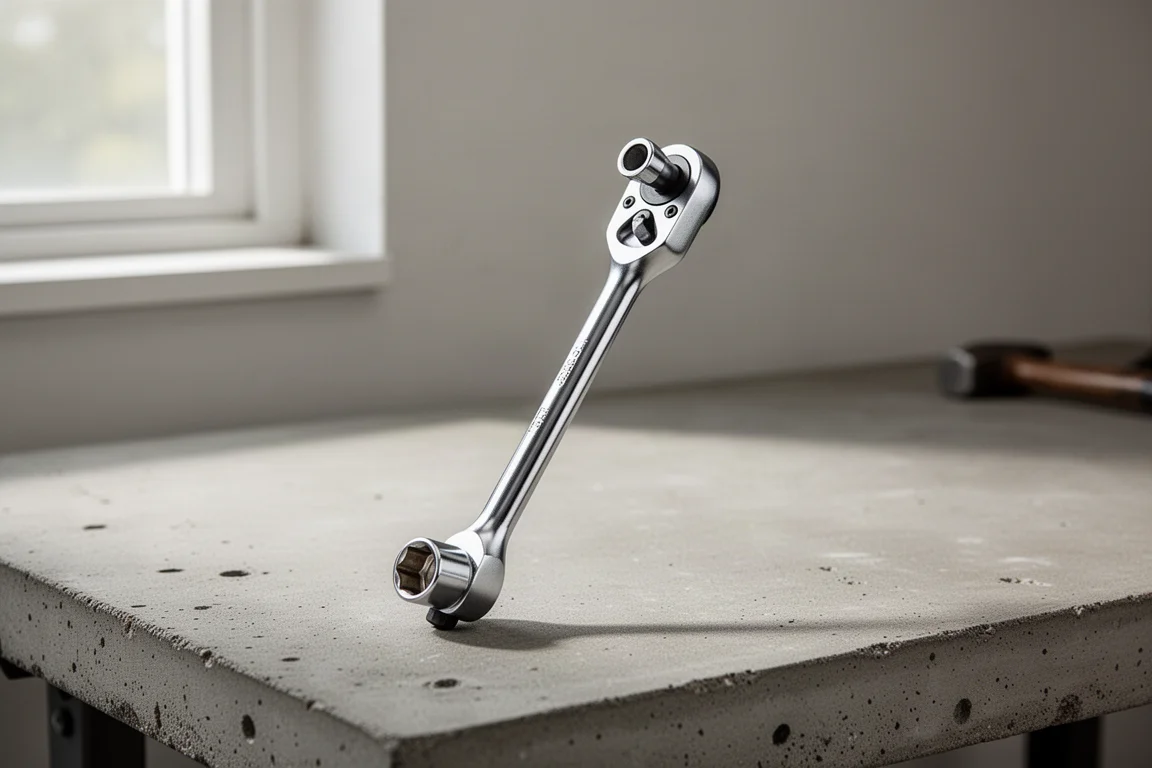
The 3/8-inch drive version is the more interesting of the two for many users, because it brings full 3/8-drive strength into a low-profile format. Tight Reach also makes low-profile sockets to fit this system, and its chain-drive extension wrenches let you connect a ratchet or impact driver on one end while working at a remote low-profile access point on the other. The ratchets complete that ecosystem.
In direct comparisons against low-profile sockets on conventional ratchets, the 3/8-inch Tight Reach head clears obstacles that would otherwise force you to disassemble more of the surrounding assembly. That difference of roughly half an inch of extra clearance can be critical in tight engine bays.
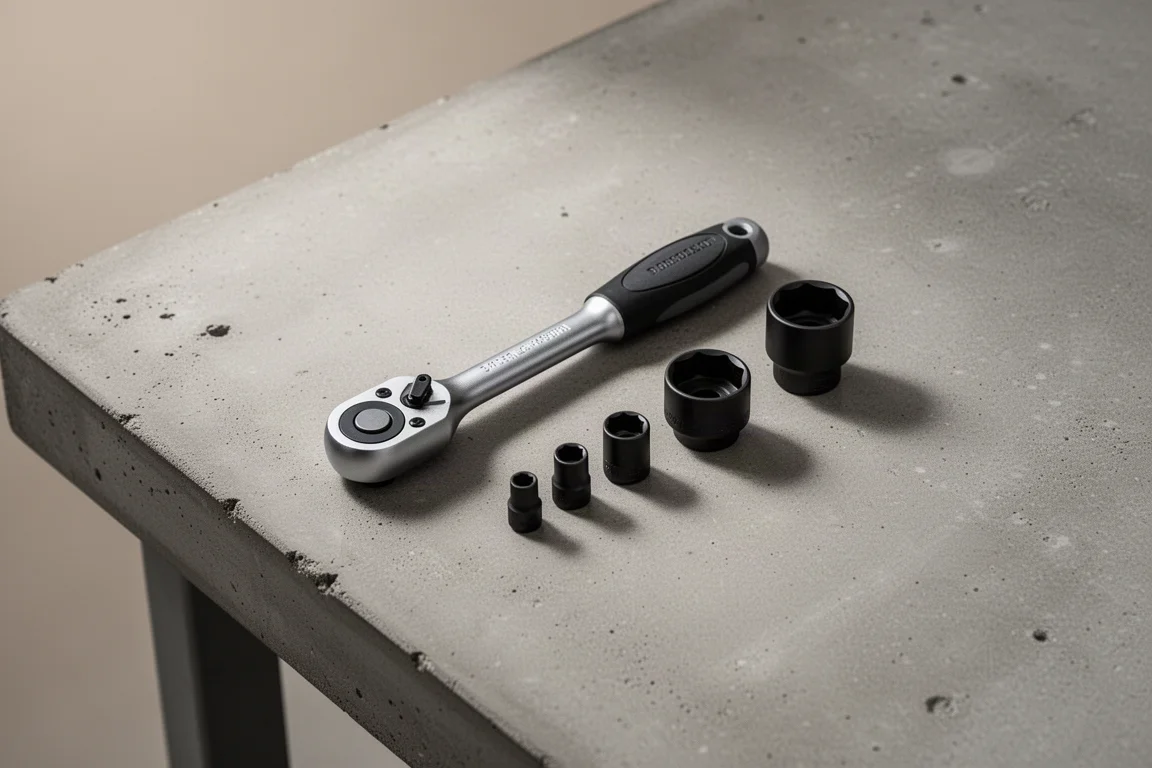
As with the 1/4-inch version, the mechanism is reversible, the swing arc is tight, and the tool is clearly designed to work hand in hand with the sockets you may already own.
How They Compare to Snap-On and Craftsman
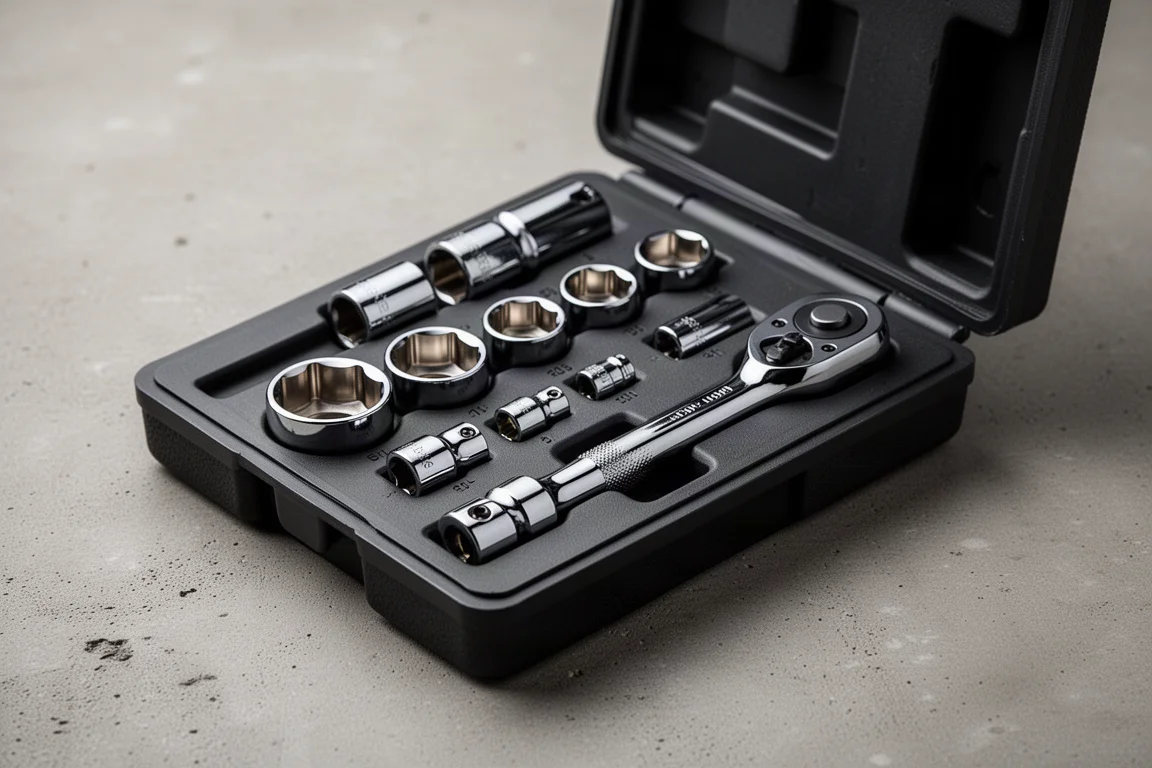
Snap-On sells a low-profile socket and ratchet set in this category, and it is a well-regarded option if you have the budget. A practical reality, though: finding the set secondhand and then buying the missing individual pieces often costs about the same as the complete set, landing you in the $300 to $400 range. The Snap-On low-profile ratchet is small and well made, but you would not want to reef on it the way you would a full-size ratchet.
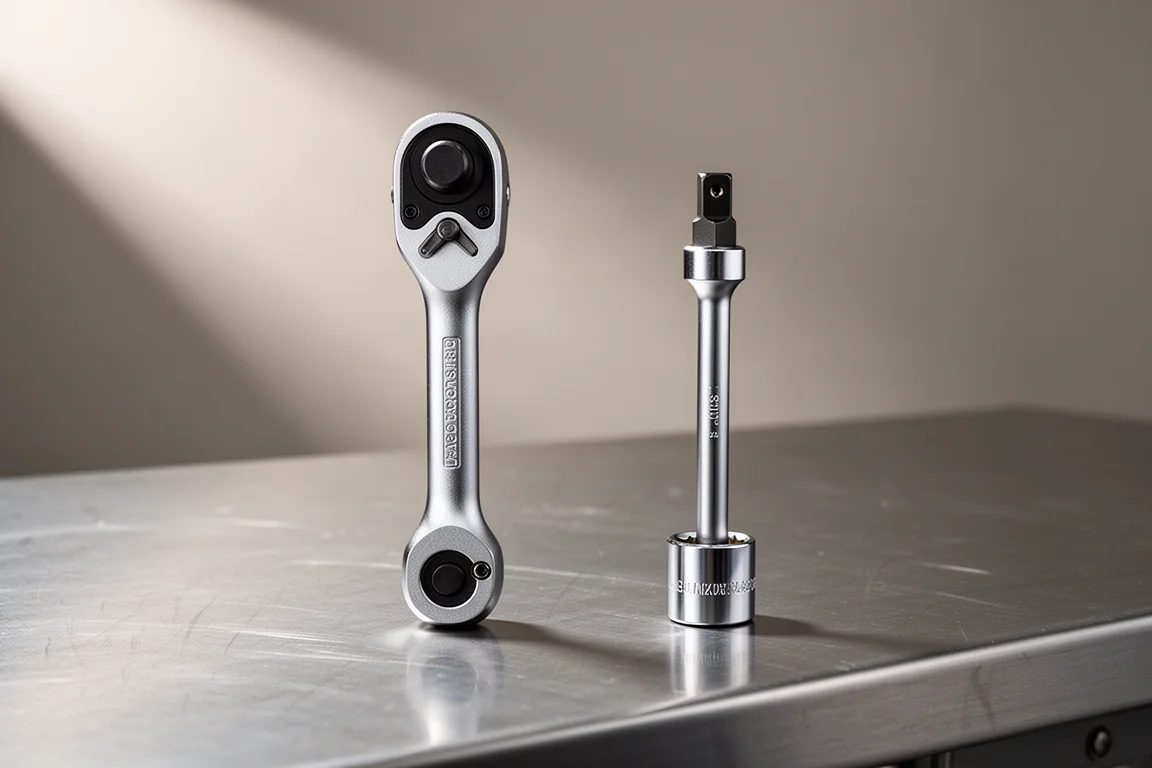
Craftsman also makes a low-profile 1/4-inch ratchet with somewhat questionable build integrity. Even so, when its shallow socket is compared head to head against a low-profile socket on a conventional ratchet, the extra clearance is immediately obvious, which underlines how much height a normal ratchet head adds.
Buying Advice
If you already run Tight Reach low-profile sockets or extension wrenches, the matching ratchets are the obvious upgrade, since they were designed for those sockets from the start. If you are starting from zero, weigh the price of the Snap-On set against the Tight Reach route. Either way, prioritize reversibility and a fine swing arc, because those two traits matter most when a fastener is buried in a tight recess. And remember: these are compact tools, not substitutes for a full-size ratchet when serious torque is needed.
Conclusion
The Tight Reach 72-tooth low-profile ratchets solve a real and growing problem: fasteners that no ordinary ratchet head can reach. With a tight 5-degree swing, reversible mechanisms, and 1/4-inch and 3/8-inch drive options, they turn shallow low-profile sockets into a complete, practical system for cramped engine bays.
Further reading
Related Reviews
Hand Tools
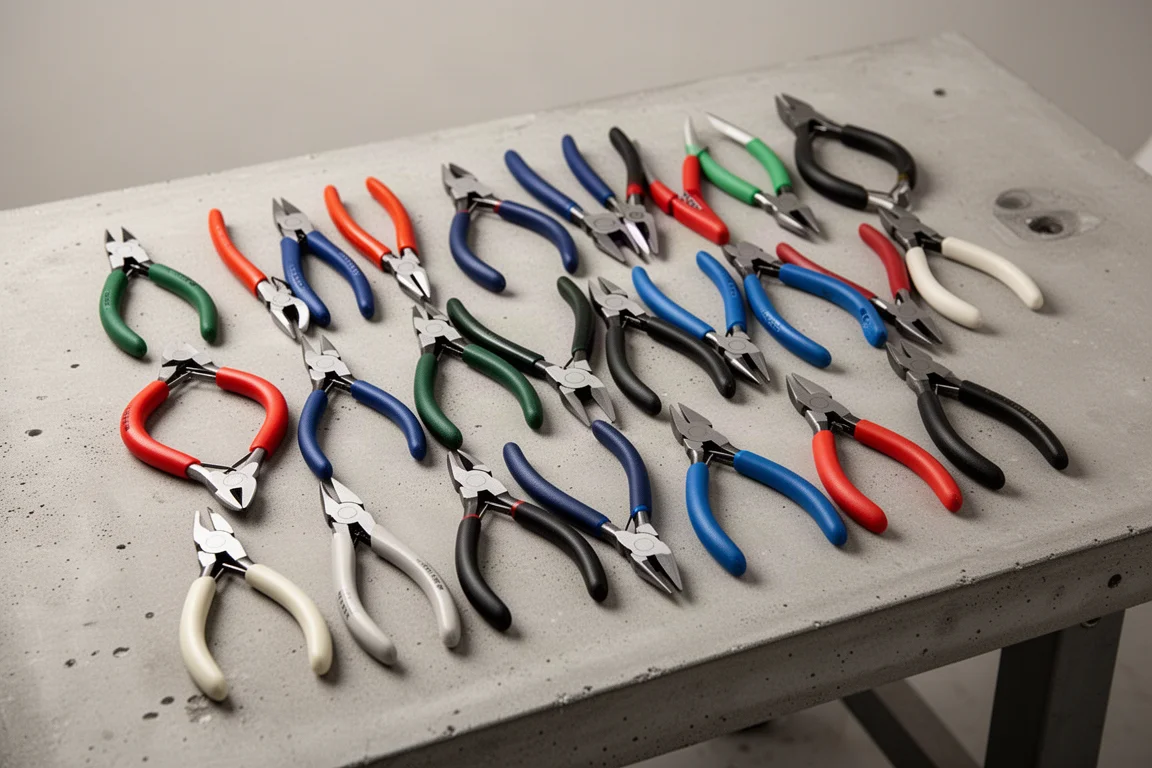
Best Diagonal Cutters 2026: 16 Pliers Tested for Cutting Power and Durability
We put 16 diagonal cutters through nail, screw, drill bit, and hex key tests to find the best value picks for your toolbox.
Hand Tools
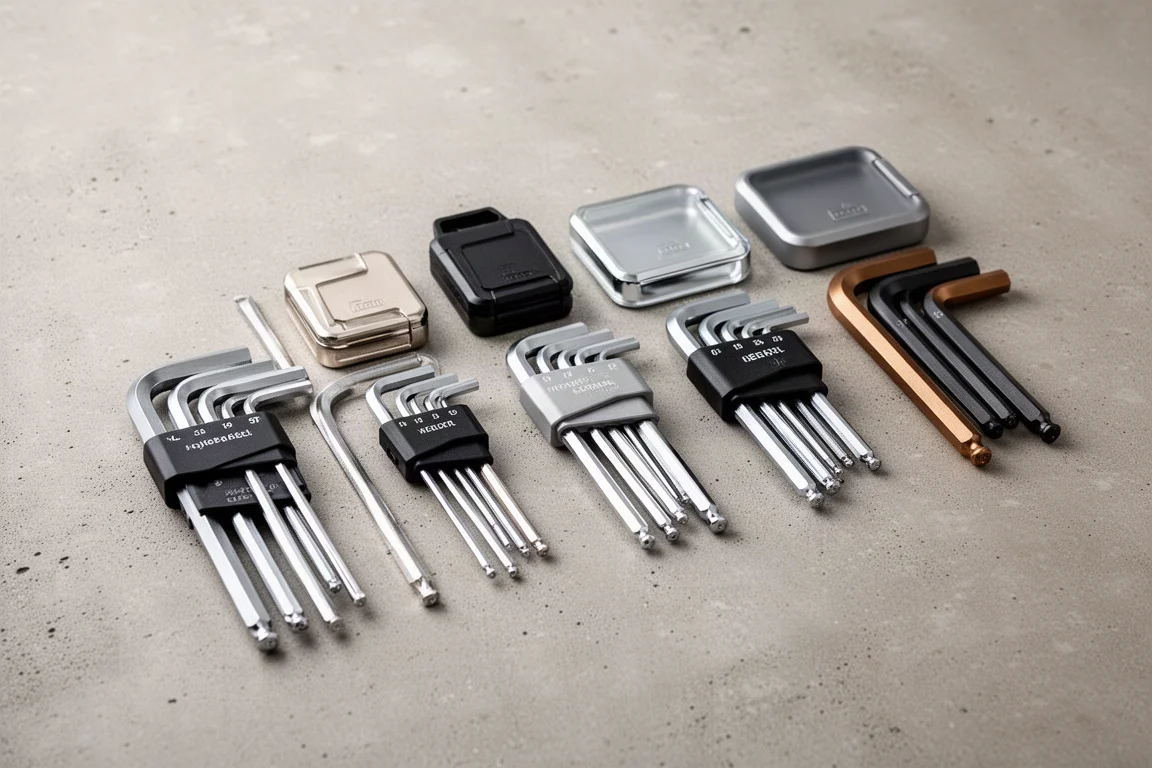
Best Hex L Key Sets 2026: Nine Sets Tested for Real-World Torque
Nine hex L key sets from budget to premium, tested for torque, fit, and durability. See which sets deliver real performance and which ones to skip.
Hand Tools
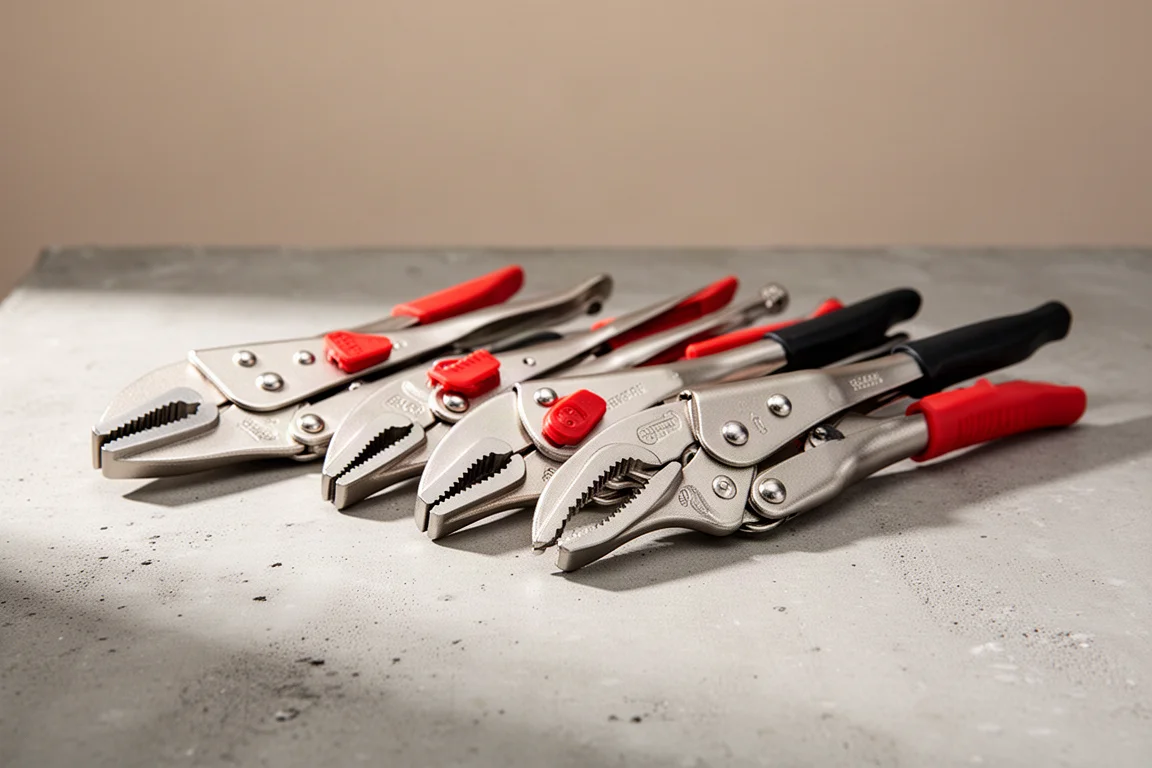
Best Locking Pliers 2026: Top Picks Tested for Grip and Durability
We tested 18 brands of 10-inch locking pliers for grip strength, jaw bite, build quality, and ease of release to find the best options for tough jobs.