Hand Tools
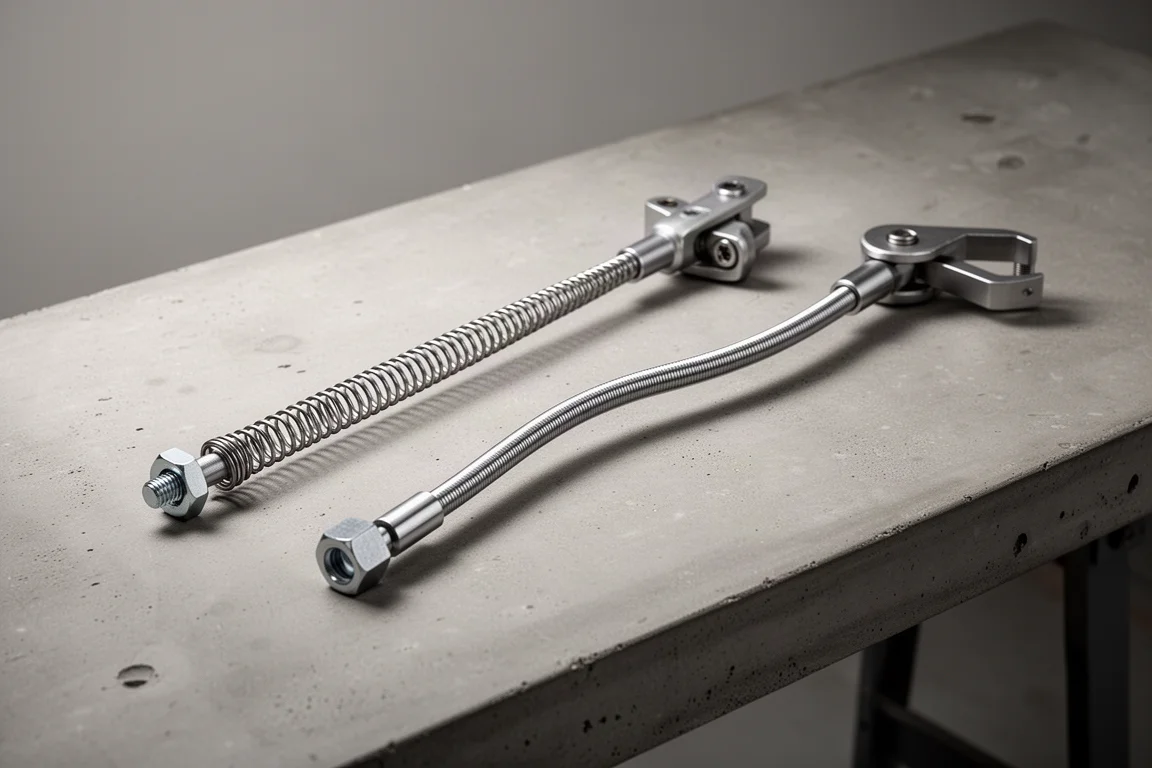
Tight Reach Flash Flex vs Retro Flex: Two Extension Clamps for Awkward Fasteners
Tight Reach's two new extension clamps tackle recessed nuts and bolts in hard-to-reach spots. Here's how the flexible Flash Flex and shape-holding Retro Flex differ.
Introduction
Getting a nut or bolt into a recessed hole, like a spot deep inside a vehicle body or truck frame, is one of those jobs that usually ends with improvised threads, wires, and a lot of hope. Tight Reach has been innovating in its extension clamp space, and its two newest offerings are designed exactly for that problem. Both are essentially extension vices: they hold a fastener at the end of a long shaft so you can feed it into place from a distance, complete the fastening job, and release.
The interesting part is that the two new models behave very differently. One is described as non-obedient, bending and yielding to whatever it runs into. The other is obedient, meaning it holds whatever shape you bend it into. Picking between them comes down to which of those behaviours your job actually needs.
The Problem These Tools Solve
The original Tight Reach clamps use a screw-down clamp to hold a nut at the end of a fixed extension, which works well but has limits. Users wanted versions that were longer and shorter, and above all more adaptable to tight, obstructed paths. The Flash Flex and Retro Flex answer that with fully flexible shafts of roughly 24 inches each.
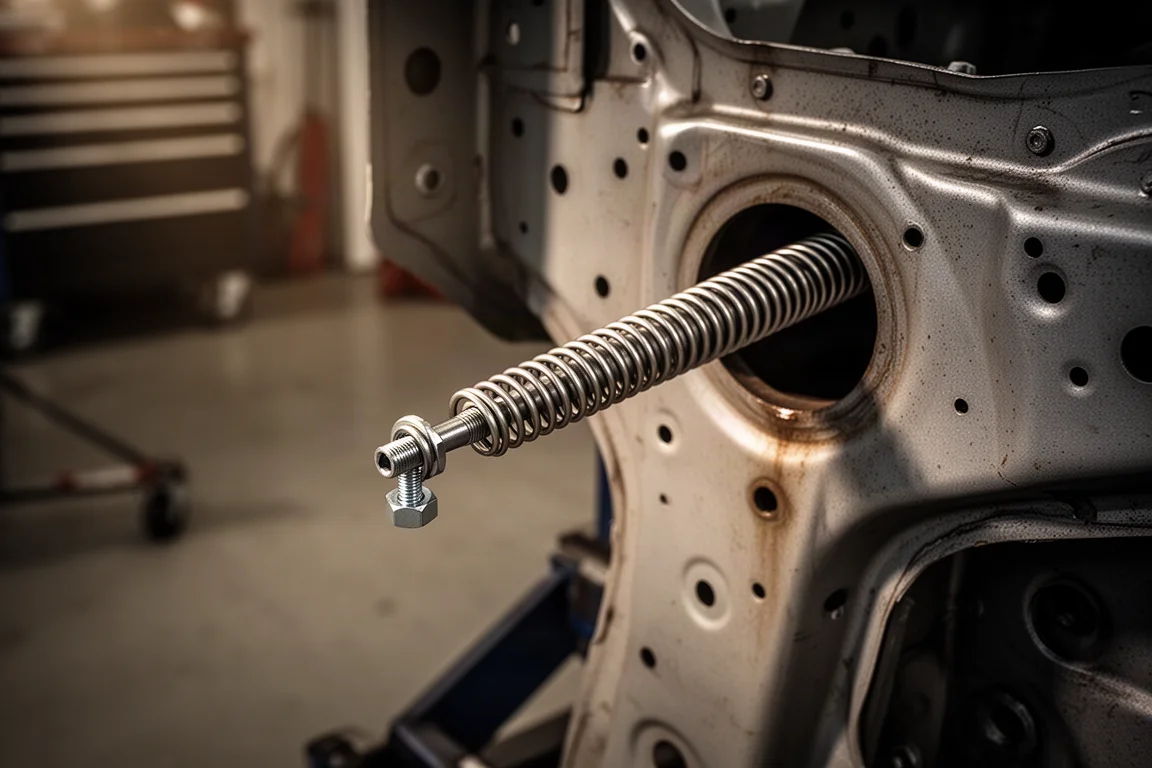
If you have ever tried to start a fastener in a hole you cannot see or reach directly, the value is obvious. You clamp the nut or bolt at the tip, feed the shaft through whatever gap or channel leads to the hole, lock the fastener in place, and do the work. When you are finished, a simple release drops the tool away.
Flash Flex: The Non-Obedient Option
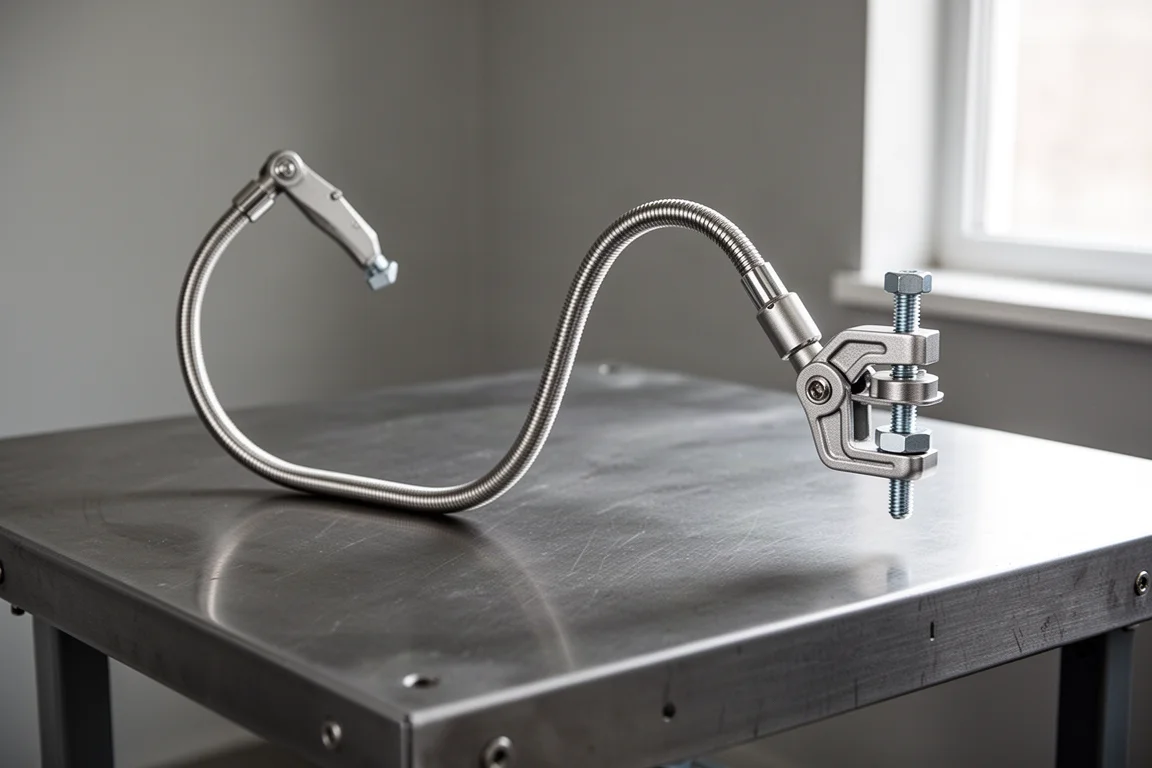
The Flash Flex is the non-obedient one, and it behaves a bit like a spring-loaded cable, almost like a drain cleaner with a fastener holder on the end. It is at the whim of whatever it runs into: it snakes around obstructions as you push it through, which makes it good for working a nut around curves and into position along an unclear path.
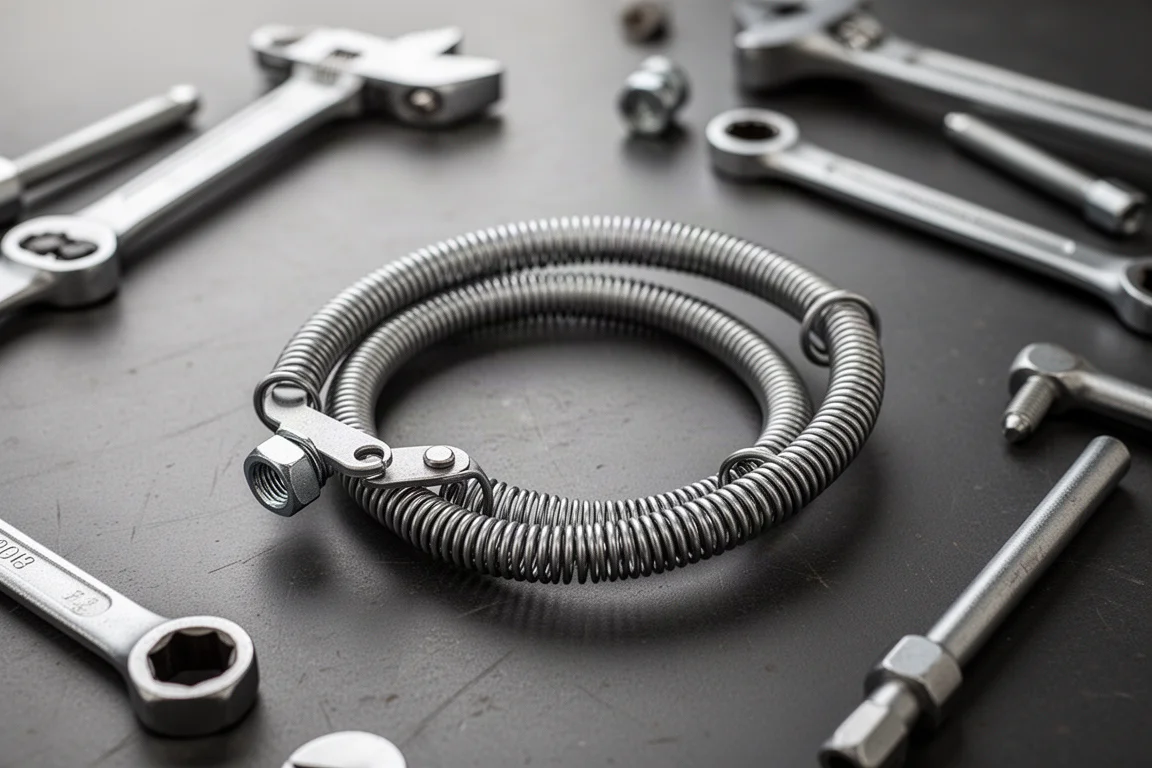
Once the fastener is where you need it, you continue your work normally, and simply release to drop the tool when done. That forgiving, go-anywhere behaviour is the whole point, and it also invites plenty of other uses beyond fastening.
Retro Flex: The Obedient Option
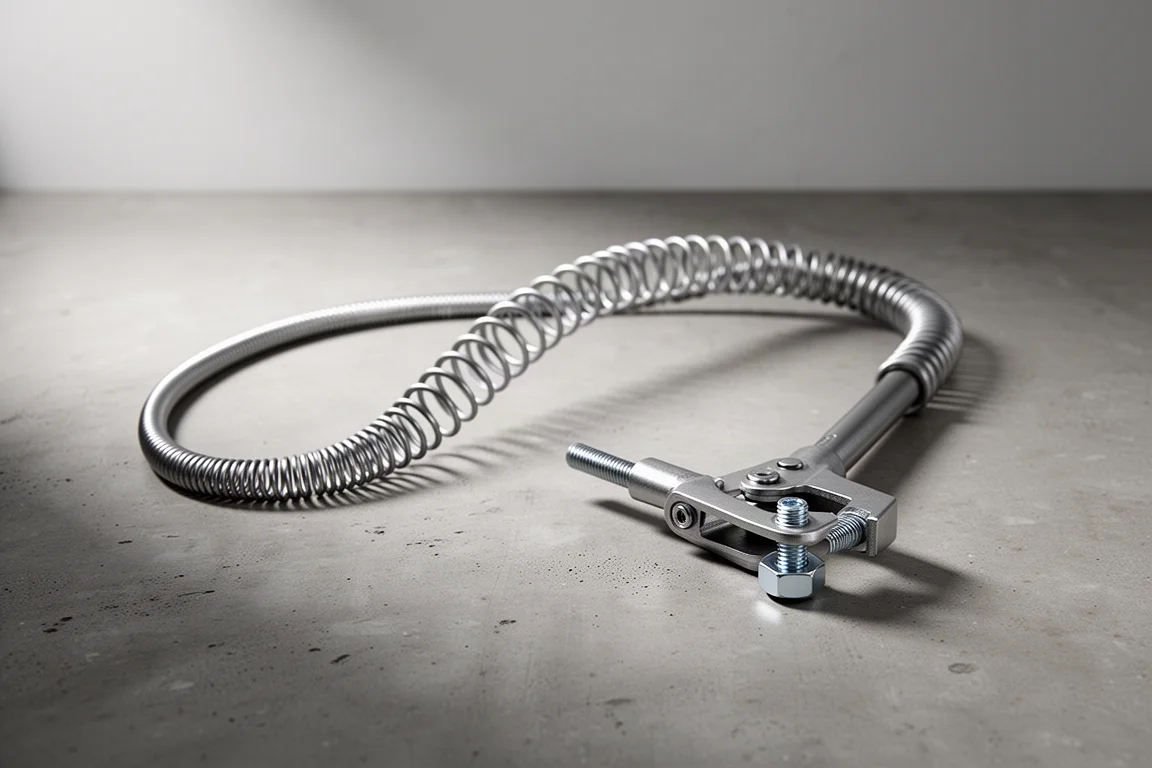
The Retro Flex is the obedient one. You bend it into exactly the shape you need and it holds that shape. That matters when the path to the hole is known and fixed: say, a bolt that needs to reach a recessed hole in a car body frame or truck frame. You form the shaft, feed it all the way through, lock the bolt into the hole, and hit the button when you are done to leave the fastener in place.
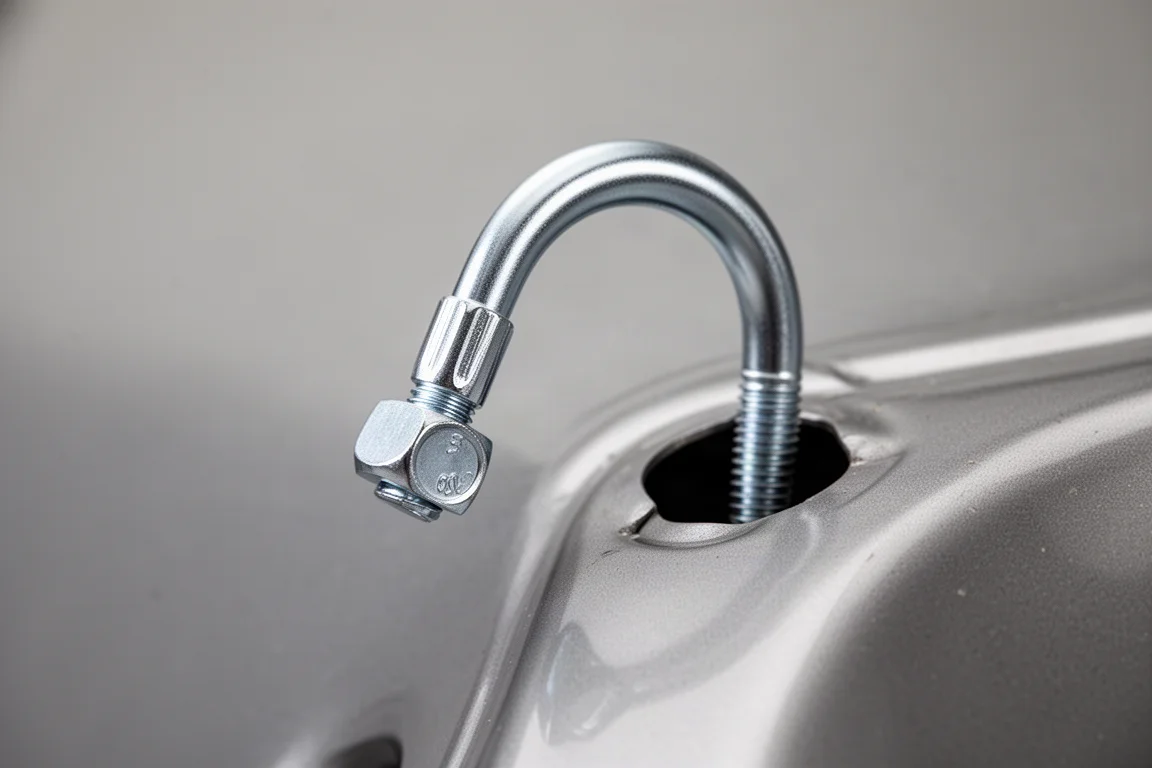
For anyone who has rigged up threads and wires hoping for the best in exactly this situation, a tool that commits to a shape and stays there is a meaningful upgrade over the non-obedient approach.
Price and Buying Advice
Both tools are available on the Tight Reach site and have also been seen on Amazon. Each is about 29 dollars, or you can buy the set of two, which was listed at around 54 dollars at the time of writing. Tight Reach also sells kits covering its full range of clamps, along with other products such as low-profile sockets and drivers.
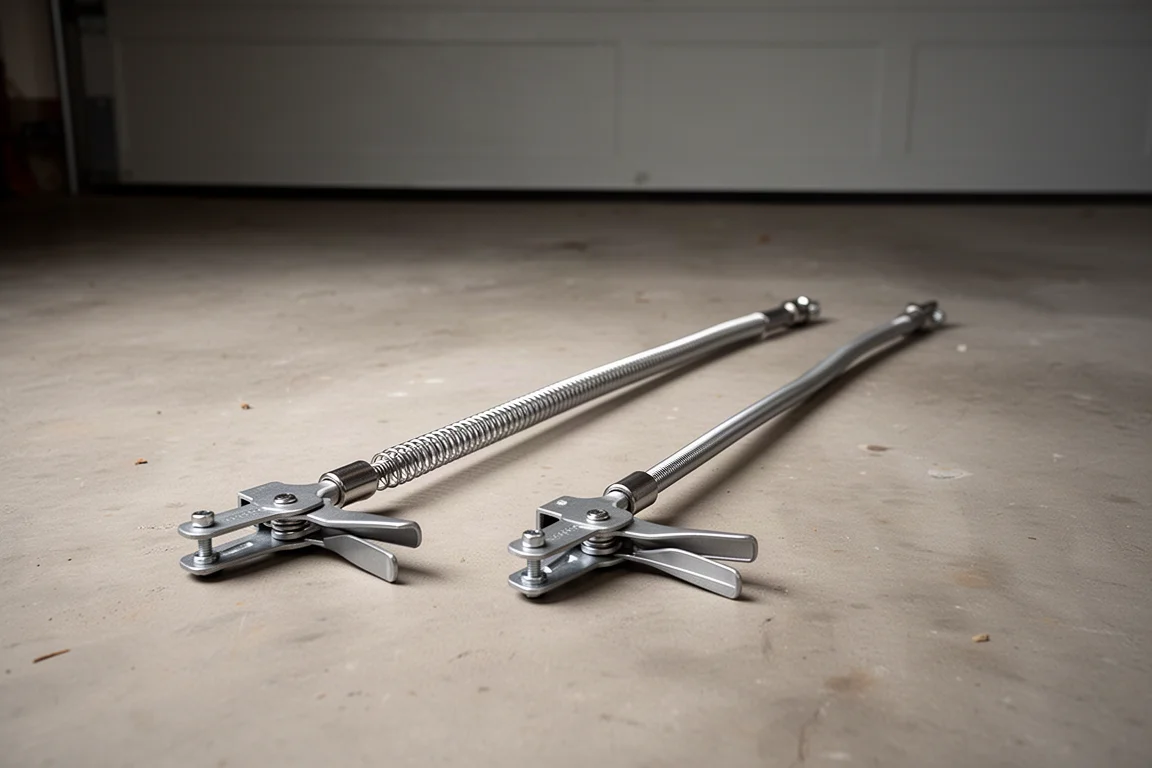
As for length, both models roll out to approximately 24 inches, so the choice is not about reach. Choose the Flash Flex if you need a tool that snakes around obstructions and finds its own way. Choose the Retro Flex if you know the path and want the shaft to hold a custom shape. If your work covers both scenarios, the two-tool set is the straightforward pick.
Conclusion
Tight Reach’s new pair covers two distinct behaviours that the original fixed clamps could not: a spring-like non-obedient shaft that adapts to whatever it encounters, and an obedient shaft that holds a bent shape for precise delivery into recessed holes. At roughly 29 dollars each, or about 54 for the set, either one is a low-risk addition to a mechanic’s or DIYer’s toolkit for those fastener jobs that never seem to have a clear path.
Further reading
Related Reviews
Hand Tools
Best Diagonal Cutters 2026: 16 Pliers Tested for Cutting Power and Durability
We put 16 diagonal cutters through nail, screw, drill bit, and hex key tests to find the best value picks for your toolbox.
Hand Tools
Best Hex L Key Sets 2026: Nine Sets Tested for Real-World Torque
Nine hex L key sets from budget to premium, tested for torque, fit, and durability. See which sets deliver real performance and which ones to skip.
Hand Tools
Best Locking Pliers 2026: Top Picks Tested for Grip and Durability
We tested 18 brands of 10-inch locking pliers for grip strength, jaw bite, build quality, and ease of release to find the best options for tough jobs.