Smartwatches
TicWatch Pro 5 Review: Wear OS 3 with Serious Battery Life
A well-built Wear OS 3.5 sports watch with dual-display battery tricks, solid GPS, and heart rate accuracy that sits in the middle of the pack.
Introduction
The TicWatch Pro 5 runs Wear OS 3.5 on the Snapdragon W5 Plus chipset, joining a short list of watches that currently run Google’s platform alongside the Pixel Watch and Samsung’s Galaxy Watch 4 and 5. After several weeks of testing, it strikes a nice balance between those two alternatives: it offers more sports and fitness depth than most Wear OS options, and its battery life is among the best you will find on any Wear OS watch.
One piece of naming trivia before we dive in: there was no TicWatch Pro 4. As with Garmin skipping a Fenix 4, the number four sounds like the word for death in Chinese culture, so Mobvoi skipped straight from 3 to 5.
Design and Hardware
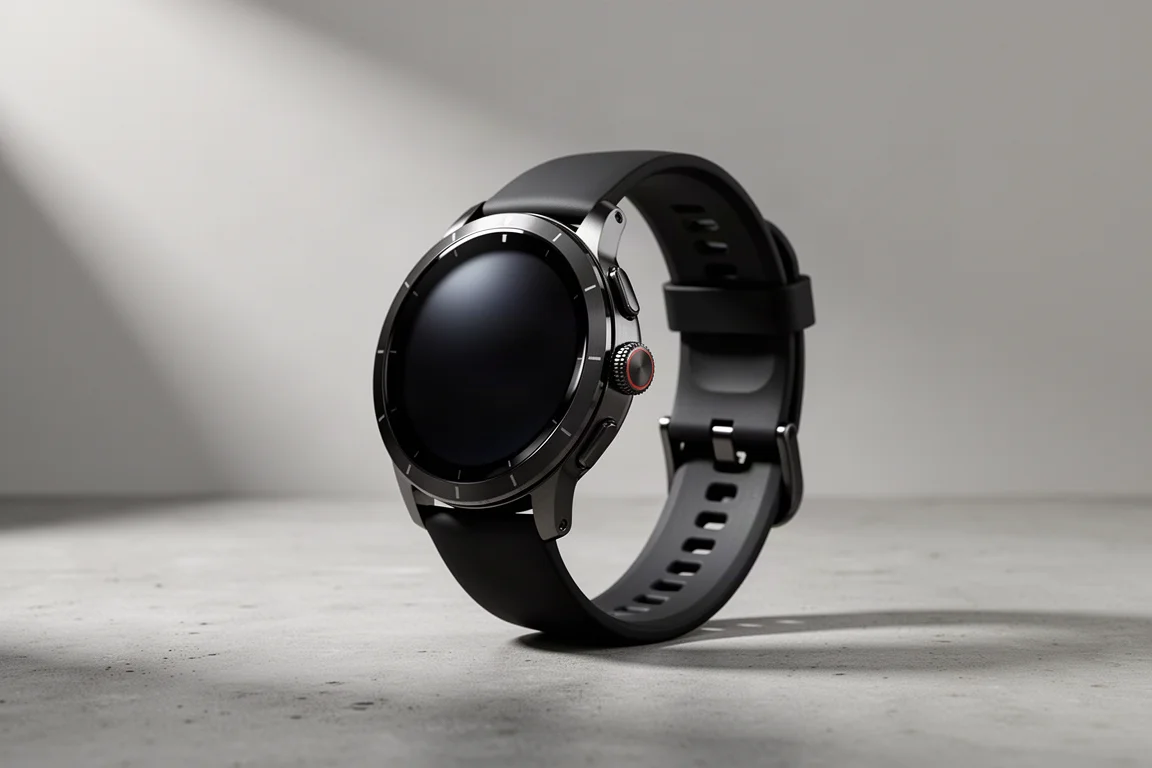
At a glance, the Pro 5 looks a lot like the previous TicWatch Pro 3 Ultra. It keeps that classic design and simply looks like a watch. The main change is a rotating dial, working much like the Pixel Watch: the middle button doubles as the rotating crown and accesses apps, the upper right button opens recent apps, and the touchscreen handles the rest.
Construction combines a 7000 series aluminum alloy case with steel elements and some resin, and the result feels solid and refined, with positive button clicks. It carries a 5 ATM water resistance rating. The case measures just over 50mm wide including the dial, a little over 48mm without it, and just over 14mm thick including the heart rate sensor. It weighs about 63.5 grams with the band attached.
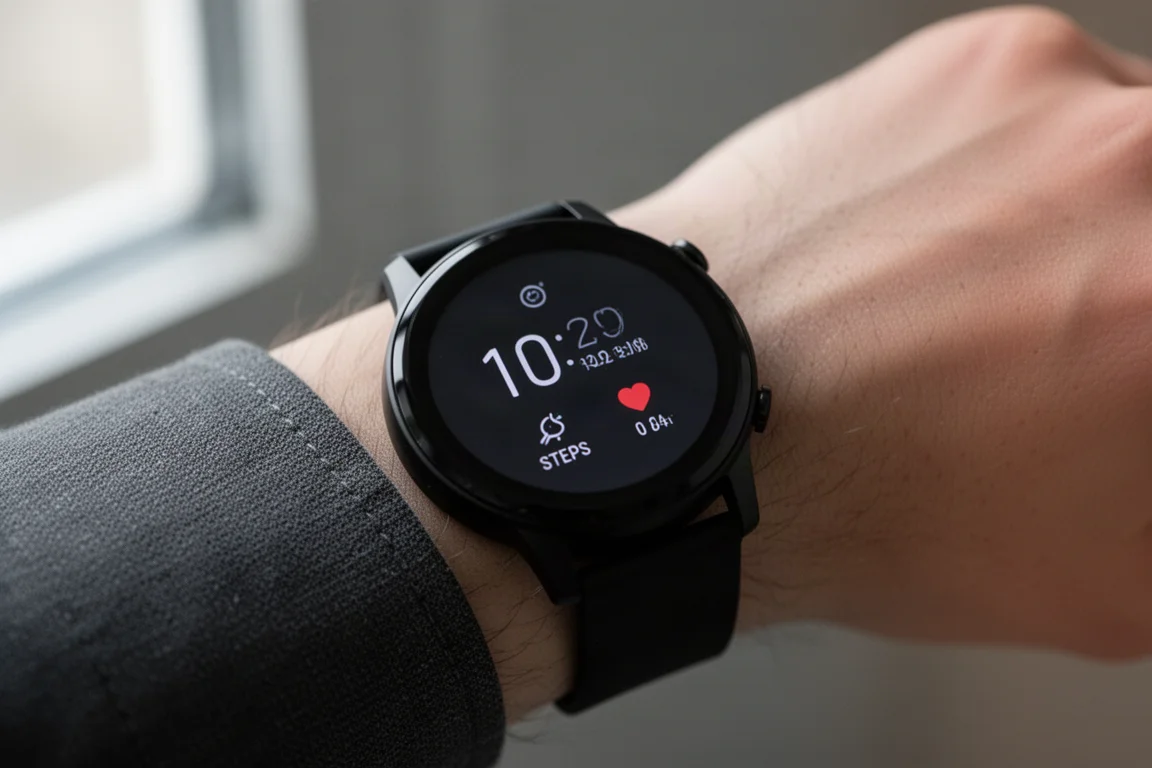
The 1.43-inch main display is an OLED panel that looks great, but the real trick sits on top of it: a second ultra-low-power display that takes over automatically when you are not interacting with the watch. Unlike the dimmed always-on modes on other smartwatches, this is a physically separate display. It shows useful data such as steps, heart rate and the time, with additional tiles for heart rate, blood oxygen saturation and calories accessible via the dial. During workouts it shows pace, heart rate and distance, and it can even change color based on your heart rate zones. Gorilla Glass protects both displays.
Smartwatch Features
Wear OS 3.5 means this is an Android-only watch; it will not pair with iPhones. You get Google Wallet for contactless payments, Google Maps, Spotify, the Strava app, YouTube Music, and the wider Play Store catalog.
Two current gaps worth knowing about: there is no Google Assistant and no Fitbit app support at launch, described as a temporary situation with no confirmed timing. There is also no LTE version, though you can still take calls on the watch as long as your phone is nearby, using the onboard speaker and microphone. Notifications are robust, with text replies via on-screen keyboard, voice dictation or emoji. The haptic alerts work but feel a little subtle. Connectivity includes Bluetooth 5.2, Wi-Fi, 2GB of RAM and 32GB of storage.
Battery Life and Charging
This is where the Pro 5 shines. The 628mAh battery (611mAh rated) delivers up to 80 hours of smartwatch use, and the claim held up in testing: roughly three days of use even with about an hour of outdoor activity recording per day. That is comparable to or better than the Galaxy Watch 5 and 5 Pro, and well beyond the Pixel Watch.
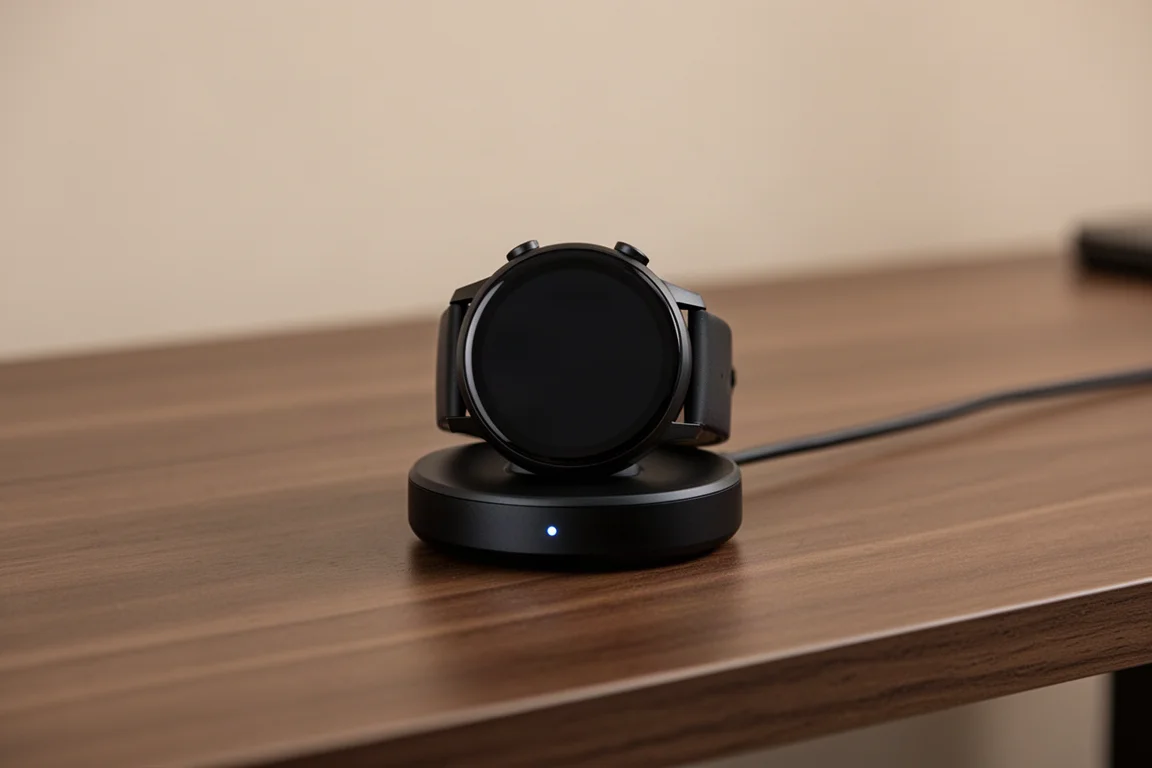
There is also Essential Mode, which shuts off the OLED panel and all smart functions while still tracking steps and sleep. In that mode the watch can stretch to up to 45 days. Charging is quick too: from empty, the watch reaches a 65% charge in about 30 minutes, and it even shows the charge percentage down to hundredths of a percent.
For activity recording, the TicExercise app offers a normal mode (GPS points every three seconds) and a high performance mode (every second). In testing, power consumption between the two modes was nearly identical, roughly 9.33% of battery per hour, but the accuracy difference was real, as covered below.
Sports Tracking and GPS Accuracy
The Pro 5 offers over 100 sport profiles, covering running indoors and out, indoor and outdoor cycling, gym work, pool swimming and open water swimming. Some profiles get very specific, down to individual exercises like incline dumbbell curl, which works but demands a lot of watch interaction. For daily health, the watch tracks heart rate around the clock, blood oxygen, stress, breathing rate, steps, floors climbed, calories, and sleep with stages and a sleep score. Sleep timing and total time tracked accurately; the sleep score leans overly encouraging, rating nights in the 80s that clearly were not.
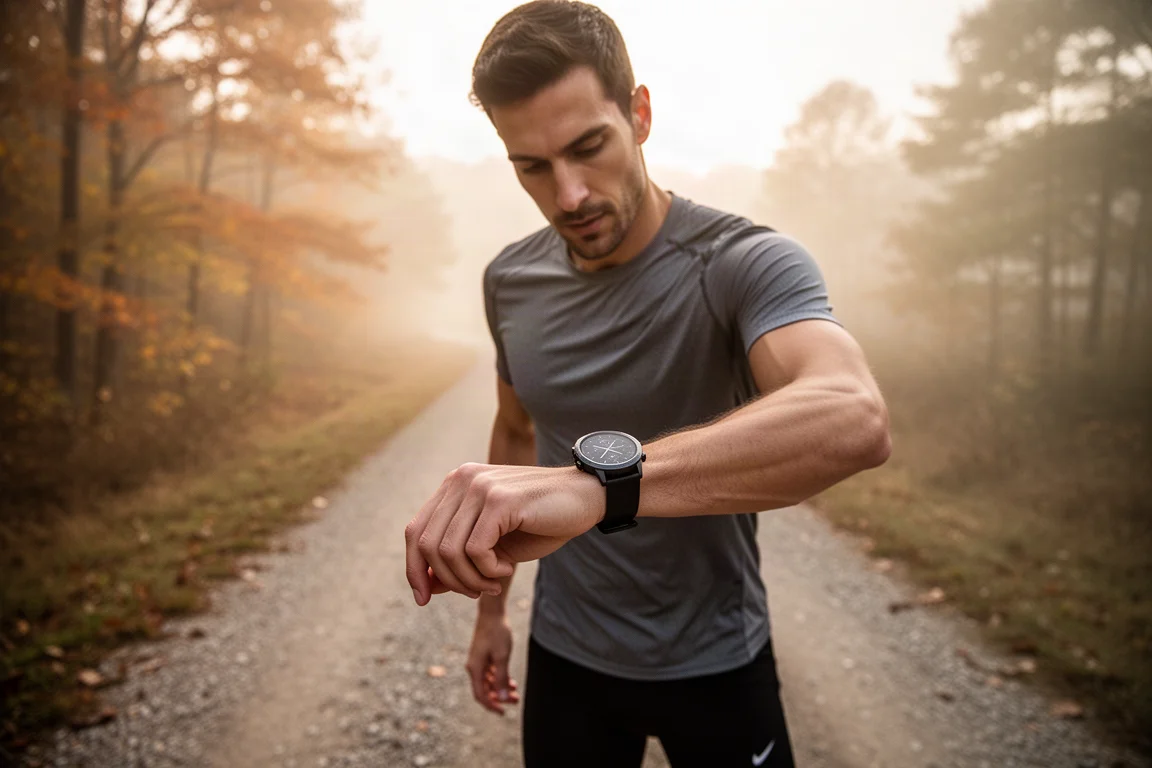
For outdoor activities, built-in multi-GNSS positioning accesses five satellite systems and picks automatically based on location. The chipset supports multi-band GNSS, but Mobvoi opted for single-band here. First fix is quick, typically 8 to 10 seconds. In normal mode, total distance came in a hair short of reference devices, with slightly jagged tracks on corners reflecting the three-second sampling. High performance mode produced distances right in line with other devices and smoother tracks, though some corners were still overshot. A ride recorded with the Strava app reported a bit more distance with some track wandering, but elevation gain was spot on. Altimeter-based elevation readings were very close to reference devices across most tests.
Heart Rate Accuracy
On a steady indoor ride the optical sensor was solid, and most rides looked good with only the occasional small blip. During intervals it performed well and responded quickly, with one interval showing a slight lag on the drop in heart rate. Road biking, which is tough for wrist sensors due to road buzz and handlebar vibration, produced very good results.
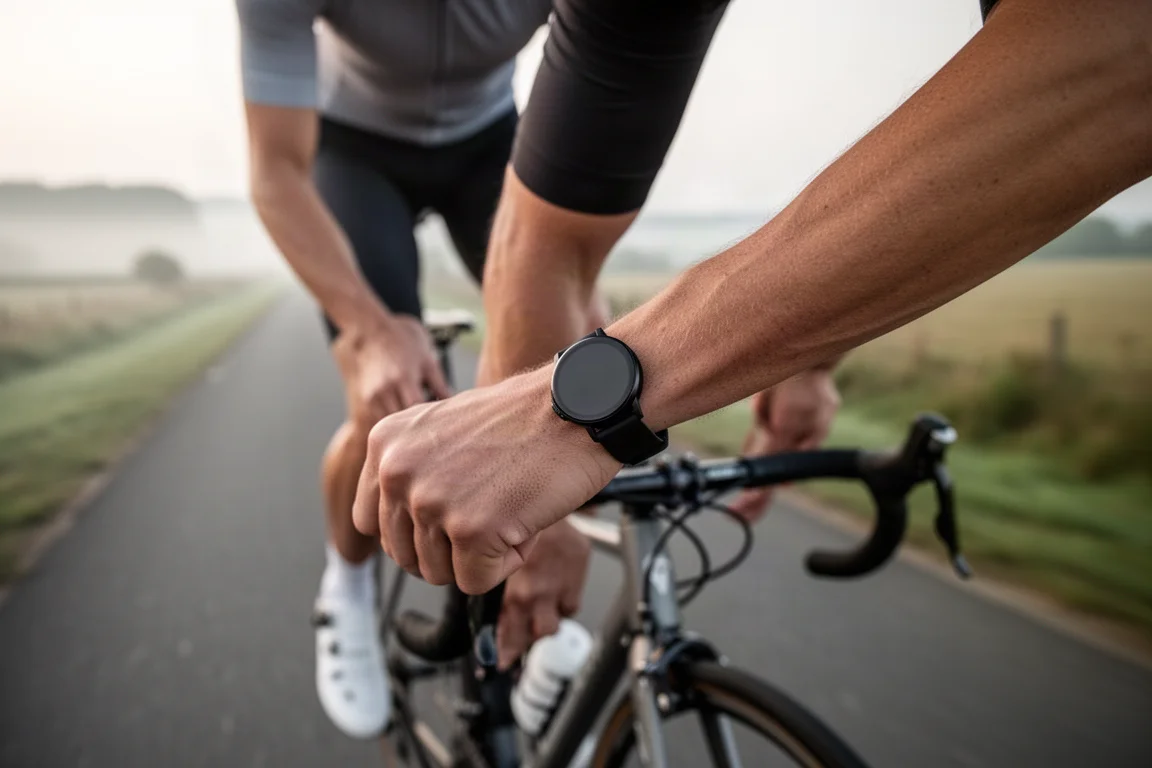
Mountain biking went well on ascents and repeated loops, but on descents, when the watch bounces on the wrist, the readings lost the plot. Running showed a cadence lock at the start of one run before settling into a good track. Weight training, the hardest case for wrist-based optical sensors, gave mixed results across sessions, sometimes accurate in sections and sometimes tracking low or spiking.
Overall, heart rate accuracy lands in the middle ground: not at the level of an Apple Watch, Garmin’s latest sensor generation, or the Pixel Watch, but clearly better than a Samsung watch. One significant limitation: there is no support for external heart rate monitors or any external sensors at launch. Mobvoi is aware this would make the watch far more capable, but there are no promises on timing.
Training Feedback and App Ecosystem
The watch estimates recovery time from workouts and VO2 max for running and cycling. Running VO2 max read a bit lower than other devices, possibly reflecting the higher heart rate readings from that run. Cycling VO2 max estimates ranged wildly, from far too low up to Olympic-athlete numbers, because the watch cannot pair with a power meter yet. Until that changes, it is best to ignore the cycling figure. Recovery time advice was solid on most workouts, with one session recommending less recovery than actually needed.
The Mobvoi Health app supports third-party integration with Strava and Google Fit, and a web platform for easily downloading your data is being built out, which suggests genuine commitment to expanding functionality. Owners of the TicWatch Pro 3 Ultra can also take heart: the Wear OS 3 update for that watch remains on the schedule, though timing has not been confirmed.
Buying Advice
The TicWatch Pro 5 makes sense for two groups: people considering a Pixel Watch who want longer battery life and a larger case, and people considering a Samsung watch who want better sports and fitness tracking. The biggest potential upgrade would be external heart rate sensor support, which would transform it into a much more serious training device. Based on how Mobvoi’s team talks about the sports side, that direction seems genuinely on their radar, but for now the lack of sensor support remains the main trade-off.
Conclusion
The TicWatch Pro 5 delivers a well-built, refined Wear OS 3.5 watch with class-leading battery life, a clever dual-display system, accurate GPS in high performance mode, and heart rate tracking that is good though not class-leading. If you want an Android smartwatch that doubles as a credible fitness tracker without charging every night, it deserves a spot on your shortlist.
Product link
View more details for TicWatch Pro 5
This product is mentioned in the review. Check the specifications, options, and compatibility before buying.
View more details for TicWatch Pro 5Further reading
Related Reviews
Smartwatches
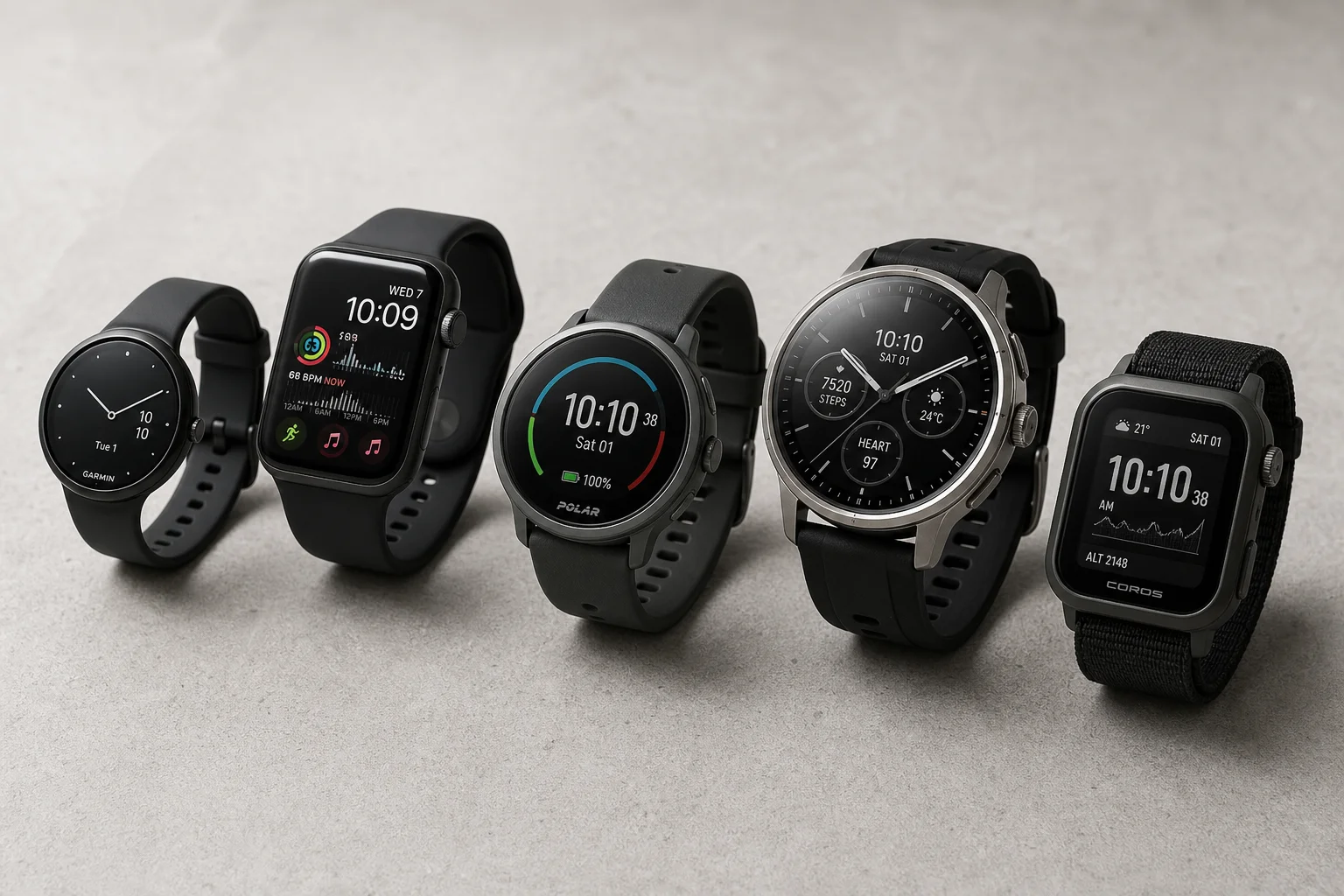
Best Budget Smartwatches 2026: Five Affordable Options That Actually Work
Five budget smartwatches tested for real daily use. From entry-level options to premium features at fraction of the cost, here's what actually delivers.
Smartwatches
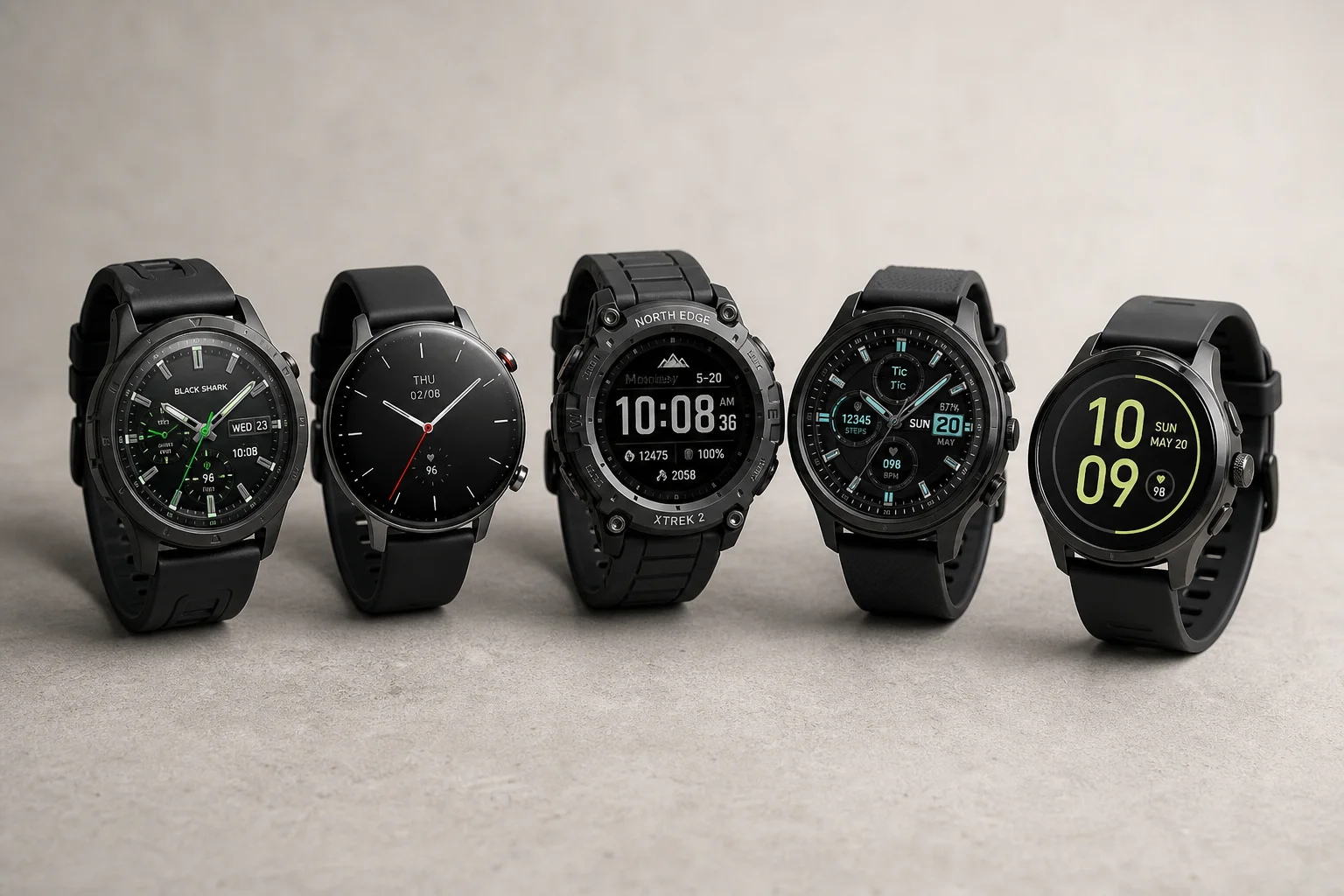
Best Smartwatches on AliExpress 2026: Five Practical Options for Different Needs
Five smartwatches with strong customer feedback and competitive pricing, each suited to different priorities: premium design, battery life, outdoor durability, advanced health tracking, and sports versatility.
Smartwatches
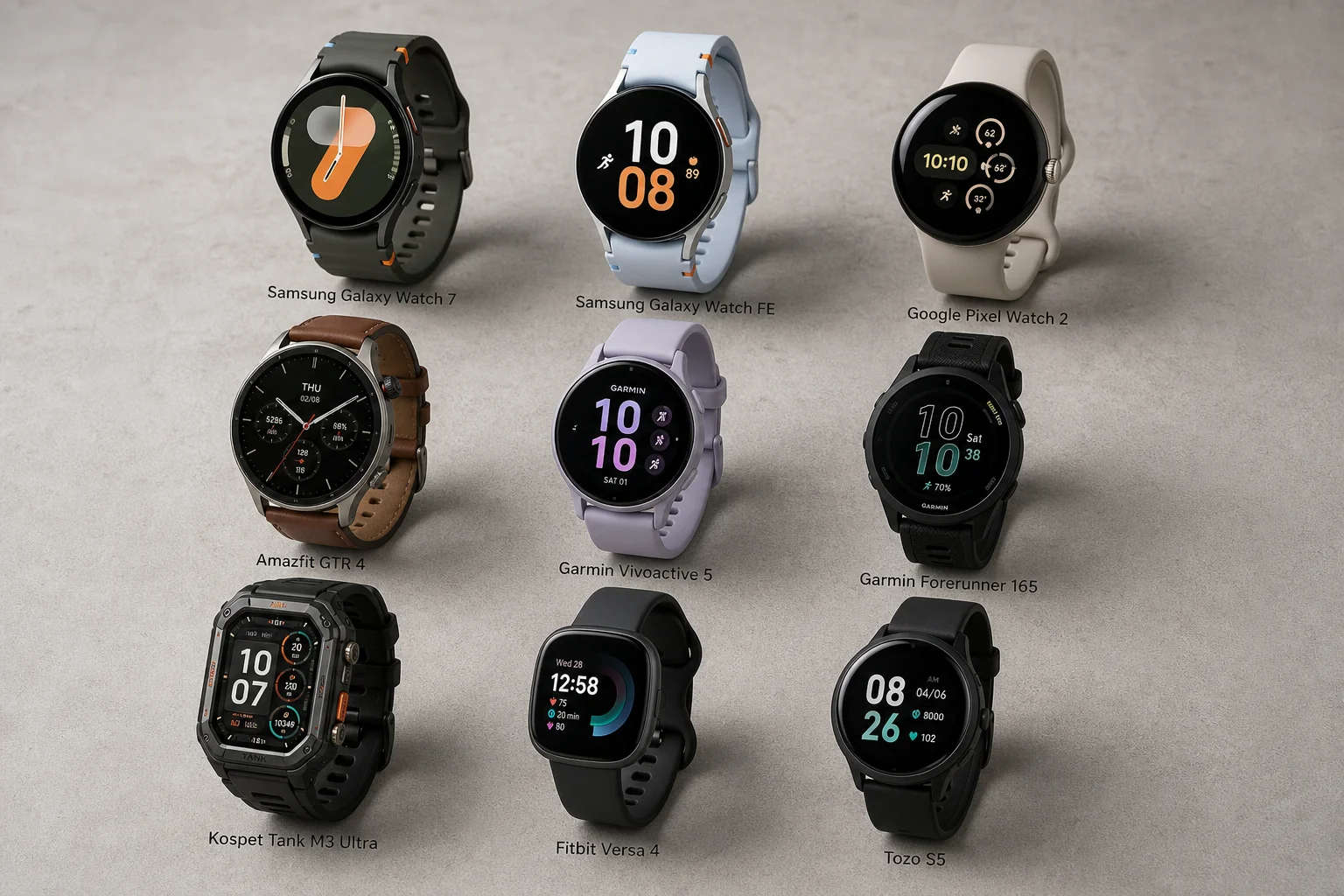
Best Smartwatches Under $300: 9 Practical Options for Every Need
A curated selection of nine smartwatches under $300, each excelling in health tracking, durability, battery life, or fitness features. Find the right match for your lifestyle.