Solar Panels
Thunderbolt 100W Solar Panel Review: What to Know Before You Buy
A rugged, well-priced 100W solar panel with strong real-world output, plus the connector and setup details most buyers miss.
Introduction
If you have been eyeing the Thunderbolt 100W solar panels, you have probably seen plenty of praise for how well they work. That praise is deserved: they perform well, they are affordable, and they are easy to live with. But there are a few practical things worth knowing before you buy, especially around connectors and setup with your particular power station. This review walks through the build quality, the setup details that most coverage skips, and how the panels actually performed in real sunlight.
Who This Product Is For
These panels make sense for anyone running a portable power station from brands like EcoFlow, Anker, Bluetti, or similar systems, as well as anyone building out a small off-grid or home backup setup. If you already own any solar-capable power supply, odds are good an adapter exists to make these panels work with it. They also suit people who want something available locally rather than online, since these are typically stocked in stores.
Build Quality and Design
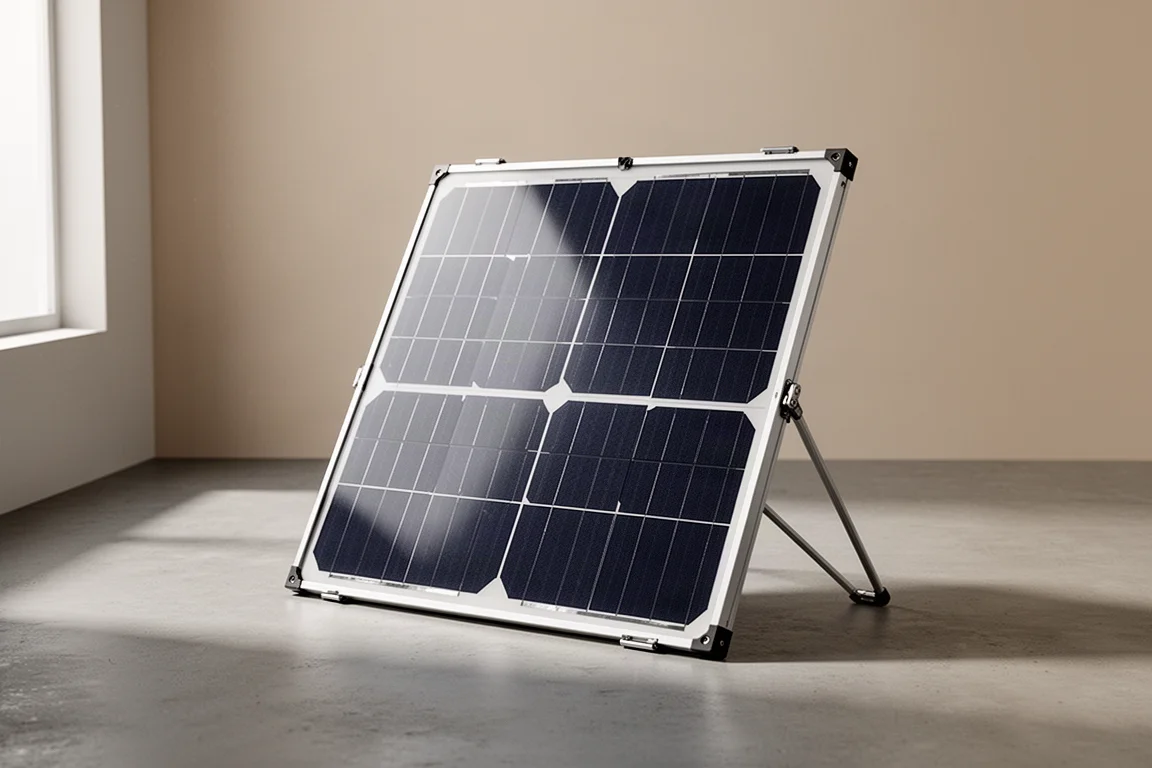
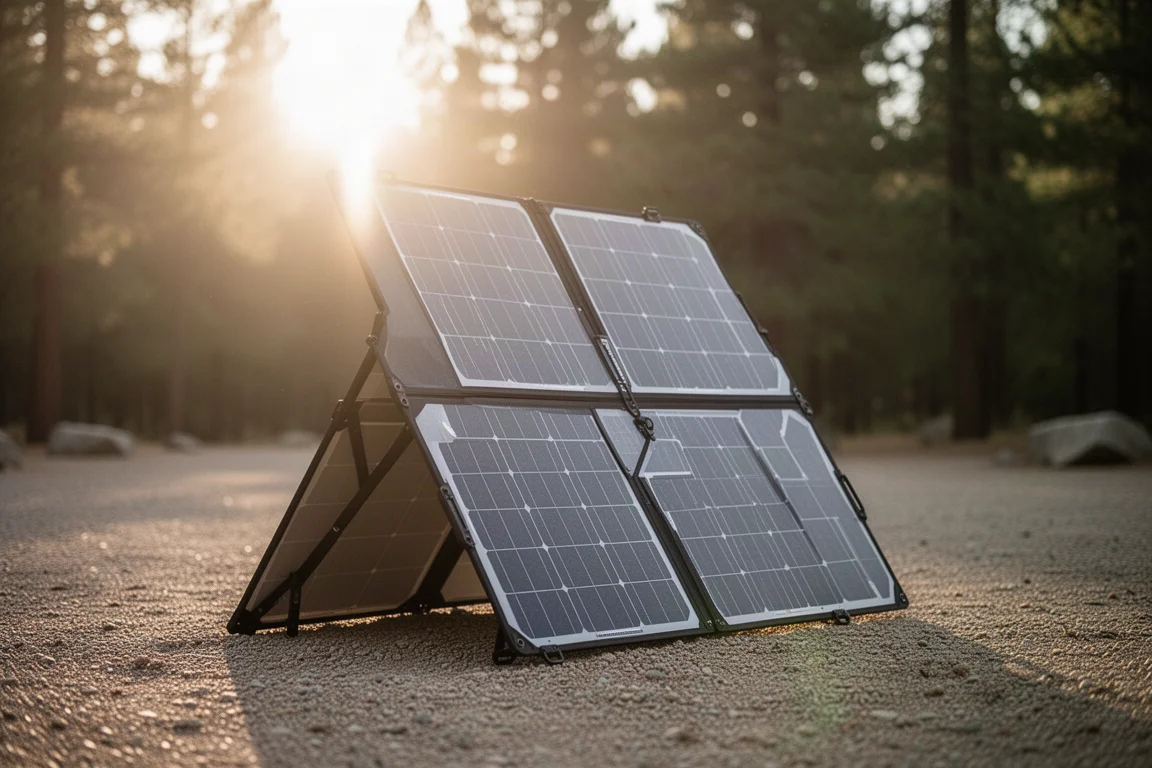
The construction is genuinely solid. An aluminum frame surrounds the panel and helps keep the weight down, making it easy to move around, and the overall feel is rugged despite the light footprint. The panels are compact enough to store without much fuss, neither bulky nor awkwardly small.
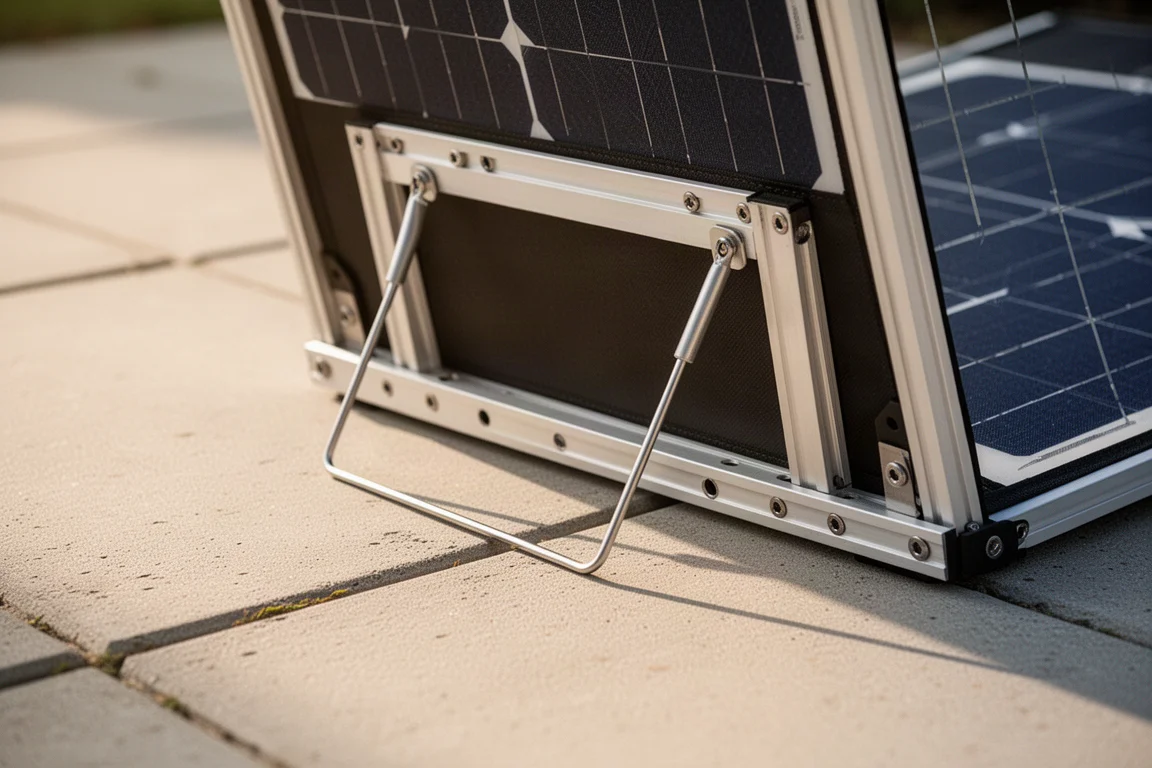
At the rear you get two support legs that let you angle the panel toward the sun. There are also mounting holes along the frame, which some owners use for building their own rotating or fixed solar mounting rigs, a nice touch for more ambitious setups.
Things to Consider Before Buying
The legs are functional, but two small issues are worth knowing about. First, the rubber feet are not especially well attached; one can pop off and get lost, so applying a little super glue when you unbox the panel is a smart move to keep dirt out of the leg housing. Second, the legs adjust independently rather than moving together, so setting the angle means walking around the panel and tweaking each side. A cross bar connecting them would have solved this, and DIY-minded owners could improvise one.
None of this is a dealbreaker, but it is the kind of small friction you should know about going in.
The Connector Issue: SAE vs MC4
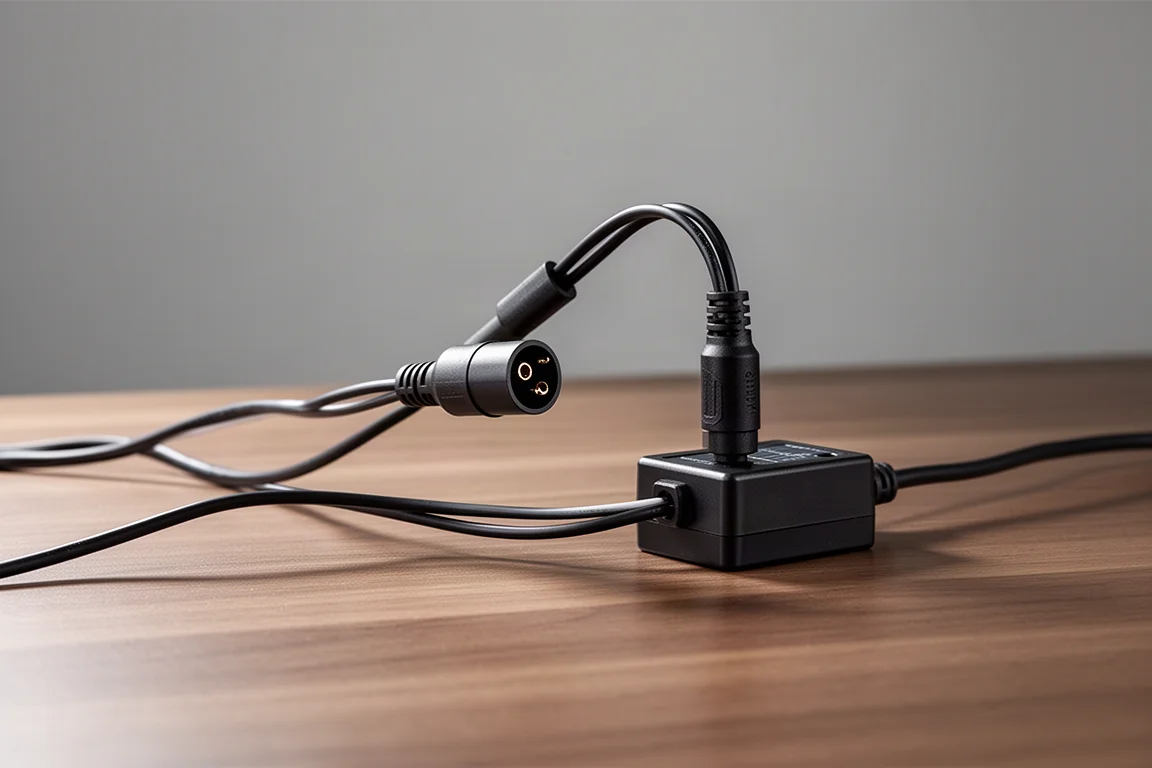
The main thing to understand before buying: these panels ship with SAE connectors rather than the MC4 connectors most solar gear uses. Do not let that scare you off. You have two easy paths.
The simplest route is buying an SAE to MC4 adapter, which is very inexpensive and requires no wiring work. Once adapted, you can chain panels together with splitters and run multiple panels at once. If you have basic electrical knowledge and a crimper, you can also cut off the SAE ends and crimp MC4 connectors directly onto the cables.
Most power stations accept an XT60 input, and adapters for virtually every system are widely and cheaply available. Whichever power supply you own, connecting these panels is realistically a small adapter purchase away.
Real-World Performance
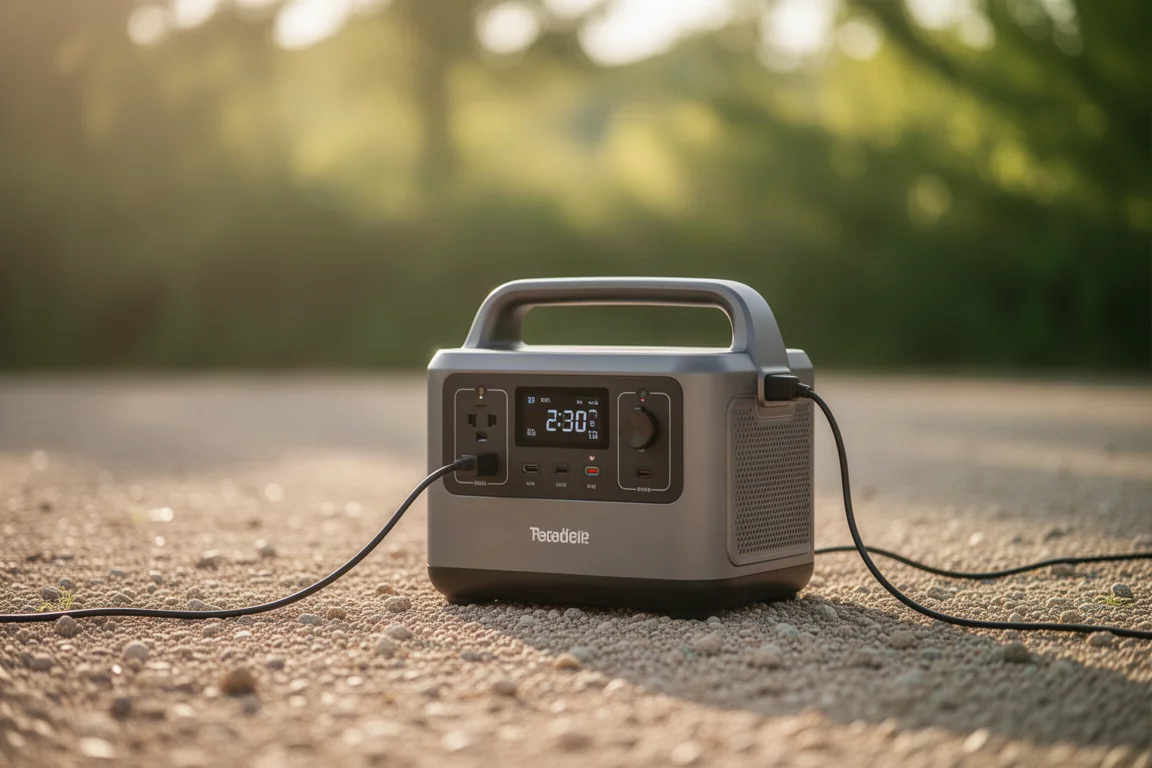
On a mostly sunny day with light wildfire haze in the sky, three of these 100W panels combined produced an average of about 265W of input, peaking at 275W with the panels optimally positioned. For three 100W panels under imperfect sky conditions, that is a solid result.
Setup was painless: the panels connect quickly, pack away quickly, and noticeably speed up solar charging compared with smaller panels. One note if you plan to mix panel sizes: pairing different wattage panels works cleanly on power stations with multiple independent input circuits, but mixing mismatched panels on a single input is generally not ideal. If you have multiple inputs, keep them separate and everything works smoothly.
Buying Advice
These panels typically sell for around $100 to $125 depending on the season, which works out to roughly a dollar per watt before tax. At that price the value is hard to argue with, especially given the build quality and real output. Check your local store first, since they are commonly stocked in person and you skip shipping entirely.
Budget a few extra dollars for an SAE to MC4 adapter or a suitable input adapter for your power station, and keep some super glue handy for the leg feet. With those small preparations, the experience is smooth from day one.
Should You Buy It?
For the price, absolutely. The panels are light, rugged, compact to store, easy to set up, and they charge a power station quickly. The independent legs and loosely attached rubber feet are minor nitpicks rather than flaws, and the SAE connector is a non-issue once you have a cheap adapter in hand. Anyone already comfortable with portable power setups will have no trouble at all, and first-timers only need to plan for one small adapter purchase.
Conclusion
The Thunderbolt 100W solar panel delivers strong real-world performance, sturdy aluminum-framed construction, and excellent value at roughly a dollar per watt. With a quick adapter fix for the SAE connector and a dab of glue on the leg feet, it is one of the easiest recommendations in affordable portable solar.
Product link
View more details for Thunderbolt 100W Solar Panel
This product is mentioned in the review. Check the specifications, options, and compatibility before buying.
View more details for Thunderbolt 100W Solar PanelFurther reading
Related Reviews

Solar Panels
BougeRV ARCH 200W Review: A Durable Fiberglass Solar Panel for Real-World Use
The BougeRV ARCH 200W combines a fiberglass core, ETFE coating, and IP68 waterproofing in a flexible panel that handles heat, scratches, and full submersion.

Solar Panels
BougeRV ARCH PRO 200W Review: A Fiberglass Solar Panel Built for Real-World Punishment
The BougeRV ARCH PRO 200W combines modern TOPCon cell technology with a rugged fiberglass build, 28 bypass diodes, and impressive shade tolerance. We put it through extreme damage testing to see how much power it can still deliver.
Power Stations
Best Portable Power Stations Under 2000Wh: 2025 Lab Tested Recommendations
Nine portable power stations tested in real-world conditions, from compact 500Wh units to capable 2000Wh models. Unsponsored recommendations for camping, emergencies, and creative work.