Travel Gear
Thule vs Eagle Creek Compression Packing Cubes: Which Medium Cube Deserves Your Luggage?
A hands-on comparison of the Thule Medium Compression Packing Cube and the Eagle Creek Isolate medium cube, covering capacity, weight, durability, and compression.
Introduction
Packing cubes are one of those travel accessories that quietly change how you pack. Compression cubes go one step further by squeezing your clothes down into a tighter, flatter package. Two of the most interesting medium compression options right now come from Thule, a company better known for roof racks that has quietly built an impressive travel gear line, and Eagle Creek, a long-standing favorite among frequent travelers.
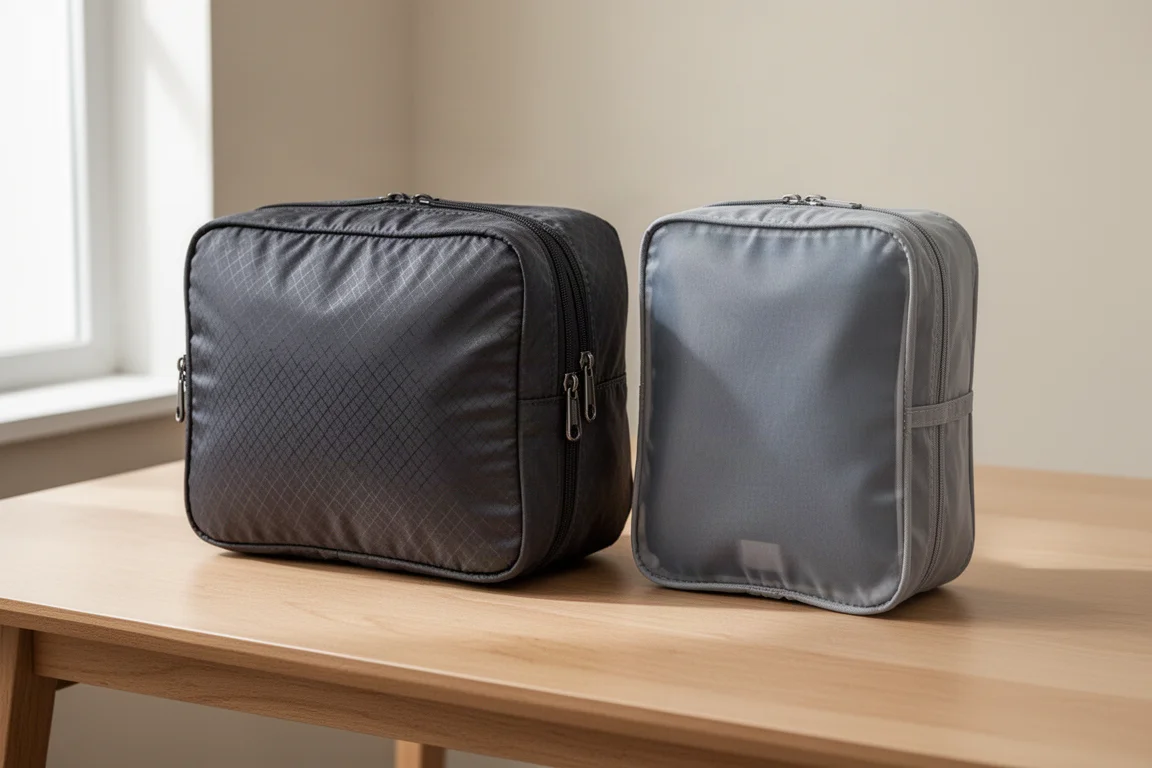
Both cubes are sized around the popular 14 by 10 inch (36 by 25 cm) footprint that fits easily into most travel backpacks, and both sit at a similar price point. That makes them a natural head-to-head comparison. The differences come down to fabric thickness, structure, capacity, and weight.
Design and Build Quality
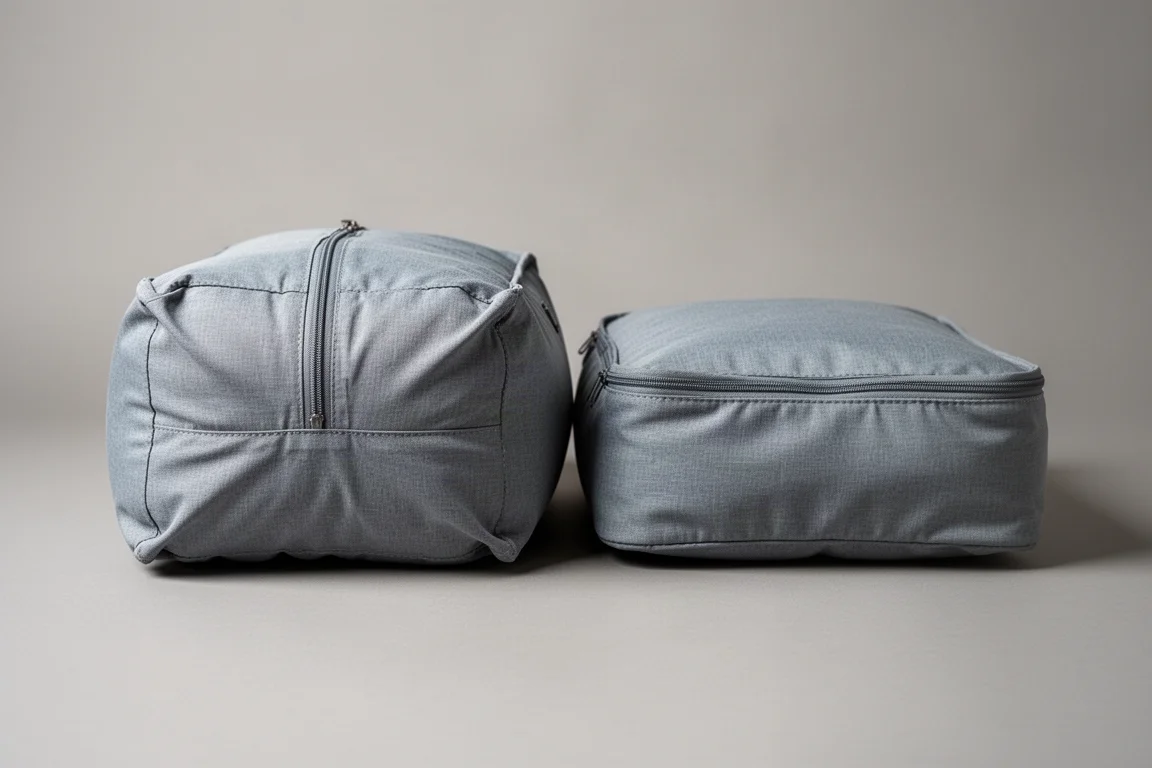
The Thule Medium Compression Packing Cube measures about 14 inches long by 10 inches wide (36 by 25 cm). The fabric is a lightweight, semi-transparent nylon with a decent stiffness to it and a diamond pattern woven into the surface. What stands out most is the structure: where the main fabric meets the zipper fabric, the material is rolled over in a way that almost feels like a wire frame. Stand this cube up empty and it keeps its form, which makes it noticeably easier to pack than a floppy cube.
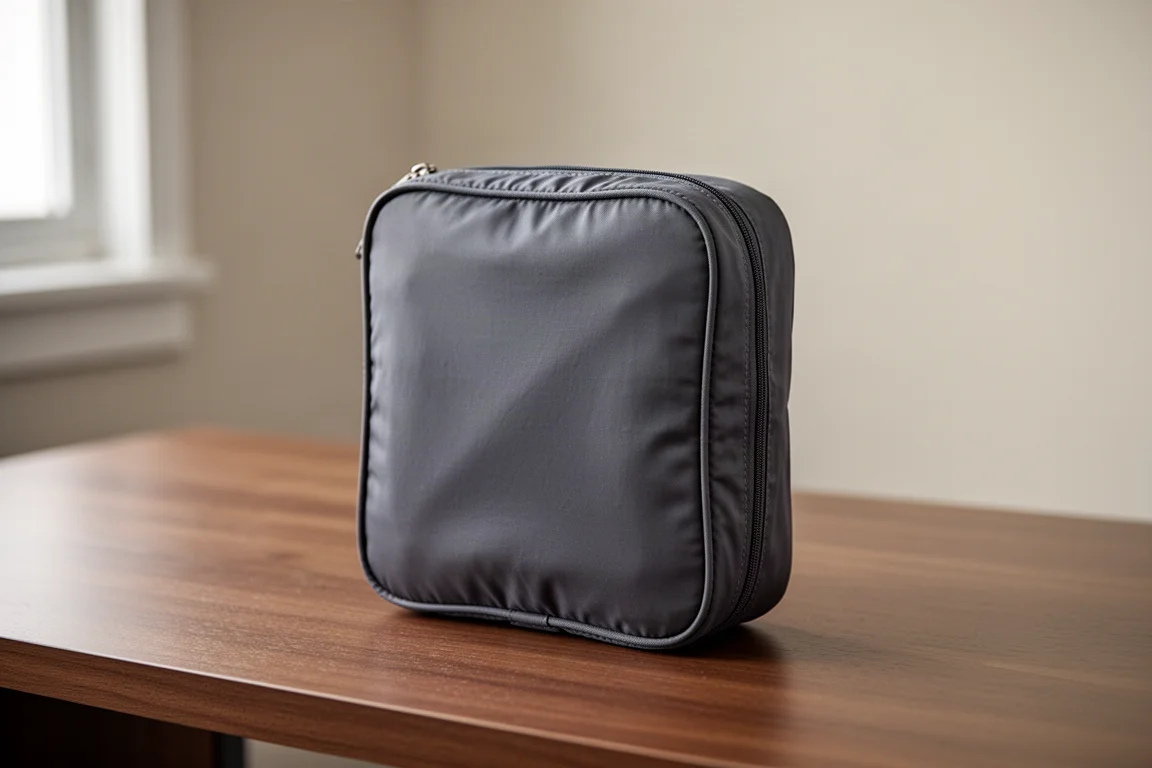
The Eagle Creek Isolate medium cube is nearly identical in length and width but uses a thinner fabric with a smooth, flat panel across the top. It lacks that self-supporting structure, so it collapses more when empty. The trade-off is weight: the Eagle Creek cube weighs roughly 2.8 ounces (about 80 grams), while the Thule comes in around 4.2 ounces (about 120 grams), roughly 50 percent heavier. Thule also offers a smaller 10 by 7 inch cube, a medium-plus-small set, and a larger “clean/dirty” cube with two compartments divided by a clear separator.
Packing and Compression in Practice
A 14 by 10 inch cube is a good size for the bulk of your clothes: pants, shorts, and shirts, with a smaller 10 by 7 cube for socks and underwear. Folding technique matters less with compression cubes than you might expect. A loose fold on pants and shirts and a simple roll on t-shirts is enough, because the compression zipper does the tidying for you.
The recommended method with both cubes is the same: leave the compression zipper open, fill the cube, close the lid, then work the compression zipper around while pressing down to help it along.
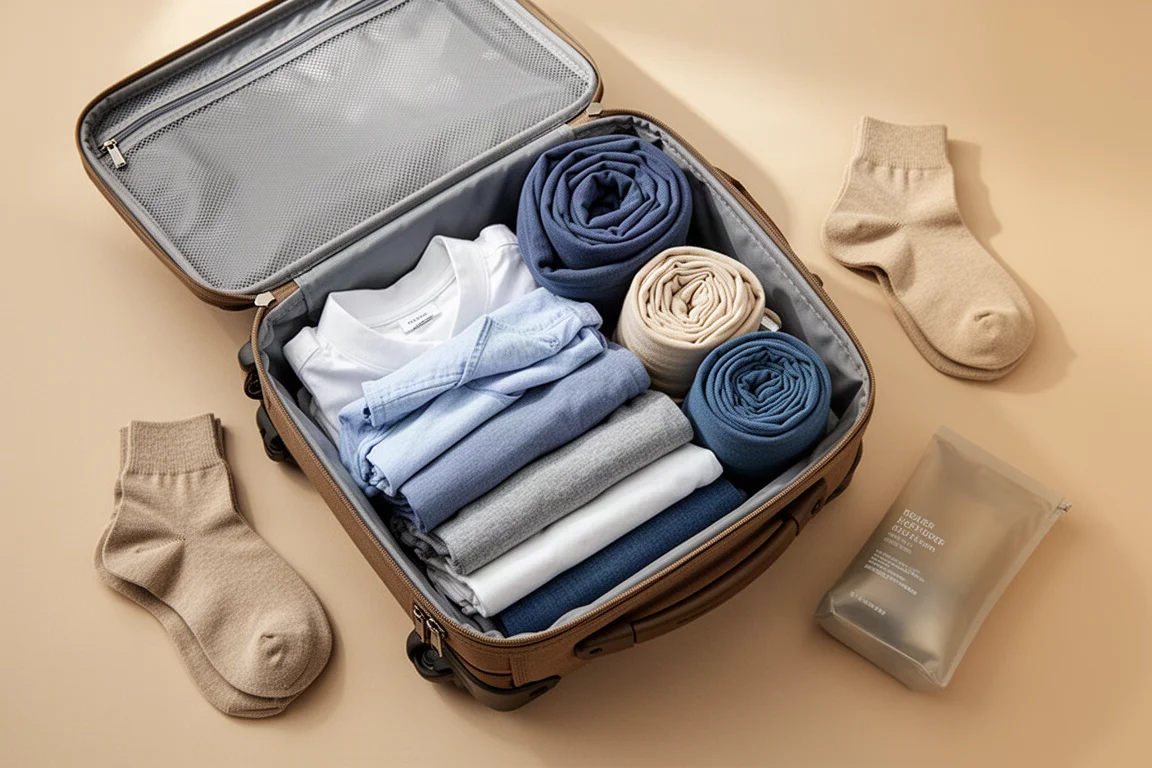
In a side-by-side load test with two pairs of pants, shorts, four t-shirts, and two short-sleeve button-up shirts, the Thule cube swallowed the entire load. The Eagle Creek cube managed everything except one of the pairs of pants. The reason is the corner gussets Thule builds into the top and bottom fabric, which let the cube expand outward and hold noticeably more. The Eagle Creek’s flat top panel means the fabric bulges instead, so it holds less.
That thinner fabric does have one advantage: the Eagle Creek compresses flatter and tighter, because the fabric cannot escape through side gussets. If you want your clothes squished into the most compact possible package, Eagle Creek wins on compression. If you want maximum capacity, Thule wins.
Durability and Zippers
This is where the Thule cube pulls clearly ahead. It uses large, name-brand YKK zippers, and the thicker, stiffer fabric means the zipper rarely catches. Running the zipper around under compression feels smooth and confident.
The Eagle Creek uses smaller, off-brand zippers and very thin fabric. Older versions of these cubes had a real problem with fabric getting stuck in the zipper while compressing, requiring back-and-forth work to free it. The updated models currently sold largely fix that issue with a slightly thicker and stiffer fabric, but you still need to squish the fabric down and it can help to keep a finger between the zipper and the fabric to stop it catching.
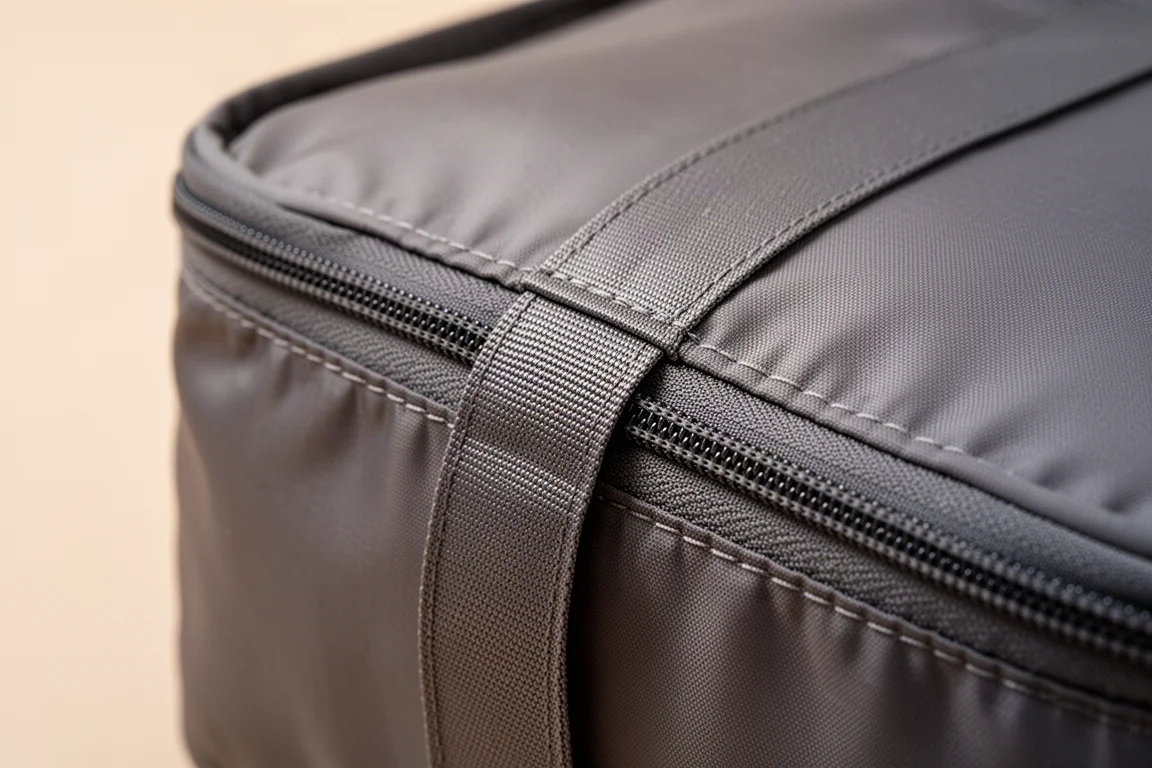
One last design difference: the Thule opens clamshell-style from the side, while the Eagle Creek opens front to back in a panel-loading style. After packing both cubes repeatedly, this made little practical difference and comes down mostly to personal preference.
Which One Should You Buy?
Both are good cubes at roughly the same price, so the decision comes down to weight, durability, and capacity:
- Choose the Thule if you are hard on your gear, want name-brand YKK zippers and thicker fabric, or simply need to carry more. The gussets give it a real capacity advantage over a cube of the same footprint.
- Choose the Eagle Creek if you pack minimalist and prioritize the tightest compression and the lowest weight. Years of use with these cubes has shown no zipper failures or fabric tears, so it remains a proven, reliable choice.
Pricing is worth watching. The Thule medium runs about 25 dollars, the small around 20, and the two-piece set about 45 dollars, which is a lot for packing cubes at full price. Catching them on sale makes the price point much more reasonable, and given the capacity advantage, the full set is worth considering from the start.
Conclusion
You genuinely cannot go wrong with either cube. Thule delivers more structure, more capacity, and more durable hardware at the cost of extra weight. Eagle Creek delivers lighter weight and tighter compression at the cost of a thinner fabric and less name-brand hardware. Match the cube to your packing style, and both will serve you well for years.
Product link
View more details for Thule Medium Compression Packing Cube
This product is mentioned in the review. Check the specifications, options, and compatibility before buying.
View more details for Thule Medium Compression Packing CubeFurther reading
Related Reviews
Travel Gear
12 Essential Travel Items That Make Every Trip Better
After traveling to over 150 cities worldwide, here are the practical items that have become indispensable for modern travel.
Travel Gear
Best One-Bag Travel Gear for Long Trips: 8 Essentials
A practical guide to the travel gear that proved its worth over 30 days of one-bag travel in Southeast Asia, from the pack to the power bank.
Travel Gear
Best Shoes for Camino de Santiago: Hiking Boots, Trail Runners, or Barefoot
A practical guide to choosing the right footwear for the Camino de Santiago, comparing hiking boots, trail running shoes, and minimalist barefoot options across different routes and seasons.