Travel Gear
Two and a Half Weeks in Argentina Out of a Thule Aion 28: What Worked and What I'd Change
A real-world carry-on travel test across Buenos Aires, Salta, and Iguazu Falls, covering the Thule Aion 28 and the small gear changes that made the trip easier.
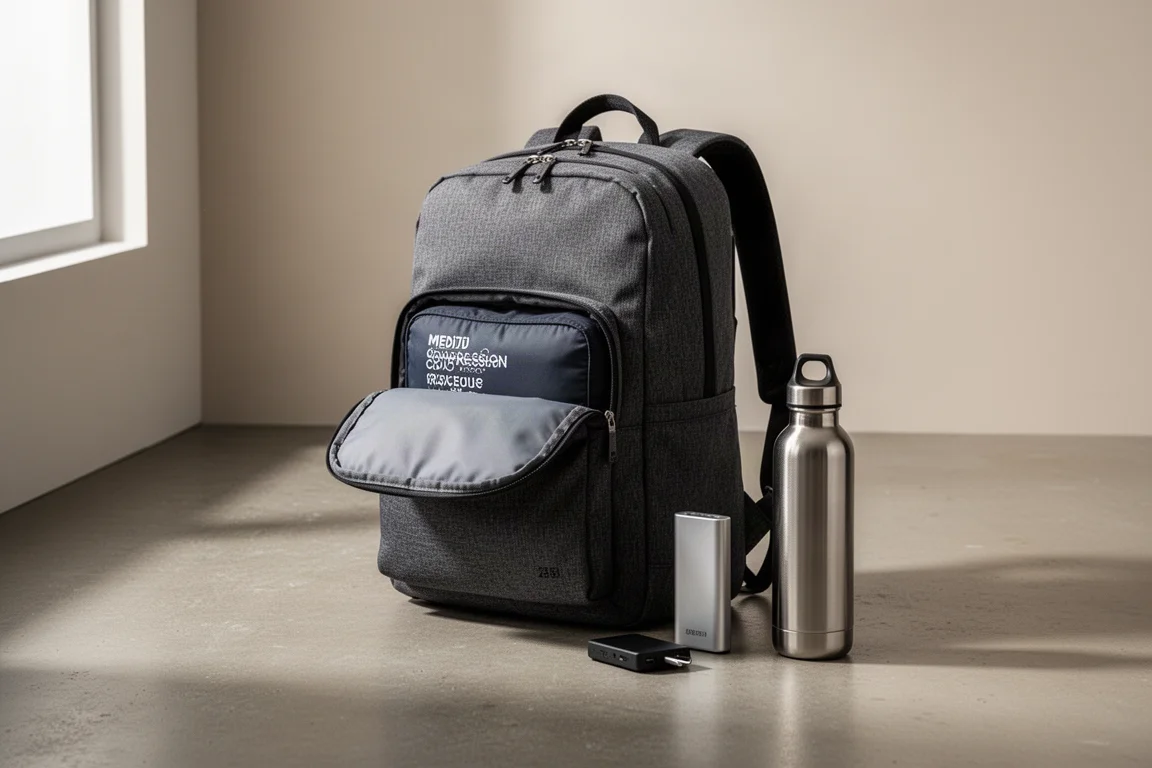
Introduction
I recently spent about two and a half weeks traveling around Argentina out of a single 28 liter carry-on, splitting time between Buenos Aires, Salta in the northwest, and Iguazu Falls. It was winter there, so nights and mornings were cold enough to need a puffy jacket most days, while afternoons warmed up enough for just a t-shirt.
Lodging was a mix of Airbnbs, hostels, and a few hotels, and I took several in-country budget flights with a strict 40 x 30 x 20 centimeter and six kilogram carry-on limit. The bag I brought had no issues with any of it. Rather than rehash a full packing list, this is a look at the gear that worked, the changes I made at the last minute, and what I would do differently next time.
The Bag: Thule Aion 28
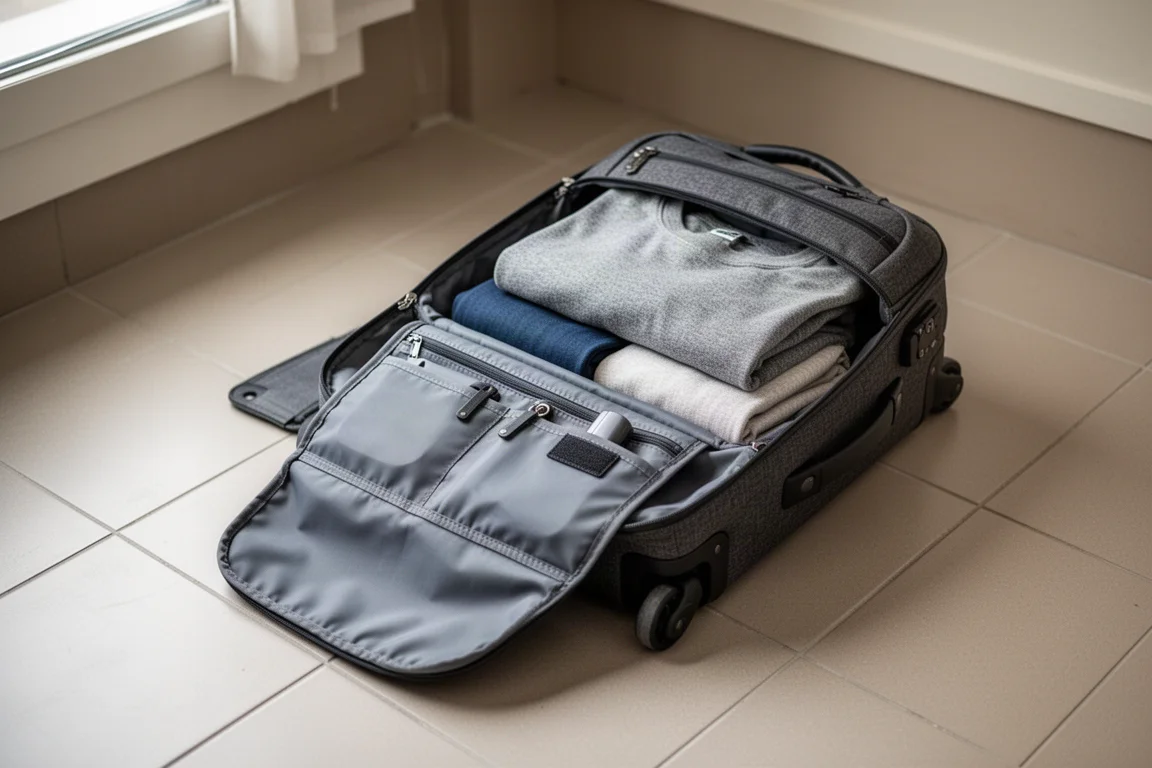
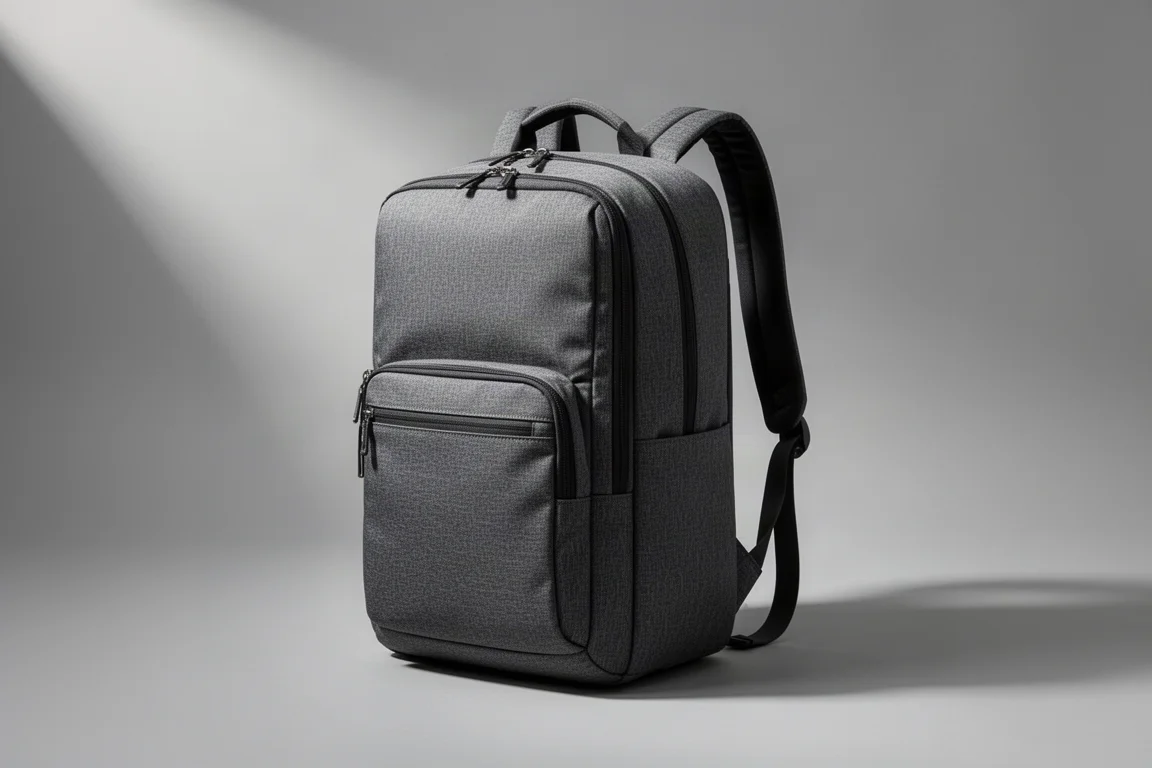
The Thule Aion 28 was the backbone of the trip and I would happily recommend it for minimalist carry-on travel. The main compartment opens flat like a clamshell, which makes it genuinely easy to pack like a suitcase. There is a removable TPU divider, and if you keep the divider shut, a separate short zipper on the outside still gives you access to the main compartment.
The setup works nicely if you travel with a day pack as a boarding bag. Stuff the day pack into the top of the main compartment, zip it in for the flight, then pop it out when it is time to board. The front organizational pocket only goes about halfway down the bag, so everything stays reachable instead of sinking to the bottom. There is also an expansion zipper that adds about two inches and roughly six extra liters of space, which would be handy if you fill the bag with souvenirs. I underpacked slightly, so I never needed it.
If there is one practical note for Argentina itself: the official exchange rate set by the central bank sits well below the parallel market rate, and visitors with strong currencies can get close to double by using the parallel rate. Exchanging cash in person can feel sketchy, so wiring yourself money through Western Union from a debit card and picking it up locally ended up being the smoother option, with rates almost matching the parallel market rate.
Packing: Thule Compression Packing Cube
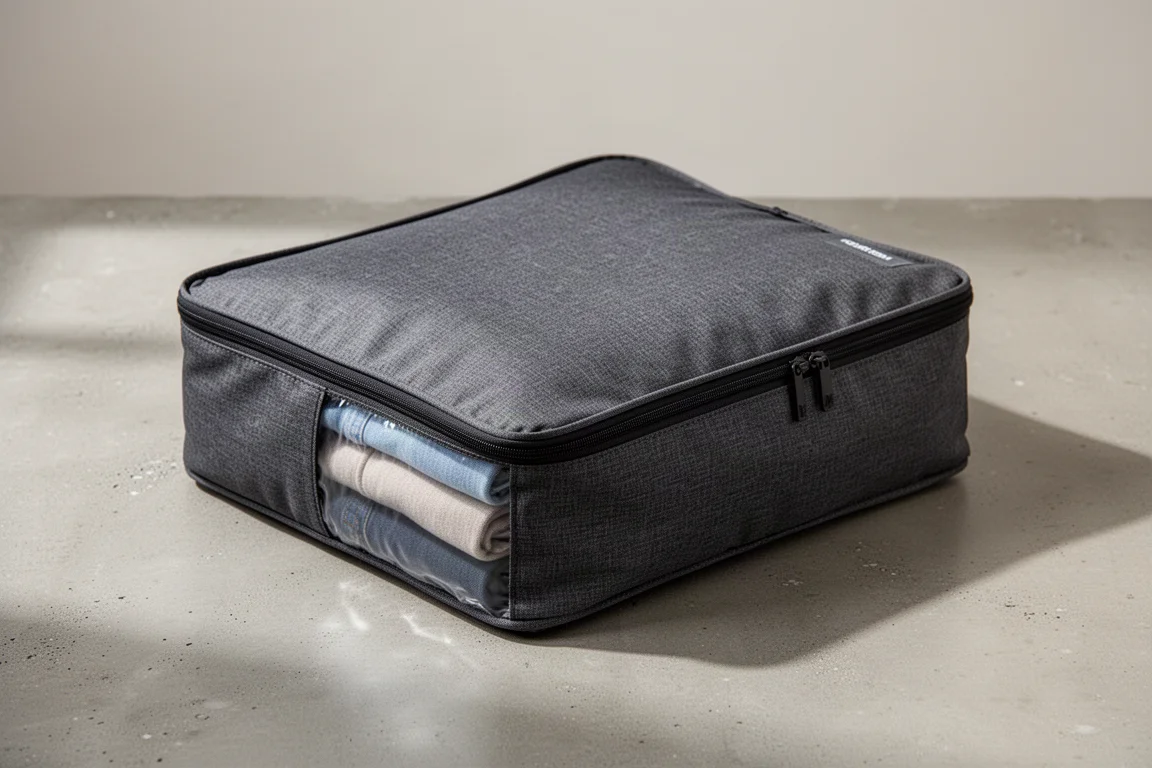
I swapped my usual Eagle Creek packing cube for a medium Thule compression packing cube before this trip. Compression cubes are an easy way to squeeze soft clothing down and keep the clamshell compartment organized, and this one did its job quietly for the whole trip.
One small change that did not earn its place: I brought a pair of shorts and never used them once. Cold mornings and warm afternoons meant long pants and a puffy covered everything I needed.
Shared Showers: Mayfly Camp Shoes
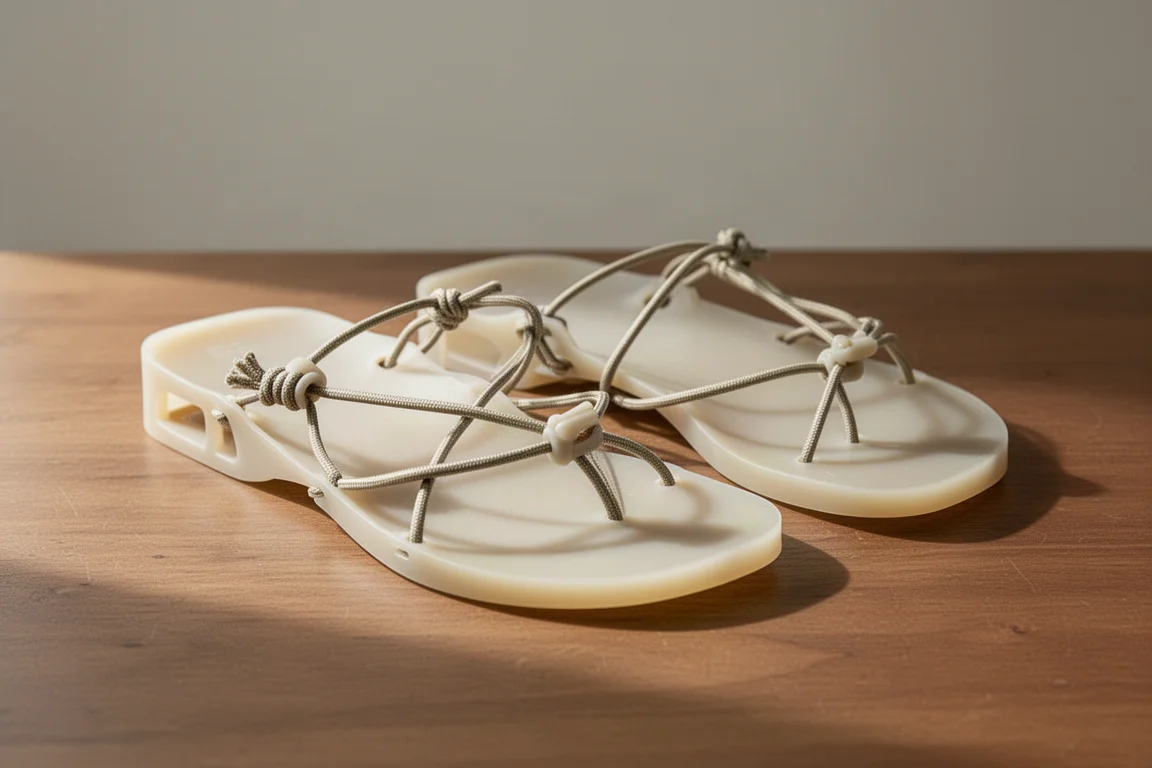
Hostels mean shared showers, and I wanted something to keep my feet off the floor without hauling my heavier everyday shoes. I picked up a pair of Mayfly camp shoes at the last minute. They are marketed toward ultralight backpackers and honestly look a little silly, but they weigh about two ounces, take up almost no room in a pack, and weigh next to nothing.
They are made from a thin plastic signboard material and hold onto your feet with thin paracord wrapped in thicker paracord tubing, cinched with a plastic toggle. They are far too flimsy to wear around town, so I limited them to showers and walking around camp. For that narrow job, they worked great and were surprisingly comfortable for how minimalist they are.
Everyday Wear: Arcade Ranger Belt
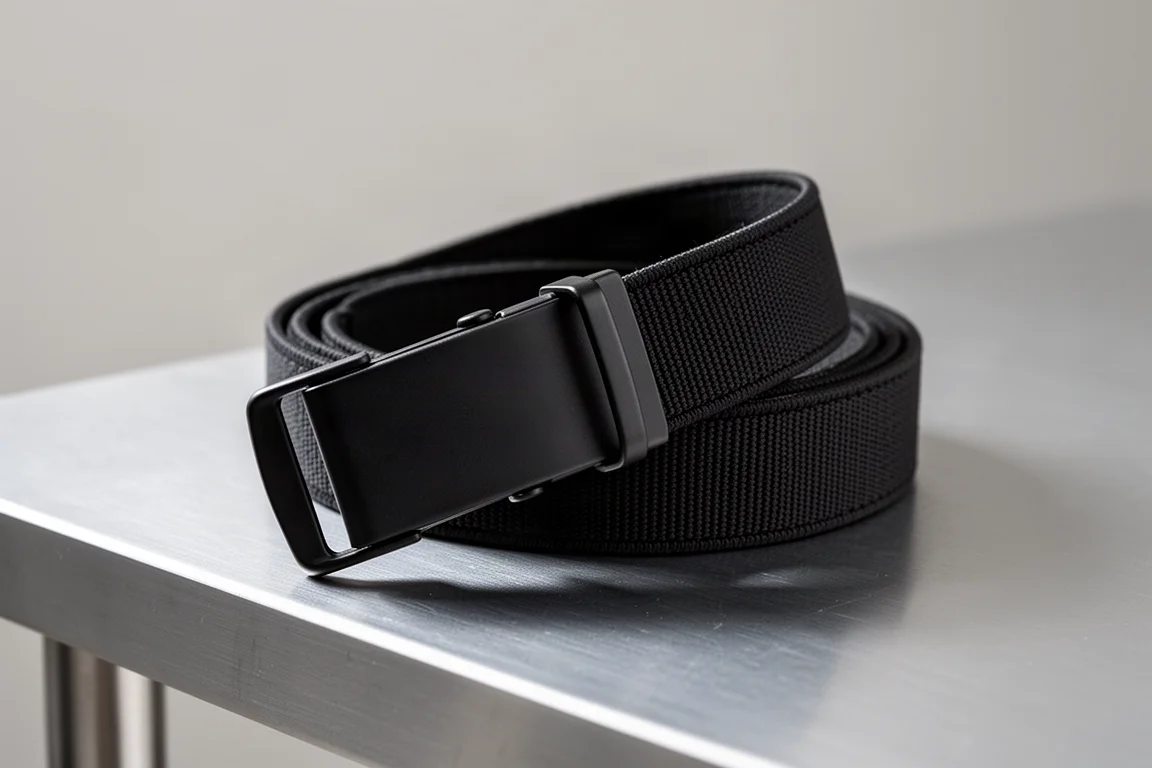
The Arcade Ranger belt has been in rotation for a few months now. It is very lightweight and packs down small, which is exactly what you want in a one-bag setup. The catch is that even though it is plastic, airport security will still often ask you to take it off. That is a minor annoyance rather than a dealbreaker, and the comfort and weight savings are worth it.
Electronics and Power: Nitecore NB10000
My electronics setup worked well overall. Argentina uses type A and type C plugs, and almost everywhere I stayed had a dual socket that accepted both the angled type I plug and type C Euro plugs, so a good international travel adapter covers you.
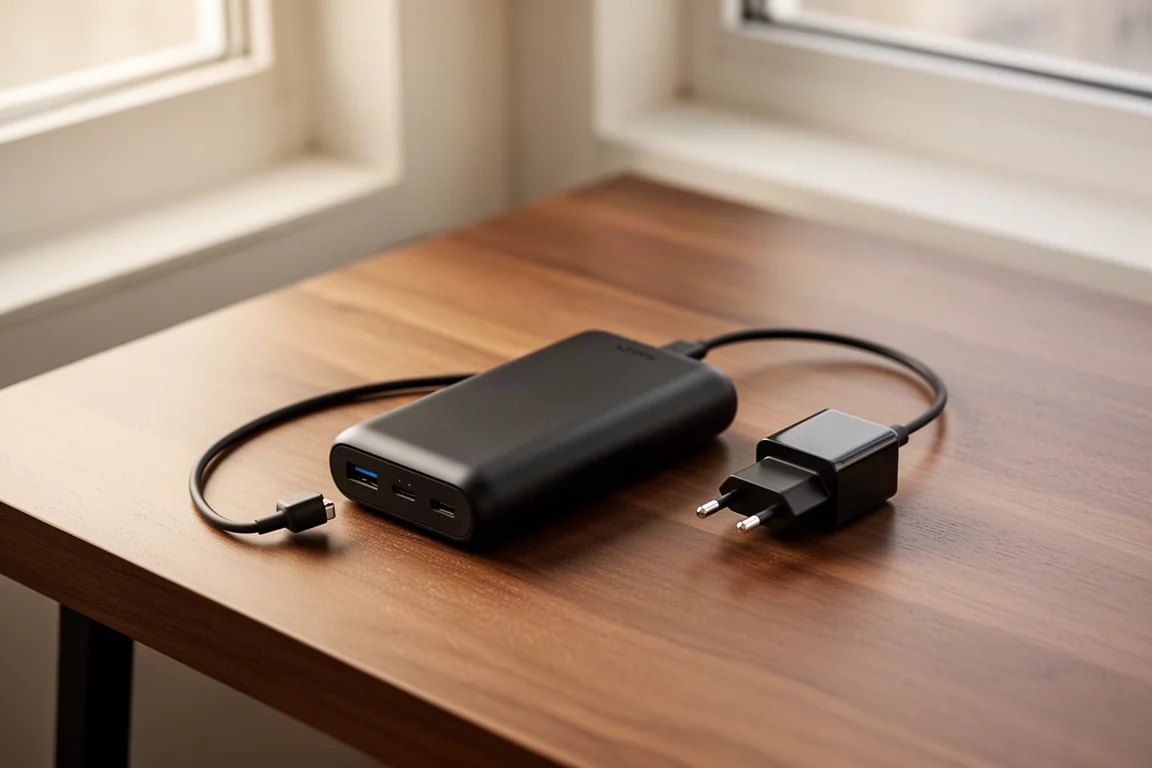
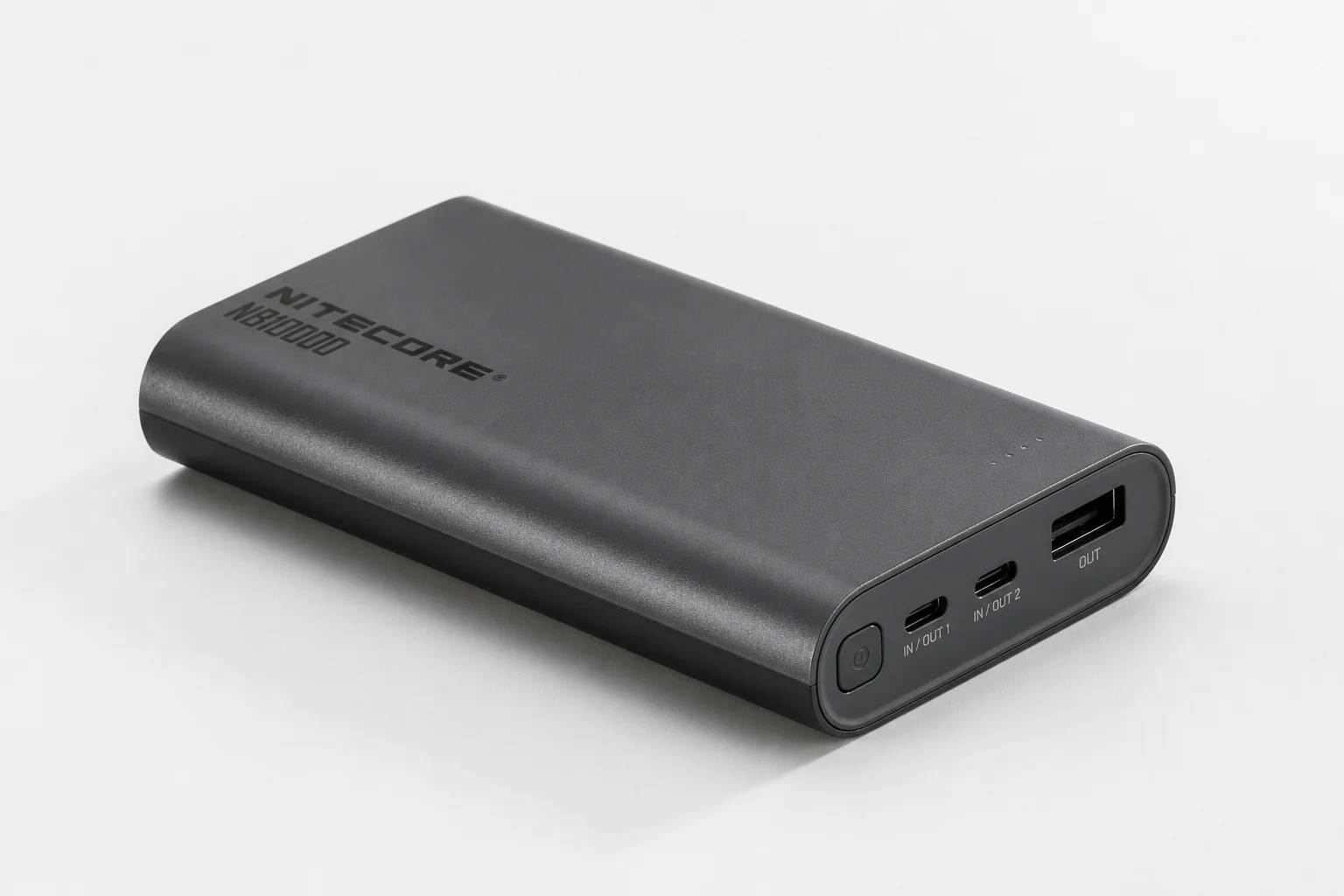
This was my first trip with the Nitecore NB10000 power bank and it was excellent. It works great and is both lighter and smaller than the larger charger I used previously. One lesson learned: my only USB-A charger was a tiny universal adapter that worked fine but was too short to use comfortably in a rental car, so I have since picked up a slightly heavier charger with both USB-A and USB-C for next time.
On headphones, I still like my bone conduction pair for airplanes, but cabins are loud enough that you really need earplugs as well, otherwise the volume gets high enough that the transducers vibrate uncomfortably. That is nudging me toward a good pair of noise cancelling earbuds next trip, since if something is going in your ear anyway it may as well do both jobs.
Toiletries: Gillette Venus Mini Razor
On the toiletry front, I replaced my usual soap dry bag with a small cloth soap bag, and it worked great. You can use it as a washcloth, store bits of soap in it, or just keep a whole bar inside.
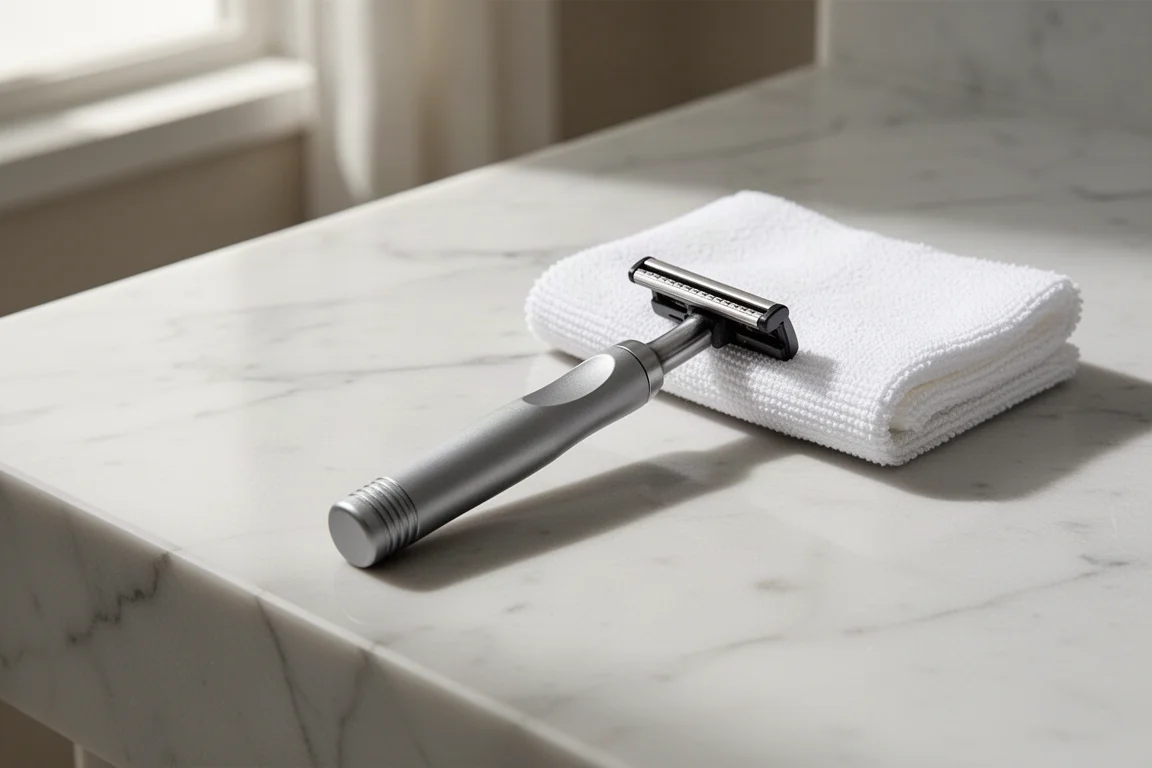
The Gillette Venus mini razor also performed well. It is slightly heavier than the disposable razor I usually bring, but it is noticeably more compact, the shape and design are nicer, and it accepts standard Gillette blades, including a Mach 3 blade, so replacements are easy to find.
Water on the Go: Grayl Filter Bottle
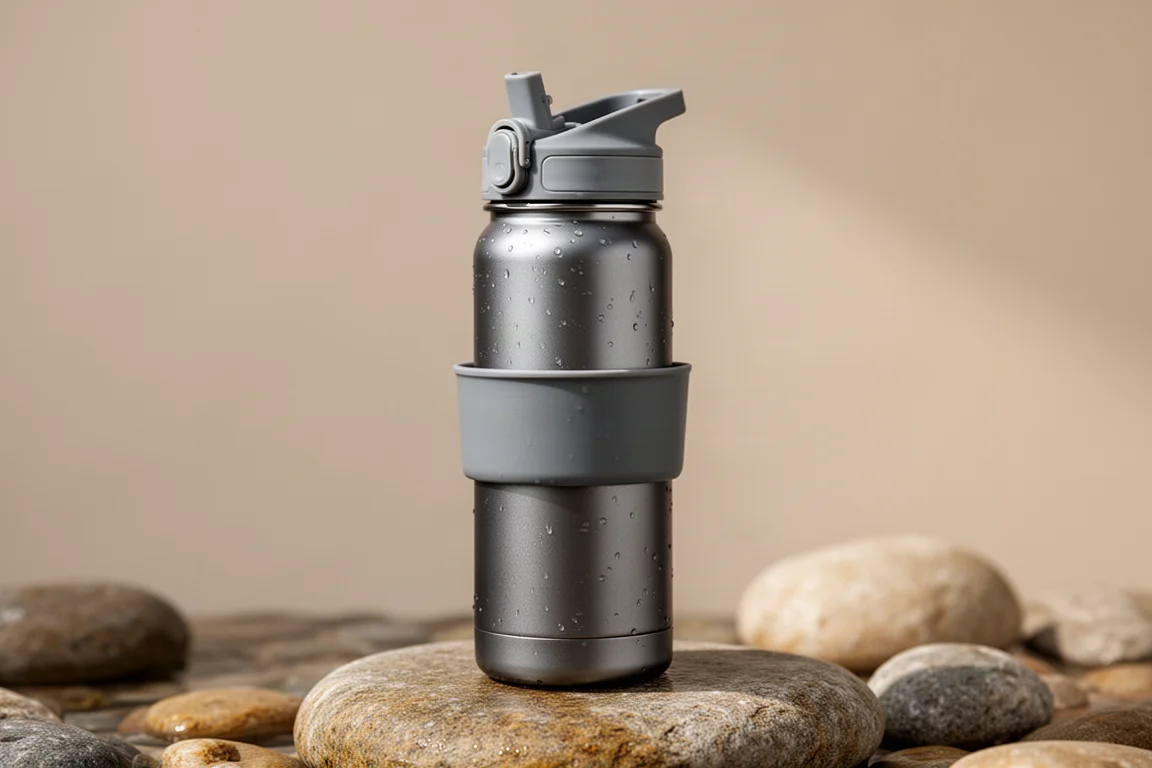
I was skeptical about the Grayl water bottle because it is heavier than the collapsible bottle I usually carry, and most sources said tap water in Argentina is generally safe, especially in larger cities. I ended up using it far more than expected.
It is simple to operate: fill the outer section with water, press the filter through, and filtered water collects in the main container, which then drinks like a normal bottle. That mattered in the northwest, where locals told me and a sign in my Salta-region hostel advised against drinking the tap water. It also shone at Iguazu Falls, where I could refill from a small stream mid-hike or even from the roadside on a drive to Cafayate and drink safely all day.
The only issue was occasional small leakage, and both times it happened on airplanes, likely cabin pressure changes squeezing water through the filter. I could never reproduce it on the ground.
Blister Care: Leukotape
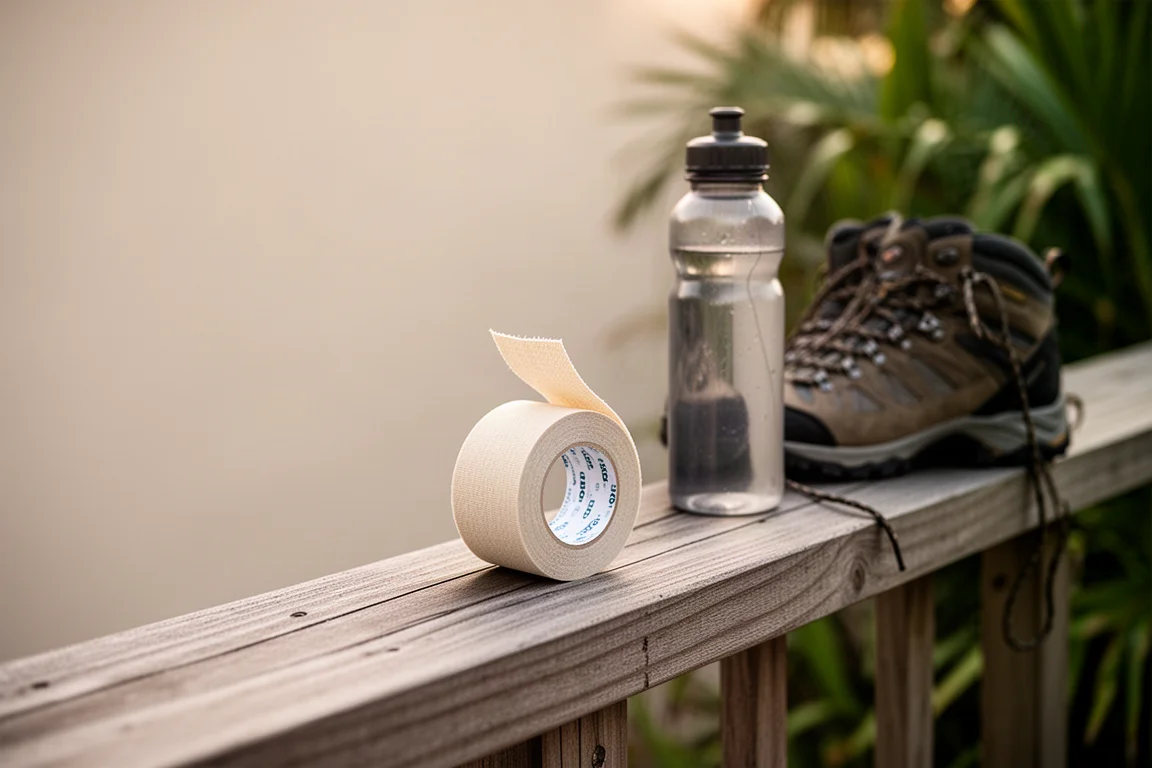
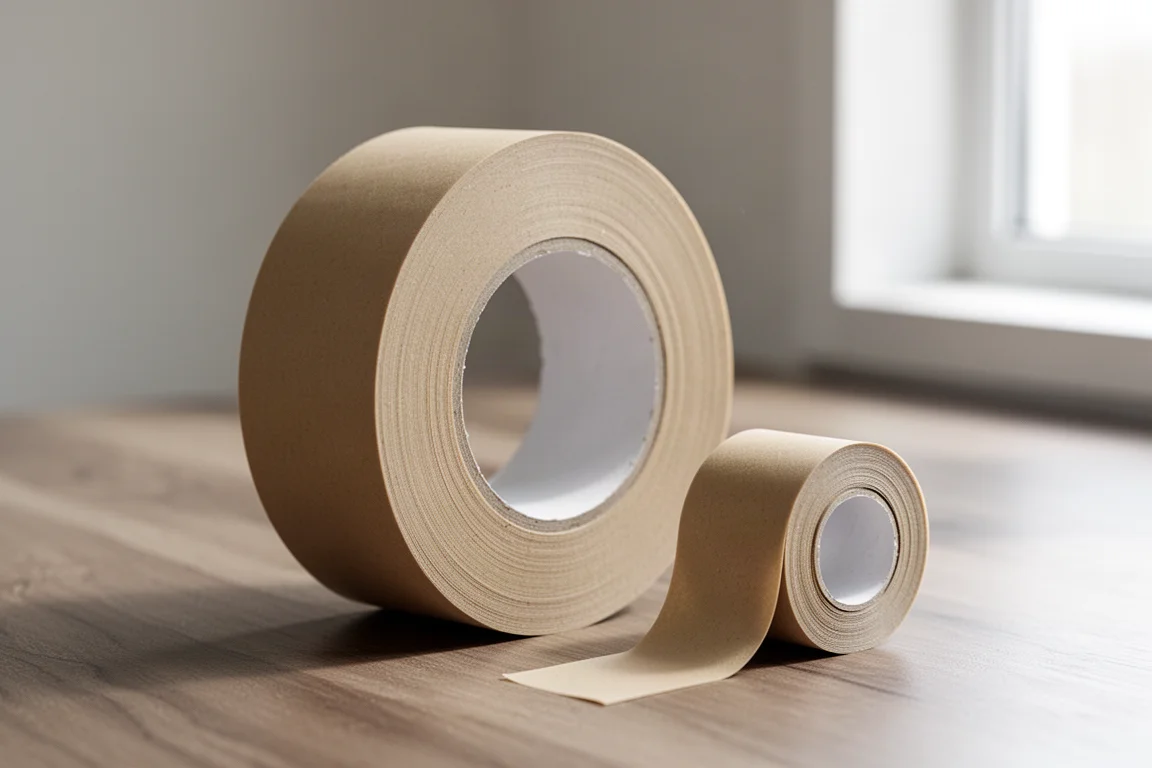
Leukotape is a popular blister tape recommendation, and it is essentially an extremely sticky cloth tape. I walked a huge number of miles at Iguazu Falls and used it on a few hot spots, where it worked exactly as promised: it stays on for days without peeling off.
The tradeoff is that it is almost hard to get off the roll because it is so sticky, and it is fiddly to roll back onto itself. For my needs it feels like overkill, so I will probably go back to standard cloth tape. If you are a heavy hiker prone to blisters, though, the staying power is a real advantage.
Laundry Lessons and Small Extras That Earned Their Place
A few non-product takeaways shaped how I would pack next time. I brought only three synthetic t-shirts, so I did laundry quite a few times on the road. After trying nearly every travel washing method, I have concluded the sink method is my least favorite: it is messy, limited by small sink sizes, awkward in shared hostel spaces, and the stopper often shifts and drains your water. Washing in a dry bag simply cleans better.
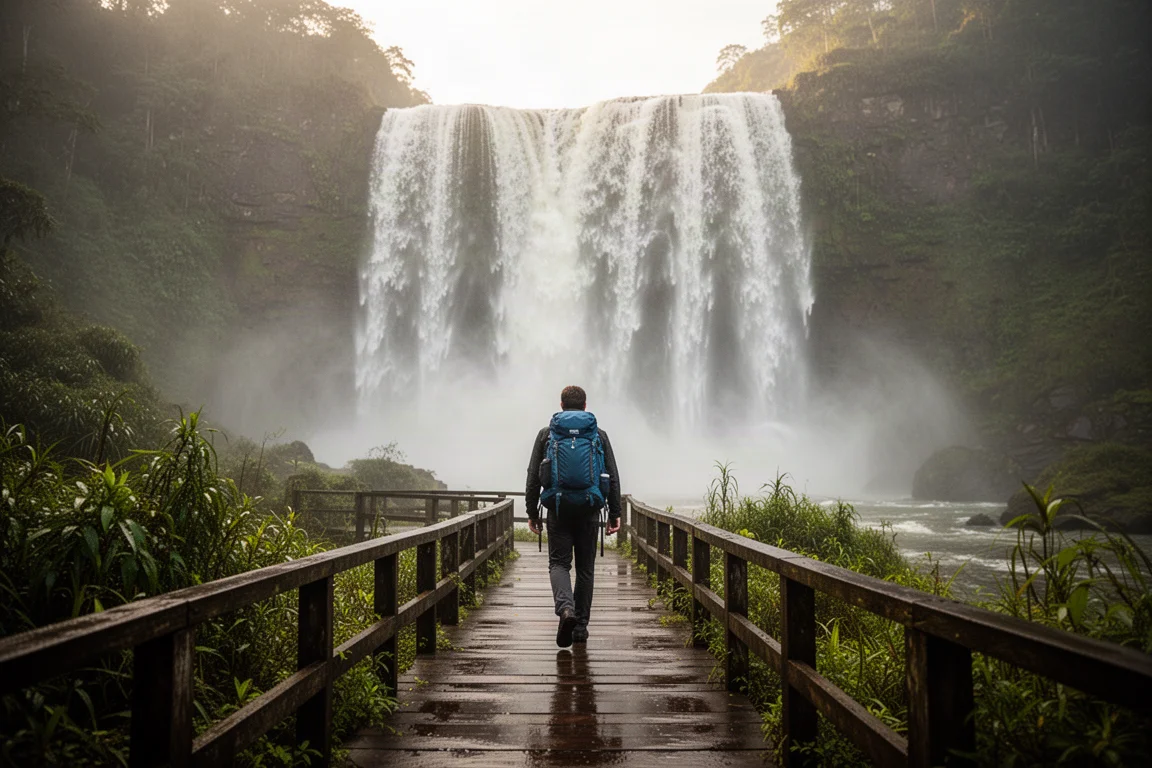
The clothing that earned its spot was the gear I have used for years, including a merino nylon blend polo shirt with a honeycomb weave that dresses up or down easily, and my usual synthetic pants. The overall lesson: trust the proven items, keep last-minute additions narrow in purpose, and leave the shorts at home in winter.
Conclusion
The Thule Aion 28 handled three weeks of mixed hostels, hotels, and strict budget-airline limits without complaint, and the supporting cast mostly earned their place. The compression cube, camp shoes, power bank, mini razor, and filter bottle all solved specific problems well, while the blister tape and a forgotten pair of shorts were reminders that every item should justify its weight. For a winter trip to Argentina out of one bag, this setup is a strong starting point.
Further reading
Related Reviews
Travel Gear
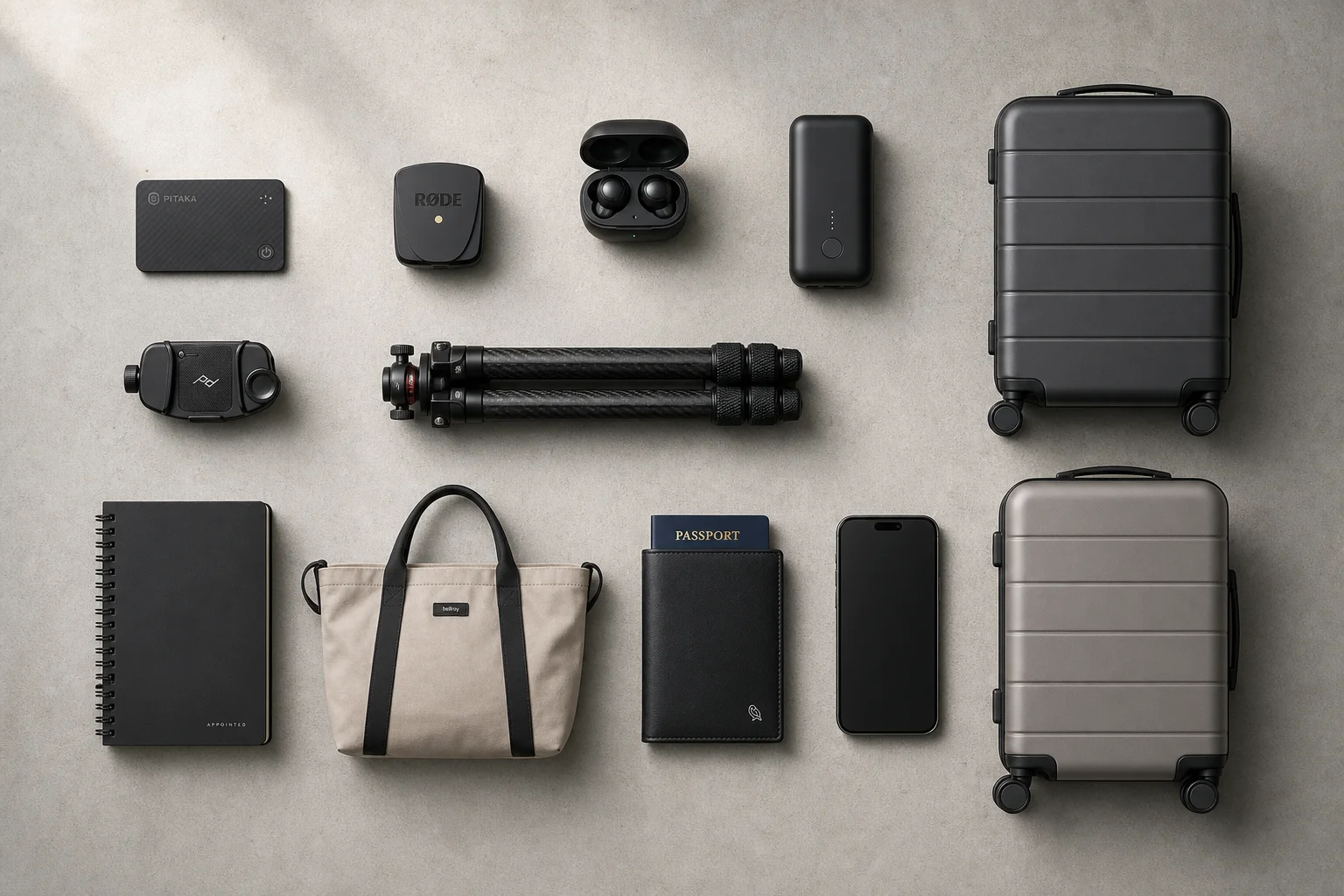
12 Essential Travel Items That Make Every Trip Better
After traveling to over 150 cities worldwide, here are the practical items that have become indispensable for modern travel.
Travel Gear
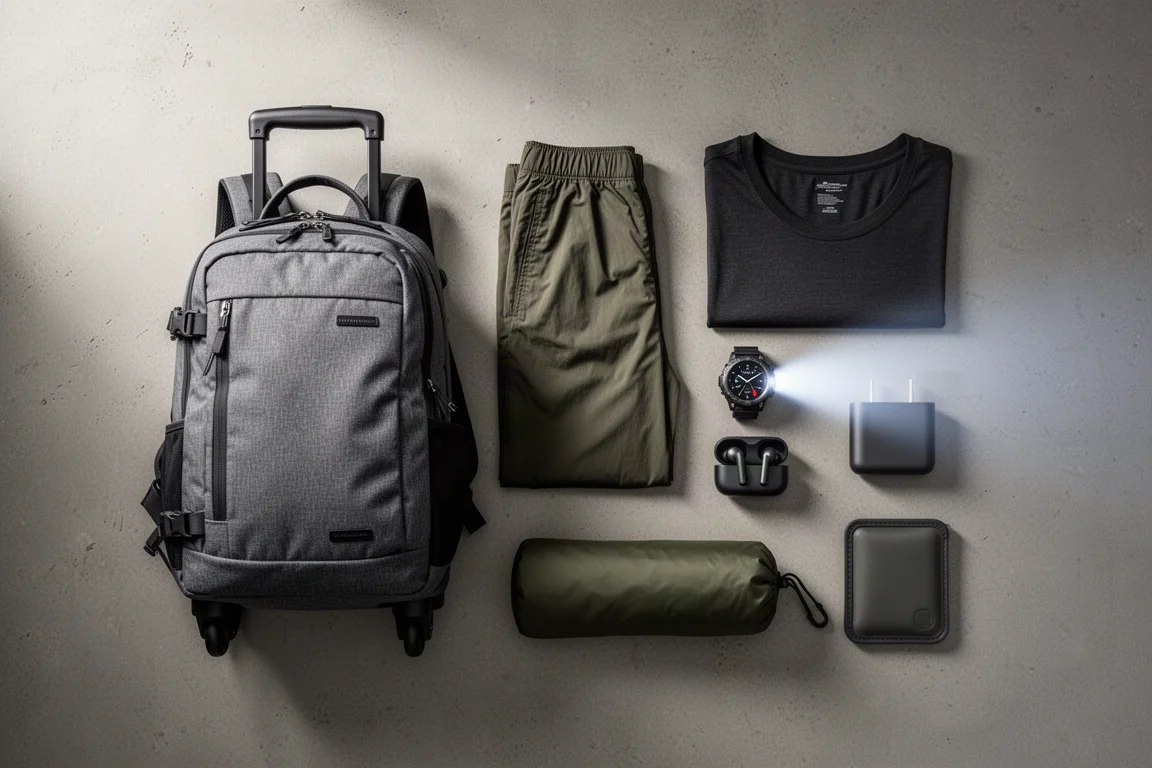
Best One-Bag Travel Gear for Long Trips: 8 Essentials
A practical guide to the travel gear that proved its worth over 30 days of one-bag travel in Southeast Asia, from the pack to the power bank.
Travel Gear
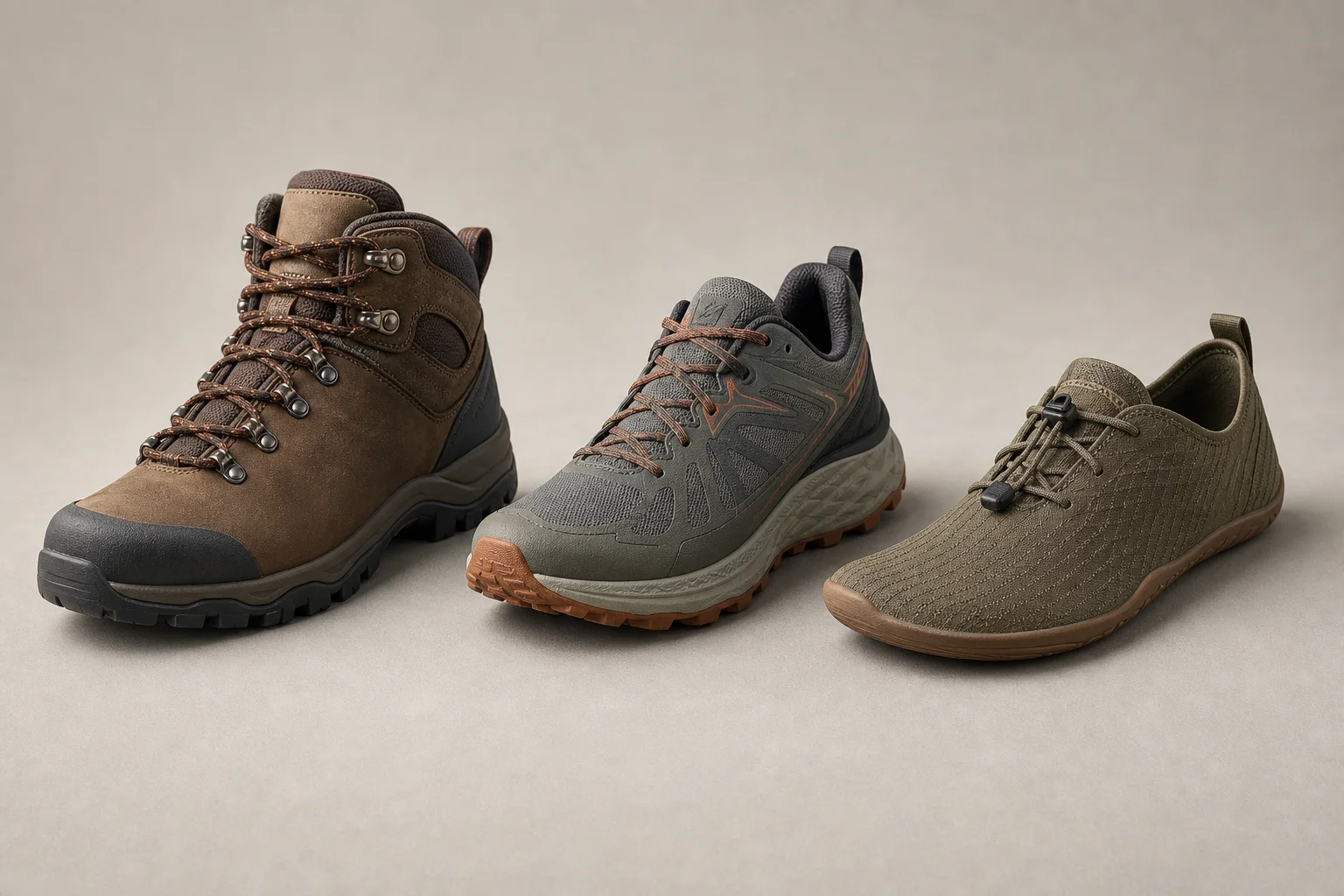
Best Shoes for Camino de Santiago: Hiking Boots, Trail Runners, or Barefoot
A practical guide to choosing the right footwear for the Camino de Santiago, comparing hiking boots, trail running shoes, and minimalist barefoot options across different routes and seasons.