Flashlights
ThruNite BSS V4 vs Olight Warrior Mini 2: Which Pocket Flashlight Deserves Your Pocket?
A close comparison of two compact flashlights with very different personalities, covering output, carry comfort, battery options, and durability in dirty environments.
Introduction
Some flashlights are easy to categorize, and then there is the ThruNite BSS V4, a light that looks like the most aggressive pocket flashlight you could buy but turns out to be one of the more versatile options we have handled. Pitted against it is the Olight Warrior Mini 2, a refined daily-carry favorite with a nicer button feel but some real trade-offs. Comparing the two makes sense because in the pocket they carry remarkably similarly, yet they diverge sharply on battery strategy, durability, and price.
ThruNite BSS V4: Aggressive Looks, Surprising Versatility
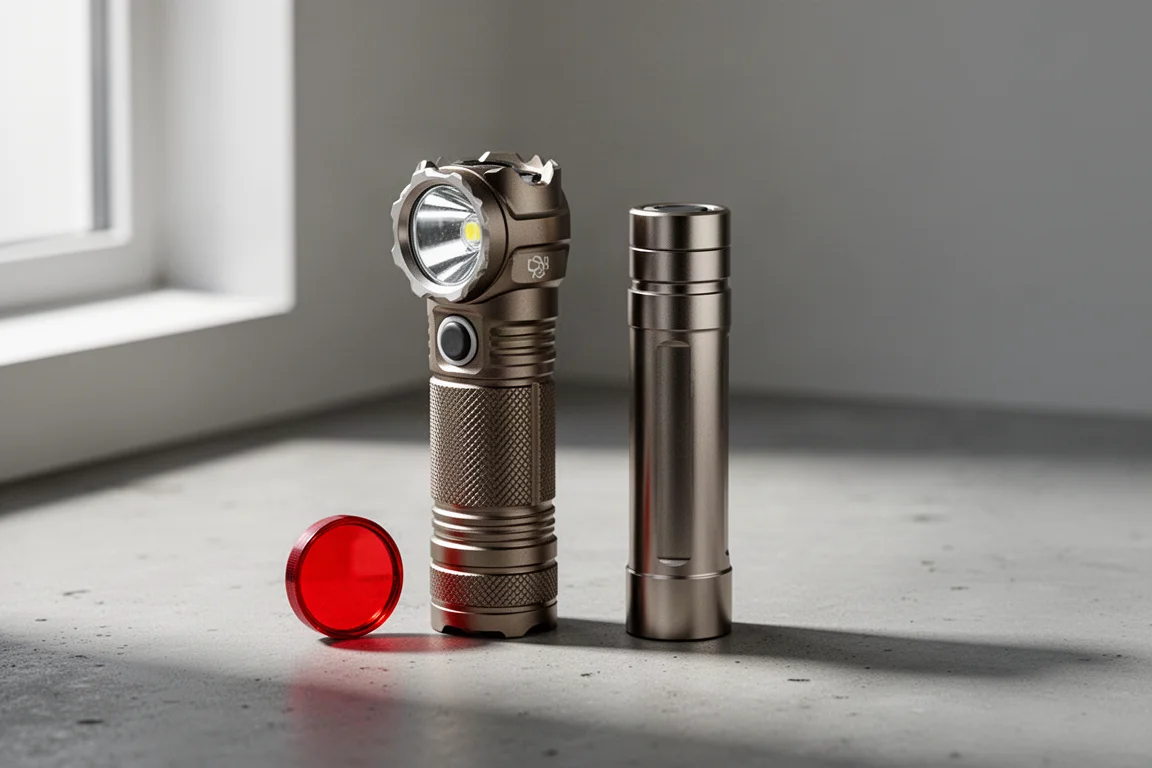
The BSS V4 comes across in product photos as a very aggressive flashlight, and that was enough to keep it off many shopping lists. The surprise is that the strike bezel is completely removable, and removing it turns the light into something you can carry comfortably and discreetly. The bezel can even be worn on a finger if you want to keep it handy without attaching it to the light.
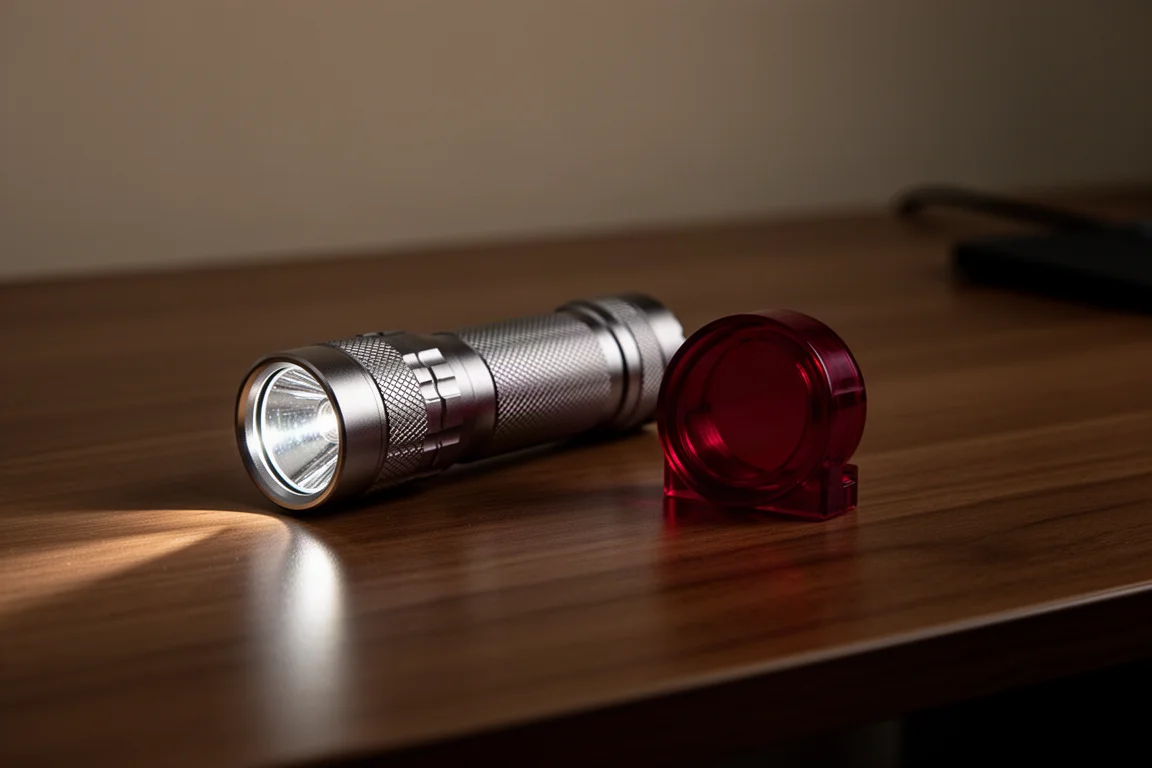
The other accessory included is a red filter that does more than tint the beam. It maintains night vision noticeably better than typical plastic filters, and it also dims the output, so you can leave it in place for low-light work and remove it when you need maximum brightness later.
Output and User Interface
The tail switch does one thing: it accesses maximum output. Without the filter, that is a claimed 2,523 lumens, a serious amount of light that generates enough heat to run for only about two minutes before stepping down to 600 lumens. For most situations where you genuinely need that much output, two minutes is plenty.
The side switch is where the daily usability shines. Long-pressing it goes straight to moonlight mode, so you never get blinded by an unknown high setting when you pick the light up. A single click brings up your last saved setting, and long-pressing from there cycles through the three middle outputs. The arrangement is tidy: turbo on the tail switch, moonlight on the side switch, and three usable levels in between.
Battery and Charging: The Biggest Practical Difference
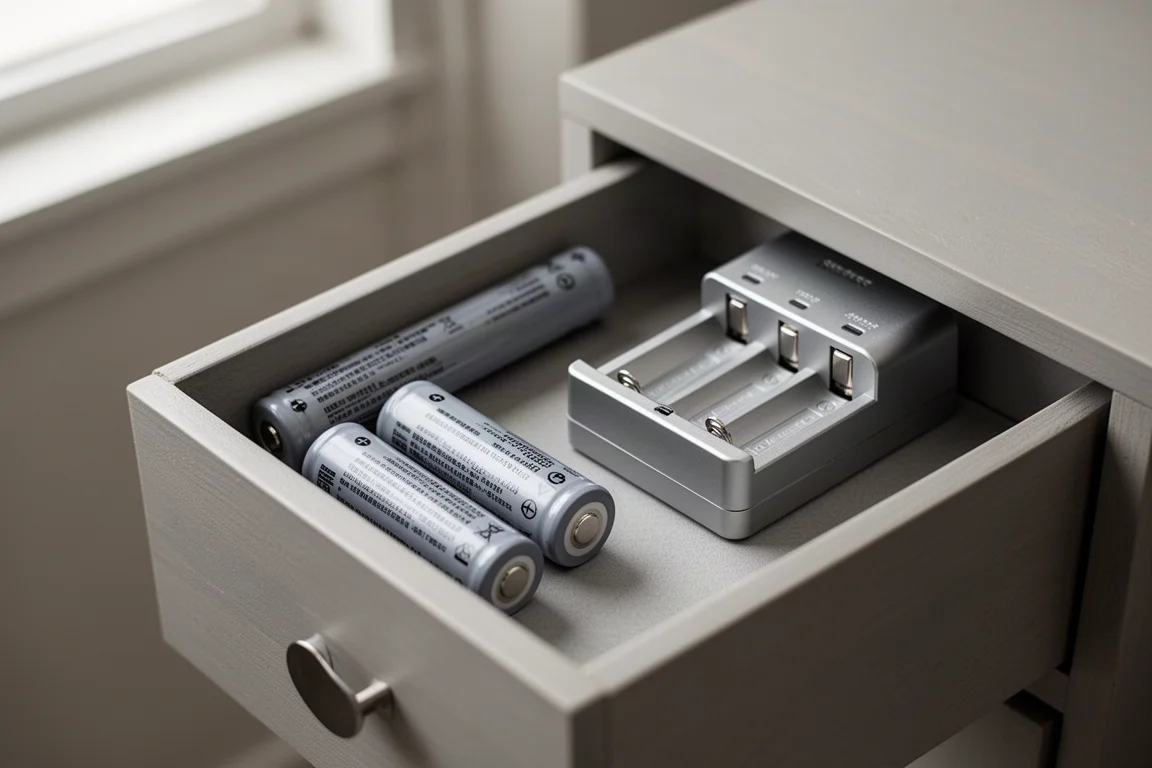
The BSS V4 uses a standard 18650 battery, so any 18650 cell works, and spares can be charged in an external charger and swapped in seconds. That is the preferred way to run this light: swap, click, done, no waiting around for a cable charge.
The charging port itself is micro USB, which feels dated at this point, and USB-C would be the obvious improvement for a future version. The light is IPX8 waterproof, so the port is not a weak point, it is just an inconvenience. The Olight, by contrast, uses a proprietary battery, which is its single biggest downside for anyone who prefers swapping spares over plugging in.
Switches and Daily Usability
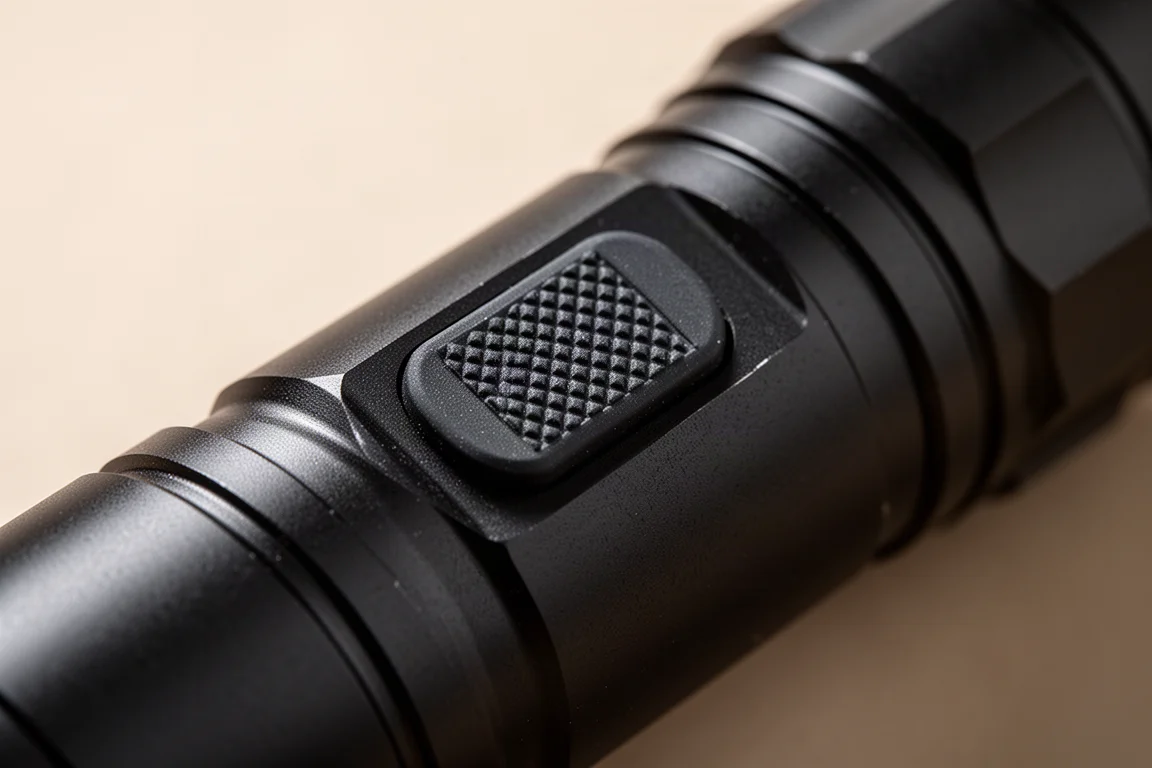
Both switches on the BSS V4 could use small tweaks. The tail switch requires a firm press, and the tall lanyard ring guards meant for tail-standing can get in the way of a full press if you come at the button from an angle. For a panic-button light, that is a frustration; some users may even choose to remove the ring entirely.
The side switch is the opposite problem: it sits a bit too proud of the body. It does pass a pressured rubbing test without activating, and it requires a deliberate long press to turn on, but a slightly recessed design would remove any worry of accidental activation. The light also supports a lockout mode: long-press to moonlight, long-press again to lock out with a red indicator, and long-press once more to wake it up.
Olight Warrior Mini 2: What It Does Well
The Warrior Mini 2 shares the interface approach that makes the BSS V4 pleasant to use, including direct access to moonlight from the side switch, and its metal toggle-style button is genuinely nice to actuate. Its shorter, slimmer body actually puts a bit more of it in the pocket than the BSS V4, and some users find it slightly more comfortable to carry despite being smaller.
It also has features the BSS V4 lacks, such as a built-in proximity sensor. Where it stumbles is durability in dirty conditions: if sand or grit works its way between the two pieces of that metal button, it can seriously hamper pressing. Since the button is the part sticking out of your pocket, it is the most likely to collect debris. For anyone working in mud, sand, or dust, a rubber button is the safer choice.
Carry Comfort and Long-Term Durability
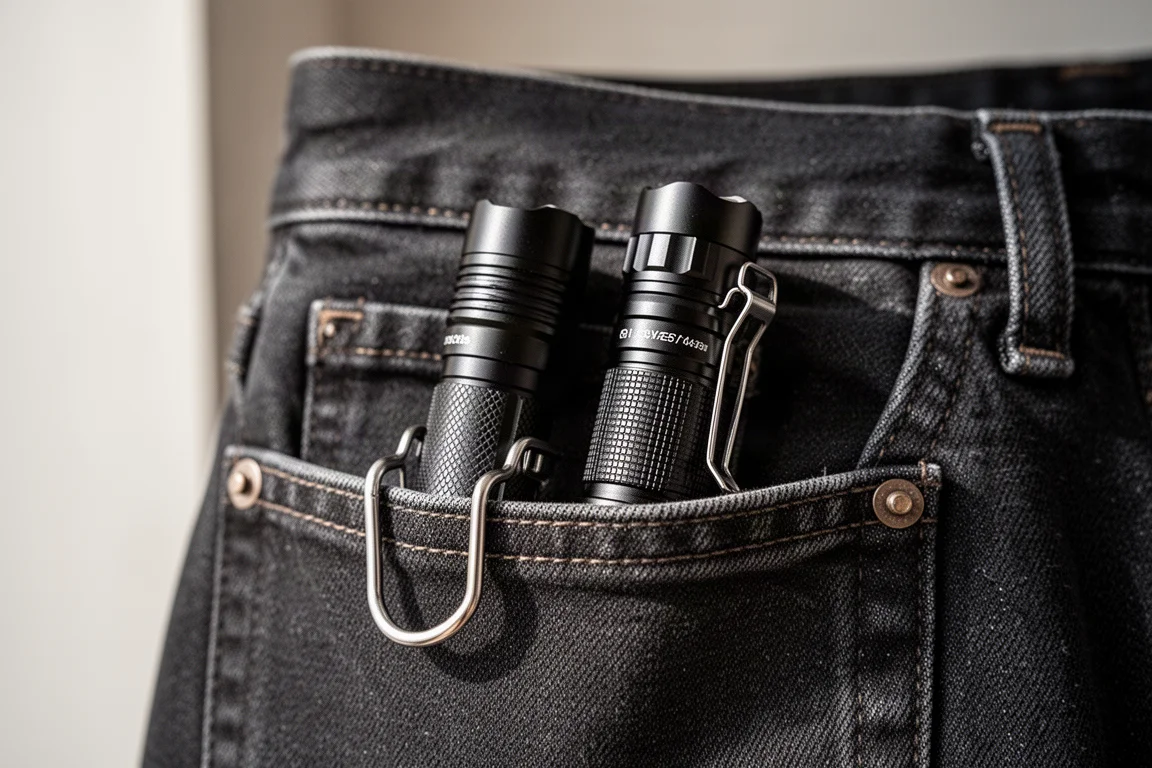
Carried side by side with clips aligned, the Olight actually occupies more pocket depth than the ThruNite, so the two feel surprisingly similar day to day. The BSS V4 is not light at 91 grams, but it is not heavy either, and its clip is very secure and very strong. The trade-offs are length and the inability to clip the ThruNite to a hat brim, which the smaller Olight can manage.
In exchange, the BSS V4 offers standardized batteries, a more commonly available charging cable, swappable attachments like the bezel and red filter, rubber buttons that shrug off dust and grime, and a notably lower price than the Olight.
Buying Advice: Which One Should You Buy?
Choose the ThruNite BSS V4 if you value battery flexibility, toughness in dirty environments, modular accessories, and a lower price. It is the light that surprises: it looks specialized but behaves like an excellent daily carrier. Choose the Olight Warrior Mini 2 if you prioritize a smaller body, nicer button feel, built-in sensor features, and do your carry in clean environments. Neither is strictly better; they are simply optimized for different lives.
Conclusion
The BSS V4 turned out to be the unexpected winner for daily carry more often than not, thanks to its removable bezel, excellent red filter, standard 18650 battery, and aggressive-free price. A future version with USB-C, a recessed side switch, and slimmer tail guards would be nearly perfect. Until then, it stands confidently next to the Warrior Mini 2 as one of the most compelling pocketable flashlights you can buy.
Product link
View more details for ThruNite BSS V4
This product is mentioned in the review. Check the specifications, options, and compatibility before buying.
View more details for ThruNite BSS V4Further reading
Related Reviews
Flashlights
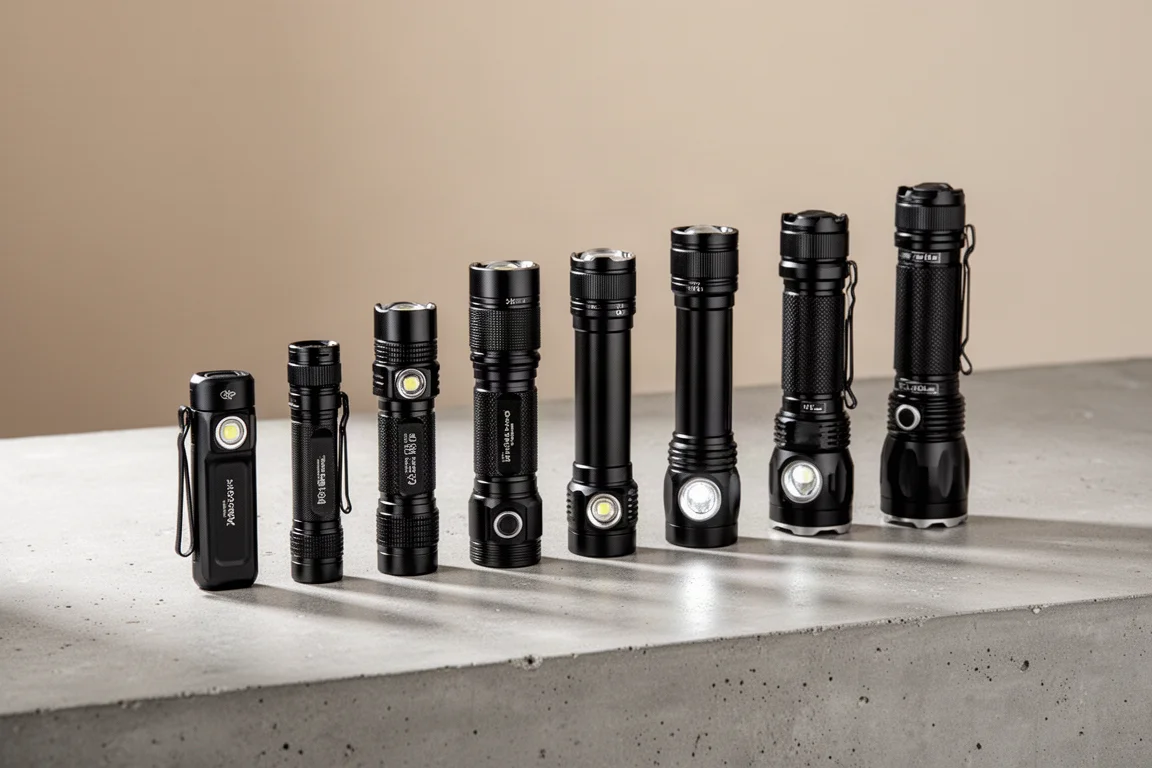
Best Flashlights 2026: Brightness, Battery, and Value Compared
We tested 18 flashlights across a wide price range to find the best performers in brightness, battery life, and durability.
Flashlights
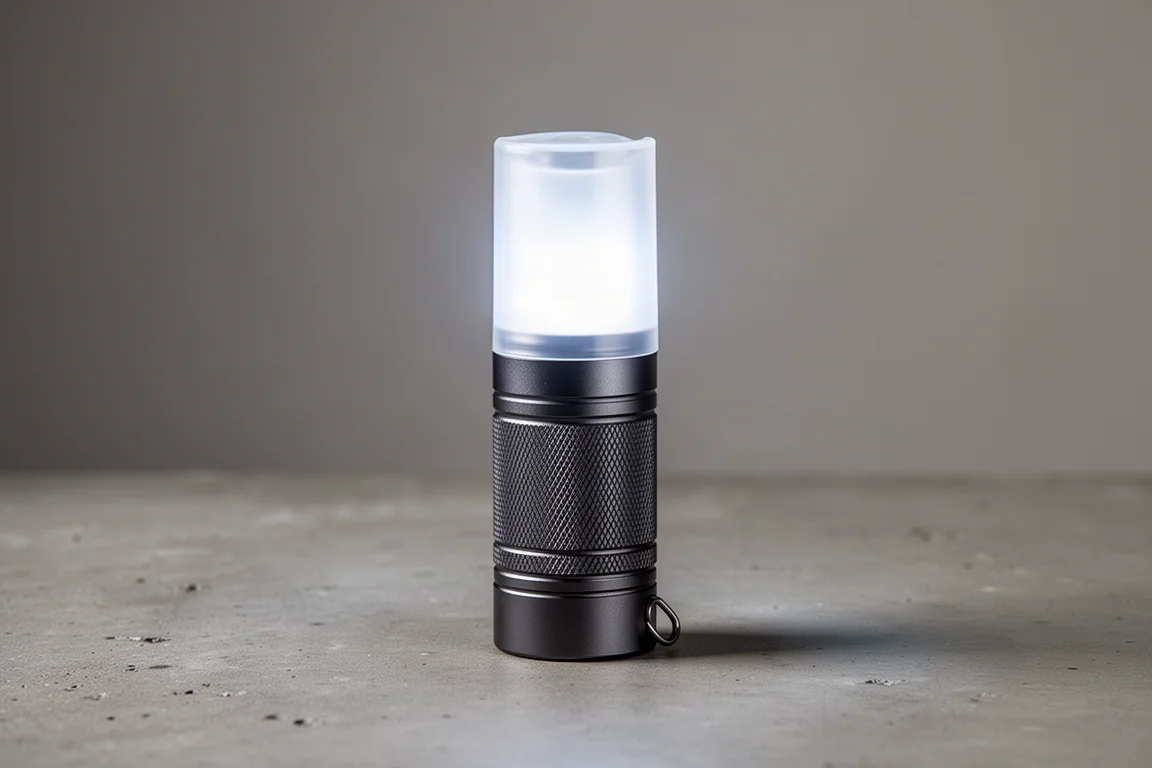
Nitecore LA10 Review: A Tiny 2-in-1 Lantern That Nails the Basics
The Nitecore LA10 pairs a pocket-sized lantern with a single AA battery, a magnetic tail cap and a five-year warranty. Here is where it shines and where it struggles.
Flashlights
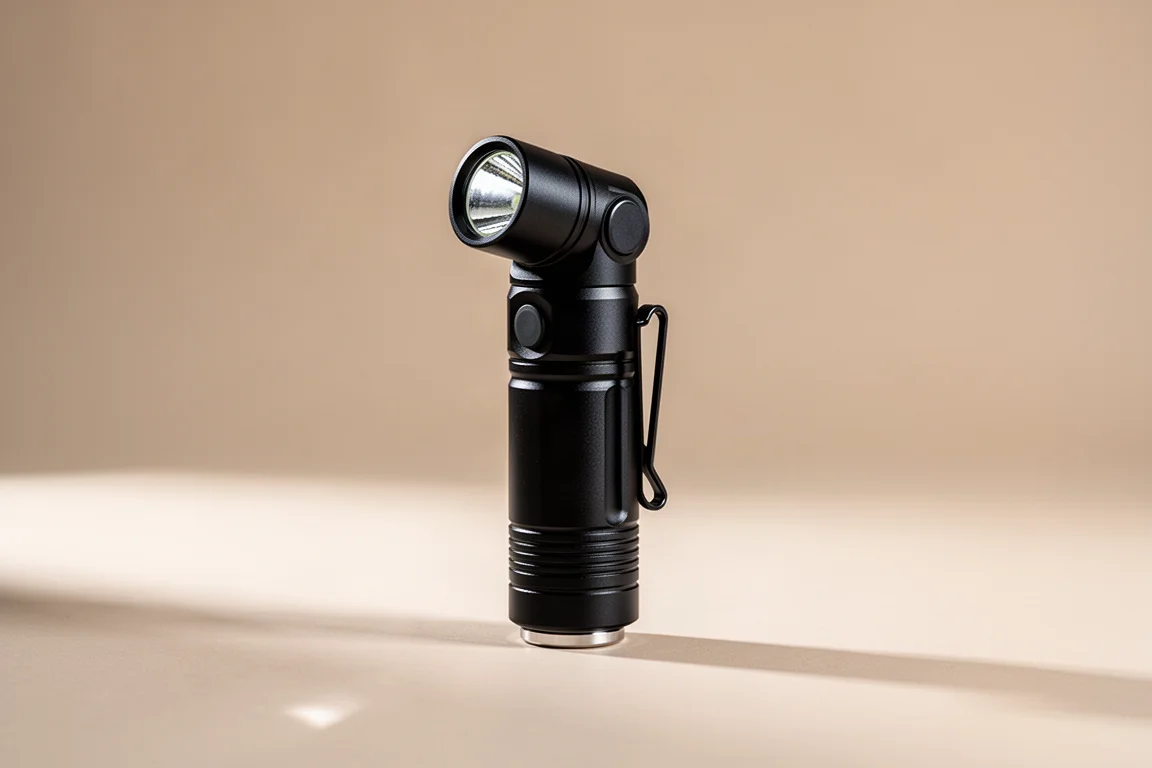
Wuben G5 Review: A Compact Everyday Carry Flashlight
The Wuben G5 is a small, rechargeable flashlight with a pivoting head, magnetic base, and color modes. Here is how it performs as an everyday carry light.