Flashlights
ThruNite Black Scout Survival V5 vs Olight Warrior Mini 2: Which 18650 Flashlight Deserves Your Pocket?
A close look at the Black Scout Survival V5's upgrades over version 4, and how it stacks up against the Olight Warrior Mini 2 for hard-use owners.
Introduction
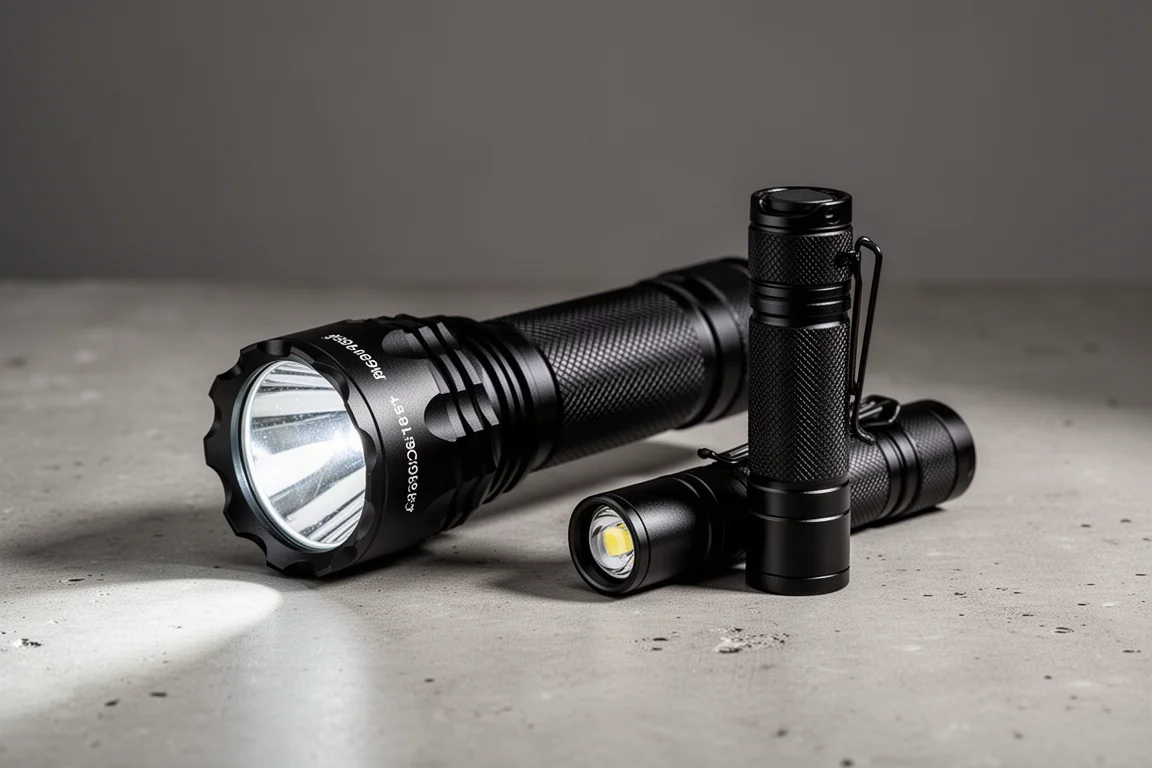
The Black Scout Survival flashlight from ThruNite has now reached its fifth version, with small incremental improvements added along the way. That raises two fair questions: do the version 5 upgrades justify buying another flashlight, and how does it compare to its closest competitors? This guide walks through what the light is, what changed from version 4, and how it measures up against the Olight Warrior Mini 2.
What the Black Scout Survival V5 Is
This is very much a purpose-driven tool rather than a generic EDC light. It ships with a series of accessories, including a red filter for night-vision scenarios and a very aggressive strike bezel. Both of these options are removable and exchangeable, which is uncommon in the flashlight world and one of the biggest reasons this light stands out for versatility.
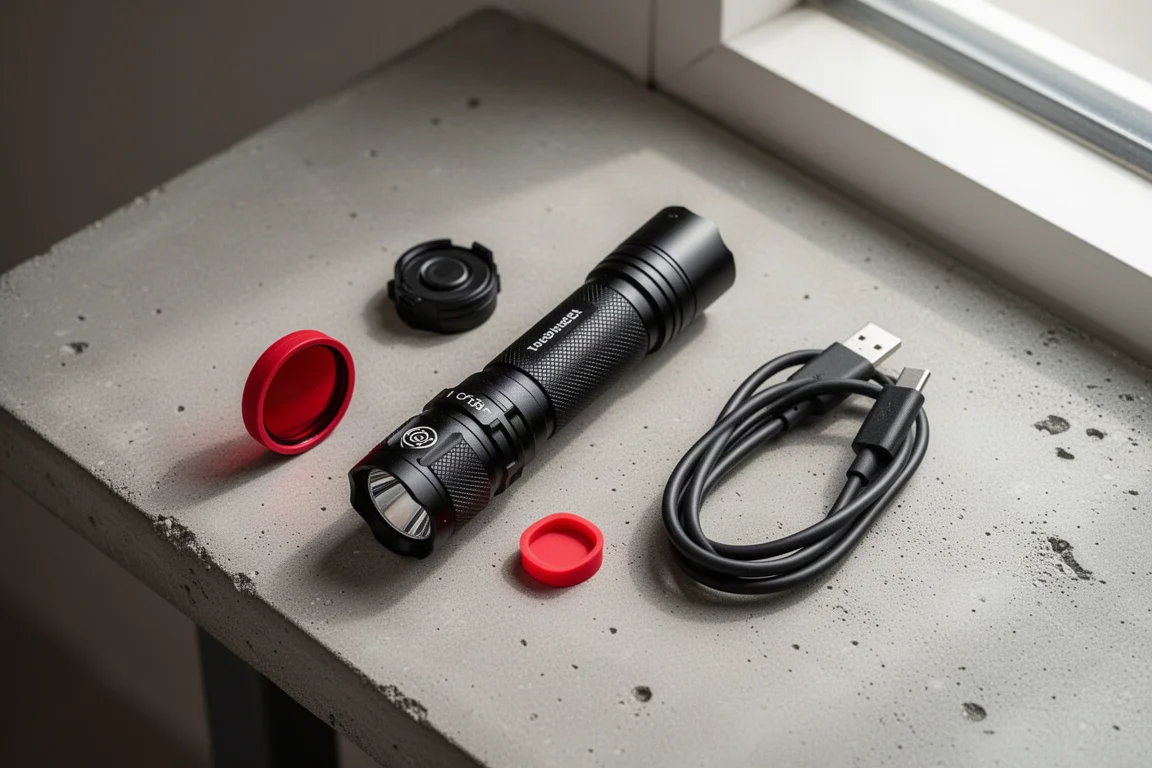
Build quality is strong across the board. The threading is properly lubricated and never gritty, the battery arrives in good condition, the clip is springy, and everything feels in place. It is a thoroughly well-assembled flashlight.
The user interface is arguably the best ThruNite has produced. The tail cap has a firm-press mechanical tail switch that requires deliberate pressure, which means the light rarely needs locking out and never activates accidentally in a pocket. That switch always delivers turbo mode directly: over 2,600 lumens, driven by a large SST-70 emitter that releases a lot of light very quickly.
The side switch adds genuinely useful daily features. A hold press from off gives you the lowest output, Firefly mode, and the light also has a double lockout feature: beyond the standard lockout (signalled by a red light in the button), you can press the tail switch for a solid red light so nothing at all responds until you click once and hold again to unlock. It is arguably excessive, but it is a great option to have.
A single press of the side switch returns the last memorized mode among three middle outputs (low, medium, and high), and a triple press accesses strobe. One small gripe: since strobe is not easy to reach anyway, an SOS or beacon mode on that gesture would have been more useful for this class of light. Even so, quick access to both turbo and the lowest mode earns the interface high marks for a self-defense-driven design that still incorporates EDC-style features.
What Changed from Version 4 to Version 5
The finish is the first visible difference. Version 4 uses a reflective black coating that is slippery and hard to grip, especially with sweaty hands. Version 5 feels like a thinner coating, delivering much more bite from the cutouts on the handle. The one thing missing is the same aggressive texturing on the top of the body, which would have helped when pulling the light from a pocket without the grip sliding off.
The clip has changed from a single directional clip to a bi-directional clip. The new clip is less likely to catch on things when you walk past, and it adds versatility because the light can clip onto a hat or other items from the front side. The trade-off is that the exposed end can catch on things more often.
Charging moves from micro USB to USB Type-C, and version 5 includes a spare silicone cover for the charge port. That matters more than it sounds: losing or damaging that cover on version 4 meant the light was no longer IPX8 waterproof, and version 4 did not ship with a spare.
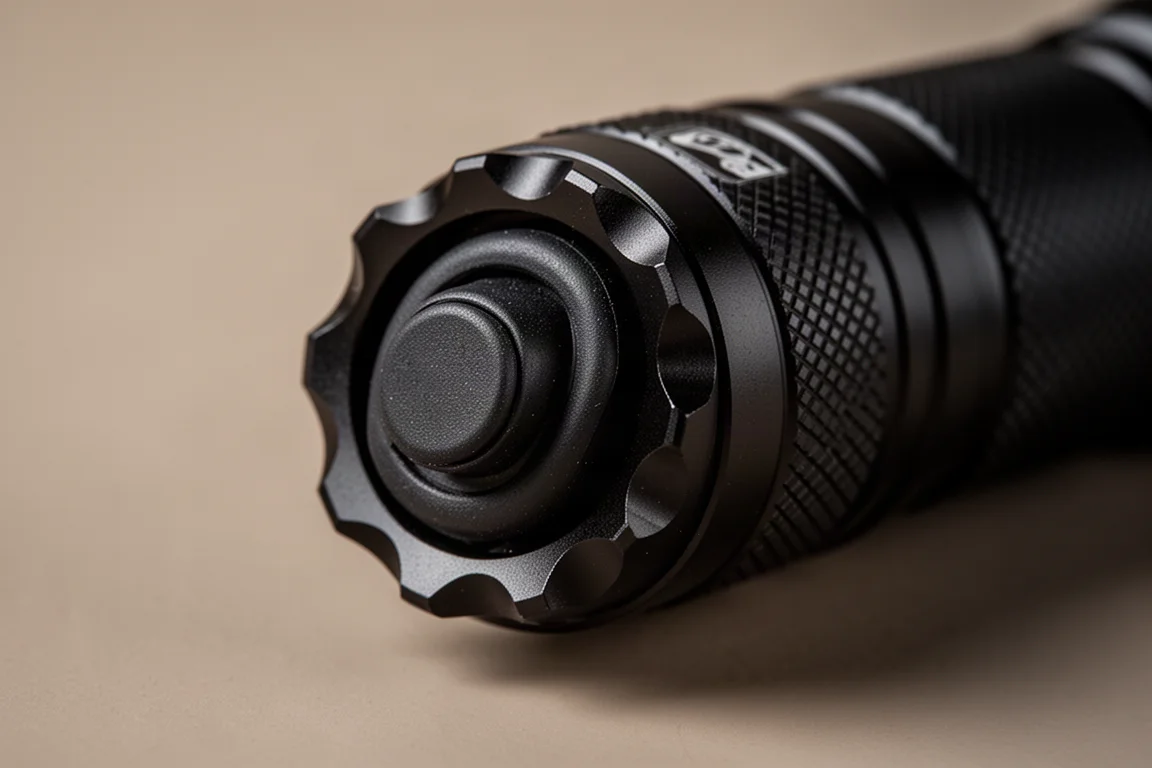
Button placement is another improvement that is easy to miss. On version 4 the button sits proud of the body, making accidental activation easier. On version 5 the crown sits flush with the button, making accidental presses far more difficult.
One critique applies to both versions: turbo and high both run for just over two minutes at their respective outputs before dropping down to 600 lumens. A sustained mode somewhere between 600 and 800 lumens that never diminishes would create a more meaningful difference between high and turbo, and would probably get used more. As it stands, low, medium, and turbo, plus Firefly, cover most real use.
Output and Run Times
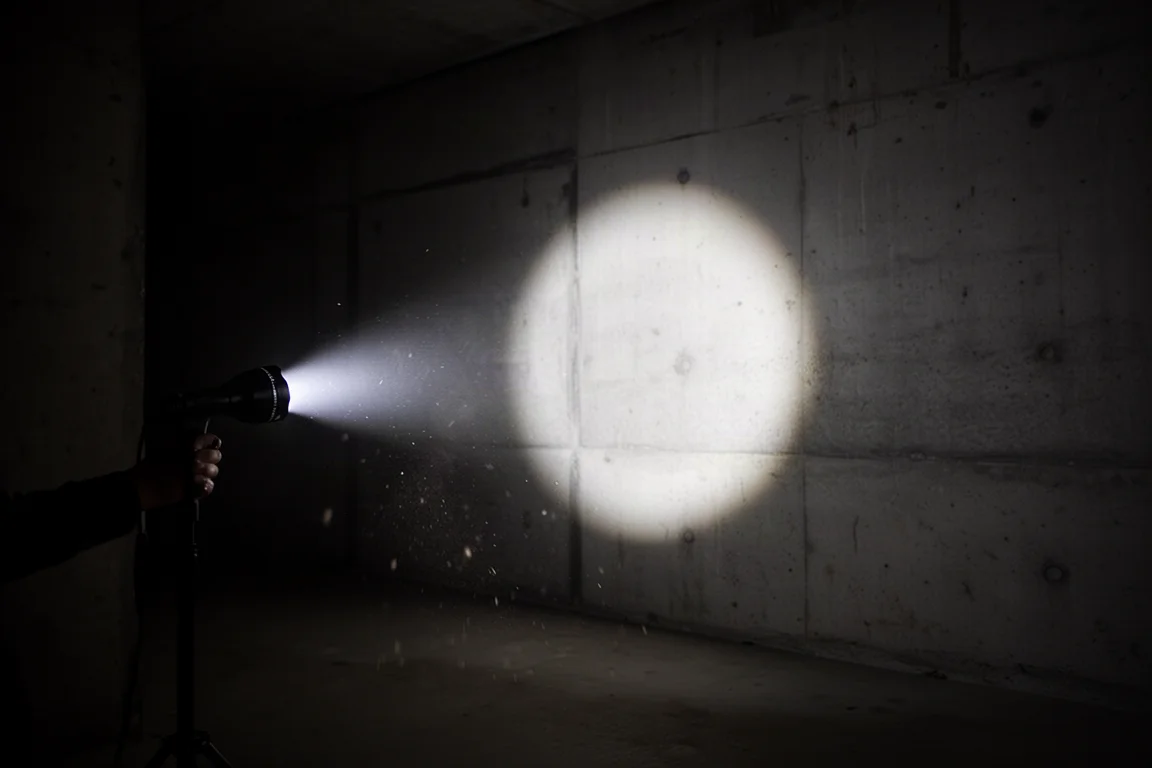
This is one of the brightest flashlights of its type running a single 18650 battery. Peak beam intensity reaches 16,000 candela with a maximum output of 2,676 lumens. That turbo output lasts about two minutes, which is unsurprising given the heat such output generates, but it delivers exactly what you need when you need it.
Run times are equally impressive. Firefly mode runs for a claimed 50 days, and it is plenty usable in the dark. There is no parasitic drain in the off position, so if you live on Firefly you may rarely need to charge the light at all. The light also tail stands, which is a nice bonus for a tactical-style body.
Value and Pricing
At its maximum price of $75, and currently around $61 with a 20 percent off coupon, the version 5 is strong value. You get the red filter, the strike bezel, the case, spare parts, and the spare silicone USB-C cover included. For a serious flashlight designed for a very specific purpose, that is a lot of capability for the money.
Head to Head: ThruNite vs Olight Warrior Mini 2
The Olight Warrior Mini 2 is a much bigger player in the compact EDC space, and it is a reasonable comparison even though it is currently discontinued. In size, the two are not that dissimilar against similar-class lights, and the ThruNite’s clip position means it actually sits shorter in the pocket, with the part that sticks out making it easier to grab and pull out quickly.
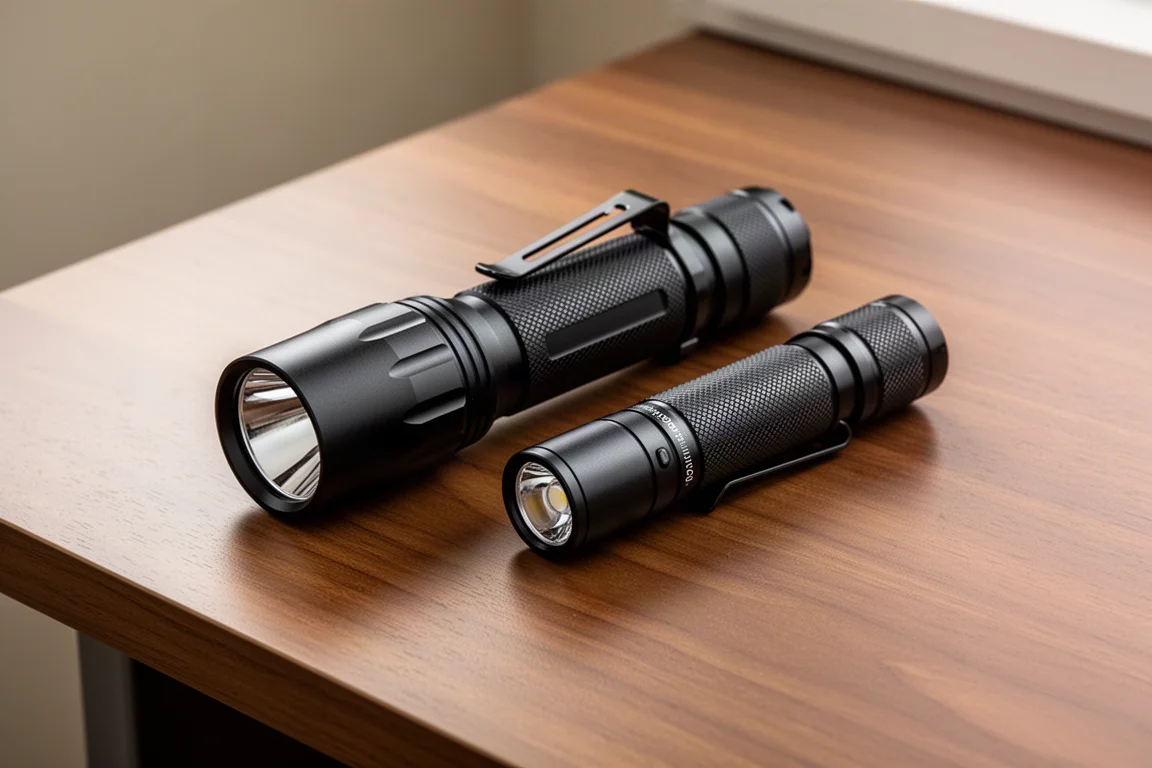
On user interface the two are largely on par. What separates them is the tail switch design. The Olight’s metal button has a gap against the outer metal shell where sand and dirt can get in, and once that happens it can stop working properly. The ThruNite’s rubber button does not have this problem, and if it wears out you can replace it with a common standard-sized rubber button cover. For hard-use owners who will beat their lights up, the ThruNite should deliver more longevity.
Batteries matter too. The Olight uses a proprietary battery and cannot take a standard 18650, while the ThruNite accepts any 18650 and charges over USB Type-C, so you can charge it anywhere with any cable. The Olight counters with its compact size, which is why many people still carry it for EDC. The ThruNite wins on hard-use durability and battery flexibility; the Olight wins on pocketability.
Conclusion
Version 5 of the Black Scout Survival is a significant upgrade over version 4: better grip, a flush button, USB Type-C charging, a bi-directional clip, and a spare charge port cover, all at a lower current price. Against the Olight Warrior Mini 2, the ThruNite is the better choice for hard-use owners and anyone who values standard batteries, while the Olight remains appealing purely for compact carry. If you want a serious tactical light with genuine daily-driver manners, the Black Scout Survival V5 is hard to beat at this price.
Product link
View more details for ThruNite Black Scout Survival V5
This product is mentioned in the review. Check the specifications, options, and compatibility before buying.
View more details for ThruNite Black Scout Survival V5Further reading
Related Reviews
Flashlights
Best Flashlights 2026: Brightness, Battery, and Value Compared
We tested 18 flashlights across a wide price range to find the best performers in brightness, battery life, and durability.
Flashlights
Nitecore LA10 Review: A Tiny 2-in-1 Lantern That Nails the Basics
The Nitecore LA10 pairs a pocket-sized lantern with a single AA battery, a magnetic tail cap and a five-year warranty. Here is where it shines and where it struggles.
Flashlights
Wuben G5 Review: A Compact Everyday Carry Flashlight
The Wuben G5 is a small, rechargeable flashlight with a pivoting head, magnetic base, and color modes. Here is how it performs as an everyday carry light.