Hiking Gear
Thru-Hiking Gear List: What Worked on a 500-Mile Trail
Eight pieces of thru-hiking gear tested over a 500-mile walk, with the real strengths, the wear points, and the compromises worth knowing before you buy.
Introduction
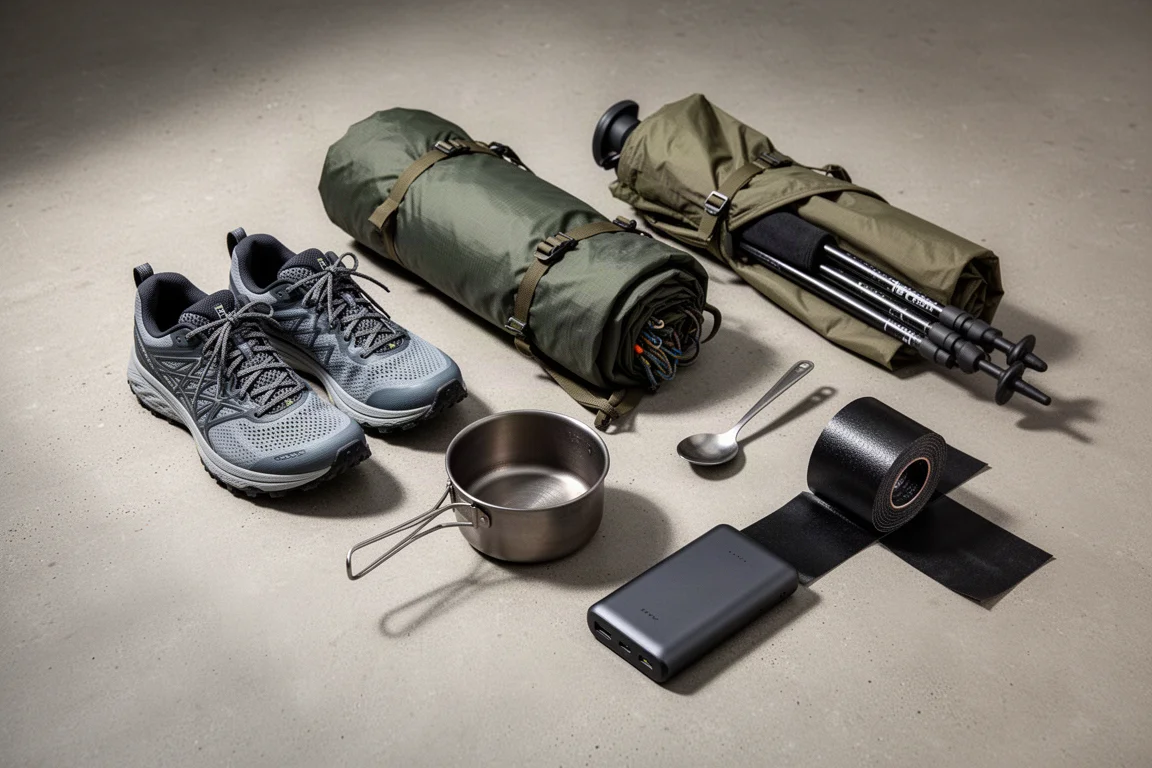
A 500-mile thru-hike is a harsh test for any gear list. Every item either earns its place over weeks of daily use or becomes dead weight you resent carrying. This guide covers eight pieces of equipment that were used continuously on a long-distance walk, from trail shoes and a frameless pack to a trekking-pole shelter, a high-capacity power bank and a roll of repair tape.
The point is not to celebrate gear for its own sake. It is to separate the items that performed exactly as needed from the ones that arrived with real compromises, so you can decide what belongs in your own pack.
How These Picks Were Evaluated
Four things mattered more than anything else over the course of the walk: how each item survived weeks of continuous use, how much it weighed, how it behaved when wet, and whether it created new problems in camp or on the move.
Weight is only half the equation. A frameless pack that is light but overloaded will strain your shoulders and upper back, and a shelter that pitches slowly becomes a chore every single evening. Durability was judged on real wear: tread loss, coating failure, snapped components, and seams that gave out under pressure.

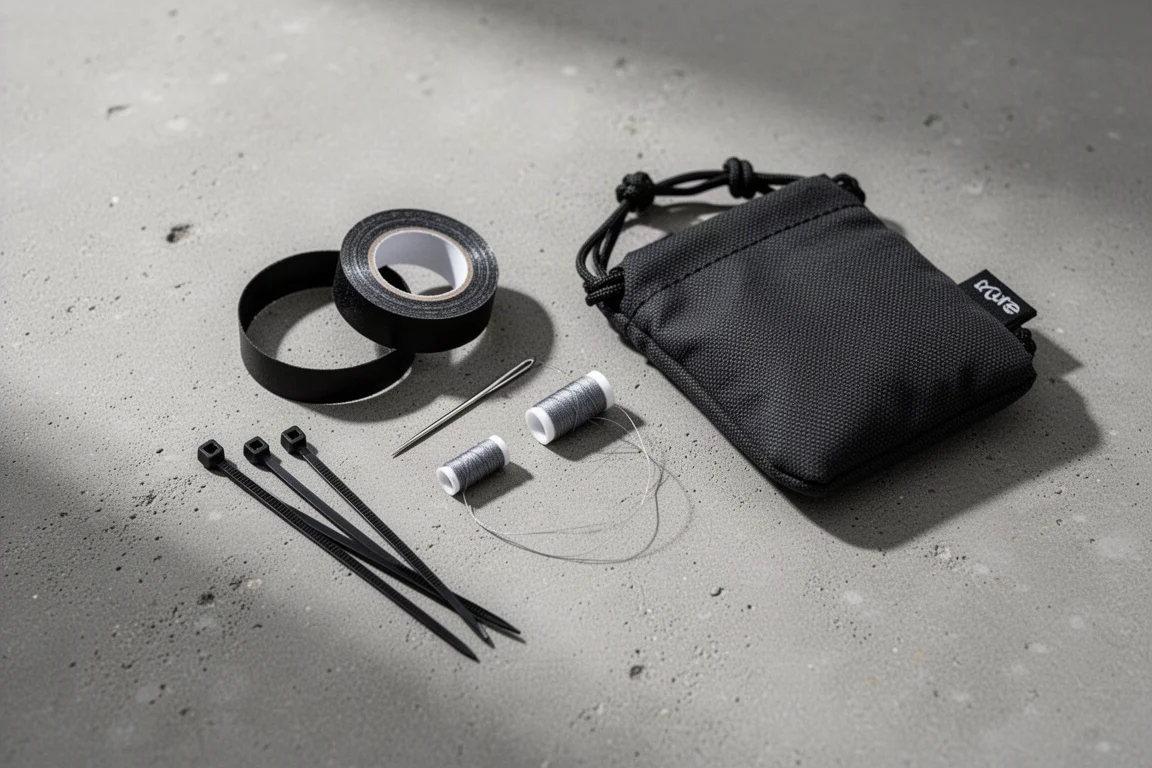
Repairability was the fourth criterion. Anything that could be fixed with tape, a needle and dental floss, or a spare cable tie scored well, because on a long route the nearest shop is often several days away. Each of the eight items below is judged on those same terms.
New Balance Fresh Foam Hierro v5: Cushioned Trail Shoes for Long Miles
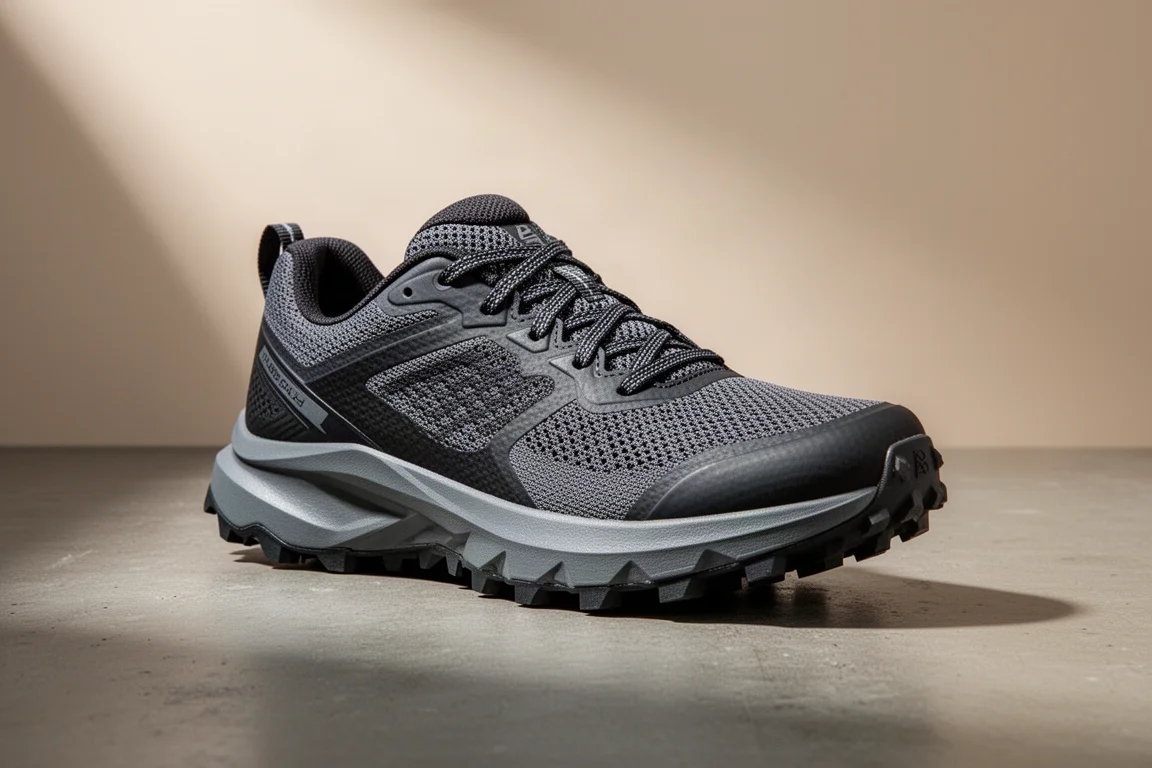
This shoe was chosen over a zero-drop, barefoot-style alternative for one practical reason: a 500-mile route is not the place to adapt to a radically different ride. The cushioned Fresh Foam platform was comfortable from the first day and stayed comfortable, and the upper and overall structure held up well despite constant use.
The clear wear point is the outsole. By the end of the walk most of the tread on the ball of the foot was gone, which says as much about walking style as it does about the rubber compound. Even so, the shoe remained in good enough condition to keep using for runs and shorter hikes. It is not a one-trip shoe, but the tread does have a limit on a route this long.
Lightwave Elementum: A Frameless Pack That Rewards Discipline
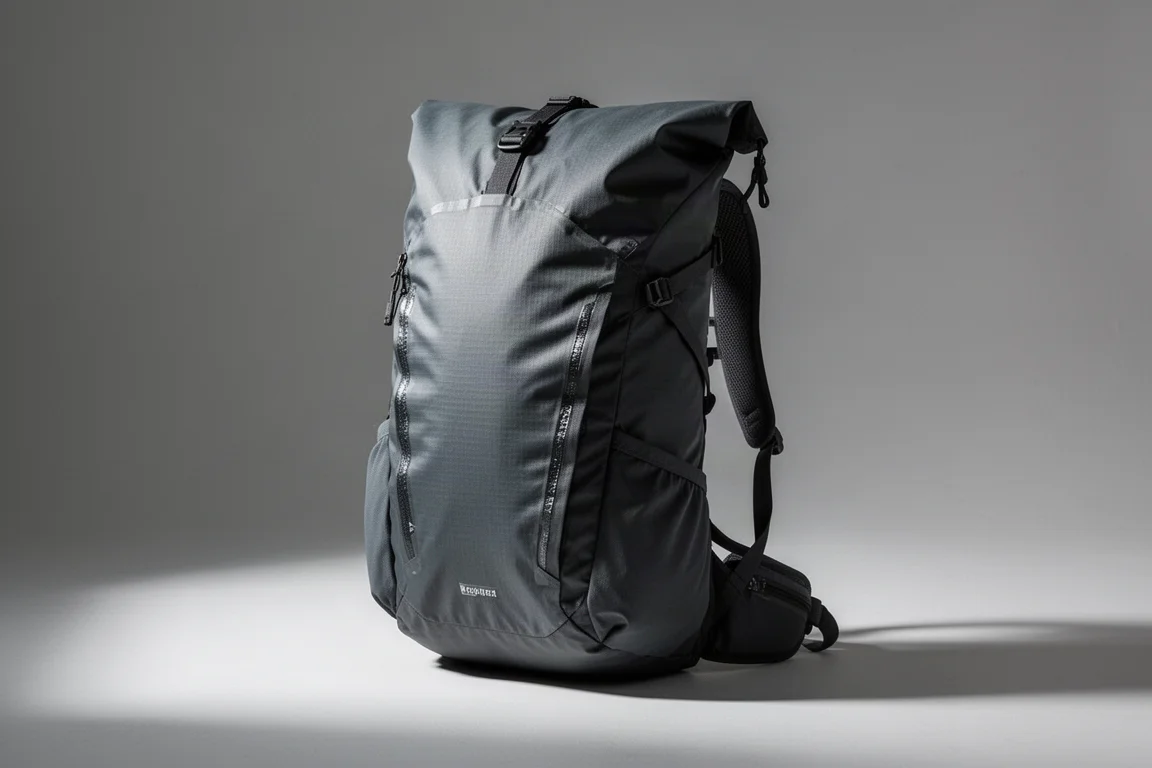
The Elementum is built from high-density polyethylene rather than a DCF laminate, which makes it behave like a very large dry bag with shoulder straps. That is not a criticism. The fabric proved extremely durable, surviving repeated contact with barbed wire gates and fences without a single hole, and the large hip pockets are exactly what you want on a long walk.
Two things are worth understanding before buying. First, the waterproof coating does wear with use, particularly where a foam back panel presses against it, so a proper pack liner remains essential rather than optional. Second, this is a frameless pack. There is no tensioning strap transferring load into a frame and then into the hips, so the recommended 12 kg limit needs to be respected. Overload it and both you and the pack will suffer.
Lightwave Prium: A Lightweight Tent and Tarp Hybrid
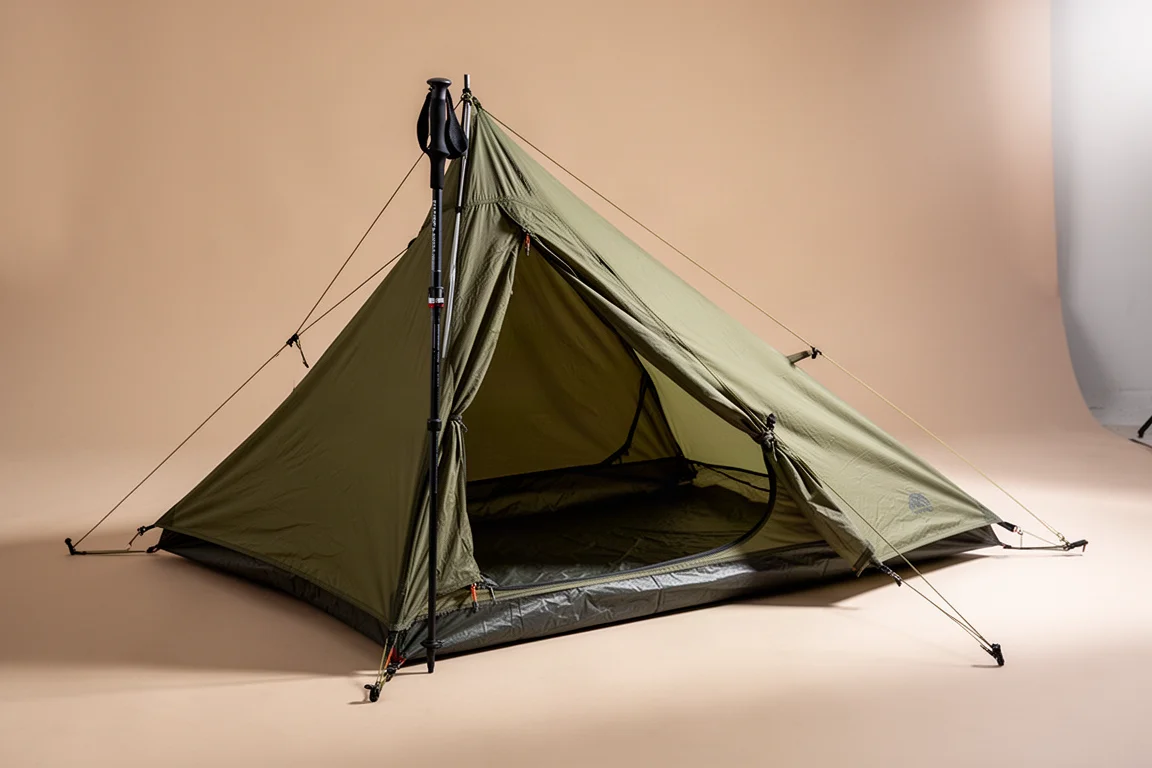
This shelter weighs around 750 g, lighter than almost any conventional tent you are likely to find. Pegs can be left attached to the body, so pitching and packing down takes two or three minutes once you know the sequence.
It is more comfortable than a plain tarp because the inner floor keeps everything organised and the vestibule provides covered storage for anything you do not want inside overnight. In use it never leaked, held up well in rain, and stood firm in wind. It does depend on trekking poles, so it makes most sense for hikers who already carry them.
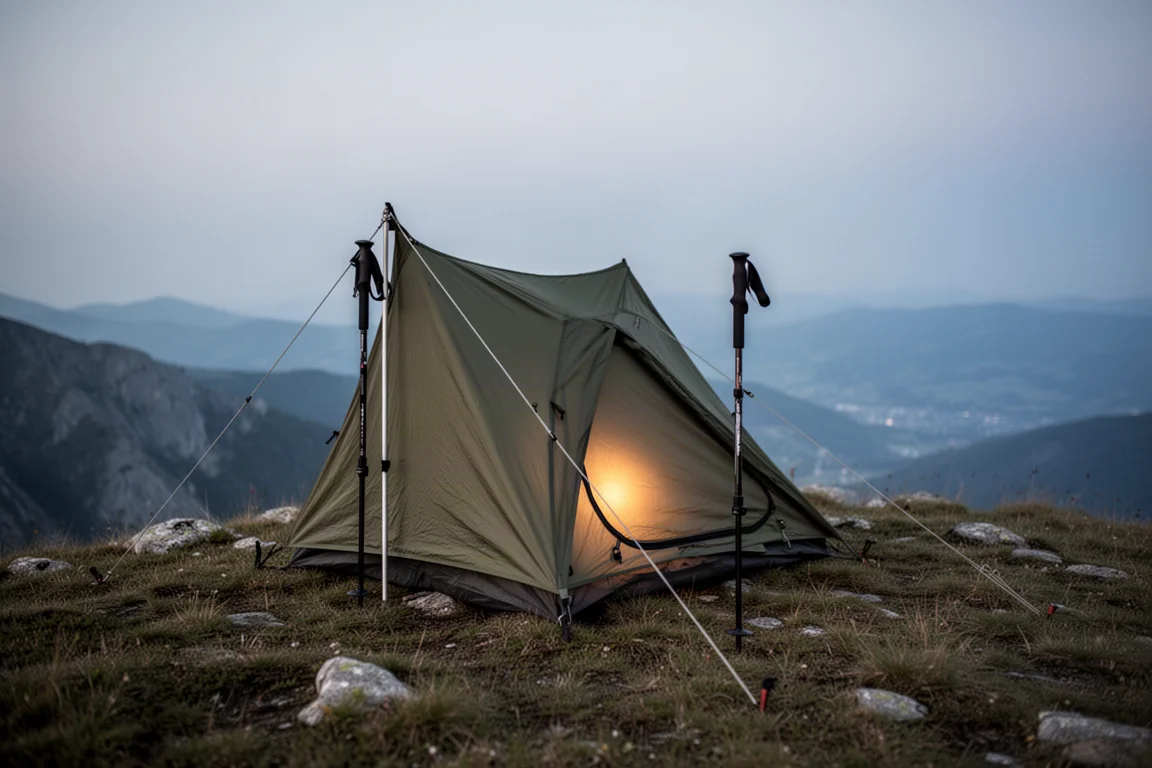
For anyone moving from a tarp to a shaped shelter, this hybrid format is a sensible middle step: it keeps weight low while adding the structure and floor space that make long evenings in camp far more pleasant.
Silverlight Socks: The Best Clothing Decision
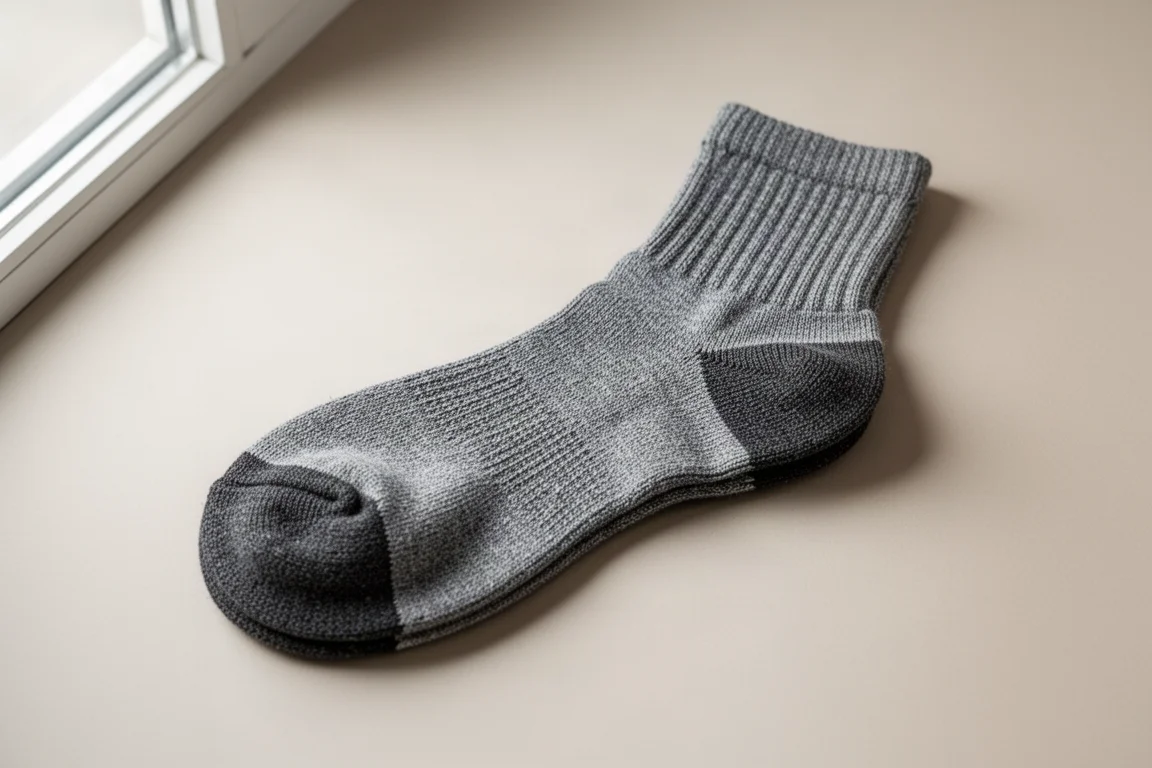
Australian merino wool socks with a structured lining rather than a loose, baggy fit. They stay warm when wet, which matters far more than most people expect on a long route, and they performed without blister problems across the entire walk. The construction is under continuous development, and the socks carry a lifetime guarantee.
If you are choosing between versions, the long version is the one to take for long-distance walking. A short version adds little by comparison.
RavPower 26800mAh Power Bank: Capacity Without the Convenience
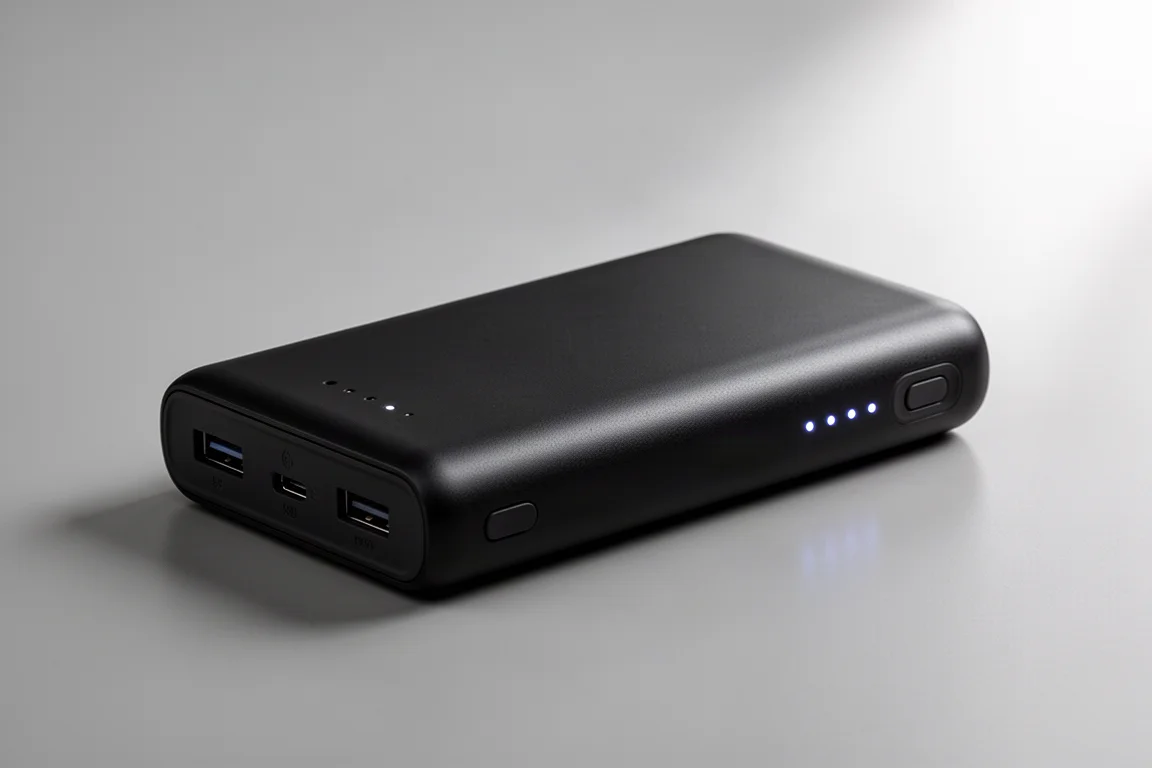
On paper, a 26,800 mAh battery sounds like a week of phone charges. In practice this one was disappointing. It recharged slowly, sometimes reaching only two of four indicator lights after being left plugged in overnight, and it drained quickly once full. A single phone charge could cost a quarter of the capacity, which works out to roughly three or four charges rather than the eight or ten the number suggests.
The port layout is also confusing. It offers both a standard USB-A output and a USB-C output, and it is genuinely unclear which is the better choice for a given device. A simpler, better-behaved battery is probably the smarter purchase for a long hike.
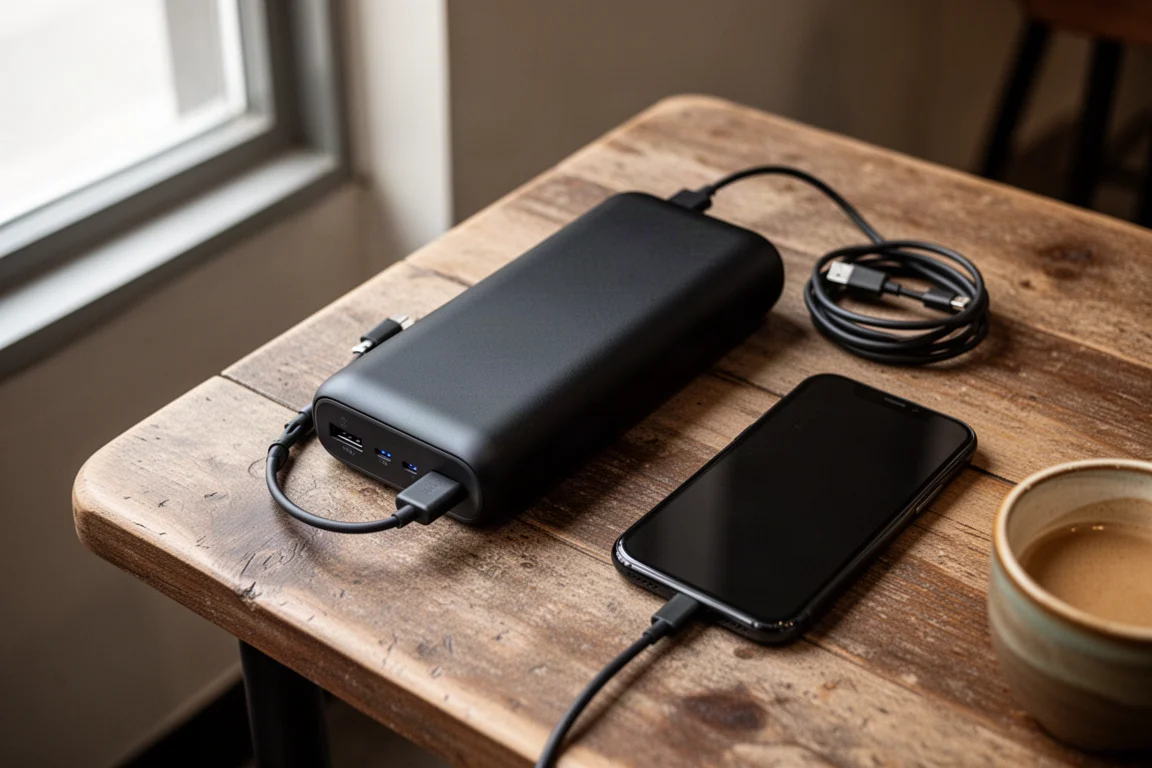
That said, capacity still matters on a multi-day route, and a large battery paired with a multi-port plug adapter can keep a phone, a power bank and camera batteries topped up during a single stop in a town or a cafe.
PowerExtra Charger: Two Camera Batteries at Once
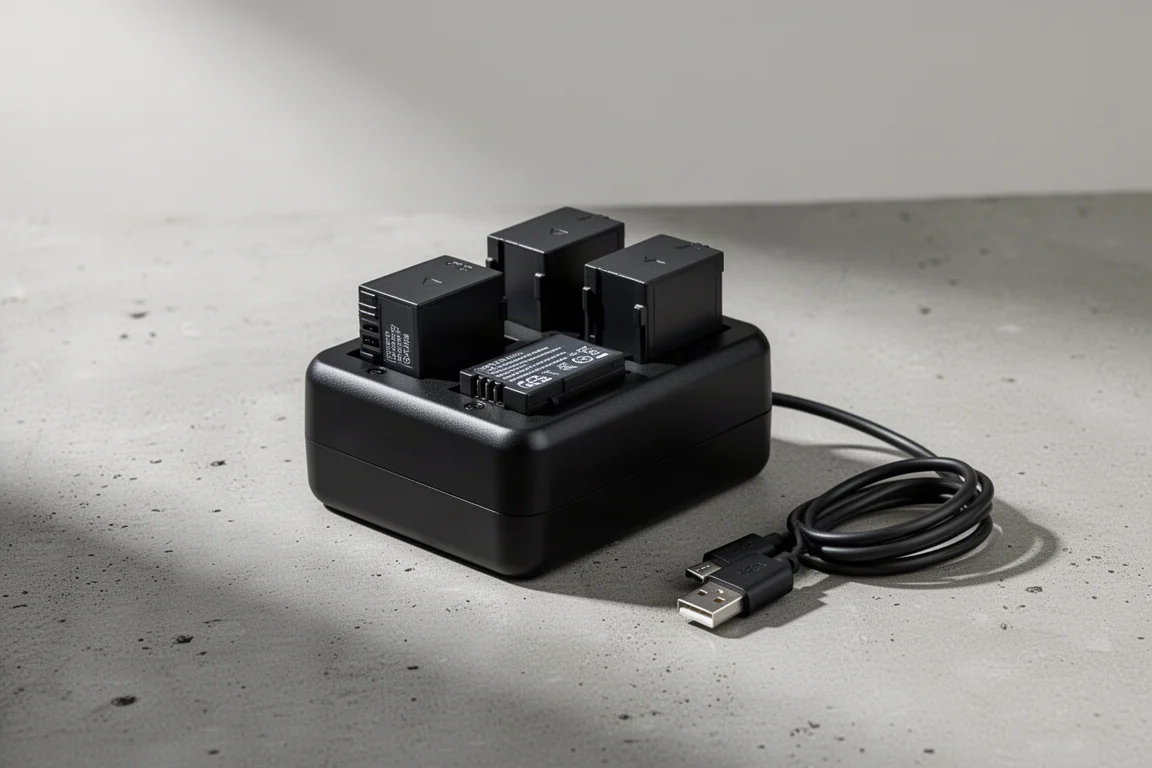
For anyone filming on a mirrorless body, a USB-powered dual charger is a small item with an outsized effect on the daily routine. This one plugs directly into a power bank and charges two batteries simultaneously, which means camera power stops being the bottleneck on days when you are shooting constantly. It is a straightforward, inexpensive addition to a camera kit.
Lixada 650ml Titanium Pot: Light but Limited
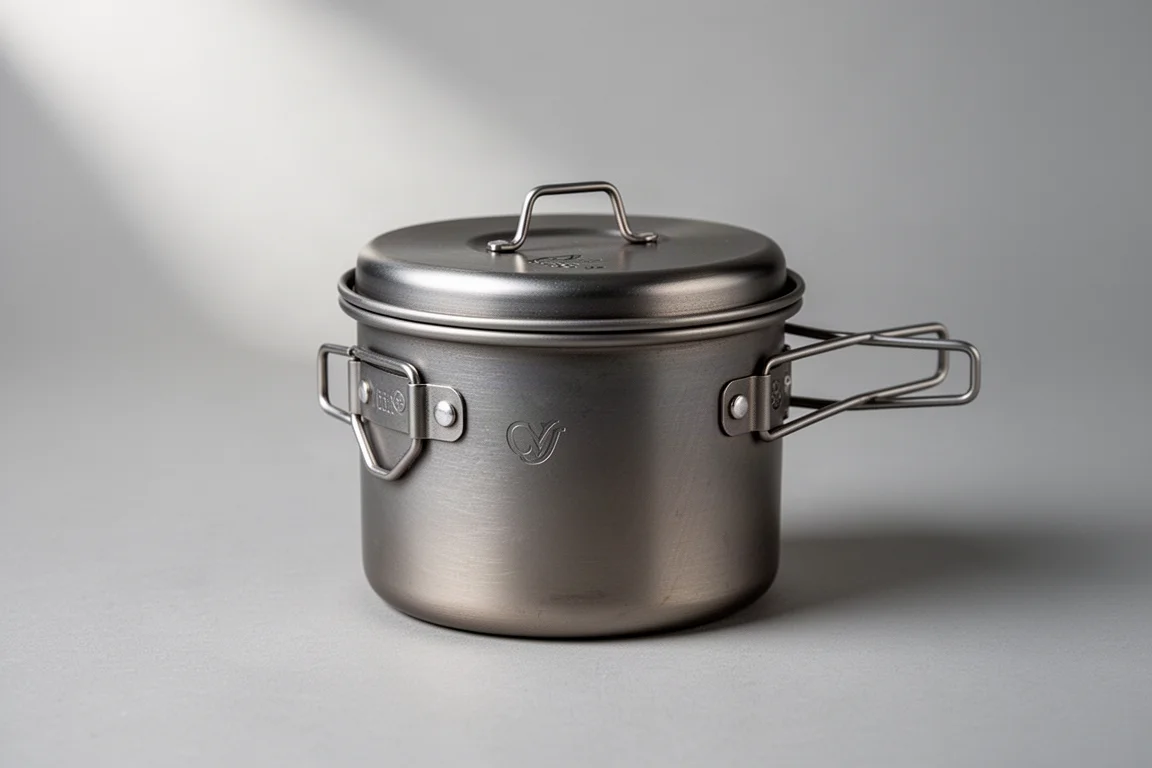
A 650 ml titanium pot keeps cooking weight to a minimum, and for simple dehydrated meals it does the job. The limitation is volume: it is genuinely difficult to cook fresh vegetables in a pot this small, and a 950 ml version would open up far more options without adding much weight.
Titanium is also very thin, so food burns at the base quickly. Constant stirring is not optional, it is part of the process.
Tenacious Tape: The Repair Kit Staple
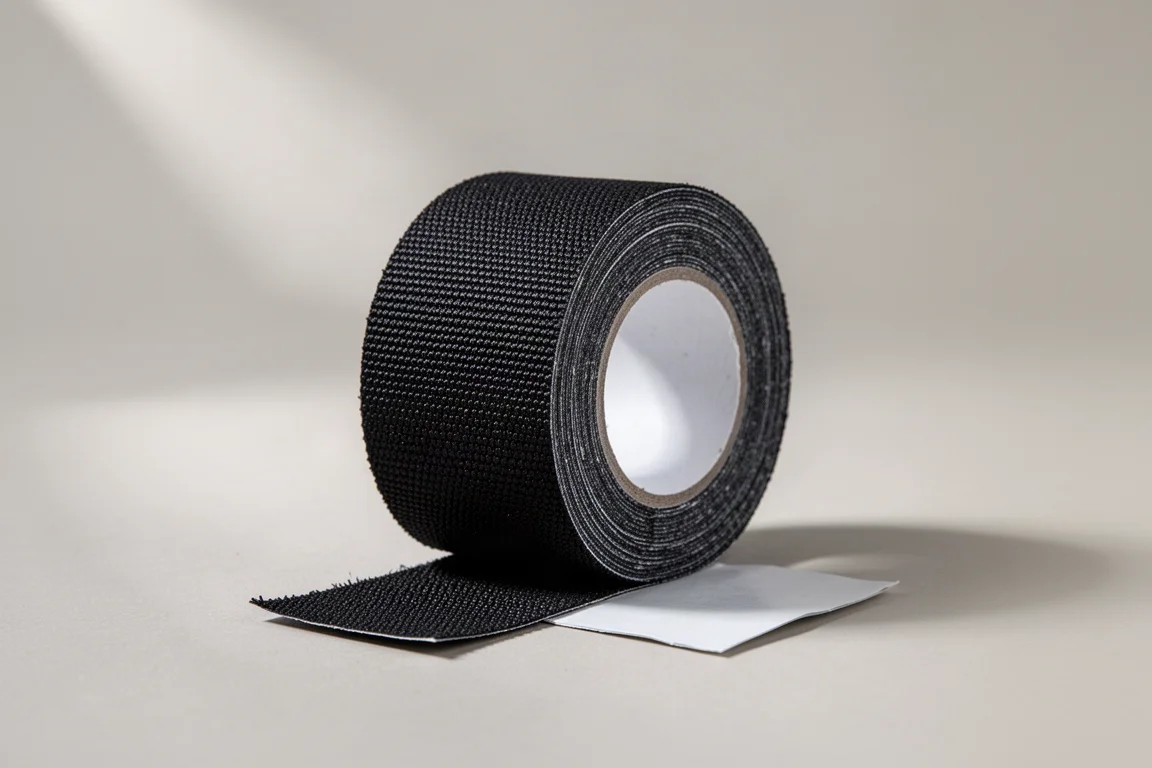
Repair tape is one of those items you hope to leave untouched and are very glad to have when something fails. This one is expensive compared with ordinary tape, but nothing else matches it for gear repairs. On this walk it permanently fixed a slow leak in an inflatable sleeping mat, and the patch is still holding.
Overall Buying Advice
The biggest lesson from a long route is that discipline matters more than specification. A frameless pack is only lighter in practice if you keep the load under its recommended limit, and the same logic applies to a trekking-pole shelter or a thin titanium pot: the weight saving only pays off when the rest of the kit supports it.
If you are building a list from scratch, prioritise the items you use every single day. Footwear, socks, shelter and sleep system decide whether a long walk feels sustainable, while accessories like chargers and repair tape decide how smoothly the logistics run. Buy the best version you can reasonably afford in those core categories, and treat everything else as optional.
One small upgrade is worth planning for: cheap unbranded tent pegs snapped in hard ground on this route, and proper branded pegs are the obvious fix. It is a minor expense with a large effect on how quickly you can pitch camp at the end of a long day.
Conclusion
Eight items, one long walk, and a clear pattern. The gear that worked was the gear that stayed comfortable, stayed dry, and could be repaired when something went wrong. Footwear and socks carried the most weight in terms of daily comfort, the shelter and pack delivered on their weight promises when used within their limits, and the power bank was the weakest link in an otherwise reliable kit.
That is the useful outcome of any long-distance gear list: not a perfect setup, but a clearer idea of where to spend and where to compromise on the next one.
Further reading
Related Reviews
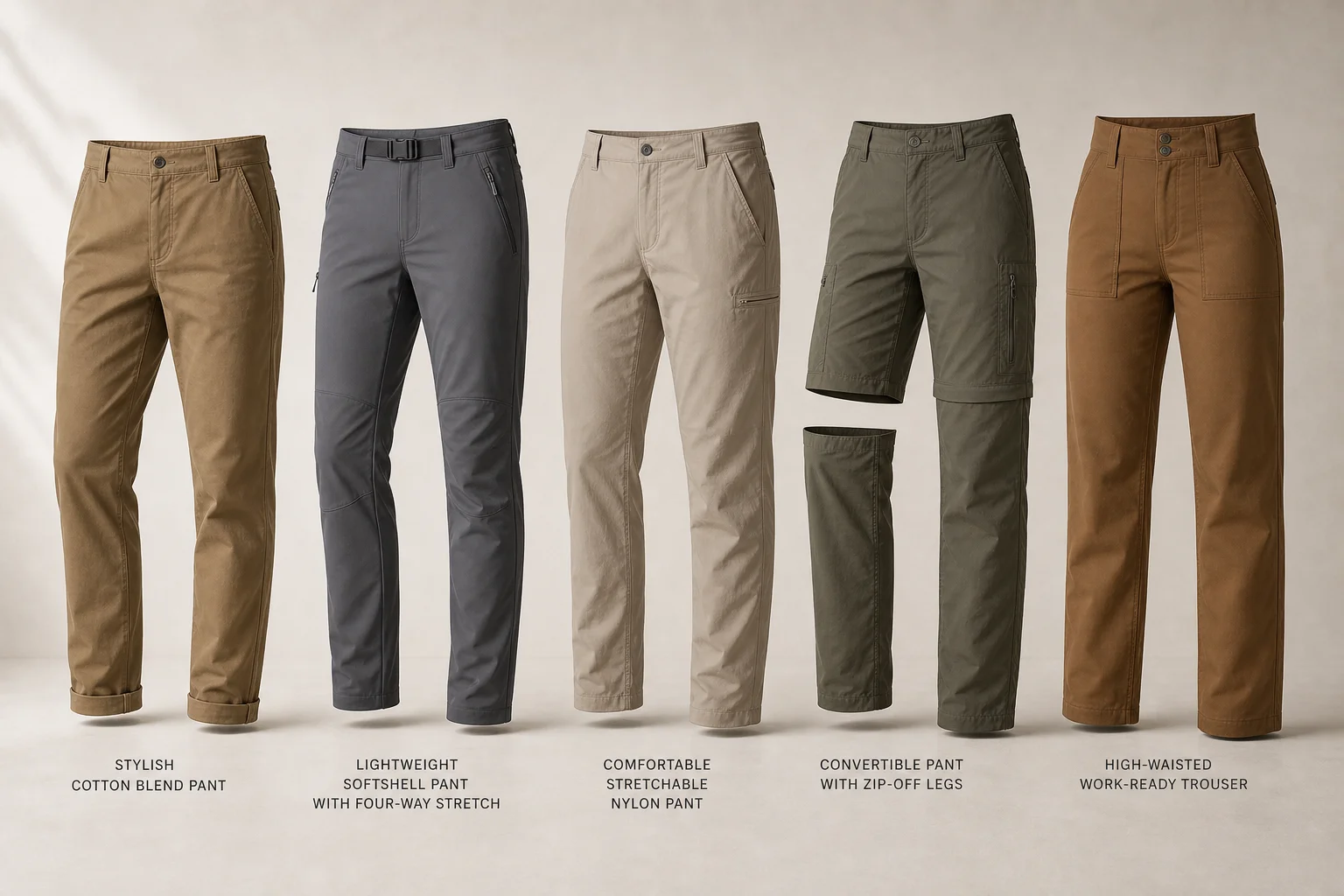
Hiking Gear
Best Hiking Pants on Amazon: Five Practical Options for Different Needs
A practical review of five hiking pants with clear strengths and trade-offs, from lightweight convertible styles to durable work-ready trousers.
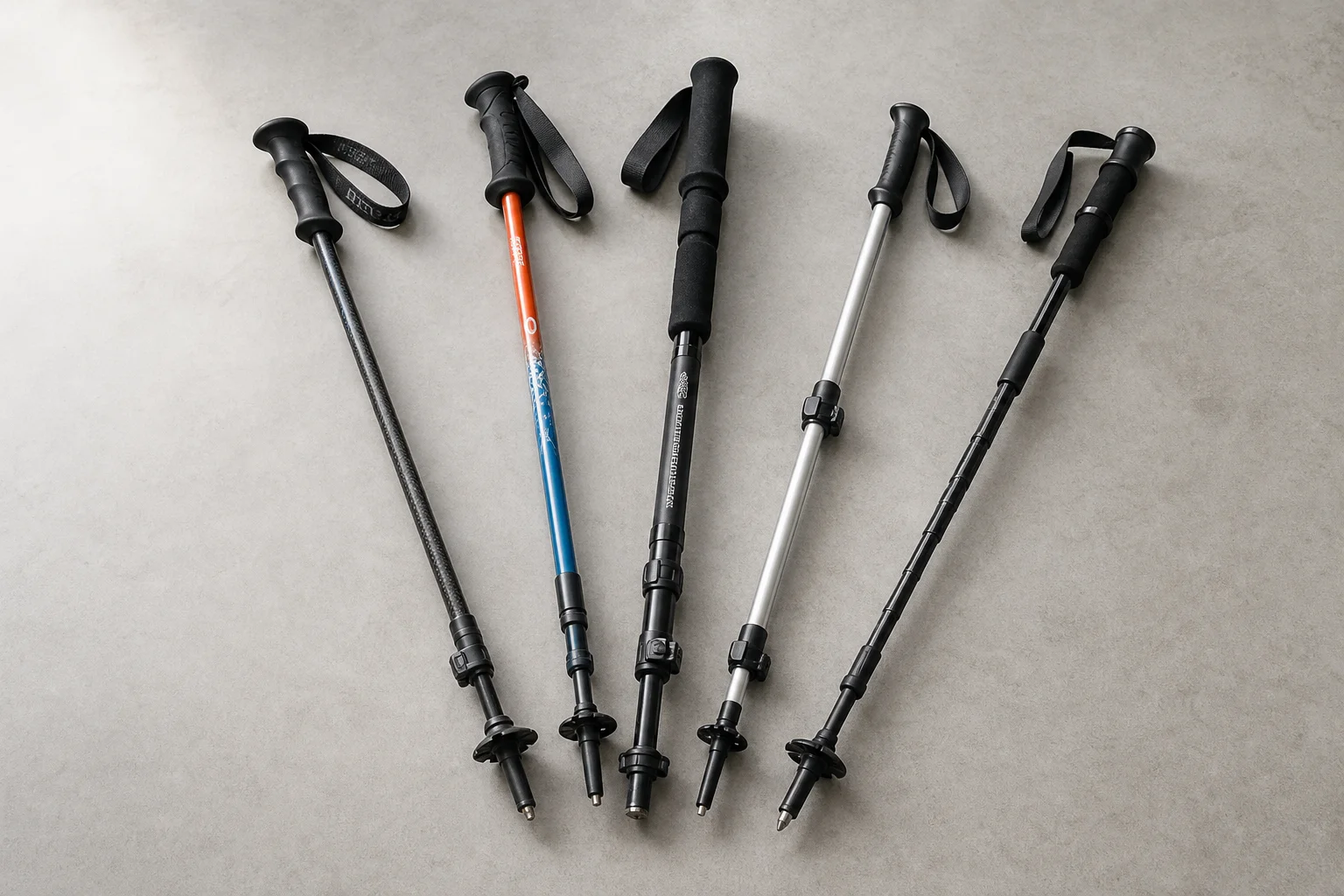
Hiking Gear
Best Hiking Poles 2026: Five Options for Different Trail Needs
A practical review of five hiking poles, from lightweight carbon designs to versatile all-terrain options, with clear strengths and trade-offs for each.
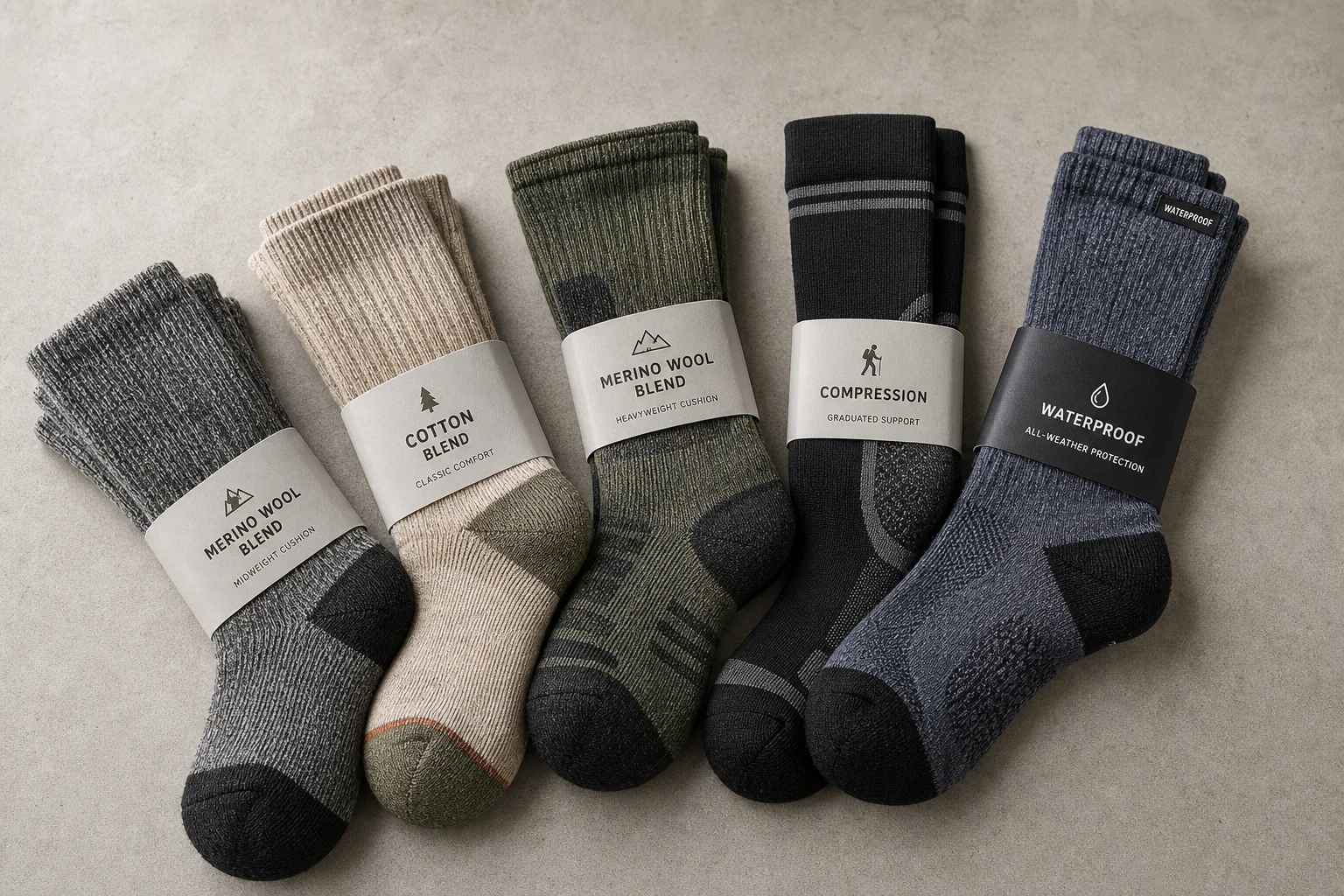
Hiking Gear
Best Hiking Socks 2026: Five Top Choices for Different Trail Needs
A practical roundup of five hiking socks, from lightweight merino options to heavy-duty compression styles, with clear guidance on which suits your outdoor activity.