Hiking Footwear
Thru-Hiking Footwear and Socks: A Practical Gear Guide
A practical guide to the footwear, insoles, socks, laces, and gaiters that matter on a long-distance hike, including fit checks, zero drop trade-offs, and replacement timing.
Introduction
Footwear is the hardest part of a long-distance kit to get right, because no two people have the same stride or the same build of feet. A pair of boots or trail runners that feels perfect on weekend hikes can stop working once you are walking 20-plus miles a day, day after day. That is normal rather than a sign that you did something wrong, and it is worth planning for.
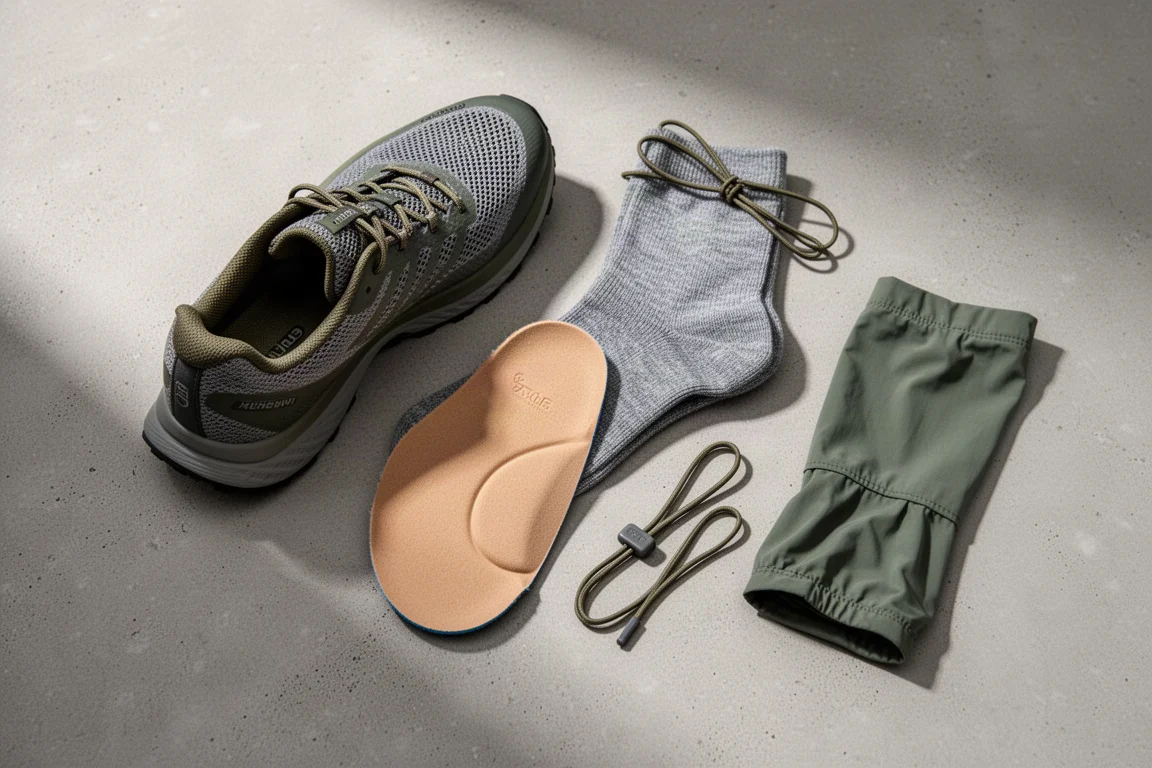
The picks below cover the categories that make the biggest difference over a long trail: the shoes themselves, the insoles inside them, the laces that hold them on, the socks next to your skin, and the gaiters that keep grit out.
How These Picks Were Chosen
Every item here solves a specific problem that shows up on a long trail. Fit comes first, and it is more mechanical than it sounds. Lace your shoes comfortably rather than tightly, then tap your toe on the ground: if your toes hit the front of the shoe, the shoe is wrong for you, and repeated downhill slamming is a common way to lose a toenail. The thumb test is the simplest second check. Standing comfortably, you should have at least a thumb’s width between the tip of your big toe and the end of the shoe. Many outdoor stores have a sloped ramp so you can simulate walking downhill, which makes it easy to confirm that your toes never touch the front.
Feet also swell during a day of walking, so sizing up a little is common and expected. Beyond fit, these picks cover support, breathability, drying time, and how many miles you can realistically expect before a replacement is due.
Replacement timing matters as much as the initial choice. Trail runners typically last somewhere between 200 and 700 miles depending on the model, while boots commonly go 800 to 1,000 miles. The catch is that a shoe can still look fine while its support has collapsed, and that is often when arch and plantar fascia problems begin. A practical habit is to plan a fresh pair roughly every 400 to 500 miles rather than waiting for the tread to disappear.
Footwear: Trail Runners, Boots, and Camp Shoes
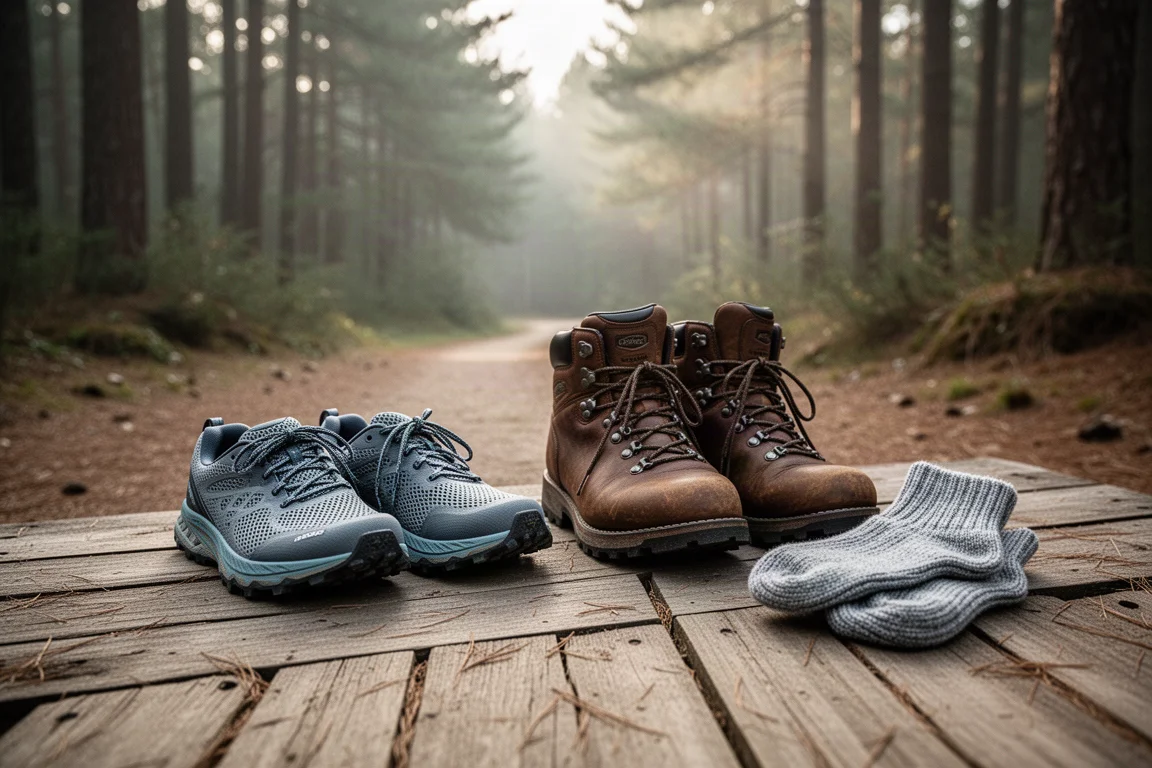
Boots and trail runners each have a place, and the useful question is which one suits your feet and your trail. Boots are more rigid, which brings more protection from rocks and roots along with more ankle support. That rigidity also means more weight and less ventilation, so feet dry slowly and boots stay wet much longer after rain, which can feed blister problems. Trail runners give up some of that protection in exchange for lighter weight and much better airflow, and on a wet trail they dry faster. Durability favors boots at 800 to 1,000 miles, against roughly 200 to 700 miles for a typical trail runner.
Trail runners are the dominant choice on the Appalachian Trail, where roughly 95 percent of thru-hikers cover the route in them. Hikers who want a middle ground can look at mid-height shoes, which behave like a high-top trail runner and add a measure of ankle coverage while staying lighter than a full boot. Hiking sandals are a niche option: they ventilate well and dry almost instantly, but they leave the foot far less protected, and an injury picked up in them can slow or end a hike.
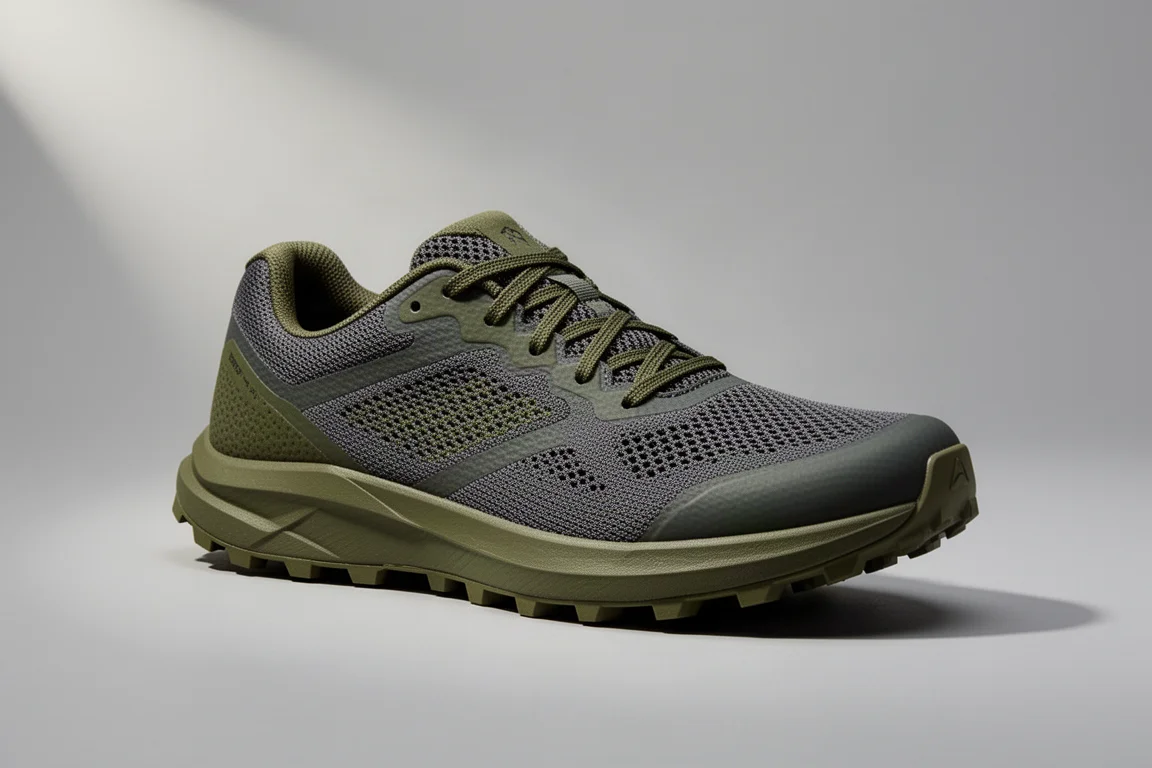
Altra Zero Drop Trail Runners
Zero drop shoes place the heel and the toe at the same level, which changes how the calf, Achilles tendon, and plantar fascia are loaded. For some hikers that flatter profile has helped keep plantar fasciitis from becoming an issue, while others find the extra stretch on the calf irritating, especially along the line from the calf down through the Achilles and into the arch. The sensible approach is to break a zero drop shoe in before a long trip rather than partway through one, wearing it around town and on shorter hikes first to see how your body responds.
Altra builds zero drop models as well as a mid-height shoe that adds a little ankle coverage while staying lighter than a boot, which makes the brand a reasonable starting point for hikers who want to experiment with a lower-profile platform.
Teva Lightweight Camp Sandals
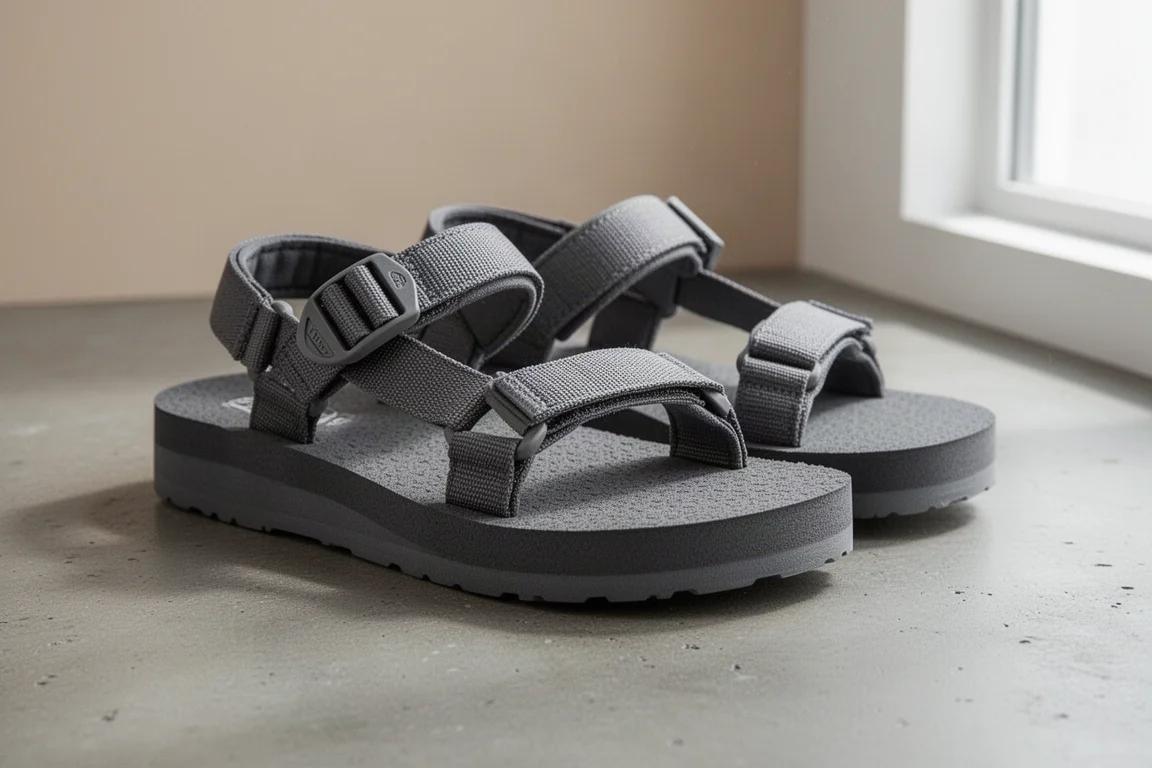
Camp shoes are a luxury rather than a necessity, but after a long day there are few better feelings than peeling off damp socks and shoes and sliding into something open. The criteria are simple: light, breathable, and easy to put on. Lightweight foam sandals fit that brief and double as town footwear on resupply stops. Hikers who are not particularly tender-footed often send camp shoes home, so treat them as an optional item that can be mailed back if it is not earning its place in the pack.
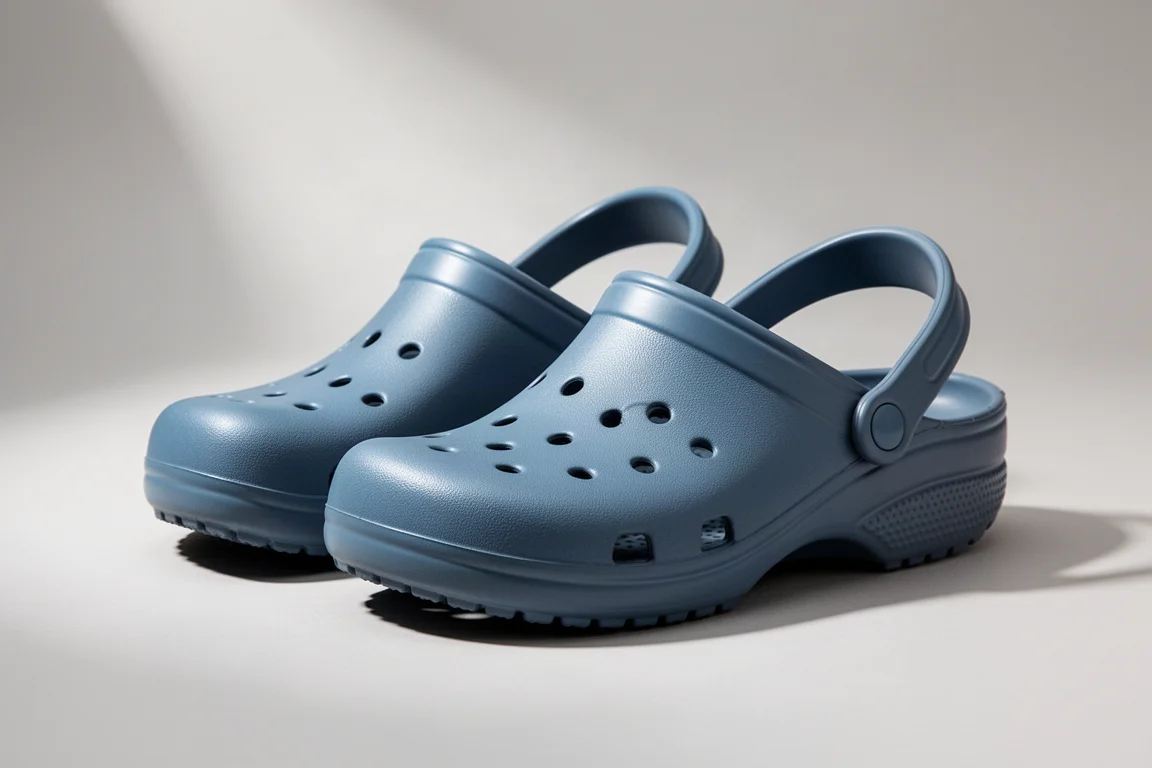
Crocs Classic Clogs
Moulded foam clogs are the other common camp shoe on long trails, and they have become part of trail culture in their own right. They are light, they let feet breathe, and they are comfortable after hours in a close-fitting shoe. Like sandals, they are optional, and many hikers start with a pair and decide later whether the comfort is worth the pack space.
Insoles That Support Long Days
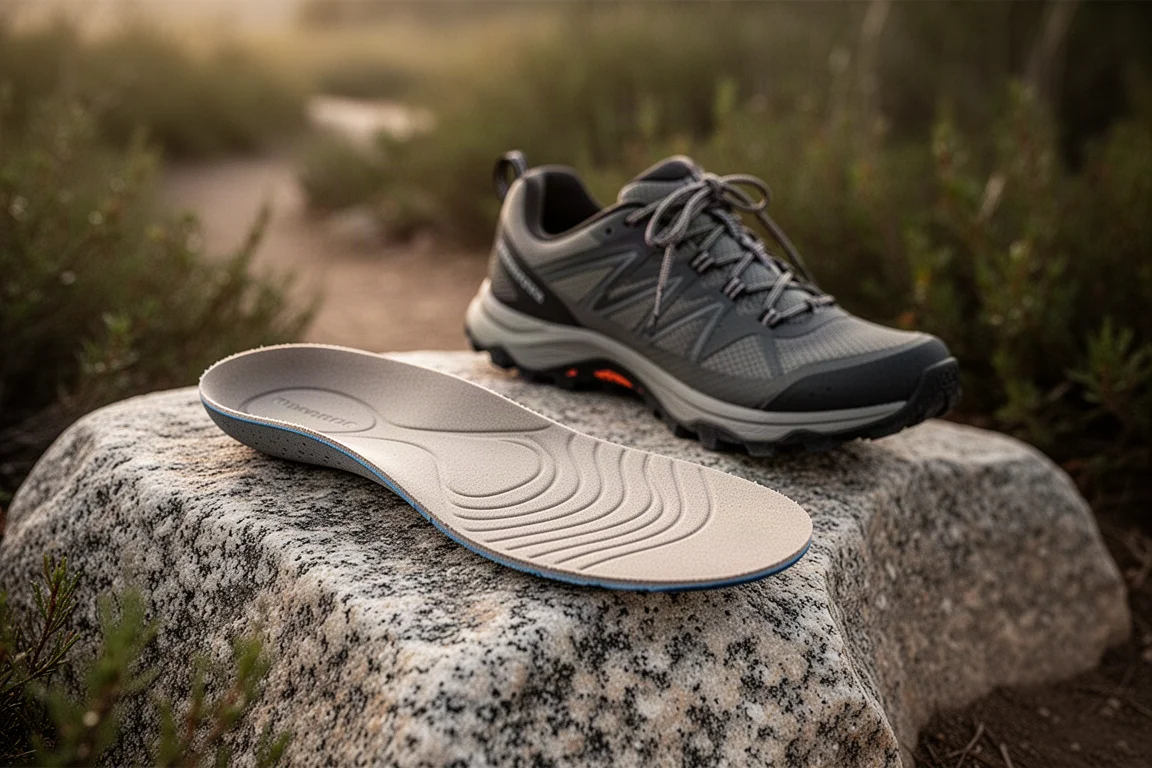
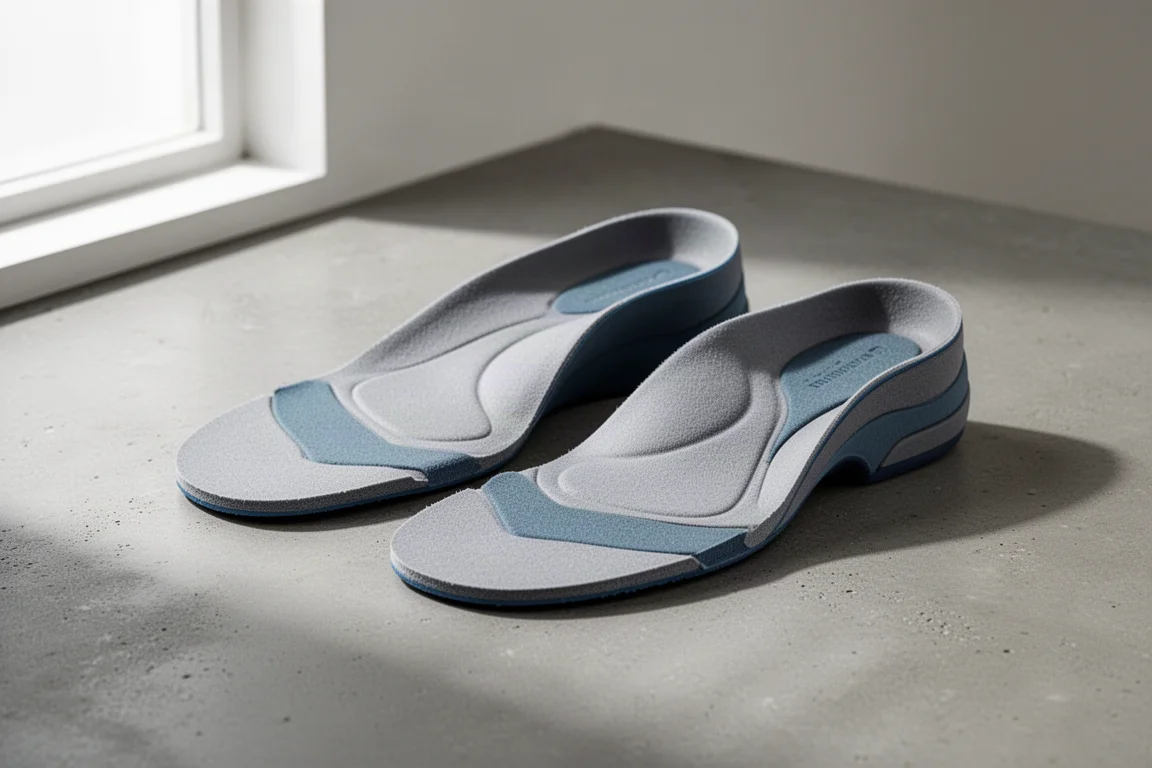
Insoles are as personal as shoes. Plenty of hikers never need anything beyond the factory insole that comes in their boot or trail runner, but if your feet want more support or a different feel, an aftermarket pair is an inexpensive experiment. Prices vary: heat-moldable and performance insoles generally run around $40 to $50, while drugstore options can be closer to $20. Custom orthotics from a podiatrist are the most precise route and also the priciest, depending on whether insurance covers them.
Start with one change at a time. Swapping shoes, insoles, and socks in the same week makes it hard to tell which adjustment helped, and foot problems tend to get louder when they are ignored rather than resolving on their own.
Sole Insoles
Sole insoles are heat-moldable. You warm them in an oven, place them inside your footwear, and step down so they take the shape of your feet. That custom fit is the main appeal, and it makes them a reasonable first stop for hikers who want more support than a factory insole provides.
Superfeet Insoles
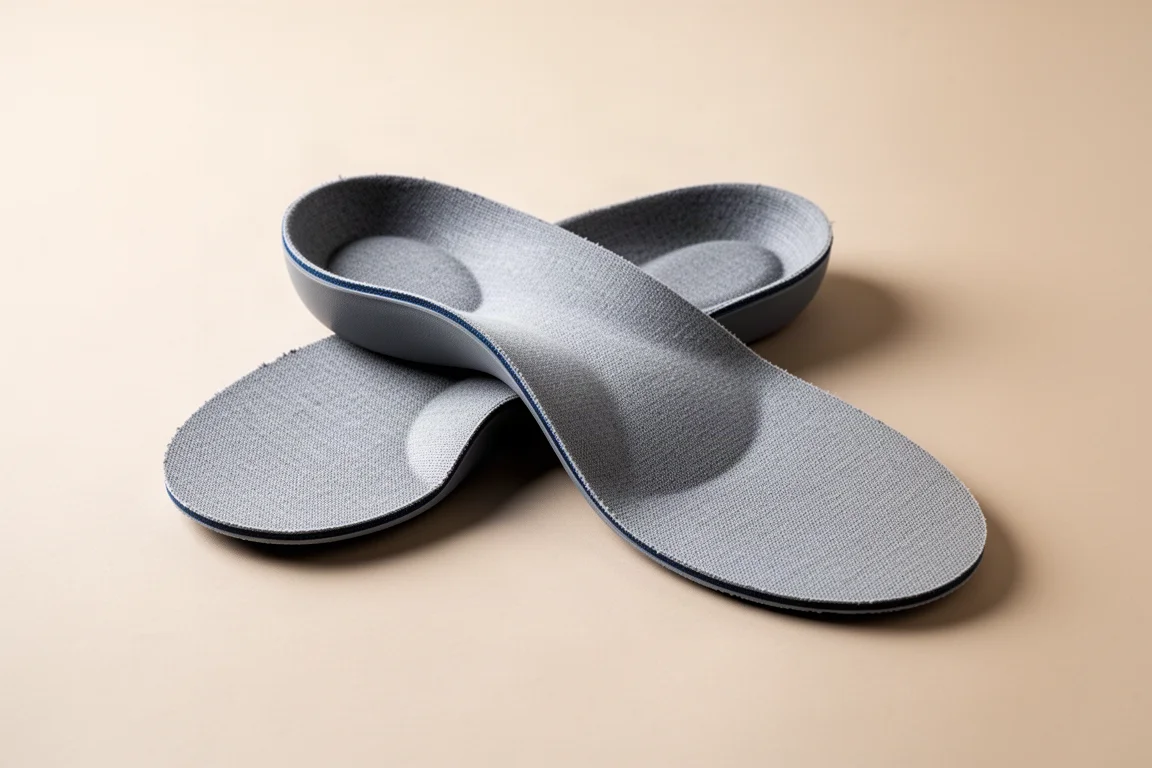
Superfeet makes several different insole types, so the right one depends on the shape of your foot and the kind of support you want. They sit in the same price range as other performance insoles and are a widely used option, though results vary from person to person. It is worth checking how a pair feels inside your specific shoe before committing to a long stretch of trail with them.
Dr. Scholl’s Plantar Fasciitis Insoles
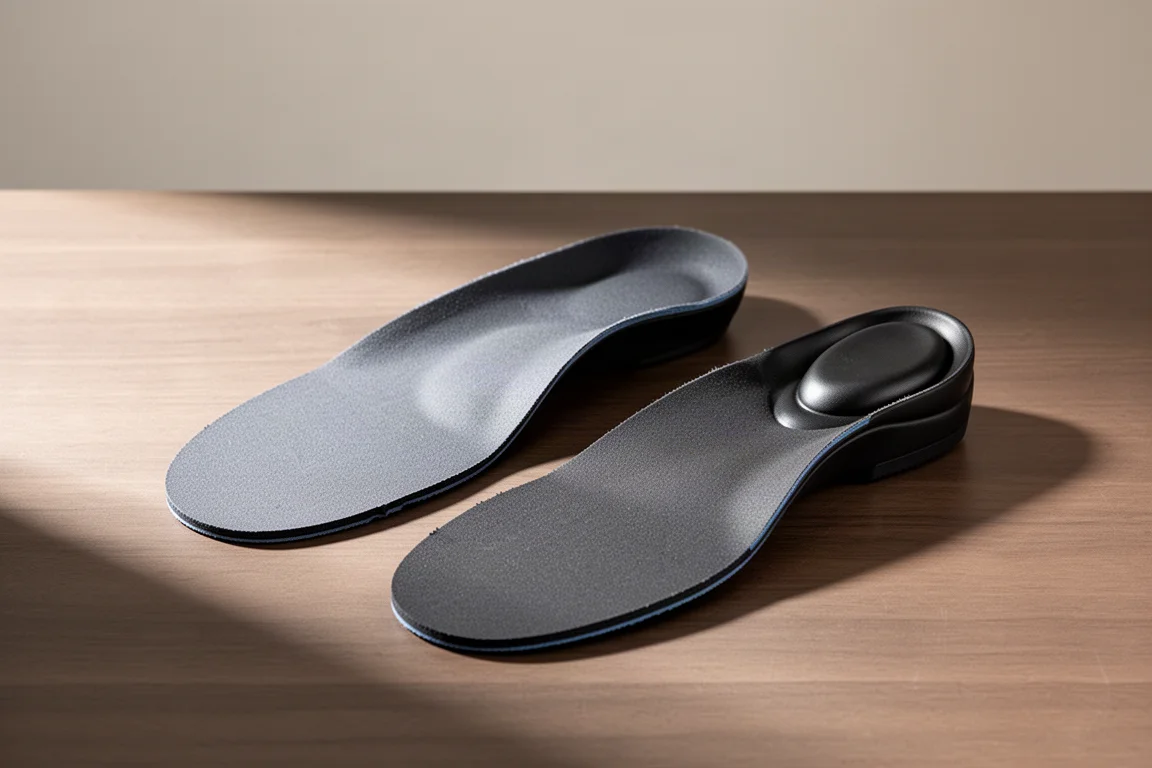
The plantar fasciitis insoles from Dr. Scholl’s are the budget-friendly option, generally around $20 rather than $40 to $50. For hikers dealing with arch or heel discomfort, they are a low-cost way to add support, and they work best alongside stretching and the other habits that keep the plantar fascia calm.
Laces and Socks for Foot Comfort
Two small items change foot comfort far more than their size suggests: the laces holding the shoe on, and the socks next to the skin. Elastic laces remove the tying and retying cycle entirely, and merino wool socks handle moisture and odor much better than most alternatives.
Lock Laces
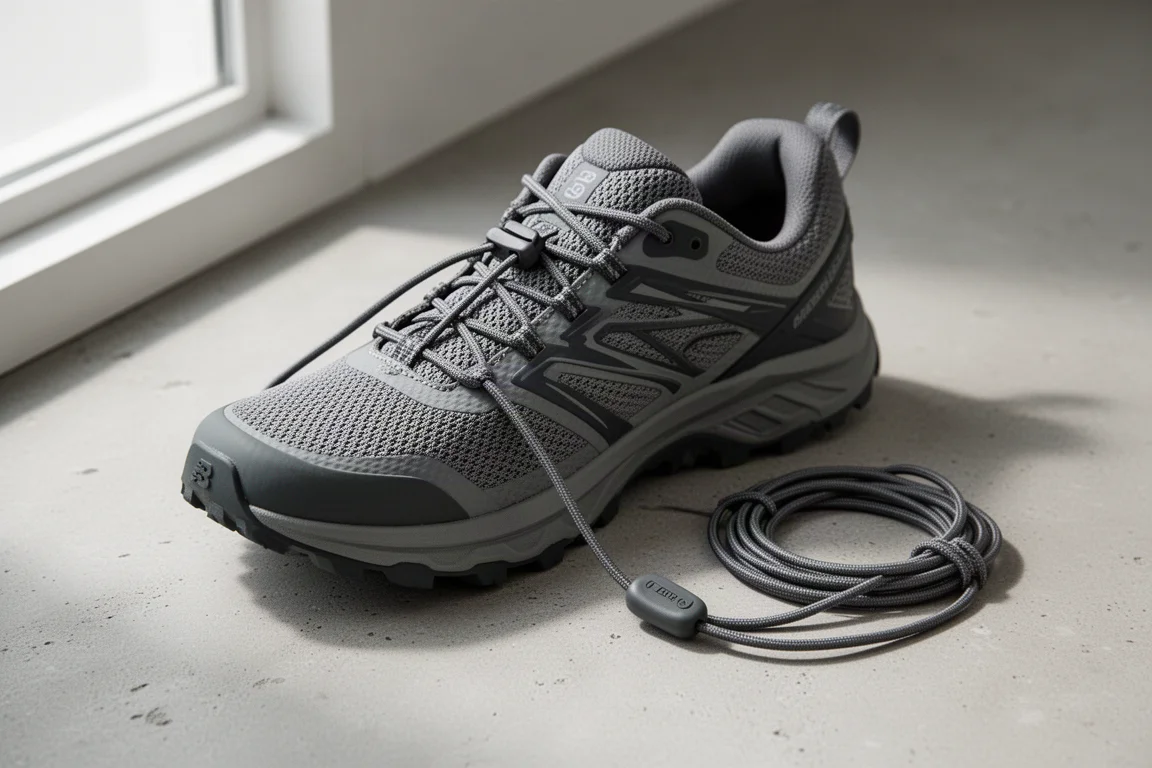
Lock Laces replace standard shoelaces with elastic cord and a small adjustable slider. You thread them through in place of your regular laces, set the tension once, and then tighten or loosen with the slider instead of tying and double knotting. Over a long hike the seconds add up to hours, and fitting a fresh set each time you replace your shoes keeps the tension consistent.
Farm to Feet Merino Wool Socks
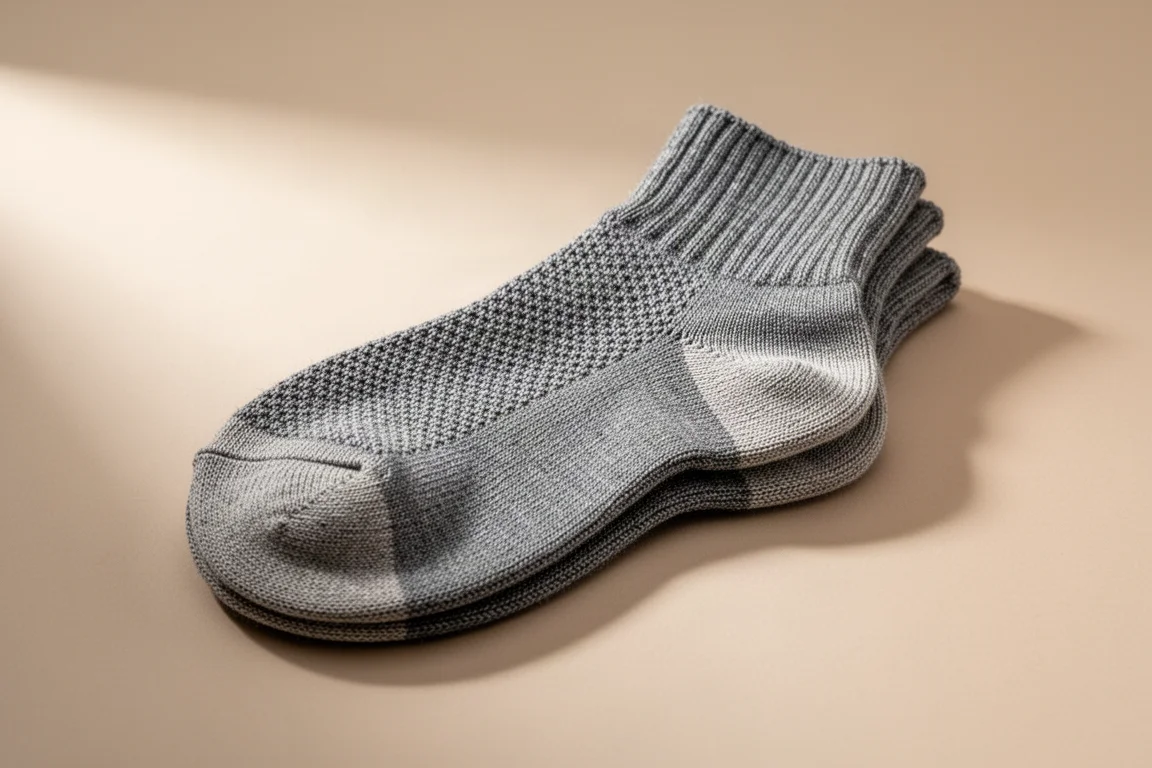
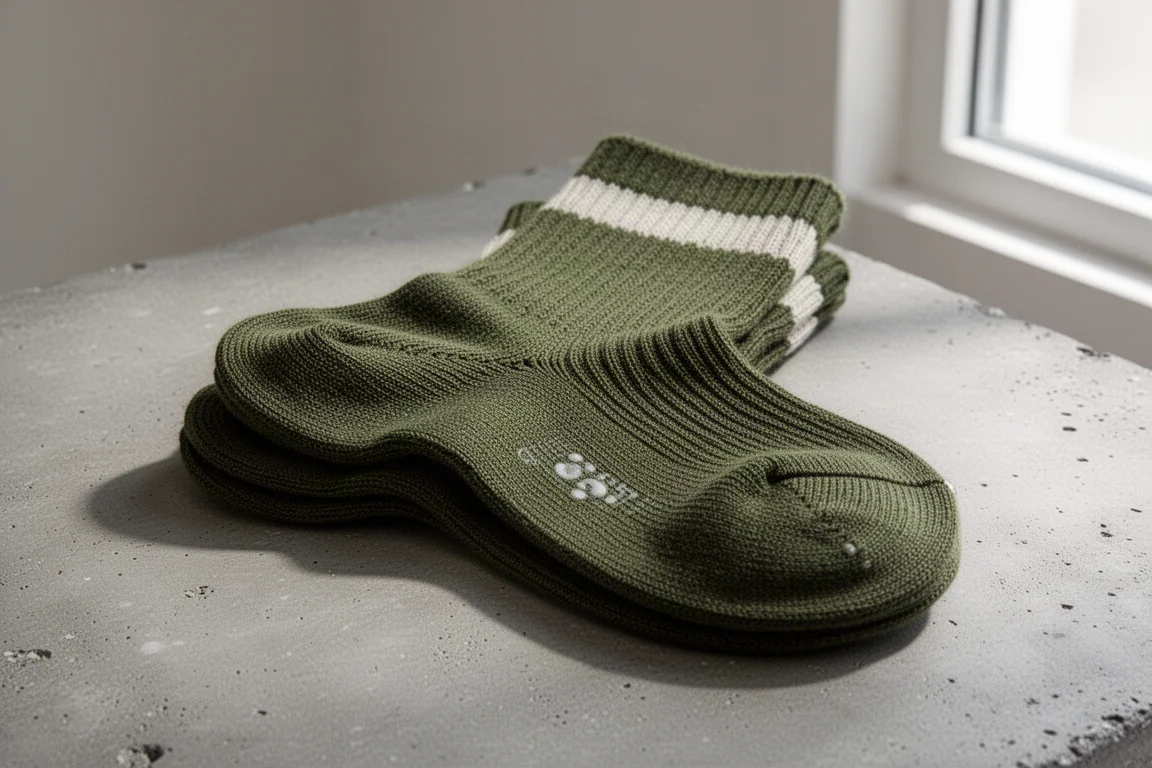
Merino wool regulates temperature and is naturally antimicrobial, so feet stay less sweaty and socks stay less pungent than synthetics. Most wool socks blend in some synthetic fiber to hold their shape, dry faster, and last longer, which is why they hold up so well on trail. Farm to Feet is a favorite for backpacking comfort, and the brand backs its socks with a lifetime guarantee: wear a hole in them and they will be replaced. Expect to pay roughly $15 to $20 per pair.
Darn Tough Merino Wool Socks
Darn Tough sits right alongside Farm to Feet in comfort and offers a wider range of color options. The guarantee works the same way, with a replacement promised if you wear a hole through the sock. For most hikers the choice between the two comes down to fit preference and color rather than any real difference in performance.
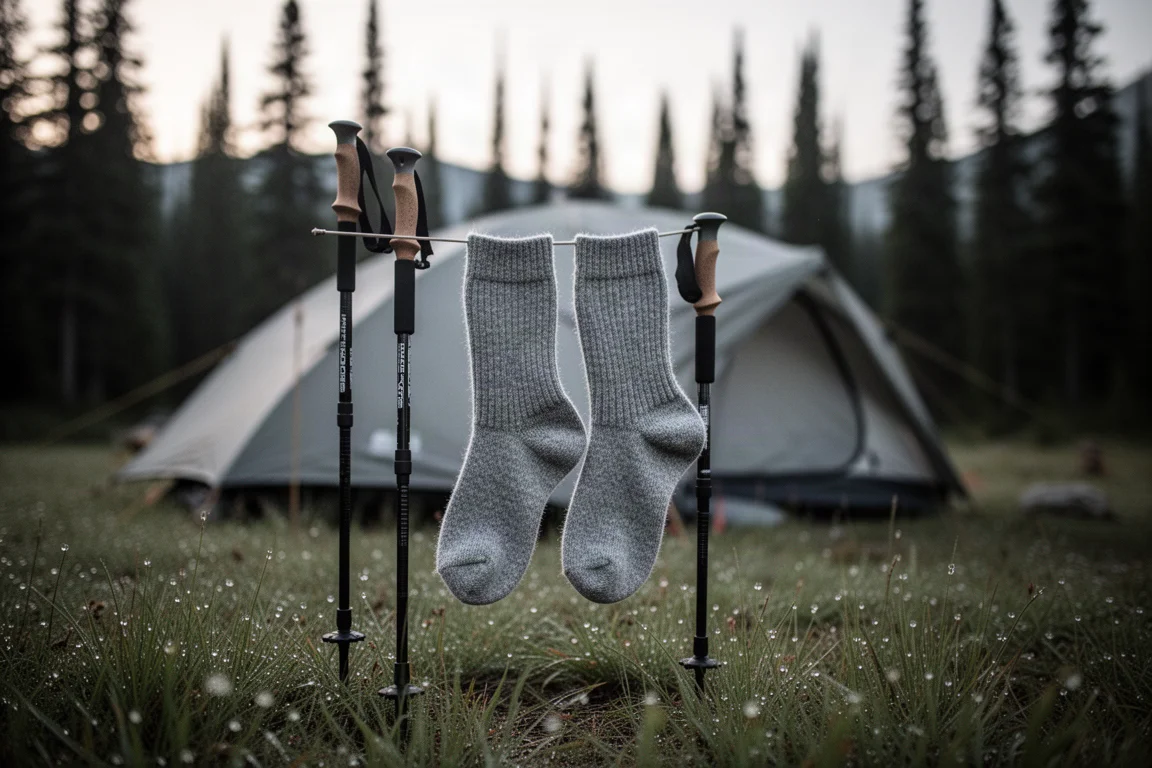
Sock length and cushion are worth varying by season. Crew and three-quarter lengths with light cushion suit colder conditions, while no-show socks with no cushion are pleasant in summer heat. No-show socks can occasionally slide down or collect grit along the inner lip, so carrying a longer backup pair is a practical habit.
Injinji Toe Socks
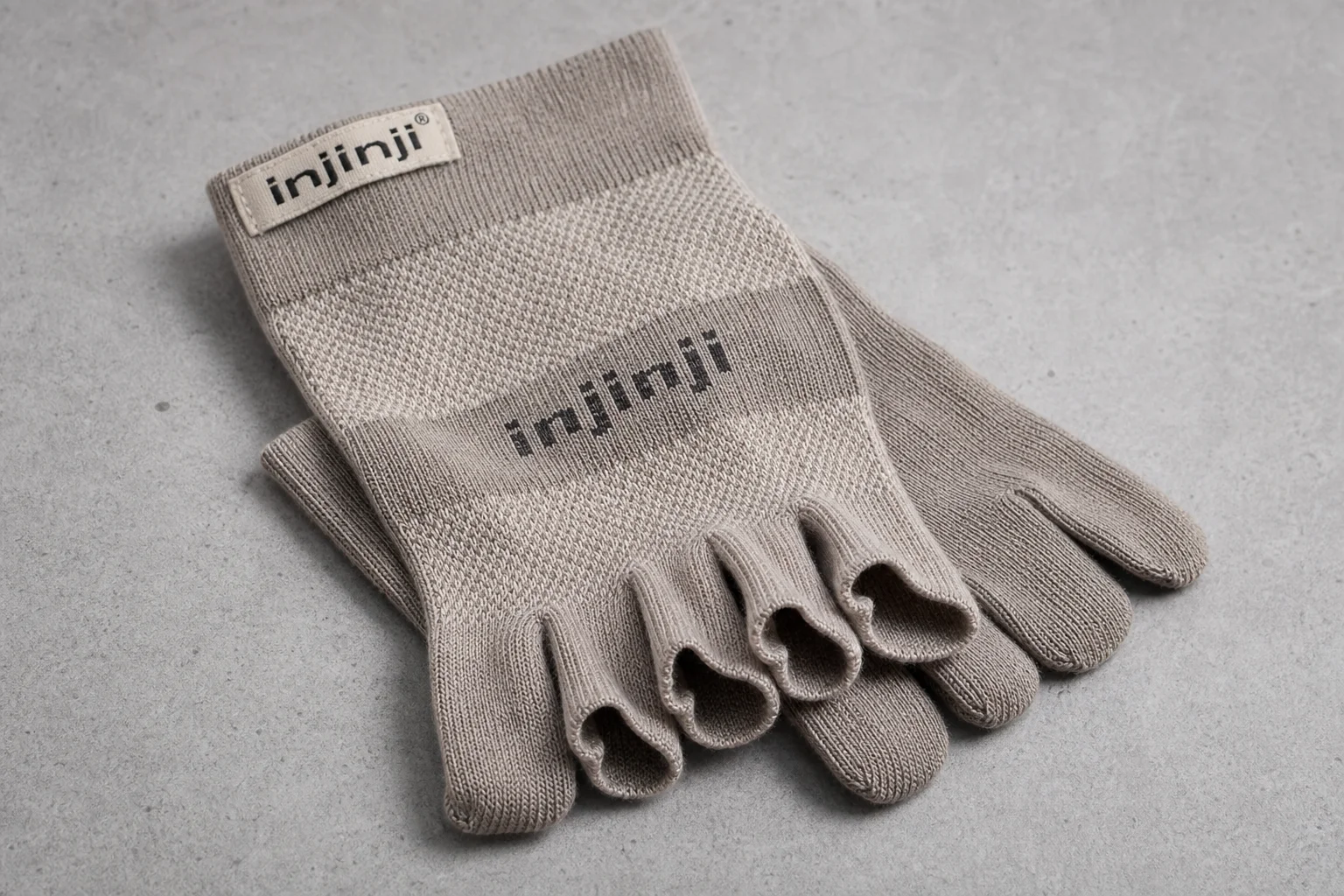
Toe socks separate each toe, which removes the friction between toes that causes a good share of blisters. Injinji is the best-known option, and thinner toe sock liners can also be worn under a standard wool sock for the same effect. The trade-off is durability, since toe socks tend to develop holes sooner than a well-made wool crew sock. They make the most sense for hikers who are genuinely blister-prone between the toes.
Gaiters for Debris Protection
Gaiters are a small, low-rise layer that hugs the ankle and overlaps the top of the shoe, keeping pebbles, sand, and grit out. Most trail versions are lightweight; heavier waterproof models exist but are generally more than a long trail like the Appalachian Trail calls for. Whether they are worth carrying depends on how often you stop to empty your shoes, and some hikers find them more fuss than they are worth.
Dirty Girl Gaiters
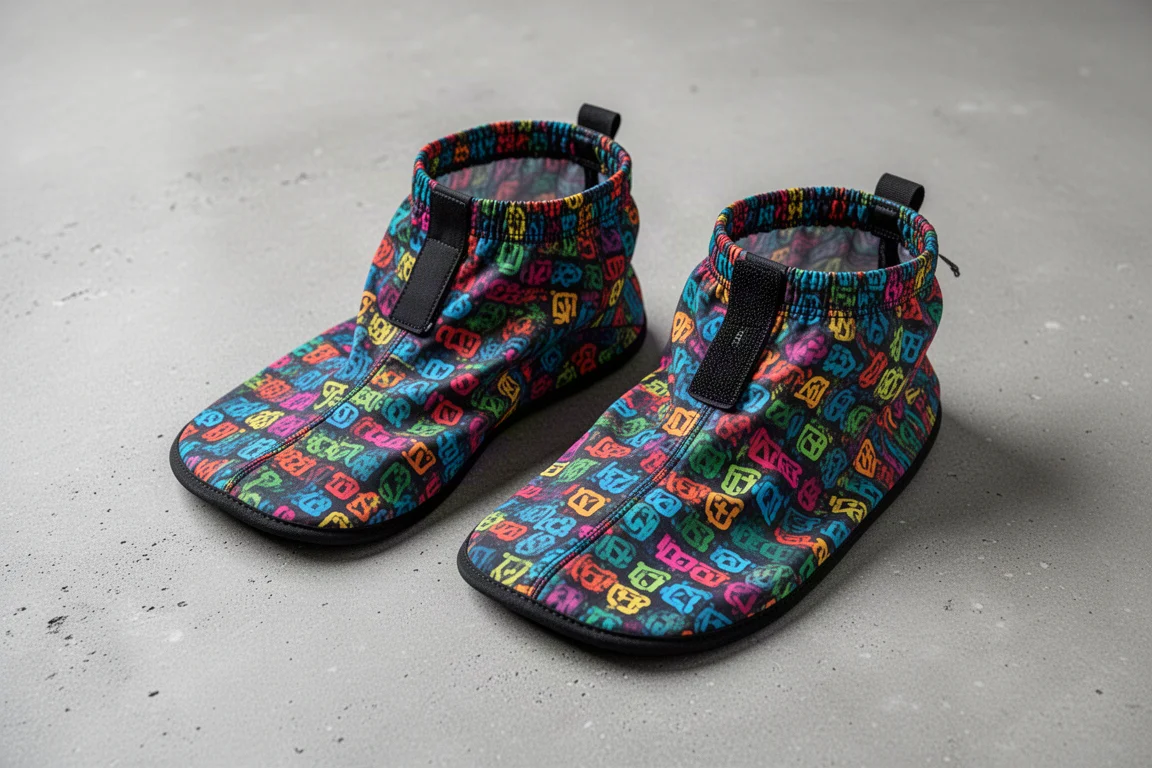
Dirty Girl Gaiters are a popular lightweight option with a wide range of color choices, so they are easy to match to the rest of your kit. They are designed to sit low on the ankle and cover the shoe opening without adding meaningful weight.
Outdoor Research Gaiters
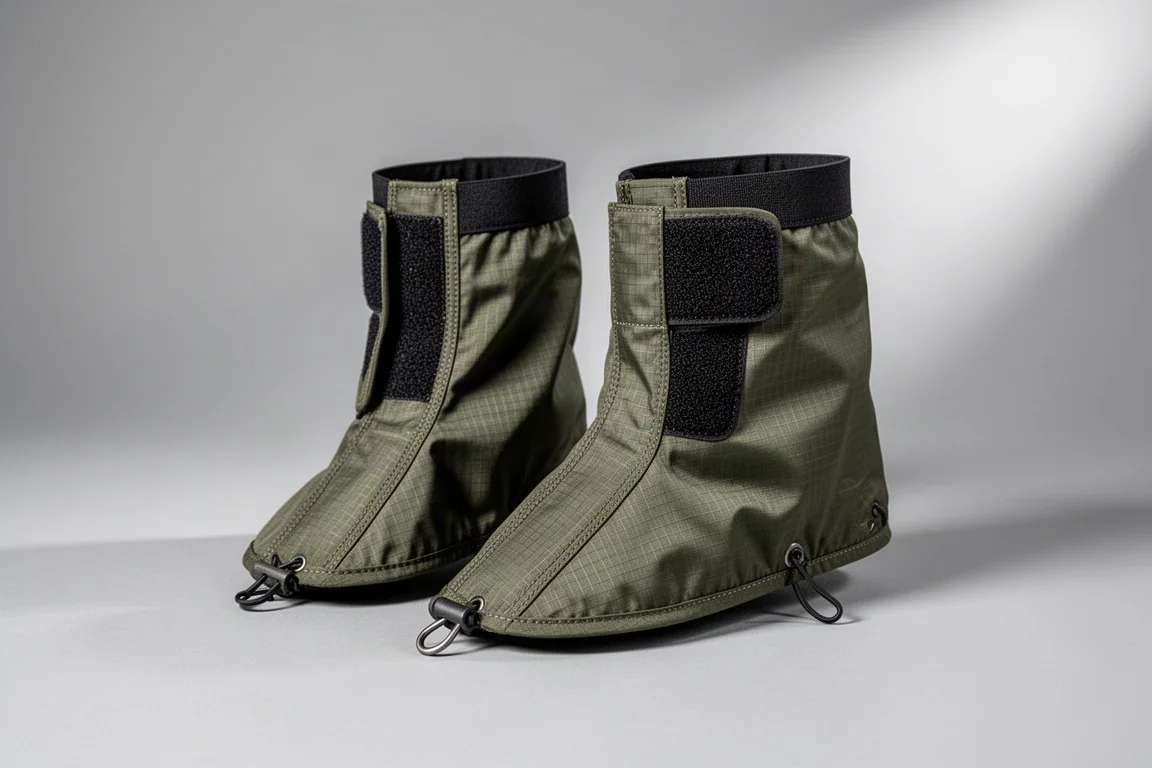
Outdoor Research offers another low-rise gaiter in a more muted style that does the same job: it hugs the ankle and keeps debris out of the shoe opening. The two perform similarly, so the decision usually comes down to fit and color preference.
Overall Buying Advice
Buy footwear where you can try it on in person and return it if it does not work out. Then test the fit properly before you commit: lace up comfortably rather than tightly, tap your toe on the ground, and use the thumb test. If the store has a sloped ramp, walk down it to simulate a descent and confirm that your toes are not hitting the front of the shoe. The shoe should also not be so loose that your foot slides around, since that increases friction and invites blisters.
For a long, wet thru-hike, ventilation beats waterproofing. Waterproof membranes are designed to keep water out while letting vapor escape, but in practice a waterproof shoe traps more moisture and takes much longer to dry than a well-ventilated one. In sustained rain your feet end up wet either way, and a soaked waterproof shoe can stay damp for a long time. Waterproof footwear makes more sense for hiking in snow when rain is not expected.
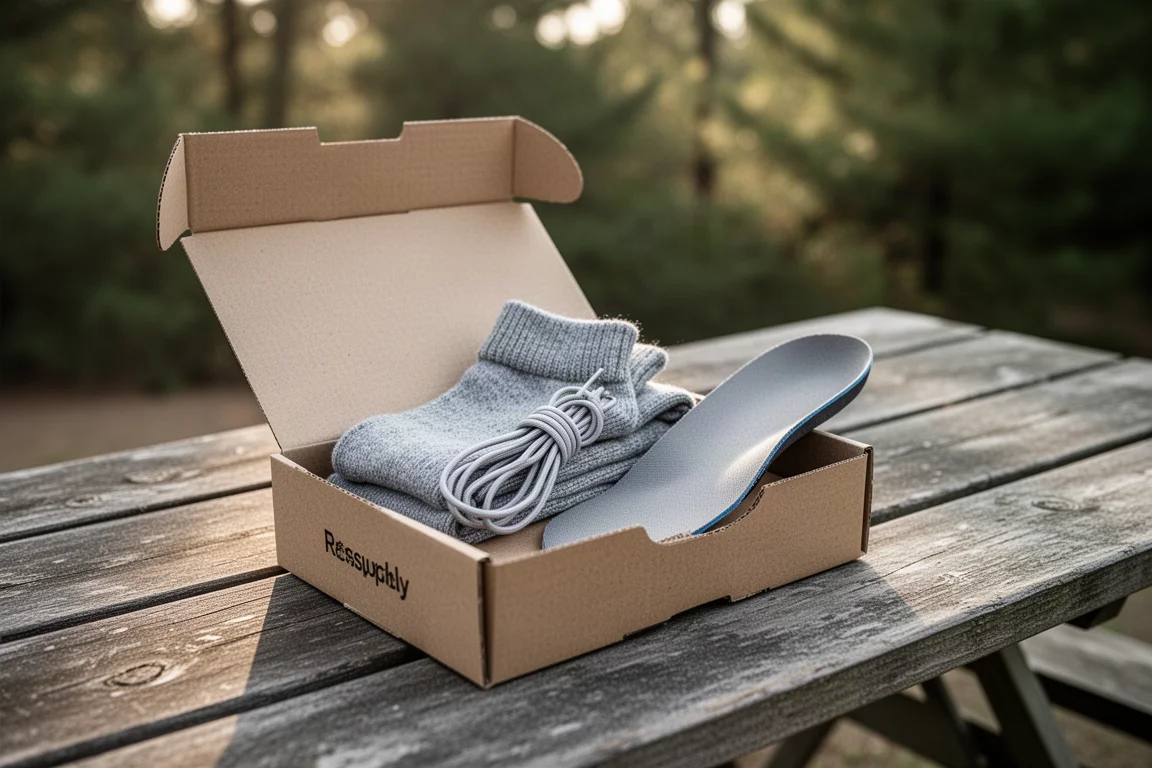
Whatever you choose, expect to replace it before the end of a long trail. Plan on a new pair roughly every 400 to 500 miles, and do not wait for the tread to wear out, because the support usually disappears first. A collapsed midsole quietly overloads the arch, and the cost of a new pair is small next to the cost of a foot injury that slows the whole hike.
Conclusion
Footwear is the part of a long-distance kit that deserves the most patience. Trail runners suit most thru-hikers on wet, rolling trails, boots remain a sound choice for anyone who genuinely needs the extra support, and camp shoes, insoles, socks, laces, and gaiters are small additions that each solve a specific problem. Buy from a retailer with a forgiving return policy, test the fit honestly, and replace your shoes before the support disappears rather than after your feet start complaining.
Further reading
Related Reviews
Hiking Footwear
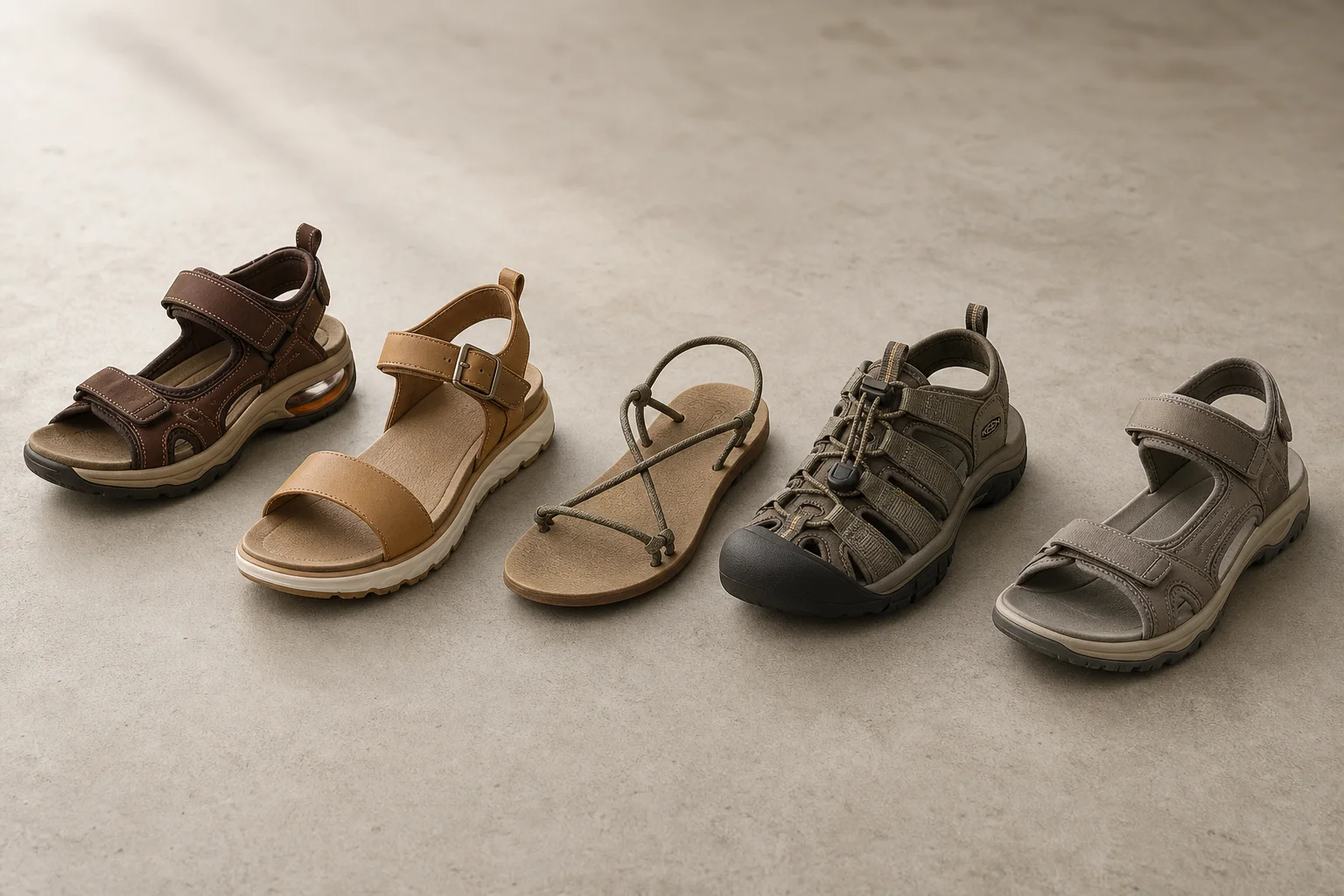
Best Hiking Sandals 2026: Five Options for Different Trail Needs
Five hiking sandals tested for comfort, protection, and versatility. Find the right pair for your hiking style, from minimalist designs to heavy-duty closed-toe options.
Hiking Footwear
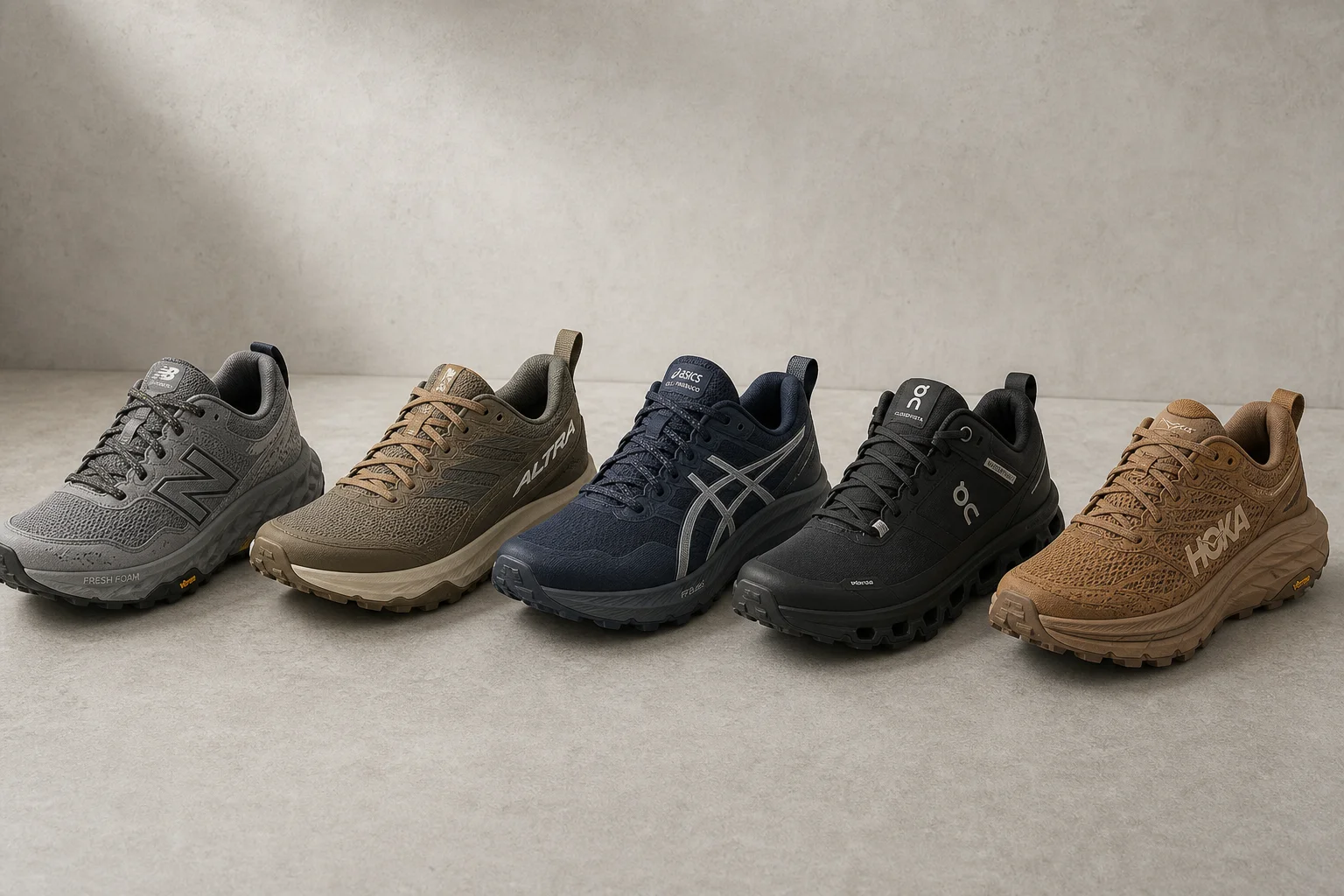
Best Hiking Shoes 2026: Five Options for Different Terrain and Support Needs
A practical guide to five hiking shoes covering max cushioning, zero-drop design, all-around versatility, waterproof protection, and balanced comfort for long-distance trails.
Hiking Footwear
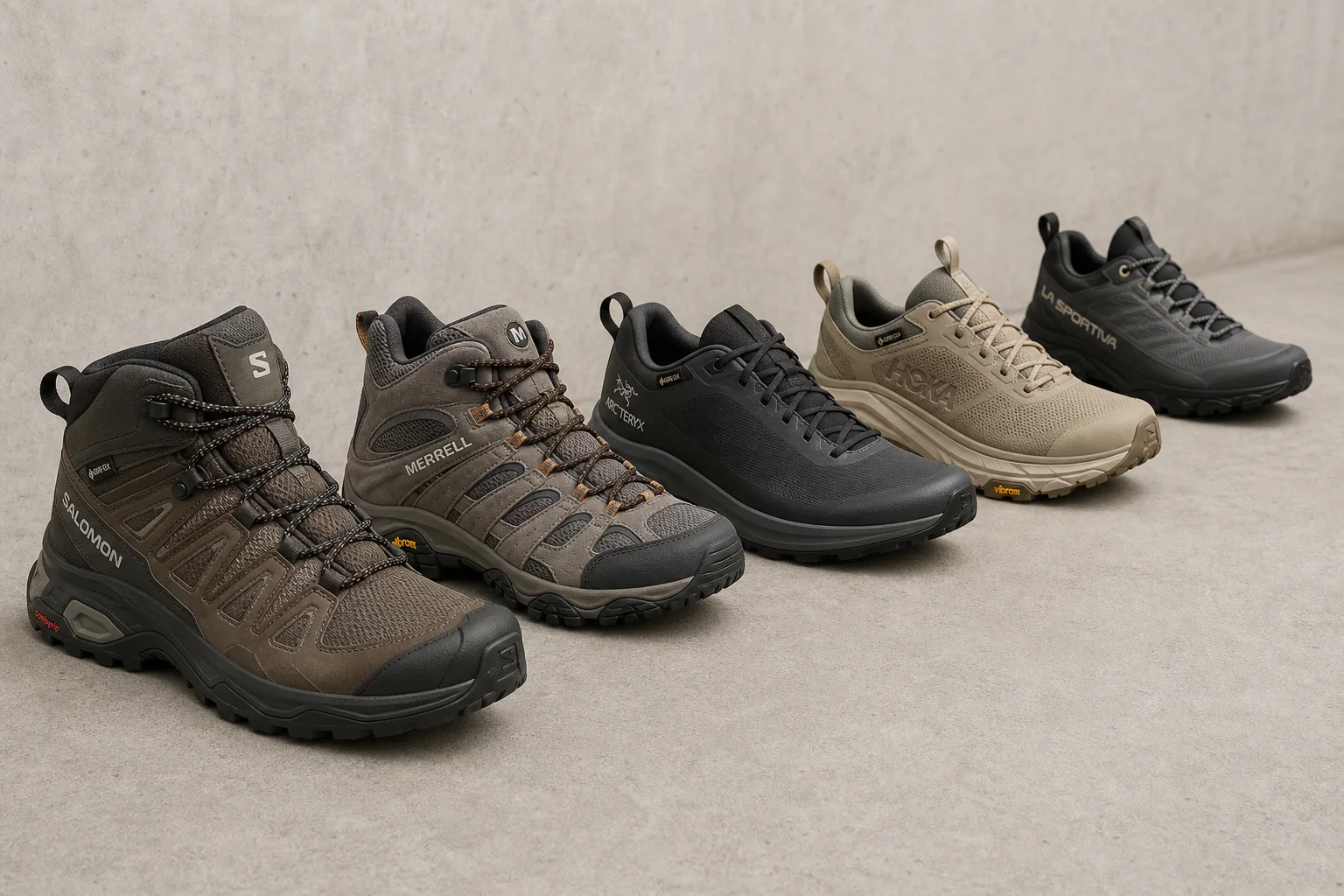
Best Hiking Shoes for Men: Five Tested Options Ranked
A detailed ranking of five hiking shoes tested for comfort, traction, and durability across varied terrain and conditions.