Running Gear
This or That: Our Take on Today's Most Debated Running Gear
From carbon racers to super trainers, hydration vests to high-calorie drink mixes, here is how the closest head-to-head matchups in running gear shake out.
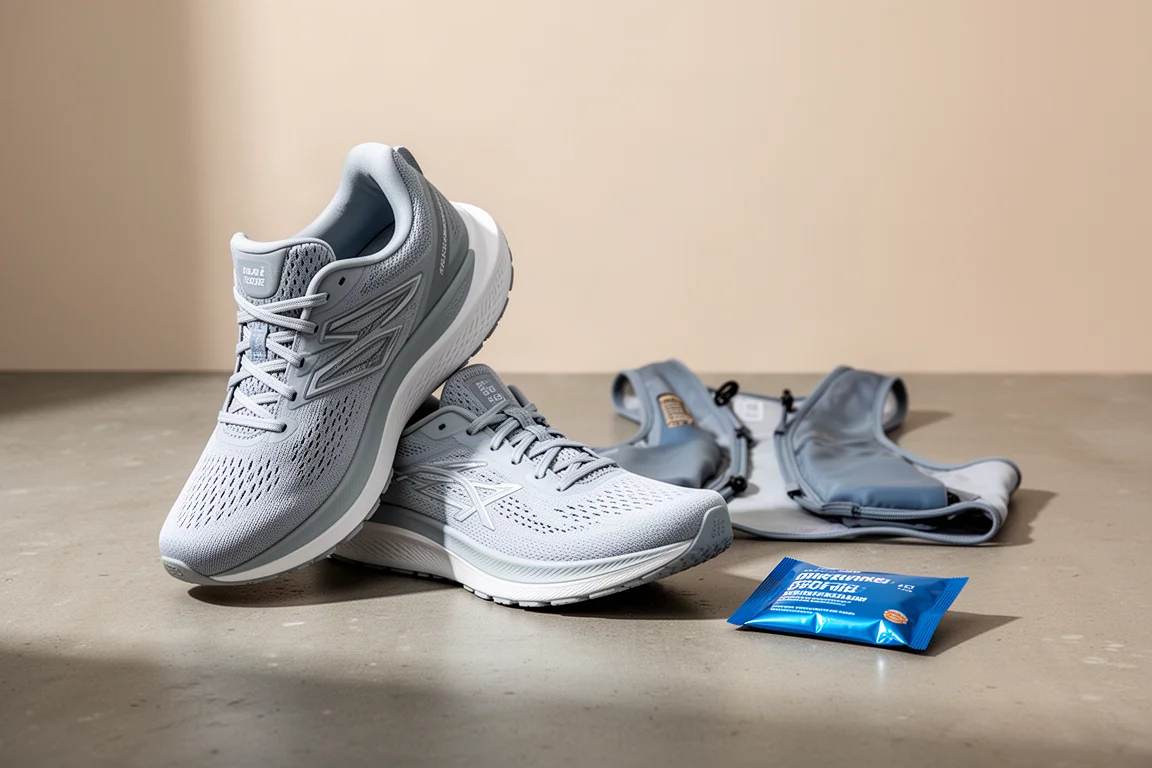
Introduction
Some gear debates never get settled, and that is exactly why they are worth revisiting. In this edition of This or That, we pit closely matched products against each other and pick a side for each, with honest reasoning about who each choice actually suits. Racing shoes, super trainers, daily trainers, hydration, and even cross-training all get their moment.
Newton Carbon Fiber vs Puma Deviate Nitro Elite 2
The Newton Carbon Fiber is an interesting shoe. It keeps the brand’s signature lugs, but in a less aggressive form, so it feels smooth rather than punchy. The midsole is firmer but responsive, and oddly it worked best not for all-out racing but for easy runs and slightly uptempo efforts. For marathon and ultramarathon use, it is genuinely appealing; for 5K to half marathon racing, it does not move quite fast enough.
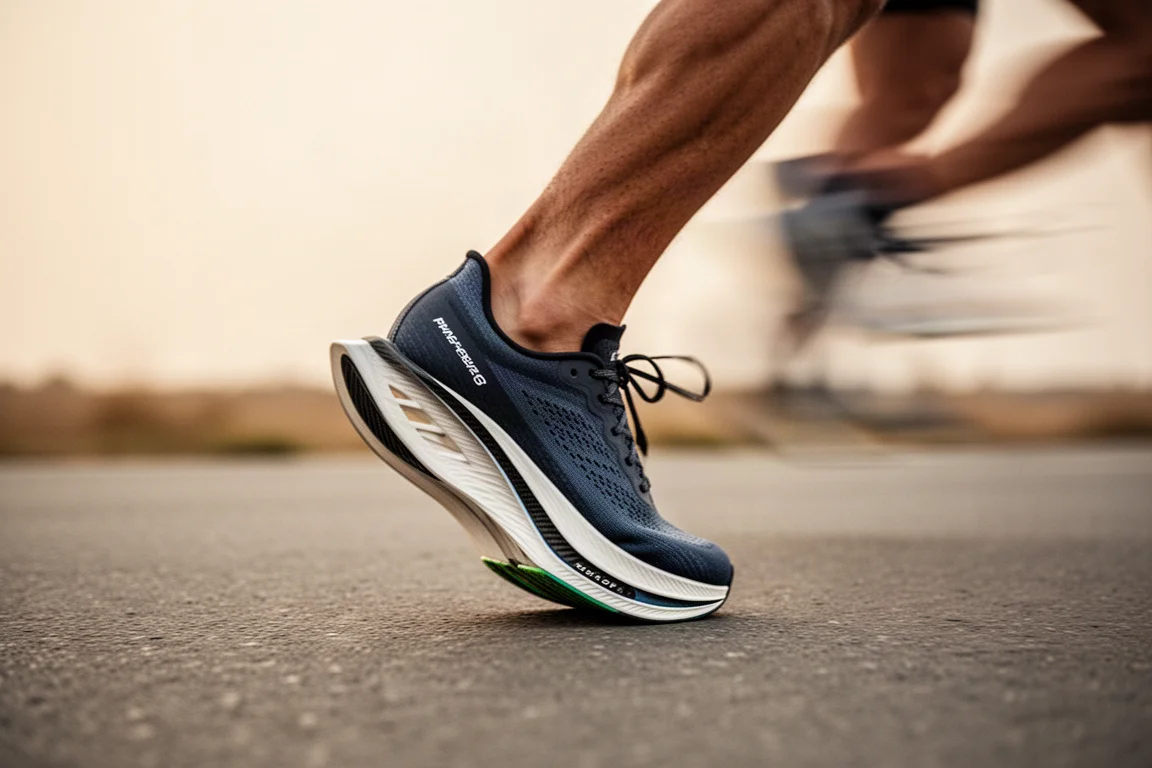
The Deviate Nitro Elite 2 is a well-built racer, but the changes to the geometry and upper, including more toe spring and a tighter fit, did not work for everyone. If the fit suits your foot, it remains a very fast option; if not, the Newton Carbon Fiber, which fits beautifully, becomes the easier choice. For most faster racing, though, the more moderately stacked racer wins here.
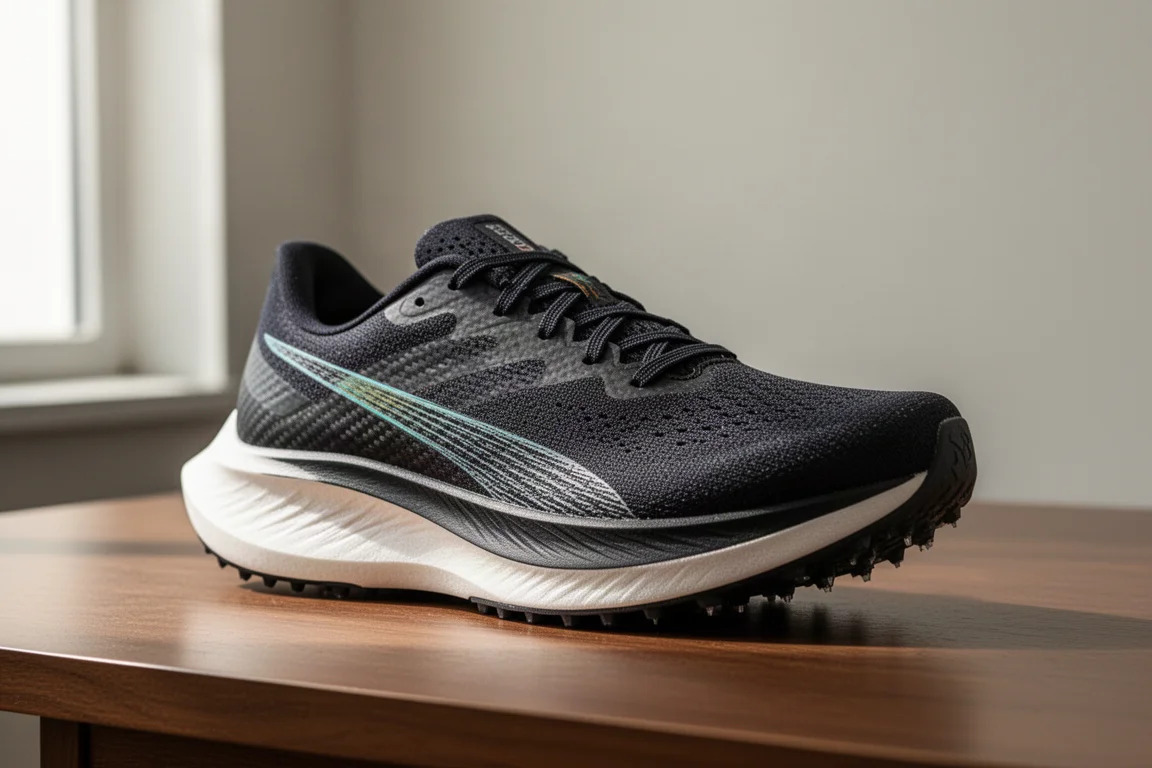
The Deviate Nitro Elite 2 rewards runners whose feet agree with its snug volume and pronounced toe spring, and in that case it can absolutely outpace the Newton over shorter distances.
Saucony Triumph 22 vs Asics Superblast
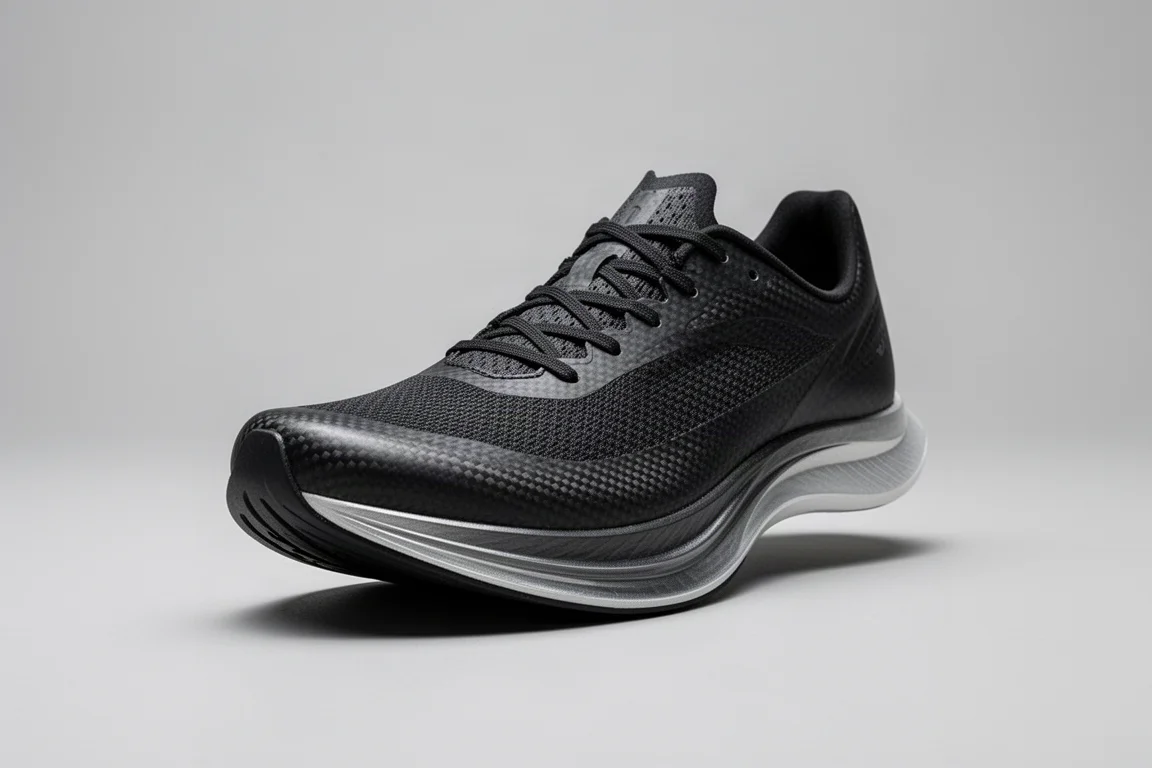
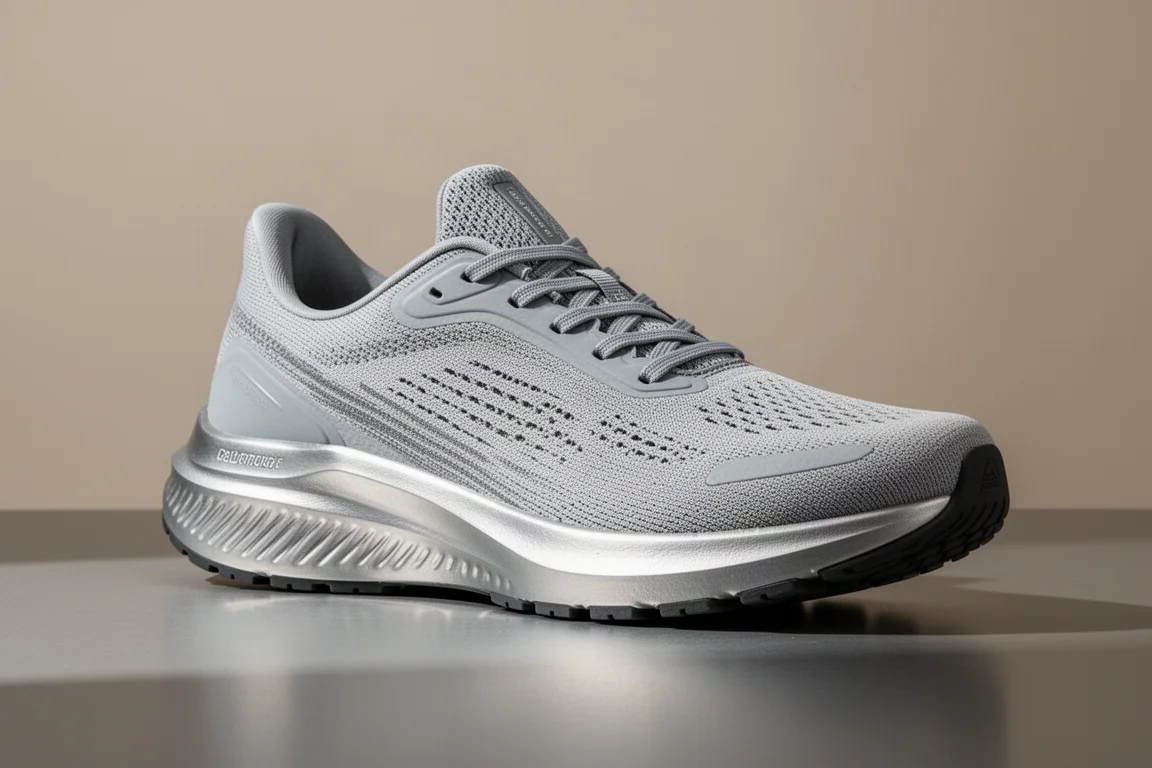
The Triumph 22 is a complete overhaul: it was the first premium neutral shoe to move to a full super foam midsole, tuned for easier efforts with a thick, durable upper and a wider midfoot than its predecessor. It shines at easy and recovery pace, with a soft step-in feel that makes cruising miles genuinely pleasant. It comes in heavier and with a bigger heel stack, so it is squarely a daily trainer.
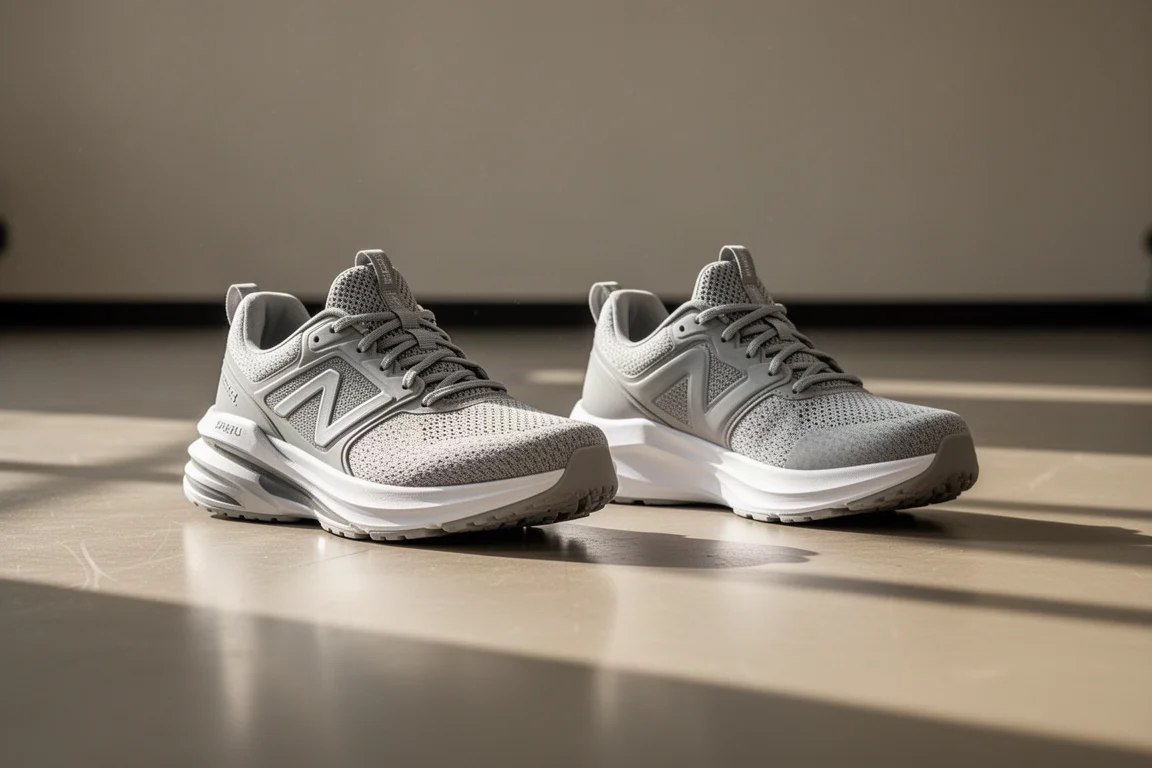
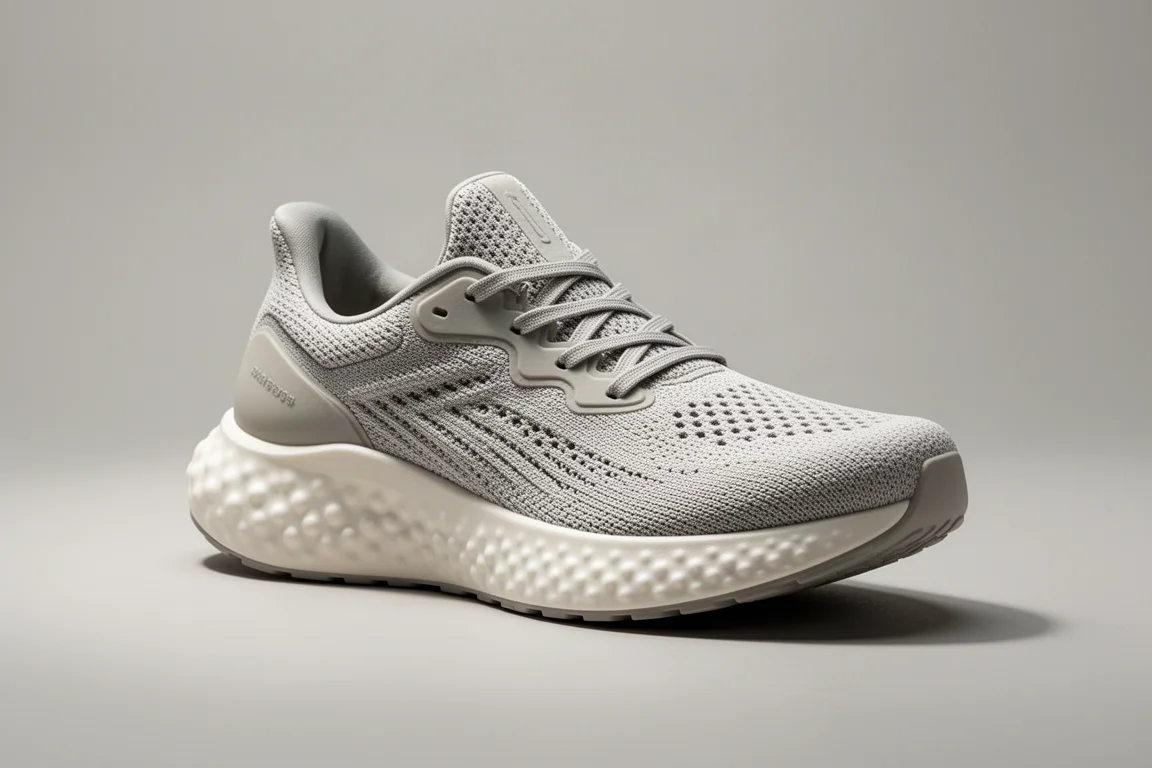
The Superblast is the versatility pick. It is around two ounces lighter, has a thinner lightweight upper, and can handle easy days, uptempo work, and long runs with tempo mixed in, effectively replacing two or even three shoes in a rotation. If you run mostly easy mileage, the Triumph 22 is the better value; if you want one shoe that does nearly everything, the Superblast earns its premium despite costing roughly $40 more.
The Super Trainer Question: Asics Neo Vista
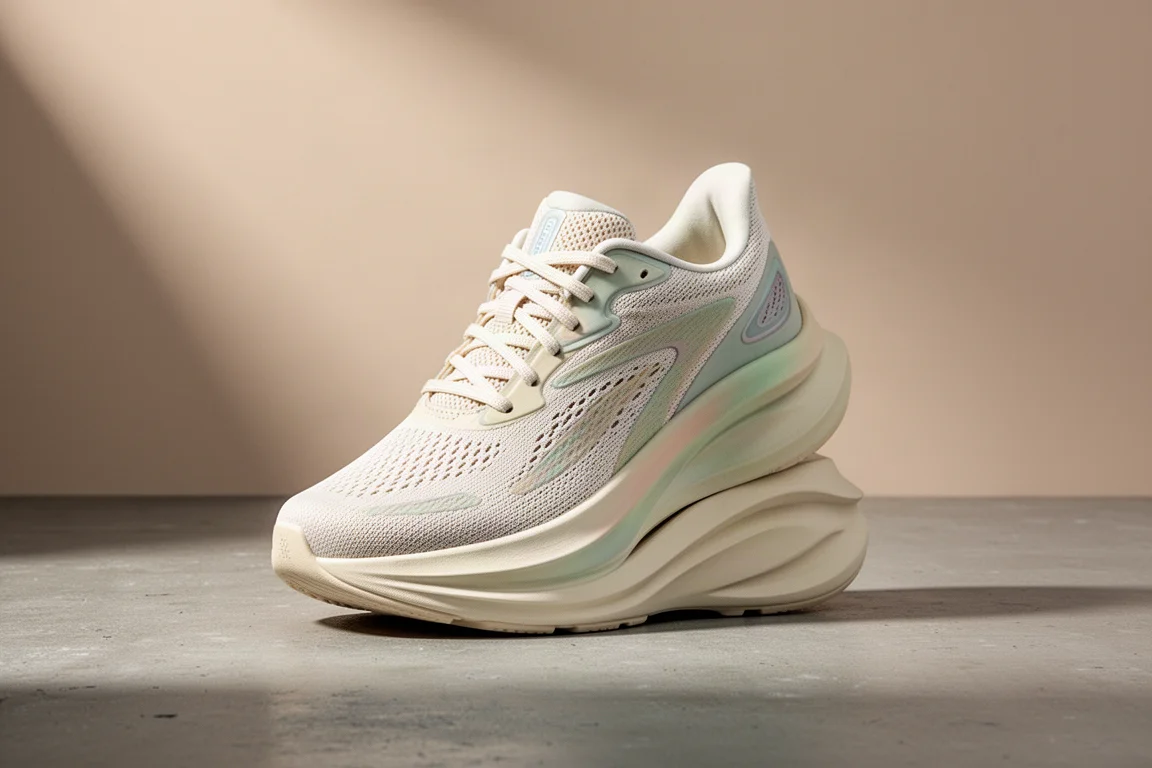
Zooming out, the super trainer category raises a value question of its own. Some super trainers land at $250 to $300 and do not always justify that price, which is why premium daily trainers like the Triumph, Glycerin, 1080, and Nimbus often represent better value at the $150 to $170 range. The Neo Vista is one of the easy exceptions. It is versatile, comfortable, and a shoe we would confidently reach for, proving that a great super trainer does not need a PEBA-based midsole to deliver excellent underfoot feel when foam, plate, and geometry all work together.
Saucony Mach 6 vs Topo Cyclone 2
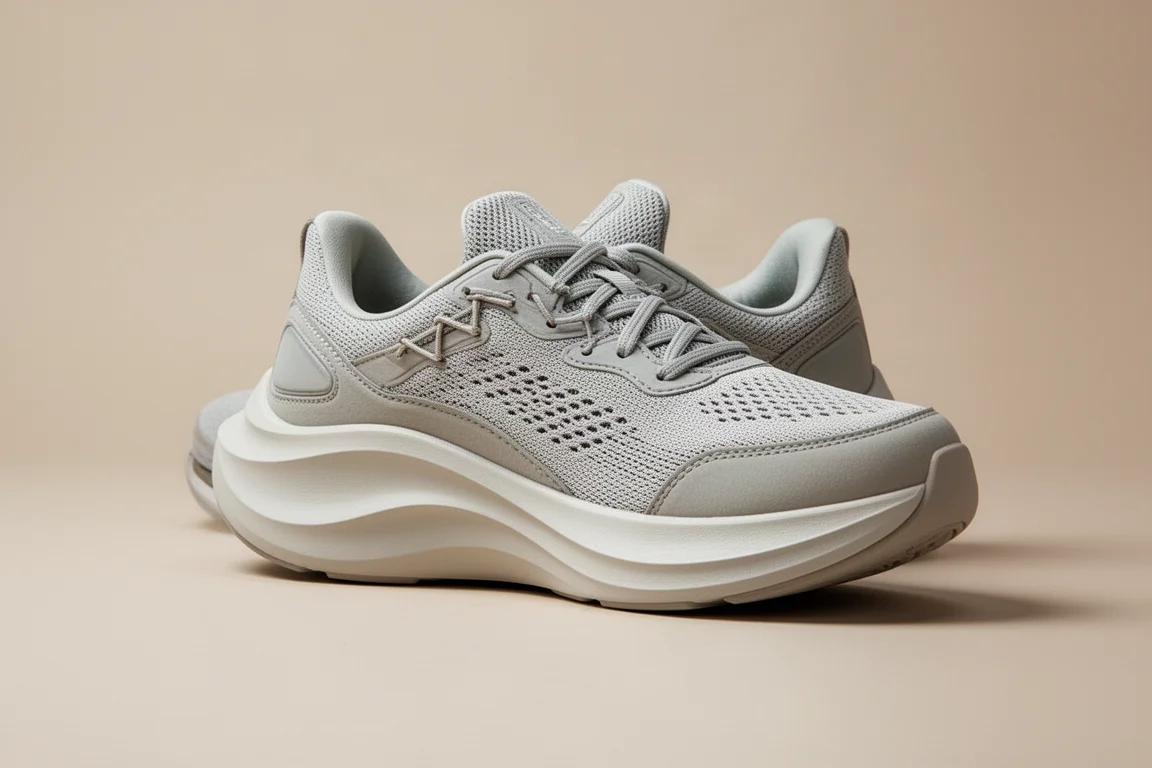
The Mach 6 is the best version of this shoe yet. Despite an EVA midsole, it is snappy underfoot, runs with a smooth flow, and shows excellent durability with thicker rubber and a long-lasting upper. The main caveat is fit: the volume is low and the shoe fits short, so thick winter socks are out, and a wide version would be a genuine contender for trainer of the year.
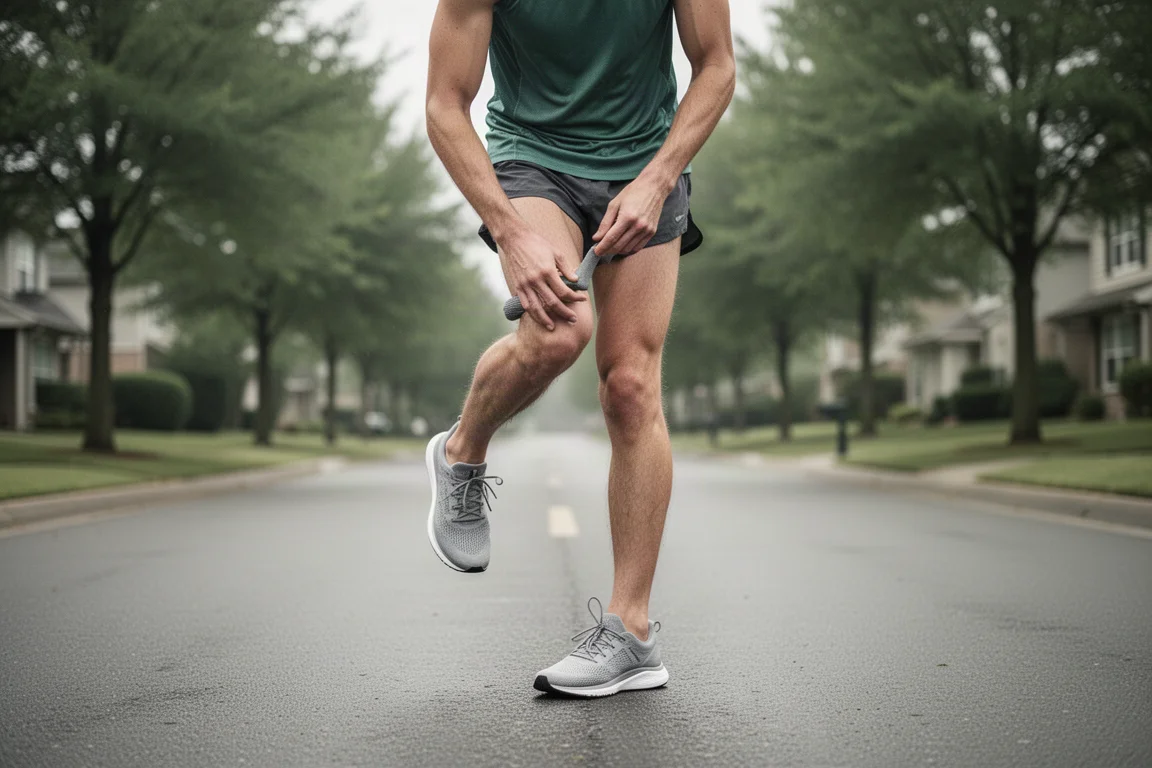
The Topo Cyclone 2 offers full-length PEBA foam, a lightweight build, and the ability to function as both a lightweight trainer and a racing flat, but its toe spring felt like too much for easy running. The Cyclone 2’s wide anatomical toe box is the deciding factor for runners who prioritize forefoot room, while the Mach 6 wins on stability, durability, and versatile ride.
Hydration Vests and High-Calorie Drinks
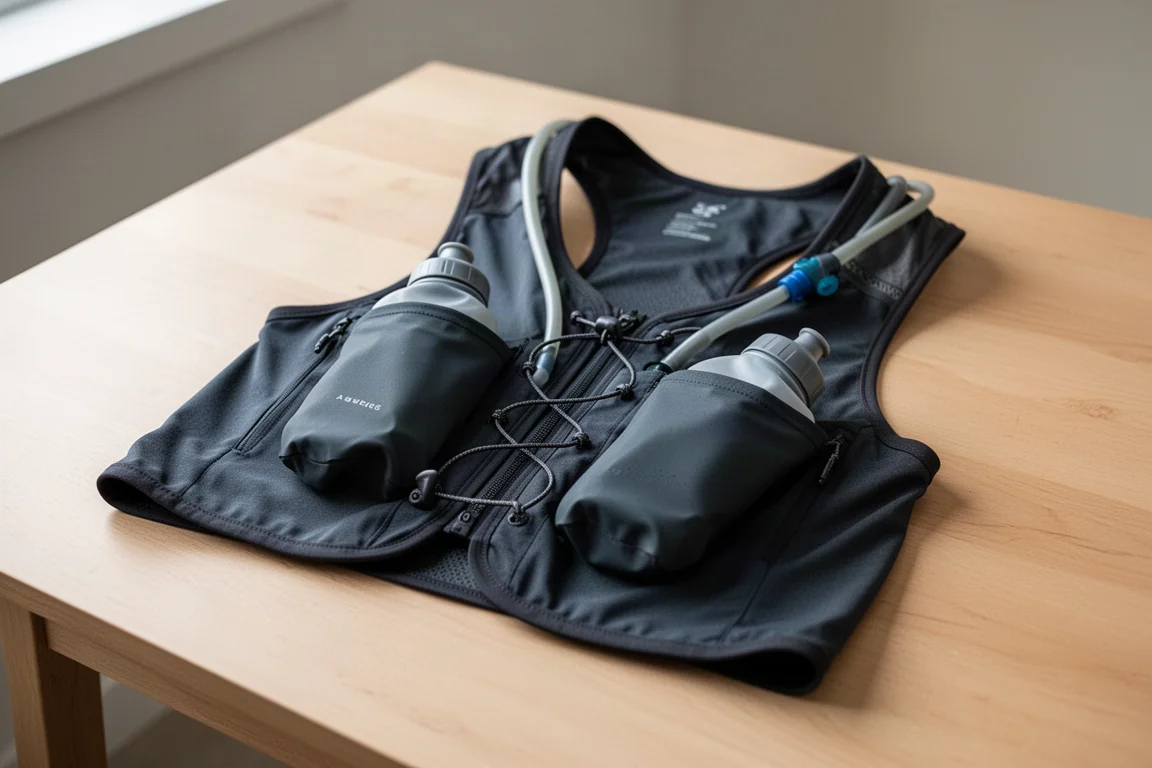
For carrying fluids, the vest beats the handheld bottle, even on short runs. Soft flasks eliminate the sloshing and asymmetrical gurgle of a handheld bottle, and the Nathan Pinnacle Vest is a standout: comfortable, well-built, and trusted enough to hand to an ultrarunner training for a 100K. A CamelBak vest is another comfortable, reliable option worth considering.

On nutrition, high-calorie drink mixes beat gels for most runs because you get calories and fluid together from a single source. Maurten 360 is the favorite here, tasting pleasantly like lightly sweetened water, with gels kept on the side only as a supplement when you need a quick top-up.

Cross-Training: ElliptiGO vs Cycling
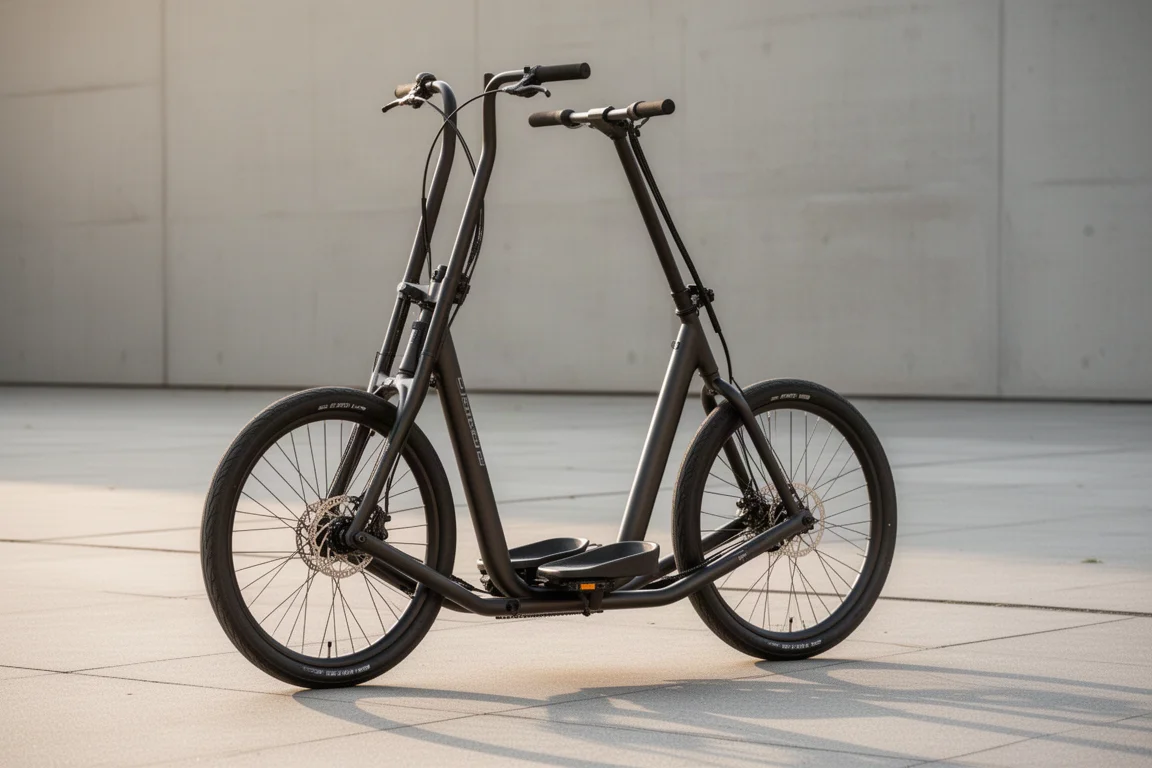
When injury forces a break from running, the ElliptiGO wins hands down for the running-specific athlete. You stand upright, avoid deep hip flexion, and can actually push your heart rate up, which is hard to achieve on a bike without cranking hard. It has been used for intervals twice a day during injury comebacks, and it makes cross-training genuinely fun. The honest caveat is price: entry models start around $2,500 to $3,000, so if budget is the deciding factor, a well-fitted bike is the more affordable route.
Overall Buying Advice
Three takeaways cut across all of these matchups. First, shoe volume matters more than width alone, because a low-volume shoe can feel tapered even with a wide toe box. Second, if you need support, choose a stability shoe designed with stability in mind rather than bolting on an aftermarket insole; the exception is a prescribed orthotic or a temporary supportive insole during something like a plantar fasciitis flare. Third, when possible, buy from a knowledgeable running shoe store where you can try shoes on your feet, and use reviews to walk in with good ideas. And finally, given the choice, a year of consistent healthy running beats a single PR followed by injury every time.
Conclusion
Most of these debates come down to fit, speed, and budget rather than a universal winner. The Newton Carbon Fiber suits longer efforts, the Deviate Nitro Elite 2 rewards the right feet over shorter races, the Superblast is the versatile pick while the Triumph 22 is the easy-mileage value pick, the Neo Vista proves super trainers do not need PEBA, the Mach 6 edges the Cyclone 2 on durability, the Nathan Pinnacle Vest beats any handheld, Maurten 360 makes fueling effortless, and the ElliptiGO is the cross-training tool worth the splurge. Match the product to your actual running, and the right answer usually becomes obvious.
Further reading
Related Reviews
Running Gear
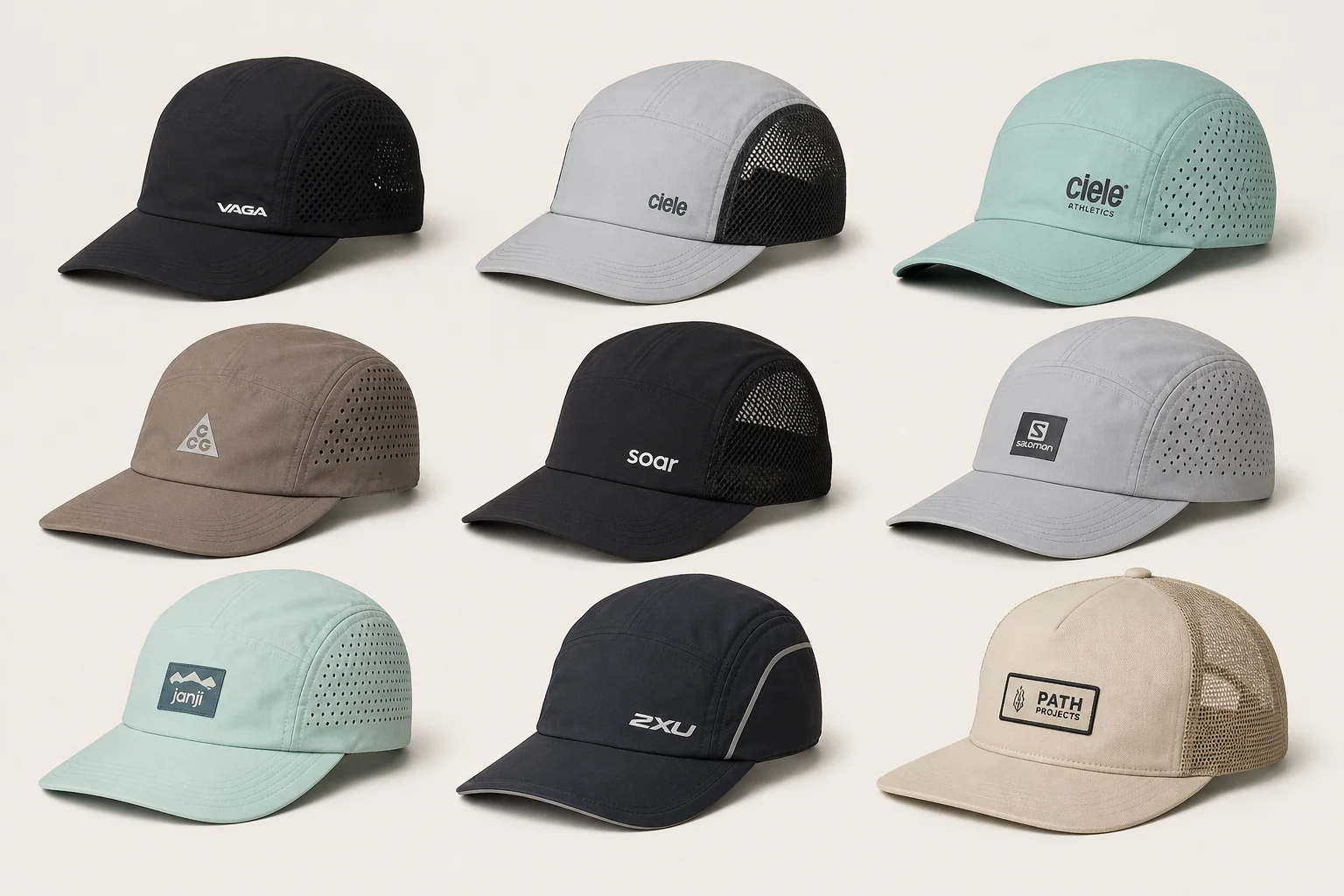
Best Running Caps 2026: Nine Tested Options for Summer and Winter
A comprehensive guide to nine running caps tested across different conditions, from lightweight summer options to waterproof winter choices.
Running Gear
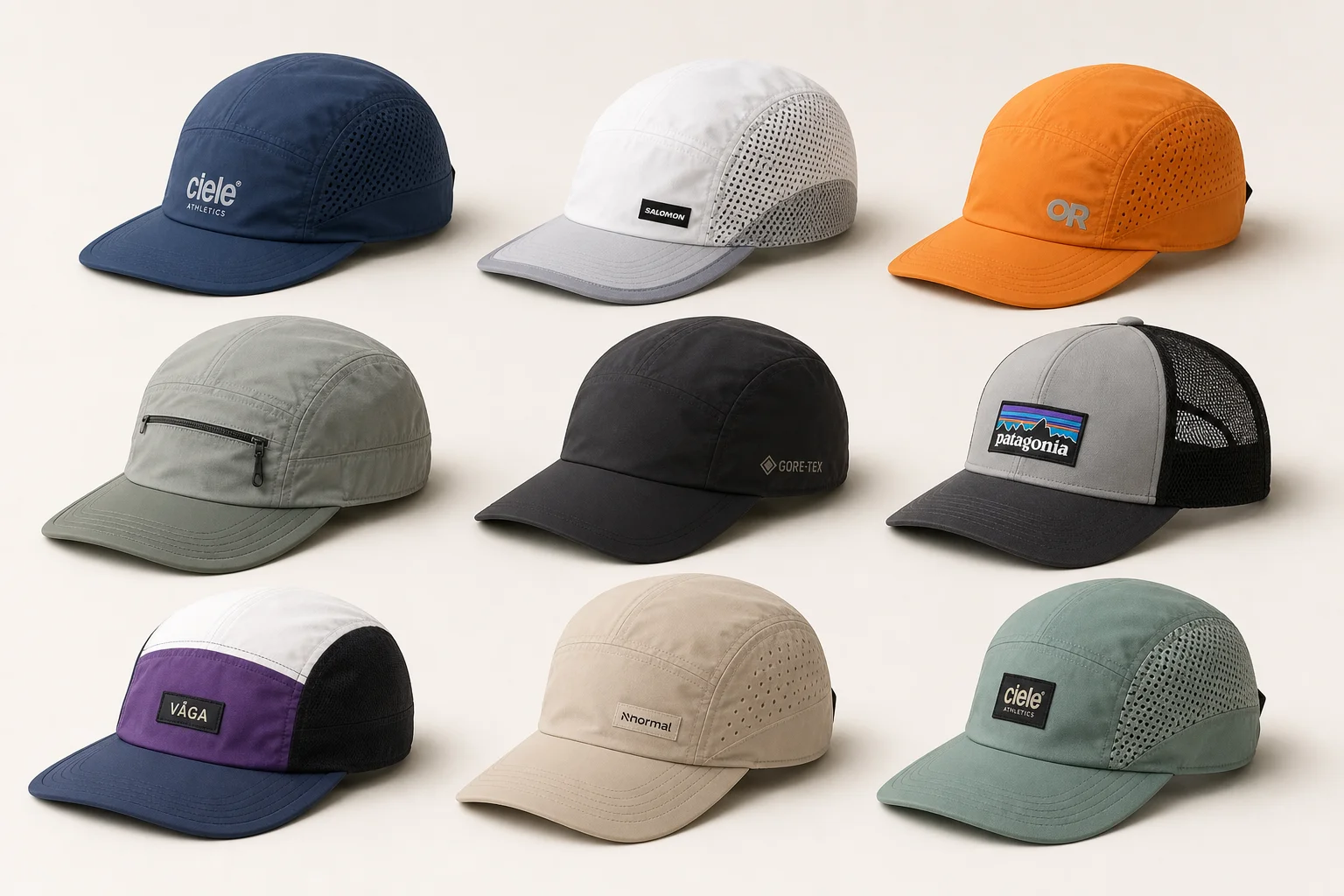
Best Running Caps: A Guide to Summer and Winter Options
A comprehensive review of nine running caps for different conditions, styles, and preferences, from lightweight summer options to waterproof winter choices.
Running Gear
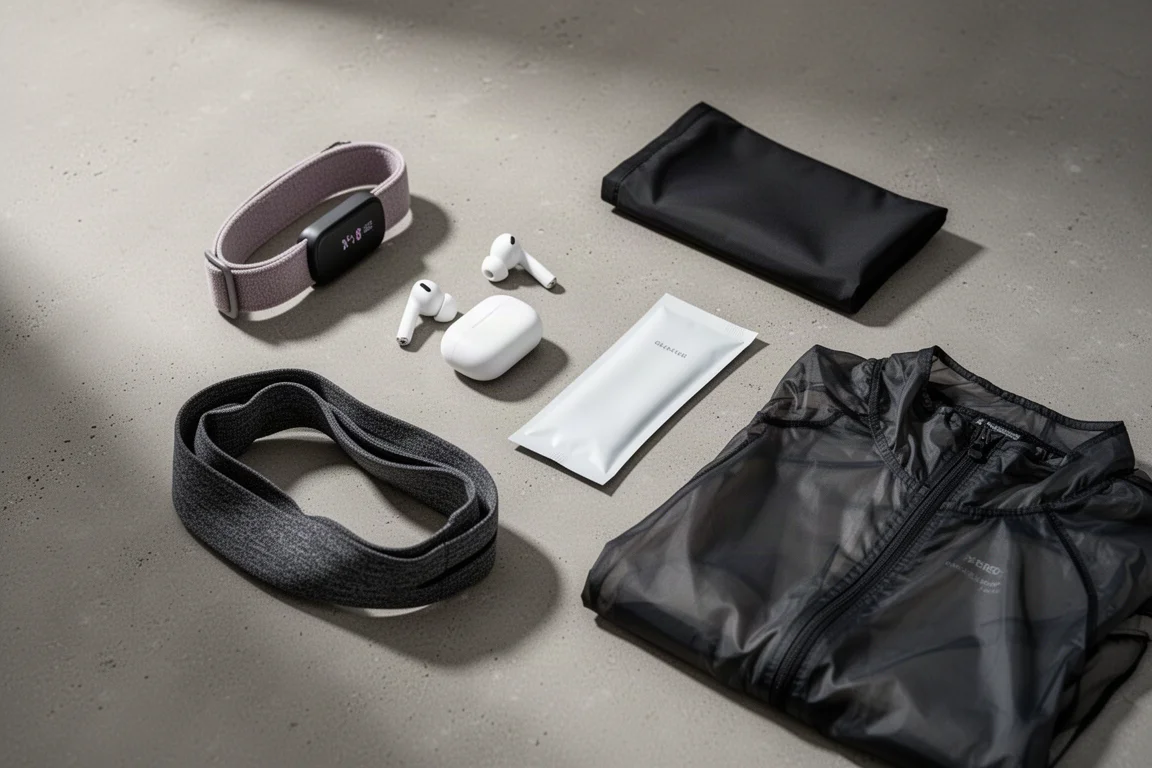
Best Running Gear 2026: Five Picks That Earn Their Place
Five running upgrades covering heart rate, audio, fuelling, carrying and weather protection, with the trade-offs worth knowing before you buy.