Recovery
Therabody Jet Boots vs Recovery Air Pro: Which Compression Boots Are Worth It?
A hands-on look at Therabody's wireless Jet Boots and how they compare against the more expensive Recovery Air Pro for everyday runners.
Introduction
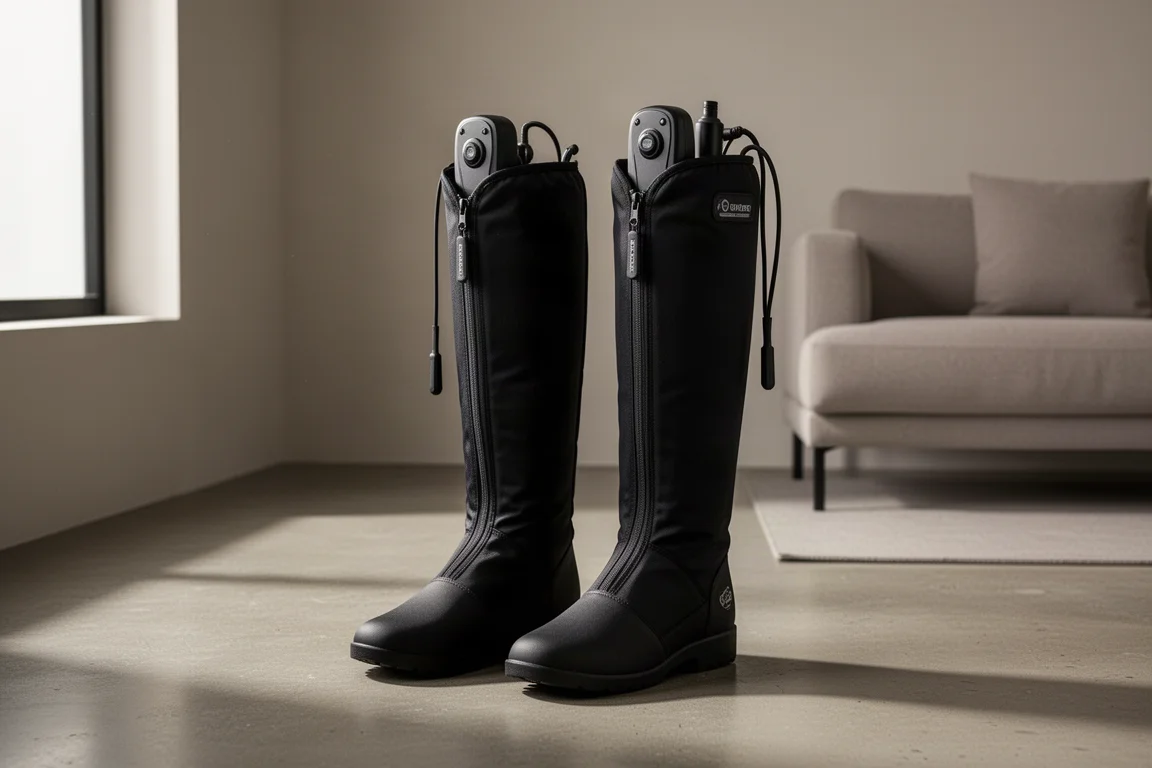
Compression boots have been creeping out of physio clinics and sports labs and into runners’ living rooms for a few years now. Therabody’s Jet Boots push that shift further than most, ditching the cables and external pump that made earlier systems feel cumbersome. This review looks at how the wireless Jet Boots stack up against the more expensive Recovery Air Pro, whether the Jet Boots justify their £799 price tag, and who should actually buy each.
Key Specs and Design
The Jet Boots retail at £799 in the UK, or just shy of $900 in the US. They come in three sizes (small, medium and large) covering users from five foot up to six foot six. A single small boot weighs 1.86 kg, the medium just under 2 kg, and the large bang on 2 kg.
The pressure range is adjustable from 25 to 100 mmHg in 25 mmHg steps, and time presets run at 20, 40 and 60 minutes, plus a continuous mode. Battery life is rated at four hours per charge, which matches what we experienced. The boots pair to each other and to the Therabody app over Bluetooth.
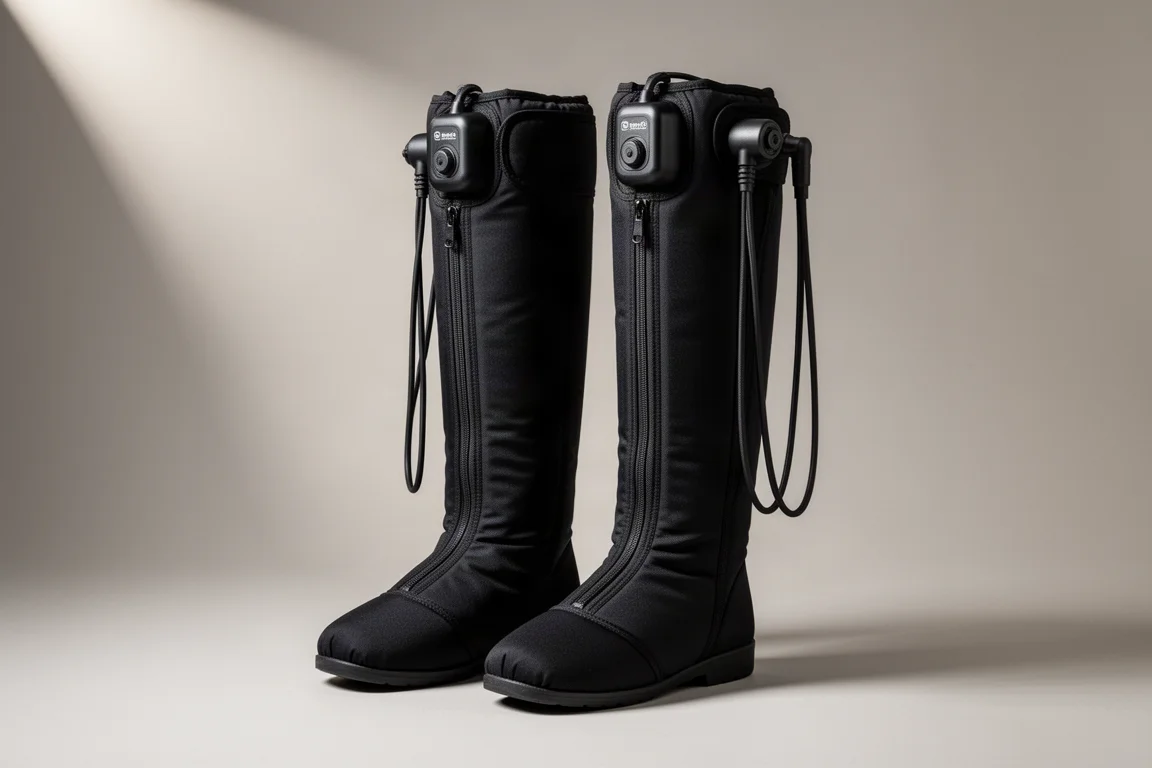
Two design choices set them apart from most earlier systems. First, they are completely wireless: the pump is built into each boot, so there are no cords running to a wall socket or a separate unit. Second, they use sequential compression, meaning the chambers fill starting at the foot and move up the leg, following the body’s natural circulatory flow. Many competing boots simply inflate all at once around the whole leg.
What Compression Boots Actually Do
The core idea is a circulatory boost. Compression temporarily increases blood flow to targeted areas, helping move metabolic waste out of the legs faster after hard training or a long day of sitting still. The claimed benefits are familiar to anyone who has run a marathon: reduced delayed onset muscle soreness, less swelling and stiffness, and a faster recovery from muscle fatigue.
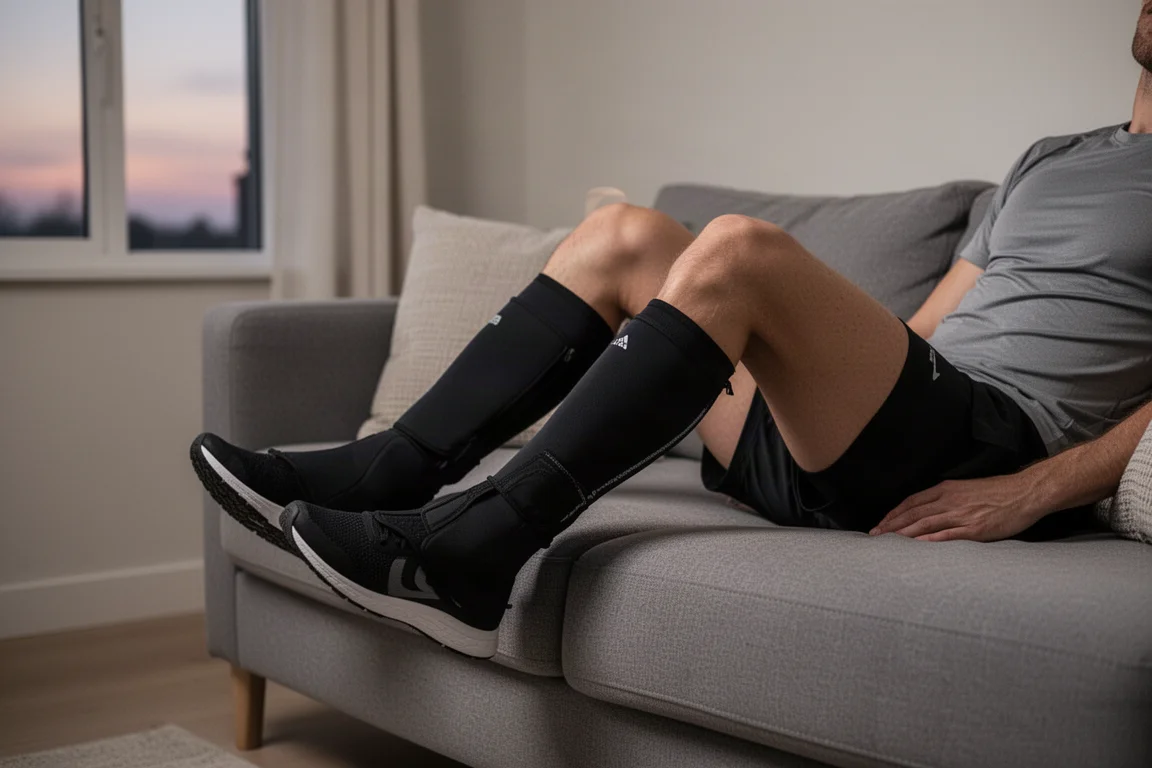
Compression as a category has a reasonable amount of supporting research behind it, whether that is pool running, lying with your legs elevated, wearing compression tights after a run, or a classic sports massage. Boots are simply a more targeted, higher-pressure version of the same principle.
Everyday Practicality
The Jet Boots are a major step forward in portability. With the Recovery Air Pro, the setup felt like something to retreat to a bedroom for, lying flat with space to spread out. The Jet Boots are sofa-friendly, easier to put on, easier to move around in, and much easier to stash.
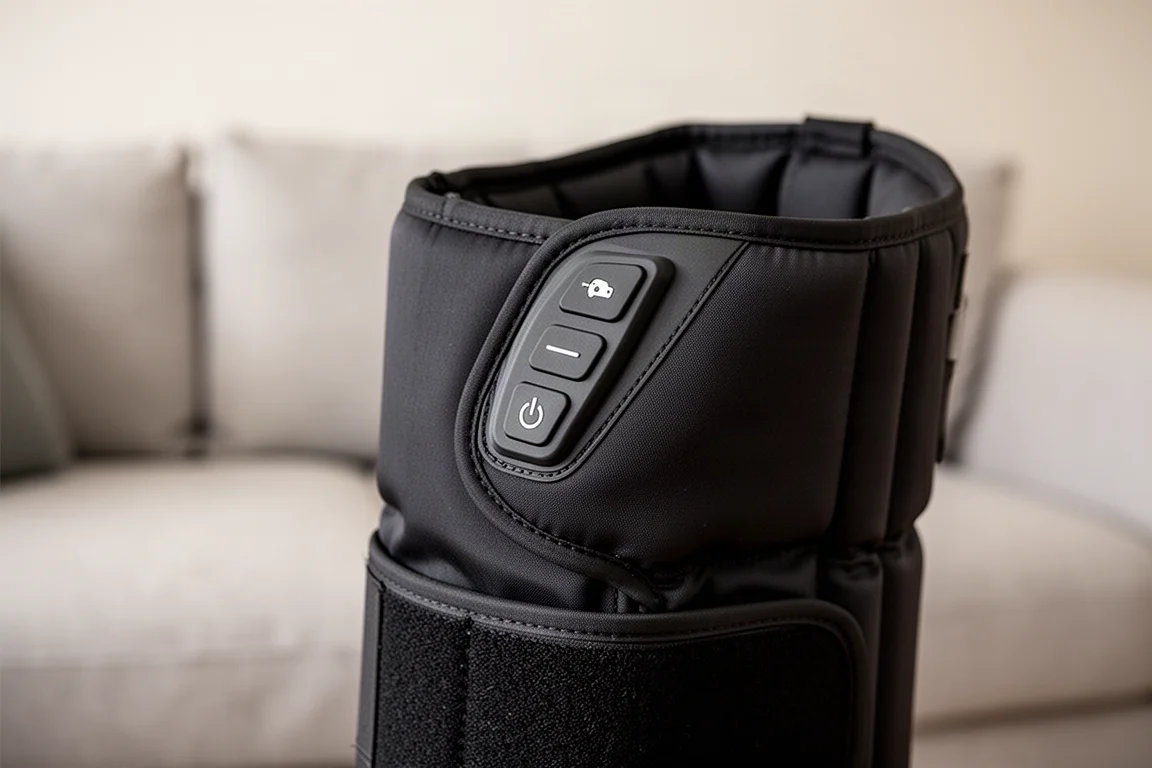
The on-boot controls are a highlight. One set of controls sits on the top of each boot, and once paired over Bluetooth, either can control both boots. Powering on, adjusting time and pressure, hitting play, and pausing mid-session are all simple and intuitive. Small touches help too: large pull cords on the zips make them easy to reach at the bottom of the boot when you are exhausted after a long run, and the seamless interior lining is easy to wipe clean and discourages bacteria buildup if you switch between users.
Two downsides: they are a tad noisy, in the same way the Recovery Air was, so expect some side-eyes if you wear them during an evening of Netflix. And they are heavy for travel, at around 4 kg for the pair.
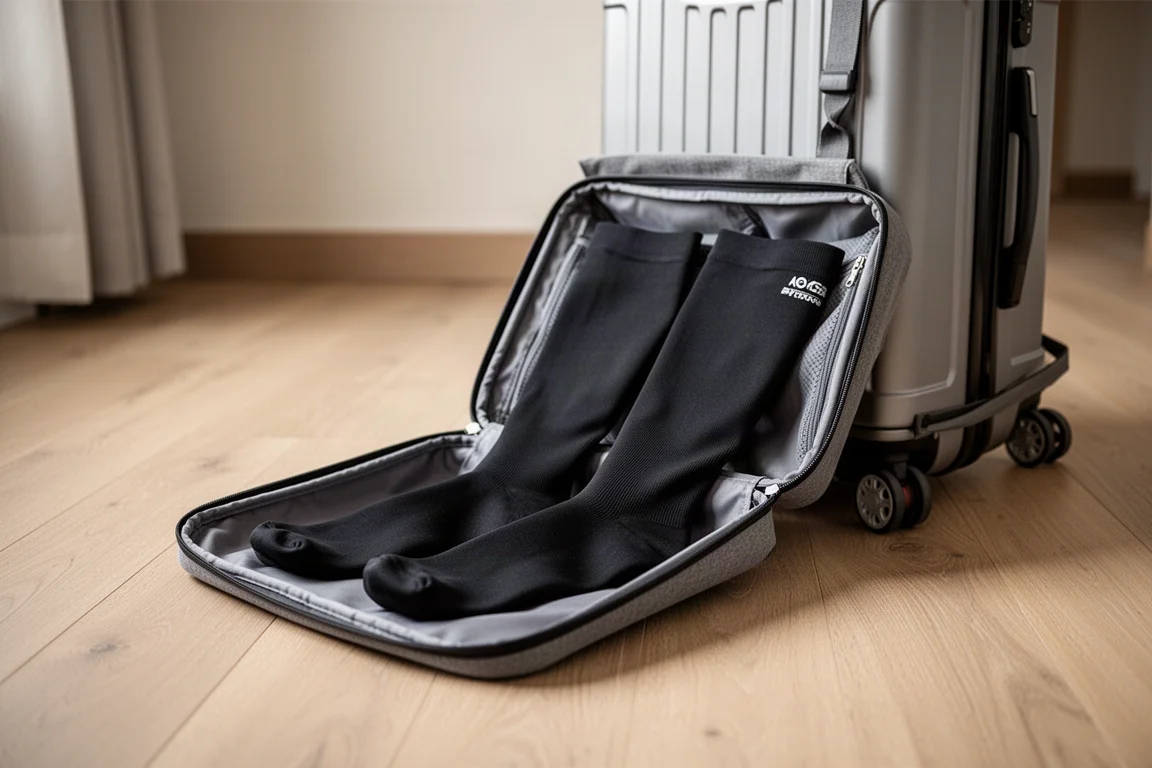
On travel: they can go in hand luggage with the batteries, or in the hold, and they pack down reasonably, but they still take real space and weight in a suitcase. For a city marathon weekend it is probably not worth it; for an ultra, where the benefit afterwards will be much greater, they are easier to justify.
How They Feel and Whether They Work
The sensation is a bit like a blood pressure cuff pumping up over your whole leg, though never quite as tight. The compression moves section by section from foot up through calves to quads over about 60 seconds before releasing and restarting the cycle. Pressure is easy to dial in, and more is not necessarily better; getting a feel for your own body matters.
Compared with the first-generation Recovery Air, the on-leg experience feels very similar, which is a good thing given the price gap of the Jet Boots. Do they work? They are not a silver bullet, and recovery still starts with refuelling, hydration and sleep. But they slot neatly into that wider system. After 40 minutes in the boots following an 18-miler, some flexibility returned and stiffness eased, and after each session the legs felt instantly lighter with some soreness diminished. The sensation itself is pleasant and relaxing, a little like a sports massage in the sense that you can feel something positive happening.
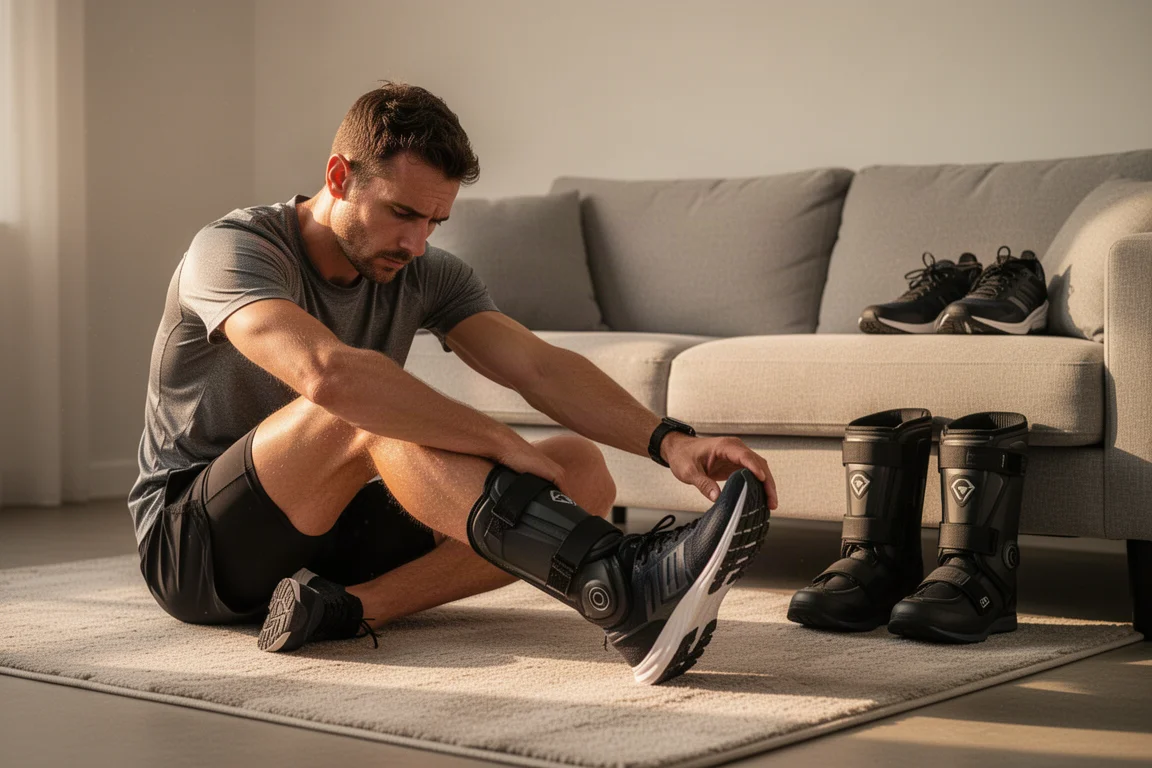
They also do a far more targeted, higher-pressure job than compression tights or a bit of easy jogging, and they deliver a more satisfying sense of relief for tired legs.
Jet Boots or Recovery Air Pro?
For most runners, the Jet Boots will be ample. They are more accessible, more portable, more user-friendly and simply easier to adopt into a daily routine than the Recovery Air Pro, and that is exactly what makes a recovery tool effective.
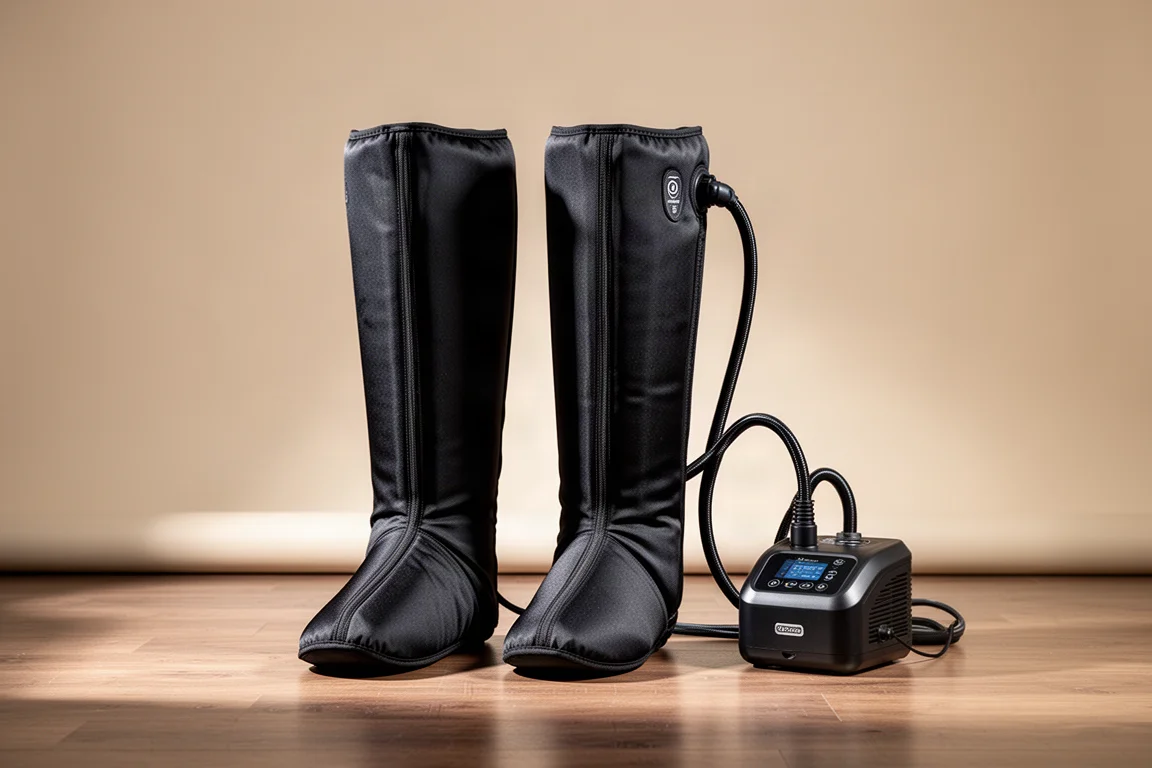
The Recovery Air Pro makes sense if you want finer control over gradated pressure, more programs, and extras like remote sessions a therapist can send to the boots. If you are serious about your sport and want to personalize every detail of your recovery, that extra control up the chain is where the higher price goes. For everyone else, put the Jet Boots on, pick 20, 40 or 60 minutes, and get on with it.
At £799 they are not cheap, but framed against the £40-£50 cost of a sports massage in the UK, they start to look more reasonable as a one- or two-year investment, especially when more than one person in a household can use them. They are a nice-to-have rather than a must-have, though, and there are cheaper ways to move metabolic waste out of your legs if budget is tight.
Conclusion
The Therabody Jet Boots are a genuine step forward for regular runners: wireless, simple, comfortable to use on the sofa, and effective as part of a broader recovery routine. The Recovery Air Pro remains the choice for those who want maximum control and therapist-driven programs. If you can afford the Jet Boots and would actually use them, particularly for long-run and ultra training, you are unlikely to be disappointed.
Further reading
Related Reviews
Recovery
Bob and Brad Air 2 Mini Massage Gun Review: Compact Power Under $90
A portable, ergonomic mini massage gun with solid power for its size, a simple three-speed interface, and a few trade-offs worth knowing about.
Recovery
Bob and Brad D6 Pro Massage Gun Review: Deep Recovery Power for Runners
A range-topping massage gun with 16 mm amplitude, seven heads, and double the industry-standard battery life, built for serious post-run recovery.
Recovery
Bob and Brad T2 Massage Gun Review: Compact Power for Everyday Recovery
A deeper, quieter massage gun with a larger battery and a well-made carry case, all at an affordable price.