Power Tools
The Cordless Tools F1 Teams Actually Use: What Works Off the Pit Lane
From Snap-On impact wrenches to DeWalt leaf blowers and the air gun F1 still refuses to replace, a practical look at the tools used at the highest level of motorsport and what they mean for your own garage.
Introduction
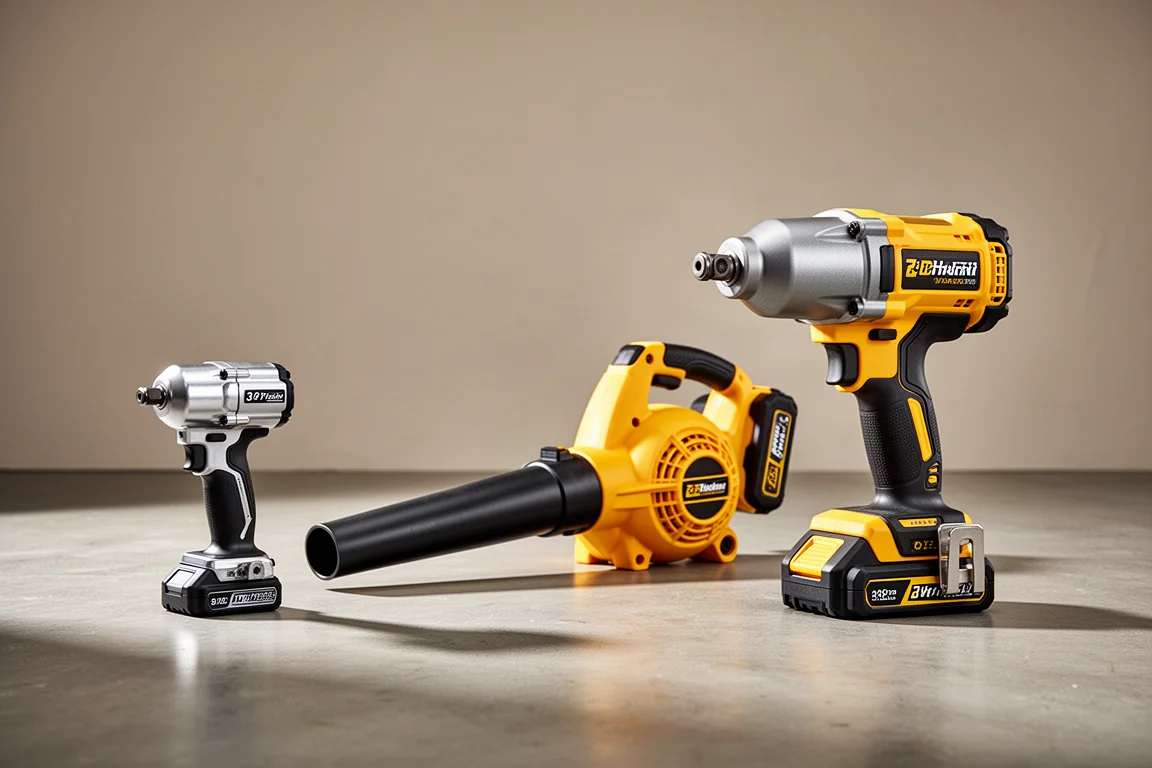
Walk through the paddock at a Formula 1 race and you will spot tools that look a lot like what sits in your own garage. That is the interesting part: the highest level of motorsport relies, in many cases, on the same brands and models you can buy this weekend. But the most critical tool of all, the wheel gun, is going the opposite direction. Formula 2 and even Formula E now use cordless wheel guns during pit stops, while F1 still runs dedicated air-powered guns. We looked closely at what the teams actually carry, why they choose it, and what the performance gap looks like when you put a stopwatch to it.
Hand Tools and the Garage Staples
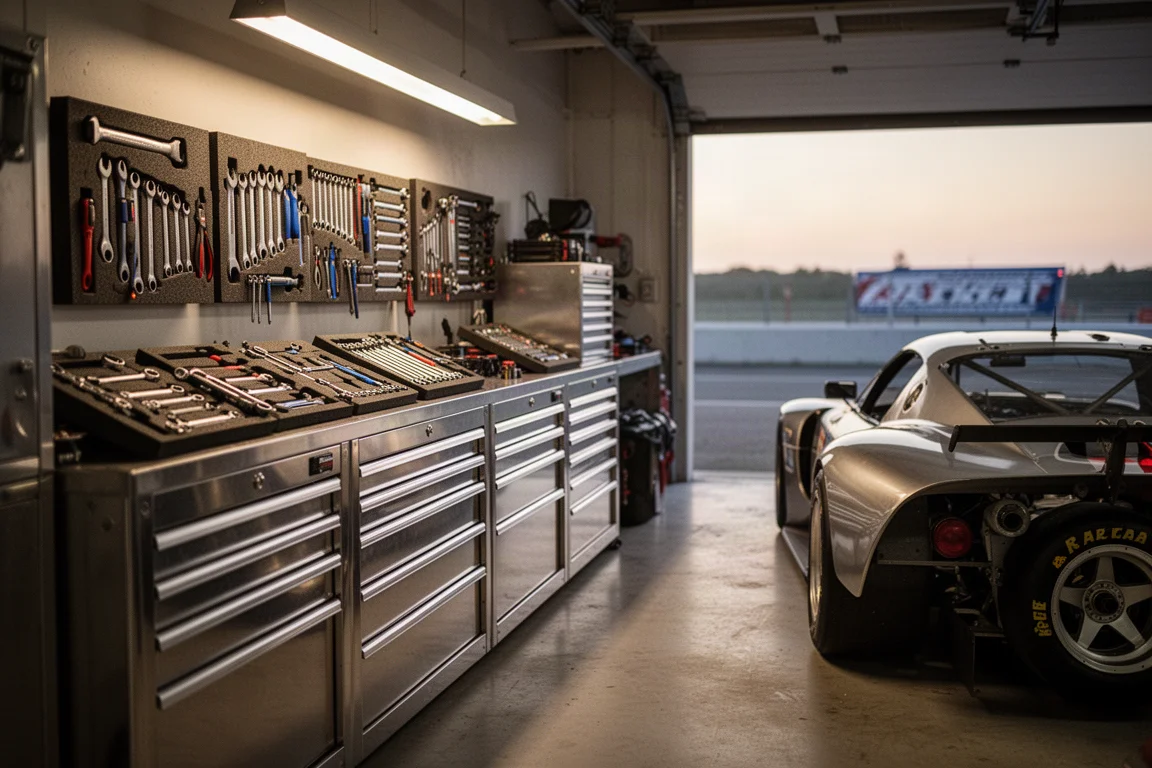
When it comes to hand tools, Snap-On is a constant across the grid. Red Bull uses it everywhere, Aston Martin likes it, and Alpine runs it too. Polish-handled ratchets and comfort-grip variants both showed up, with Mercedes being the only team we spotted leaning on comfort grip. Other hand tools appear in smaller numbers, including T-handles and partnership-branded screwdrivers and wrenches, but Snap-On is by far the most commonly seen hand tool brand, which makes sense for teams that need globally available, easily replaceable tools.
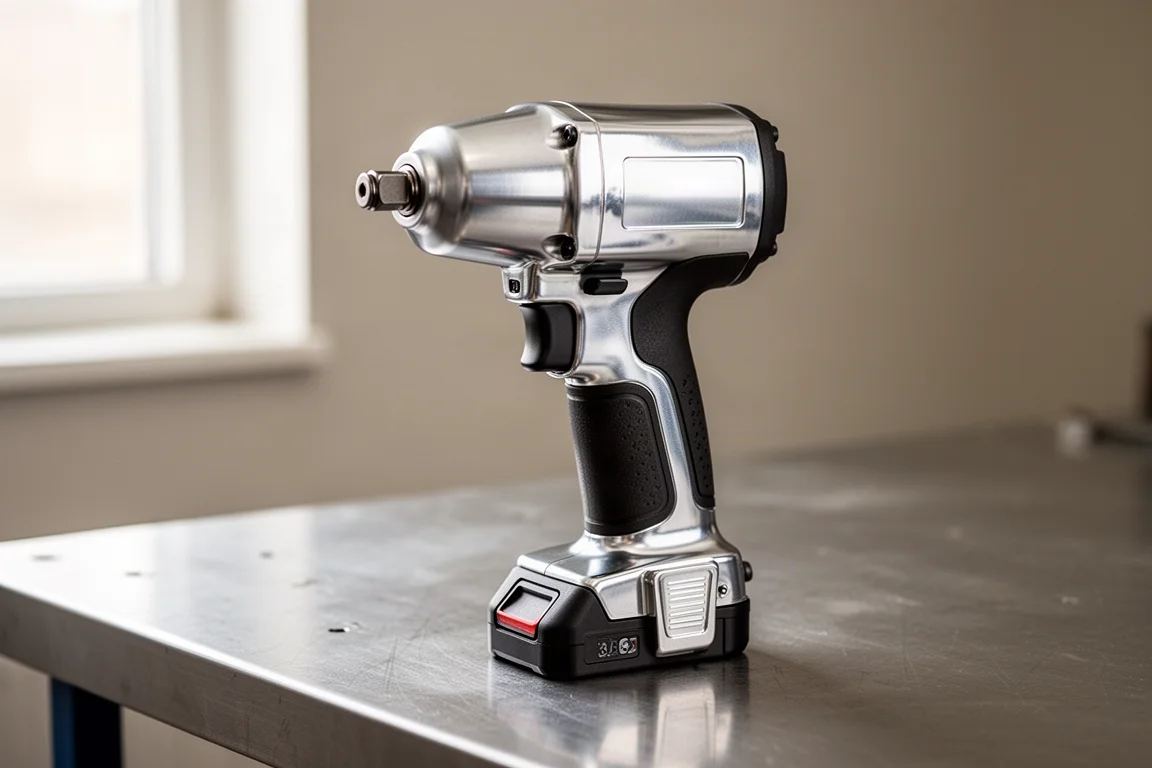
That same logic carries into power tools. Snap-On impact wrenches appear in garages too, and the CT861 stands out for a specific reason: it is small, light, and nimble, with a rockered forward-reverse switch that makes quick work of small fasteners. In an environment where speed and mistake avoidance matter, that control matters more than raw torque.
The Unsung Hero: DeWalt DCBL722 Leaf Blower
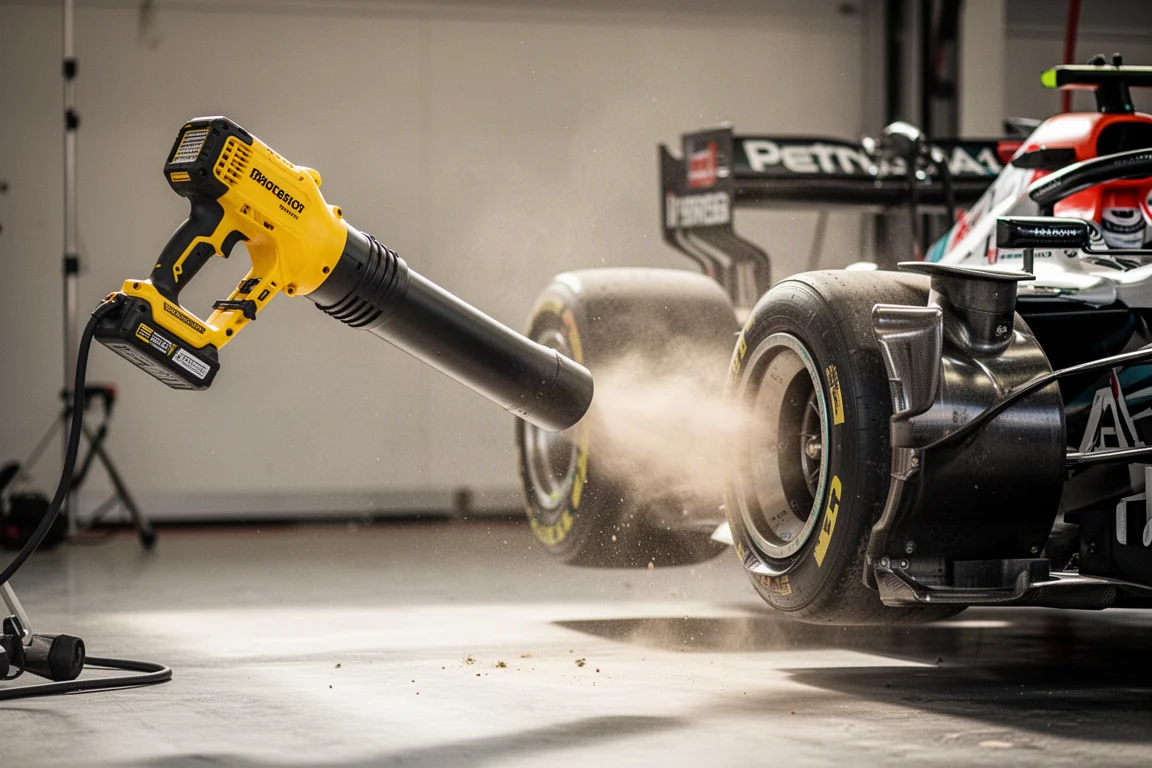
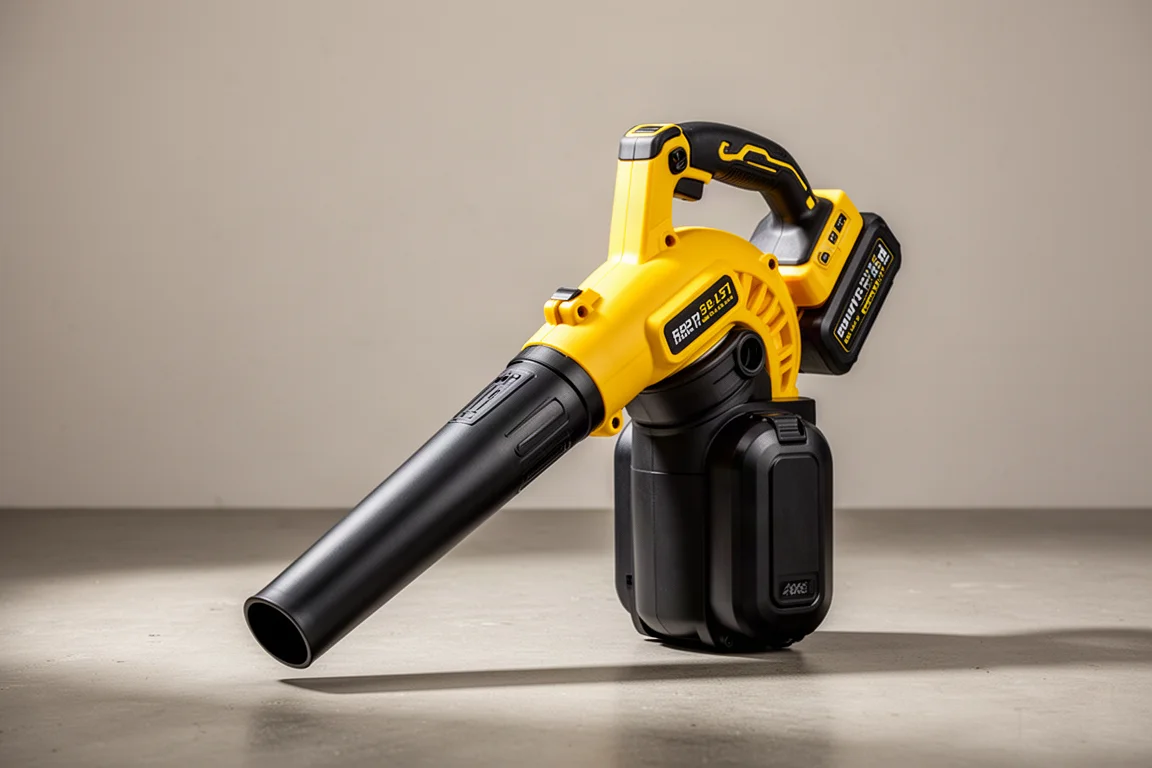
This one surprises people every year. DeWalt is a main sponsor of the McLaren F1 team, and the most-used cordless tool in their garage is basically exclusively the 20V DCBL722 leaf blower. Every team uses blowers to cool brakes, engines, and power units, and this roughly $130 leaf blower works overtime running a 15Ah battery per tool. Those large batteries are around $400 each, and with six blowers handling all the air inlets, that is $2,400 in batteries alone. No leaves are being blown anywhere on the grid.
Blower and Battery Logistics: Makita 18V LXT
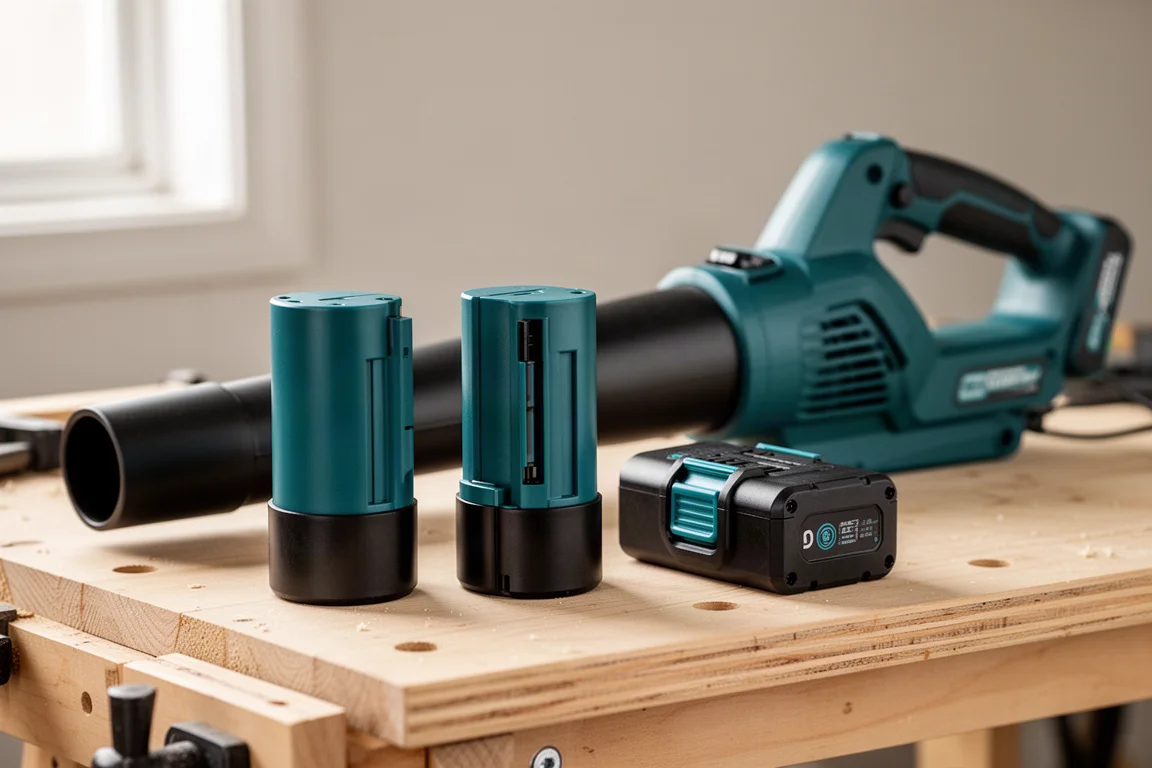
Makita’s 18V LXT platform remains the ever-constant presence in air-moving tools across the paddock. Most teams run the dual-battery 36V models, though some single-battery LXT tools appear as well. There are custom paint jobs and even custom blower bodies from some teams, but even those run on two Makita batteries in parallel. The reason is simple: Makita is universally available around the world, easy to replace quickly and cheaply, which is why teams run 5Ah packs instead of larger options. Plentiful product makes logistics easy.
The Cordless Garage Gun: Milwaukee M18 2867
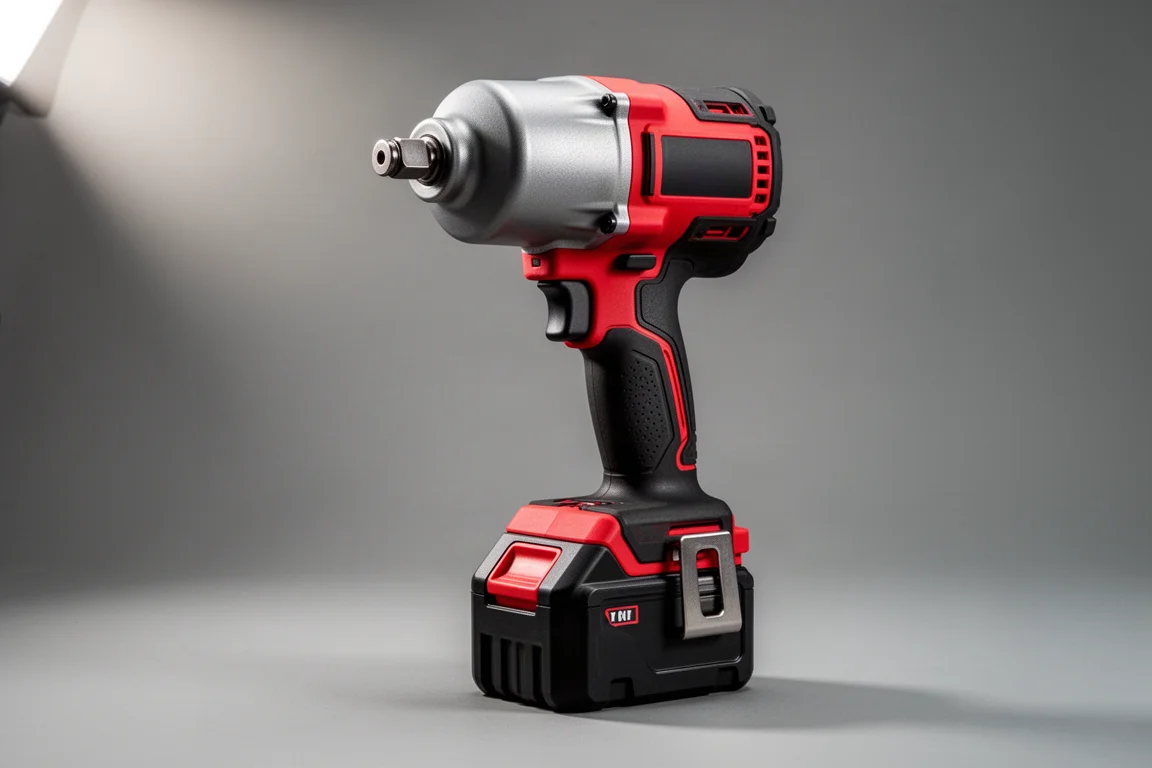
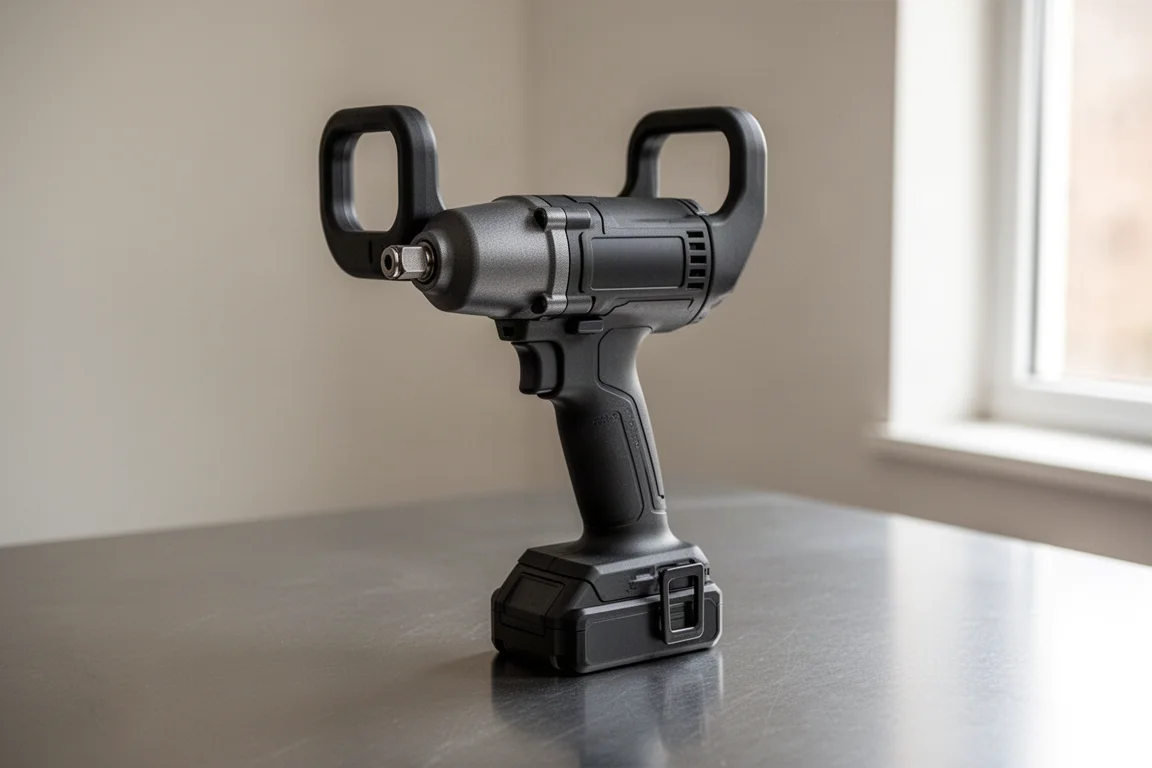
Cordless impact wrenches do get used on the F1 grid, and the model of choice has been the Milwaukee M18 2867, a 1-inch drive pistol impact wrench with a 1,650 RPM top speed. Traditionally, these were used in the garages to fasten wheels in a low-volume, lower-stakes setting where nobody is racing the clock. Interestingly, this year we saw fewer of them in use, with more mechanics starting wheel threads by hand and sending them home with the dedicated pit gun instead.
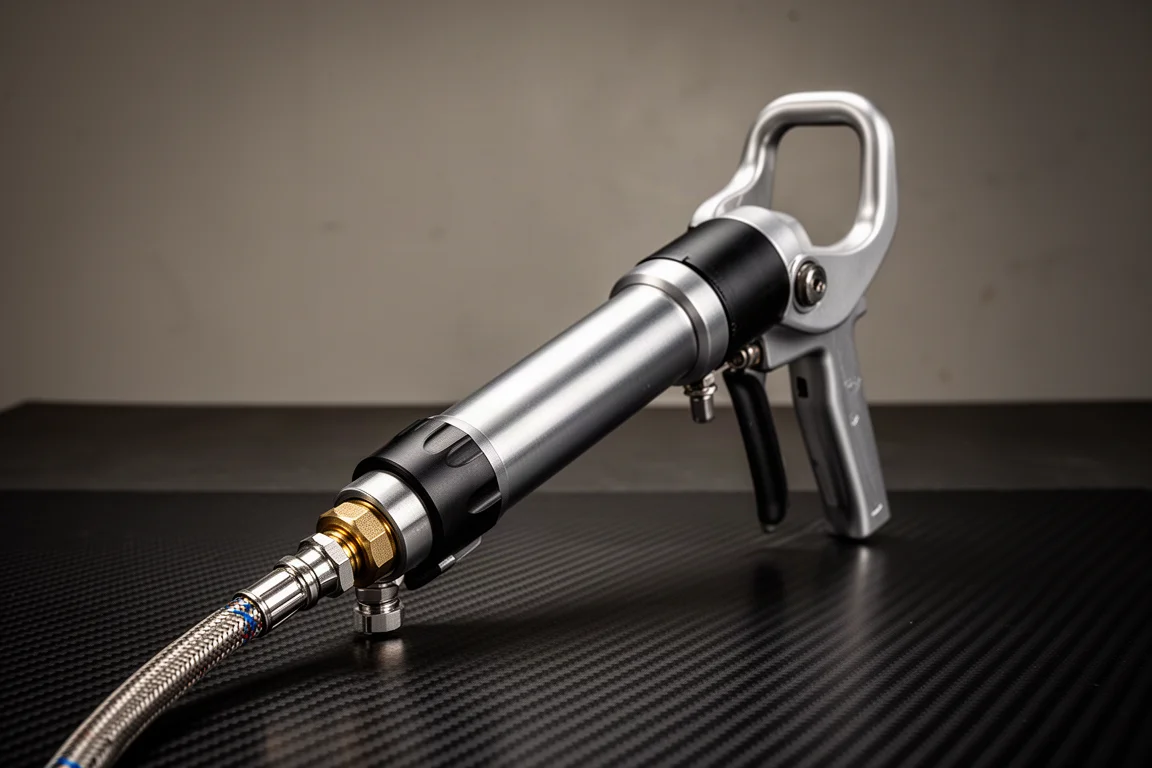
The Air Gun F1 Won’t Give Up: Paoli Hurricane 2.0
The Italian-made Paoli Hurricane 2.0 is the opposite of everything that makes a good cordless tool. It is expensive, hard to set up, requires a dedicated high-pressure system, and trails cumbersome hoses around a dozen mechanics. Yet it remains at the top of motorsport. Retail pricing runs around $10,000, up to $15,000 with all the extras, and teams outfit these guns with custom software and modes to the tune of $20,000 to $30,000 per wheel gun, with a full service required every three to five races.
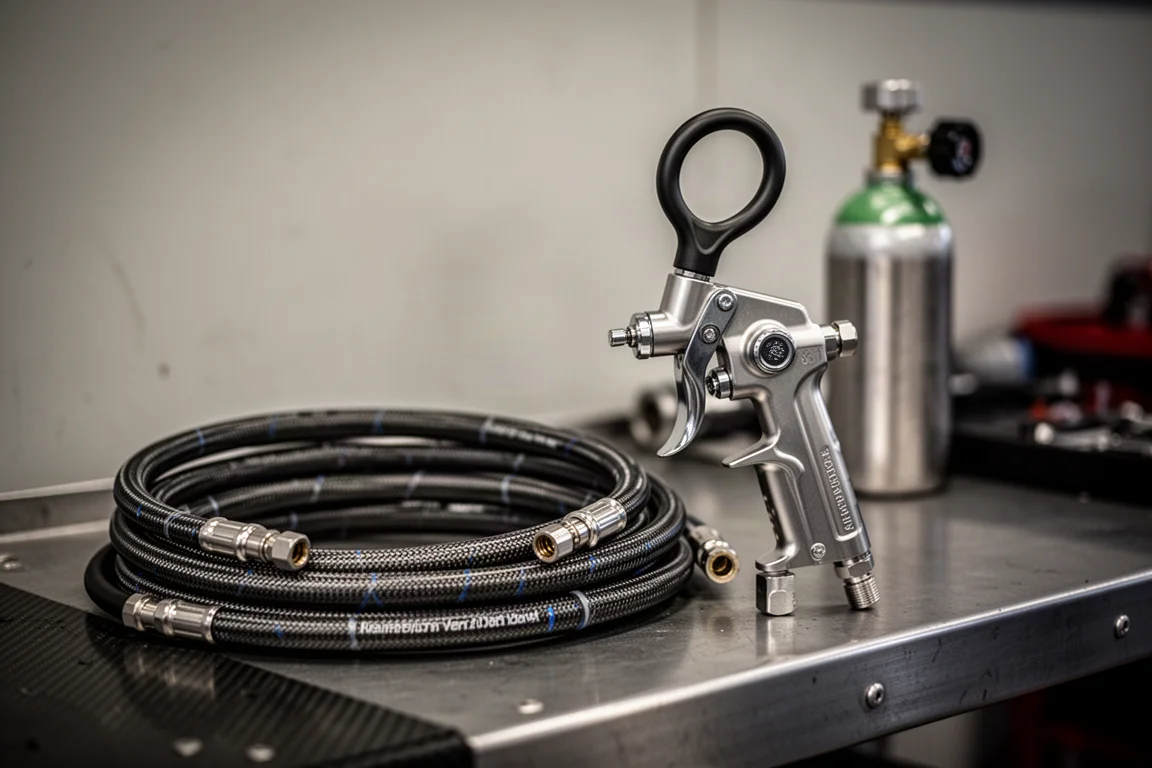
For that money, you get a 3,100 to 3,200 ft-lb gun running at 15,000 RPM off 360 PSI of nitrogen, up to 450 PSI for some tailored models. Its tri-hammer air impact mechanism hits once per rotation with all three hammers striking in unison, generating kinetic energy over 360 degrees of rotation instead of 180. That design greatly extends service life and dramatically reduces vibration and tool movement, which matters when you are wielding a 3,100 ft-lb tool as fast as possible. It remains the most powerful air impact of its kind, and it is hard to imagine cordless tools beating it soon.
The Cordless Wheel Gun Formula 2 Uses: Matco Typhoon Gen 2
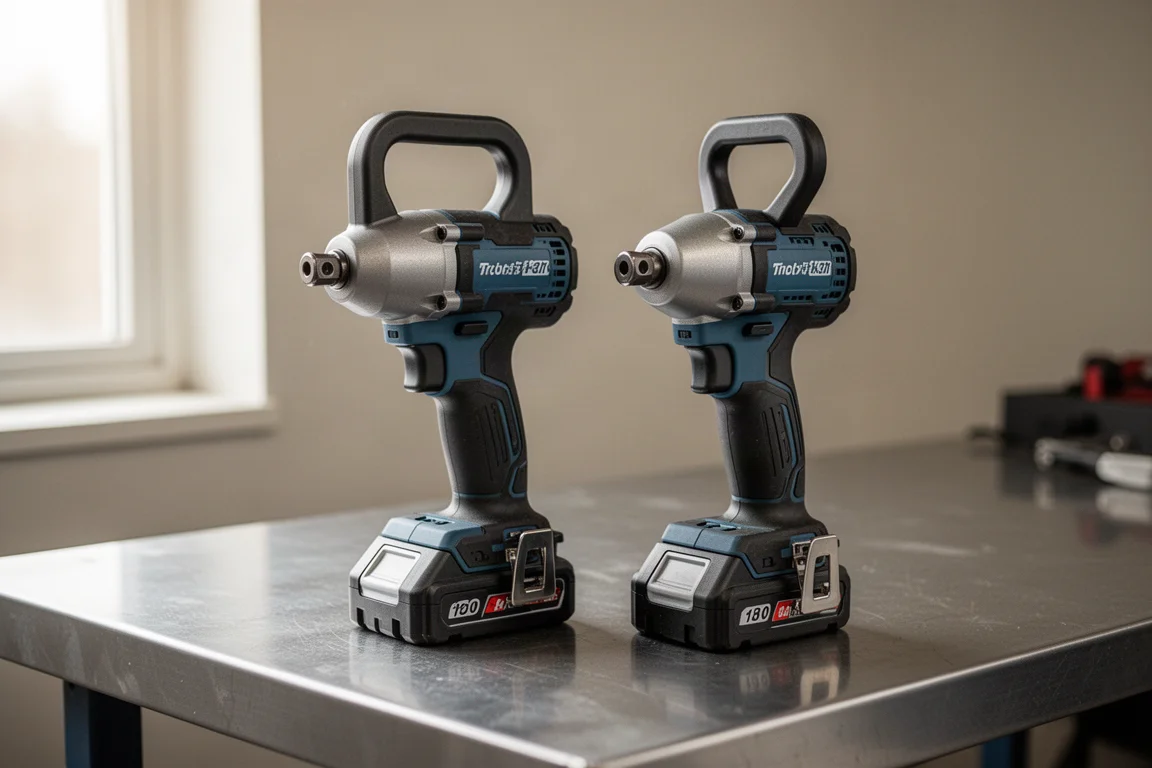
The cordless model most recently used in the lower formulas is the Paoli Typhoon, a 1,180 ft-lb, 1,650 RPM cordless impact wrench. The Gen 1 version sells for around $960, but the design comes from Techway out of Taiwan, which holds an exclusive deal with Matco Tools in the US. That means you can buy the Gen 2 Typhoon through Matco with the same RPM and most of the same specs for roughly $150 less. The latest Gen 2 versions add torque indicators, grip tape, and more features, but the service parts look to be the same.
Cordless vs. Air: What the Stopwatch Says
With F1’s wheel nuts torqued to roughly 440 ft-lb and designed to tighten under the car’s braking and driving forces, removal is always harder than installation. Hurricane 2.0 guns remove a nut in about 0.26 seconds and install one in about 0.36 seconds in the hybrid era. The cordless Typhoon, by comparison, takes about 1.1 seconds to remove and 1.05 seconds to reinstall. On a 1.91-second F1 pit stop, that difference would push the stop to an estimated 3.44 seconds, which is roughly the impacting time seen on F2 stops, where crews get six mechanics instead of twelve.
There is another reason F1 stays with air. Cordless guns rely on program settings and indicator lights to confirm a completed stop, and a double-stack pit stop incident in F2 showed what happens when those settings have not reset between cars. RPM is a factor too: the Milwaukee cordless gun is notably underdriven in reverse, which is a problem when the center nut is tighter after a stint than it was going on. For now, when it comes to speed and power, air power is still king.
Buying Advice
If you want paddock-proven gear for your own garage, the choices are refreshingly practical. The Snap-On CT861 makes sense if control and speed on small fasteners matter more than brute force. The DeWalt DCBL722 is a legitimately versatile blower, batteries aside. The Makita 18V LXT platform remains the safest bet for availability and battery logistics anywhere in the world. The Milwaukee M18 2867 suits serious home-shop and fabrication work where 1-inch drive torque is genuinely useful. The Matco-sold Typhoon Gen 2 is the most accessible way to own the same basic design used as an actual race series wheel gun. The Paoli Hurricane 2.0 is in a different league entirely, one that only dedicated race teams realistically enter.
Conclusion
The tools F1 teams use tell a clear story: access, small size, controllable power, and easy replacement drive almost every choice in the garage. Snap-On hand tools, DeWalt blowers, and Makita battery platforms win because they work everywhere and swap out fast. Only at the wheel, where every hundredth of a second counts, does the old air technology still hold the crown, and by a wide margin. For most of us, though, the cordless gear on that grid is more than good enough, and it is the same gear you can buy today.
Further reading
Related Reviews
Power Tools
Best 1-Inch Pistol Impact Wrenches: Three Heavy-Duty Options Compared
We compare three 1-inch pistol impact wrenches, from a budget-friendly Harbor Freight model to a premium Caterpillar unit, to help you choose the right one.
Power Tools
Best 3/4-Inch Impact Wrenches 2026: Five Contenders Compared
We compare five 3/4-inch impact wrenches across price and performance, from a budget Amazon option to Snap-on's most powerful model yet.
Power Tools
Best Budget Cordless Tools 2026: Walmart Finds That Punch Above Their Price
We tested five cordless tools from Walmart, including a high-torque impact wrench that trades blows with Milwaukee and a $35 duster that outperforms its price class.