Fishing Gear
Tenkara Rod Co. Backpacker vs Sawtooth: Two Packable Fixed-Line Rods Compared
A practical look at two packable tenkara rod kits, how fixed-line fishing works, and which model suits small creeks versus variable backcountry water.
Introduction
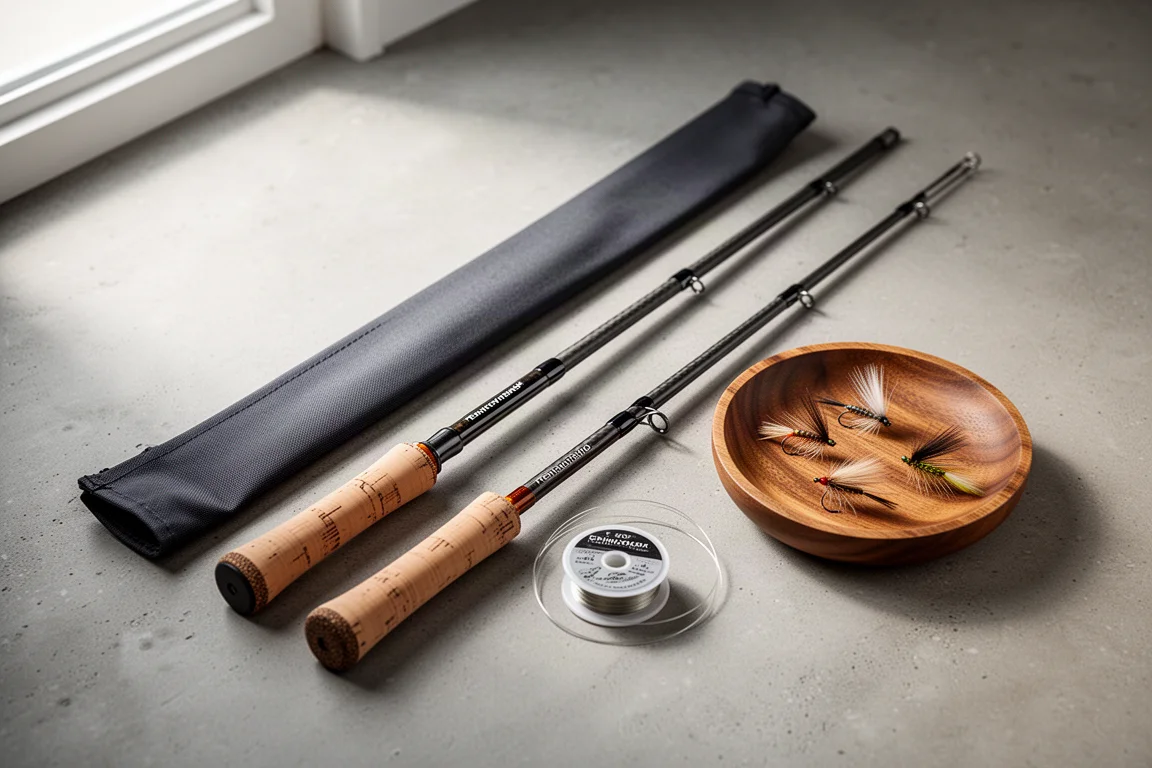
Tenkara is a Japanese style of fly fishing built around a deliberately simple idea: no reel, no running line to manage, just a long telescopic rod, a fixed length of line, and a fly. Tenkara Rod Co. has been making rods in that tradition since 2013, and two models in the lineup are especially relevant to anyone who hikes or backpacks into their fishing water: the Sawtooth and the Backpacker.
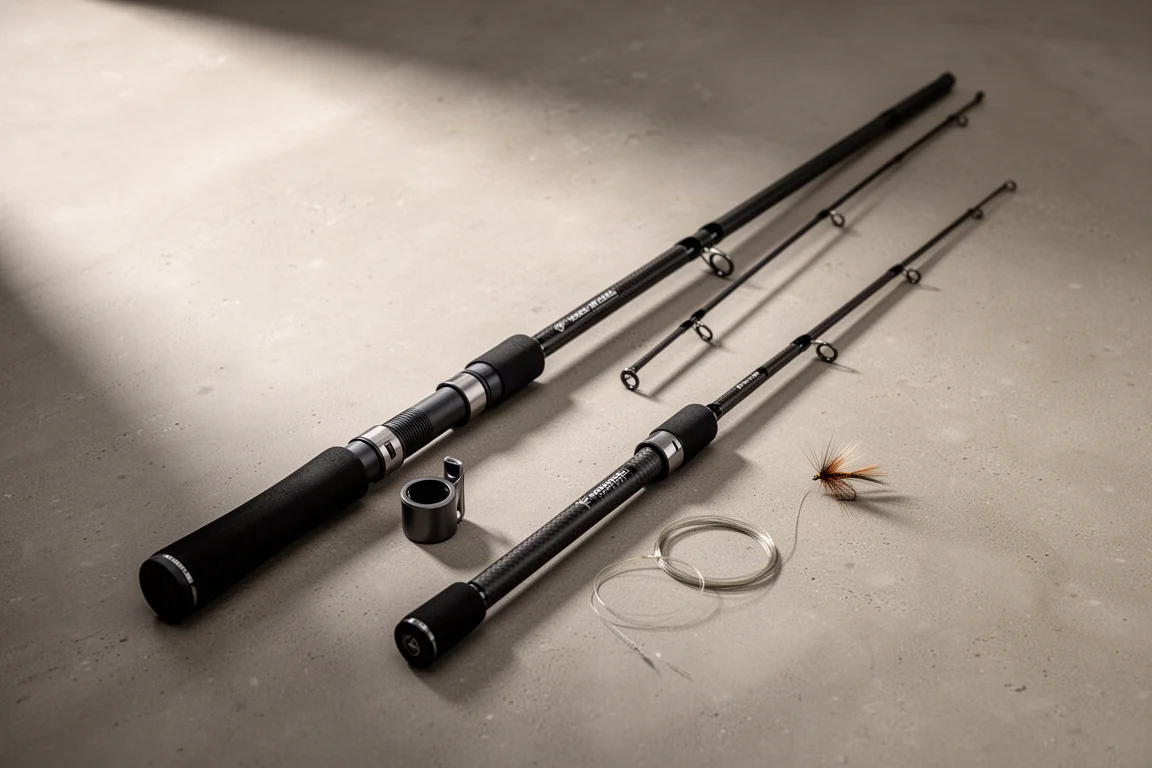
Both rods weigh about 2.8 ounces, both collapse into a small package, and both arrive as complete kits with the rod, line, flies, a line holder, and tippet. The Sawtooth is the mid-length model at $195 for the kit. The Backpacker is the adjustable model at $295. The differences between them come down to length and flexibility, so it is worth understanding both before choosing.
How Tenkara Fishing Works
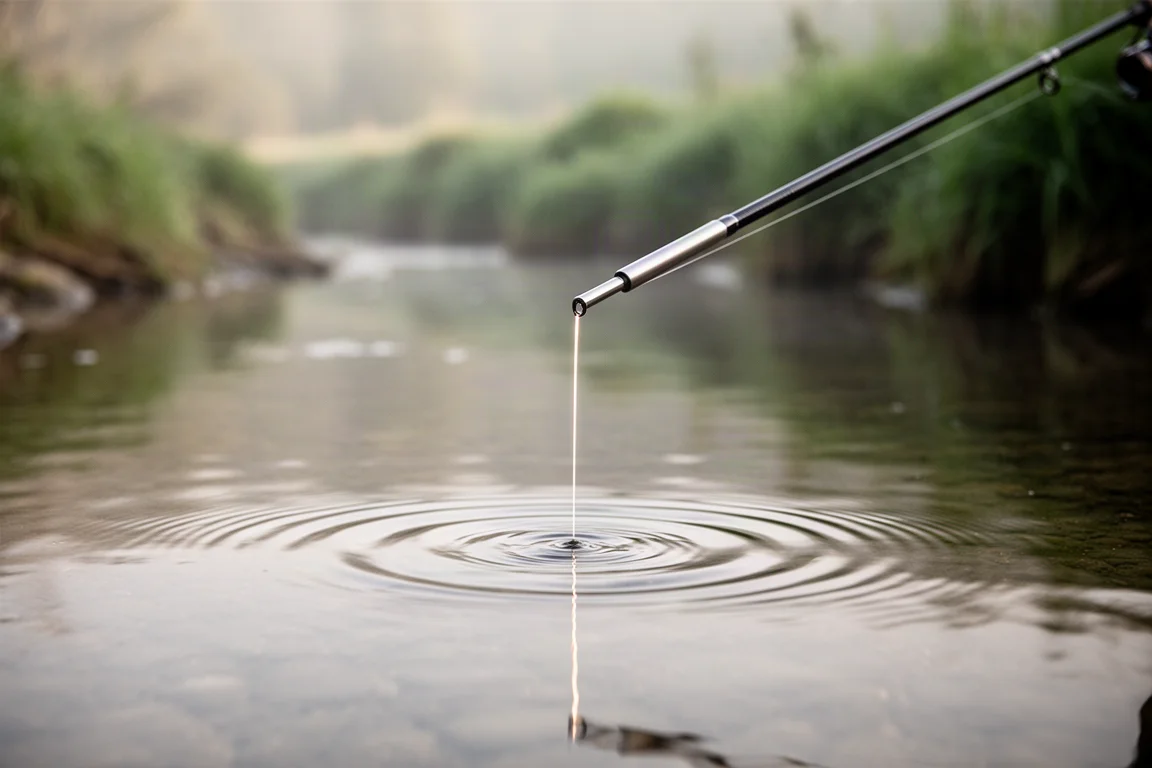
The line on a tenkara rod attaches directly to the tip of the rod rather than running through guides to a reel. A short piece of thread called a lilian forms the connection point, and a small line holder on the rod stores the line when it is not in use. There is no reel, no drag, and no line to strip or mend.
Setting the rod up is a matter of extending it one section at a time until each joint locks into place. Casting is then a simple forward and back motion of the hand, with very little hand travel required. Because the line is roughly the same length as the rod, plus a few feet of tippet and the fly, there is very little line to tangle, and you essentially never touch it during a cast.
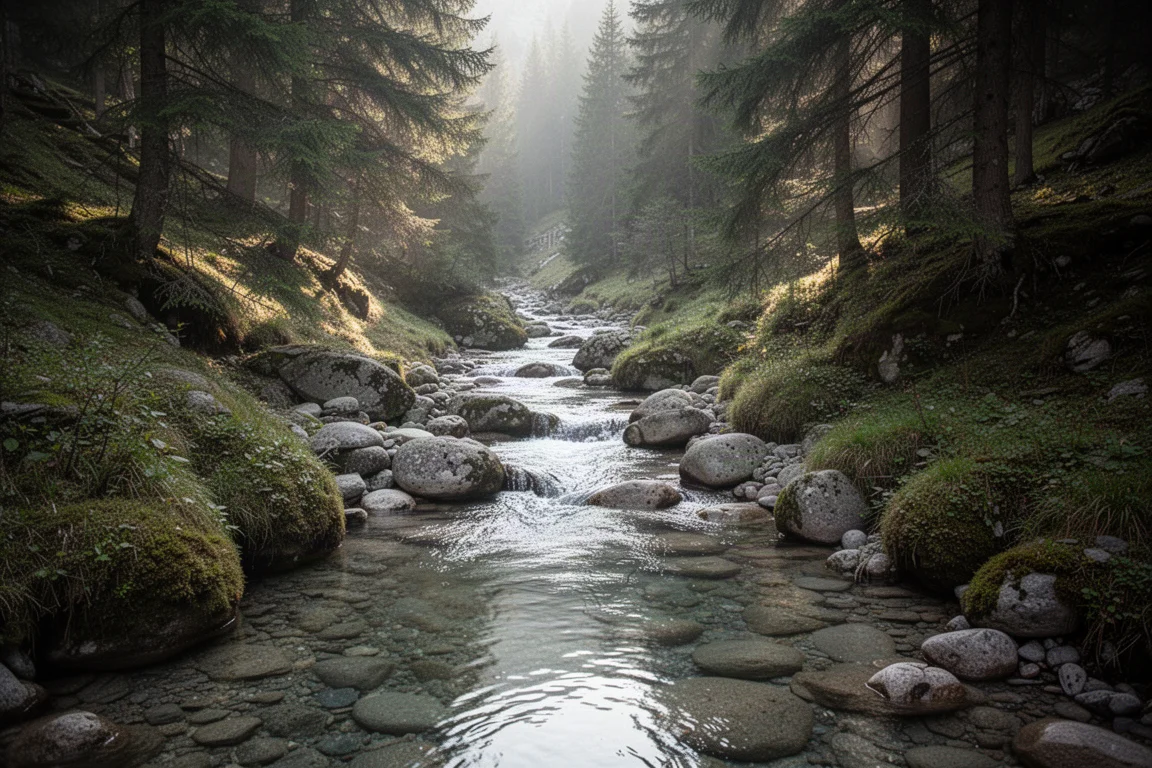
The trade-off is reach. A 12-foot rod paired with a 13-foot line and a few feet of tippet puts the fly roughly 30 feet away, so this is short-range presentation rather than distance casting. That makes tenkara a natural fit for small streams and pocket water where long casts are not needed and accuracy matters more than range.
Landing a fish works differently too. Since the line is about the same length as the rod, lifting the rod and drawing it back brings the fish close enough to net or land by hand, with no reeling involved. Hook sets come from lifting the rod rather than striking hard, and the thin, sensitive tip transmits even light takes quite clearly.
Tenkara Rod Co. Sawtooth: The Mid-Length Setup
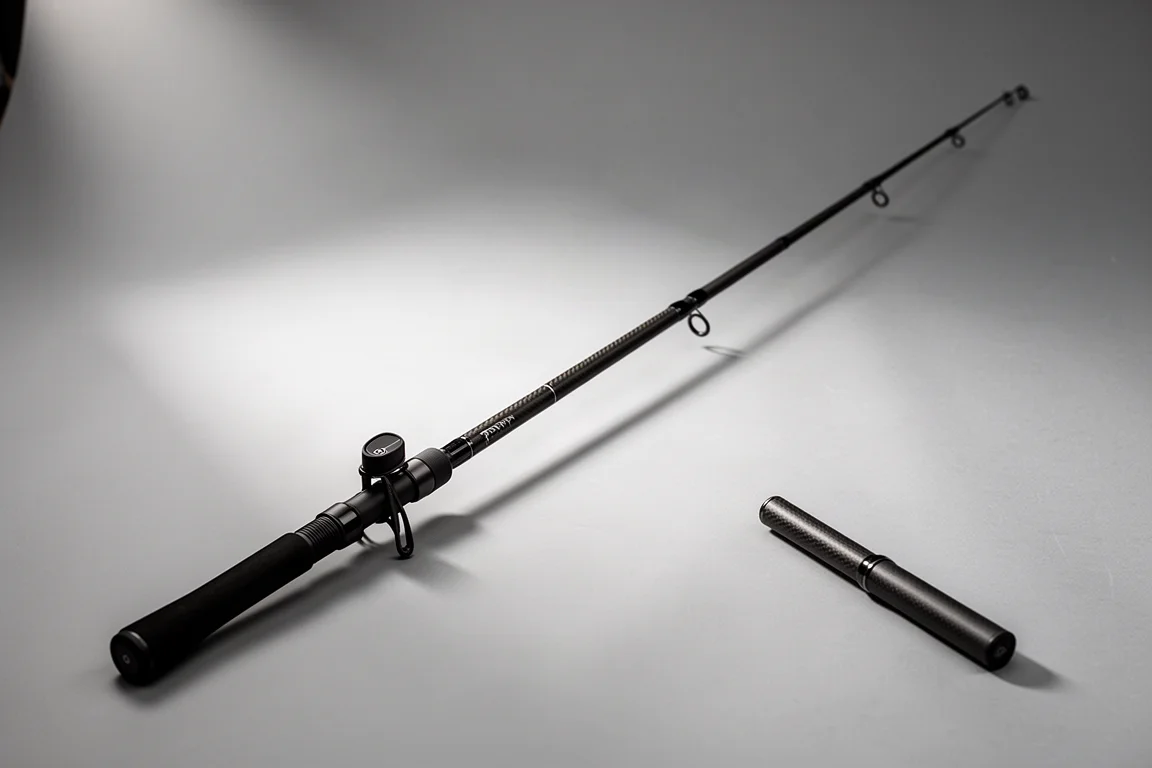
The Sawtooth is a 10 foot 6 inch carbon rod that weighs about 2.8 ounces and packs down to roughly 20 inches. For a rod of that extended length, the collapsed size is small enough to disappear into a daypack, and the weight is comparable to carrying an average headlamp.
In use, it is the simplest version of the format. One fixed length, one straightforward setup, and a casting motion that most people can pick up within a handful of attempts. On a small creek with overhanging cover, the shorter length is also an advantage, since you can place a fly under branches without needing much backcast room.
At $195 for the complete kit, the Sawtooth is the more accessible entry point into fixed-line fishing. It suits an angler who already knows the kind of water they fish most often, generally small to mid-sized streams, and who wants the least complicated way to cover it.
Tenkara Rod Co. Backpacker: The Adjustable-Length Rod
The Backpacker takes the same fixed-line concept and adds length adjustment. It is a triple-zoom rod that can be fished at 10 feet 10 inches, 11 feet 10 inches, or 12 feet 10 inches, letting you extend or shorten the rod to suit the water in front of you. Despite the extra length, it still weighs about 2.8 ounces, and it packs down smaller than the shorter Sawtooth.
That combination is the reason it exists. A backpacking trip rarely delivers a single kind of water: you might work a tight creek in the morning and stand on a mountain lake shoreline in the afternoon, where a bit more reach helps push the fly out past the shallows. Carrying one rod that adapts to both is easier than carrying two.
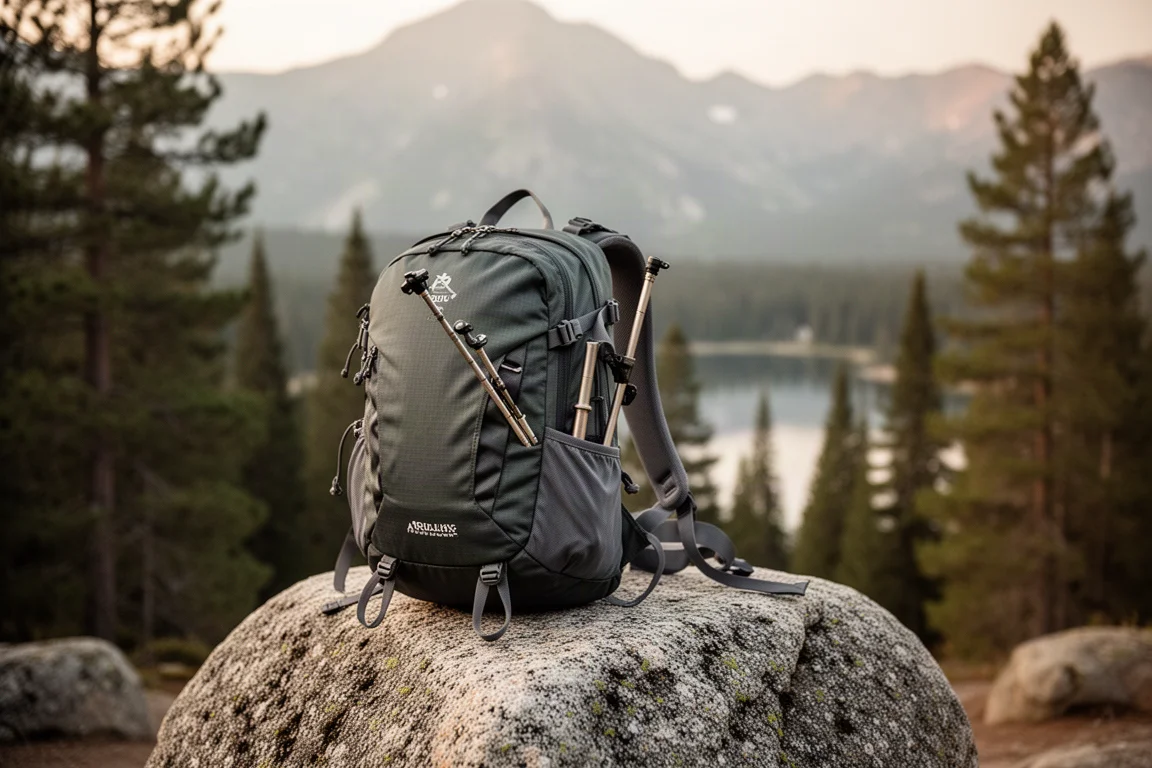
The kit is $295 and includes the same essentials as the Sawtooth kit: rod, line, flies, line holder, and tippet. The extra cost buys adjustability and a longer maximum length rather than a different style of fishing, so the decision is really about how variable your water is likely to be.
Setting Up, Packing Away, and Care
Line attachment is quick once you have done it a couple of times. The end of the line has a small loop that folds back onto the line itself to form a connection, and the lilian at the rod tip is tied with a small slip knot so the line stops against it and holds. From there you add a few feet of tippet and a fly, and the rig is complete.
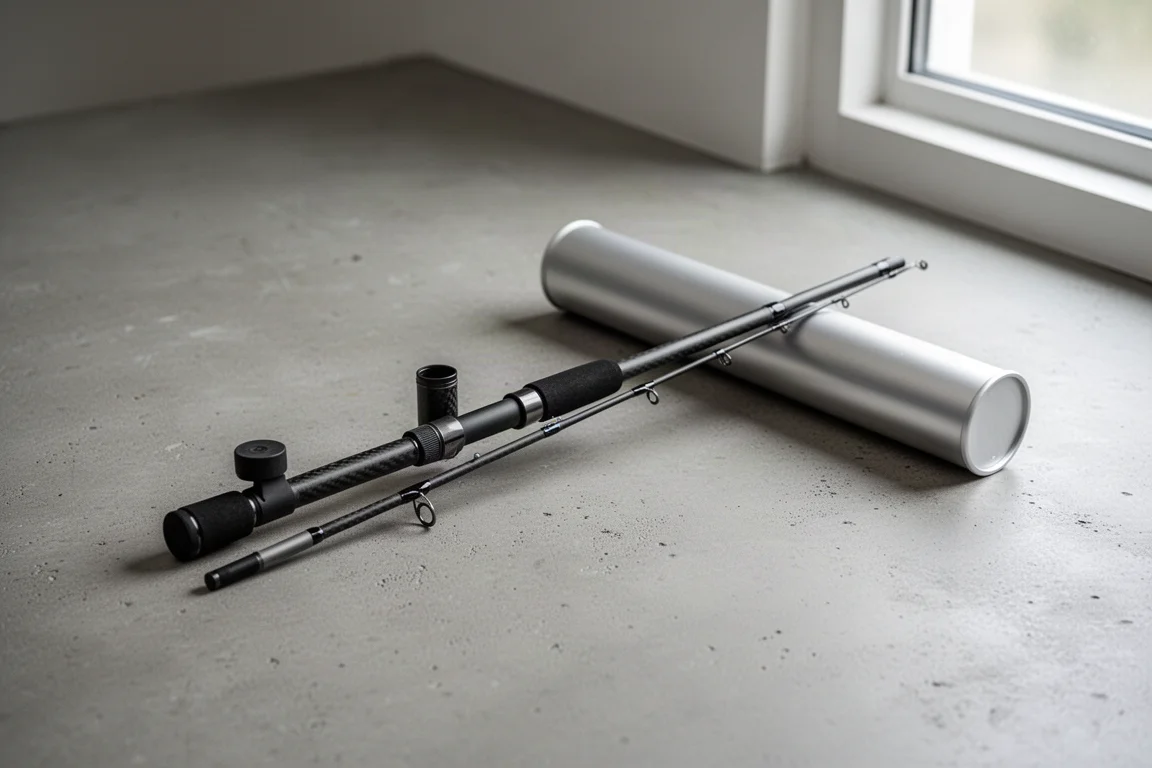
Packing away is just as fast. You hook the fly onto the line holder, wrap the line around it, and collapse the rod one section at a time, finishing the wrap as you go. In practice the whole process takes around 30 seconds, which is short enough that moving between spots does not feel like a chore. Tube cases are available for storage and travel, though many anglers simply carry the collapsed rod between locations.
One honest note from real conditions: a cold snap can shut down a bite entirely, and on a recent outing in cold water the fish simply were not interested. That is a fishing outcome rather than a rod problem, and it is worth saying plainly. What was easy to judge was the casting. Even a first-time tenkara angler was placing the fly accurately after a handful of casts, which speaks to how short the learning curve is.
Which Rod Fits Your Water
Choose the Sawtooth if your fishing is mostly small streams with tight cover, if you already know the water you will be on, or if you want to spend the least possible on a complete, capable kit. The fixed 10 foot 6 inch length keeps things simple and the $195 kit covers everything you need to start.
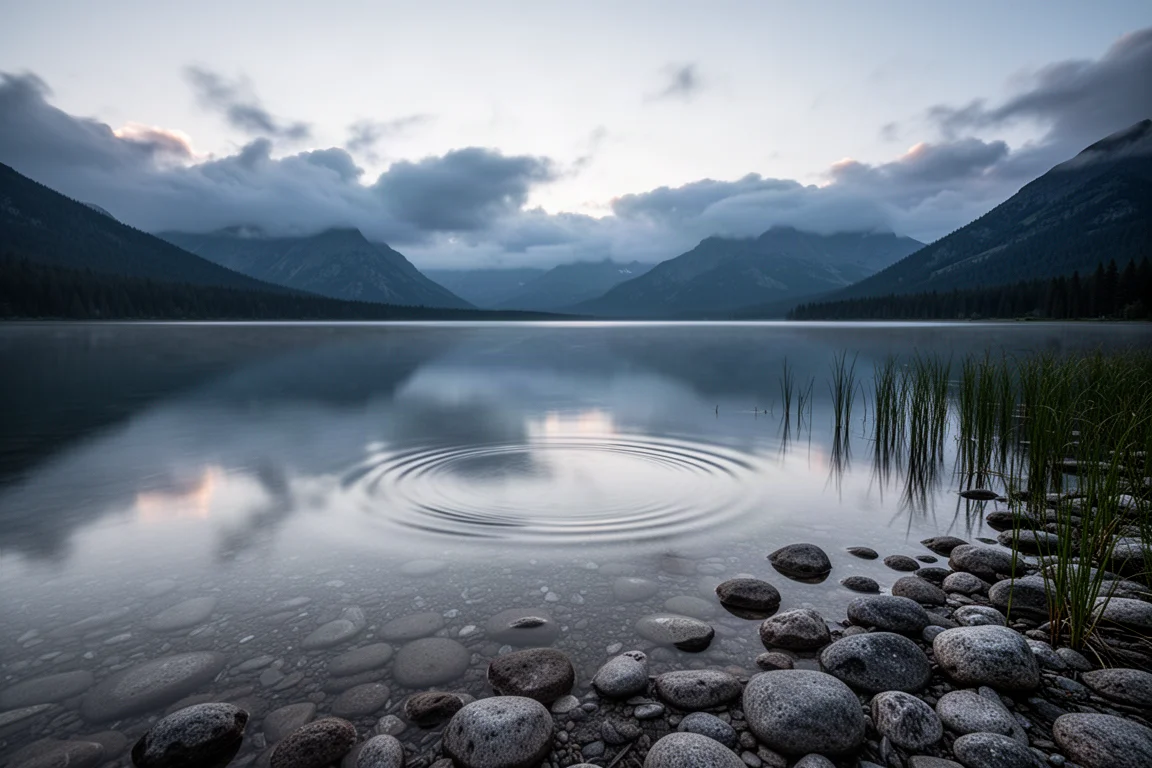
Choose the Backpacker if your trips involve hiking into unfamiliar country, if the water you fish changes character over a single day, or if you would rather carry one rod that covers small creeks and lake shorelines alike. The adjustable 10 foot 10 inch to 12 foot 10 inch range and the smaller packed size are the reasons to pay the difference, and the $295 kit is still a single purchase with nothing else to add.
For either rod, the practical advice is the same: this style of fishing rewards water where you can wade quietly and present a fly at short range. If your home water demands long casts into open water, a fixed-line rod will feel limited. If your water is small, brushy, or reached on foot, the simplicity works in your favor rather than against it.
Conclusion
The Sawtooth and the Backpacker share the same core appeal: a rod that weighs about as much as a headlamp, collapses small enough for a pack, and removes almost everything complicated about fly fishing. The Sawtooth is the clean, affordable mid-length option for known small water. The Backpacker adds adjustable length and a smaller packed size for trips where you cannot predict what you will be fishing. Match the rod to the water you actually fish, and either one is a straightforward, low-maintenance way to carry a fly rod into the backcountry.
Further reading
Related Reviews
Fishing Gear
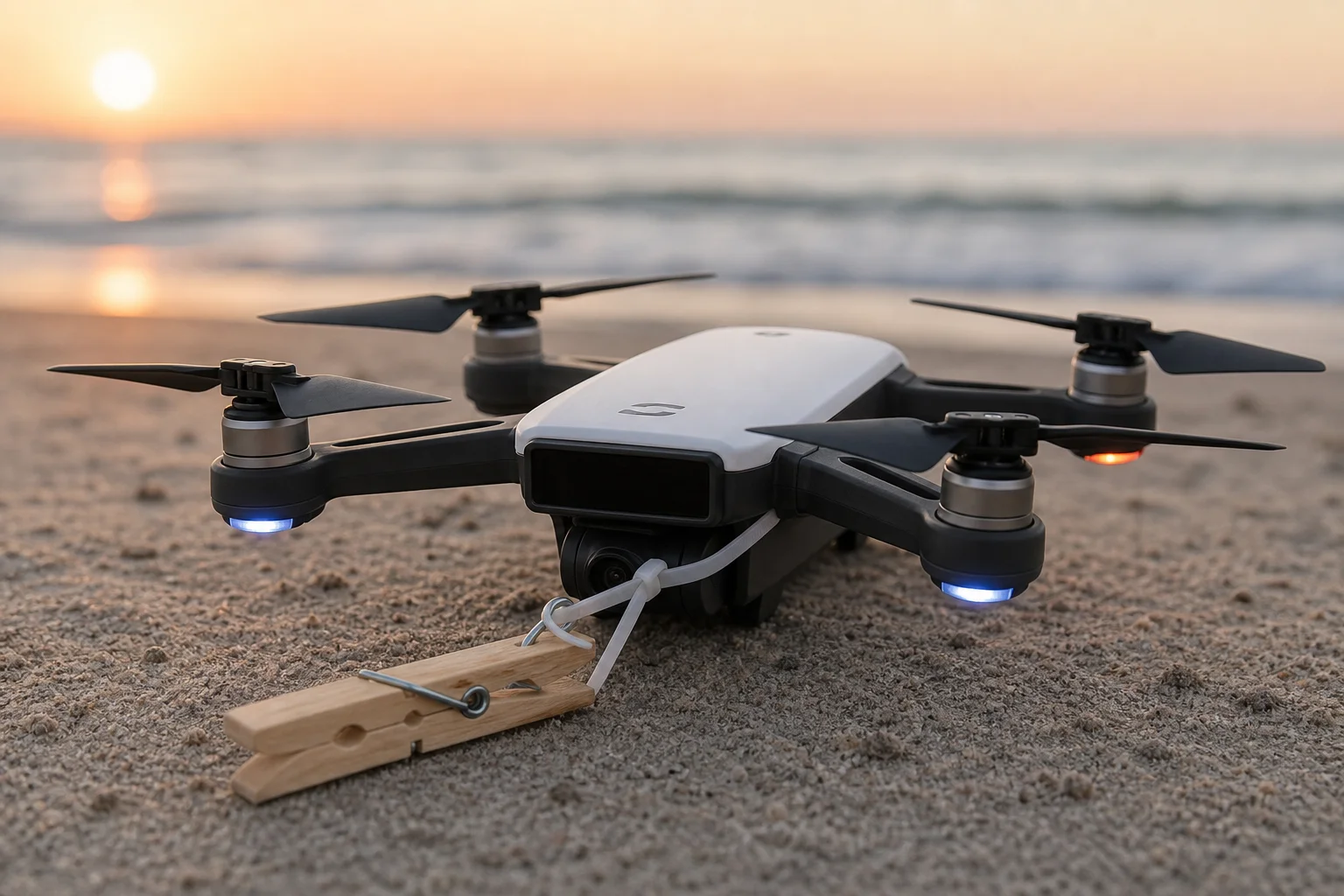
Budget Drone Fishing: Testing the Ruko Drone for Bait Delivery
Can a ultra-budget drone designed for casual flying work as a fishing drone? We tested the Ruko with a DIY bait release to find out.

Fishing Gear
Souyue Elang Sub-30 Advanced Spinning Reel Review: A Budget Reel With a Big Claim
A budget spinning reel that performs reasonably for the price, but its magnesium frame claim does not hold up under scrutiny.
Fishing Gear
Tenkara Rod Co. Backpacker and Sawtooth Review: Two Packable Fixed-Line Rods
A practical look at two packable tenkara rods, the adjustable Backpacker and the mid-length Sawtooth, with kit contents, real limitations, and buying guidance.