Kitchen Gadgets
Four Temu Kitchen Gadgets Put to the Test: Which Ones Are Actually Worth Buying?
A dough kneading bag, a palm veg peeler, a vine leaf roller, and a sliding pizza peel go head to head. Here is what worked, what flopped, and what we would actually pay for.
Introduction
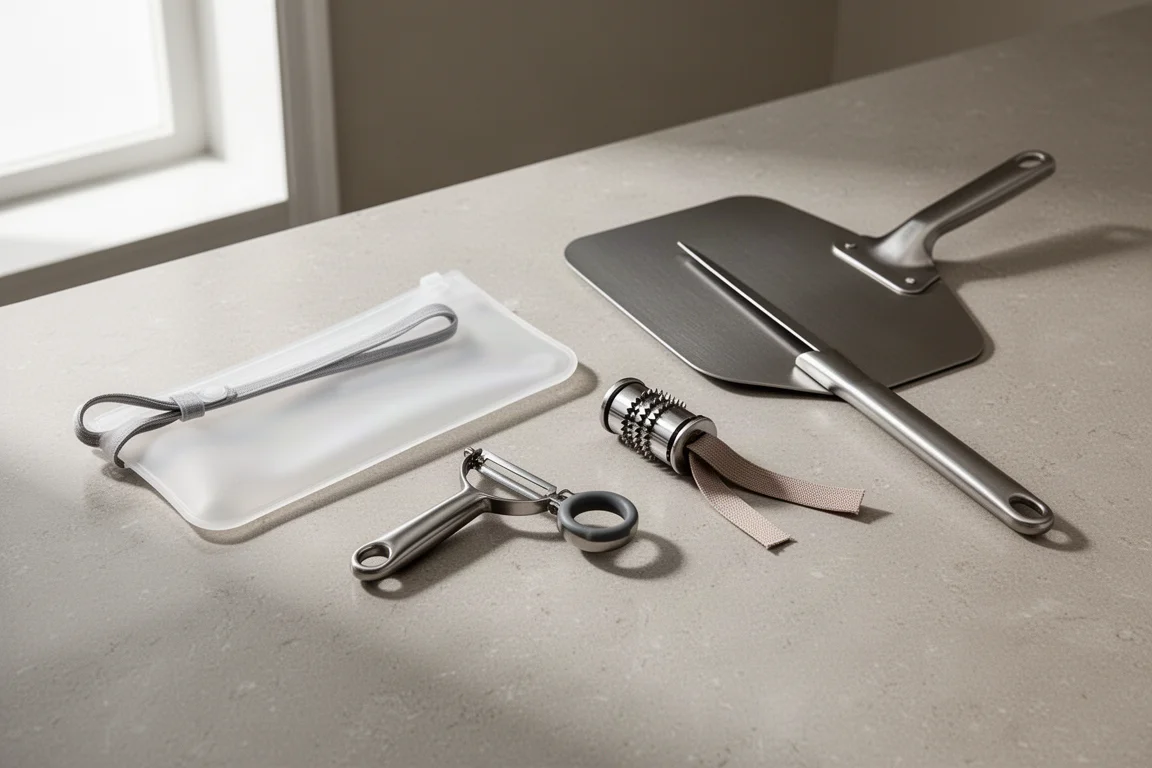
Cheap kitchen gadgets are irresistible at a certain price point, and that is exactly the problem. We put four of the most suggested gadgets through real kitchen tasks: a silicone dough kneading bag, a palm-mounted vegetable peeler, a vine leaf roller, and the sliding pizza peel that took social media by storm. Each one had to earn its place by doing a job better than the tool it replaces. Here is how they fared.
Silicone Dough Kneading Bag: Clean Hands, Cleaner Counters
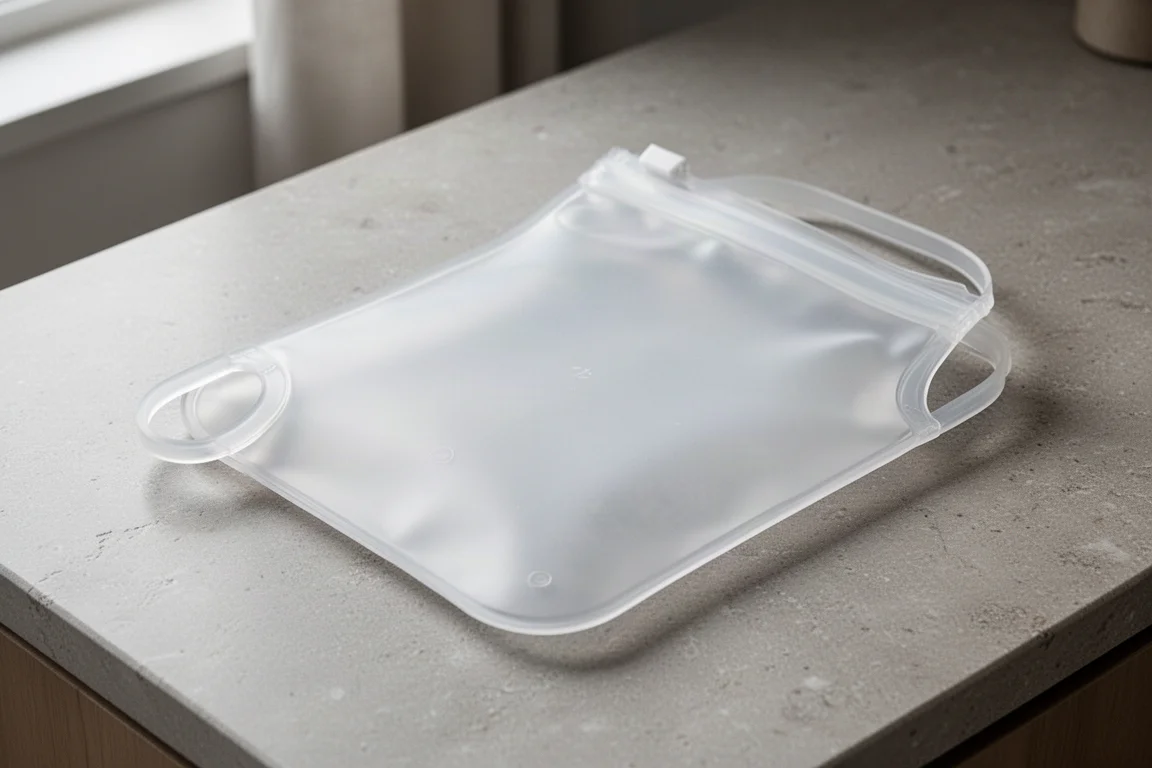
The silicone dough kneading bag looks, at first glance, like nothing much: a flat translucent pouch with a strap that loops through both sides and seals at the top. The idea is simple. Add your flour, water, and salt, seal it up, and combine everything inside the pouch. No sticky fingers, no floury workbench, no bench scraper needed at the end.
In practice, the early messy stage of dough making is where it earns its keep. At the stickiest phase, when you are just trying to bring flour and water together, it genuinely works. The silicone is stretchy enough to let you move and fold the dough, and the contents do not grip the plastic the way you might expect. Our tester expected the plastic to catch in the dough, and it did not.
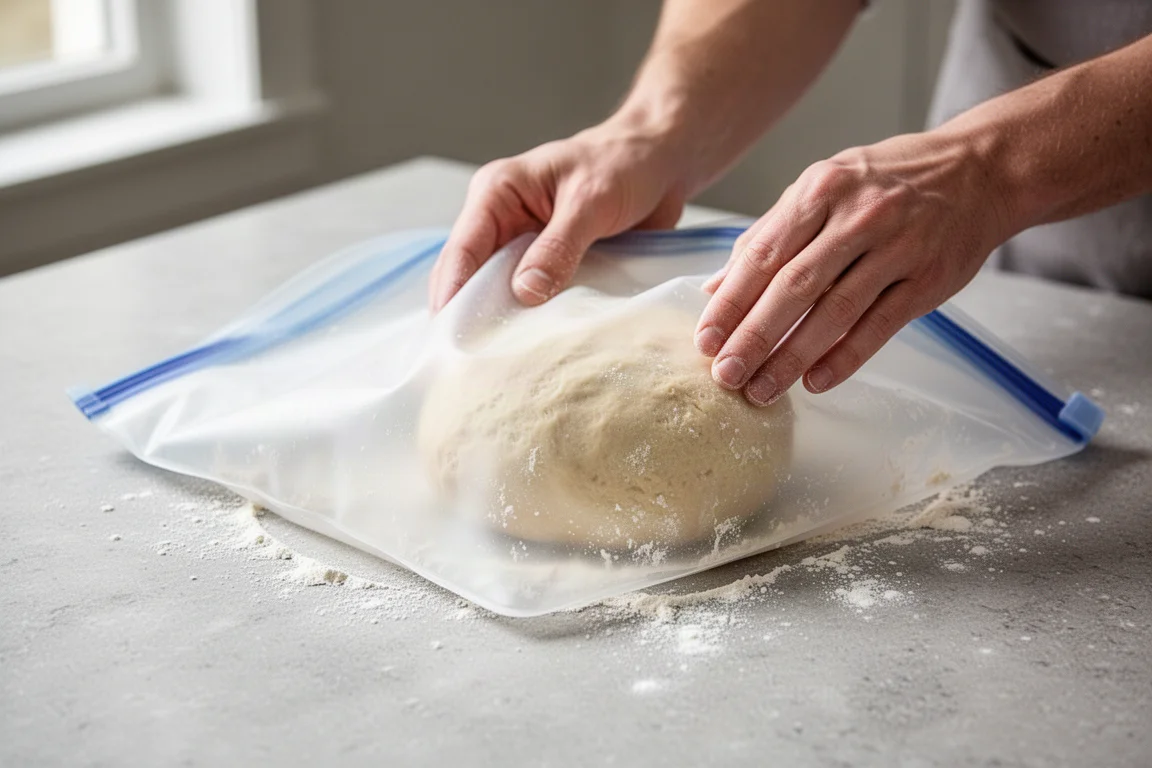
The problems show up later. Proper kneading needs real folds and pressure against a surface, and you simply cannot get that through a bag. The dough comes out needing more work. There is also a small hanging loop, which turns out to be genuinely useful: hang the sealed bag somewhere warm above an oven or a drying rack and the dough can prove as it rises.
So does it keep surfaces and hands clean? Yes. Is it more hygienic than clean hands? Not really, since you will touch the dough eventually anyway. Does it reduce the flour you need? Not according to our testing, because on a table you simply gather the stray bits back in as you go. As a tidy-up tool for the first messy minutes of dough making, it does a job. As a replacement for kneading by hand, it does not.
Hand Veg Peeler: The Surprising Winner of the Day
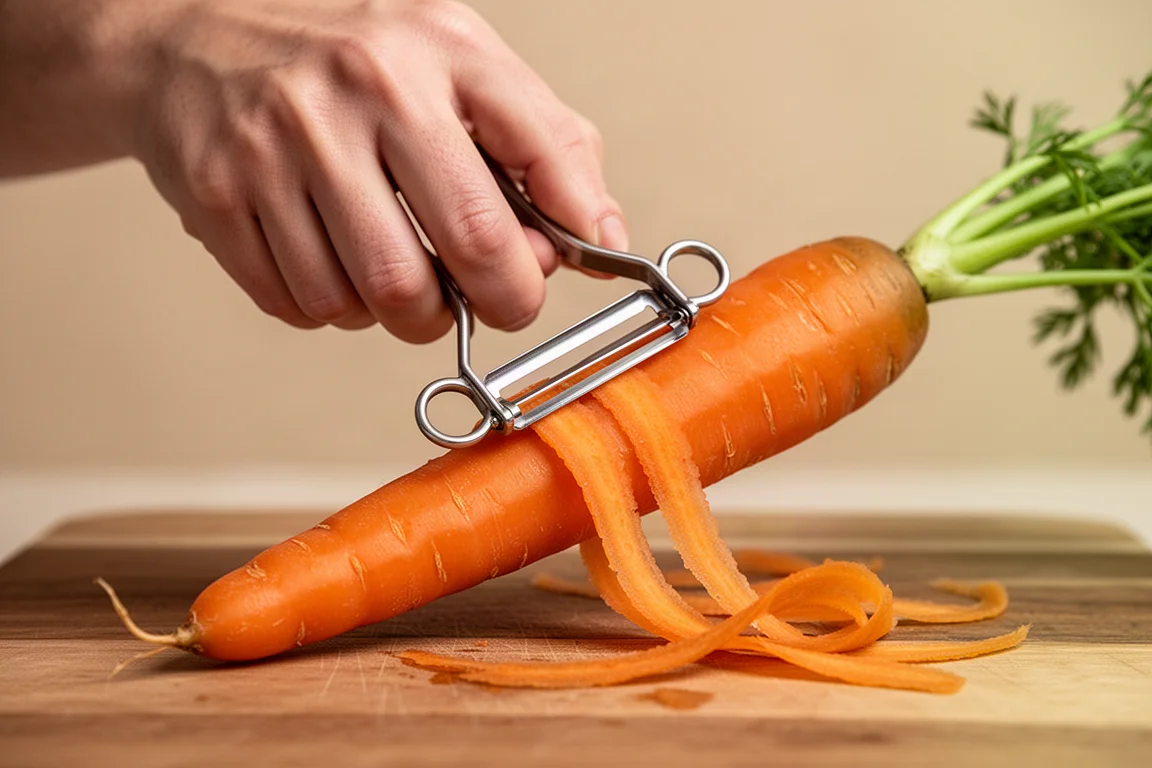
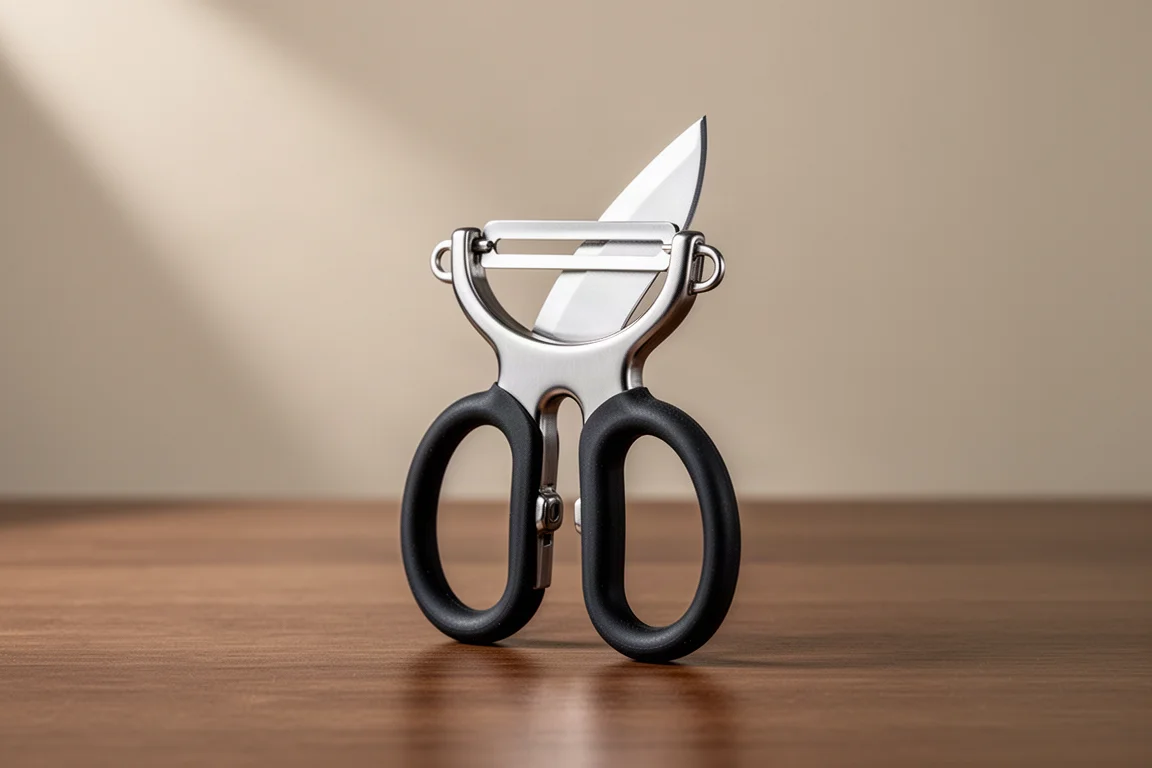
The hand veg peeler is a stainless steel blade mounted in a palm-sized housing with rubber finger loops. You slip it onto your fingers and glide your palm down the vegetable. It claims to be less tiring than gripping a traditional peeler when working through large volumes, and honestly, it does not feel ridiculous once it is on.
The surprise is the control. Fingers have the best dexterity of any tool in the kitchen, and because this sits right in the palm, it gives you a surprising amount of precision. On long vegetables such as carrots and parsnips it works well, and it works in both directions, up and down, for more productivity per stroke.
There are caveats. On rounder or smaller items such as potatoes, you have to shift it from your palm to the top of your fingers to get around the curves, and you lose some grip doing it. Our second tester, with a bigger hand, found smaller produce trickier for the same reason. And the honest counterpoint stands: a standard peeler costs very little and has always done the job.
But the use cases are real. Reviews frequently highlight how helpful it is for people with arthritis or grip issues, and for volume prep, think a big family Sunday roast with a dozen carrots and a pile of parsnips, it may genuinely be quicker and more ergonomic. Of the four gadgets tested, this was the one our testers actually liked, with one saying he would happily pay around eight pounds for it. It is small enough to live in a drawer and come out just for long vegetables.
Vine Leaf Roller: A Knack That Never Quite Arrives
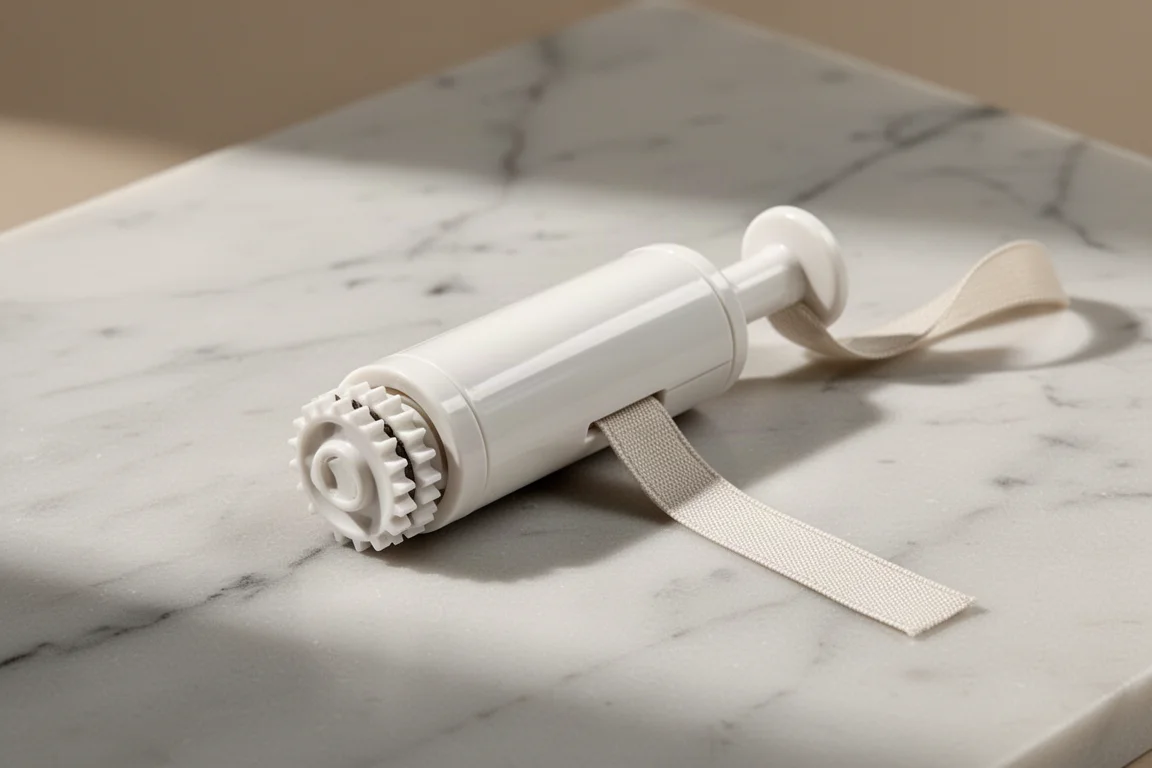
The vine leaf roller is a small cylindrical gadget with a serrated rolling mechanism and a fabric ribbon. In theory, you lay a leaf on it, add filling, and with a gentle push the mechanism stuffs and rolls vine or cabbage leaves into consistent dolma. It even has multiple settings, which appear to adjust how tight the roll comes out.
The problem is that nobody, including us, could get it working smoothly. With no instructions in the box, we relied on trial and error plus online photos and videos. First attempt: mushed. Second attempt: mushed again, with the filling falling out the side. After four or five ruined leaves, the question becomes obvious: is this a tricky enough skill that it needs a gadget at all?
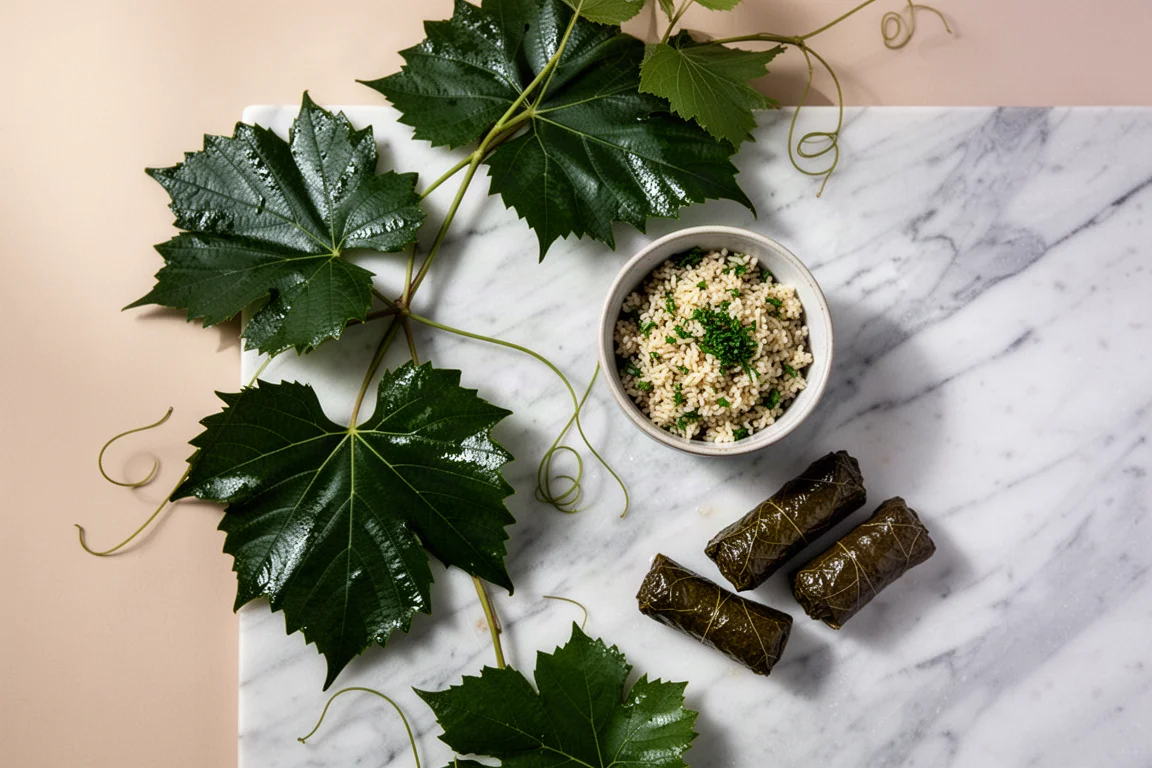
Rolling dolma by hand is not difficult once you have leaves of decent quality that have been stored and soaked well. You lay out a batch, add your rice filling, and roll. It is the kind of task that is quite fun to take your time over, and even your early failures are still completely edible.
To be fair to the design, the ribbon and tightening mechanism is clever engineering, the same pull-against-itself principle as a bamboo sushi rolling mat. And if you were making hundreds of rolls, consistency might matter more. But by the time you have fed the leaf in, pulled the ribbon back, and pushed the plunger down, it is arguably more time consuming than doing it by hand. The verdict was unanimous: roll your own.
Sliding Pizza Peel: The Viral One That Slid Away
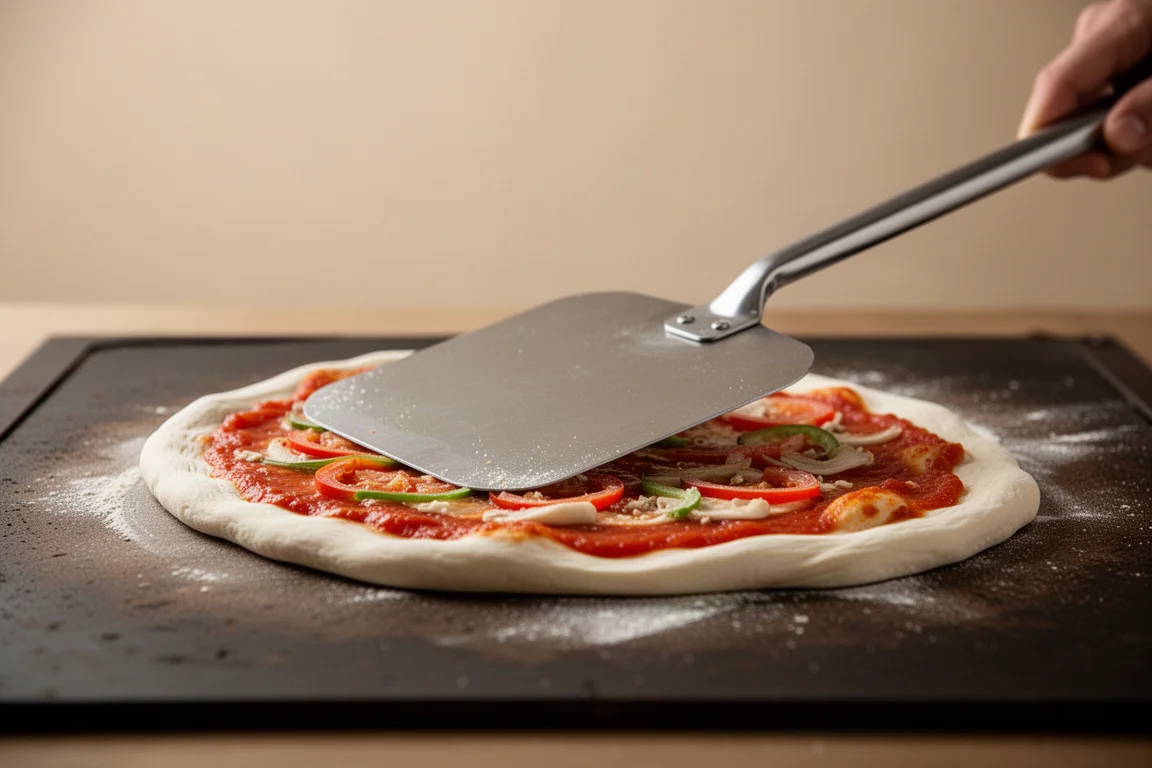
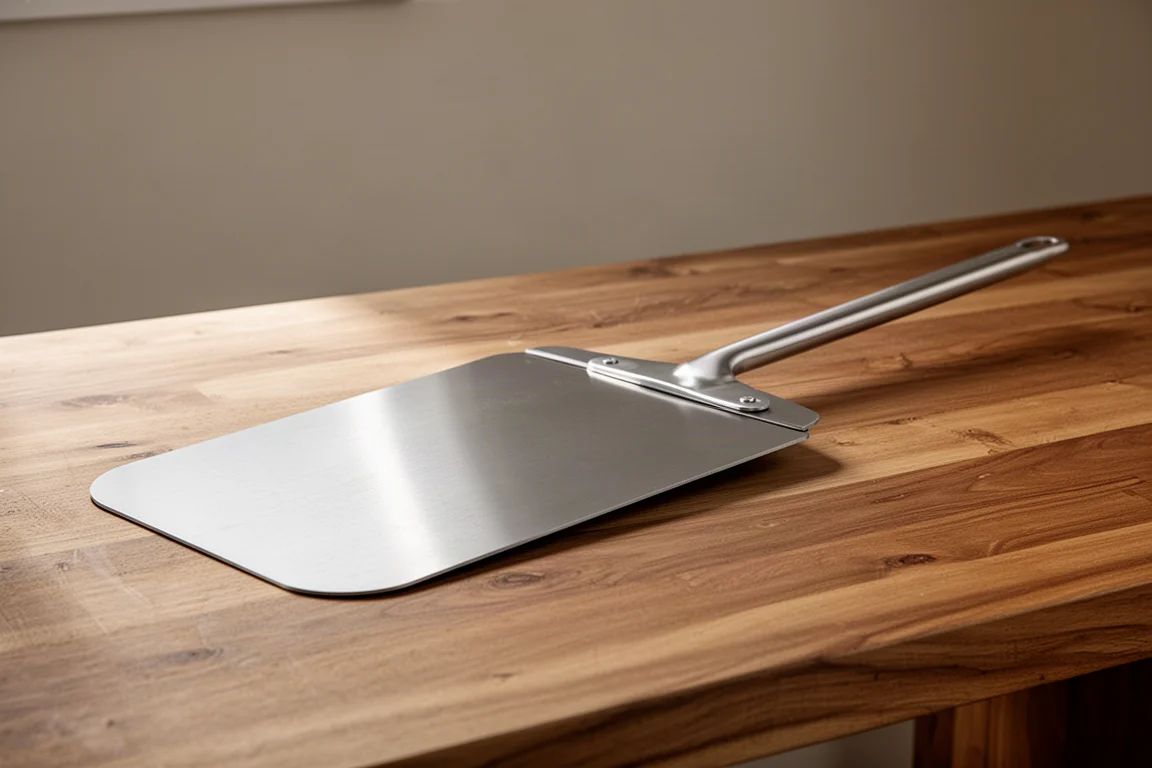
This is the gadget that flooded social media: a shovel-like pizza peel with a long handle and a thin sliding blade that slides under food rather than scooping it. The claim is smooth transfers of pizzas and dough in and out of the oven without burns or spills. The internet has also shown it picking up spilled ketchup and even raw eggs, so naturally we tested both.
The ketchup trick works, and it is oddly satisfying. The raw egg was a wetter, less impressive affair. But the real test is pizza, and that is where things get nuanced. With a traditional paddle, the skill is in the jerk: one quick decisive movement. The sliding peel lets you work slowly and deliberately instead, sliding the thin blade under the dough and placing it exactly where you want it. That is a real advantage for very wet pizzas and lighter doughs, where a paddle often forces you to reshape the base anyway.
There is a knack, and it is not ambidextrous. Getting the blade to slide under consistently takes a few tries, and once the pizza is down, you have committed. But it works, and it is entertaining, which is part of why the original version sold out everywhere shortly after going viral at around forty to forty-five pounds. What we tested is a much cheaper take at roughly a quarter of that price.
Even so, the final verdict from our testers was to let it slide. It is very clever and genuinely useful for wet doughs, but for most home bakers a standard paddle, which you may already own, does the job. If you make high-hydration pizzas regularly and struggle with the paddle jerk, this earns a second look.
Overall Buying Advice
The pattern across all four is a familiar one for budget gadgets. At rock-bottom prices, everything feels worth trying, and that is exactly the trap: a product that fails at a premium price is a disappointment, but the same product at nearly no cost gets bought, fails, and goes in the bin. Judge each gadget on whether it genuinely beats the tool it replaces.
The hand veg peeler is the clear standout, particularly for anyone with grip or arthritis issues or for big-volume prep. The dough kneading bag has a narrow but real role in the messiest early stage of dough making. The sliding pizza peel is clever but unnecessary unless wet doughs are a regular problem for you. The vine leaf roller is the one to skip outright.
Conclusion
Out of four, one earned genuine enthusiasm, one found a niche, one was fun but skippable, and one never worked at all. That is a typical strike rate for impulse-priced kitchen gadgets, and a good reminder that the cheapest option is rarely the best value. Start with the peeler if you buy only one.
Further reading
Related Reviews

Kitchen Gadgets
Kitchen Gadgets Tested 2026: Five Tools Worth Considering
A practical look at five kitchen gadgets, from egg shapers to peanut butter stirrers, with honest assessments of what works and what doesn't.
Kitchen Gadgets
Best Electric Wine Openers: Our Top Picks From Eight Tested Models
We tested eight electric wine openers priced from $20 to $110 on hundreds of bottles. The Secura came out on top, with a Peugeot and a Rabbit model also worth knowing about.
Kitchen Gadgets
Best Kitchen Gadgets Under $15: Eight Small Tools That Earn Their Keep
Eight kitchen tools that cost less than $15 but perform like far more expensive gear, from a razor-sharp peeler to a champagne saver that really works.