Snowboarding
Telos Backslash Review: A Stiffer, Damper Take on a Short Quiver Pow Board
The overhauled Telos Backslash gains stiffness, damping, and carving power, but requires more effort in butters. Here is what to know before buying.
Introduction
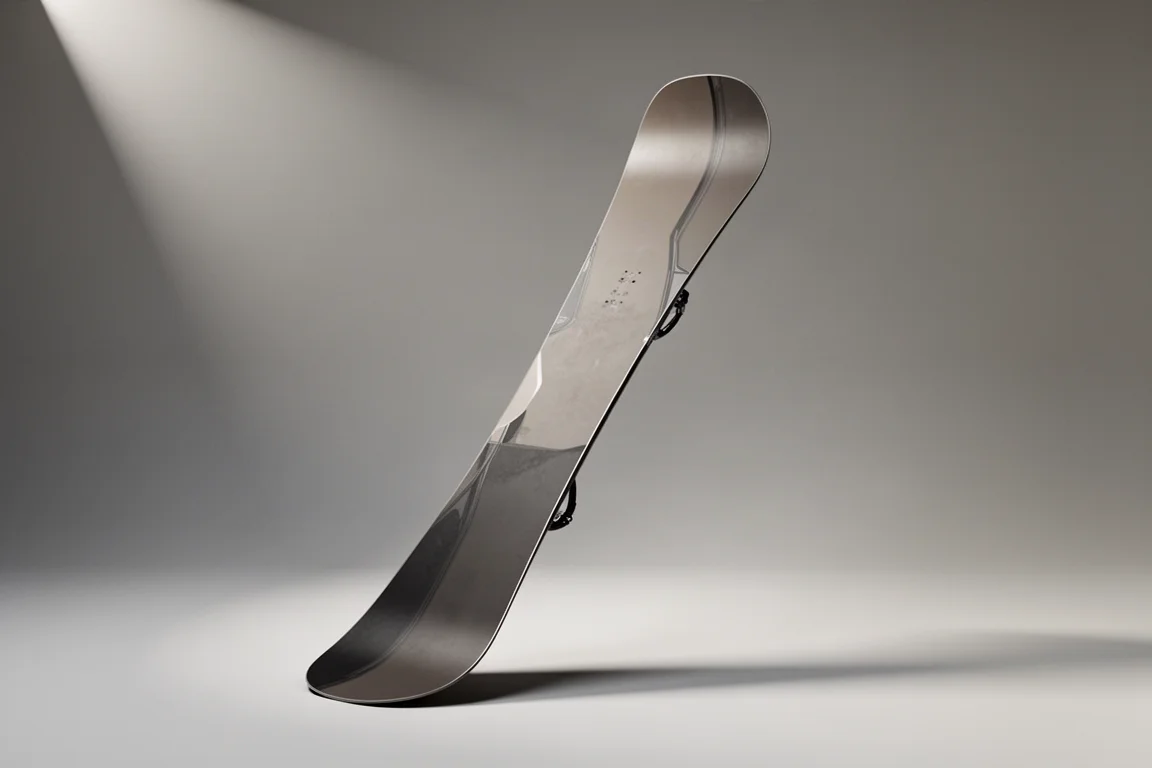
The Telos Backslash received a substantial overhaul this season, and the changes are more than cosmetic. The board keeps its directional cam-rocker character, with set-back camber and a long nose rocker, but it comes across noticeably stiffer, more damped, and more powerful than the previous generation. After riding it at Copper Mountain in fresh snow, variable conditions, and some patchy ice, one thing is clear: this is a stronger, more capable board than before, but it asks a little more from you in exchange.
The Construction and Flex
The Backslash uses Telos’s set-back camber with long nose rocker, essentially a directional cam-rocker profile. The rocker in the nose makes turn entry and exit easier and helps in powder, while the set-back camber section delivers the load, pop, snap, and drive.
The flex pattern is directional: a softer nose accentuated by that rocker, a flex point where the rocker meets the camber, and a progressive stiffening back through the tail. Torsional flex is more rigid than in past versions, and overall the board sits just a hair past middle of the road in stiffness. It is not as stiff as the Backslash Carbon, but it is stiffer than the older Backslash.
How It Rides: Stability and Snap
Stability is a real strength here. The board is damp and smooth, and while you might see the rockered nose flap, you never feel it. A D3O carbon laminate in the construction dissipates kinetic energy, so charging through rutted-out terrain or variable snow, that energy never makes it up underfoot.
The snap is a little delayed. You have to push harder into the camber and roll back with more force than you might expect, and the pop does not arrive abruptly. But when it does pop, it delivers more than enough. In fresh snow, the board purposefully glides along just fine.
Butters and Presses: Where It Takes More Effort
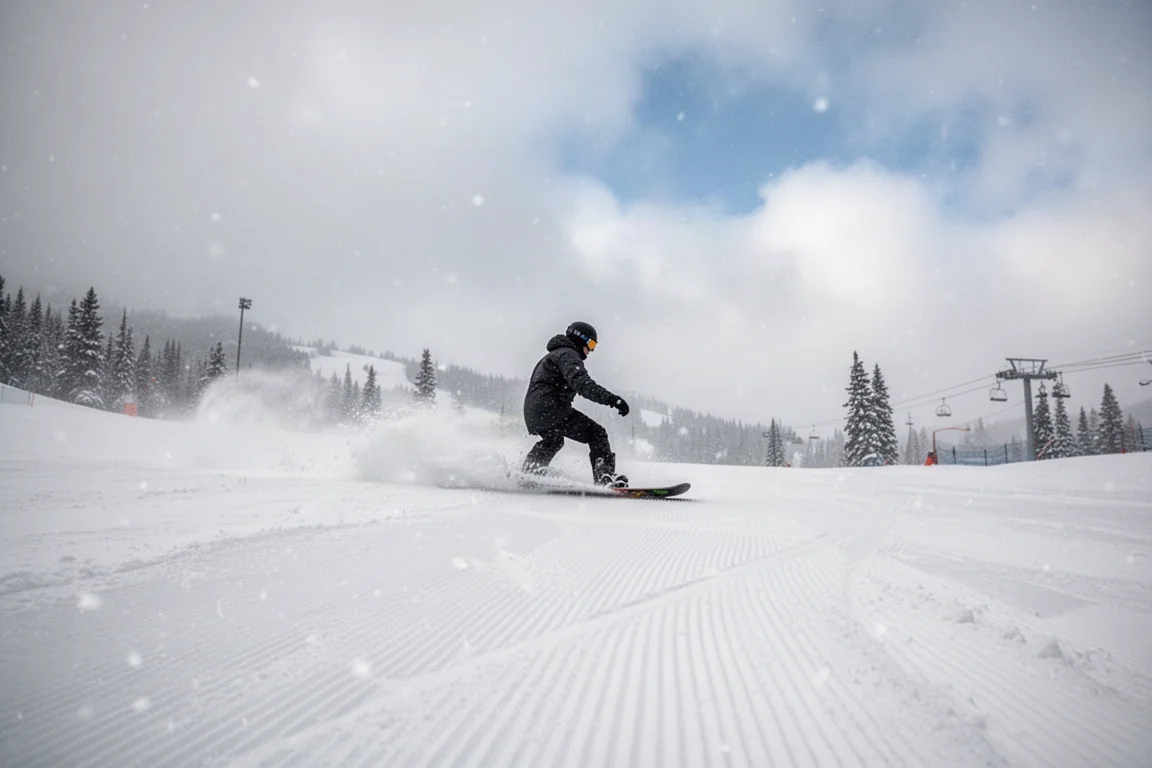
This is where the new Backslash took a step back compared to the previous version. When you pop into the nose for a 180 into a butter, you have to leverage it more and flex it harder to get it to engage, and it will fight you a bit. You still get solid pop back out from the flex point where the rocker meets the camber, but it takes more work.
The tail is even more demanding. You really have to push into it harder than you think to get it to engage. Riders who love playful pressing will notice the difference most here.
Carving Power and Edge Grip
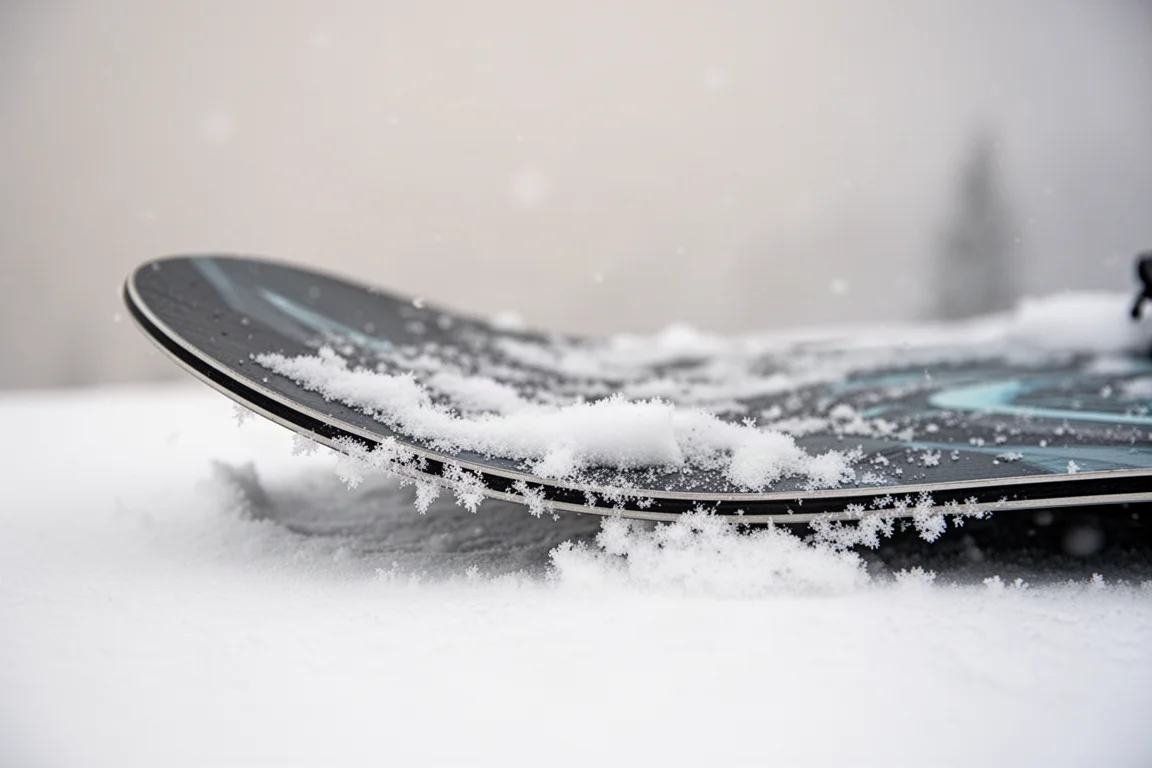
In a turn, this board has power, and you feel it immediately. Even rolling edge to edge through short, tight, quick carves, the camber and core construction are working underneath you. Because torsional flex is limited, you throw more of your weight into it, which is not a bad thing: it gives you a lot of snap out of a carve.
There are added contact points at the insert packs, and those raised bumps grip well. They are not so abrupt that you feel locked in and unable to release an edge; they are simply there, and they work. The power out of the tail lets you slingshot out of a deep, hard carve. Short, tight, quick turns take some deliberate power, while medium mellow carves let you sit back through the center and tail and drive into a harder arc when you need it.
And when you go to lay this board over, you can lay it over.
Who the Backslash Is For
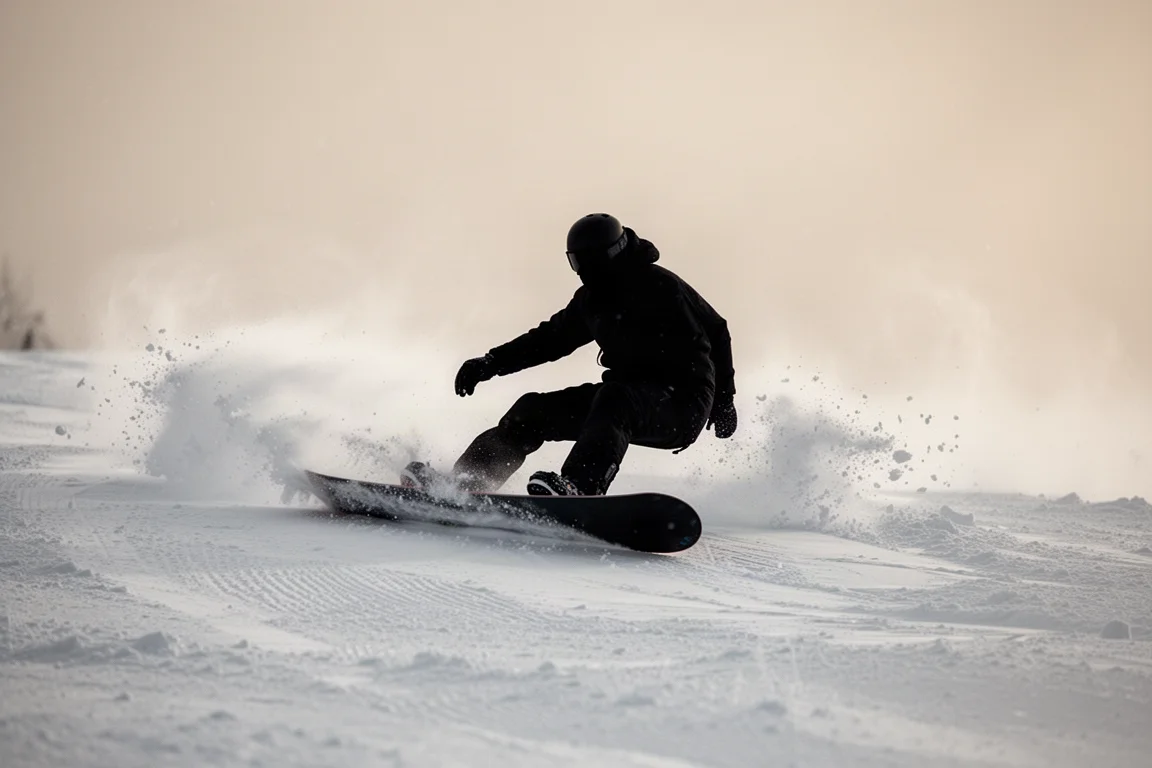
This board suits a rider who wants a short, wide quiver pow board: something that can lay a trench on demand and still smash powder. The first-generation Backslash was softer, better at low-angle powder and playing around in the trees. With the added stiffness and the change in core construction, you now get more power and a damped ride, and the board holds up better in steeper terrain where you need to drive it hard. That shift makes it more versatile and, frankly, it is a change the board needed. It should also hold up longer as a result.
Comparable Boards and Pairing Advice
If you are cross-shopping, comparable boards include the Ride Superpig, the Nitro Dinghy, and the Nidecker Mosquito. For bindings, the recommended pairings are the Rome 390 Boss Full Wrap, the Nitro Team, and the Yes Drive.
Buying Advice
Choose the Backslash if you want one shorter, wide board to cover powder days and aggressive carving without stepping up to a stiff, full-send deck. If your priority is buttery, playful presses with minimal effort, the added stiffness may cost it some appeal. Available in 148, 153, and 158, pick the size that matches your weight and whether powder or carving will dominate your days.
Conclusion
The upgraded Telos Backslash trades some of its old playful softness for power, damping, and the ability to handle steeper, more demanding terrain. For riders who want a short, wide powder-oriented board that can also carve hard, it is a stronger package than before. Just know that presses and butters now ask for extra effort, and decide whether that trade matches how you ride.
Product link
View more details for Telos Backslash
This product is mentioned in the review. Check the specifications, options, and compatibility before buying.
View more details for Telos BackslashFurther reading
Related Reviews

Snowboarding
2025 Snowboard Gear List: Five Picks That Earned Their Place on the Mountain
From Zeiss-lens goggles to a hybrid step-in binding, here are five pieces of 2025 snowboard gear that held up across a full season of riding.

Snowboarding
2026 Snowboard Gear List: Boards, Bindings, Boots and Outerwear Worth a Look
A season-ready snowboard setup built from the bottom up: base layers, Strafe outerwear, Ride and Union boots, Union bindings, and two new Capita boards.

Snowboarding
32 Cold World Review: A Playful Hybrid Camber Board for Park Laps
The 32 Cold World blends classic camber underfoot with flat nose and tail sections for a predictable, butter-friendly ride aimed at intermediate park riders.