Hand Tools
Tekton Angle Head Open-End Wrench: A Different Way to Build a Wrench
A US-made, laser-cut angle head open-end wrench tested against a traditional forged design to see where the two approaches really differ.
Introduction
Most open-end wrenches on the market today are forged, and for good reason. Forging refines the steel’s grain structure so it follows the contour of the part, producing a tougher, more durable tool. That is what makes Tekton’s new angle head open-end wrenches interesting: they take a very different manufacturing approach, and it is worth understanding what that means before you buy.
What Makes This Wrench Different
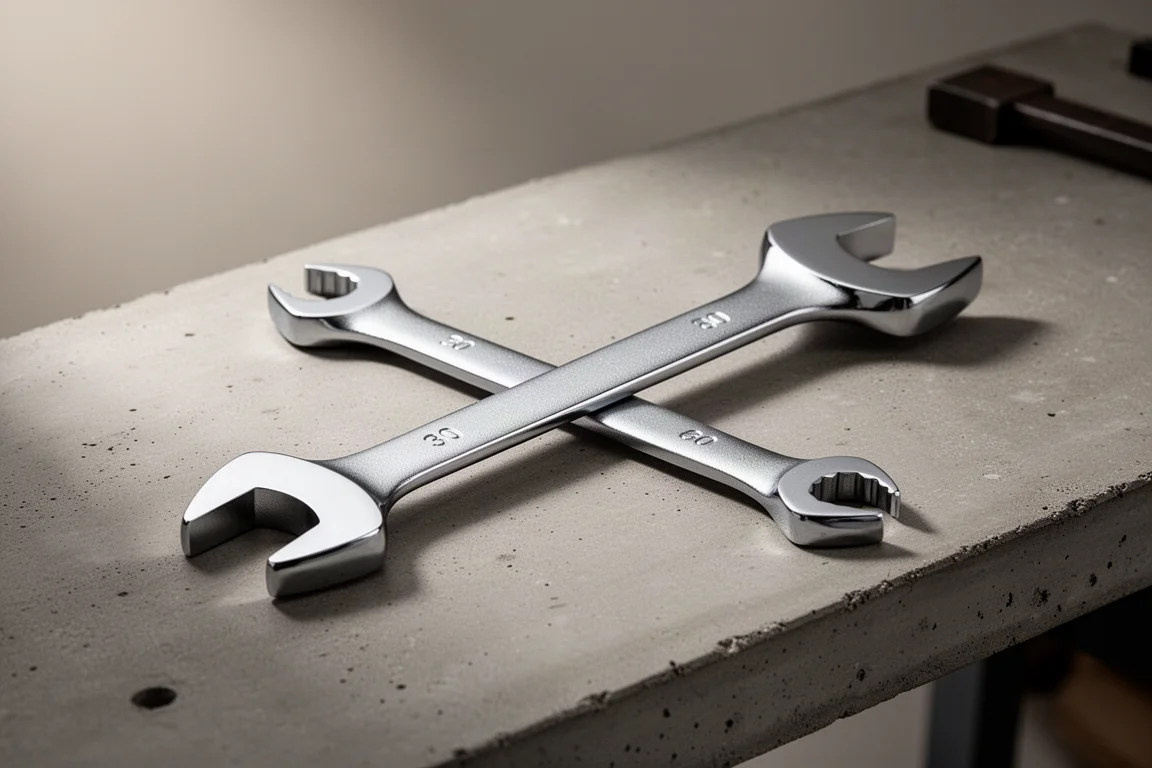
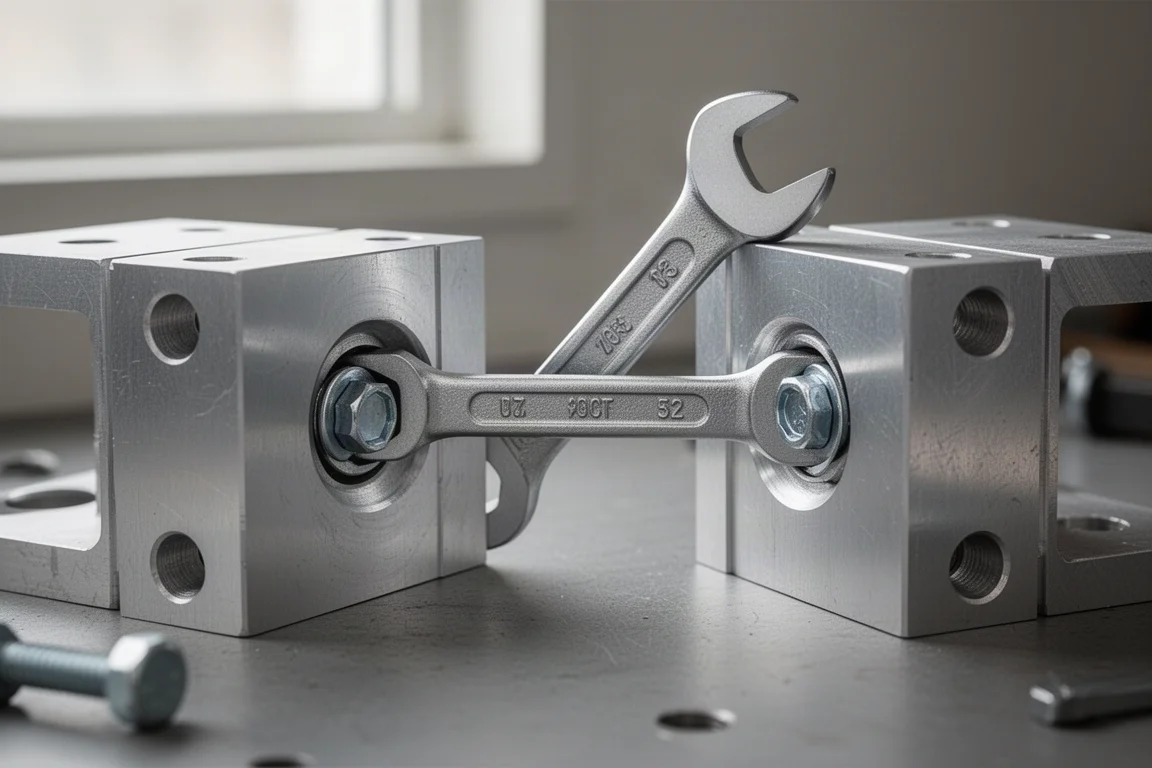
The Tekton angle head open-end wrench is a double open-end design, a format you rarely see new in the 2020s, with a double angle offset head at 30 and 60 degrees. That combination gives you a full range of motion on hard-to-access bolt heads. It is also made in the USA, which is notable for a brand mostly known for its Taiwan-made tools.
The manufacturing story is the unusual part. This wrench is laser cut from 4140 chromoly plate steel, CNC machined, and heat treated. That shows in its appearance: it looks very plate-steel-like, narrow from the sides with pronounced shoulders, which should help somewhat with access in tight spots.
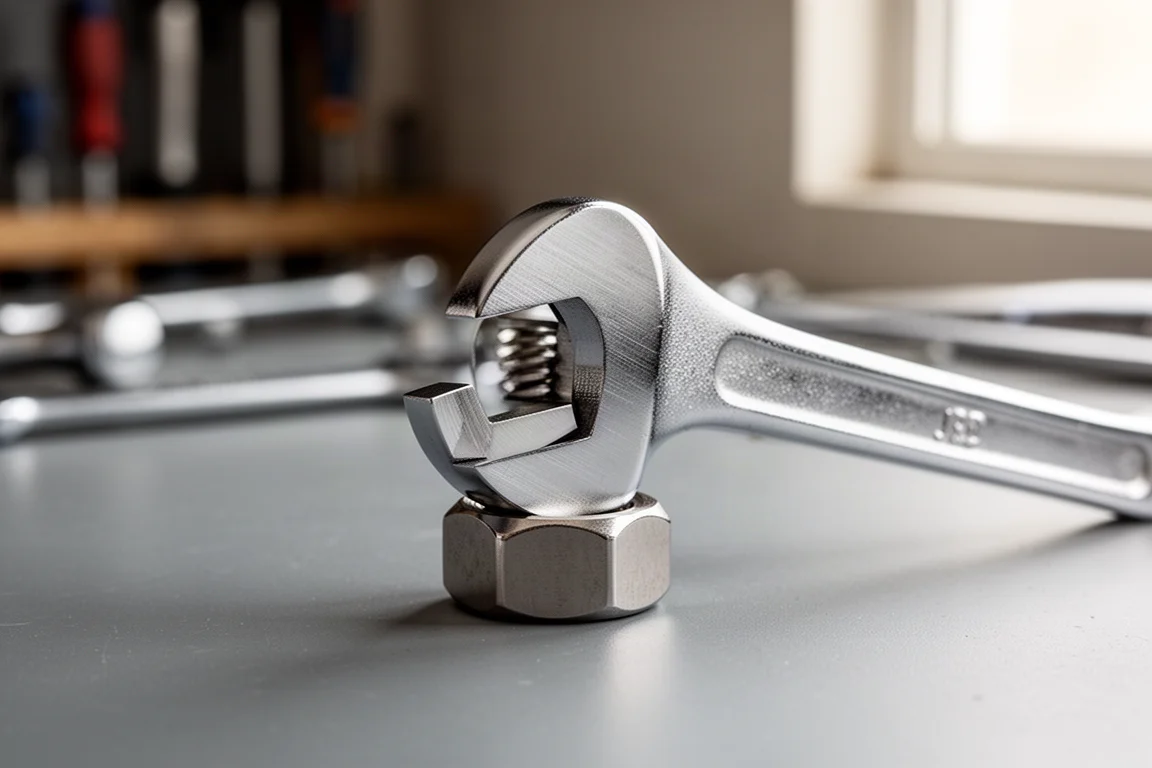
The narrow profile has a trade-off, though. The jaws measure 6.15 millimeters thick, compared to 7.65 millimeters on a traditional forged Tekton wrench. Less jaw material means less purchase on the fastener, which matters for grip. On the plus side, the laser cutting and machine finishing deliver good precision: the opening measured 0.14 millimeters oversize, compared to 0.21 millimeters on the forged Taiwanese wrench. Very good, if not quite top-tier across everything measured.
Grip and Torque Performance
In turning tests, the wrench gripped a hex nut up to 868 psi of bolt tension before slipping, and repeated runs yielded consistent results in the 860s. That is respectable, but the thin jaws limit total turning grip. On a ten-point scale it earned an average score of 4.33, matching the Capri Tools wrench that is one of its main Taiwan-made competitors. Only one Amazon-brand wrench in the comparison group scored worse for total grip.
Hardness and Durability
Hardness testing put the laser-cut wrench at an average of 49.3 HRC, close to but still below the 52.2 HRC measured on the forged Taiwan wrench. That does not mean plate steel cannot be hardened as far as forged steel; it is simply how these two particular wrenches came out.
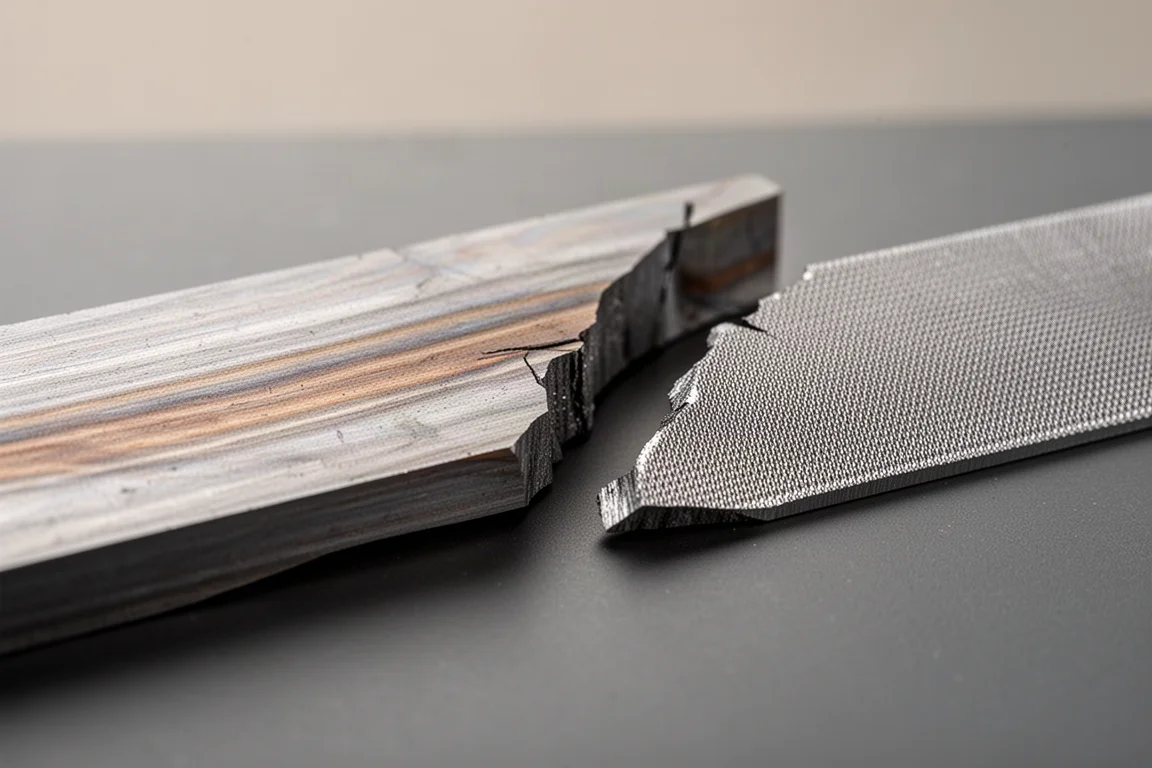
The more revealing difference is grain structure. Cut a cross-section through the forged wrench and the grains are so fine and uniform they look like powder. The laser-cut wrench shows larger, visually apparent grains with more color variation and a distinct layered pattern, like the stacked sheets you would see in rolled plate. In failure tests, the forged wrench deformed and took material with it, while the laser-cut wrench broke off cleanly along a plane you would expect from its grain structure.
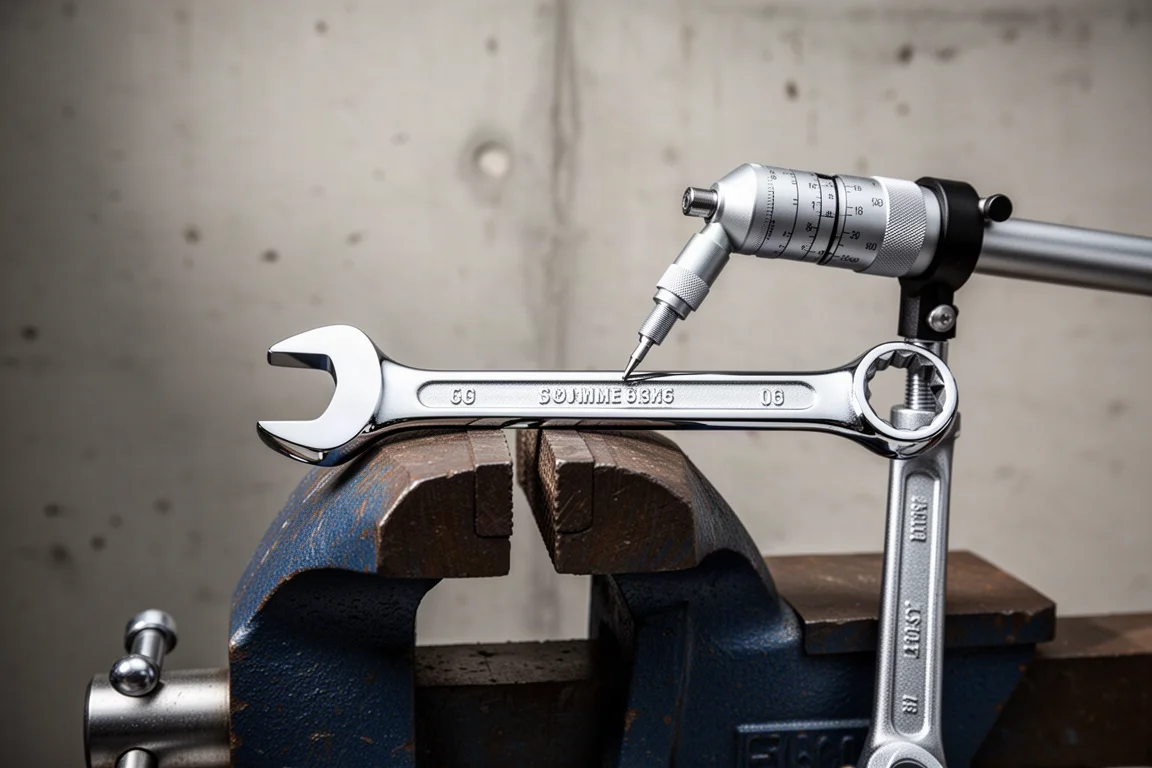
The theory behind forging backs this up: machining from rolled bar or plate cuts through the longitudinal grain flow, while forging reforms the microstructure to follow the part’s contour, producing better fatigue properties and a tougher part. In practice, forged wrenches remain the stronger design.
Why Tekton Builds It This Way
There is a practical reason behind the process. Large forge works in the US are few, far between, and booked up with existing contracts, and forging requires separate tooling for every single wrench size, which adds up quickly. Laser cutting from plate has essentially no upfront tooling cost, scales identically whether you make 100 sets or 10,000, and the extra CNC, heat treat, and finishing steps are not the cheap route either. It simply reflects the current US manufacturing reality. Getting occasional forge time with your own tooling is something that just does not happen domestically anymore, and even Taiwan’s options are getting backed up.
Who Should Buy It
None of this makes the wrench a bad tool. It is designed specifically for awkward-to-access fittings, which is the only reason you would reach for an odd offset double open-end wrench in the first place. You are not applying monstrous torque in those situations, so the theoretical durability gap is unlikely to materialize in real-world use. Tekton arguably picked the perfect tool type for this process, and it is a genuinely good-looking tool.
Buying Advice
If you regularly work on soft metal fittings or tight-access fasteners where a 30 and 60 degree offset gives you the angle you need, this wrench makes a lot of sense. Keep in mind it costs roughly two and a half times Tekton’s Taiwan-made selection per piece, and that premium buys US manufacturing and precision rather than maximum durability. For general-purpose wrenching where brute grip matters, a traditional forged wrench remains the better value, because forging will always be king for everyday hand tools.
Conclusion
The Tekton angle head open-end wrench is a thoughtfully made, precision-machined tool with real strengths for hard-to-reach fittings. Its plate-steel construction trades some theoretical toughness for a manufacturing process that makes US production possible at all. For its intended narrow use case, that trade is easy to accept.
Product link
View more details for Tekton Angle Head Open-End Wrench
This product is mentioned in the review. Check the specifications, options, and compatibility before buying.
View more details for Tekton Angle Head Open-End WrenchFurther reading
Related Reviews
Hand Tools
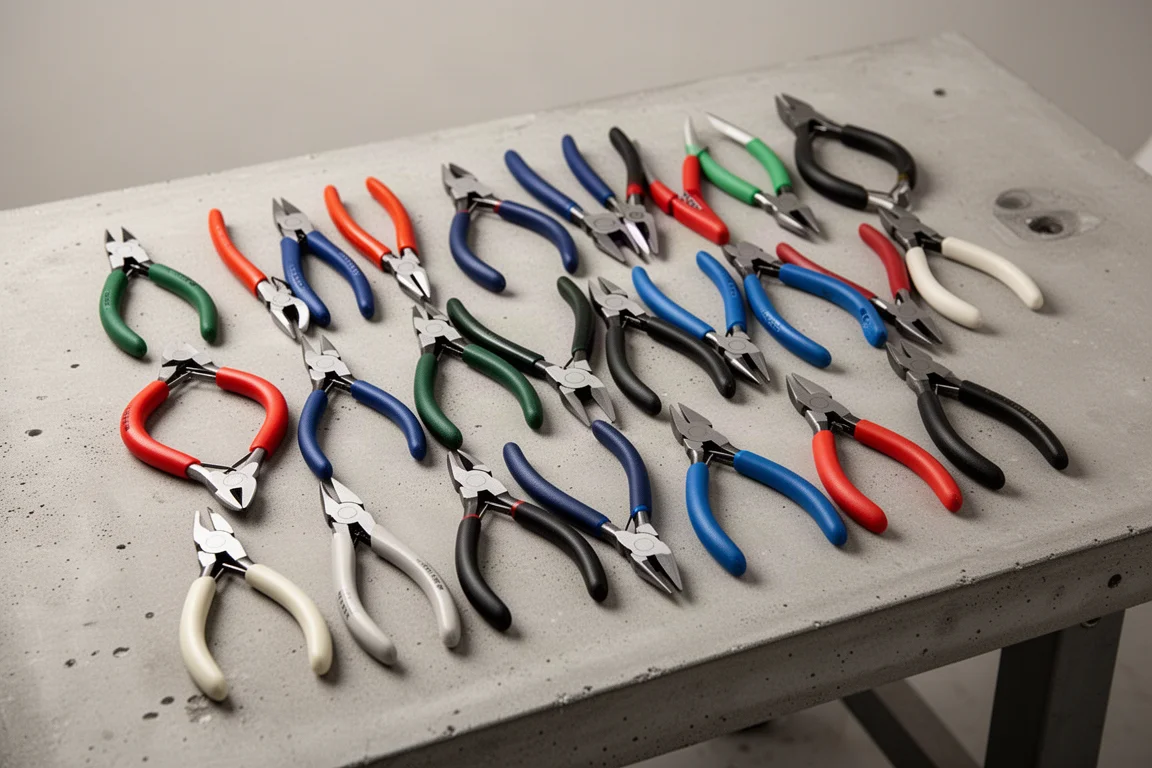
Best Diagonal Cutters 2026: 16 Pliers Tested for Cutting Power and Durability
We put 16 diagonal cutters through nail, screw, drill bit, and hex key tests to find the best value picks for your toolbox.
Hand Tools
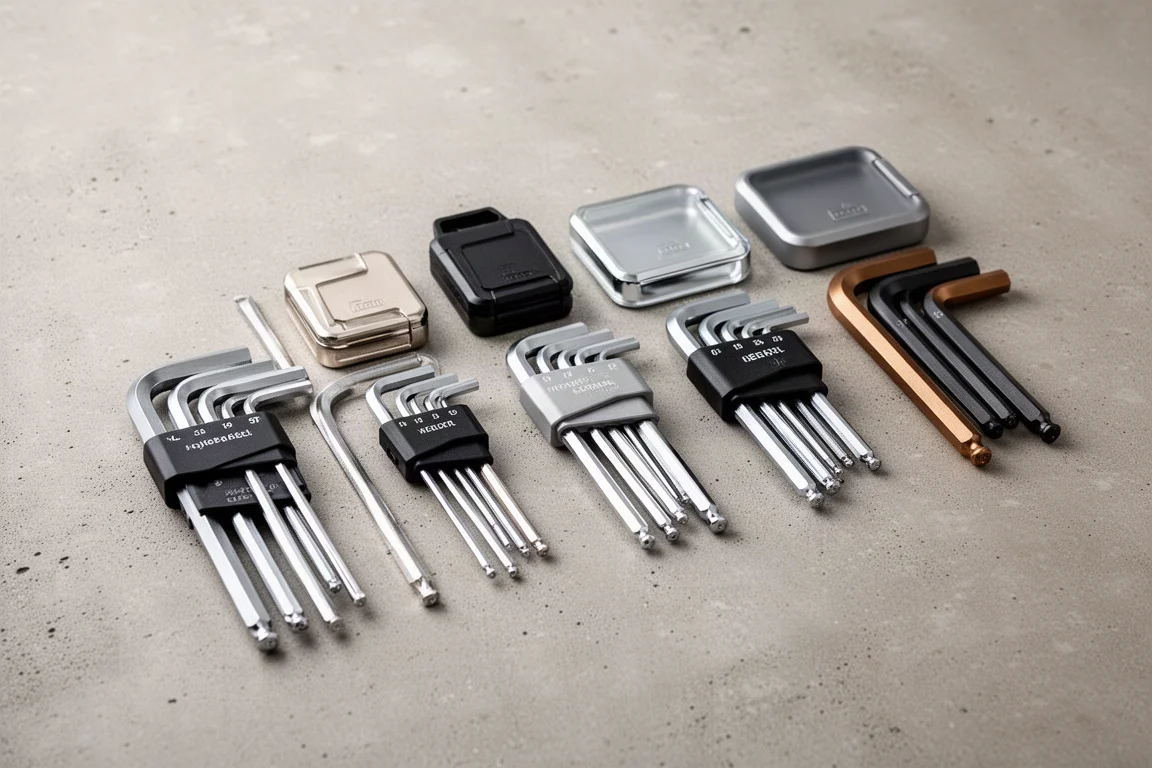
Best Hex L Key Sets 2026: Nine Sets Tested for Real-World Torque
Nine hex L key sets from budget to premium, tested for torque, fit, and durability. See which sets deliver real performance and which ones to skip.
Hand Tools
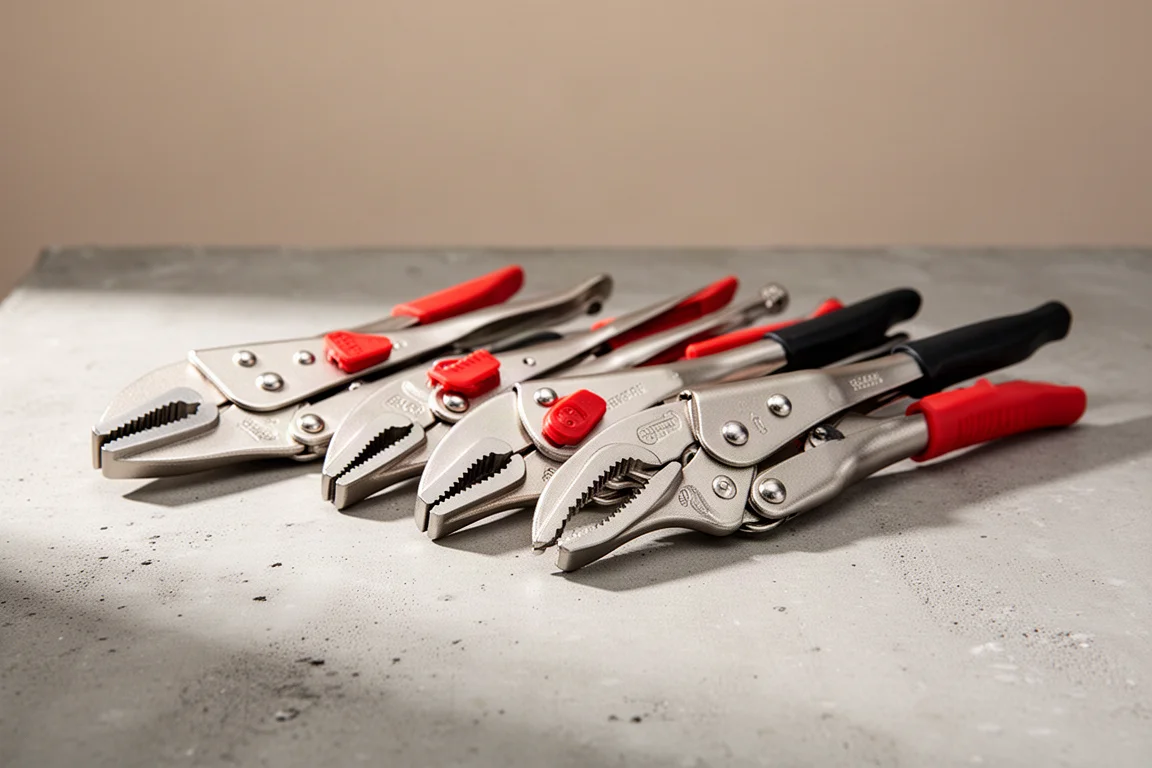
Best Locking Pliers 2026: Top Picks Tested for Grip and Durability
We tested 18 brands of 10-inch locking pliers for grip strength, jaw bite, build quality, and ease of release to find the best options for tough jobs.