Cycling Tech
Tech of the Month: Narrow Bars, New Road Shoes, Endurance Kit and a Five-Figure Aero Bike
A practical roundup of the standout road cycling releases this month: a narrow aero handlebar, fresh road shoes, endurance kit and a new flagship aero race bike.
Introduction
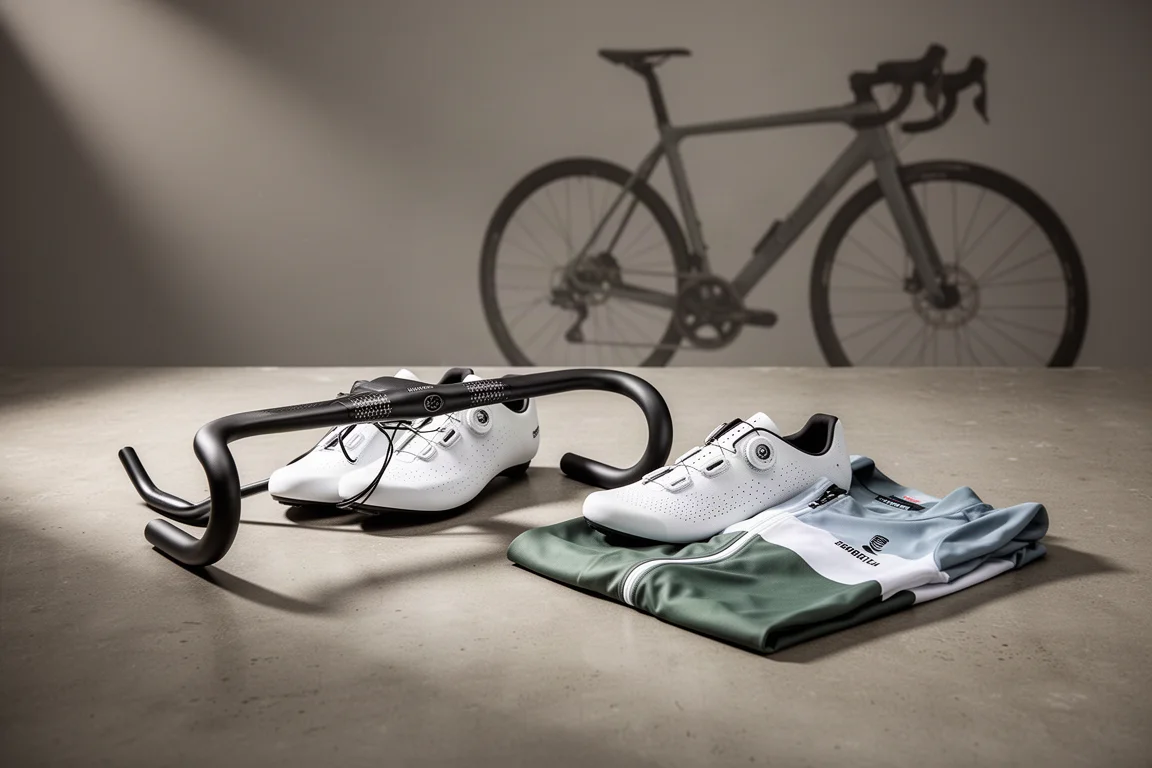
This month’s releases cover a lot of ground. There is a narrow aero handlebar from a British brand, a pair of quietly launched road shoes in both dial and lace versions, an aggressively priced premium road shoe, an endurance-focused kit set, and a new flagship aero race bike with a five-figure price tag.
The theme running through the roundup is value versus price. Some of these products look like genuinely strong investments per pound. Others sit at the very top of the market, where the numbers get harder to justify. Here is what stands out, what to weigh up, and who each item actually suits.

AC A Air Handlebar: Narrow Bars Done With Purpose
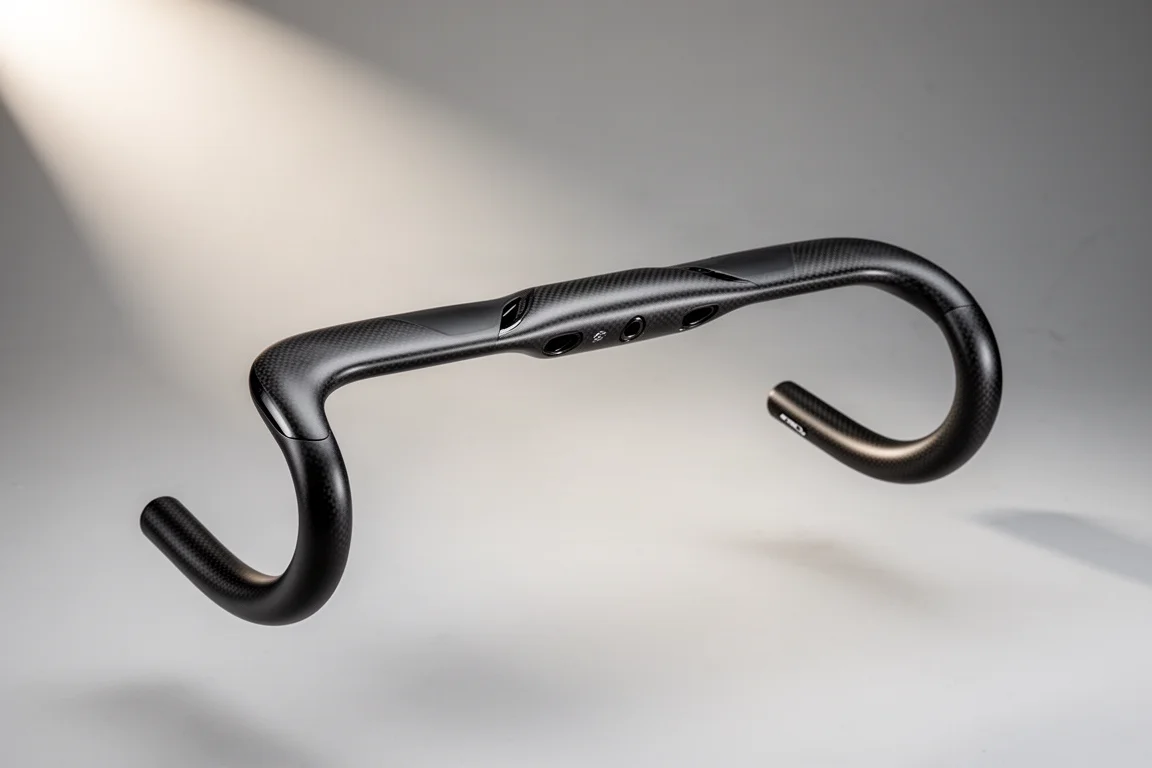
The AC A Air handlebar is a British-designed aero bar with an unusual profile. It measures 32 cm across the tops and 36 cm in the drops, with 75 mm of reach and 110 mm of drop. It ships with inserts for the drops to improve comfort and aerodynamics, plus pads on the tops so riders can rest their forearms for a more tucked position.
Full external cable routing runs along the bottom of the bar, with fairings covering the cables. Narrow bars are not for everyone from an ergonomic standpoint, but they are undeniably faster, and these feel usable and well-judged out of the box rather than skittish. There is a small thing to watch during sprints: the drop inserts could potentially catch a wrist. At around 280 GBP, this could be one of the biggest gains per pound you can make on a bike.
Giro Imperial 2.0: A New Flagship Dial Shoe
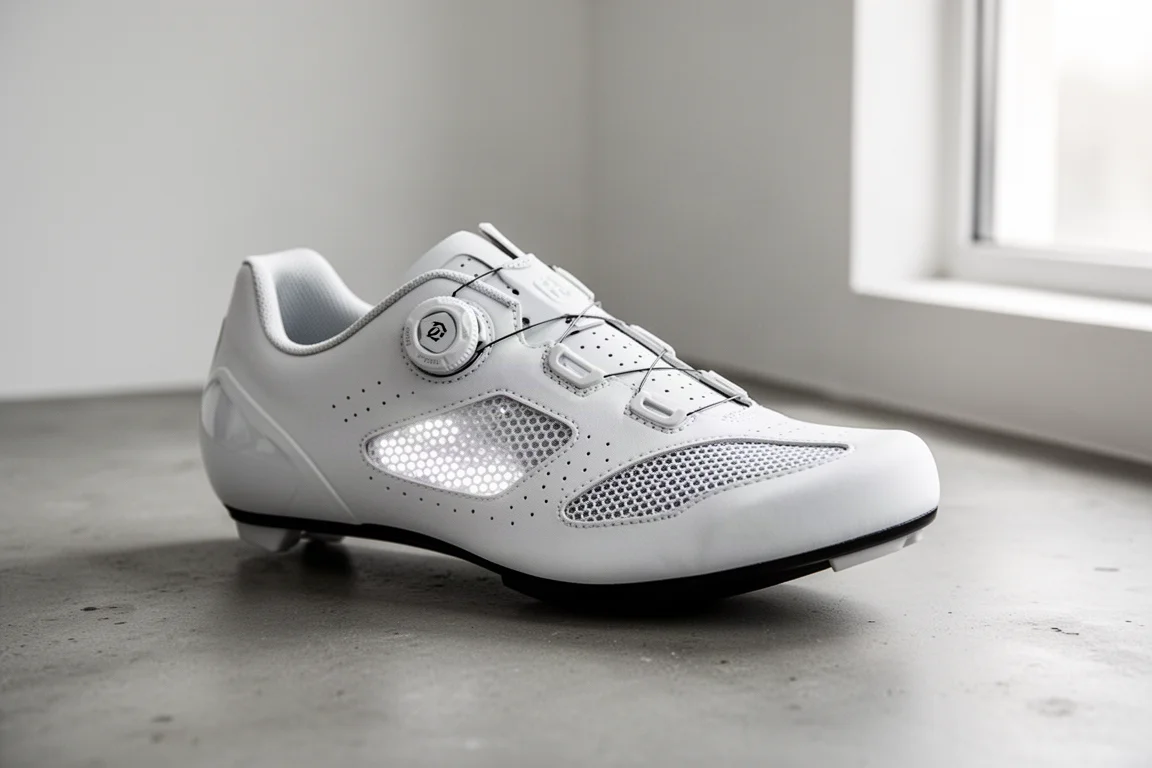
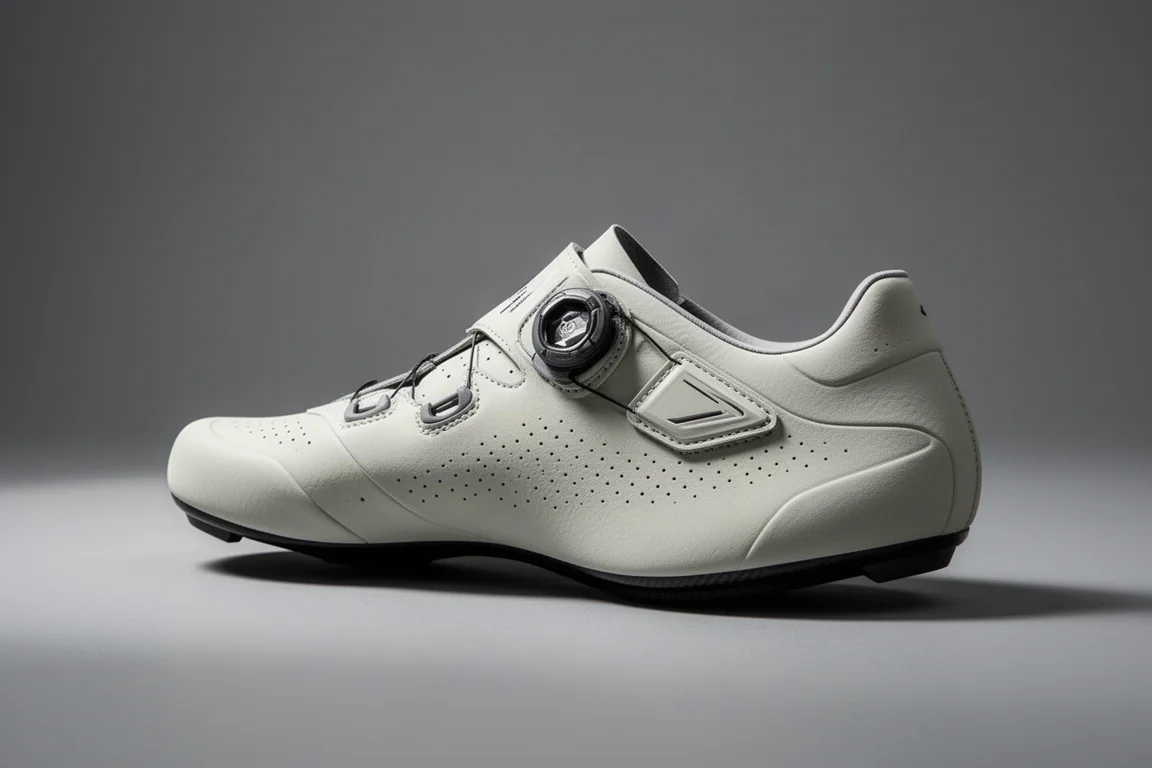
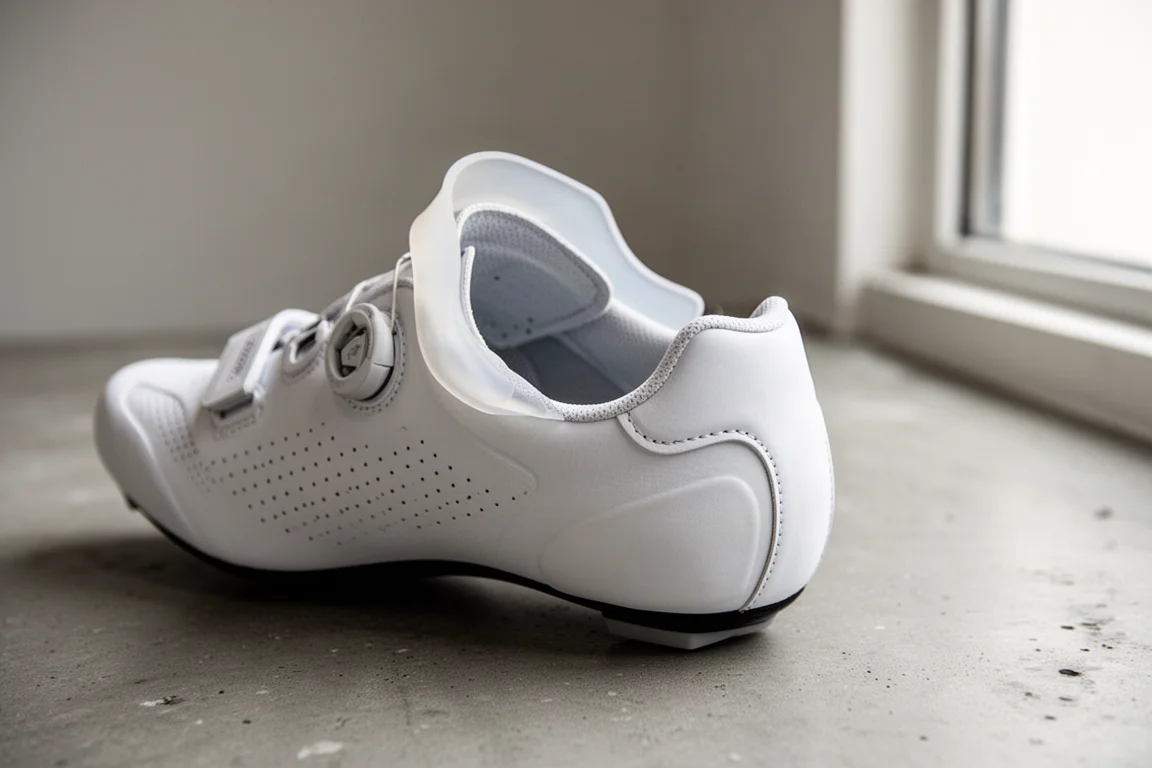
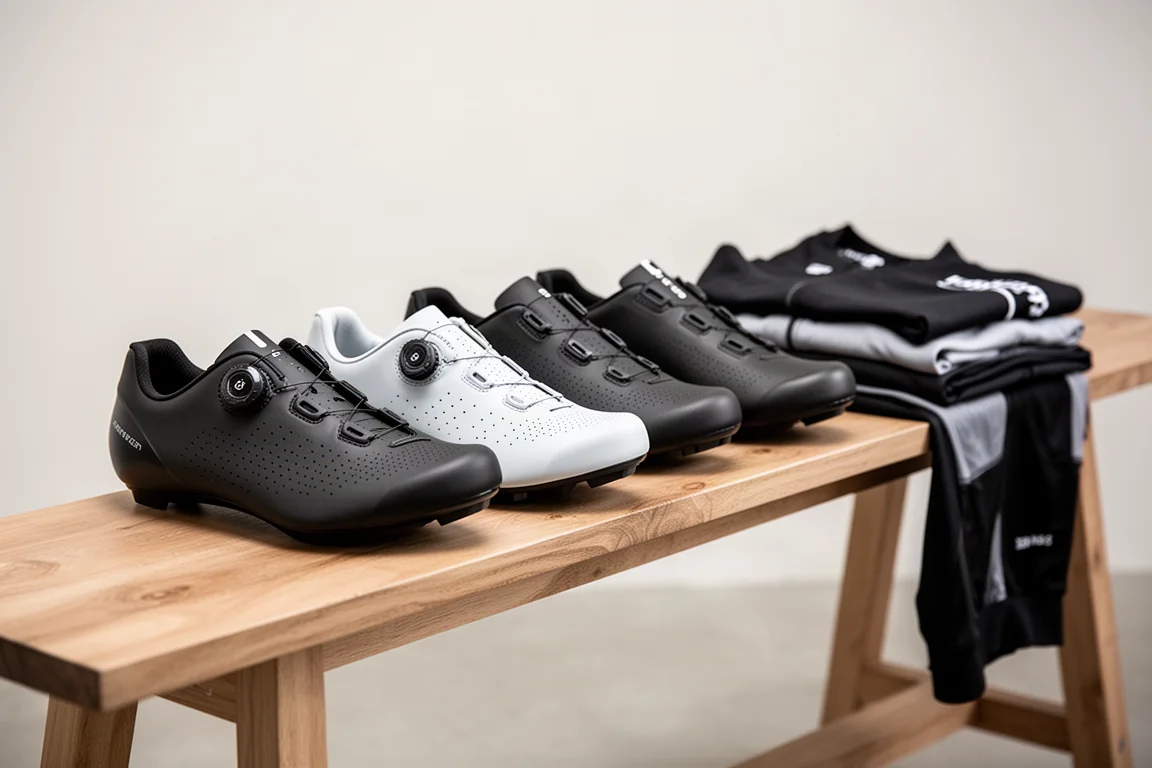
The Giro Imperial 2.0 arrived with little fanfare and sits at the top of the brand’s road range. It uses the Boa dial system, which remains the benchmark for fit adjustment, and runs a stiff carbon sole with a replaceable heel cup and a toe bash guard.
Two features stand out. The first is a silicone-edged tongue that is sculpted so the leading edge applies zero pressure points around the ankle, stretching and settling into place once your foot is locked in. The second is ventilation: the side panels are effectively mesh, so these are clearly aimed at warm conditions. Initial rides have been positive. The Imperials are available in white and black.
Giro Empire SLX 2.0: The Lace-Up Alternative
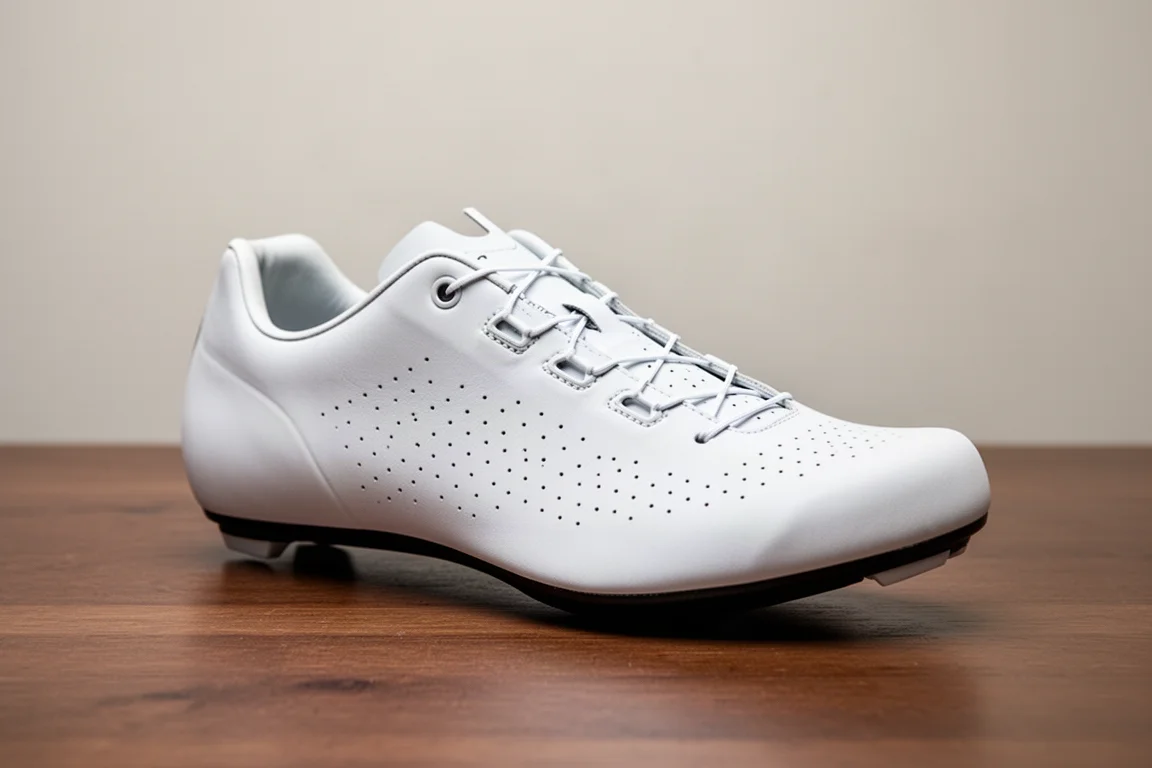
If you prefer laces, the Giro Empire SLX 2.0 continues that lineage. Lace shoes tend to be lighter, and there is roughly a 20 g per shoe saving between the new Empire SLX 2.0 and the Imperial 2.0.
The original Empire was an iconic shoe, widely adopted in time trial circles where every watt counts, and there is a strong argument that it helped popularise the white shoe and white sock look. The new version keeps the same approach: stiff carbon sole, replaceable heel cup, toe bash guard, and the same comfort-focused shaping as the Imperial. It sits below the Imperial on price.
Specialized S-Works Ares 2: Premium Aero Road Shoes
The Specialized S-Works Ares 2 pushes pricing to the very top of the road shoe market. The manufacturer claims a 7 watt power increase and a 44 percent reduction in foot pressure. The accompanying marketing language leans heavily on maximum connection between rider and bike.
It is worth separating the product from the pitch. A shoe that fits well and transfers power cleanly is genuinely valuable, but the claims cycle in this category has been running for years, and repeated near-identical numbers across brands start to blur together. The more useful questions are simpler: does the shoe fit your foot shape, and is it comfortable over long distances? Every foot is different, and few shoes will suit everyone. The Ares 2 may well be comfortable and fast, but at this price it is worth judging on fit and feel rather than headline numbers.
MAAP AON Jersey: Endurance-Focused Kit
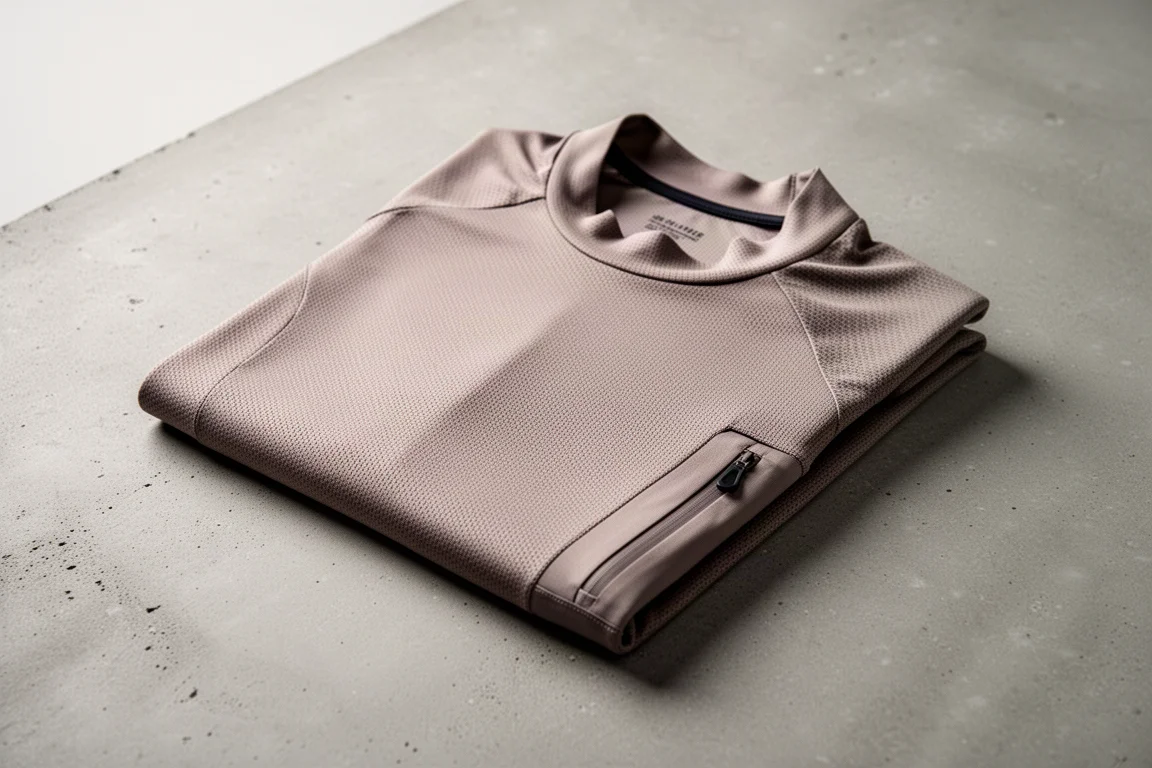
The MAAP AON collection is designed with endurance riding in mind. The jersey uses a PolarTec Delta fabric with a 3D knit structure, a seamless hem and a low-profile collar, all aimed at comfort over long hours in the saddle.
The fit is comfortable and the fabric has an almost old-school feel to it. Rear pockets are generously sized, with a zipped side pocket for valuables. On price, the jersey retails at around 170 GBP, which is squarely in designer territory. It is a premium garment from a premium brand, and the appeal here is comfort and construction rather than value.
MAAP AON Bib Shorts: Pockets for Long Rides
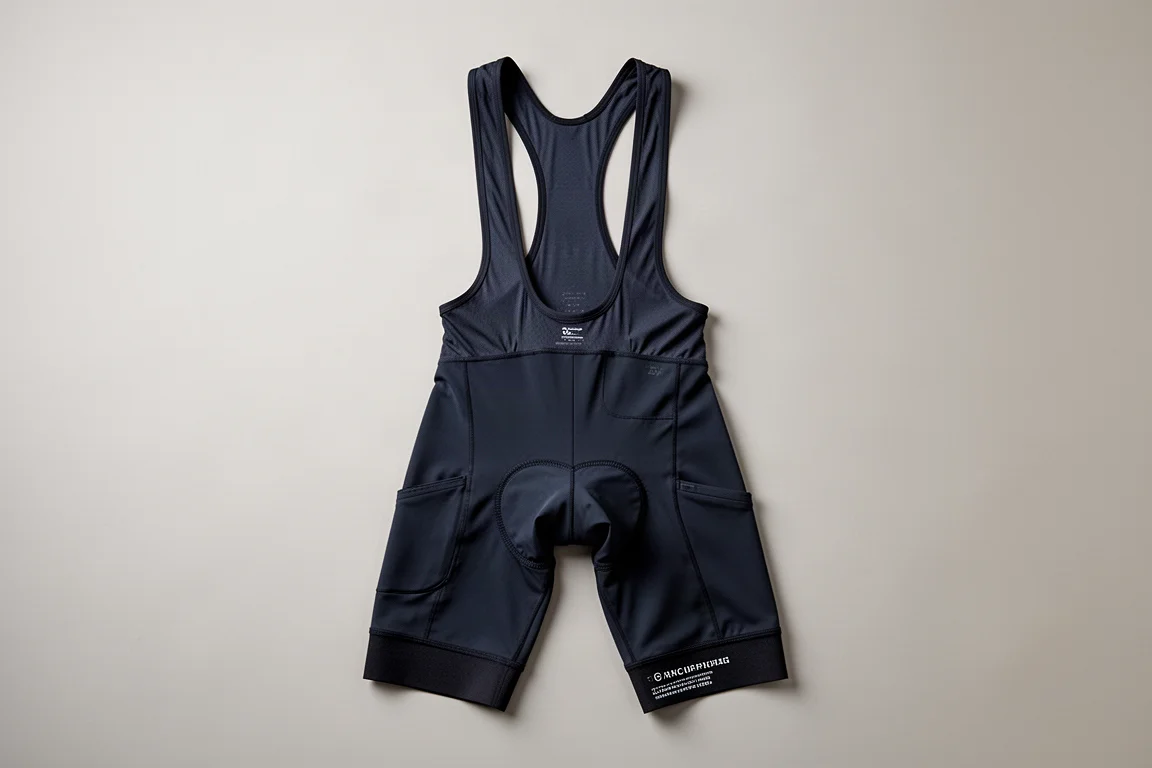
The matching MAAP AON bib shorts come in at around 240 GBP. They use a new chamois and a single-panel leg construction with the gripper built into the end of the panel, which should improve comfort.
The most distinctive feature is the pair of pockets on the bib shorts. They are aimed at endurance, gravel and ultra-distance riders, and would also suit anyone on very long training rides. The pocket openings look quite small, though the pockets themselves are a healthy size, so thin, long items such as gels should be easy to store. Bulkier items may take more effort to retrieve. Expect a full review once both pieces have had more ride time.
Van Rysel RCR-F: The Flagship Aero Race Bike
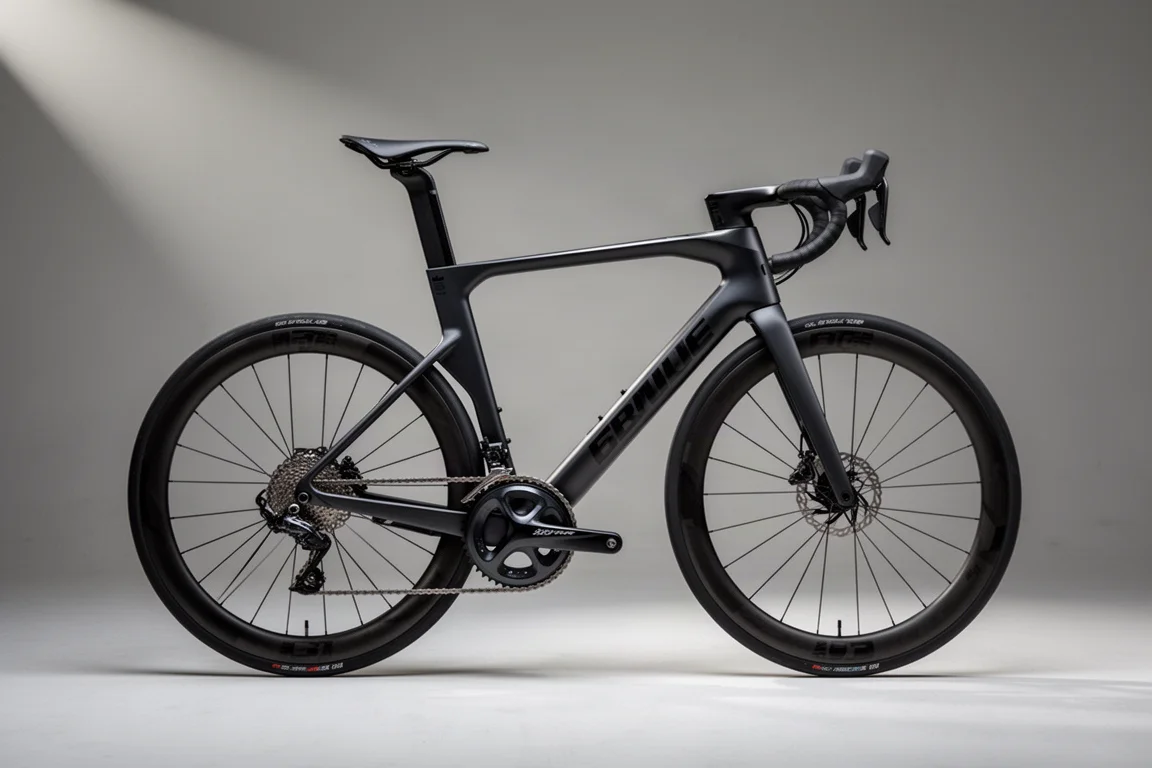
The Van Rysel RCR-F is the aero race bike that the brand’s pro riders have been racing for close to a year, and it has now been officially launched with full details. Against the standard RCR Pro, the claimed gains are 13.6 watts at 45 km/h and 20.1 watts at 55 km/h, bike only. The front end is claimed to be 7 percent stiffer, and tyre clearance is 32 mm.
There is a new integrated cockpit tuned specifically for the rider type and race scenarios the bike is built for, with slightly extruded drops for comfort in the sprint. The seat stays and front end share design language with the RCR Pro, though the tubes are considerably deeper. The bike weighs a claimed 7.12 kg and is explicitly not optimised for climbs above 5 percent, which is where the RCR Pro takes over. The geometry is aggressive: longer and significantly lower at the front than some well-known race bikes in the same size.
The real talking point is cost. This is the first Van Rysel bike to retail in five figures, landing around 10,000 GBP at the top spec and less for other builds. That undercuts several premium aero bikes, but it is no longer the value proposition the brand is known for, and it is more expensive than at least one highly regarded aero race bike. This is a specialist race machine rather than a mainstream all-rounder.
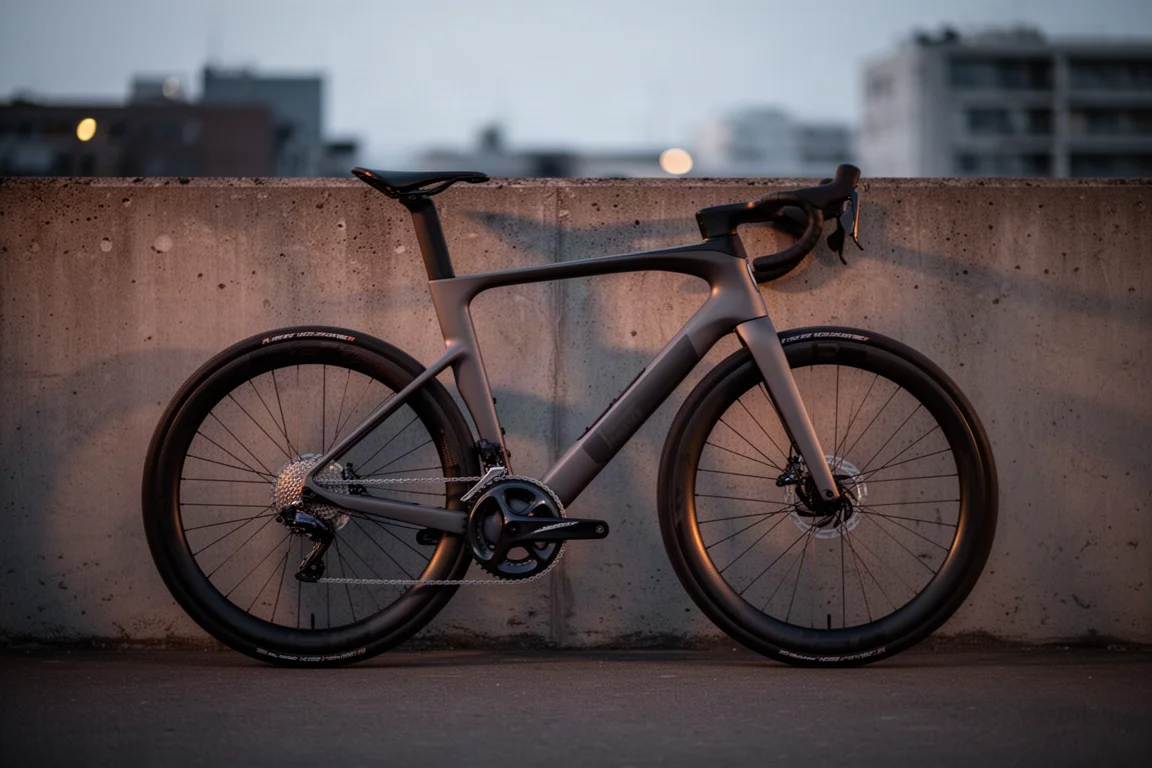
Van Rysel RCR Pro: The All-Round Road Bike
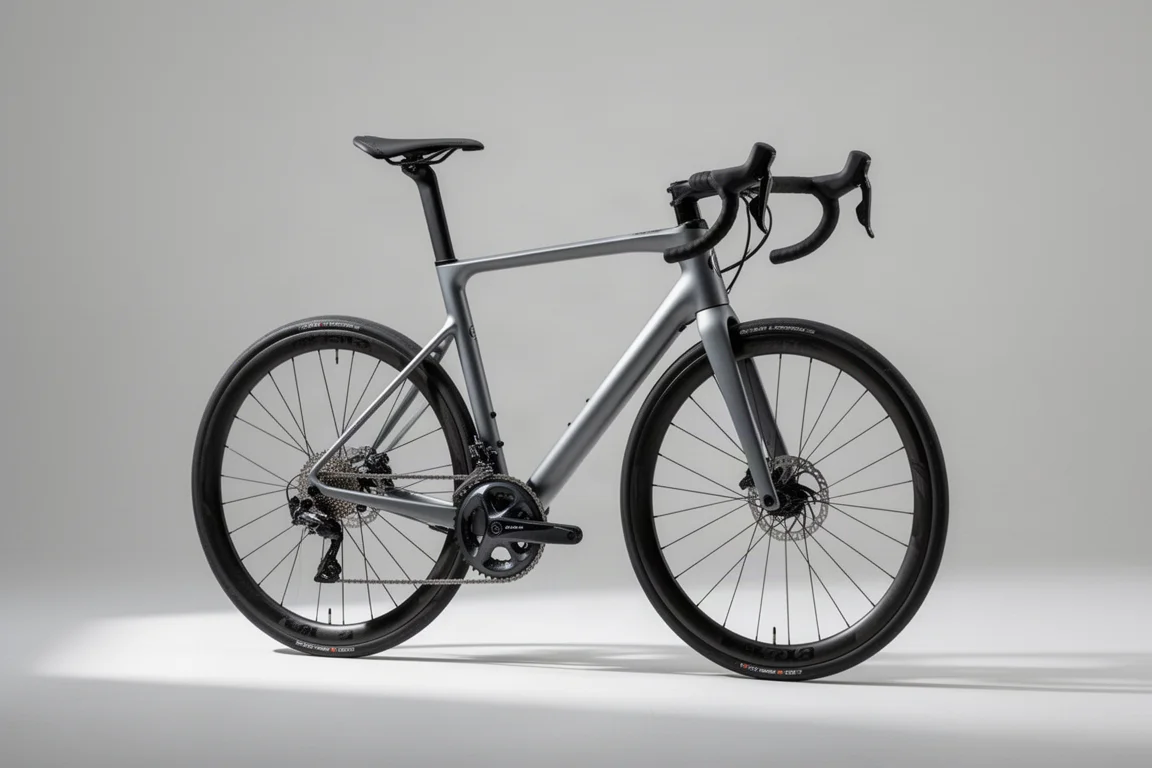
The RCR Pro sits alongside the RCR-F as the brand’s standard road bike and serves as the comparison point for the aero model’s claimed gains. It is the bike the brand positions for climbing terrain, where the deeper, heavier aero bike gives up ground.
The two-bike approach gives a pro team a choice based on the stage or race in front of them, and the same logic applies to riders weighing up which build makes sense for their own terrain. If most of your riding is hilly, the standard road bike is the sensible counterpart to the aero flagship. It also sits below the RCR-F on price.
Overall Buying Advice
Work out what you actually want from each purchase before you look at the price tag.
For handlebars, the AC A Air is the clearest value story here. Narrow bars deliver real aerodynamic gains, and at around 280 GBP the return per pound is strong, provided the fit and handling suit you. Narrow widths are not universally comfortable, so treat them as a performance upgrade rather than a default choice.
For shoes, the decision comes down to fit and closure preference. The Giro Imperial 2.0 and Giro Empire SLX 2.0 offer a clear dial-versus-lace choice with a small weight difference between them, and both sit below the top of the market. The Specialized S-Works Ares 2 costs considerably more, and the case for it rests on fit and feel rather than on published claims. Buy the shoe that suits your foot.
For kit, the MAAP AON jersey and bib shorts are premium endurance pieces. The pockets on the shorts make them genuinely useful for long-distance riding, and the jersey’s fabric and construction are aimed squarely at comfort. Both are priced accordingly, so they make most sense for riders who will use the endurance features regularly.
For bikes, the Van Rysel RCR-F is a specialist aero race machine with aggressive geometry and a five-figure price, while the RCR Pro remains the all-round option. Match the bike to your terrain and your position on the bike, not to the headline watt savings.
Conclusion
This month’s releases split cleanly into two groups. The AC A Air handlebar, the Giro shoes and the MAAP endurance kit all offer a reasonably clear case for the money, provided the fit and use case line up. The Specialized S-Works Ares 2 and the Van Rysel RCR-F sit at the top of the market, where the products may well be excellent but the pricing and the marketing claims deserve a closer look before you commit.
Further reading
Related Reviews
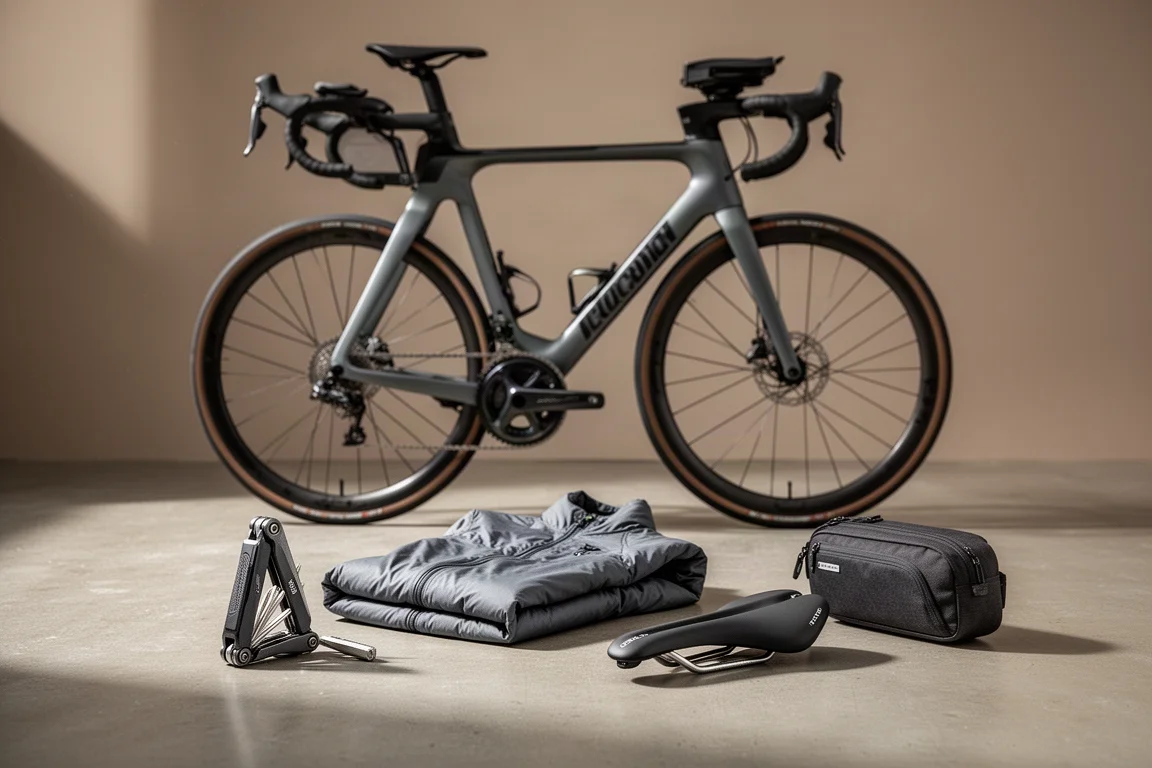
Cycling Tech
Best Cycling Tech: Nine Standout Products Worth Considering
Nine pieces of cycling kit that earned their place through long-term use, from a keenly priced World Tour race bike to a multi-tool that has survived two years of hard riding.
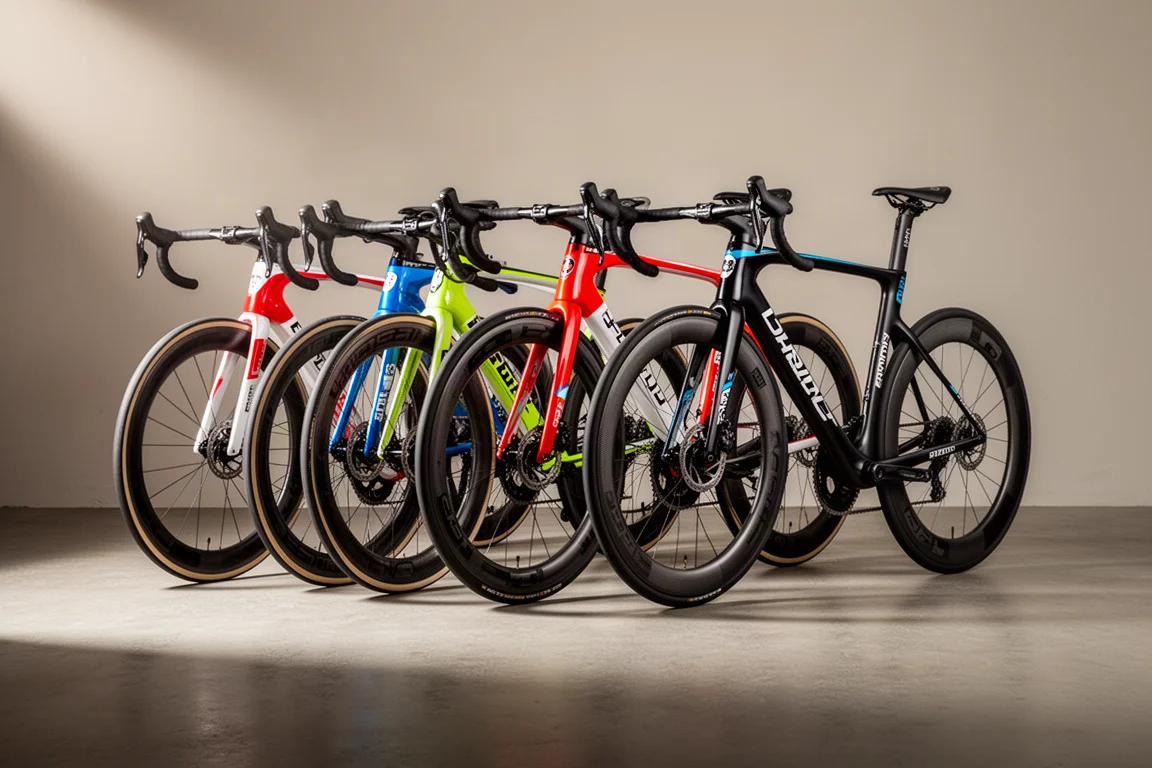
Cycling Tech
Best Pro Peloton Bikes and Components 2023: 8 Standout Upgrades
A roundup of the most technically interesting pro peloton bikes and components for 2023, from the Cannondale SuperSix EVO to Shimano Dura-Ace and Continental GP5000 S TR tires.
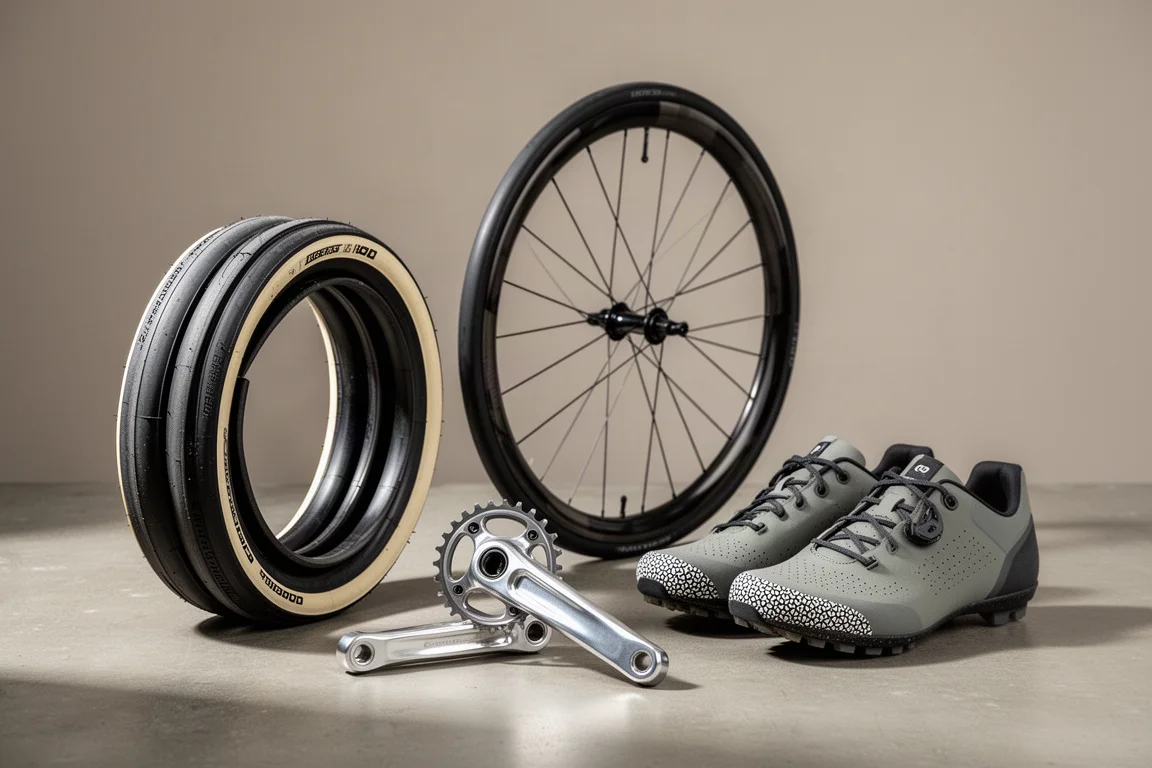
Cycling Tech
Bike Tech Roundup: Five Standout Upgrades Worth a Closer Look
A four-season tubeless tire, a featherweight climbing wheelset, a hangar-free drivetrain and two pairs of gravel shoes, assessed on the details that matter.