Kitchen Knives
Teada Kitchen Knives Review: Four Blades That Earn Their Place in the Drawer
A closer look at four Teada knives, covering how each one cuts, where each shines, and which blade suits your cooking style.
Introduction
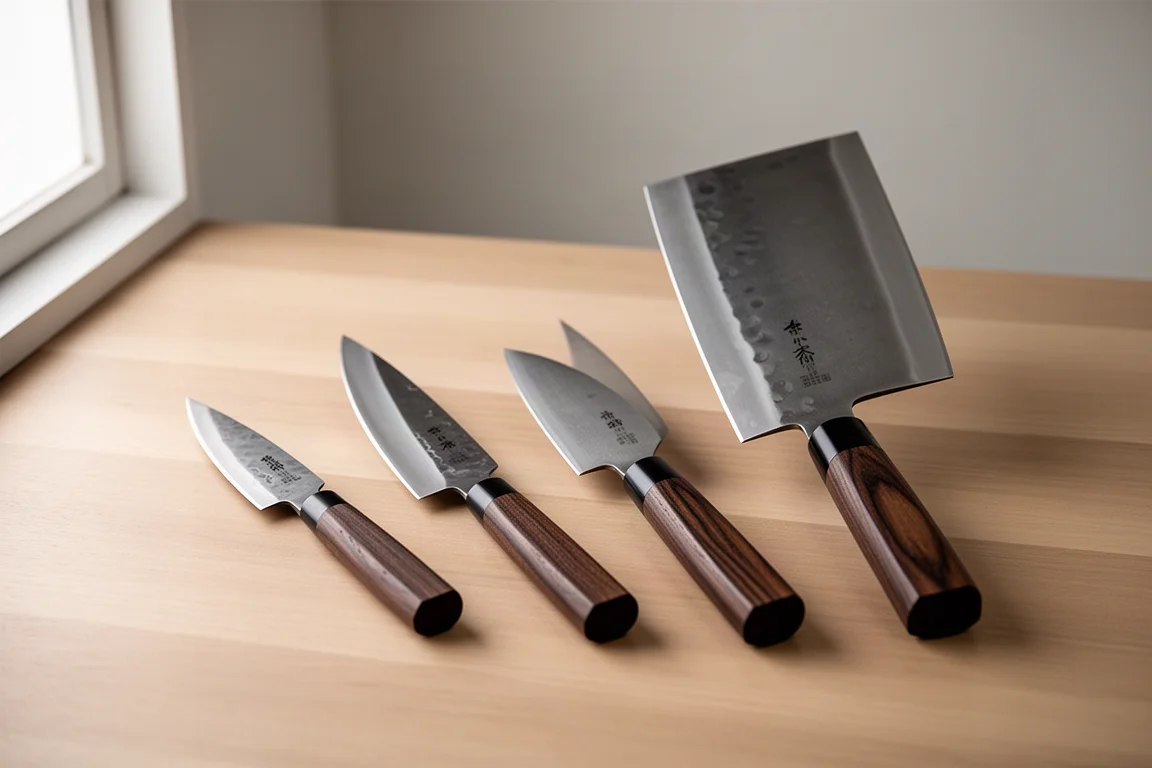
Some knife collections are built on specs and steel charts. This one is built on genuine affection. Across a collection of six kitchen knives, Teada stands out as the favorite brand by a clear margin, and four of its blades are worth a closer look: the Funayuki, the Higo, the Petty, and the Nakiri.
What makes these knives appealing is not complicated. The aesthetics are a huge part of it, from the classic simple handles to the blade shapes, coloring, and small bevel. But there is real performance behind the looks too. The blades are thin, lightweight, and bite into produce beautifully, making them a genuine pleasure to use day after day.
Teada Funayuki: The Everyday Favorite
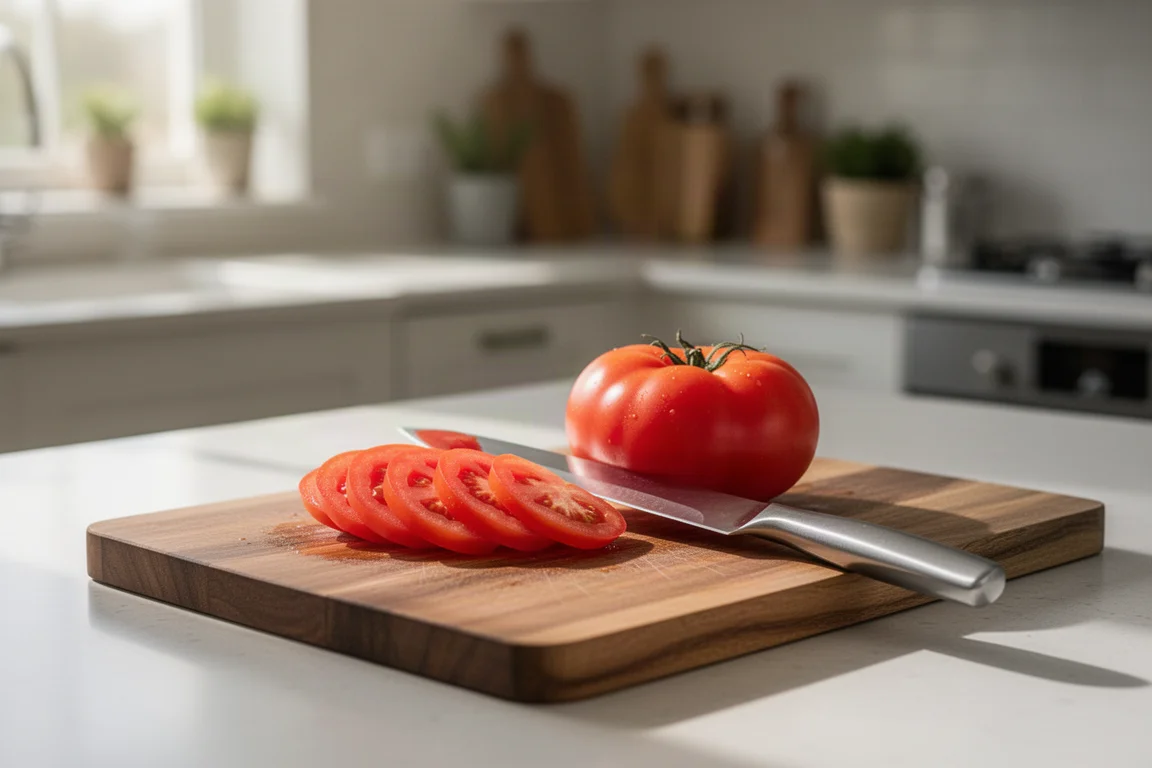
Of all the knives in the collection, the Teada Funayuki is the most used by far, and the reasons come down to shape and length. The 165 millimeter blade is the sweet spot: anything much larger than 180 millimeters just does not feel right, and this length hits perfectly. The Funayuki is not technically a santoku, but it is close enough in practice, and it offers two things that matter most: a point for detailed work and just enough of a rocking motion when cutting.
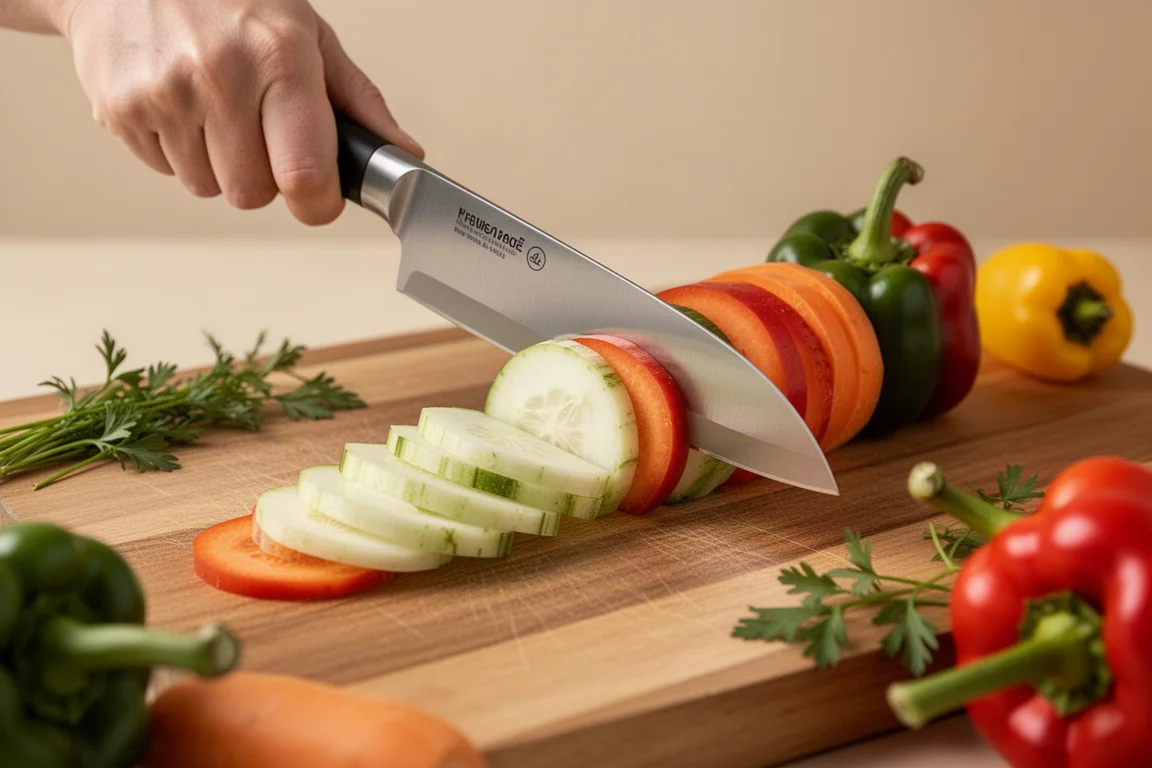
In terms of cutting performance, typical produce is a breeze. Tomatoes are a highlight, with the blade biting in nicely, and peppers, lettuce, cabbage, and mushrooms all go down easy. It glides through soft produce and makes simple work of everyday prep.
There is one honest trade-off to understand before buying. Because the blade is so thin, it can start to wedge in denser produce such as potatoes, beets, or even carrots. For those jobs, a thicker and more robust blade is the more comfortable choice, especially for anyone nervous about tweaking a delicate edge. And for slicing meat, the shape and length are not the best fit either. But for vegetable-forward everyday cooking, it is hard to beat.
Teada Higo: Light, Thin and Easy to Love
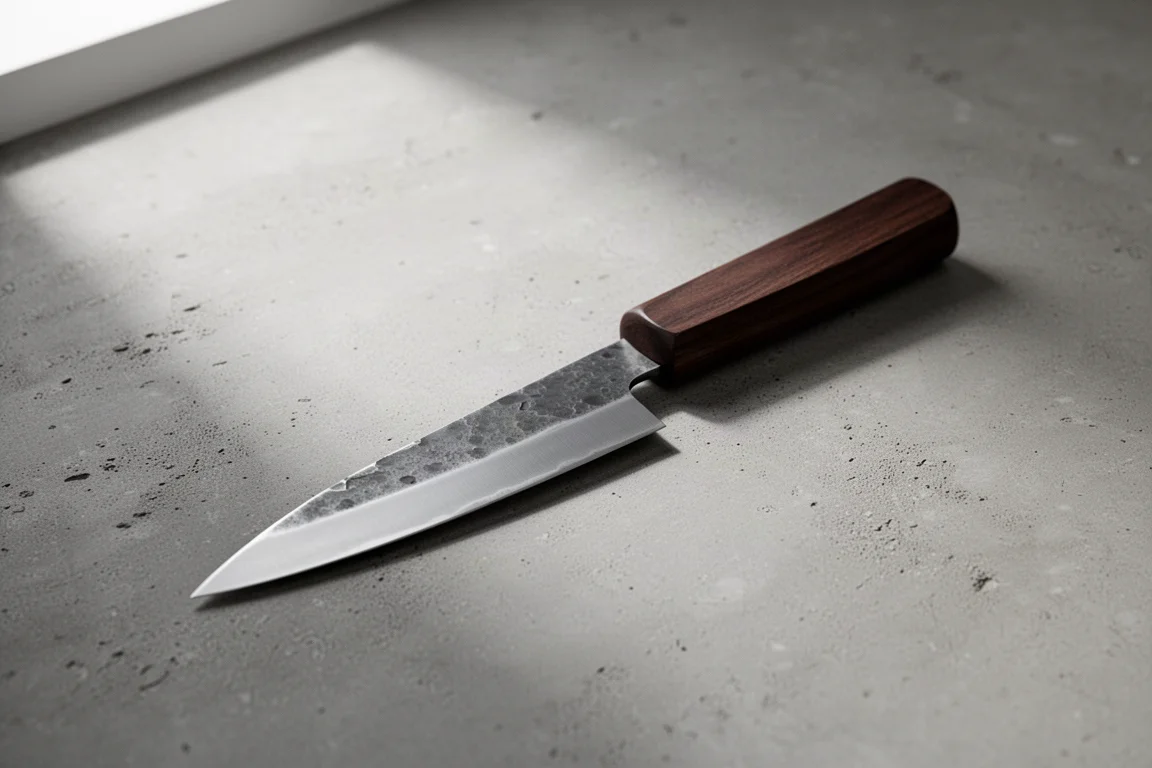
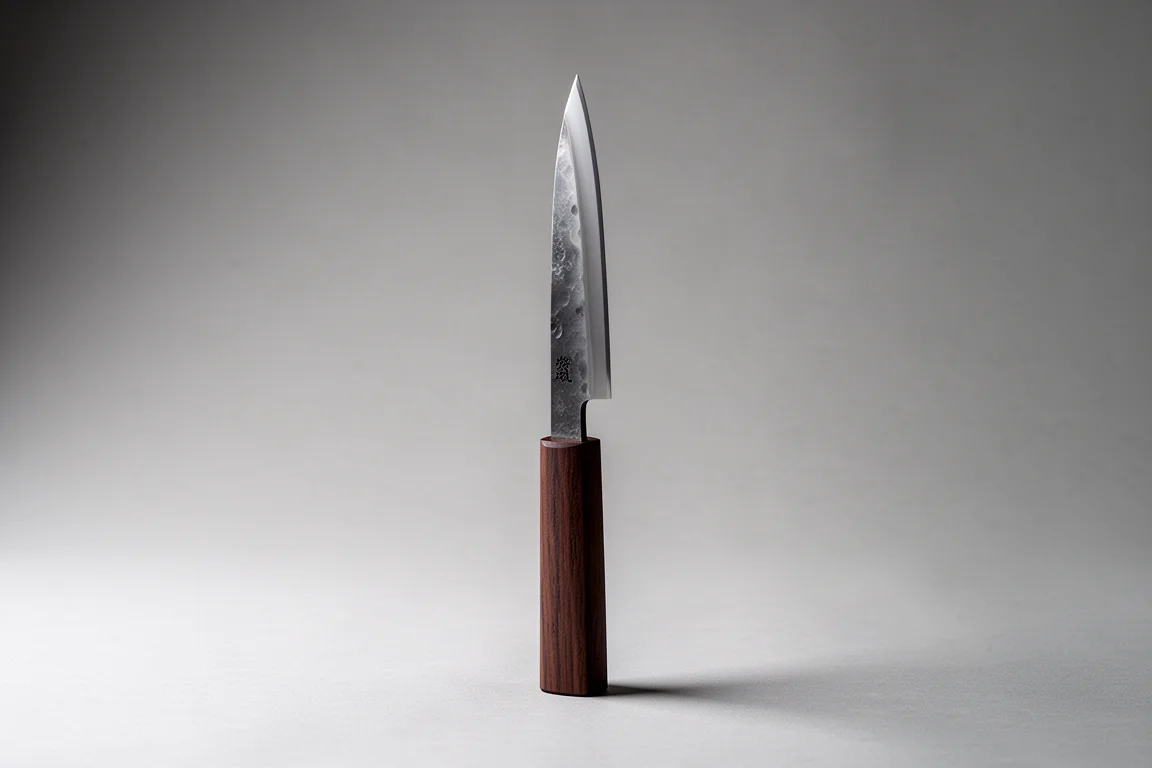
The Teada Higo rounds out the collection alongside the Funayuki and Petty, and it shares the same core appeal. Like its siblings, it is very light in the hand, has a thin blade, and cuts through everything with the same satisfying ease. The consistent feedback across all three knives is how pleasant they are to use: the thin blade bites into different produce effortlessly and just glides.
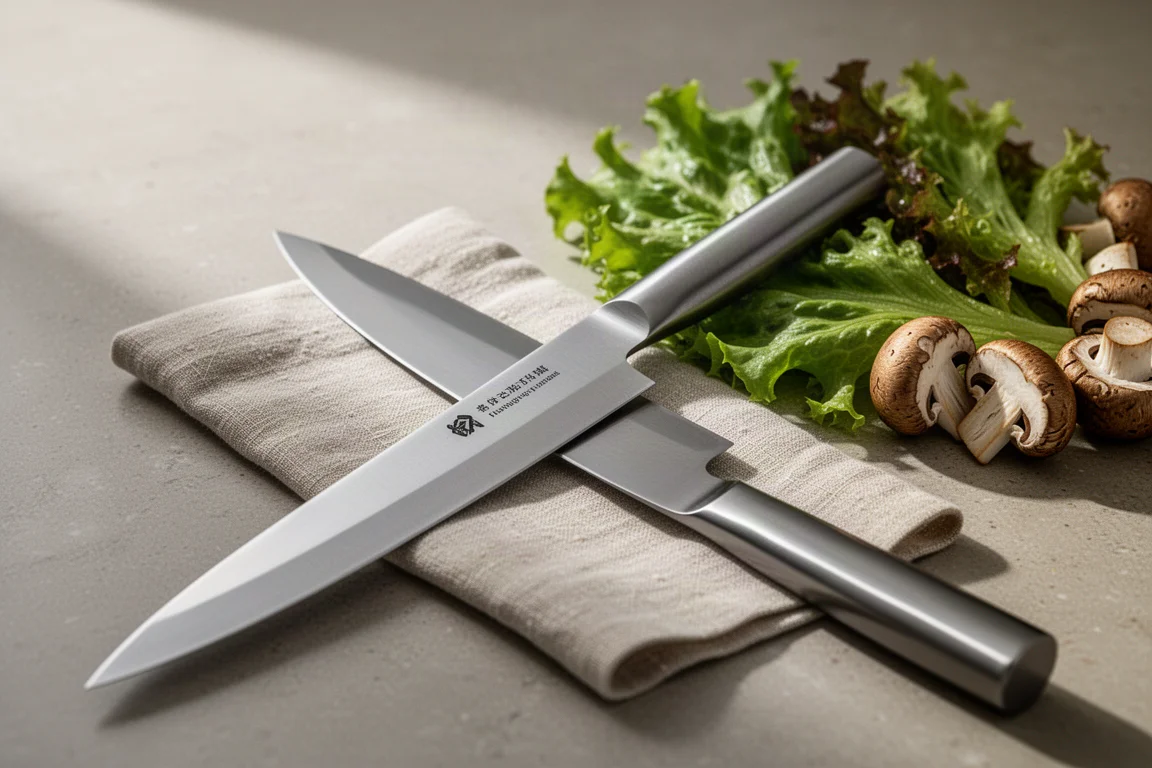
The Higo suits cooks who want the same lightweight, thin-bladed experience in a traditional utility form. It is not about flashy features; it is about a knife that feels comfortable and effortless every single time you pick it up.
Teada Petty: Small Blade, Big Appeal
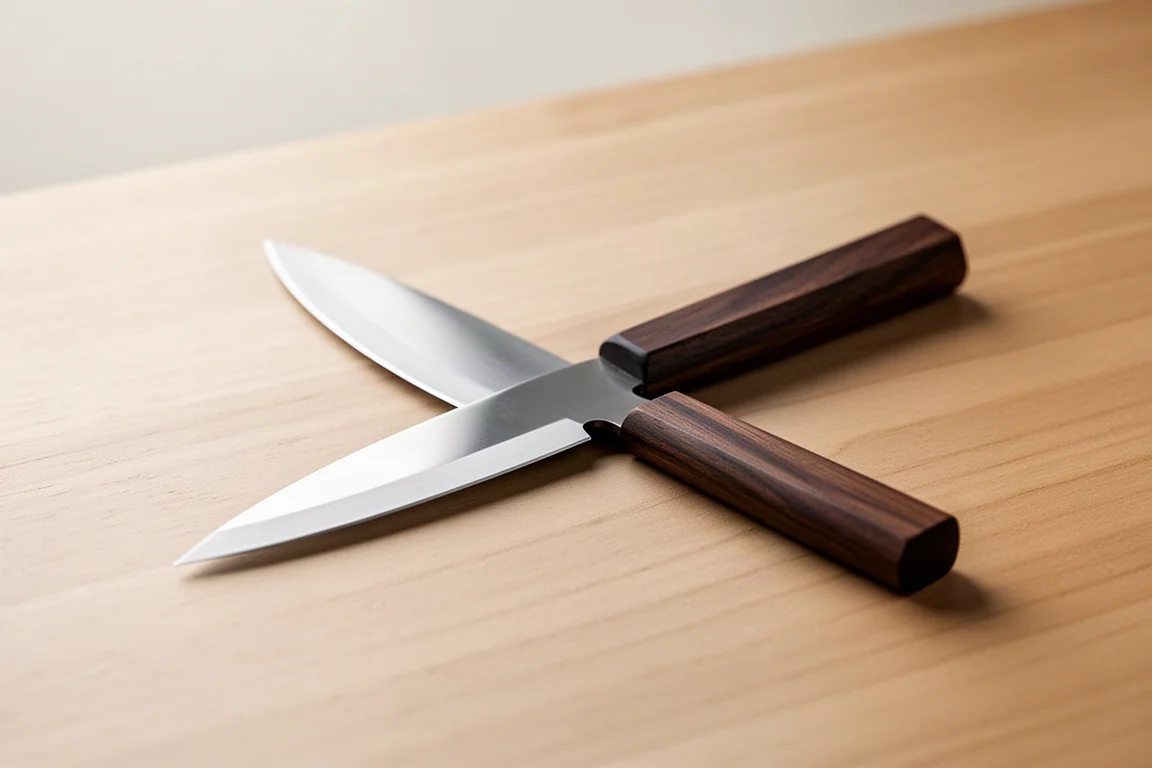
The Teada Petty is the third knife in the trio, and it earns its place through the same qualities: a thin blade, a light feel, and clean, easy cuts. Tomatoes are where the Petty genuinely shines, biting into the skin nicely and making it one of the more enjoyable knives for that task in particular.
It is a versatile small blade for quick tasks, detail work, and anything where a shorter, nimbler knife feels more natural. If you find large chef knives unwieldy for everyday prep, the Petty is the kind of knife that quietly becomes the one you reach for most.
Teada Nakiri: The Dense Produce Specialist
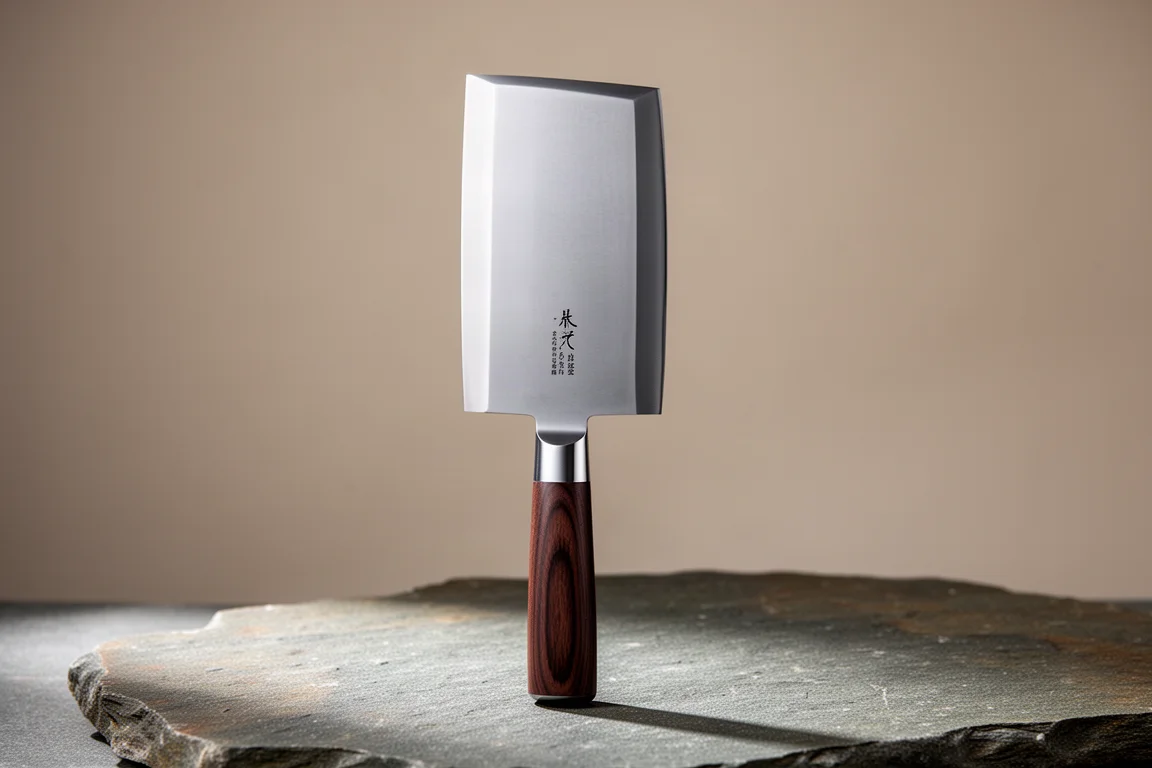
The Nakiri fills a different role in the lineup. Where the thin-bladed Funayuki can wedge in harder produce, a Nakiri-style blade handles denser vegetables far better. Potatoes, beets, carrots, and other firm produce are where this profile makes the most sense, giving you the confidence to push through without worrying about a delicate edge.
There is also a shape-based appeal here. Without a pointed tip, a Nakiri forces a clean up-and-down chop, which many cooks find efficient and satisfying for vegetable prep. If the Funayuki is the everyday all-rounder, the Nakiri is the dependable specialist for the jobs that would make a thin blade nervous.
Choosing the Right Teada Knife for Your Kitchen
The right choice depends on what you cut most often. If your cooking revolves around soft produce, salads, tomatoes, and everyday slicing, the Funayuki is the strongest starting point thanks to its shape, length, and versatility. If you want a lightweight traditional utility blade, the Higo delivers the same effortless feel. The Petty is the natural pick for smaller hands, quick tasks, and precision work. And if dense vegetables feature regularly in your kitchen, the Nakiri is the more robust partner that a thin blade cannot safely be.
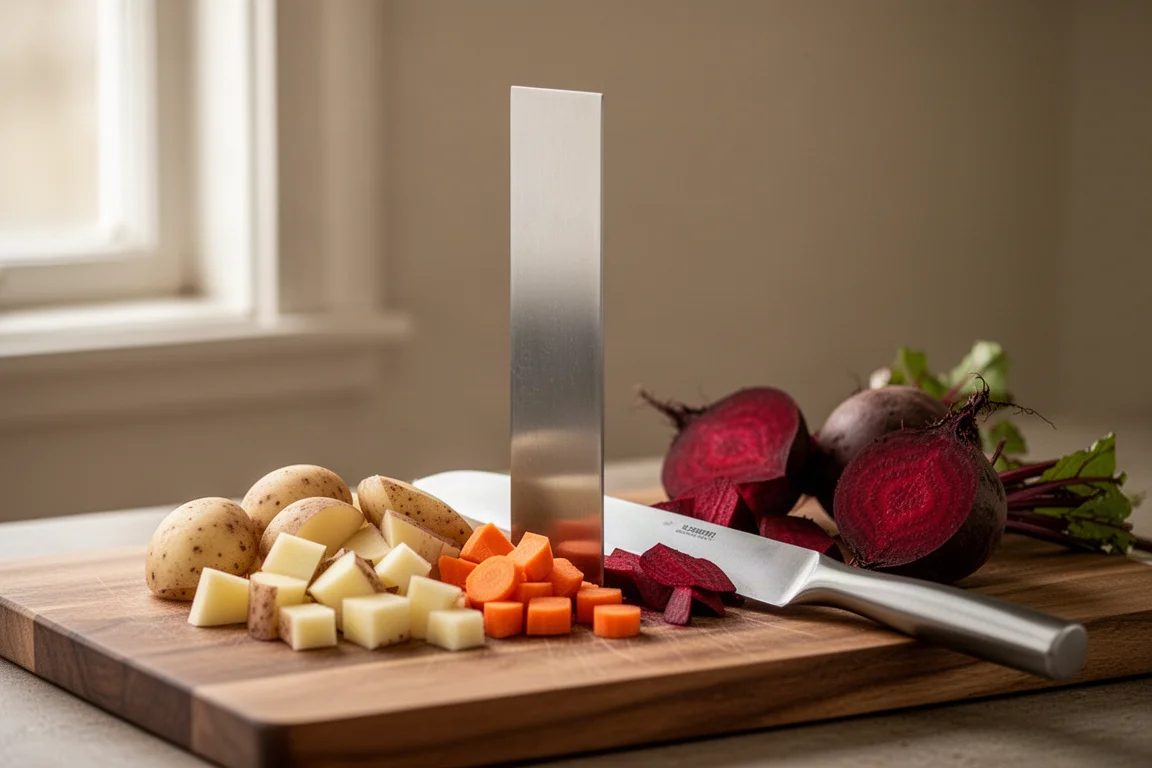
One more thing worth knowing: Teada tends to inspire loyalty. The collection keeps growing, with more blades already on the wishlist, and it is easy to see why. The combination of classic aesthetics, lightweight handling, and genuinely pleasant cutting performance makes these knives easy to recommend to anyone who enjoys time at the cutting board.
Conclusion
Teada knives win people over with looks, but they keep that loyalty through performance. The Funayuki is the everyday favorite for soft produce and general prep, the Higo and Petty offer the same lightweight charm in different sizes, and the Nakiri steps up for denser vegetables. Pick the one that matches your most common tasks, and you will likely end up wanting more than one.
Further reading
Related Reviews

Kitchen Knives
Best Chef's Knives 2026: 27 Popular Options Tested and Ranked
A comprehensive review of 27 chef's knives ranging from $18 to $380, with honest assessments of handle comfort, blade balance, and real-world performance.

Kitchen Knives
Best Chef's Knives Under $75: Two Tested Recommendations
Two practical 8-inch chef's knives that balance sharpness, comfort, and durability without premium pricing.

Kitchen Knives
Best Chef's Knives 2026: 27 Options Tested and Ranked
A comprehensive review of 27 chef's knives ranging from $18 to $380, with honest assessments of handle design, balance, blade profile, and real-world performance.