Outdoor Cooking
Tan Grill vs Konro: A Premium Stainless Charcoal Grill Faces Off Against a Classic
A hands-on comparison of the stainless steel Tan Grill and a traditional Konro, covering heat retention, cleaning, cooking space, and who each grill suits best.
Introduction
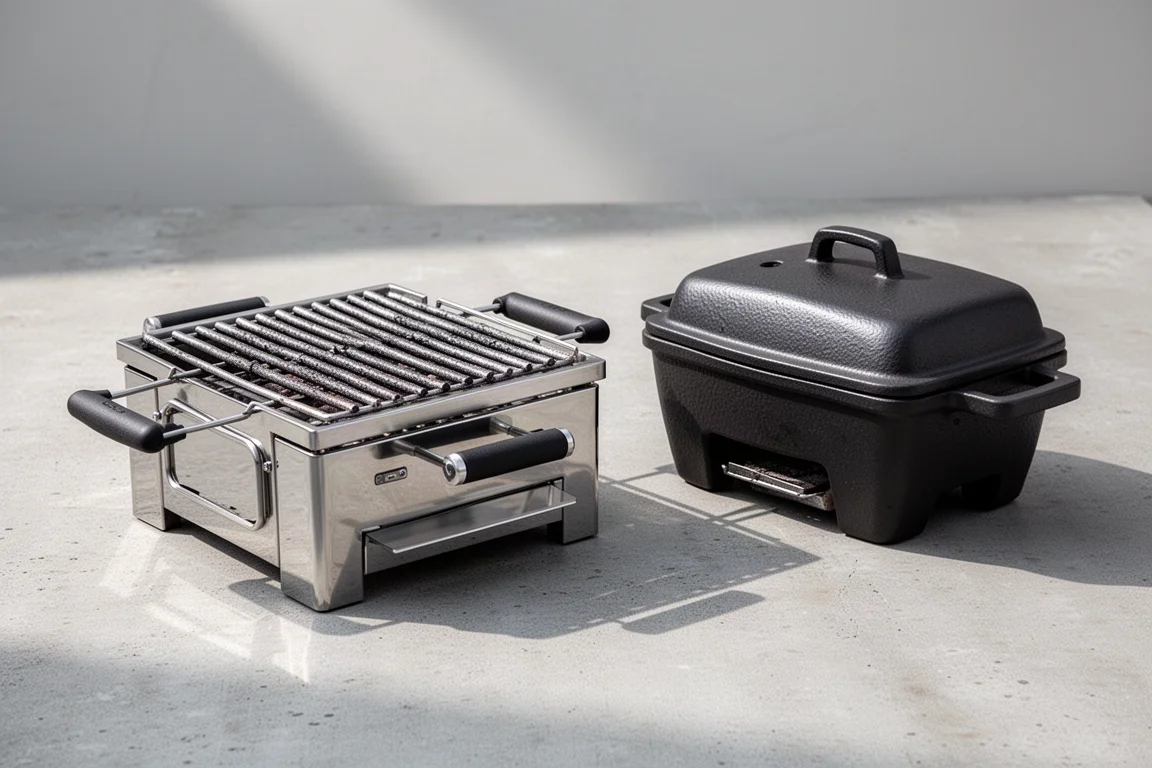
Charcoal cooking fans are spoiled for choice, but the two most interesting archetypes right now sit at opposite ends of the spectrum: the traditional ceramic Konro and the newer, all-stainless Tan Grill. One is a time-tested classic, the other a polished, modern take on yakitori-style grilling.
We spent an afternoon cooking on both, tearing them down, and grilling (pun intended) them on build quality, heat behaviour, and cleanup. Here is how they compare.
First Impressions and Build Quality
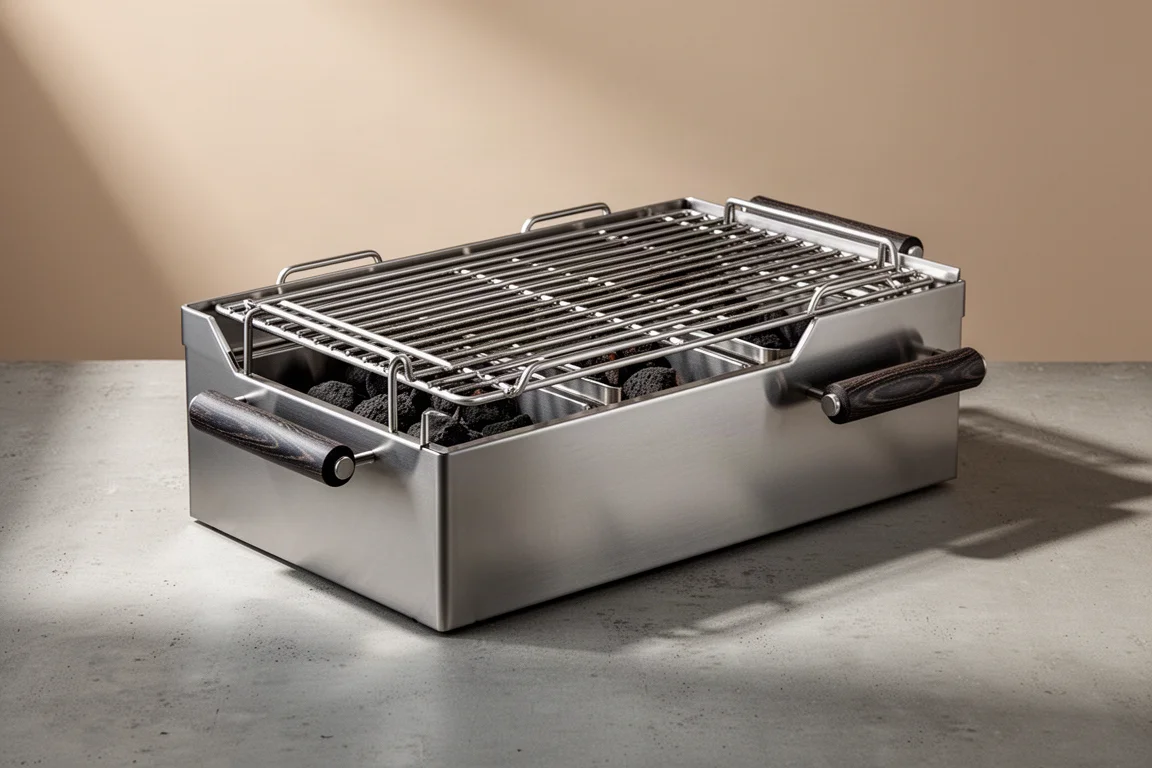
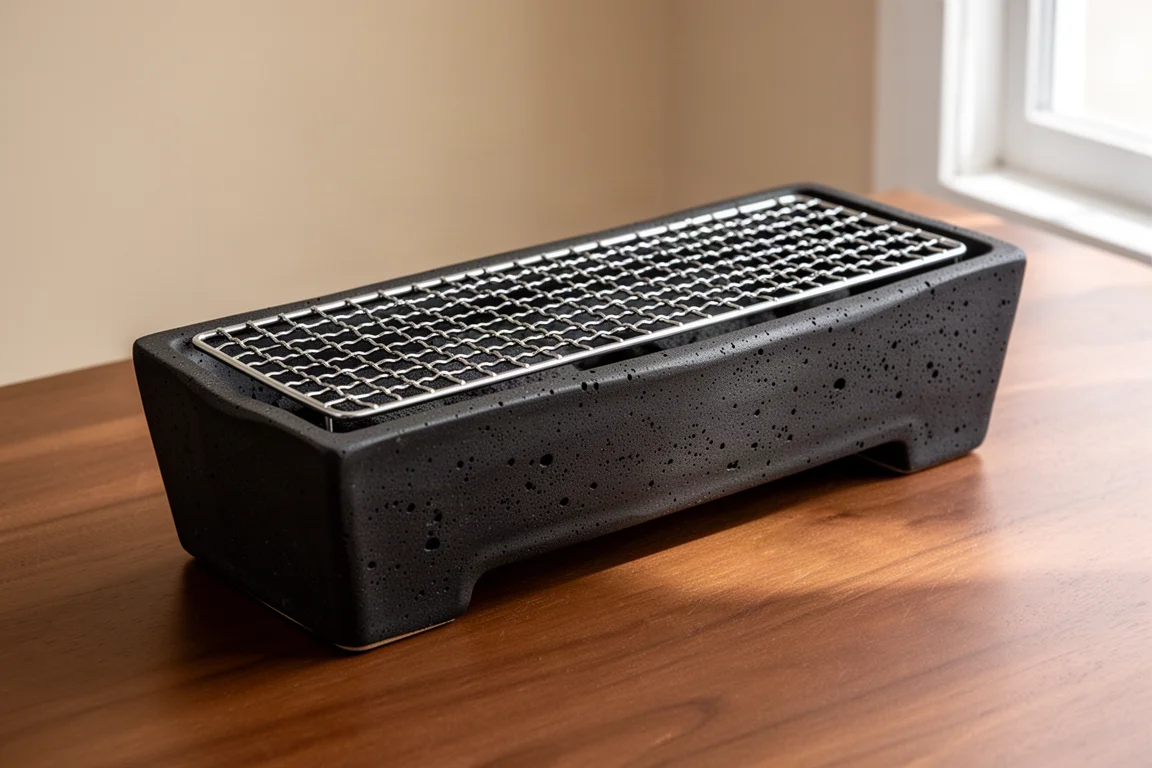
The Tan Grill makes a strong first impression. The all-steel construction feels solid and burly, the lines are clean, and the Micarta handles are a practical touch compared to porous wood, which can be a problem in professional kitchens. For anyone thinking about food safety, the fact that it can be fully taken apart and cleaned down is a genuine advantage.
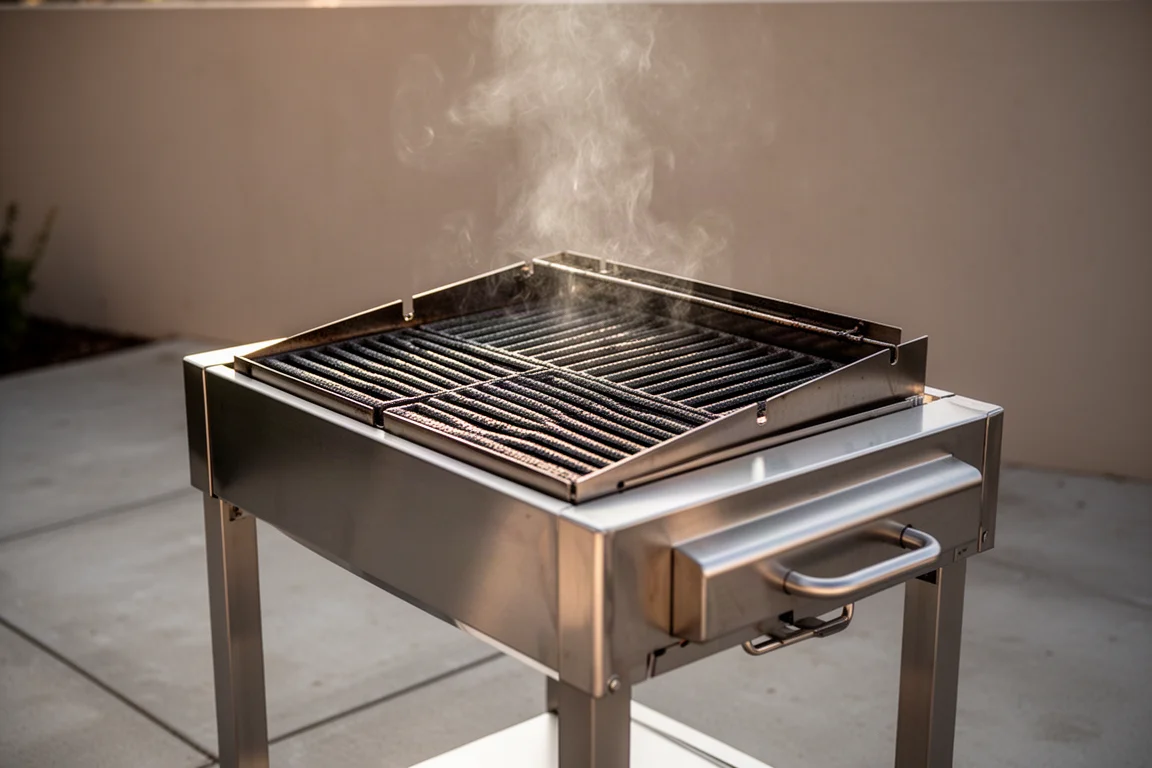
The grates deserve a specific mention. Where many Konro-style grills use thinner, lighter bars, the Tan Grill ships with noticeably thick, heavy-duty grates. Those thick bars should reward anyone chasing that classic 45-degree checkerboard sear pattern on a steak, and they are marketed as dishwasher safe.
The Konro, by contrast, is a well-made traditional ceramic grill. It is the reliable workhorse of the two, the one you take out and it simply does the job every time. If the Tan Grill is a motor yacht, the Konro is the well-built fishing boat: no luxuries, no fuss, just dependable performance.
Ash Management and Heat Efficiency
Inside the Tan Grill, charcoal sits in dedicated pans that keep the coals close to the grates and catch a good amount of ash. That matters more than it sounds. Ash is an excellent insulator, so charcoal buried in ash wastes heat you have already paid for in fuel. Keeping coals ash-free means more efficient cooking and potentially a longer burn.
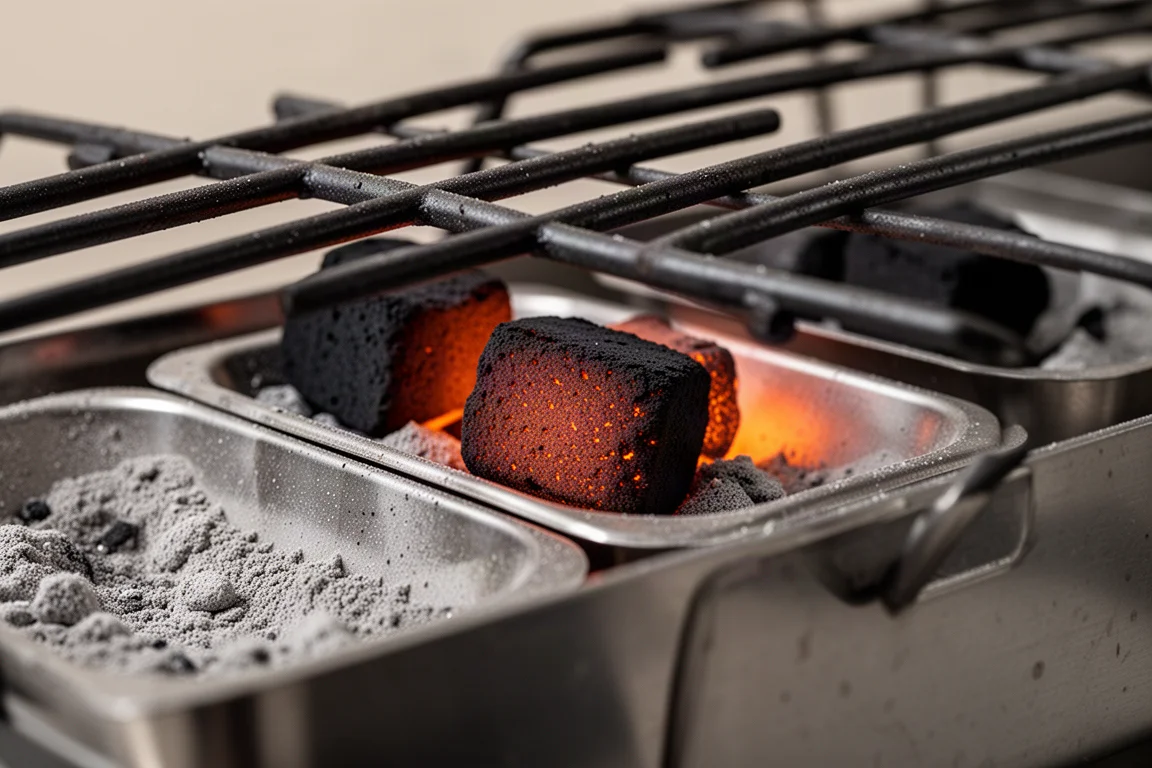
The setup has a learning curve. There is a correct way to arrange the internal components, and once configured with the outside handles positioned properly, lifting the ash trays lets everything slide down and get captured cleanly.
A traditional touch sets this grill apart: six ceramic fire bricks line the bottom. They soak up heat, hold it, and radiate it back through the cooking area. It is a centuries-old grilling technique, and it pairs nicely with the modern ease of cleaning. The Konro takes a simpler approach, and its owners tend to just wipe the ceramic down at the end of a cook, accepting that ash and oil spatter will accumulate on top over time.
Cooking Space and Heat Control
In use, the Tan Grill behaved well. Once charcoal from a chimney starter went in, heat was almost immediate, and about five minutes of grate warm-up plus a light oiling produced genuinely beautiful results. Notably, the outer surfaces did not get too hot, including in the areas you grip to move it, and airflow was good.
The layout follows the classic yakitori format: long and thin, with room for roughly 14 to 16 skewers at once. It also split nicely into a two-zone setup, with a hot section and a slightly cooler section, and it did not demand constant heat fiddling.
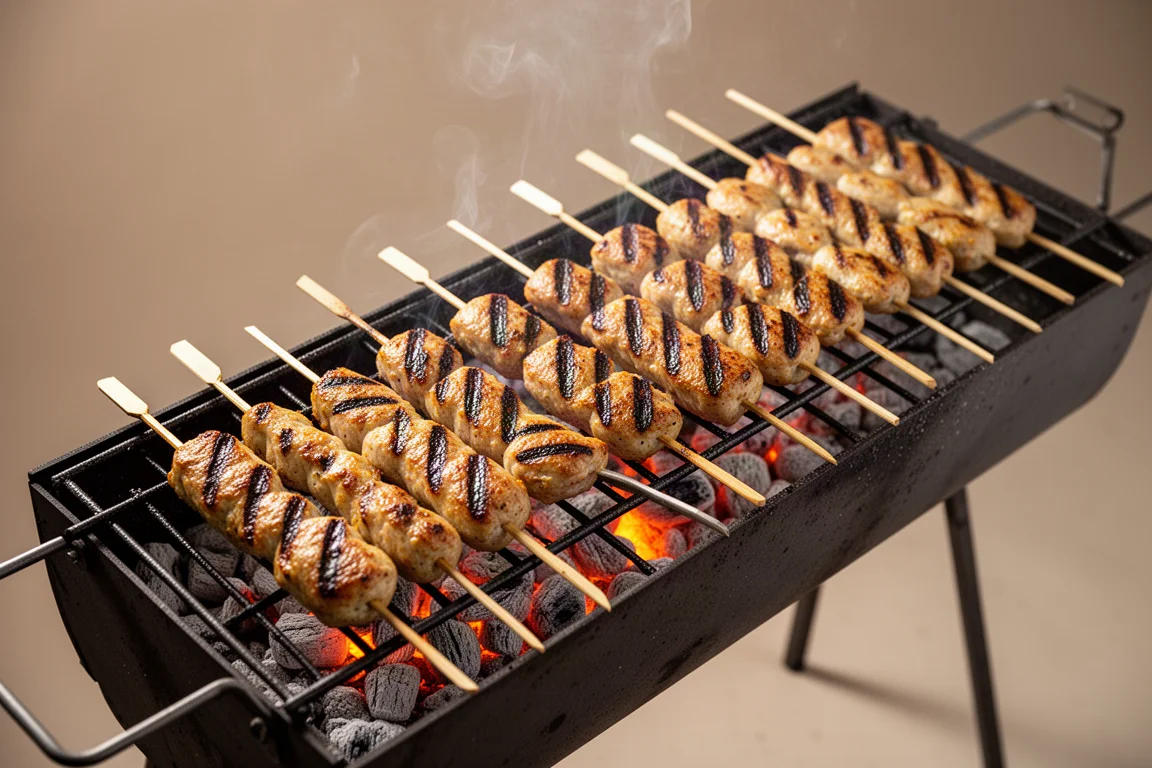
There are trade-offs. The swappable grates are tough to manipulate because of their weight, though once seated they do not move at all. Lifting a heavy grate loaded with food to reach the charcoal underneath is harder than on a lighter Konro, where a quick shimmy with a pair of tongs knocks ash off the coals. The Konro also offers a useful lip around the edge when its grate is flipped, which keeps hot dogs and other rollers from escaping; on the Tan Grill you need to keep an eye on anything that might run away.
One workflow that suits the Konro better is stacking: laying a second grate of vegetables underneath rendered chicken wings to catch the drips. With heavier Tan Grill grates, that kind of mid-cook improvisation takes more planning.
Cleaning and Everyday Use
Cleanup was the pleasant surprise. About 20 minutes after the last skewer came off, with the grill still warm, it was already emptied of ash, wiped down, and ready to go. This is not a grill that demands hours of post-cook attention, which is rare for a charcoal setup at this level of construction.
Do be clear about placement: charcoal cooking indoors without a professional-grade hood vent is dangerous, and even with fans it is a one-time mistake. Both of these grills are outdoor equipment.
Portability and Thermal Mass
Neither grill is what you would call portable. Even stripped of accessories and fire bricks, the Tan Grill retains a good weight, and the realistic use case is set it up in one place, grill through the season, then move it once or twice a year without worrying it will break.
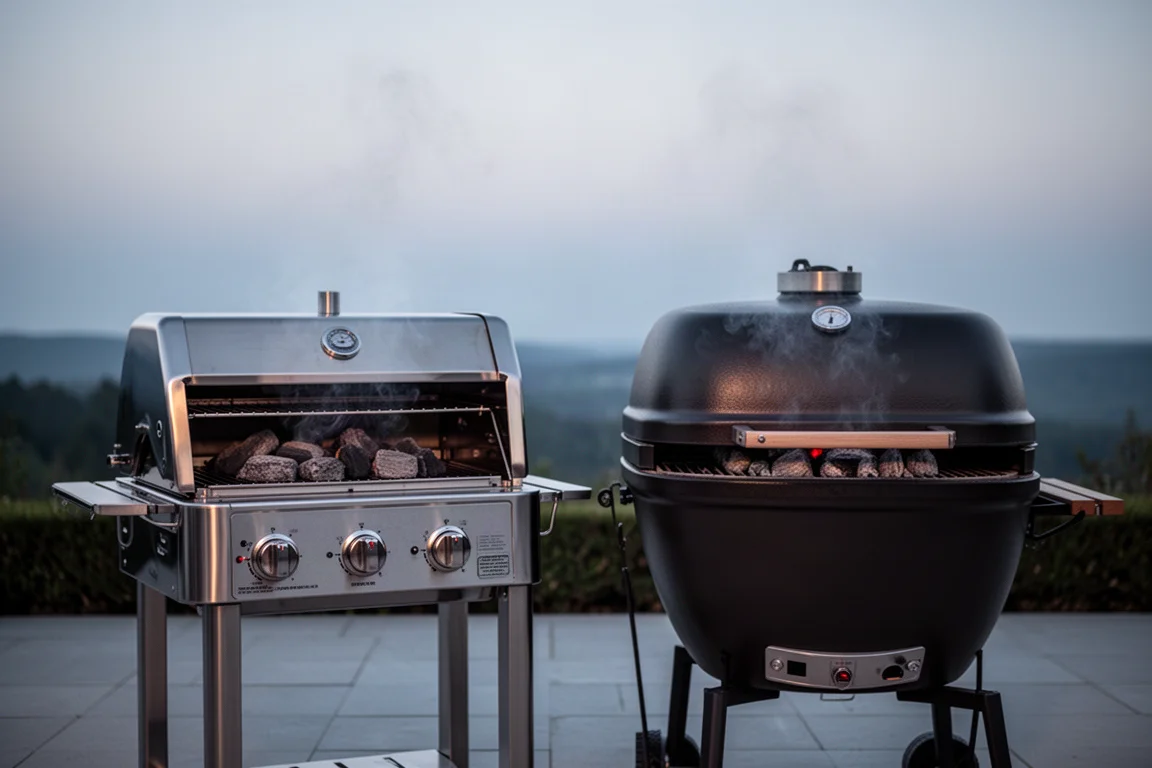
That mass is a feature, not a bug, for a certain kind of cook. Thermal mass, a big chunk of material that gets hot and radiates heat for a long time, is exactly what makes grills stay hot through long sessions, and the combination of heavy steel, thick grates, and ceramic bricks makes the Tan Grill a strong candidate for that radiant-heat style of cooking. Those who want something lighter in the stainless category will find more portable options elsewhere, but they give up the heft.
Which One Should You Buy?
The honest verdict splits cleanly. The Tan Grill is a distinctly premium product with a premium price tag, currently available for pre-order. It is beautiful, durable, easy to clean, and delivers impressive heat behaviour. If you are designing an outdoor kitchen around a charcoal centrepiece and want the heft and polish of a fine kitchen appliance, it is a compelling choice, and its swappable grates suit cooks who like to run separate hot and cooler zones.
The Konro is for the pragmatist. It is reliable, rustic, often roomier for its price, and forgiving in a way the heavier stainless grill is not. If you regularly run out of space on your current grill, two Konros may beat one beautiful Tan Grill.
View more details for Tan Grill
Conclusion
The Tan Grill earns its place as a premium, low-maintenance charcoal grill with real thermal-mass engineering, while the Konro remains the dependable classic that many cooks will never need to replace. Choose the polished yacht or the fishing boat; either way, you are cooking over real charcoal, which is the part that actually matters.
Further reading
Related Reviews

Outdoor Cooking
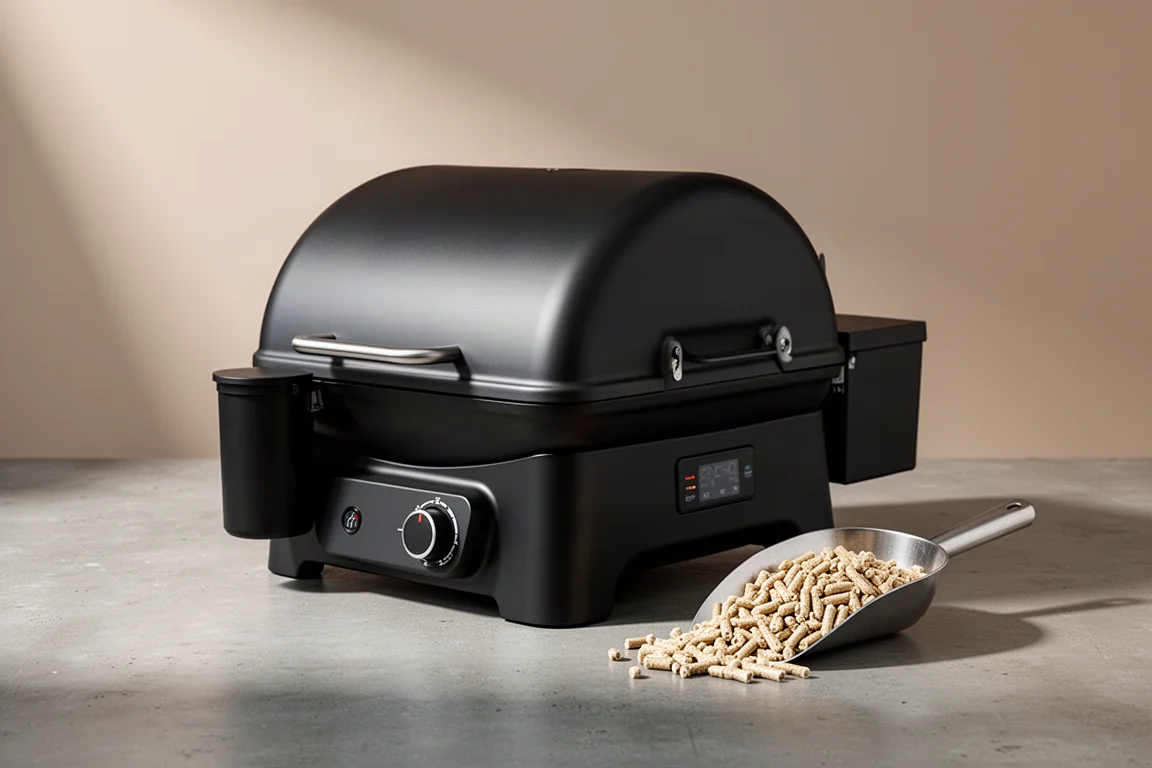
Traeger Wood Pellet Grill Review: Versatile Outdoor Cooking for Every Season
A practical look at what makes Traeger wood pellet grills stand out for home cooks seeking versatility beyond traditional barbecuing.
Outdoor Cooking
Ninja Wood Fire Barbecue Review: Smoky Flavour With Real Weeknight Speed
A compact electric grill with a built-in pellet smoker, quick repeatable cooking, and a cooking area worth checking before you buy.
Outdoor Cooking
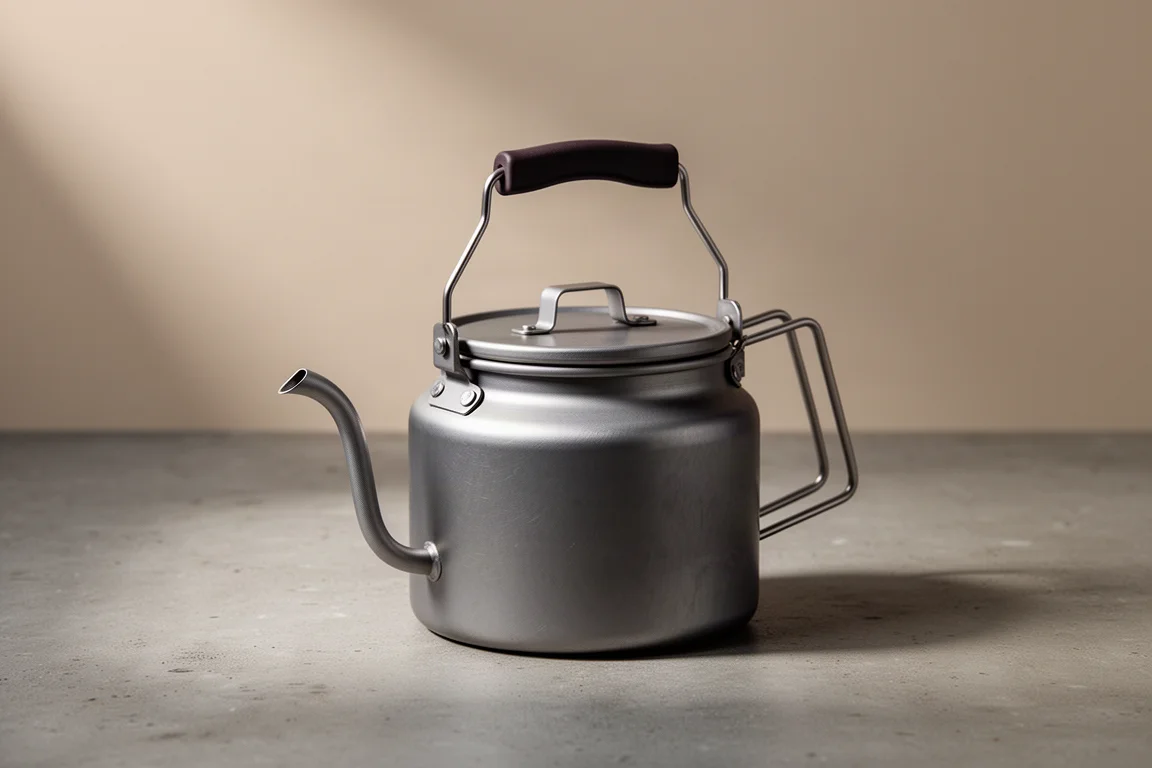
Trangia Kettle 30 oz Review: An Ultralight Camp Kettle With One Real Catch
A 6.2 oz aluminum camp kettle for around $25 with excellent pouring and a plastic hardware compromise worth understanding before you buy.