Kitchen Knives
Takeda Mira Roshi vs Koichi Hanasuki Masakagi: Two Japanese Knives Worth a Closer Look
A closer look at two Japanese kitchen knives from a dedicated collection: the 210mm Takeda Mira Roshi and the Koichi Hanasuki Masakagi, with honest notes on what makes each one worth owning.
Introduction
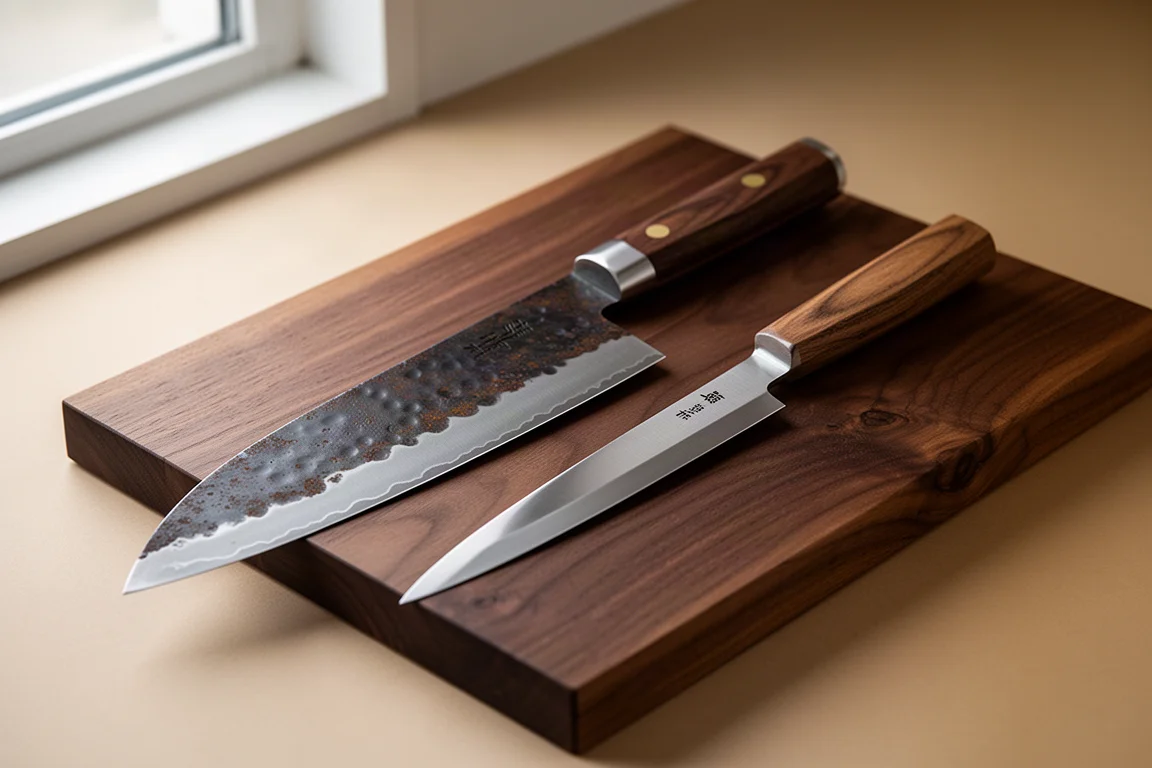
Japanese kitchen knives have a way of turning cooking into something you look forward to, and few categories of kitchen tools inspire the same loyalty. This comparison looks at two knives that earn their place in a working collection: the Takeda Mira Roshi in a 210 millimeter length, and the Koichi Hanasuki Masakagi. Both come from a collection built over years of daily use, which means these are knives that have actually been cooked with, sharpened, and put through real kitchen work rather than admired in a drawer.
If you are weighing a serious upgrade to your knife rotation, these two represent very different paths: a hand-forged workhorse with a devoted following, and a specialty knife that quietly outgrew its specialty.
Takeda Mira Roshi 210mm: A Knife Worth Sharpening
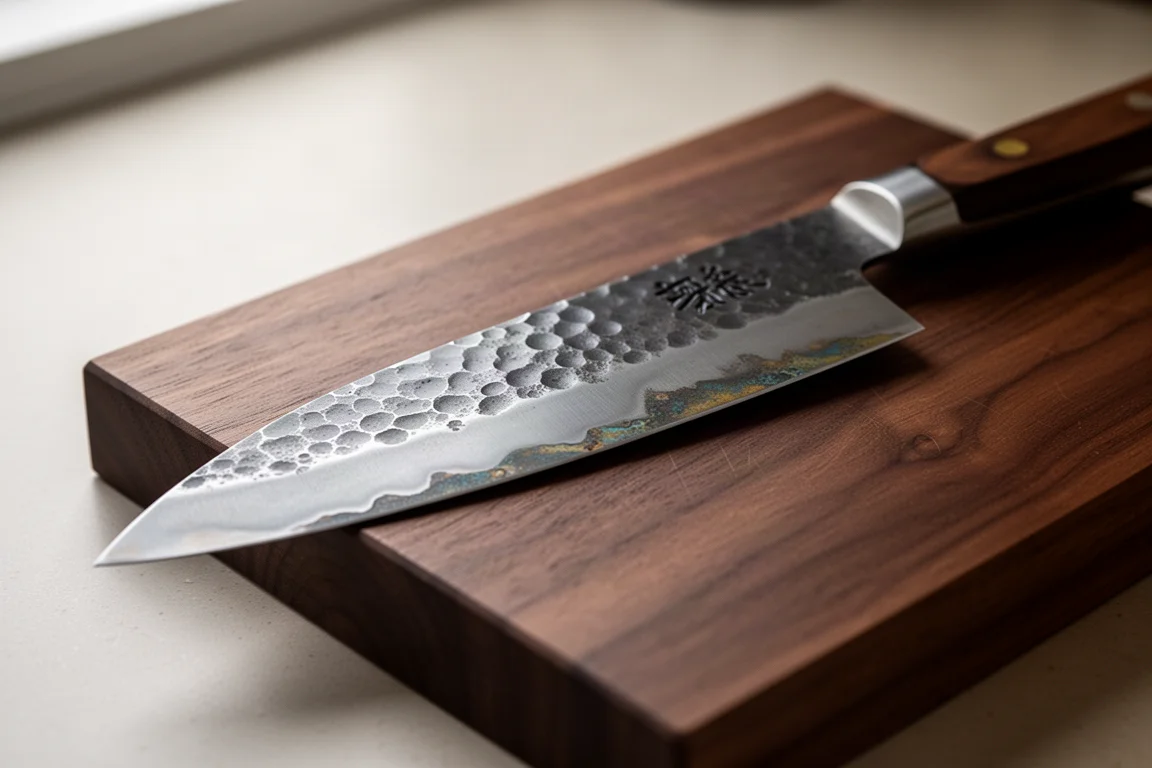
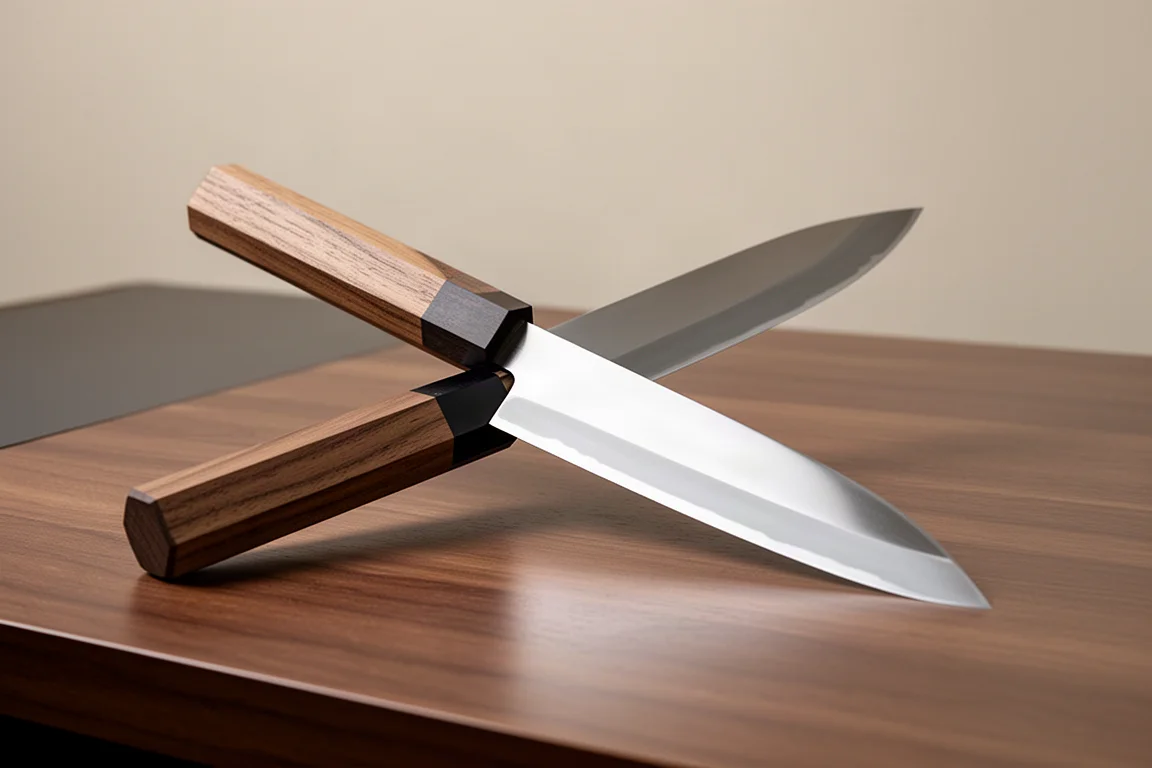
The Takeda Mira Roshi is a 210 millimeter knife that clearly earns strong affection from its owner. The first thing worth knowing about this knife is the steel: it uses white carbon steel, and that choice shapes much of the experience. The first sharpening session on white carbon steel left the impression of handling one of the sharpest edges anywhere nearby, which says a lot about how this steel takes and holds an edge.
There is also a good story behind the purchase: the knife was sold by a customer who was buying one for themselves and, in making the case for their own purchase, convinced a bystander to buy one too. That kind of word-of-mouth enthusiasm is rare, and it usually points to a knife that over-delivers once it is in hand.
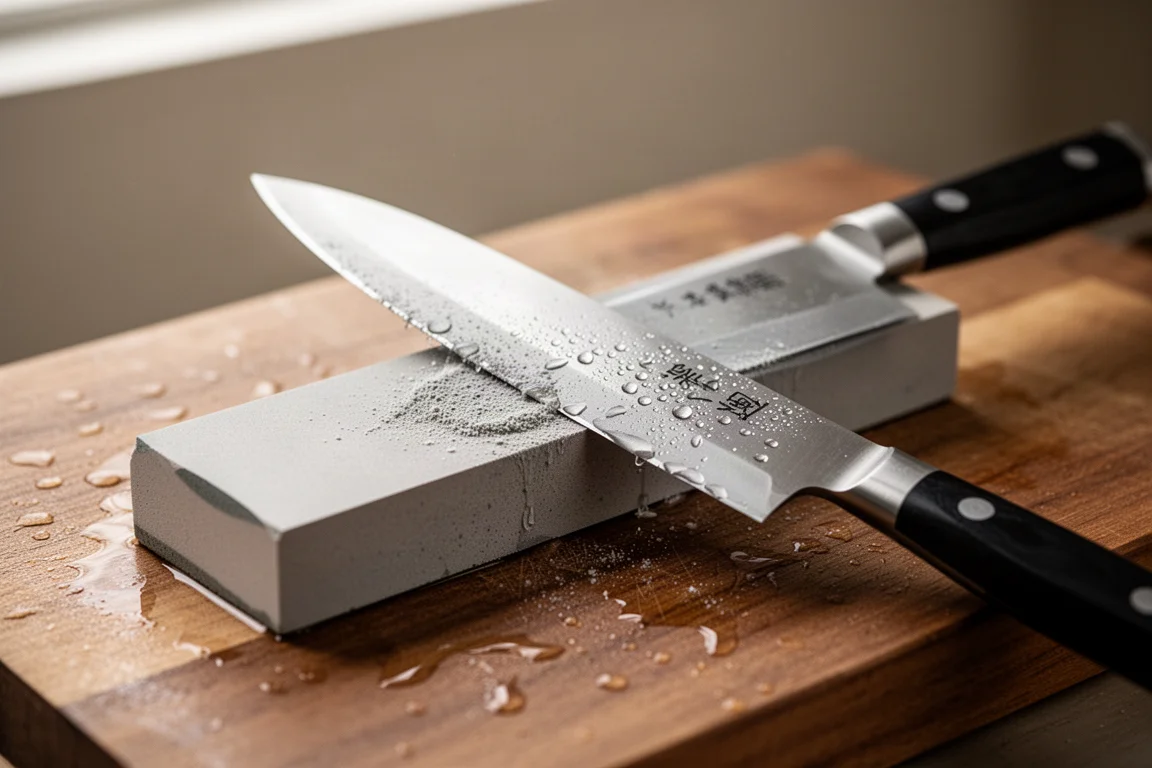
Part of the appeal goes beyond cutting performance. This is a knife that is genuinely enjoyable to sharpen, not just to use. For anyone who treats knife maintenance as part of the cooking ritual rather than a chore, that distinction matters. White carbon steel is known for rewarding that attention, and the Mira Roshi appears to make the most of it.
Koichi Hanasuki Masakagi: More Than a Specialty Knife
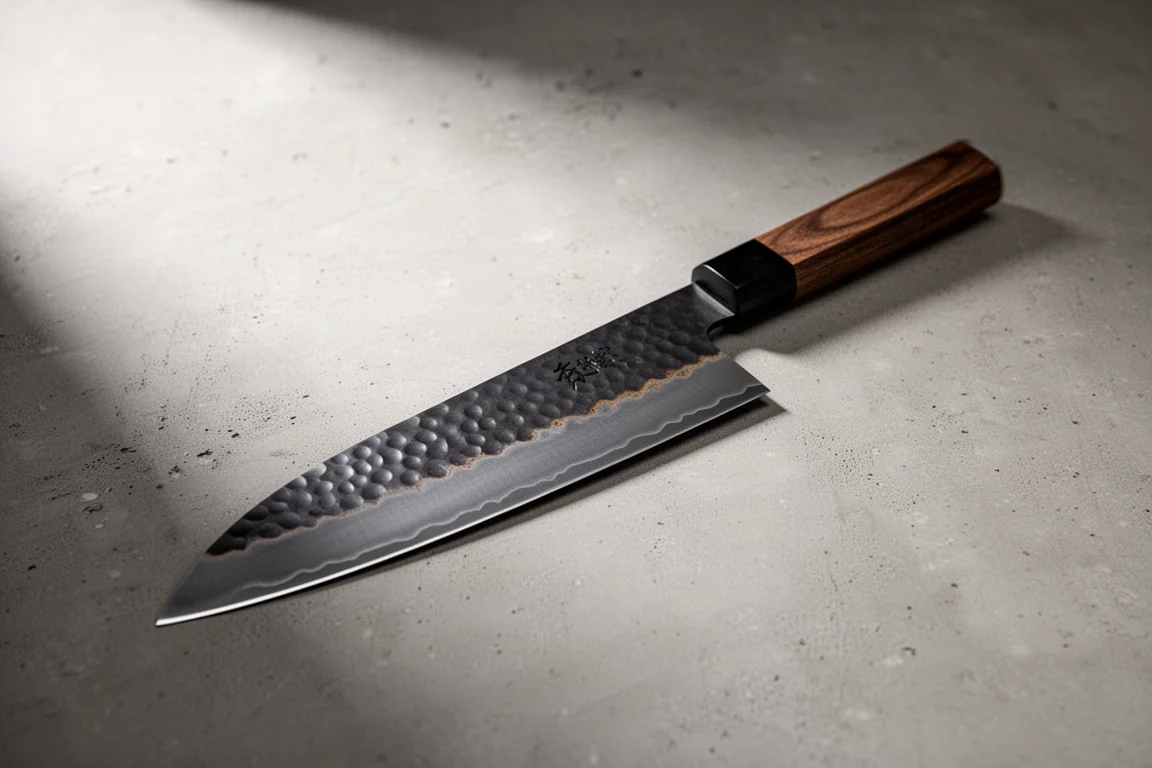
The Koichi Hanasuki Masakagi starts from a narrower premise: it is, first and foremost, a very good hanasuki. That alone would justify the purchase for anyone who needs this traditional single-bevel style in their workflow. But the more interesting discovery is what happened after the knife arrived: it turned out to be a genuinely capable multi-purpose knife as well.
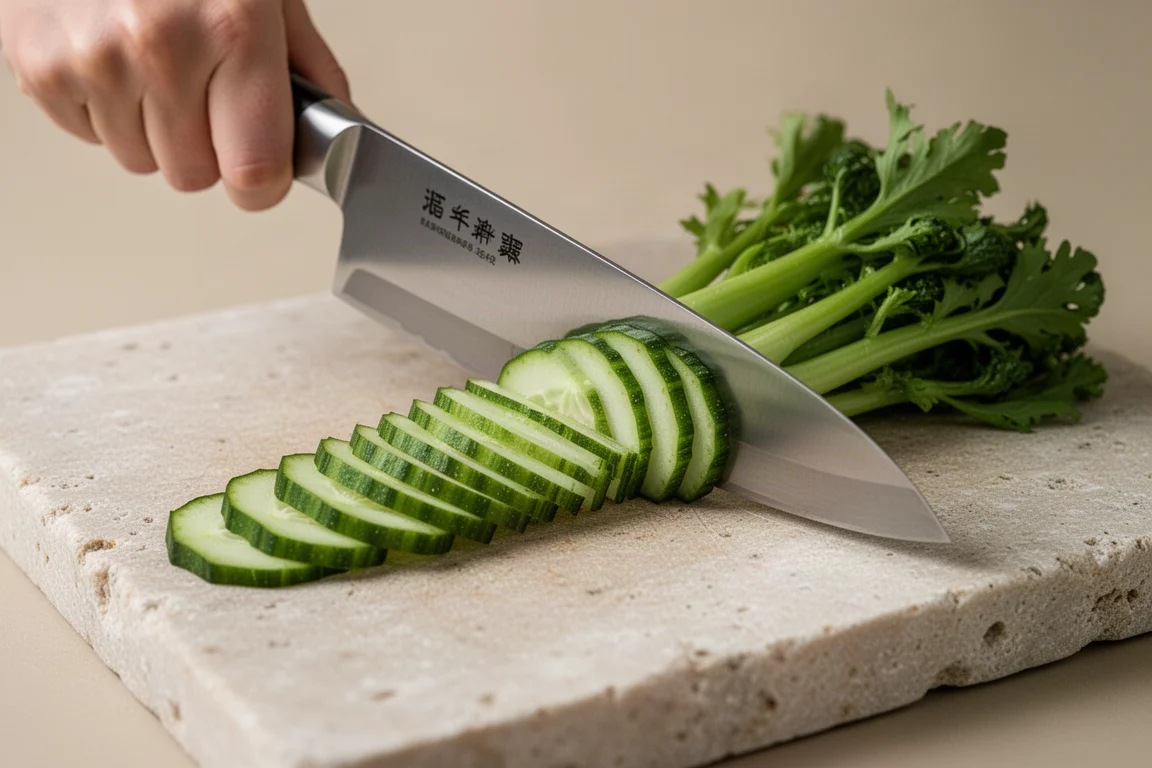
That flexibility is what makes this knife notable. Specialty knives often sit in a drawer between narrow tasks, but a hanasuki that also holds its own as a general-purpose cutter gives you two knives in one slot. For cooks building a collection thoughtfully, that kind of versatility is exactly the kind of value worth paying attention to.
Which One Should You Buy?
These knives serve different cooks. If you want a 210 millimeter workhorse with edge performance that makes sharpening a pleasure, and you are comfortable caring for carbon steel, the Takeda Mira Roshi is the clear fit. It suits anyone who sees knife maintenance as part of the craft.
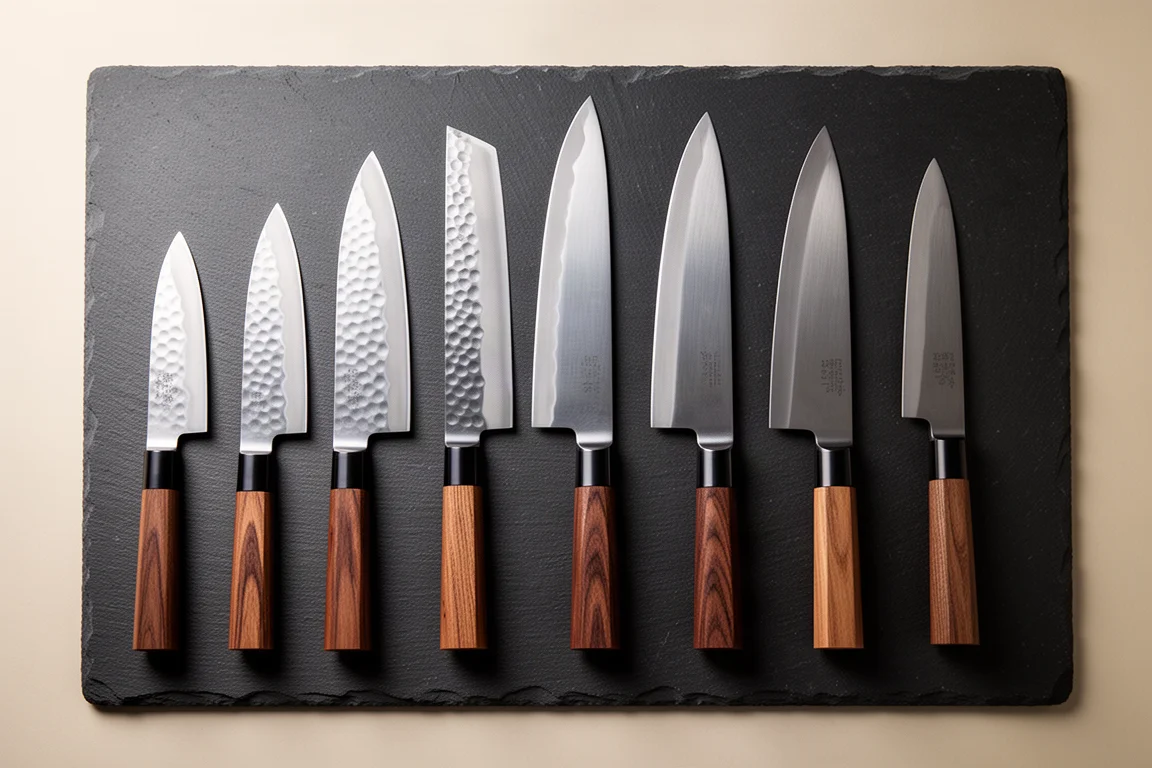
If your kitchen work includes tasks suited to a traditional hanasuki, or you simply want a well-made Japanese knife that can stretch beyond its specialty, the Koichi Hanasuki Masakagi is the more flexible pick. Its ability to work as a multi-purpose knife makes it an efficient addition to a smaller collection.
Conclusion
Both knives prove why Japanese kitchen knives inspire this level of devotion. The Takeda Mira Roshi 210mm delivers memorable edge performance in white carbon steel and makes sharpening genuinely enjoyable, while the Koichi Hanasuki Masakagi shows that a specialty knife can surprise you by handling general work with ease. Match the knife to the way you actually cook, and either one will earn its place on the magnetic strip.
Further reading
Related Reviews

Kitchen Knives
Best Chef's Knives 2026: 27 Popular Options Tested and Ranked
A comprehensive review of 27 chef's knives ranging from $18 to $380, with honest assessments of handle comfort, blade balance, and real-world performance.

Kitchen Knives
Best Chef's Knives Under $75: Two Tested Recommendations
Two practical 8-inch chef's knives that balance sharpness, comfort, and durability without premium pricing.

Kitchen Knives
Best Chef's Knives 2026: 27 Options Tested and Ranked
A comprehensive review of 27 chef's knives ranging from $18 to $380, with honest assessments of handle design, balance, blade profile, and real-world performance.