Power Tools
Tabless 18650 Batteries Are Here: What They Could Mean for Milwaukee M12 and Beyond
Tabless cells are already shipping in Craftsman's new 6Ah pack while Milwaukee's M12 line still waits. We break down the numbers behind four batteries and one very persistent idea.
Introduction
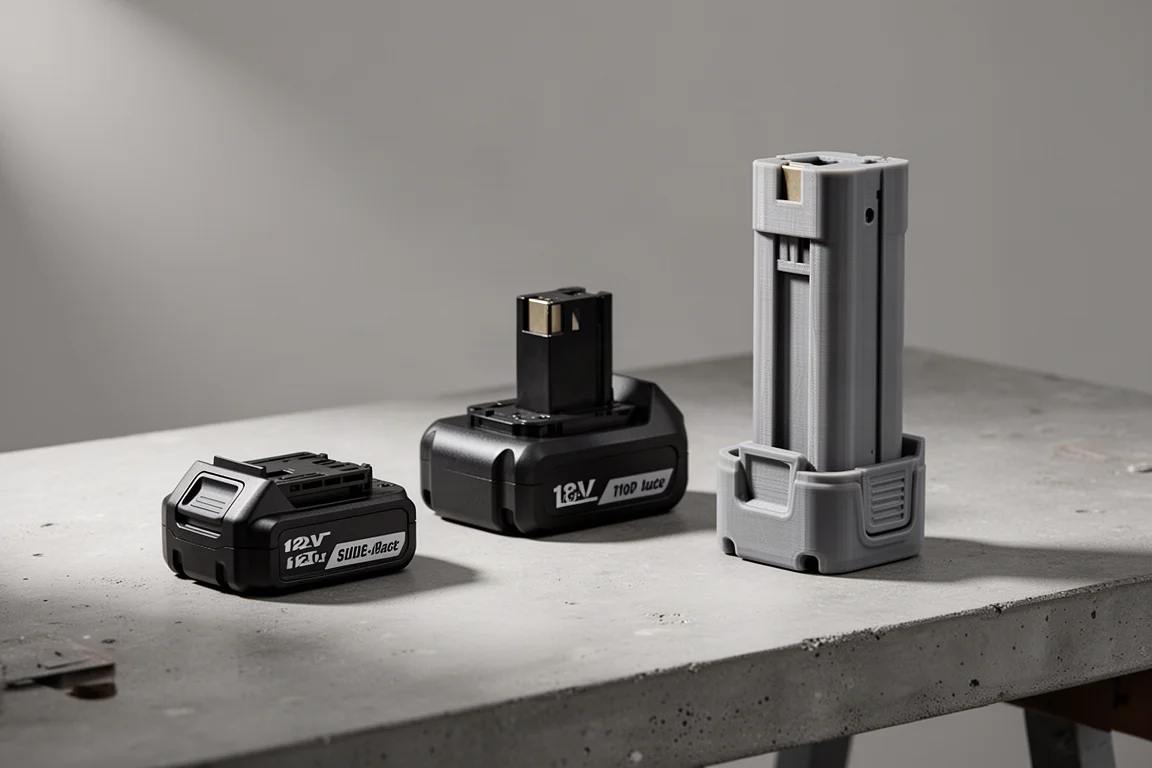
Tabless 18650 cells have quietly become one of the more interesting shifts in cordless tool batteries. They offer high amp discharge in the smaller cell format, which matters most for compact tool platforms like 12V lines, where every cell counts.
The timing is notable. Craftsman has already shipped a tabless 6 amp hour battery that avoids stacking two rows of large-format cells. Milwaukee, meanwhile, offers tabless construction only in its large M18 Forge packs, while its M12 High Output line still uses conventional cells. That gap is exactly what a series of custom dyno experiments set out to explore, using a handful of home-built tabless M12 packs to preview what a production tabless M12 battery could plausibly deliver.
Why Tabless Cells Matter for 12V Tools
The standard M12 High Output packs use cells like the Samsung 25S, which peak around 35 amps of discharge. At 12V nominal, that works out to roughly 420 watts on tap. Modern M12 tools, however, have grown power hungry, and some would happily accept more than the current packs can supply.
New tabless 18650s change the math. In the same cell footprint, they can deliver around 56 amps peak, roughly 672 watts at 12V nominal, a substantial jump over what conventional cells provide. For a platform built around small tools that punch above their weight, that kind of discharge density fits M12 arguably better than any other tool line.
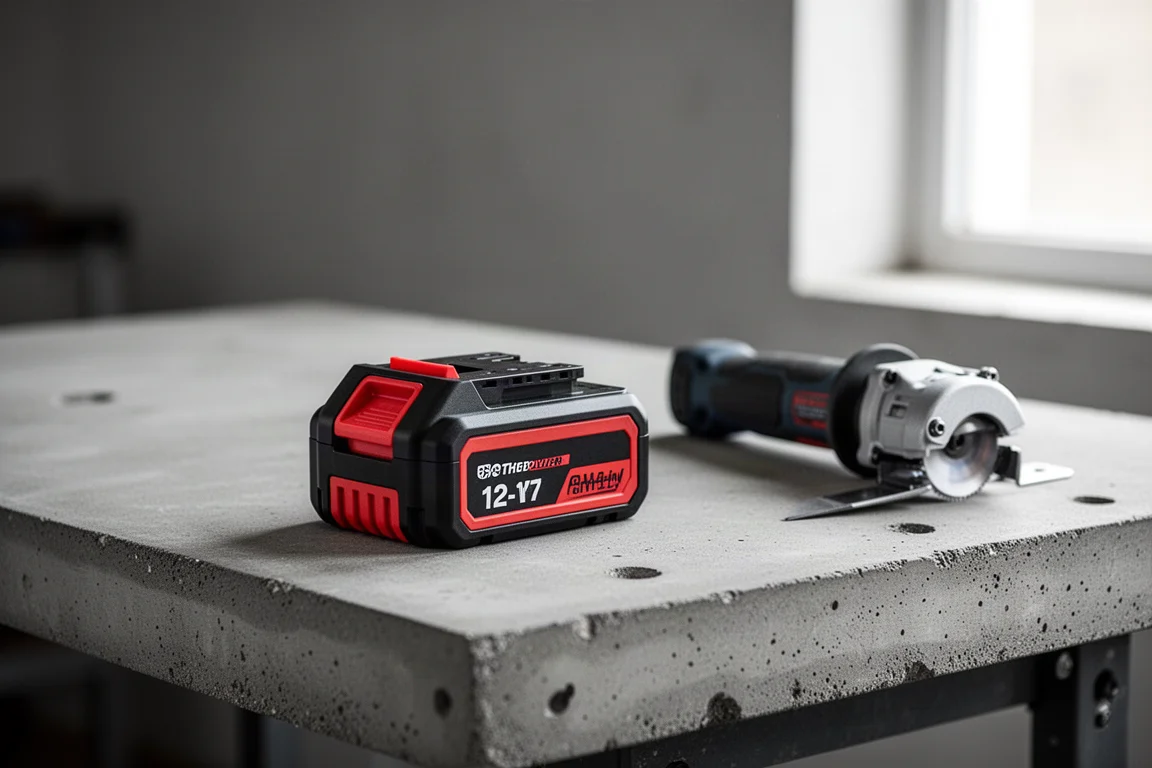
On the dyno, a custom 3 amp hour tabless M12 pack, built with 3,000 mAh tabless cells and thick gauge wiring, consistently outperformed expectations. On the M12 3-inch cutoff tool, the 2.5Ah High Output manages about 190 watts before the tool cuts out, and the 5Ah High Output reaches around 225 watts. The 3Ah tabless pack hit 270 watts, outpacing the larger 5Ah pack despite its smaller footprint.
The Extended Magazine Idea
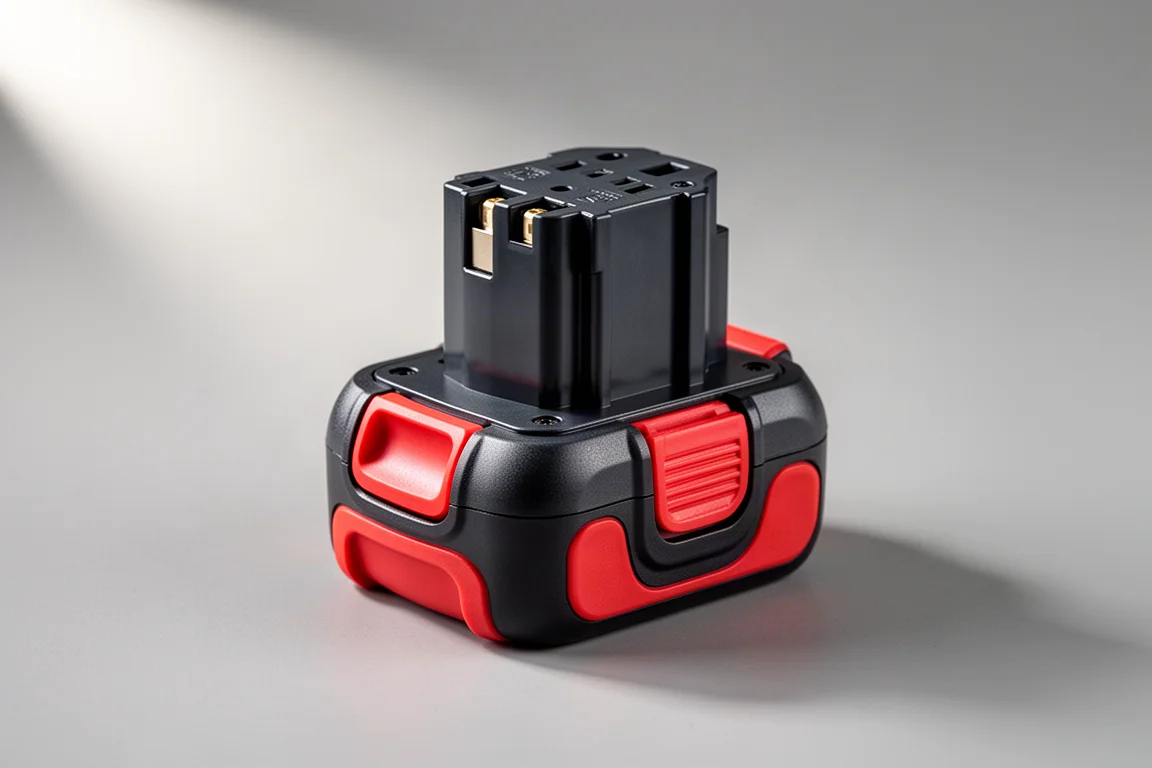
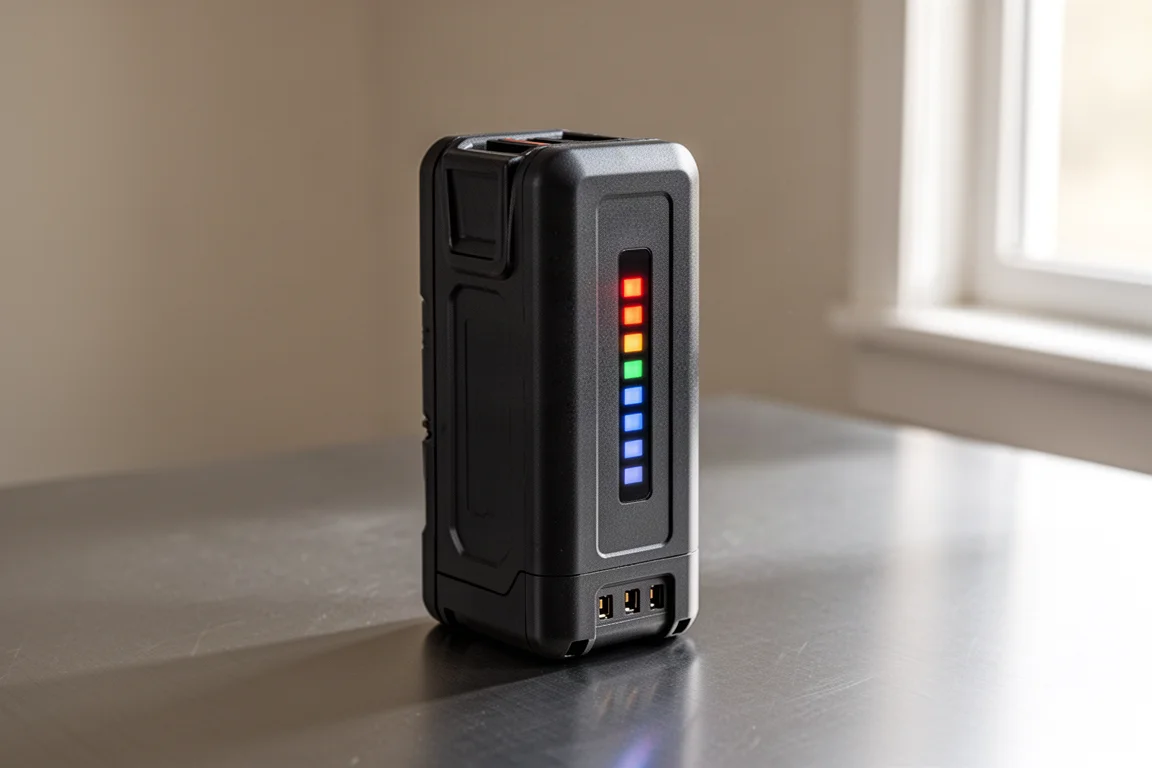
One of the more persuasive proposals from these experiments is a magazine-style M12 battery: a slim pack that extends straight down in parallel with your hand, taking up little extra room where you already hold the tool. A flat extended-mag form factor would trade a bit of length for capacity and discharge headroom, something standard packs and existing foot-style batteries can cover when space is tight.
The numbers back the concept. A 6 amp hour tabless magazine pushed the cutoff tool to 280 watts peak, up from 225 watts with the 5Ah High Output. On the M12 right-angle die grinder, under-load speed climbed from about 18,700 RPM with the 5Ah pack to 19,480 RPM with the 6Ah magazine, with peak power rising from 210 watts up to 350 to 355 watts. For a tool that demands real power, the difference is noticeable.
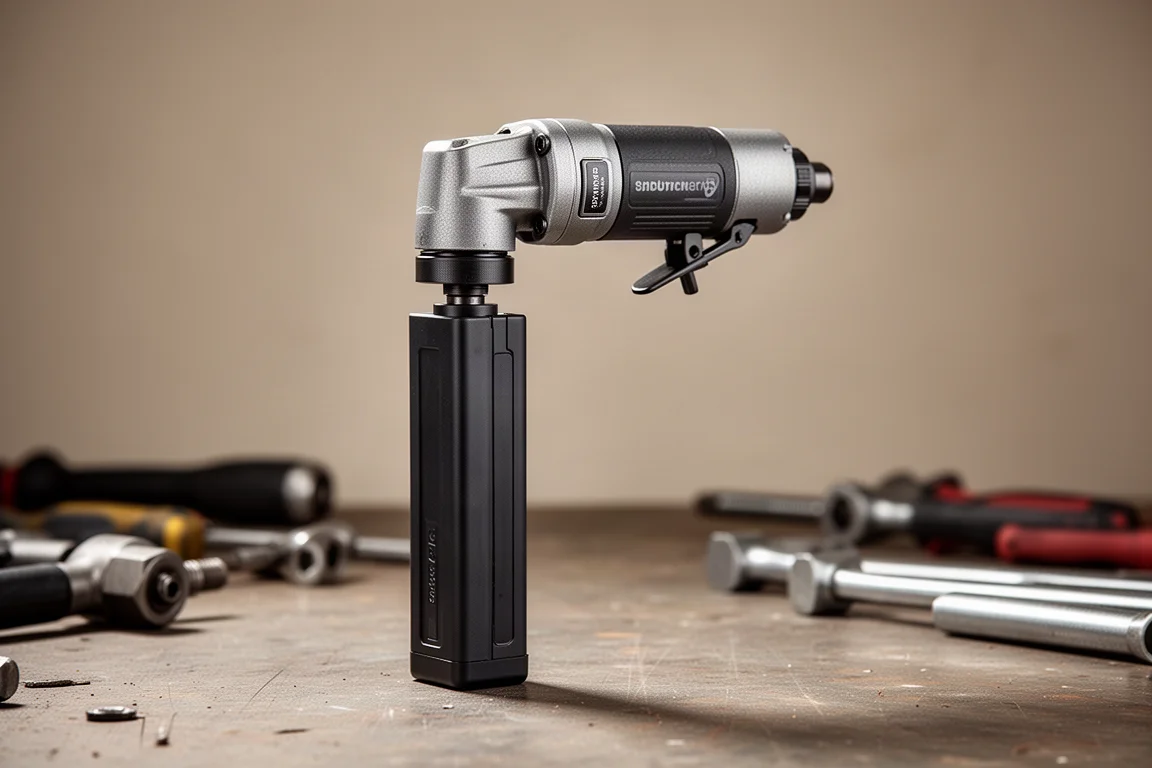
The appeal of a magazine shape is partly practical and partly that it simply looks cool. Either way, a tabless pack in this form factor would effectively upgrade existing M12 tools people already own, without buying new tools at all.
The 30Ah Club Foot and the Recycled Vape Pack
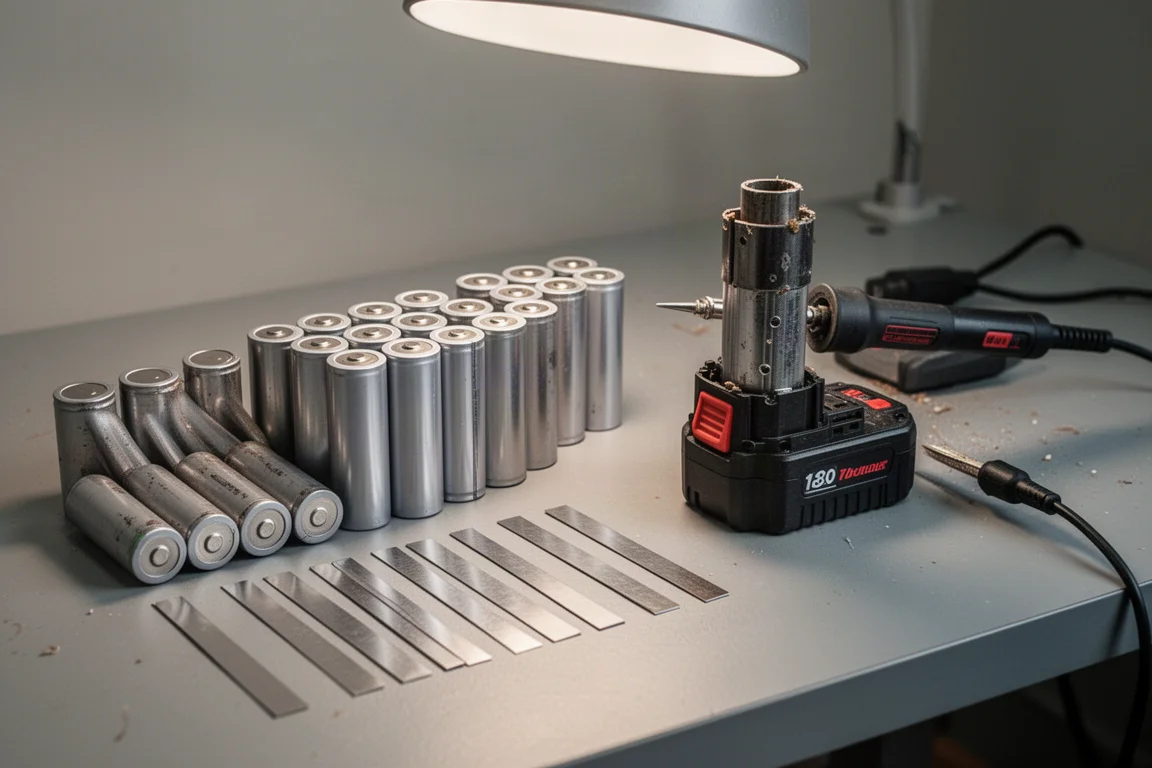
At the far end of the spectrum sit two extreme builds. The first is a 30 amp hour M12 pack, a genuinely enormous battery that flips the usual relationship between charger and pack: when your battery outweighs the charger, the charger belongs on the battery. On the die grinder it delivered essentially no difference between loaded and unloaded RPM at 19,530, with low voltage sag under sustained load, though it cut out around 350 watts at full load, just behind the 6Ah tabless magazine.
The second is an M18 pack built from recycled vape cells that would otherwise have been thrown away. Recharged, repurposed, and retrofitted into a custom 5 to 6 amp hour M18 pack, it performed remarkably close to a factory XC 5.0, with similar average voltage and peak discharge. Given that an XC 5.0 can run roughly $140 to $160 bare, a working pack built from cells headed for the trash is encouraging on both performance and sustainability grounds.
Impact Wrench Results: Speed Wins
Impact wrenches proved the most finicky test case. The latest 550 ft-lb breakaway M12 impact wrench prefers High Output batteries, and none of the custom packs could complete a full run without the tool erroring out mid-trigger-pull. The dyno curves still tell a story: the 3Ah tabless pack tracked above the 5Ah High Output curve, hitting 337 ft-lbs in half the time, and the 6Ah magazine reached about 390 ft-lbs on a charge before gains would likely flatten out, since hammer mass eventually becomes the limiting factor. The 30Ah pack managed 371 ft-lbs, helped by its unwavering 12.4 to 12.6 volts under load, and speed is often the key ingredient in impact torque.
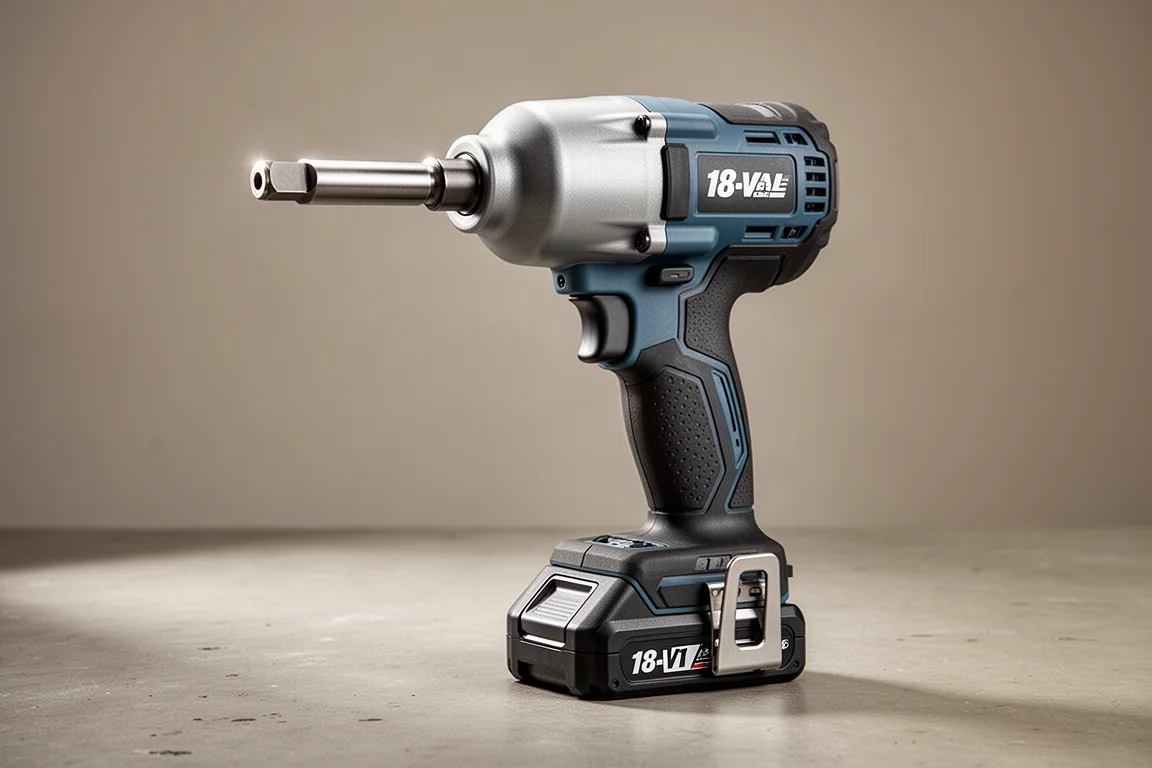
The M18 2967 impact wrench, by contrast, ran its full test without complaint. Milwaukee advertises spec differences by battery choice on this tool, and the XC 5.0 and the recycled vape cell pack put up nearly identical curves at 881 ft-lbs, with similar average voltage and peak discharge across the board.
The Highest-Draw M12 Tool in the Lineup
The final stop was the highest-draw tool in the M12 lineup, a saw that tends to slow and snag on knots or binds with anything less than the top packs. With a 310 watt target, the 2.5Ah High Output manages only about 190 watts. The 3Ah tabless pack reached 330 watts before voltage sag forced a decline, again topping the 5Ah High Output. The 6Ah tabless magazine pushed to 400 watts, where the tool itself cuts out, maintaining speed impressively even at high output. The 30Ah pack dialed up to 390 watts, just short of the magazine at this tool’s max.
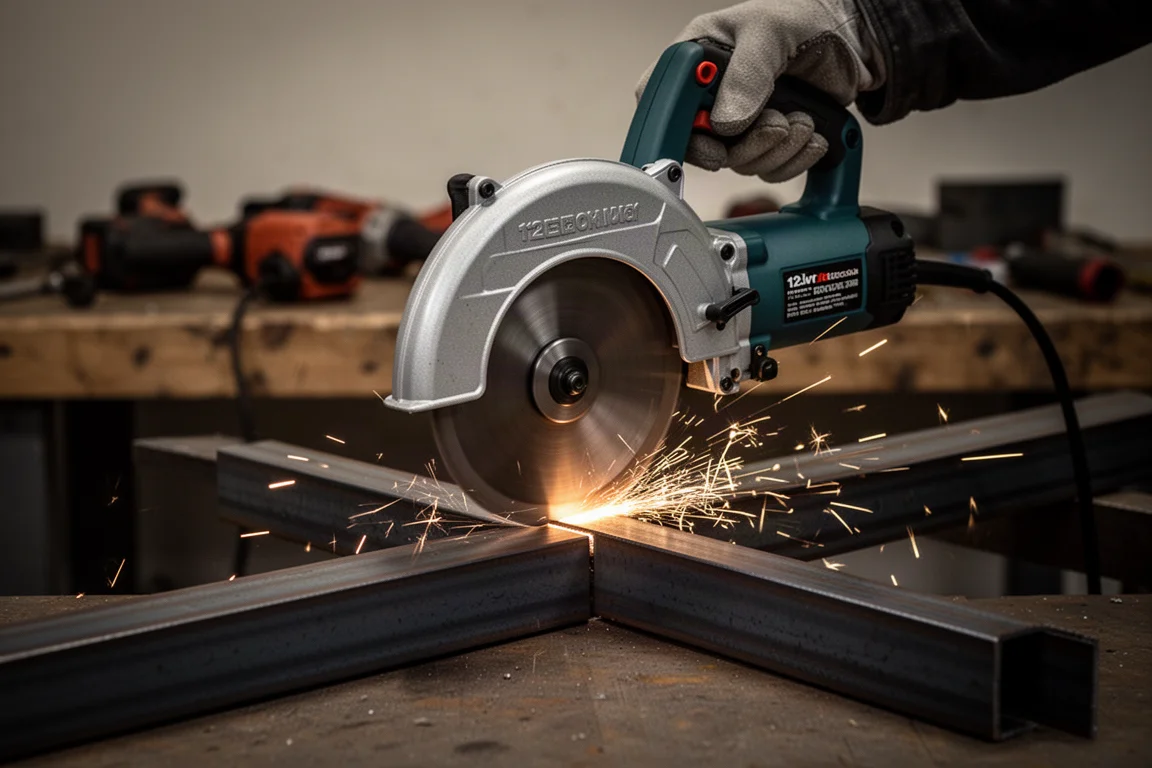
Across every tool tested, the pattern held: tabless 18650 discharge density suits M12’s shrink-it-down-but-don’t-weaken-it philosophy remarkably well.
Buying Advice
If you are shopping today rather than waiting on hypothetical packs, the practical picture is straightforward. The M12 High Output line remains the reference for compact power on Milwaukee’s 12V platform, and the 5Ah variant is still the strongest conventional option for demanding M12 tools. Craftsman’s tabless 6Ah battery is currently the easiest way to own tabless cell technology in a production pack, and it demonstrates exactly the advantage the format promises.
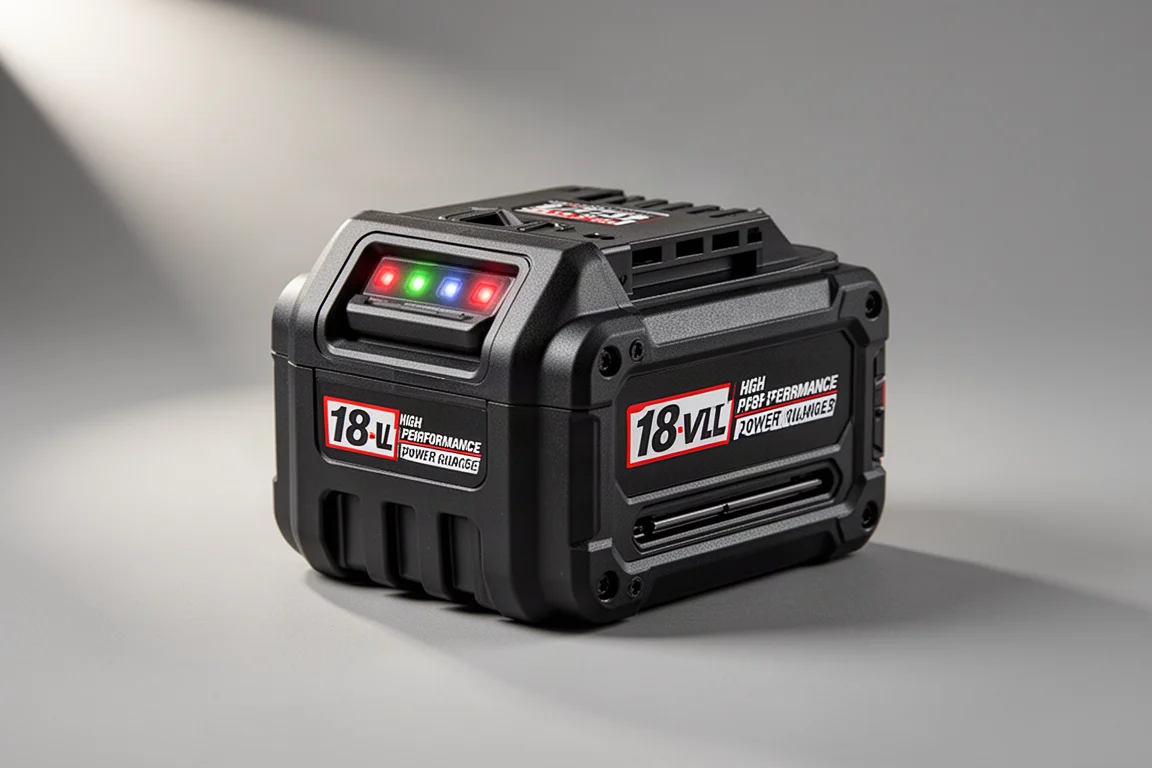
On the 18V side, the M18 Forge line already brings tabless construction to Milwaukee’s full-size platform, and the 2967 impact wrench is one of the tools where Milwaukee openly specifies different performance depending on the battery you pair with it. If you are investing in high-draw M18 tools, pairing them with the right pack genuinely changes the output.
Conclusion
The headline from all of this is the 3 amp hour tabless M12 pack: roughly the size and weight of a 1.5Ah battery, yet matching or beating a 5Ah High Output in power delivery. If Milwaukee is not already evaluating tabless 18650s for M12, it soon should be, because the pure discharge power density of this format fits no other tool line better. And if a production 6Ah tabless pack ever arrives in both a foot and an extended magazine shape, that would dial the cool factor up to frankly unnecessary levels. Which, for a lot of tool buyers, is exactly the point.
Further reading
Related Reviews
Power Tools
Best 1-Inch Pistol Impact Wrenches: Three Heavy-Duty Options Compared
We compare three 1-inch pistol impact wrenches, from a budget-friendly Harbor Freight model to a premium Caterpillar unit, to help you choose the right one.
Power Tools
Best 3/4-Inch Impact Wrenches 2026: Five Contenders Compared
We compare five 3/4-inch impact wrenches across price and performance, from a budget Amazon option to Snap-on's most powerful model yet.
Power Tools
Best Budget Cordless Tools 2026: Walmart Finds That Punch Above Their Price
We tested five cordless tools from Walmart, including a high-torque impact wrench that trades blows with Milwaukee and a $35 duster that outperforms its price class.