Telescopes
SVBony SV48P Review: A Budget Refractor With a Complicated Story
A high-quality beginner refractor for visual observing that can also dip a toe into low-cost astrophotography, once you get the right objective lens.
Introduction
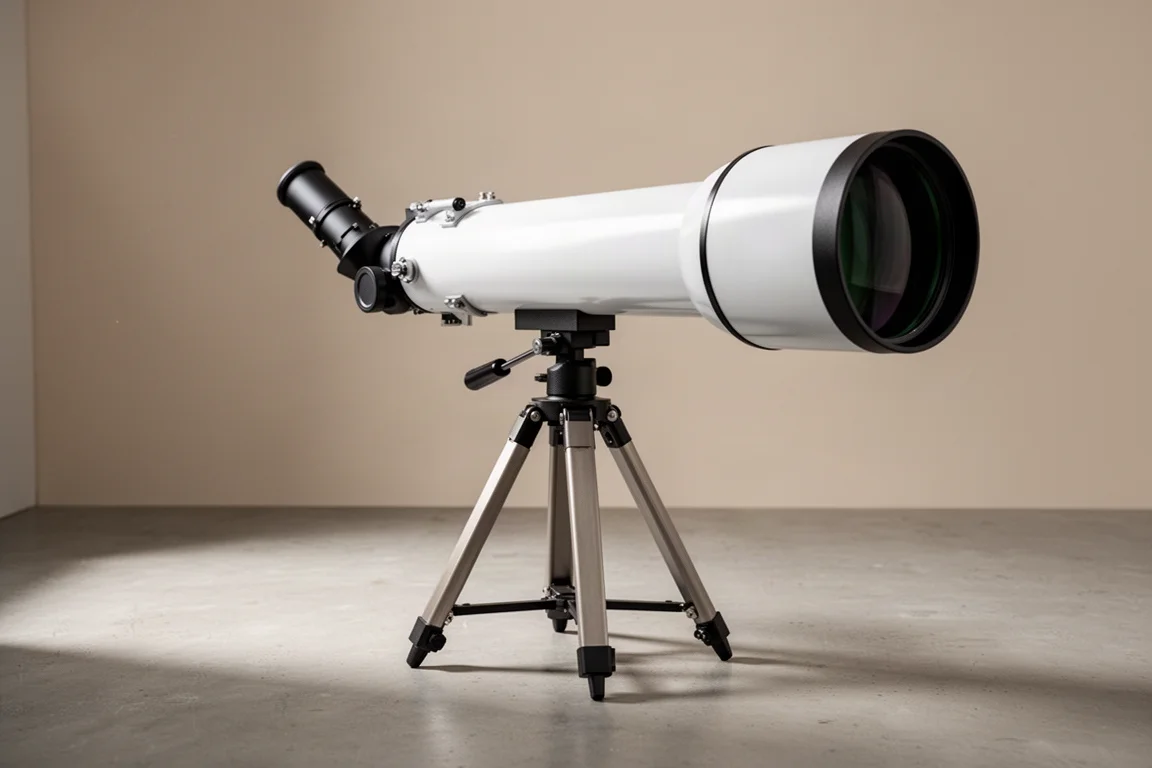
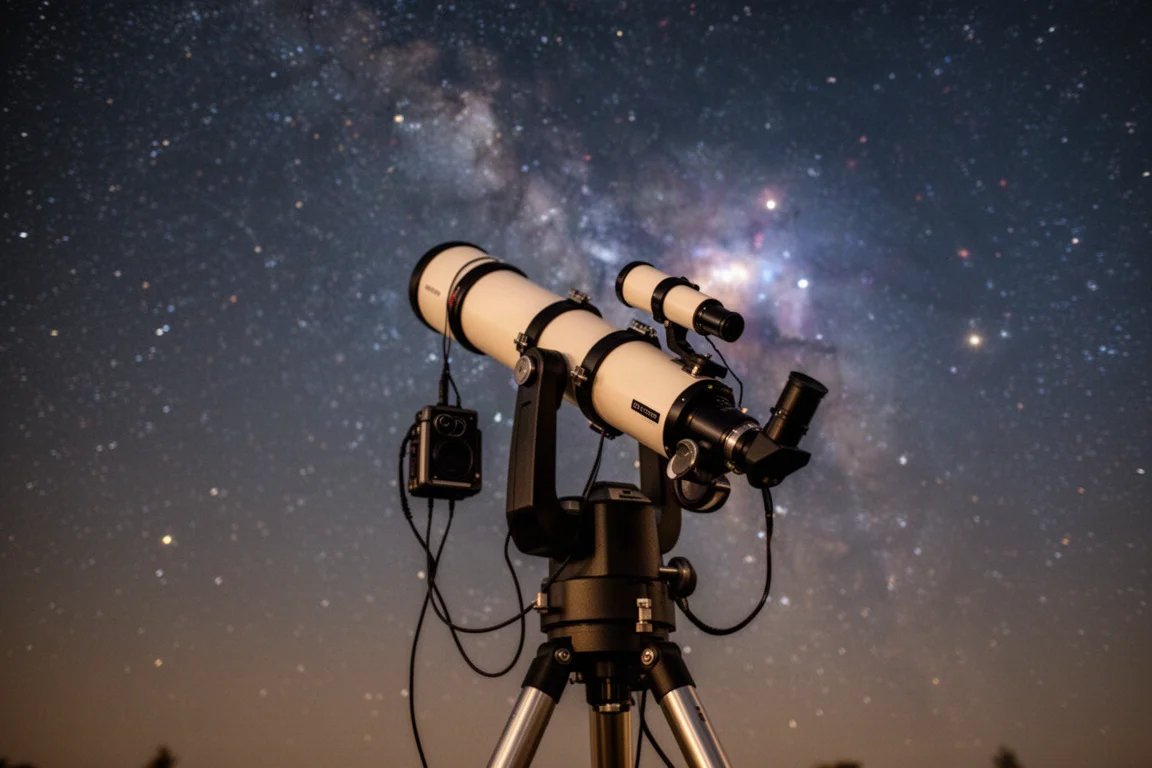
The SVBony SV48P is designed as a high-quality beginner telescope for visual observing, and it can also serve as an ultra low-cost refractor for deep sky astrophotography. That second claim deserves real testing, so we put the telescope through both roles: eyeball observing of the Moon and Jupiter, plus planetary, lunar, and even nebula imaging with a small dedicated camera.
The story here is not entirely smooth. The first sample had a significant optical defect that required a replacement objective lens, and that experience is worth understanding before you buy. Once the correct lens was installed, however, the telescope delivered views and images that genuinely surprised us.
Who This Product Is For
The SV48P makes sense for beginners who want more than a toy telescope: a proper large-aperture refractor for visual use that can later be pressed into entry-level imaging duty. If your goal is crisp lunar and planetary views on a modest budget, and you like the idea of experimenting with a small planetary camera later, this tube covers both bases.
It is less suited to someone who expects flawless optics without any quality-control risk, at least based on our experience. More on that below.
The Lens Problem, and the Fix
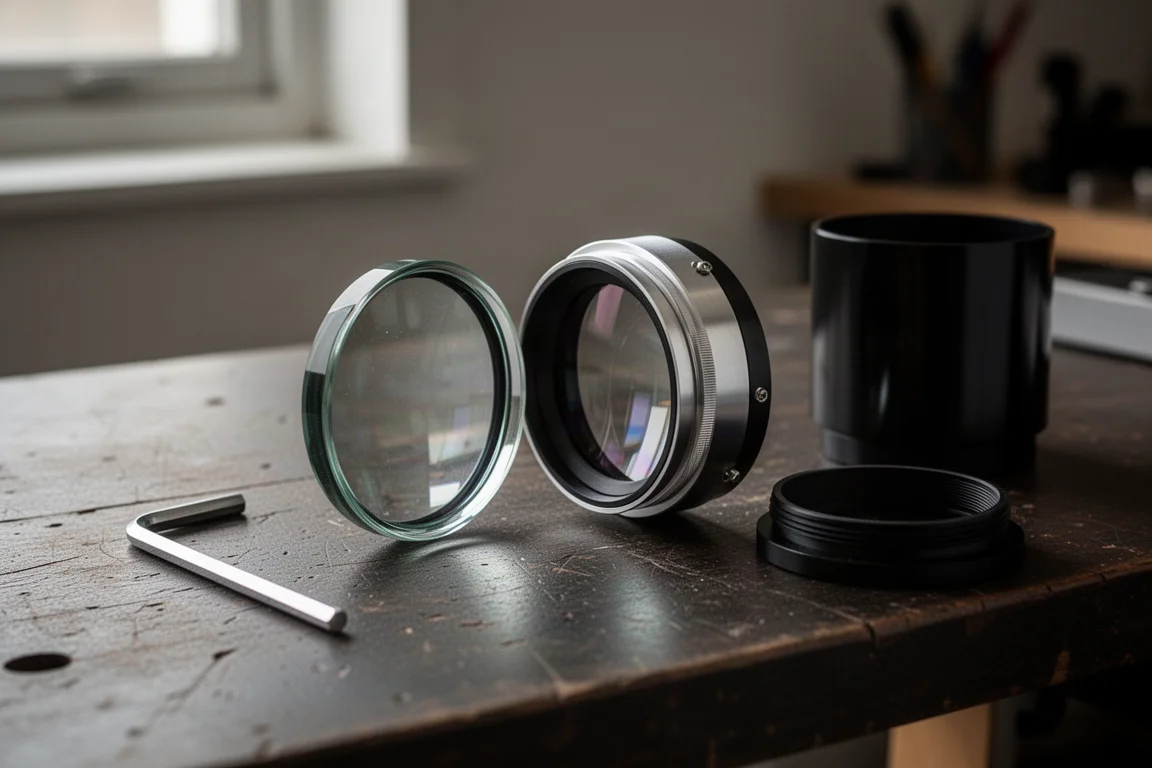
The original sample arrived with beautifully finished components, but something was wrong the moment we looked through the eyepiece: the stars simply were not round. Pointed at Saturn, the planet was a distorted mess. The objective lens had significant astigmatism, meaning light from the horizontal and vertical axes comes to focus at different focal lengths.
We were not alone. After unboxing, other owners reported the same issue and were waiting on replacement objective lenses. A replacement lens assembly eventually arrived, and swapping it in was refreshingly simple: the old cell twisted off without tools, and the new doublet lens elements are noticeably thicker and heavier, suggesting a different configuration altogether. The whole swap took minutes, not hours.
Visual Observing: Moon and Jupiter
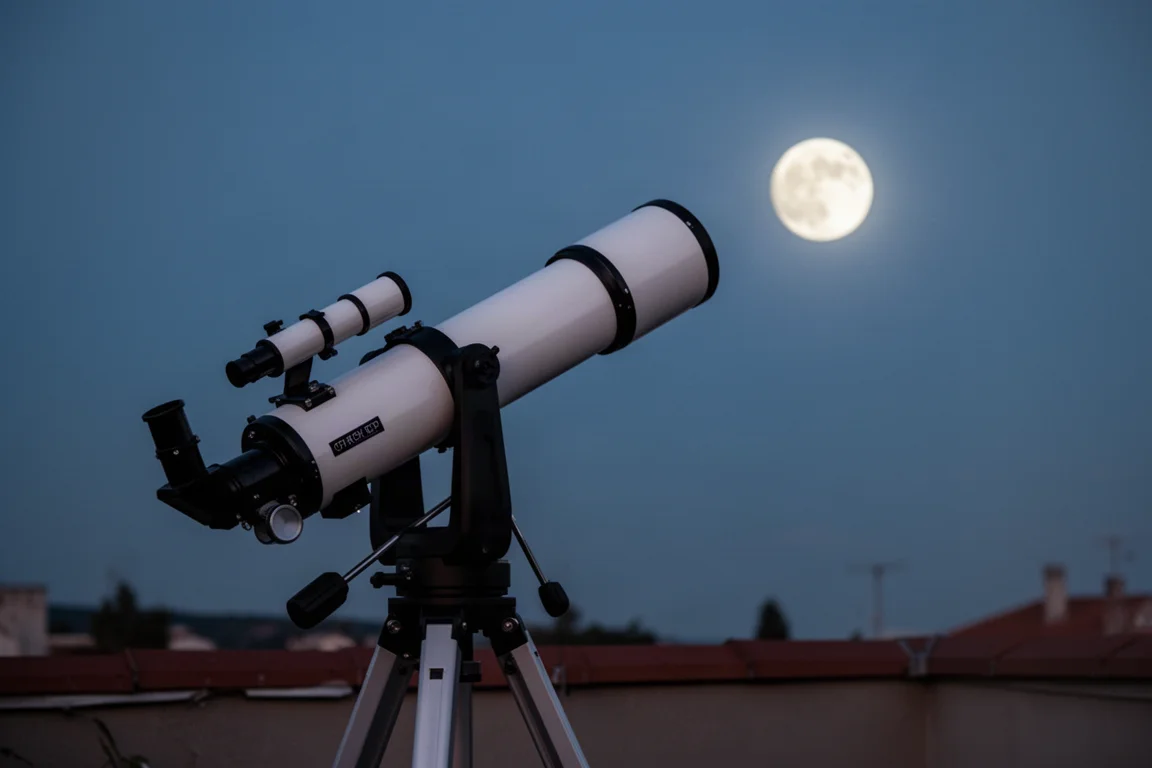
With the new lens installed and a basic generic diagonal plus a red dot finder attached, the SV48P went outside for its real test. Target one was the Moon, high in the sky, and the view was genuinely impressive. There is a slight tinge of chromatic aberration, a blue edge on one side and yellow on the other, but it is easy to ignore while scanning the lunar surface.
Jupiter told a similar story. The two main cloud belts stand out immediately, and all four Galilean moons are easy pickings. The chromatic aberration is more noticeable on Jupiter than on the Moon, but it never gets in the way of seeing the cloud belts, and with patience and dark-adapted eyes, the Great Red Spot should be within reach when it faces Earth.
Planetary and Lunar Imaging With a Small Camera
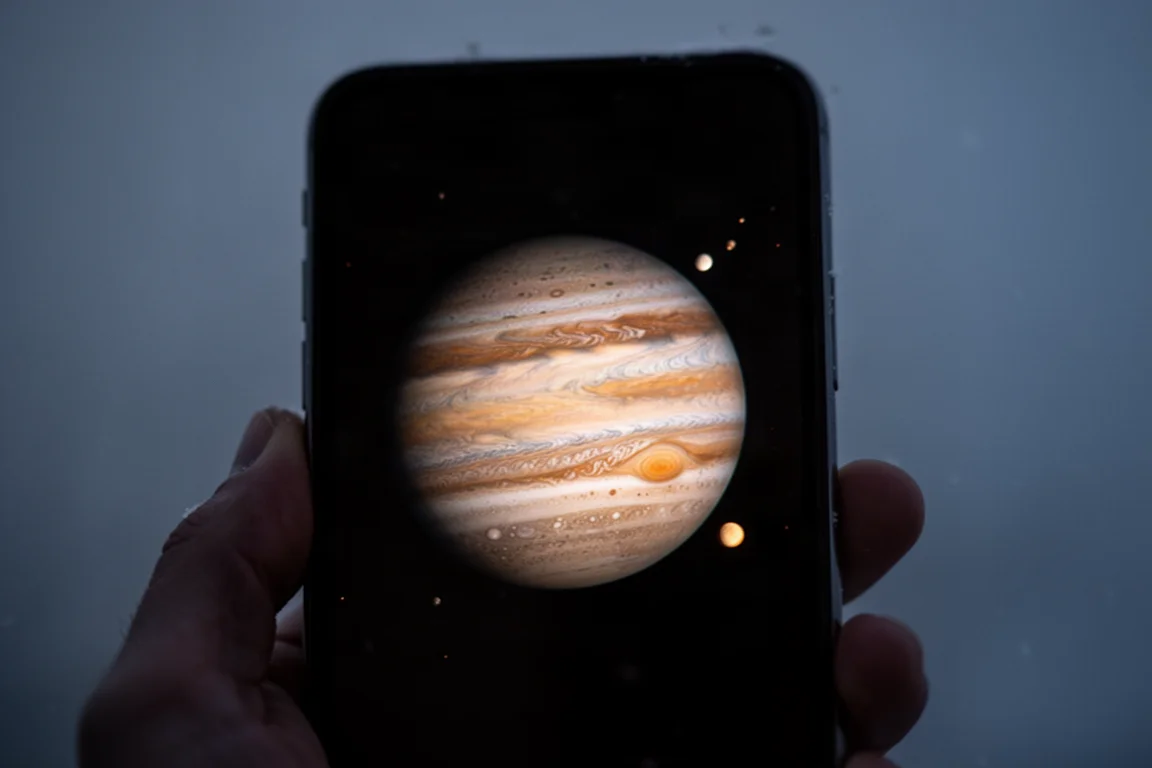
Next, we turned the SV48P into a basic planetary and lunar imaging rig using a small dedicated planetary camera with a compact sensor, controlled from a phone with no computer on the mount. Getting Jupiter centered using only the slow-motion controls takes a bit of patience, but it is honestly part of the fun.
Cranking the exposure time down brings out the cloud belts on screen, and a short 25-second recording stacked on the phone produced a genuinely striking result. After a quick contrast adjustment to tame the haze, the amount of detail captured with this telescope was remarkable, with a Galilean moon visible on either side of the planet.
The Moon followed the same recipe: gain turned down, a five-second clip recorded, and a stack processed right on the phone. The resulting lunar image was sharp and detailed, and saved straight from the field.
Trying Deep Sky Astrophotography
The last experiment stretched the telescope beyond its comfort zone. Mounted on an older German equatorial mount, aimed at Orion with the same small planetary camera, the Orion Nebula came to focus easily, with the Trapezium stars resolved at the nebula’s heart.
A 30-second unguided exposure showed a surprising amount of detail, though the tiny sensor means you are quite zoomed in and the stars look bloated. Letting the rig run for roughly three minutes of stacking without calibration frames still produced a usable image, with some star trailing from the lack of guiding. Stacking short one-second exposures also worked. This is not a deep sky imaging machine, but it clearly does more than a typical visual refractor at this price.
Things to Consider Before Buying
The biggest consideration is quality control. Our first sample had obvious astigmatism, and replacement lenses were clearly being shipped to other affected owners. If you buy this telescope, inspect your star images early and be prepared to request a replacement objective if the stars are not round.
Second, chromatic aberration is present but manageable: noticeable on Jupiter, subtle on the Moon. Third, for deep sky imaging you will want realistic expectations, since the small sensor and unguided tracking limit what is achievable.
Buying Advice
For visual observing, the SV48P with a good lens is a genuinely satisfying beginner telescope, and the Moon and Jupiter views justify the purchase on their own. Add a cheap planetary camera and you unlock impressive lunar and planetary imaging with nothing more than a phone for stacking. If your sample arrives with clean, round star images, you have a winner. If not, sort the lens replacement first, because the difference is night and day.
Conclusion
The SVBony SV48P is a high-quality beginner visual refractor that doubles as an ultra low-cost astrophotography experiment, with one important caveat: early samples suffered from astigmatism that required a replacement objective lens. With the corrected doublet installed, the Moon is incredible, Jupiter’s belts and moons come alive, and even the Orion Nebula is within reach of a budget setup. Buy it, check the stars first, and enjoy.
Product link
View more details for SVBony SV48P
This product is mentioned in the review. Check the specifications, options, and compatibility before buying.
View more details for SVBony SV48PFurther reading
Related Reviews

Telescopes
Sightron SJ75 UF and Sky-Watcher HS125: Two Telescopes Worth Watching
A look at two notable telescopes from a recent camera and optics expo: a sharp new astrograph from Sightron Japan and a compact fast reflector from Sky-Watcher.

Telescopes
SV503 102ED Review: A Budget 102mm Refractor That Surprises
The SV503 102ED is an affordable 102mm doublet refractor that delivers surprisingly decent star shapes and a smooth focuser, despite some chromatic aberration and light falloff.

Telescopes
SVBony MK127 Review: A Compact Maksutov-Cassegrain That Surprises
The SVBony MK127 is a 127mm Maksutov-Cassegrain telescope with a unique 0.65x reducer, making it a versatile option for visual astronomy and even some deep-sky imaging.