Telescopes
SVBONY 127 Maksutov Review: A Compact Cassegrain for Moon, Planets, and Surprise Astrophotography
A hands-on look at the SVBONY 127 Maksutov-Cassegrain, covering its visual performance, imaging quirks, portability, and who it actually makes sense for.
Introduction
When a compact new Maksutov-Cassegrain shows up unannounced, the honest way to evaluate it is to open the box, build a rig around it, and see how it behaves both visually and on a camera. That is exactly what happened with the SVBONY 127 Maksutov, a 127 mm catadioptric telescope that turned out to be far more interesting than its modest size suggests. It went from backyard visual observing to a suitcase-packed outreach trip to California, and even survived a night of deep sky imaging. Here is what the experience revealed.
What Is the SVBONY 127 Maksutov?
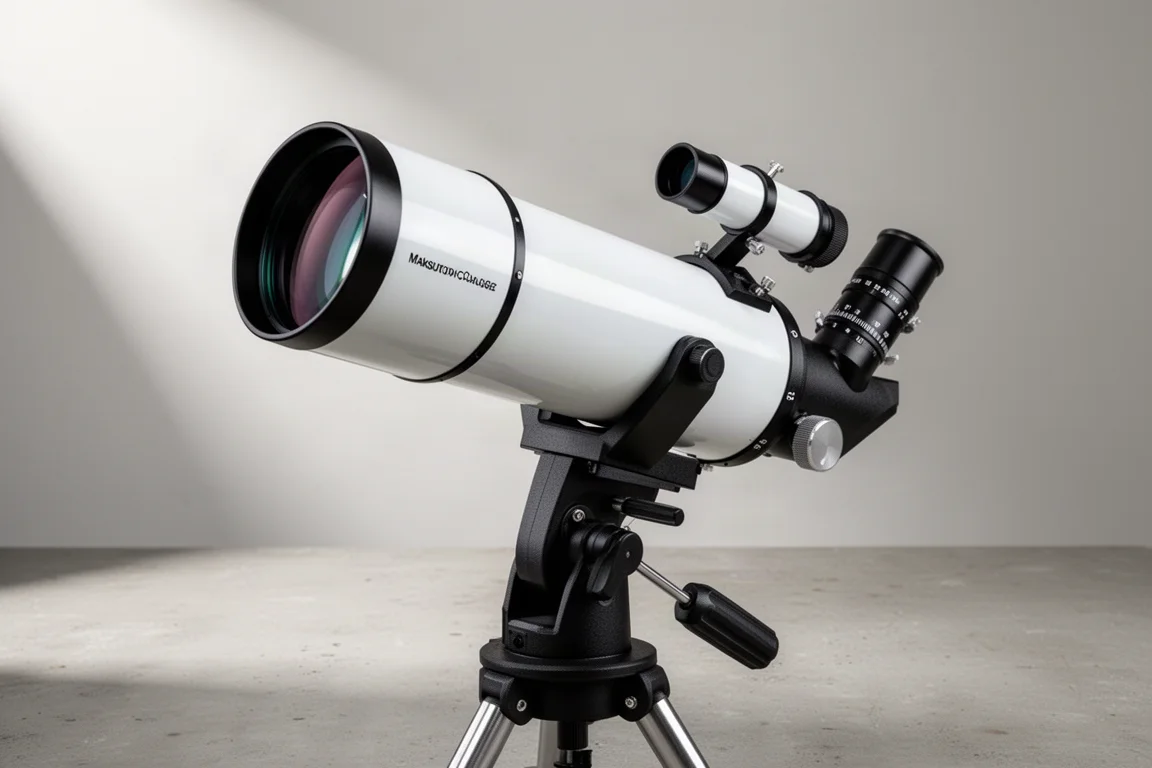
The SVBONY 127 is a Maksutov-Cassegrain telescope with a 127 mm aperture and what appears to be roughly an f/11 to f/12 focal ratio. The design is immediately recognizable: a thick meniscus corrector lens at the front, the secondary mirror sitting behind it, and the primary mirror at the back of the tube.
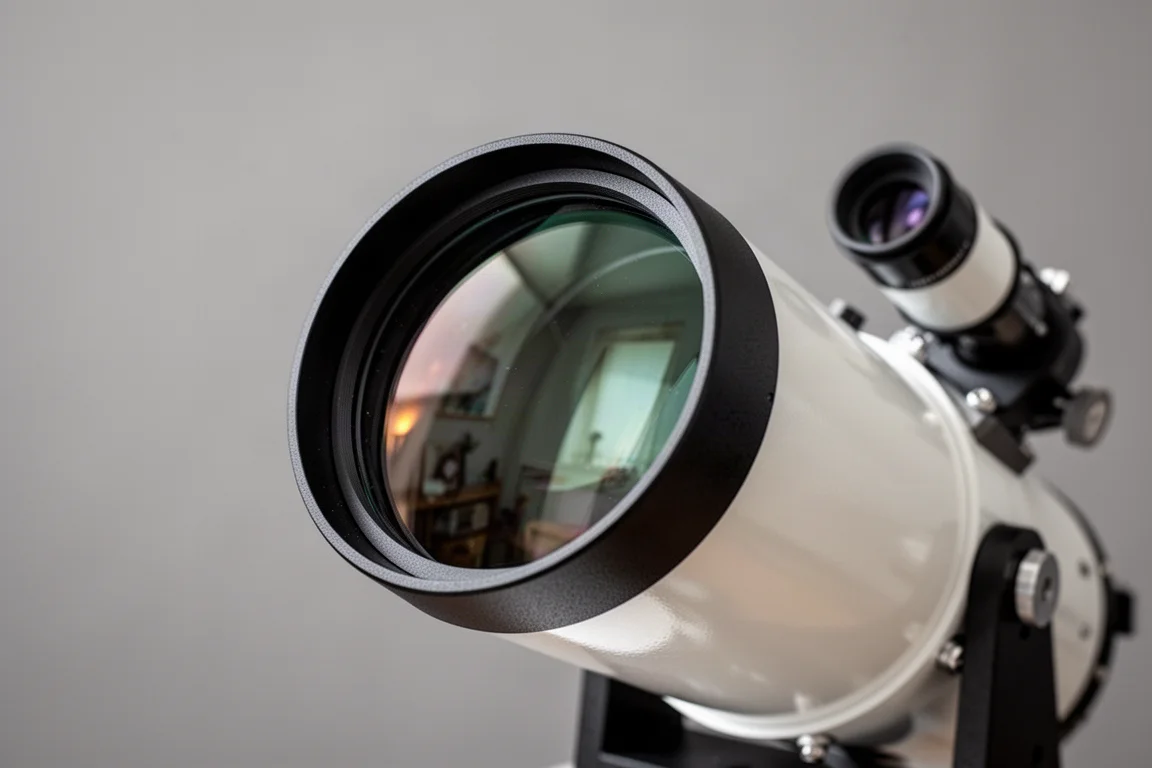
In hand, it feels moderately weighted rather than heavy, which matters because it stays manageable on lighter alt-azimuth mounts. The box includes a focal reducer, two finder scope bases, a dual-speed focuser, and two visual backs: one for 1.25-inch eyepieces and one for use with a 2-inch diagonal. Notably, no finder scope is included, so plan to add your own.
Building the Visual Setup
Mounting it was straightforward. The optical tube sat comfortably on an AZ GTI-style mount, and for visual use the scope was run in alt-azimuth mode with a go-to alignment using two stars plus a calibration star. A zoom eyepiece and a small bullseye finder completed the kit.
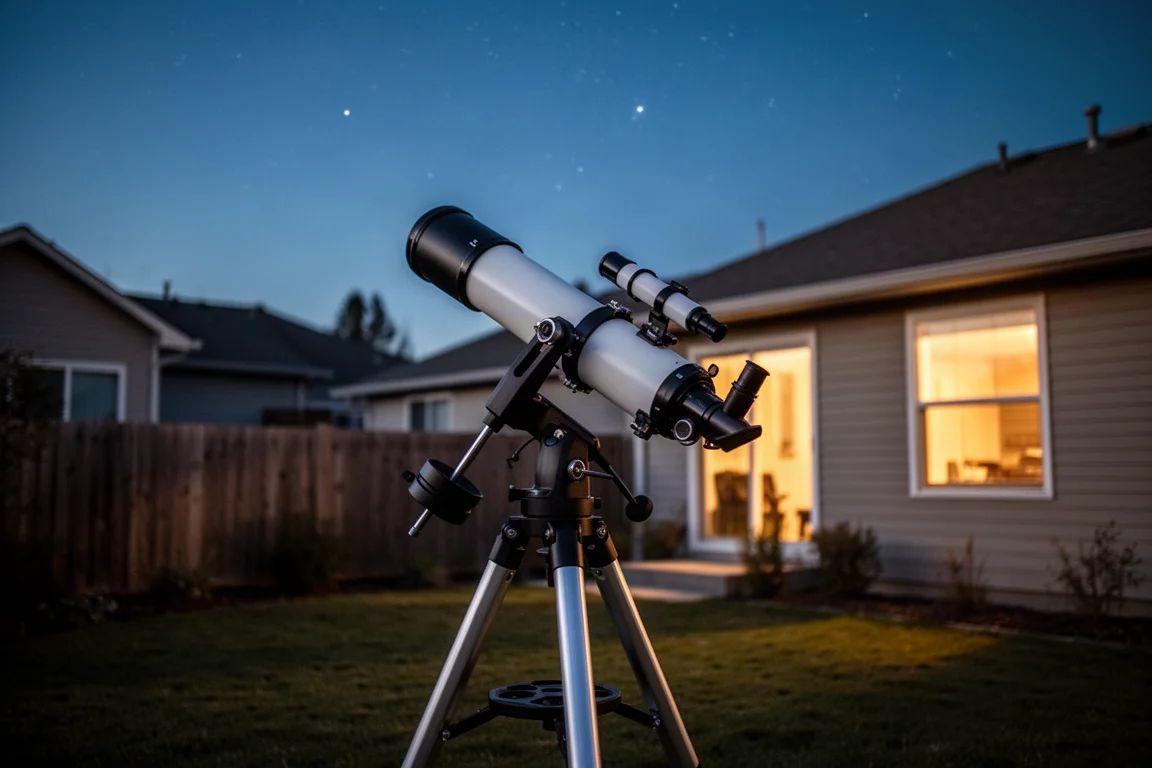
One practical lesson came through clearly: because the lowest magnification sits around 60x, the finder must be aligned to the telescope very precisely. Even with the finder pointed at a target, the narrow field through the eyepiece can make locating objects genuinely difficult if the finder is even slightly off. A solid go-to mount transforms the experience. On a sturdy mount with proper alignment, targets like Albireo, M13, and Mizar landed right in the center of the eyepiece on the first try. Manually slewing the lighter mount under bright skies was noticeably more frustrating.
Observing Performance
As a visual instrument, this scope performs well. Across the magnification range of the zoom eyepiece, no distortions were noticeable at any setting. The Moon is the obvious strength for a Maksutov of this class, and during an outreach week in the Oxnard School District in Los Angeles, a team of presenters ran the scope nightly for crowds of students. Views of the Moon impressed everyone, and Mars, though appearing as a tiny red disc near a bright full Moon, still drew a good reaction.
Double stars are another highlight. Albireo showed clear separation with the zoom eyepiece pulled in to increase the split, and M13 resolved nicely in the center of the field. This is really a scope designed for excellent views of the Moon and planets, with the added versatility of tracking down deep sky objects when the mood strikes.
Imaging with the SVBONY 127
The included focal reducer hints that SVBONY expects some imaging use, and the scope was tested with a small astronomy camera threaded to the reducer and driven by an ASI AIR-style control box with live stacking. Calibration frames mattered more than usual here: flats are genuinely necessary, because a 60-second exposure shows a huge vignette without them.
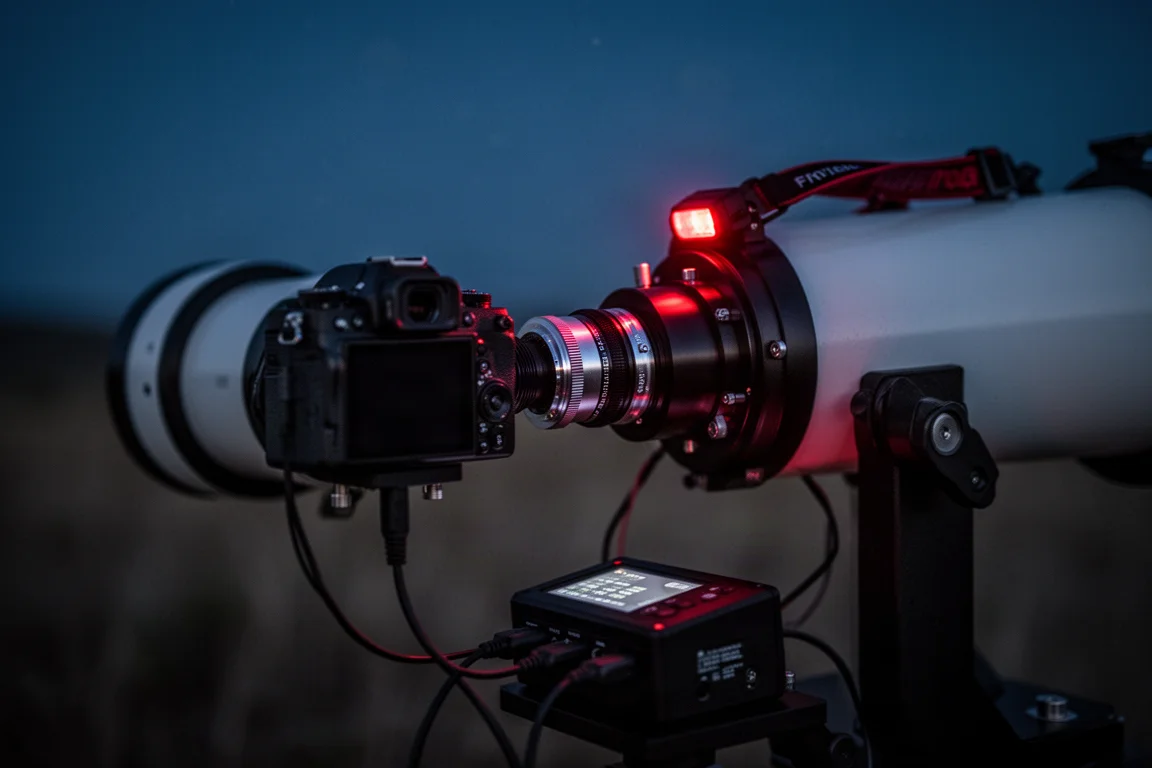
Results were encouraging but came with caveats. Two minutes of total exposure on the Trifid Nebula picked up blues and purples nicely, and around nine minutes of stacked exposures on M101 produced a promising galaxy view. However, edge stars showed what looked like coma-like aberrations. The likely cause is back focus: the reducer’s threads did not match one popular cooled camera directly, and without the correct spacers the spacing ended up short. With proper back focus, those edge aberrations may well clean up.
Portability and Travel
A big question before an outreach trip was simple: does it fit in a suitcase? It does. That portability made it practical to fly the scope to Los Angeles for a three-week space camp program, where it was set up nightly for students. For anyone who wants a telescope that travels to dark sites, schools, or a friend’s backyard, this form factor is a real advantage. One tip worth copying: bring a dew strap. A skipped dew heater ended one imaging night early, and dew strips were not forgotten again.
Things to Consider Before Buying
A few realities are worth weighing. The high native magnification and narrow low-power field mean finder alignment is critical, so budget attention for that step. A good quality go-to mount strongly improves the experience, particularly under bright suburban skies. For astrophotography, the included reducer helps, but documented back focus guidance is hard to find, so be prepared to experiment with spacers. And honestly, if deep sky imaging is the primary goal, a refractor in this price range is usually the more natural choice. The imaging quirks do not erase the value here, but they set expectations correctly.
Final Thoughts on the SVBONY 127 Maksutov
As a visual telescope, the SVBONY 127 Maksutov is really quite good: clean views, no noticeable distortions at any magnification, and a portable package that fits in a suitcase alongside a mount and accessories. It shines on the Moon and planets, holds its own on double stars and brighter deep sky objects, and offers enough imaging flexibility to be fun for live stacking sessions if you tolerate the vignette and experiment with back focus.
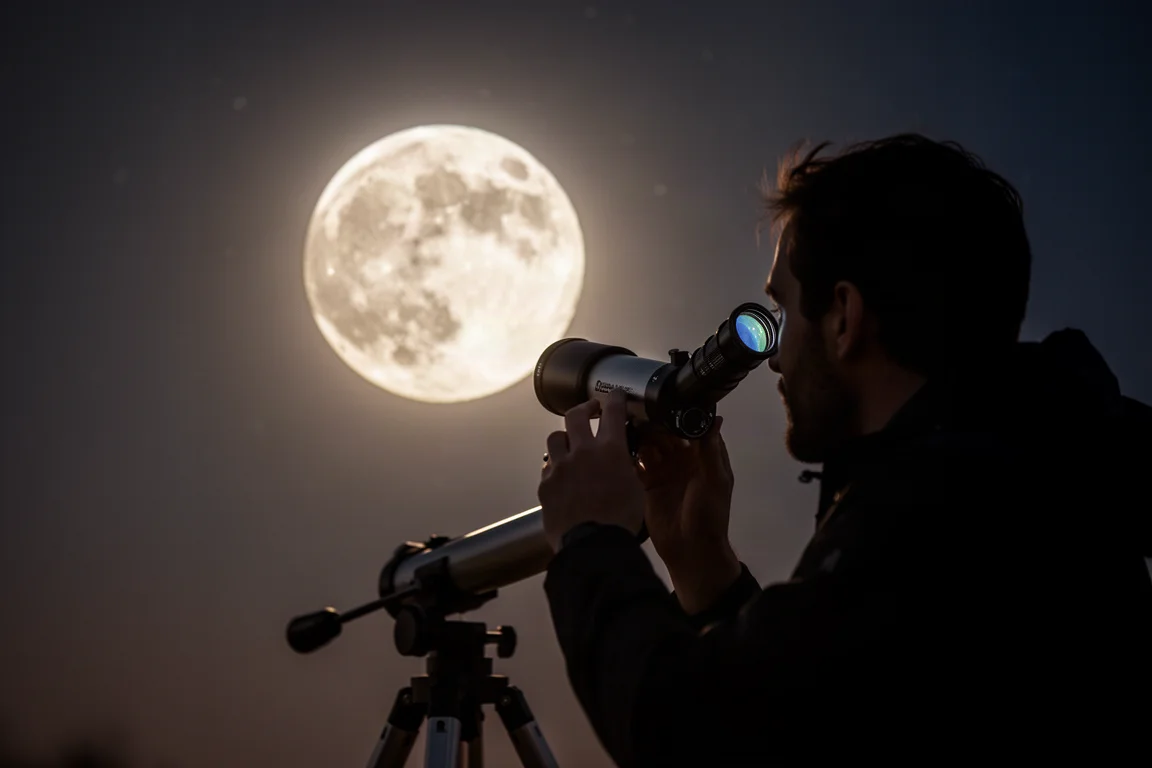
For anyone who wants one telescope that handles family Moon nights, planet views, occasional deep sky hunting, and even lightweight travel outreach, this compact Maksutov makes a convincing case.
Conclusion
The SVBONY 127 Maksutov is best understood as a portable lunar and planetary specialist with useful extra range. Pair it with a reliable go-to mount, align the finder carefully, and it delivers views that impressed both a seasoned observer and a crowd of first-time students. If your priorities lean heavily toward deep sky astrophotography, look at refractors instead, but for visual observing with imaging as a bonus, it is an easy scope to recommend.
Product link
View more details for SVBONY 127 Maksutov
This product is mentioned in the review. Check the specifications, options, and compatibility before buying.
View more details for SVBONY 127 MaksutovFurther reading
Related Reviews

Telescopes
Sightron SJ75 UF and Sky-Watcher HS125: Two Telescopes Worth Watching
A look at two notable telescopes from a recent camera and optics expo: a sharp new astrograph from Sightron Japan and a compact fast reflector from Sky-Watcher.

Telescopes
SV503 102ED Review: A Budget 102mm Refractor That Surprises
The SV503 102ED is an affordable 102mm doublet refractor that delivers surprisingly decent star shapes and a smooth focuser, despite some chromatic aberration and light falloff.

Telescopes
SVBony MK127 Review: A Compact Maksutov-Cassegrain That Surprises
The SVBony MK127 is a 127mm Maksutov-Cassegrain telescope with a unique 0.65x reducer, making it a versatile option for visual astronomy and even some deep-sky imaging.