Food & Drink
Five Sustainable Food and Drink Products Worth Knowing About
A cardboard bottle, freeze-dried herbs, beer brewed from surplus bread and pasta, and a plant-based fillet: five trends that actually make sense.
Introduction
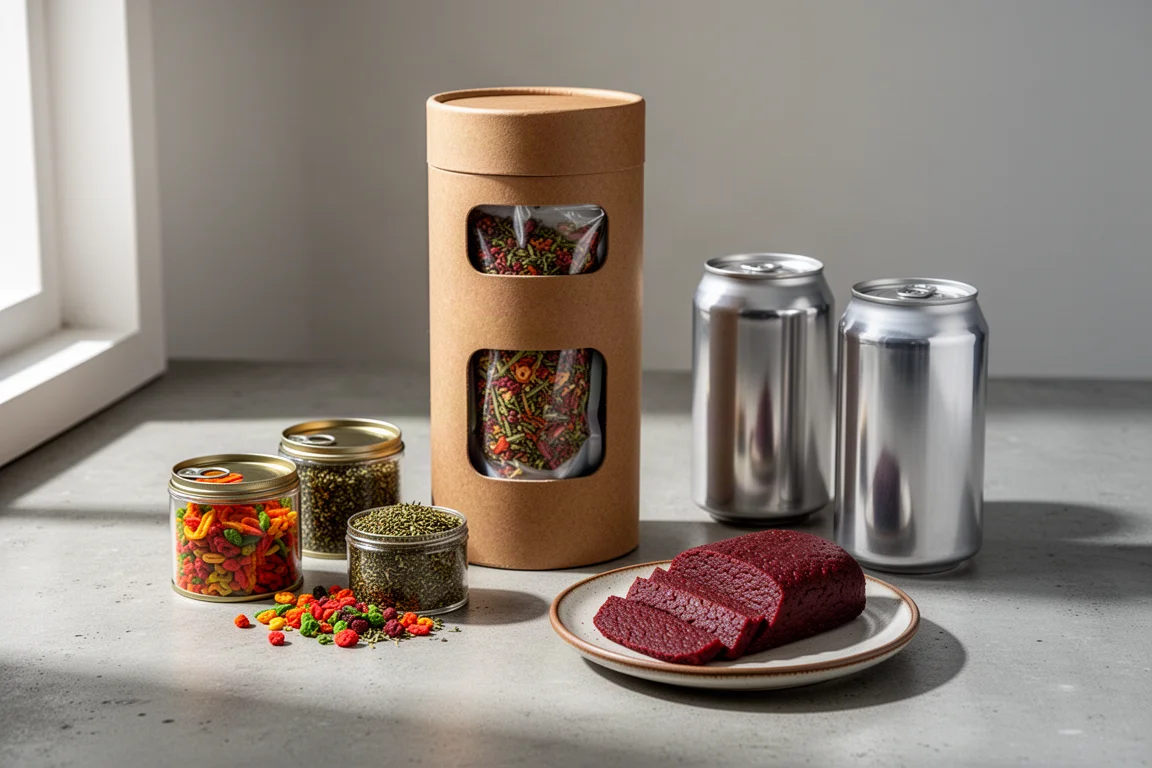
Sustainability claims are easy to make and hard to verify, so it is refreshing when a product backs its pitch with numbers you can actually picture. This roundup covers five products that take a genuinely practical angle on food and drink waste: a cardboard bottle for spirits and wine, freeze-dried herbs and vegetables, two beers brewed from surplus food, and a plant-based take on a prime cut. None of them are perfect, and we flag the trade-offs honestly, but each one earns a place on the shopping radar.
Why Packaging and Food Waste Matter
Packaging consistently ranks near the top of what shoppers say they care about when trying to buy more sustainably. Heavy glass bottles cost fuel to transport, surplus bread and pasta end up in landfill producing methane, and delicate herbs wilt in the fridge before anyone uses them. The products below each attack a different corner of that problem, and several of them do it without asking you to compromise on flavour.
Frugal Bottle: Cardboard Bottles for Gin and Wine
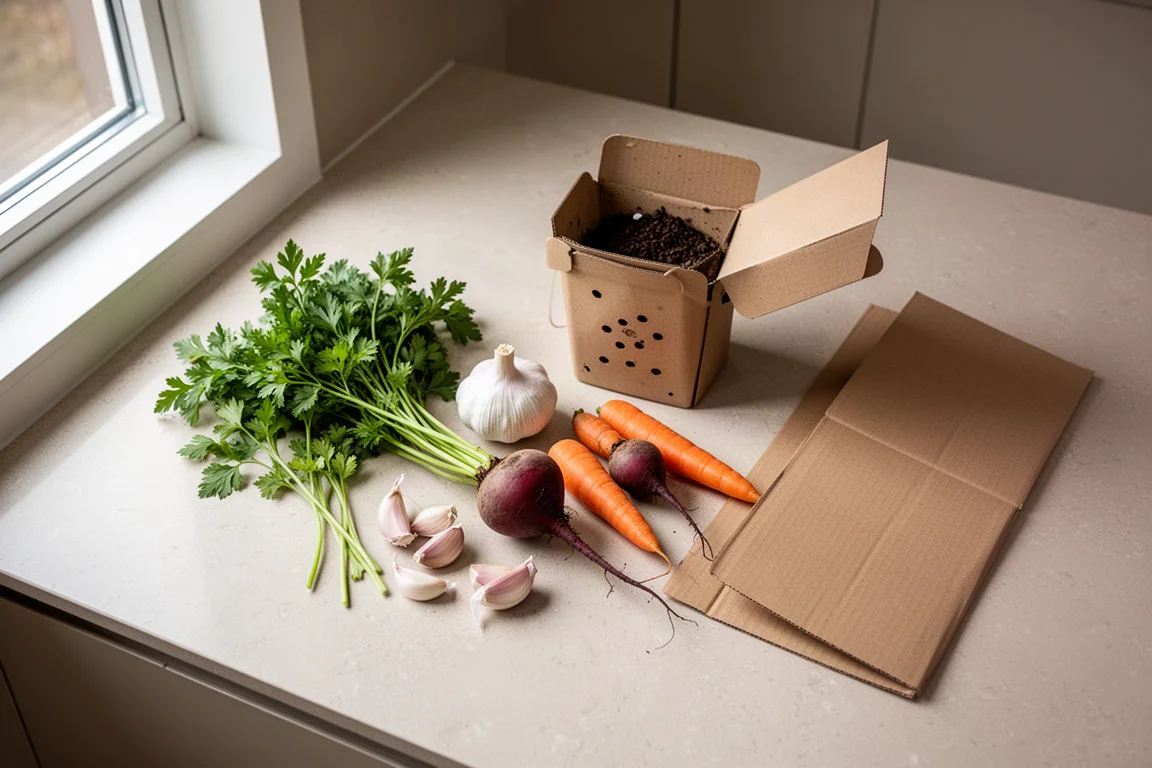
The Frugal Bottle looks like a novelty until you pick it up. It is exactly what the name suggests: a bottle made from a cardboard sleeve with a food-grade pouch inside, in the same spirit as boxed wine. The claimed numbers are striking: five times lighter than glass, six times lower carbon footprint, and 77% less plastic than a plastic bottle alternative. It holds the same 750ml as a standard wine bottle, yet the weight difference in the hand is immediately obvious.
It also opens up full 360-degree branding, since the whole surface is printable rather than a glass bottle with a paper label. A split button lets you break the packaging down for recycling once the liquid is gone, and it pulls apart easily. The idea came from an entrepreneur working in a shed, and UK supermarkets now stock products in it, so it is increasingly something you can actually choose off the shelf. Recognisable brands sit inside the packaging, which matters: it will be the gin and wine inside that convinces people, not the cardboard itself.
Jux Freeze-Dried Herbs
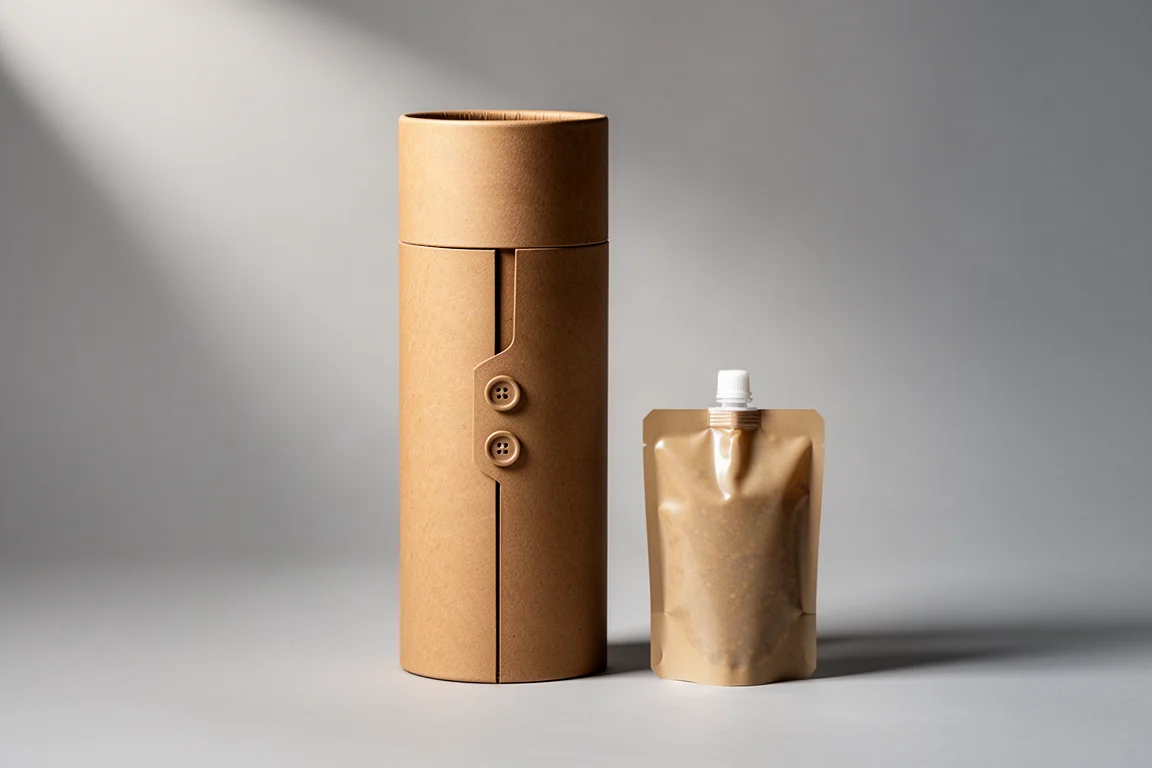
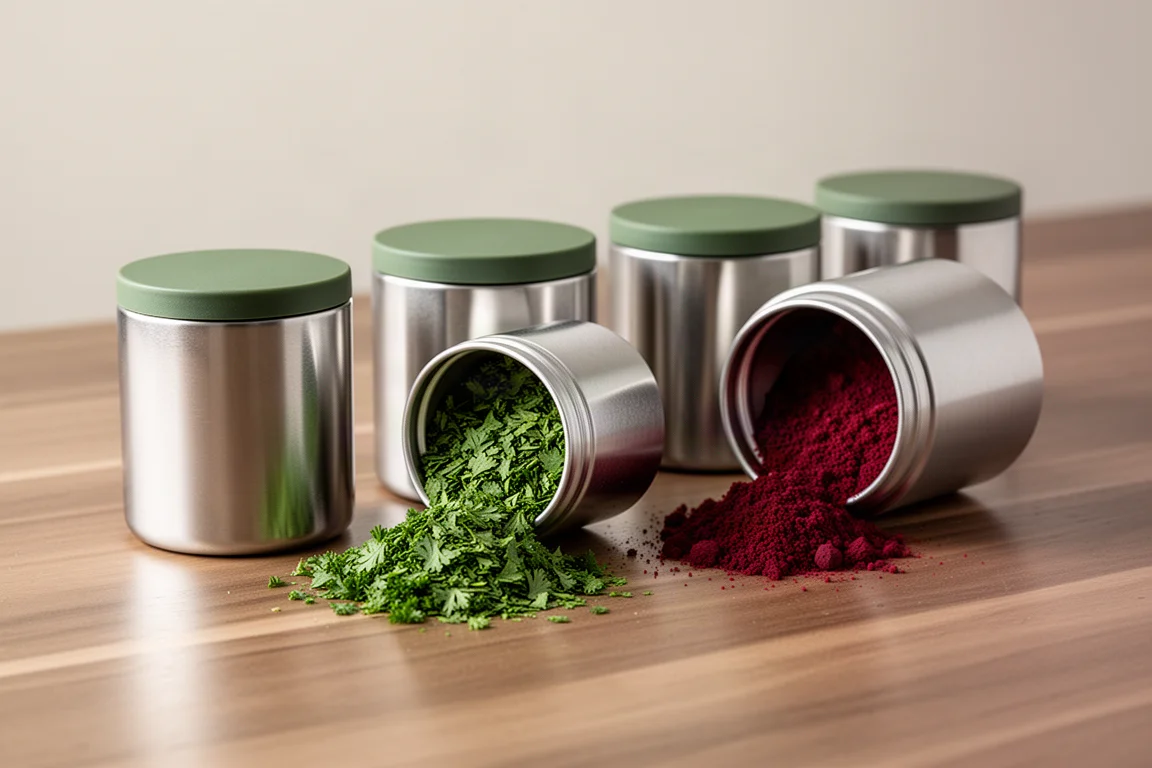
Freeze-drying removes only water, which locks in nutrients and flavour at the moment of harvest. Norfolk-based Jux applies this to herbs and vegetables: parsley, rosemary, garlic, red onion, beetroot and carrot. The surprise is the intensity. The garlic tastes almost as punchy as raw, and a tiny splash of water turns the parsley back into something seriously fragrant and green.
The maths is compelling: a 60g pot of garlic is claimed to equal roughly 600g of fresh garlic, and a beetroot pot claims nine small beetroots. A little goes a long way, you only use what you need, and there is no half-used bunch of parsley wilting in the fridge. One learning from testing: rehydrating in fat does not work well, so add these to liquids, stocks and sauces, or simply snack on the beetroot and carrot as they are. Pots range from £4.99 to £6.99, with bundles under £28. Compared with fresh herbs, the parsley is notably cheaper; compared with standard dried parsley, it costs more, and that premium is the honest trade-off.
Toast Beer: Brewed with Surplus Bread
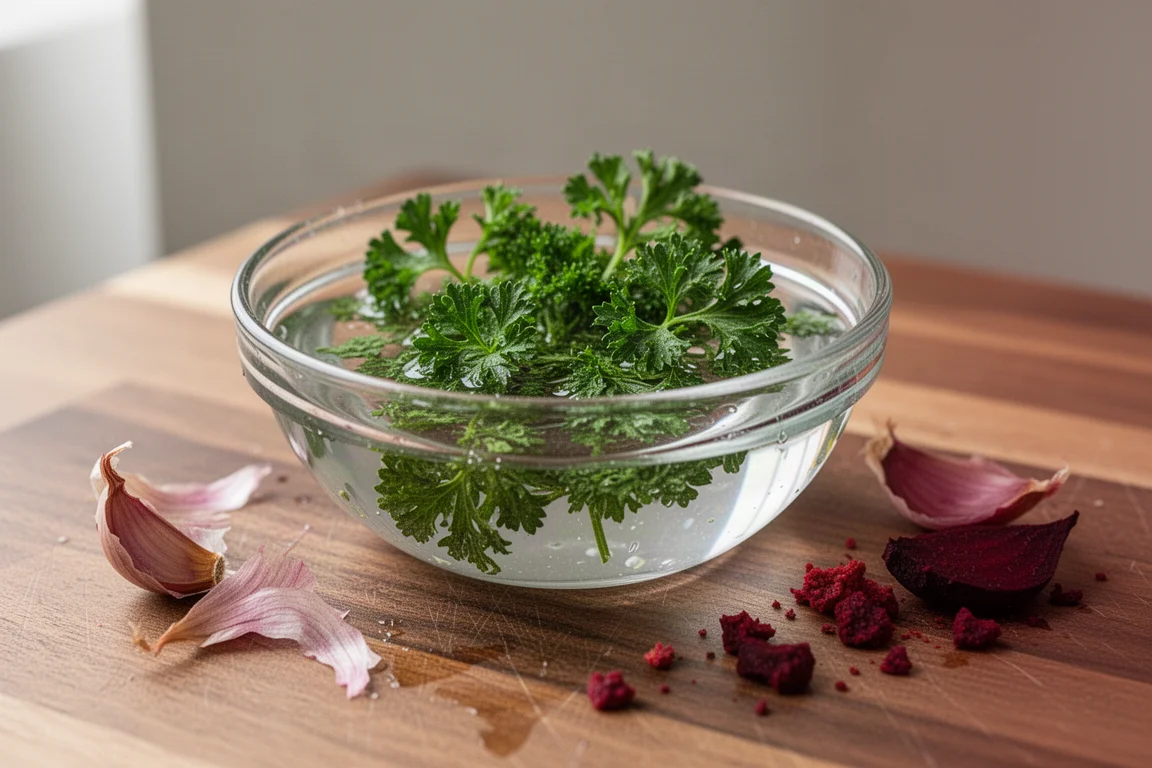
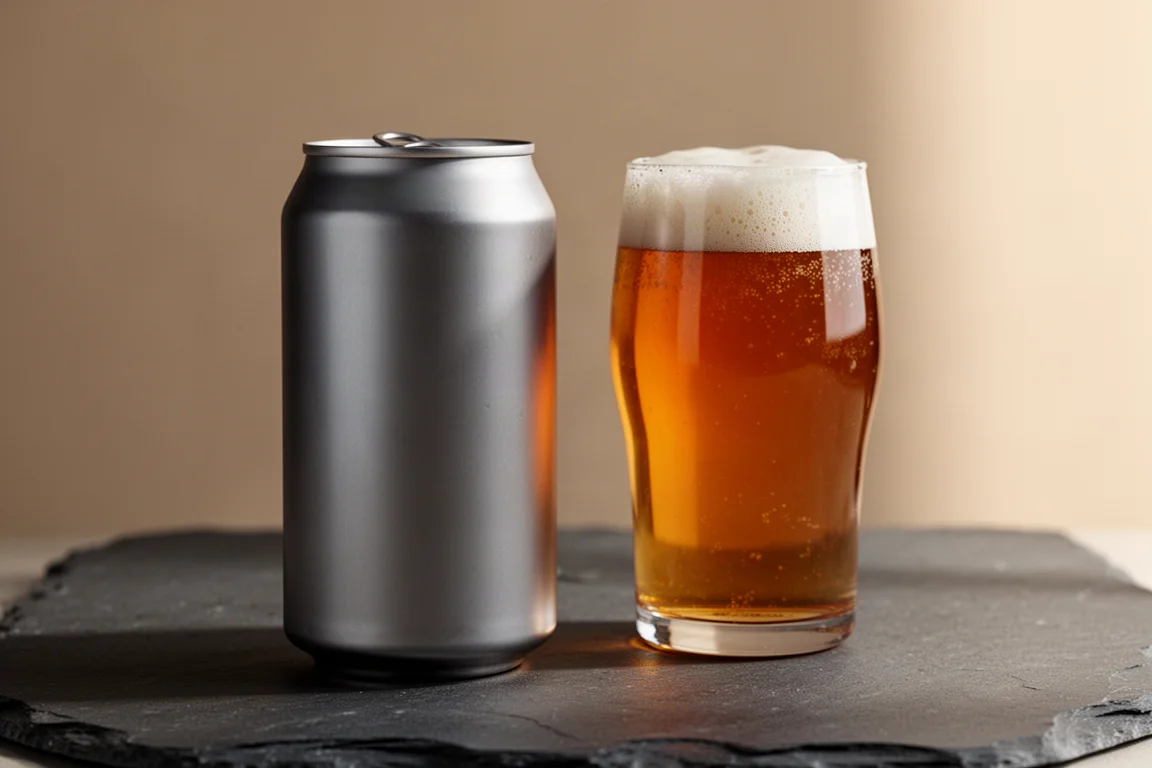
Toast has been brewing with surplus sliced bread since 2016, and the scale is remarkable: the bread saved stacks to five times the height of Mount Everest. The company has also donated hundreds of thousands of pounds to charity and freed up the equivalent of 71 acres of agricultural land by using bread that would otherwise have gone to waste. Bread is one of the most commonly wasted fresh ingredients, so putting it into the mash is a genuinely clever loop.
The result, a refreshing lager-style pour, does not taste like a compromise. A mixed case of 12 costs £25, which sits squarely at good craft beer prices. There is no penalty for the sustainable approach, which is exactly how these products win people over.
Beyond Belief Brewing Pasta Vienna Lager
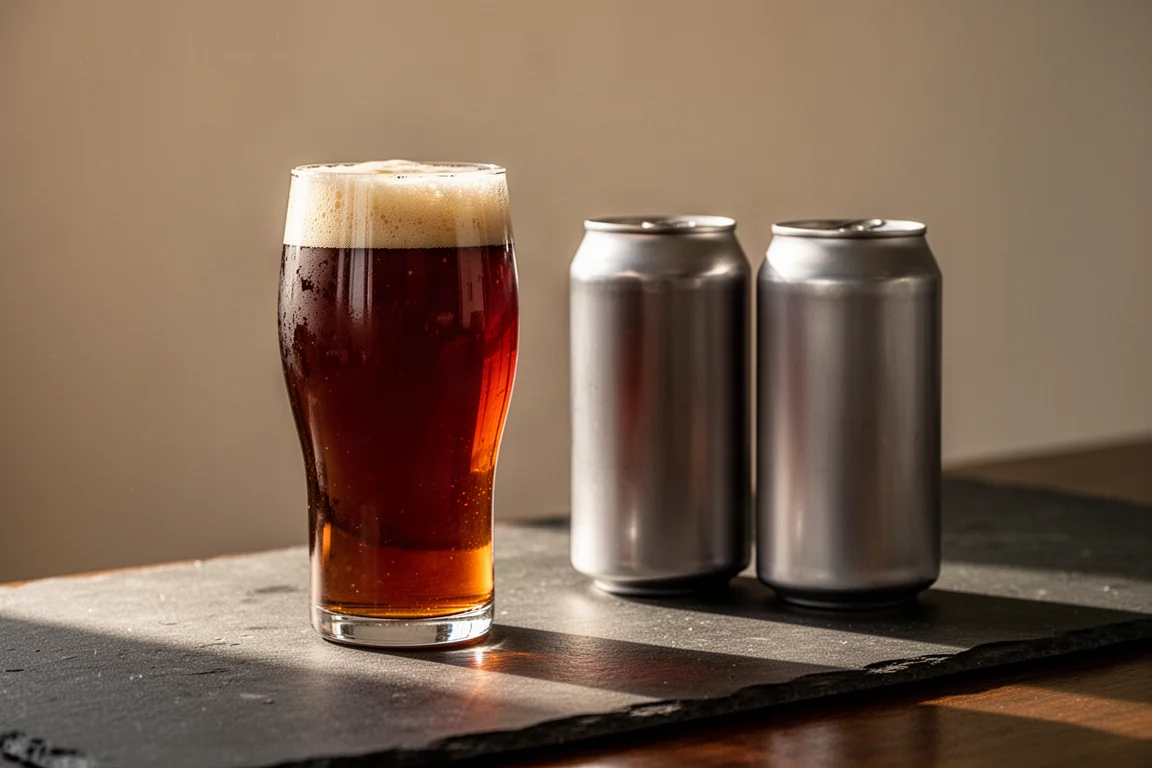
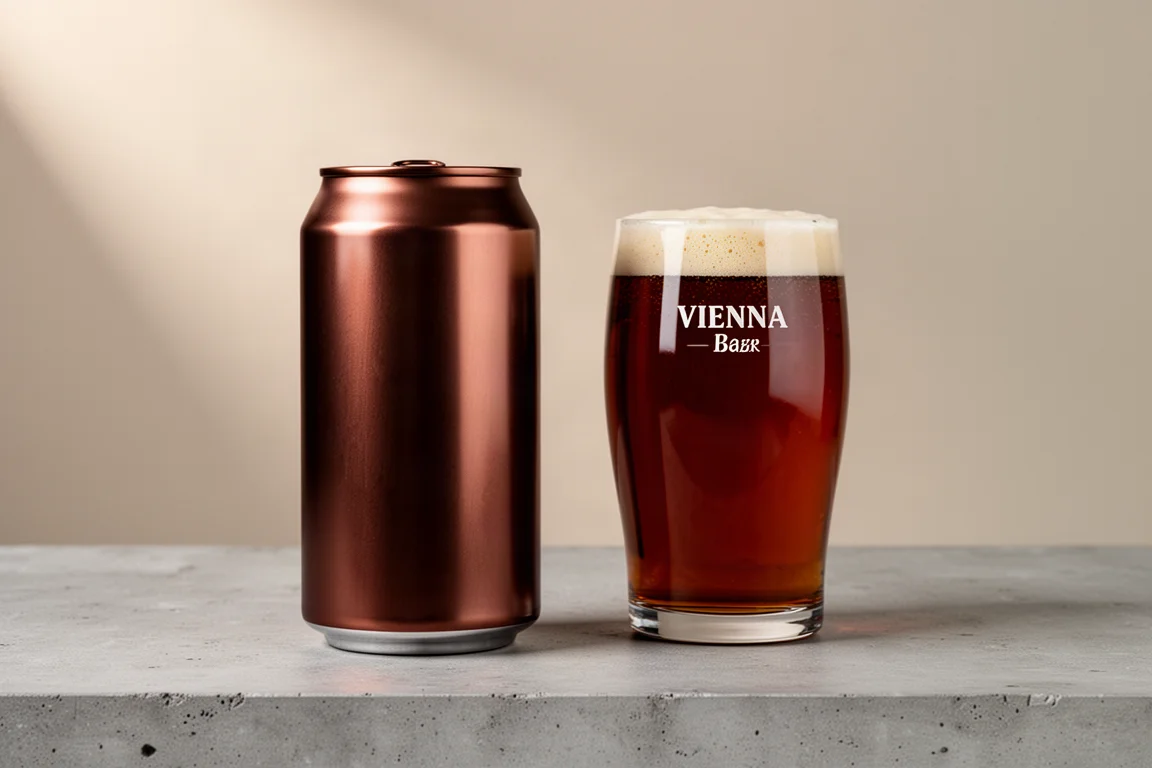
Beyond Belief Brewing takes the same idea one step further with fresh pasta. Working with a London company that makes premium fresh pasta, they take the inevitable offcuts and scraps and turn them into 50% of the mash, where they serve as food for the yeast alongside the grain. The result is a Vienna lager: darker in colour than you might expect, but still firmly a lager, and a genuinely refreshing drink despite its looks.
Both breweries also prefer cans over bottles for weight and transport reasons, echoing the logic of the cardboard bottle above. And as the brewers themselves point out, fermenting cooked grains is not new at all; it is thousands of years old. These companies are simply making it cool, and doing good with the leftovers.
Juicy Marbles Thick Cut Fillet
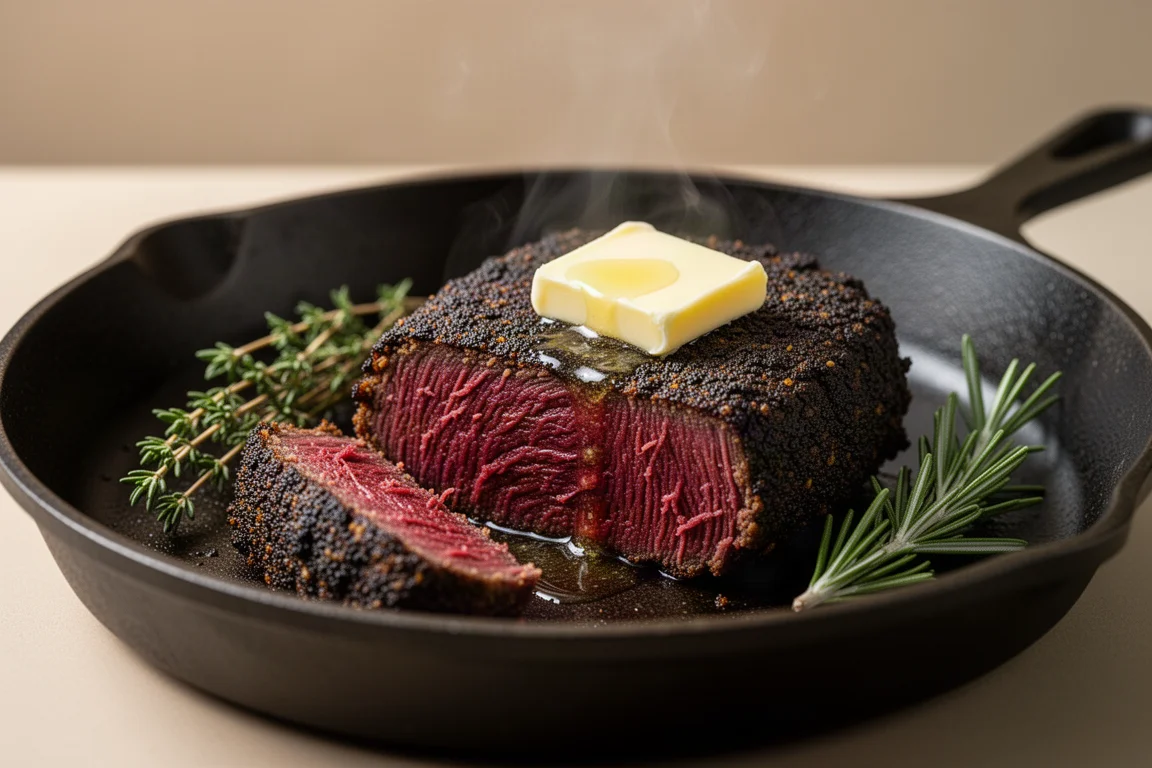
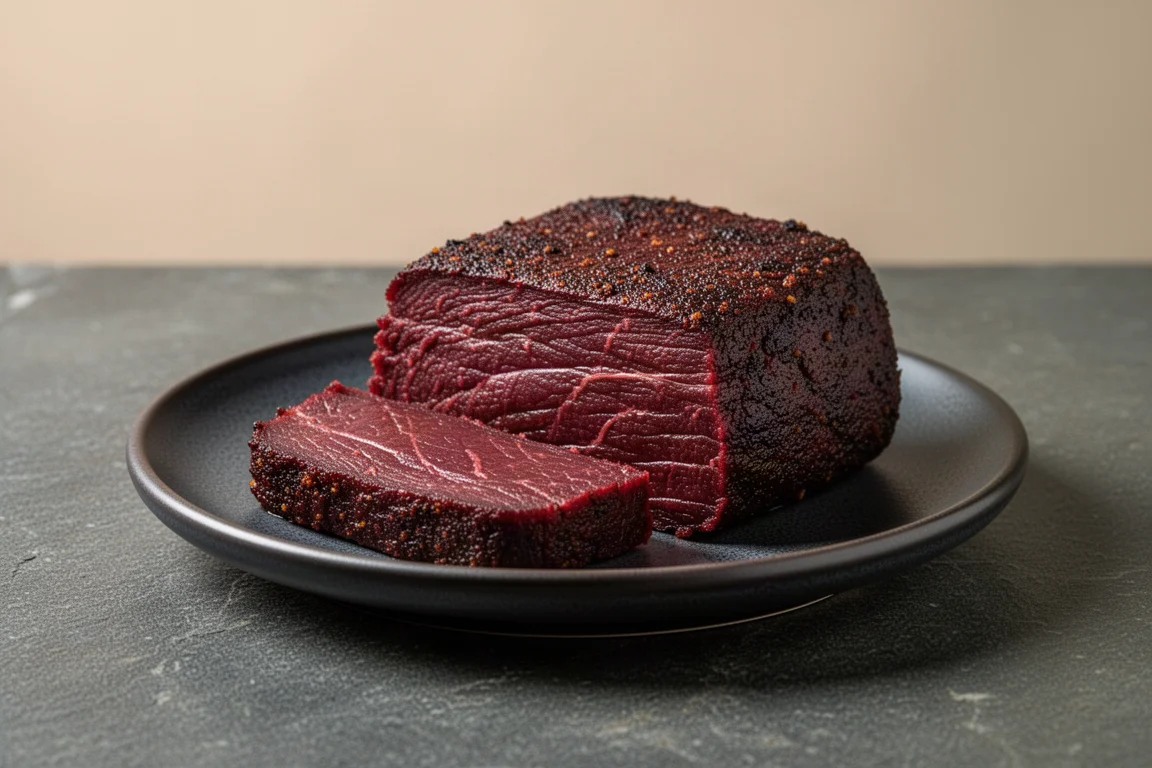
Juicy Marbles goes after the hardest target in plant-based food: the prime cut. Rather than mince formed into burgers or sausages, this is a Thick Cut Fillet made from soy, with fat from sunflower oil and colour from beetroot, and intramuscular fat designed to keep it moist as it cooks. Pan-fried hot for a crust, then basted with butter, thyme and rosemary, it slices like salt beef: fibrous, deeply savoury and, frankly, better than most expectations for the category.
The honest verdict: closed eyes, you would know it is not fillet steak. It pulls apart more like a slow-cooked beef shin than a lean prime cut, which is precisely the texture difference that matters when a real fillet is best served medium-rare with varied textures. But it is convincingly beef-like, genuinely tasty, and versatile: chunk it, shred it, strip it like brisket, stir-fry it, or pile it into a sandwich. As a benchmark for what plant-based whole cuts can be, it sets a high bar.
Buying Advice
Choose the Frugal Bottle if lower-carbon packaging matters to you and you like the brands using it; the wine and gin inside decide whether it earns a repeat purchase. Jux suits cooks who waste fresh herbs and want concentrated flavour on hand, though it works best added to liquids rather than fat. Toast and Beyond Belief are easy recommendations for craft beer drinkers who want their pint to do some good, at normal craft prices. The Juicy Marbles fillet is for plant-based eaters curious about whole cuts, or flexitarians who want something convincingly meaty for a sandwich or stir-fry rather than a like-for-like steak swap.
Conclusion
None of these products asks you to accept a worse version of something you already enjoy. Lighter packaging, concentrated herbs, beer brewed from surplus, and a genuinely meaty plant-based fillet all show sustainability working best when flavour comes first. Watch for the brands inside the packaging rather than the packaging alone, and each of these finds an easy place in a more conscious kitchen.
Further reading
Related Reviews
Food & Drink
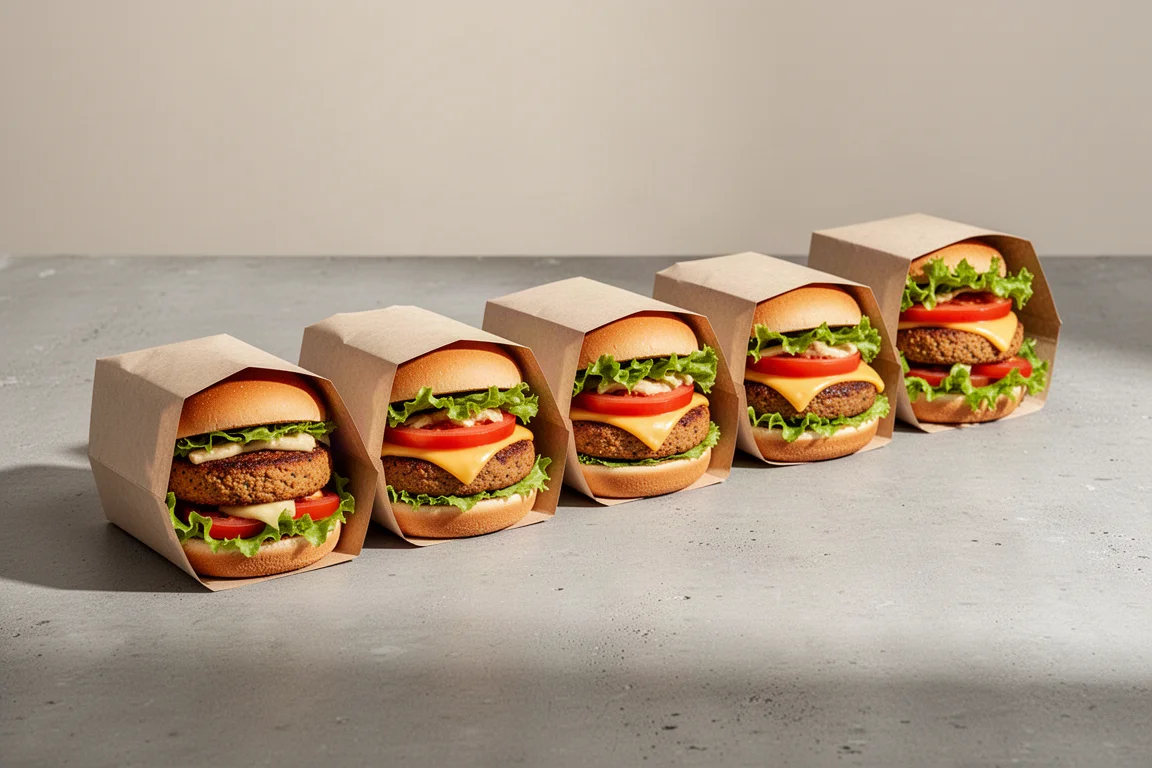
Best Plant-Based Burgers From Major Chains: Six Options Rated
Six plant-based burgers from KFC, Leon, McDonald's, Burger King, Shake Shack, and Honest Burgers put to the taste test to see which fast-food options are actually worth ordering.

Food & Drink
Best Dark Chocolate for Less Sugar: Four Picks From 60% to 90%
Four dark chocolates that deliver more cacao and less sugar, from an everyday baking bar to an intense 90% pick.
Food & Drink
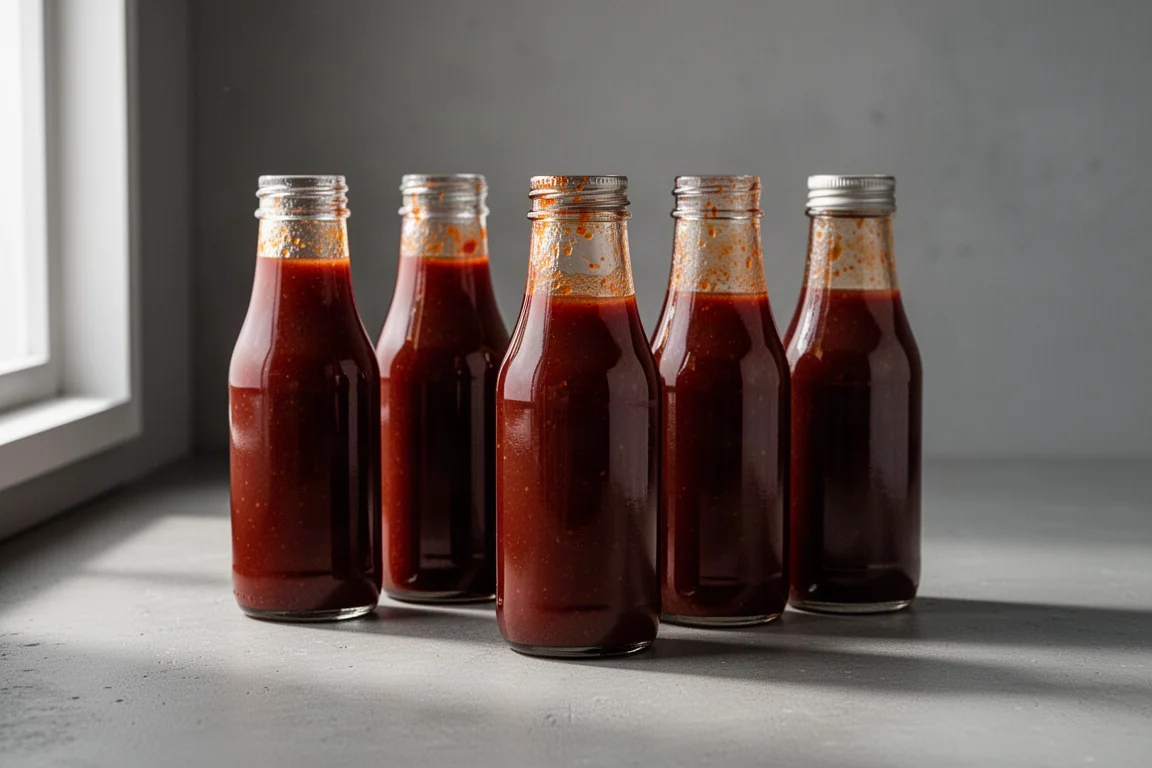
Four Kansas City Barbecue Sauces Worth a Spot on Your Table
We compare four very different Kansas City style barbecue sauces, from a classic sweet supermarket staple to three landmark restaurant sauces you can order online.