Everyday Carry Lights
Surefire EDC1 DFT Turbo Review: A Pocket Rocket Thrower for Everyday Carry
The Surefire EDC1 DFT Dual Fuel Turbo delivers exceptional beam distance in an EDC-sized light, with dual fuel flexibility and serious trade-offs in runtime and price.
Introduction
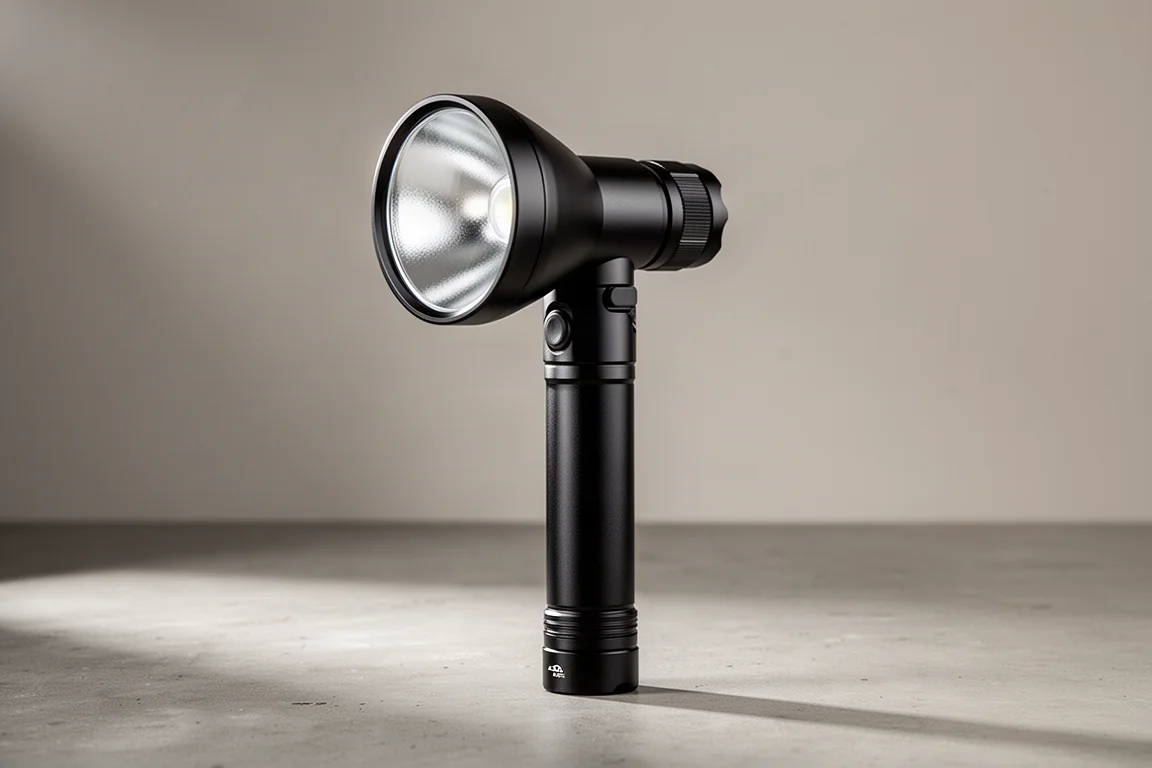
The Surefire EDC1 DFT Turbo, short for Everyday Carry One Battery Dual Fuel Turbo, has earned a place as a favorite second EDC light for a very specific reason: it delivers genuine thrower performance from a pocketable body. It offers impressive beast mode capabilities, but those come with real limitations worth understanding before you buy.
What Makes the EDC1 DFT Turbo Different
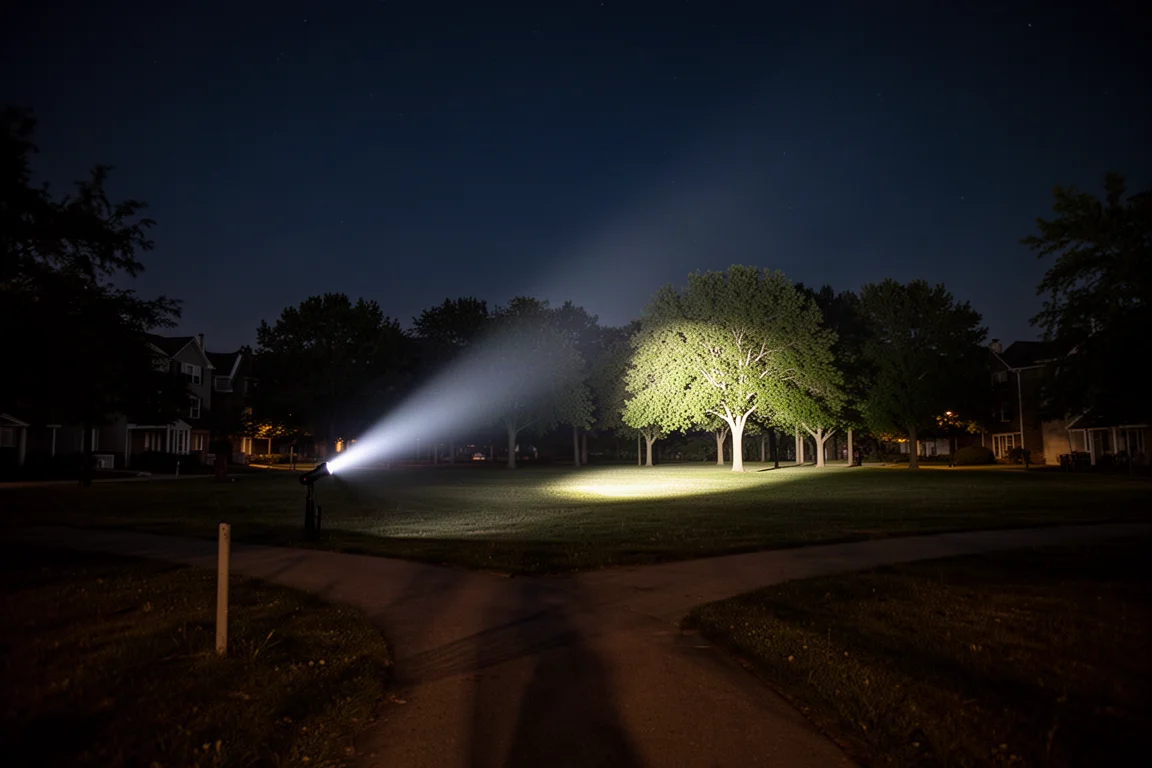
The headline feature is reach. In a residential park a few hundred yards across, this light hits focused beams far across the entire space, while still producing enough spill to navigate comfortably. Unlike many dedicated throwers that are nearly impossible to use for anything else, the EDC1 DFT Turbo retains usable peripheral light for walking around.
That balance is unusual. Many thrower-style lights give you a laser-like hotspot with almost no usable spill. This one keeps the beam tight and far-reaching while the spill remains sufficient for general navigation on the lower output setting.
Design and Build: A Multi-Stage Approach
Surefire describes the architecture well: the front end is almost entirely reflector, which is what allows the beam to perform the way it does. Rather than relying on the emitter alone, the company engineered a full reflector to cast the beam. Below that sits the LED, circuitry, and switches, then the battery tube, then the tail switch section.
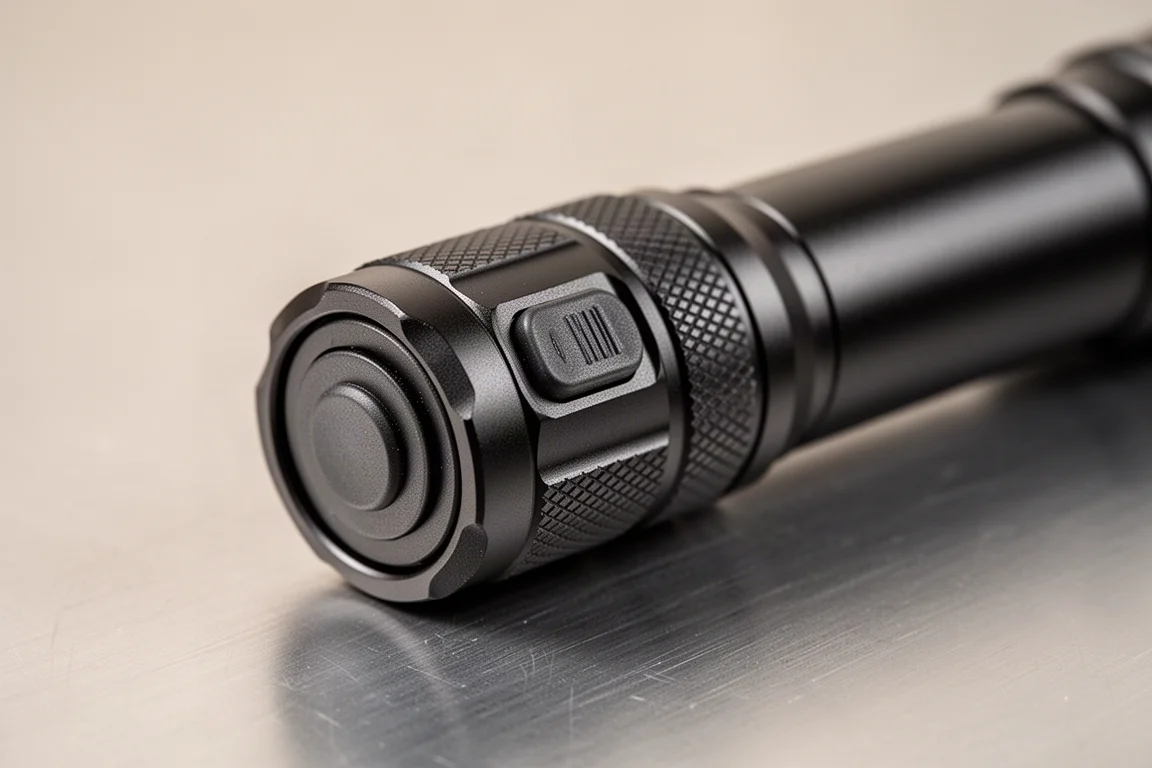
At the tail you get a click switch that works as both click on/off and momentary activation, plus a quarter-turn lockout that prevents the light from coming on accidentally. That matters in practice: wedging the light into a pocket can press the button, and the lockout feature eliminates that problem. The long internal spring accommodates different battery lengths, and the battery is removed from the top rather than the bottom.
Dual Fuel Flexibility and Battery Options
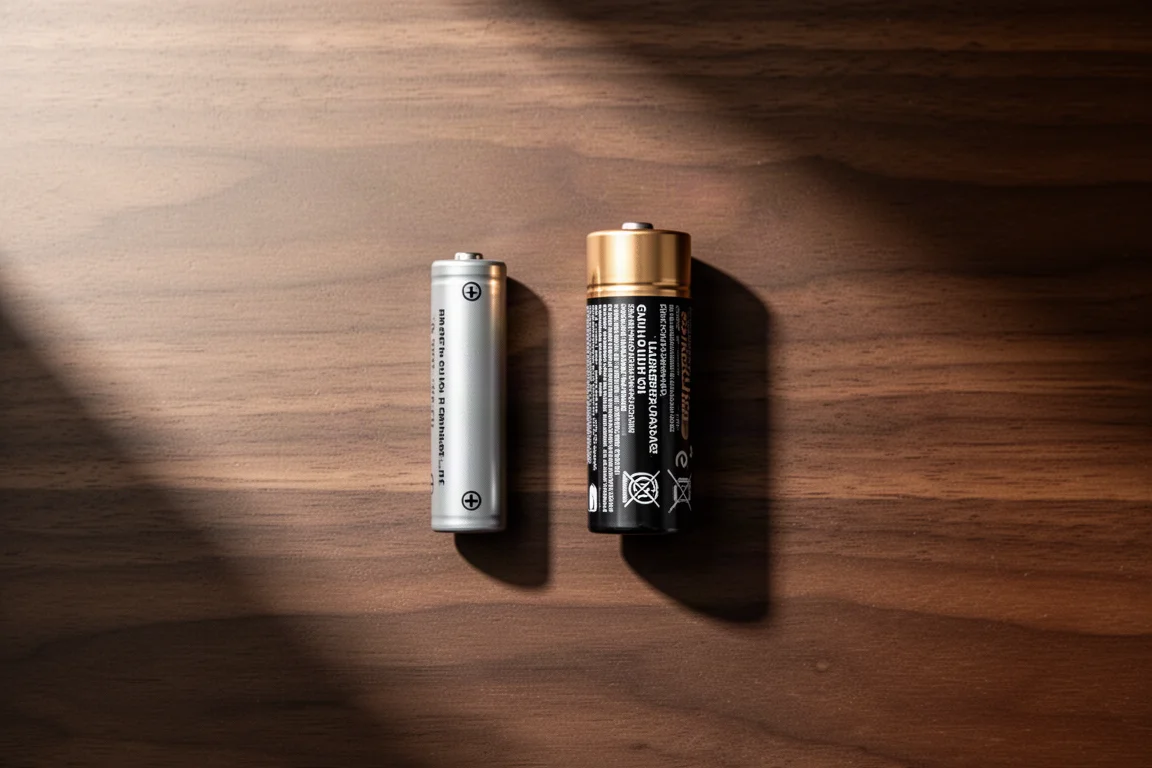
The dual fuel design is one of the strongest practical arguments for this light. It runs on a topped-off 3.7V 18350 rechargeable cell or a standard CR123 lithium battery. On the 18350 you get 650 lumens; drop in a CR123 and output drops to 350 lumens. Either way, the reflector sends that light out hundreds of yards: Surefire estimates over 600 yards with the 18350 and over 400 yards with the CR123.
Because high output drains the battery quickly, the ability to carry spare CR123 cells or extra 18350s, which cost around $20, is a genuine advantage. Spare batteries from other brands also work well in this light.
Performance: Candela Over Lumens
The key numbers here are candela, not lumens. Candela is what determines reach, measuring intensity at distance rather than total light output. At 650 lumens, the EDC1 DFT Turbo produces 95,000 candela. Surefire claims roughly 45 minutes of runtime on high with the 18350 before throttling, and about 12 hours on low. With a CR123, you get 350 lumens for about an hour, and low output of 25 lumens.
The beam quality deserves mention too. Some throwers show a ramped-up center with visible artifacts near walls. This one produces a very clean, almost laser-like focused beam.
How It Compares to the Longer E2D Defender
There are two versions of this light. The longer E2D LED Defender adds roughly one battery of length, nearly doubles the lumens, and gains about 5,000 candela, moving from 95,000 to 100,000. Side by side you may notice a small difference in output, but the real gain is significantly longer runtime, for about $10 more and a larger light to carry. If pocketability matters most, the single-cell version is the better fit.
Everyday Use: Where This Light Shines
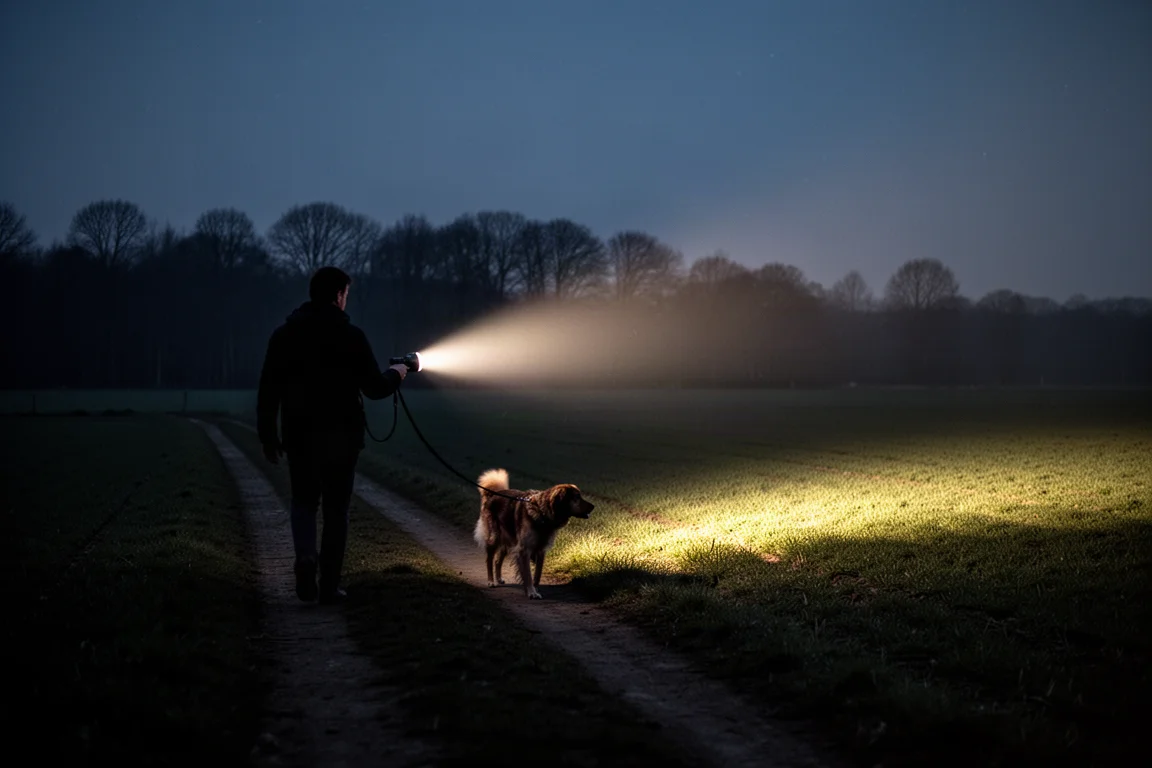
As a second EDC light, this one excels at scanning. On dark winter dog walks, it easily sweeps hundreds of yards across a field to spot wildlife such as deer. Within about 10 meters, the focused intensity is strong enough to temporarily compromise someone’s night vision, which is a serious consideration and part of why it works as a personal safety light.
That power is also why it works best as a companion rather than a primary. Even the low setting is very bright, which makes using it in a car awkward, and the short high-mode runtime means it cannot replace a dedicated spotlight or searchlight for long tasks.
Things to Consider Before Buying
Price is the biggest hurdle. Street prices run roughly $270 to $280, while gray and black versions are somewhat less expensive. The tan version shown in detail retails for over $300, around $306 to $309 on the Surefire site, and some cheaper listings are frequently out of stock. The deep-carry pocket clip is tip-down only and not removable, though the design is solid once you get used to it. It also cannot tail stand.
Compared to alternatives like the Baton Turbo, the Baton offers more spill, a similar beam character, and a lower price, though the Surefire is brighter and is an American company with some globally sourced parts, which is part of why Surefire uses ceramic-type coating rather than anodizing for the tan finish.
Conclusion
The Surefire EDC1 DFT Turbo is a genuinely impressive light that behaves like a rocket: enormous short-term performance, modest runtime, and a premium price. If you want a second EDC light that can scan hundreds of yards at night, run on two battery types, and still navigate normally, few lights do it this well. If you need long runtimes or an all-purpose primary light, look elsewhere or plan to carry spares.
Product link
View more details for Surefire EDC1 DFT Turbo
This product is mentioned in the review. Check the specifications, options, and compatibility before buying.
View more details for Surefire EDC1 DFT TurboFurther reading
Related Reviews
Everyday Carry Lights
Olight Oclip Ultra and Oclip Pro: Two Tiny Clip Lights With Serious Output
A closer look at Olight's Oclip Ultra and Oclip Pro, two durable clip-on lights with strong battery life, magnetic bases, and surprisingly high output.

Wallets
Allett Coin Wallet Review: A Slim, High-Capacity Wallet Built for Coins
The Allett Coin Wallet combines a quiet coin slot, generous card capacity, and durable nylon construction in a slim package designed for international travel.

Wallets
ALPAKA ARK Bifold Wallet Review: A Light, Water-Resistant Card Holder
The ALPAKA ARK Bifold Wallet offers a thin, water-resistant design with five card slots and a reasonable price. Here is a closer look at what it does well.