Guitar Pedals
Summer School Electronics Double Major Review: Two Klons in One Pedal
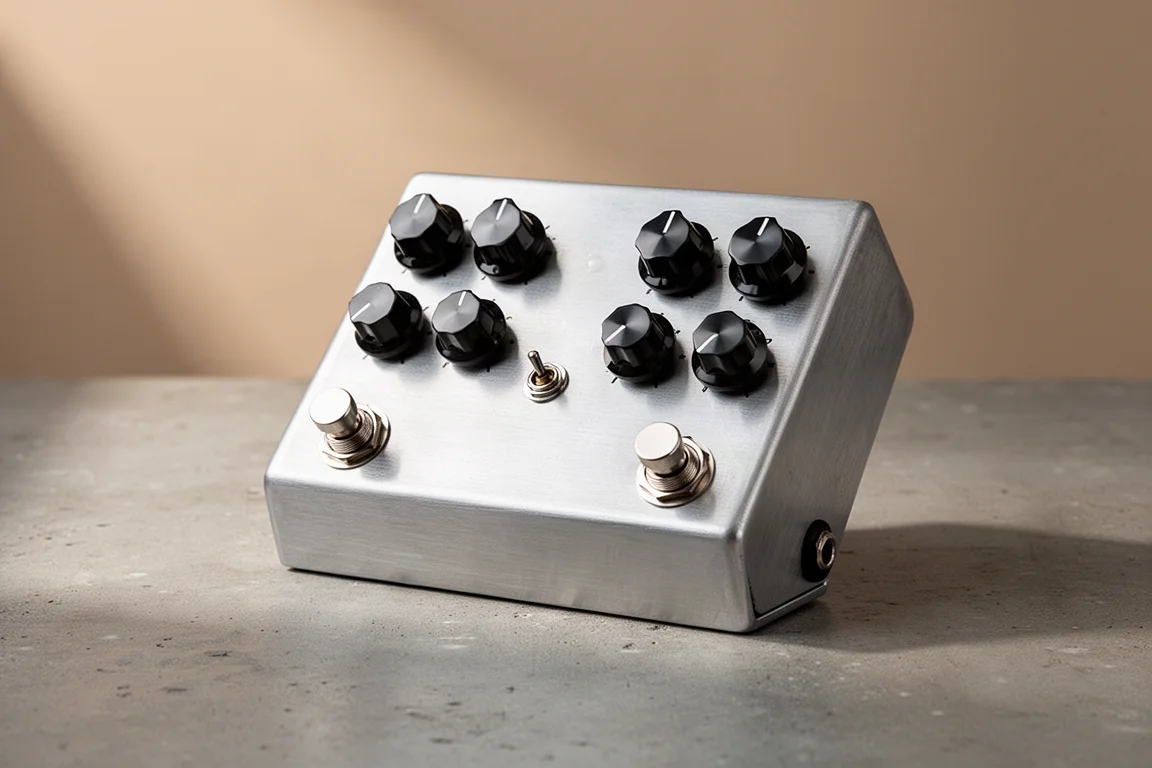
The Double Major packs two identical Klon-style circuits into a single pedal, offering a practical way to explore stacked overdrive tones without the cost of two original units.
Introduction
There has always been a certain mystique around the Klon overdrive circuit. Its reputation for making a guitar sound the way people expect an electric guitar to sound has turned it into one of the most talked-about pedals in the effects world. The catch has always been the price. Two original units can easily cost around $13,000, which puts that particular dream out of reach for most players.
Summer School Electronics aims to change that with the Double Major. This pedal puts two identical Klon-style circuits into a single enclosure, letting you run both sides at once without needing a second mortgage. The result is a double-sided overdrive that opens up a range of tonal possibilities at a significantly more accessible price point.
What Is the Double Major?
The Double Major is exactly what it sounds like: a double-sided Klon-style pedal. One enclosure, two identical circuits, and a hard or soft clipping switch. The idea is simple. Instead of buying two separate overdrive pedals and hoping they play well together, you get two matched circuits that are designed to stack.
This approach has a clear advantage. With a double overdrive that uses two different circuits, you might fall in love with one side and not the other. The Double Major avoids that problem entirely. Both sides are the same, so you either like the sound or you do not. There is no awkward middle ground where one side gets ignored.
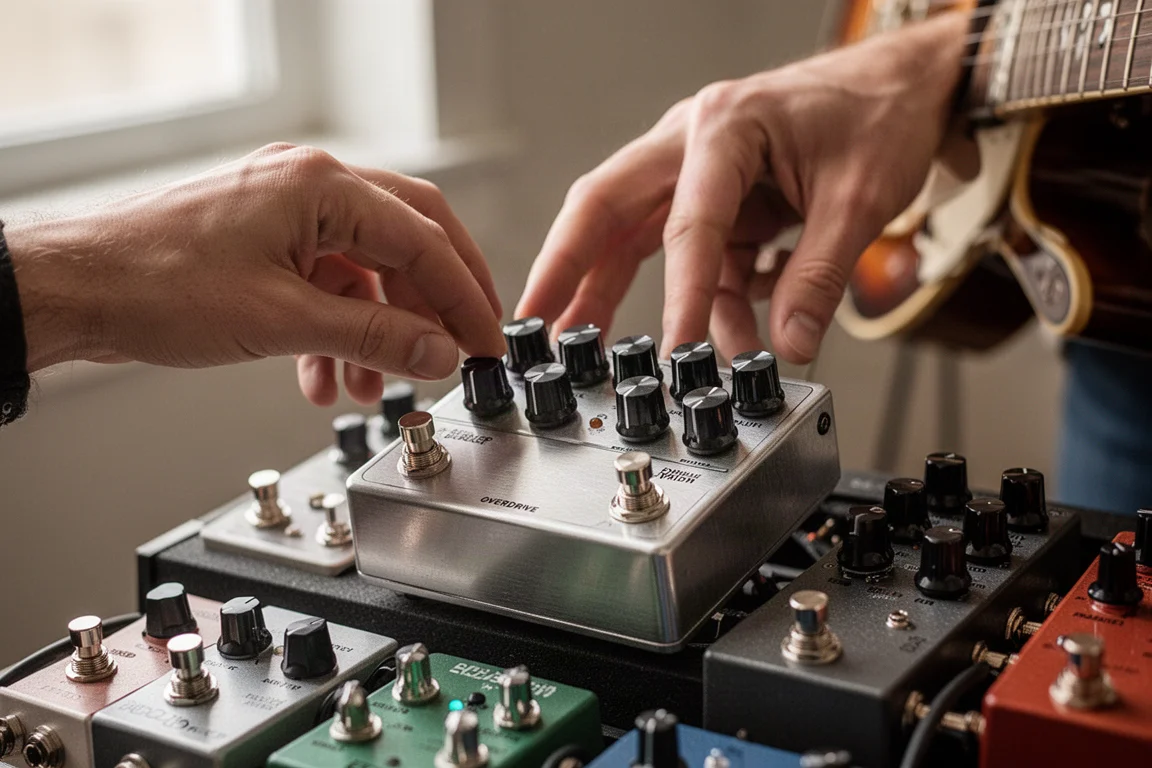
The pedal also works well as a preset tool. You can set one side for low gain and the other for high gain, or keep one side dark and the other bright. The hard and soft clipping switch adds another layer of flexibility, effectively giving you two different flavors of the same circuit.
Sound Quality and Character
The most interesting question about the Double Major is what two Klon-style circuits sound like when they run together. The answer is a sound that is warm, creamy, and noticeably thicker than a single overdrive. There is a clarity and sparkle that comes through, along with a sense of the guitar’s natural character.
Running both sides at once produces a thickening effect. Some of the frequencies that a single Klon-style circuit might roll off seem to come back when the second side is engaged. The result is a sound that feels bigger and more present without losing the clarity that makes this type of overdrive so popular.
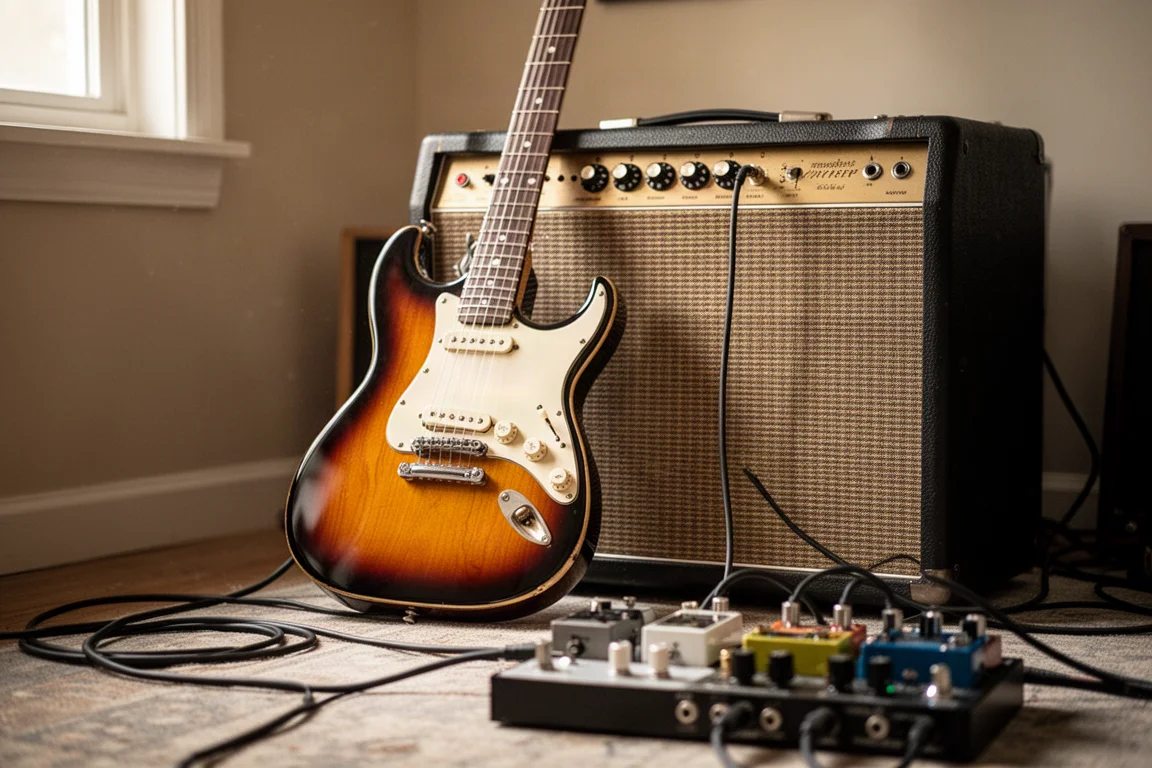
The pedal responds well to different pickup positions. The bridge pickup delivers a tight, aggressive tone, while the neck position offers a warmer, rounder voice. The middle positions sit somewhere in between, giving you plenty of range to explore.
Controls and Flexibility
The control layout is straightforward. Each side has volume, gain, and tone controls, plus a switch for hard or soft clipping. There is nothing complicated about the interface, which makes it easy to dial in sounds quickly.
The hard clipping mode is louder and raunchier, with a more aggressive edge. Soft clipping is smoother and warmer, with a more saturated feel. The difference between the two is significant enough that the pedal feels like two different devices depending on which mode you choose.
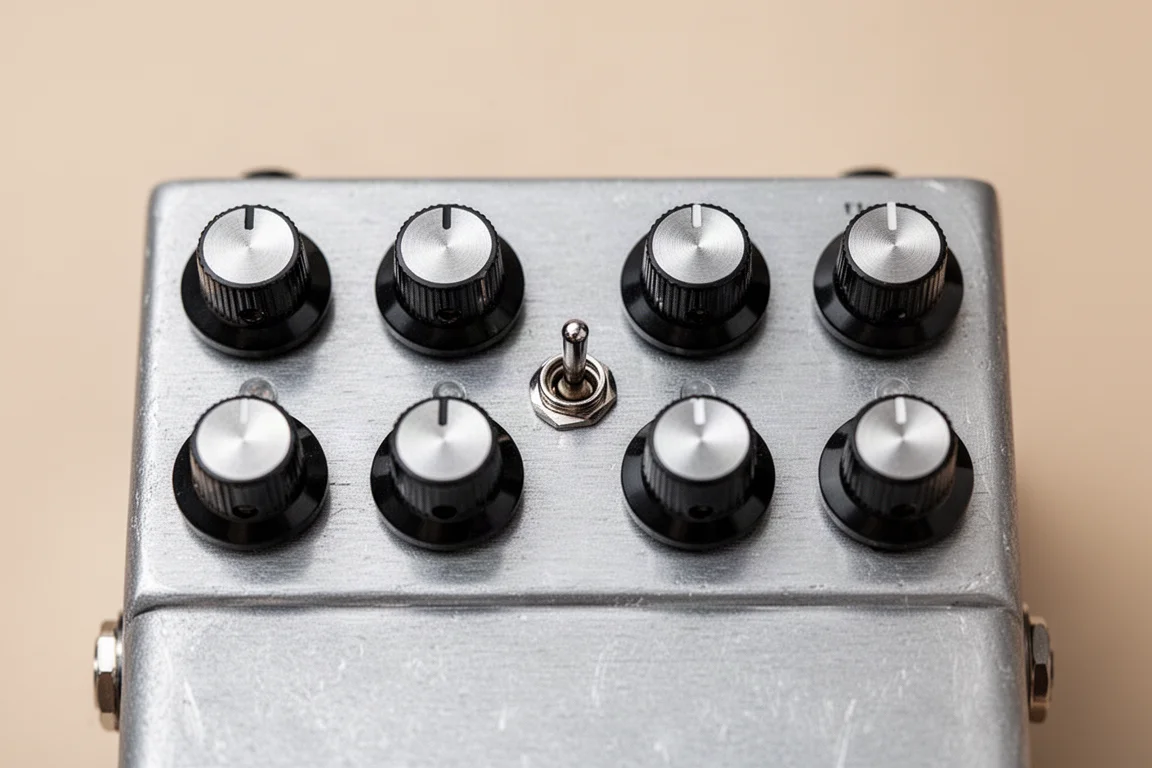
When you combine both sides, the interaction between them becomes the real fun. The first side acts as a pre-boost into the second, while the second side filters whatever comes through it. This creates a lot of dynamic possibilities. You can push the volume on one side to drive the gain on the other, or bring up the treble to add brightness to the overall tone.
Who Should Consider the Double Major?
The Double Major is aimed at players who want the Klon-style sound without the cost of two original units. It is also a strong choice for anyone who likes the idea of a double overdrive with two identical circuits, since it avoids the problem of favoring one side over the other.
Guitarists who play single-coil guitars will find a lot to like here. The pedal preserves the personality and character of the pickups while adding warmth and presence. It also handles high gain settings well, producing a sound that is aggressive and cutting without losing its musicality.
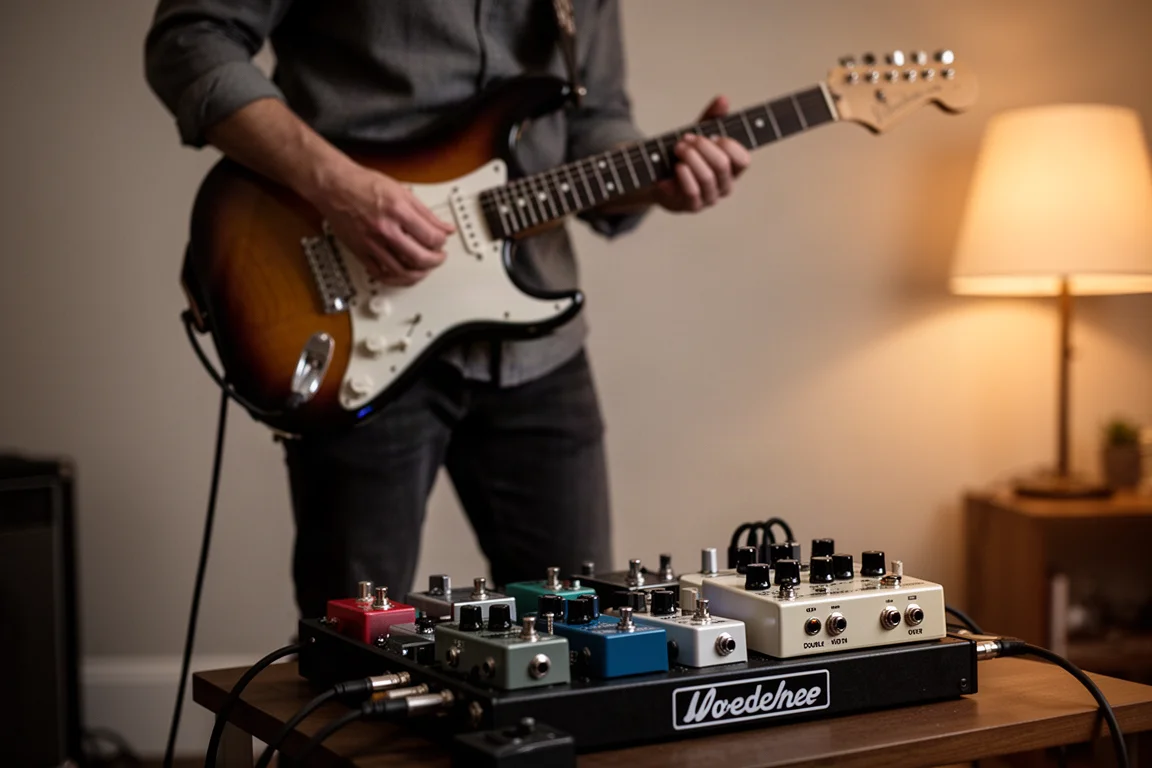
If you are looking for a practical way to explore stacked overdrive tones, the Double Major offers a lot of room to experiment. The combination of two identical circuits, a hard and soft clipping switch, and a simple control layout makes it easy to find sounds that work for your setup.
Buying Advice
The Double Major is best suited for players who already appreciate the Klon-style overdrive sound and want to take it further. If you have never tried this type of circuit before, it might be worth starting with a single overdrive to see if the character suits you. But if you know you like the sound and want the ability to stack two of them, this pedal delivers that experience at a fraction of the cost of two original units.
Consider how you will use the two sides. The pedal works well as a preset tool, with one side set for rhythm and the other for lead. It also shines when both sides are engaged, producing a thicker, more saturated tone that is hard to achieve with a single overdrive.
Conclusion
The Summer School Electronics Double Major solves a problem that has existed for years. It makes the sound of two Klon-style circuits running together accessible to players who do not have thousands of dollars to spend. The pedal is well designed, easy to use, and offers a surprising amount of tonal range for a device with such a simple control layout.
Whether you use it as a preset tool, a stacked overdrive, or just a way to explore what two identical circuits sound like, the Double Major delivers. It is a practical, affordable way to experience a sound that was previously out of reach for most guitarists.
Product link
View more details for Summer School Electronics Double Major
This product is mentioned in the review. Check the specifications, options, and compatibility before buying.
View more details for Summer School Electronics Double MajorFurther reading
Related Reviews

Guitar Pedals
Best Fuzz Builder Pedals 2026: Five Versatile Fuzz Pedals Worth Exploring
Five fuzz pedals that go beyond simple gain and tone controls, offering deep EQ, clipping modes, voltage control, and more for building your own sound.

Guitar Pedals
Bi-Tron C B Light Review: A Compact Chorus and Vibrato Pedal with Serious Depth
The Bi-Tron C B Light packs chorus, vibrato, modulation modes, filter modes, expression control, MIDI, and 16 preset banks into a compact pedal.

Guitar Pedals
Catalinbread Proto Club 6 Review: A Unique Chorus and Phaser Combo
The Catalinbread Proto Club 6 blends a low-frequency phaser with a high-frequency chorus, offering a distinctive modulation pedal with powerful EQ shaping.